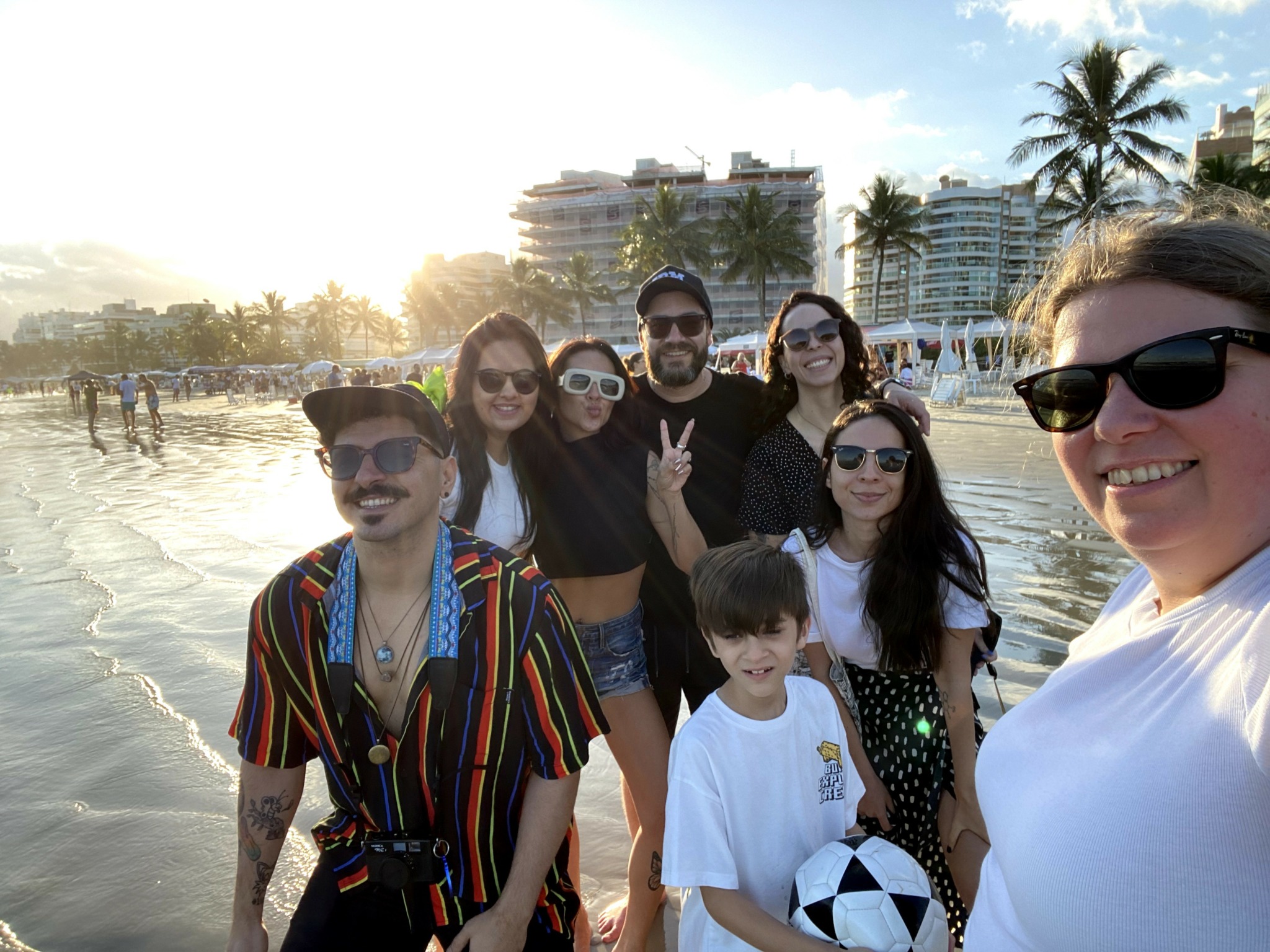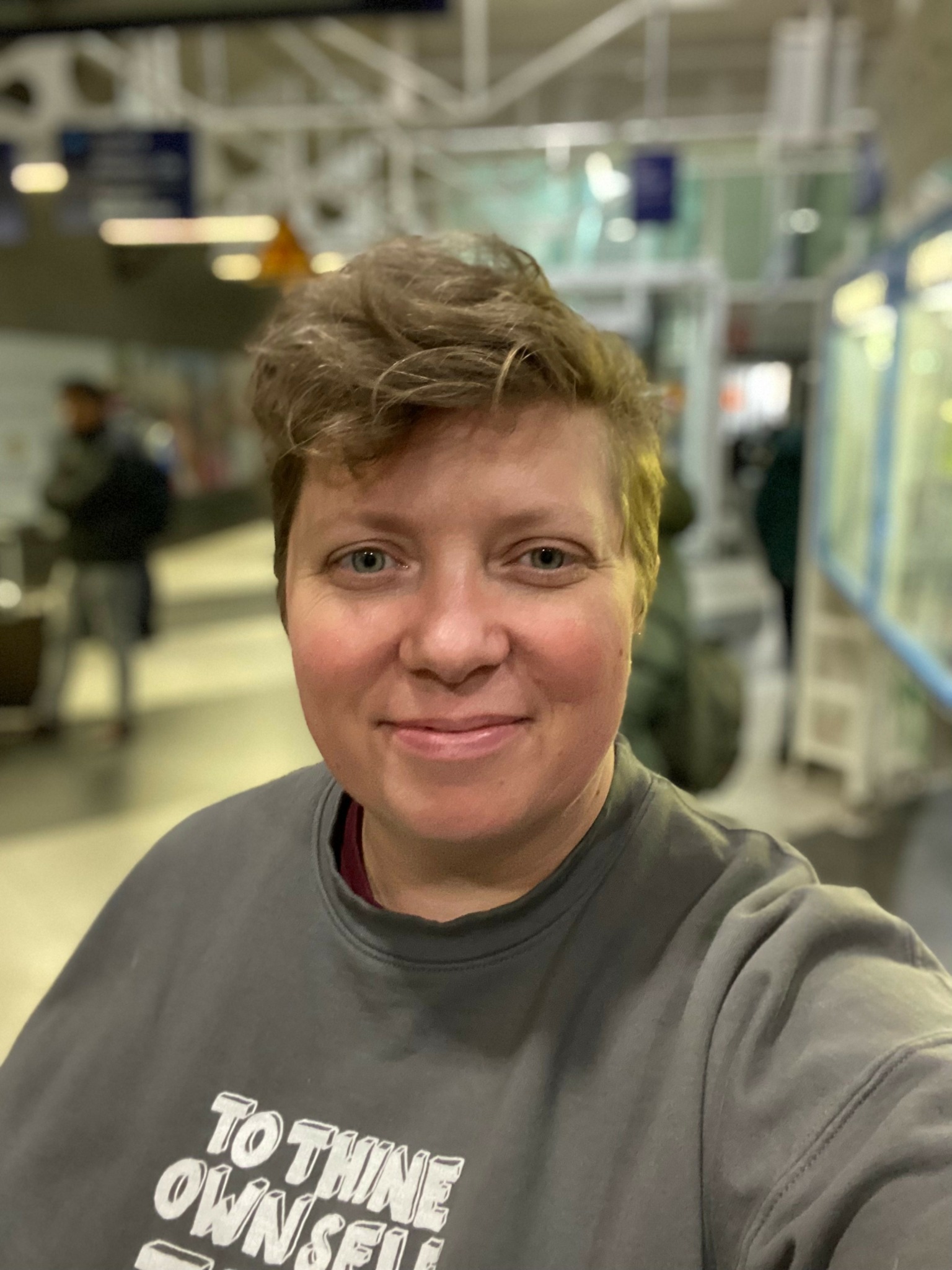

We’re excited to introduce you to the always interesting and insightful Ewa Karweta. We hope you’ll enjoy our conversation with Ewa below.
Hi Ewa, thanks for joining us today. Is there a lesson you learned in school that’s stuck with you and has meaningfully impacted your journey?
It was 2013 and it seemed like a whole chapter of my life has come to an end. My post undergrad plans were not working out, money was tight, I was stuck in a cycle of never-ending roommates, and I lost several people in my life in what seemed like a 4 year streak of tragic deaths. These events created a perfect environment for me to let go of any notion that I knew the first thing about life, work or success. It was that year that I got my acceptance letter to the VCU Brandcenter.
When I first stepped foot in the building, with it’s multi-media-display above the front desk, brick, metal and wood interior, bright yellow lockers, a winding concrete table spanning the width of the building; it felt like home. I didn’t yet have words for it, but my spirit knew that I would be forever changed by that place. And so I was.
In the first semester my work (and really everyone’s work) was torn to pieces, harshly criticized and F’s were given out like candy. I was balancing between “hey, you got accepted here” and “what in the world are you doing”. We were being chipped away at in every possible way, while also being fed a steady diet of great creative work. I heard and saw the mantra “Fail Good” everywhere I turned. Be audacious, be risky, invest in your idea so much that it is the most epic failure you could ever make. Failure happened so frequently that it was expected. Over time I simply planned for it. Failure was the most obvious thing, and the more obvious it became the less feared it was. Because after every failure there was going to be another morning, and another project. And that process, the psychological stripping down of fear of failure created an opportunity.
In a school full of creative people, I still wanted to make an impact. I wanted my projects to get not just the teacher’s approval but the recognition of my peers. There was still a fire in my belly for competition. And it was in that mental and emotional space where you are no longer afraid to fail and yet are driven to try your best that something magical happens. You tear down the societal, familial and self-imposed boundaries and the resistance you have built up to be your truest form of self.
For me, those boundaries and resistance were centered around vulnerability. Being openly soft and emotional. Letting people in. Showing them the gentleness inside of me. Speaking openly about things that hurt and things that bring me joy. Relating to strangers through the heart. And one of my favorite assignments helped me put all those boundaries aside.
My friend Max and myself were set to pitch a project he built for a “Virginia is for Lovers” Campaign to celebrate love. It was a giant pixelated heart that would take a picture, but only if you had at least 2 people holding hands. I loved his project and I wanted to do it justice and make my classmates realize the kind of bond that we have built with one another that would make them want to take a picture as a class and not just couples. I wanted them to celebrate all kinds of love, not just the romantic one.
And so we pulled together personal stories of heartbreak and joy and anecdotes from our time together as students at VCU Brandcenter. I didn’t care about the grade. I didn’t care if this was school “appropriate”. We meticulously planned the speech out, the pauses, the eye contact, the tone. When we would crack a joke or pass a note, where in the room would we stand and when we would move. Recognition didn’t matter. This project was not about winning an award or getting accolades. And then we rehearsed it till we could say it all in our sleep. What mattered was getting our classmates to feel the conviction of our hearts.
And when the day came, I could feel it in my bones, from the second we started our presentation, that this one was going to be different. We weren’t here to try an show off, we weren’t here to try to impress. We were here, talking human to human about an experience every single one of us knew. And as we captured the personal memories of love, we extended it to encompass the support, the kindness, the shared pain or failure that we all experienced with our classmates. As as their faces changed, and their eyes watered I knew we have finally captured the elusive essence we were after. Afterward the whole room (including the teacher) shuffled out to take a photo of all of us holding hands.
The essence we captured lived in a space free from fear of failure and full of desire to connect on a human level with others. In that space no divisions exist, and in that space we are all most vulnerable and most connected.
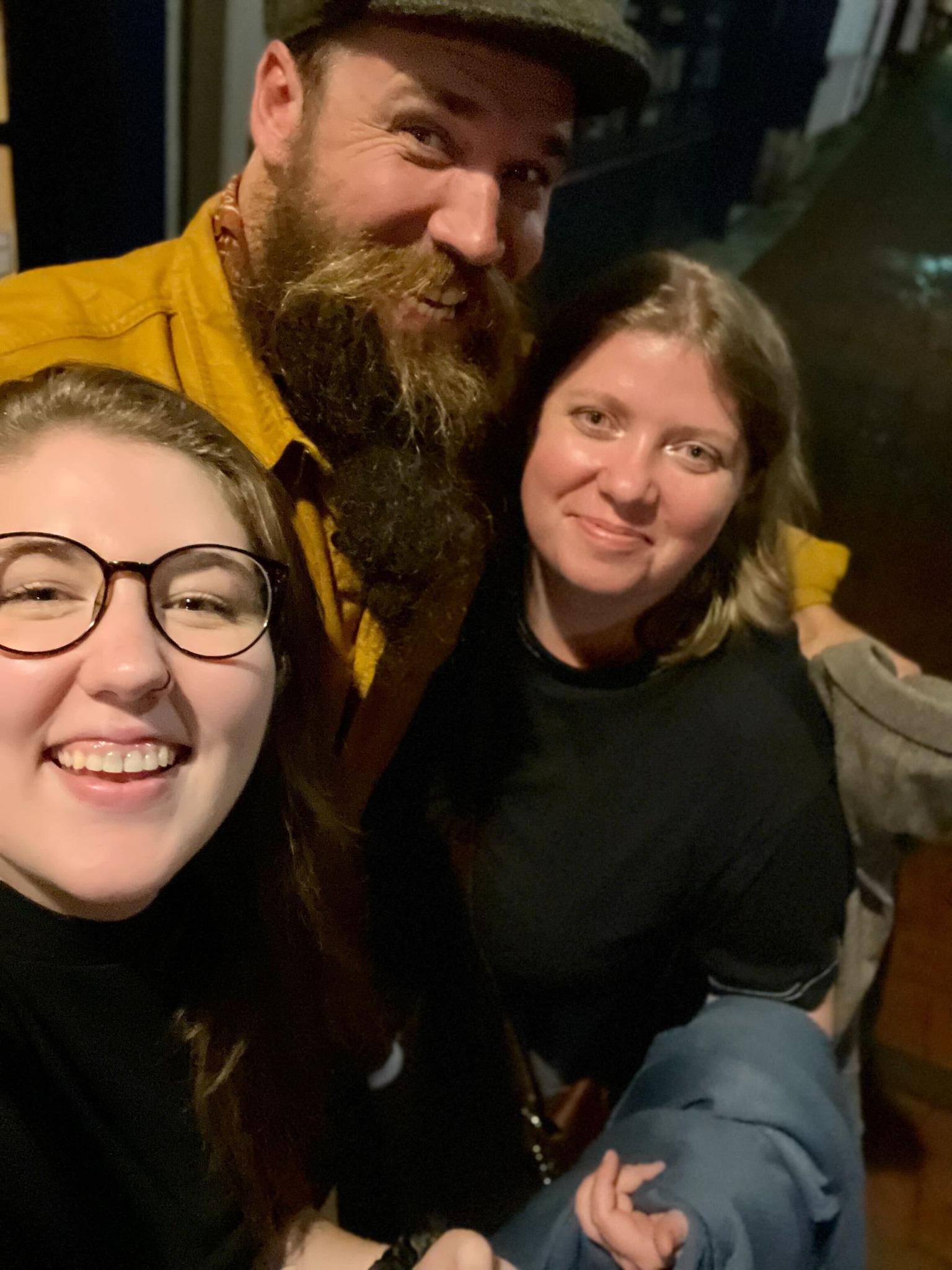
Awesome – so before we get into the rest of our questions, can you briefly introduce yourself to our readers.
I work as a User Experience Design Director with IBM iX working at the intersection of Design, Technology and Humanity. I help clients with both the strategic thinking about technology adoption and the delivery side. I believe in approaching problems with Tenacity, Growth Mindset and Flexibility while always making sure we are not spending money on tech because of the “hype” but because of a true human need and benefit.
In my local community I help small businesses with their Design needs, whether it’s posters for events, advertising their classes, creating logos and business cards.
As “Wigglebutt Workshop” I make some goodies (apple and banana chips, marmalades, pickled onions, cocktail sugars etc.) and offer them for sale through some local shops or per custom order.
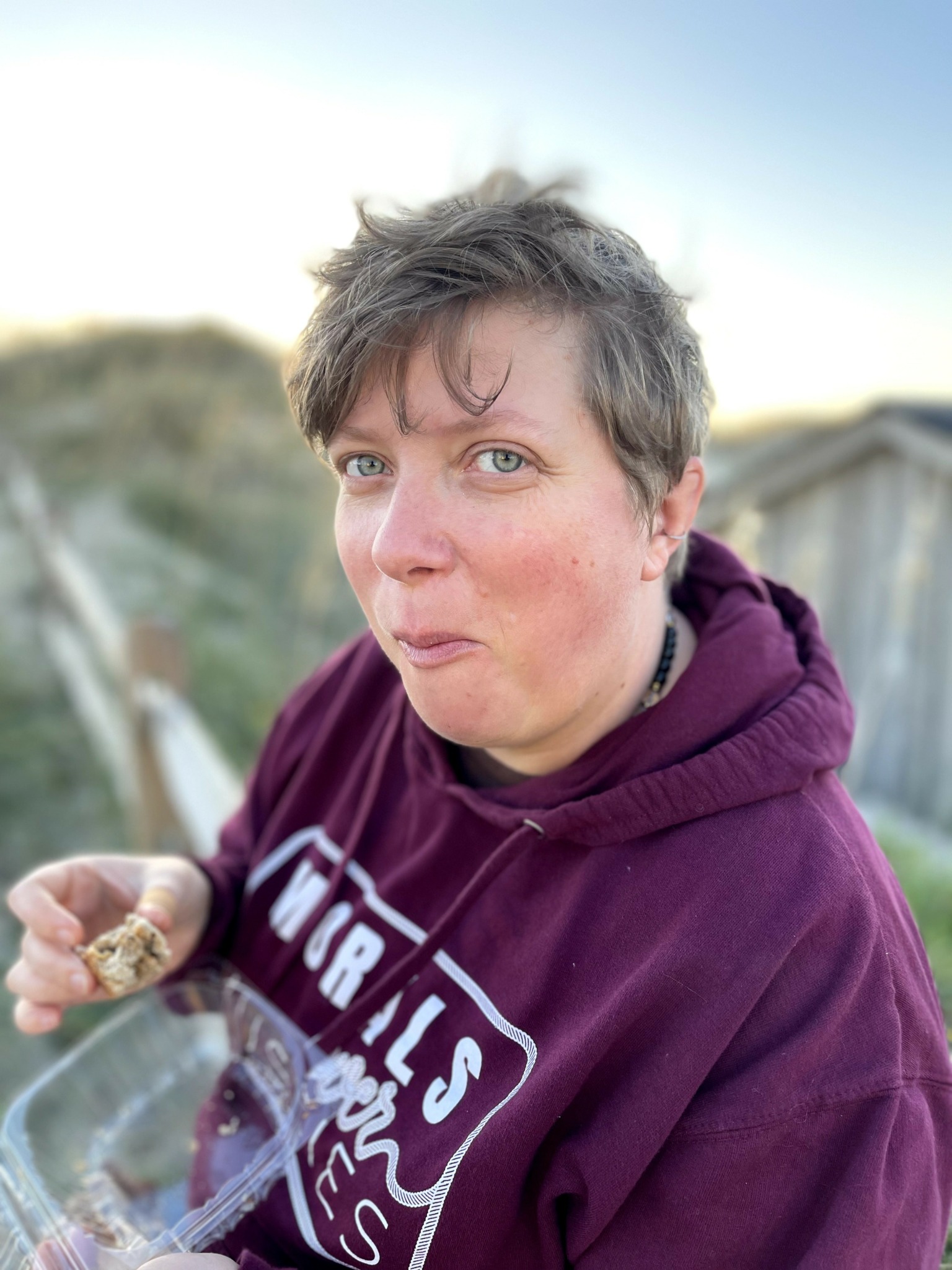
Any advice for managing a team?
Understand that people will fail you and build in systems to manage the worst case scenarios in a way that creates a supportive environment for them and as little stress as possible for you. When I mean that people will fail you, it is not out of a deep belief that good employees do not exist or that no body cares to work hard these days. But it does mean that a myriad of scenarios that you or them cannot possibly predict are going to happen sooner of later. There will be deaths in the family, car accidents, hospital visits, delayed flights, lost keys etc. The better prepared you are for these circumstances, the more empathy you are able to provide your team and the more supported your people will feel. If on top of that, they are all well informed and know how to act in times of failure, know that you or their team mates will have their back and they do not have to stress out about being fired, you are able to create an environment in which people want to be, and a company they want to invest their time into.
It is in that environment that you then set up high performance expectations, a culture of honesty and rally your team around a vision they are all co-authoring with you.
Have any books or other resources had a big impact on you?
Art of the Pitch by Peter Coughter taught me about the importance of aligning your vision with that of the people you are trying to sell to, how to connect with them on a deeper level and nail your pitches.
Radical Candor by Kim Scott taught me about the importance of addressing issues in your teams early, before frustration builds up, how to be truly assertive without making people feel small and the importance of providing reasoning, logic and examples with your feedback.
Contact Info:
- Website: https://www.ewakarweta.com
- Linkedin: https://www.linkedin.com/in/ewa-karweta-78b00289