

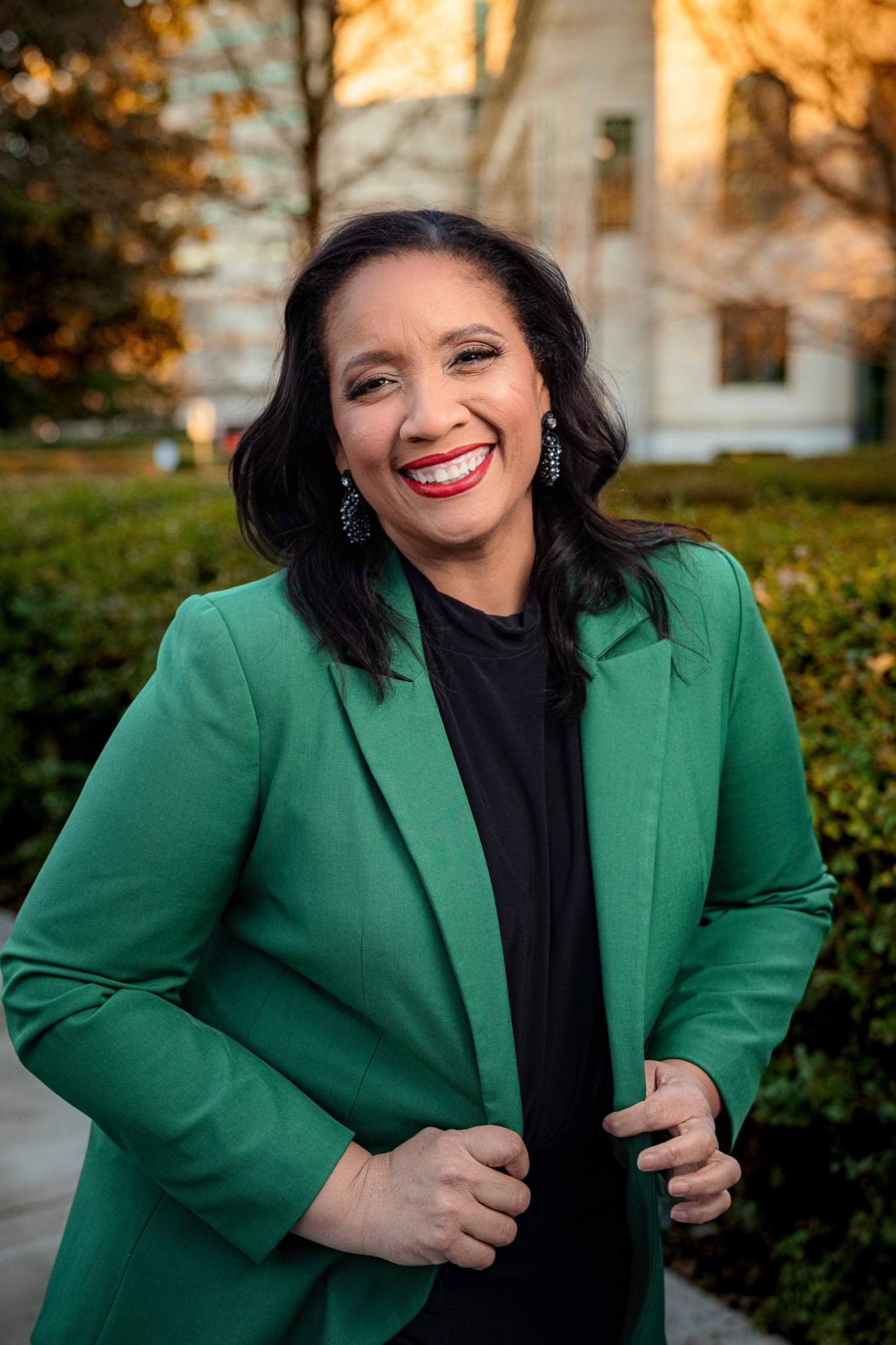

Alright – so today we’ve got the honor of introducing you to Madelin. We think you’ll enjoy our conversation, we’ve shared it below.
Hi Madelin, thanks for joining us today. It’s always helpful to hear about times when someone’s had to take a risk – how did they think through the decision, why did they take the risk, and what ended up happening. We’d love to hear about a risk you’ve taken.
There was a season in my life when everything on the outside looked strong… but everything on the inside was quietly breaking. I am someone who paid the price for the insight I will share:
I was leading, delivering, showing up for everyone. From the outside, it looked like momentum. But internally, I was carrying grief, betrayal, unanswered prayers, and the silent pressure to hold everything together.
I had walked through one of the most painful chapters of my life—navigating a crisis in my marriage, experiencing infertility, and the devastating loss of my daughter, Monserrat. At the same time, I was operating at a high level professionally, expected to lead with clarity, strength, and composure.
And that’s where the real risk began.
Because the safest thing I could have done… was to keep performing.
To keep producing.
To keep leading from a place of control.
To keep being the version of me that everyone else could rely on.
But I realized something that changed everything:
I was succeeding at work… and abandoning myself in the process.
So I made a decision that didn’t make sense on paper. I made it on a hospital room with wires in my brain figuring out why my memory was failing, my nervous system was taken by high stress, I had a small child with special needs and I was pregnant finishing my masters degreed at Harvard University.
I chose to pause internally—even while life around me didn’t slow down.
I chose to confront what I had avoided.
I chose to rebuild my life not from performance… but from alignment with God, with truth, and with who I was becoming.
One of the most tangible expressions of that risk was relocating my life from Boston to North Carolina for the sake of my health, my healing, and my family. It wasn’t just a geographic move—it was a spiritual one.
I was stepping away from certainty… into obedience.
And obedience doesn’t always come with a clear outcome. It comes with trust.
There were moments of doubt. Moments where I questioned if I was losing ground, if I was stepping back instead of forward. But what I was actually doing… was rebuilding my foundation.
Because here’s what I’ve learned:
The greatest risk is not failing.
The greatest risk is staying committed to a version of yourself that no longer reflects who God is calling you to become.
That decision changed everything.
It reshaped how I lead.
How I define success.
How I show up for others.
Today, the work I do—whether it’s with executives, teams, or women walking through their own healing—is rooted in this truth:
The most important project you will ever lead… is you.
And sometimes, the bravest thing you can do is stop managing everything around you… and start restoring what’s within you.
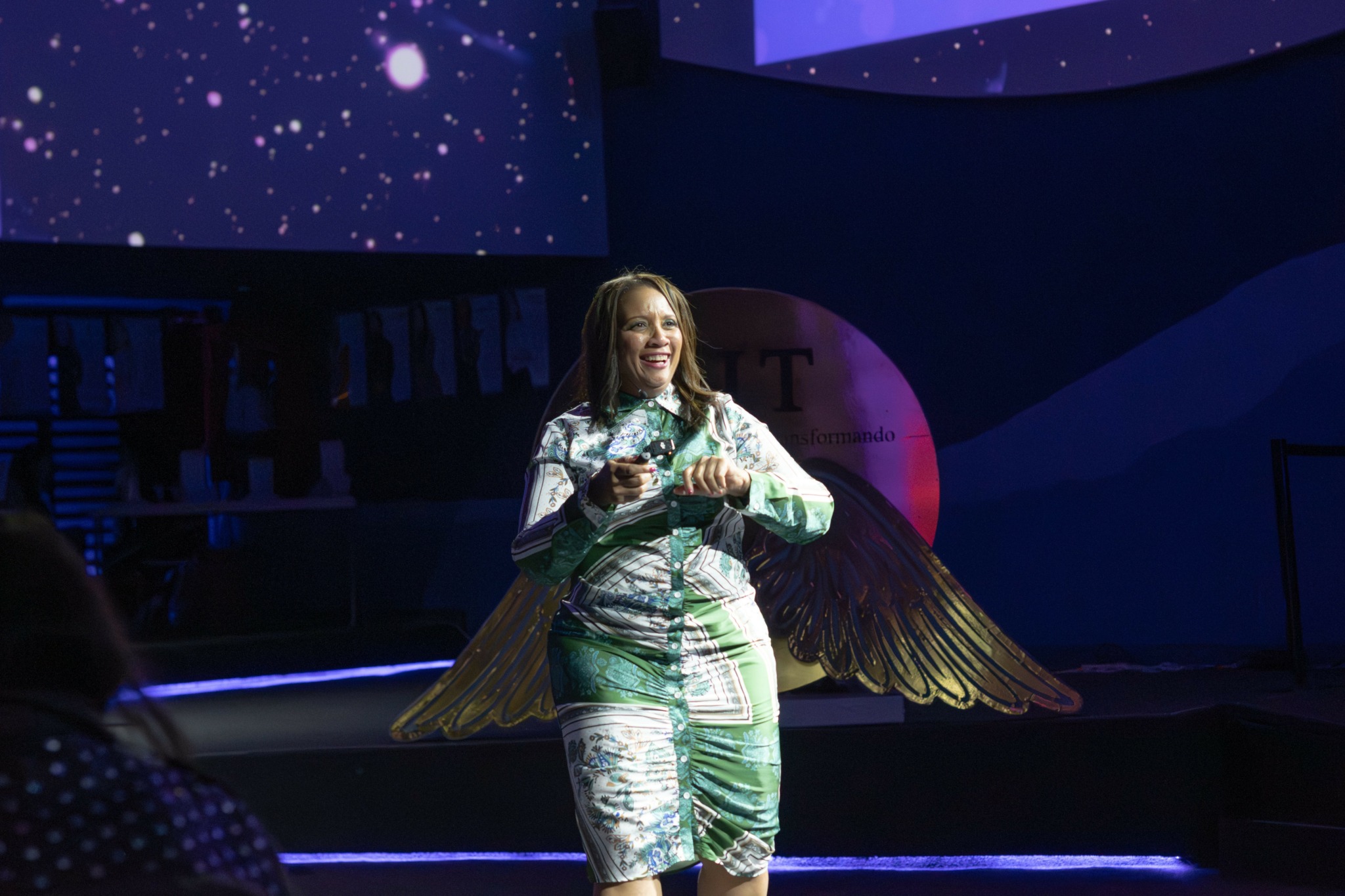
Madelin, love having you share your insights with us. Before we ask you more questions, maybe you can take a moment to introduce yourself to our readers who might have missed our earlier conversations?
I’m a leadership strategist, executive advisor, and author—but more than anything, I help people lead from the inside out.
My work sits at the intersection of high performance, identity, and faith.
For over 15 years, I’ve had the privilege of advising CIOs and senior executives across global organizations on transformation, leadership, and building human + AI capabilities. On paper, my career has been about strategy, scale, and outcomes.
But my real work began when I realized something deeper:
You can be incredibly successful on the outside… and completely disconnected on the inside.
That realization didn’t come from theory. It came from lived experience.
I walked through seasons that challenged everything—my identity, my faith, my relationships, and my sense of purpose. Navigating a crisis in my marriage, experiencing infertility, losing my daughter Monserrat, and making life-altering decisions for my health and healing forced me to confront a truth I had avoided for years:
I knew how to lead teams.
I knew how to drive results.
But I had not fully learned how to lead myself.
That’s where everything shifted.
Today, my work is centered around a simple but powerful idea:
The most important project you will ever lead… is you. Let’s have courage for a strategic reset.
Through my book El Proyecto Más Importante Eres Tú, my Peak Performance Blueprint, and my advisory work with executives, I help leaders—especially high-achieving women—break free from invisible patterns that keep them stuck in overperformance, burnout, and misalignment.
Because many of the leaders I work with are not struggling with capability.
They’re struggling with:
Over-responsibility
Hidden loyalties that keep them playing small
The pressure to be everything for everyone
And the quiet disconnection from who they truly are
What sets my work apart is that I don’t just focus on external performance.
I help leaders integrate four dimensions of energy: emotional, mental, physical, and spiritual—because sustainable success requires alignment across all of them.
I also bring a dual lens that is not always combined:
Executive strategy and real-world C-suite experience
Deep inner work rooted in faith, healing, and identity
That combination allows me to meet leaders where they are—and take them where most frameworks can’t.
What I’m most proud of is not just the organizations I’ve advised or the stages I’ve spoken on.
It’s the transformation I witness in people.
The moment a leader stops performing for approval… and starts leading from conviction.
The moment a woman realizes her power is not something to negotiate.
The moment someone understands that healing is not separate from leadership—it’s foundational to it.
If there’s one thing I want people to know about my work, it’s this:
You don’t need to become someone else to reach your next level.
You need to return to who you were always meant to be—and lead from there.
Because your life, your calling, your leadership…
is not just something you manage.
It’s a project you are meant to build with intention, courage, and alignment.
And that project… is you.
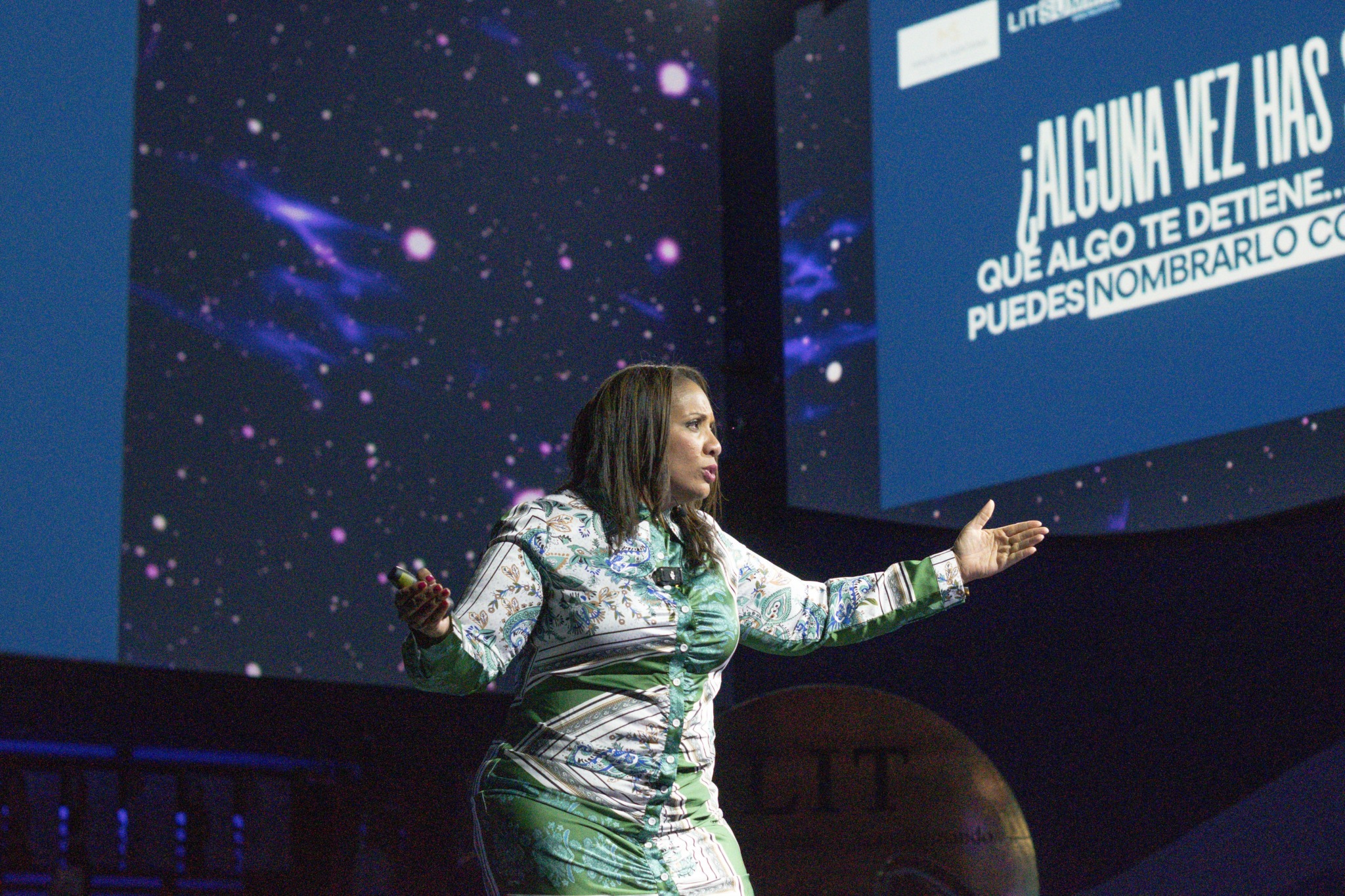
Can you share a story from your journey that illustrates your resilience?
Resilience, for me, was not built in moments of strength.
It was revealed in moments when I had none left.
There was a season in my life when everything I thought was stable began to unravel at the same time.
I was navigating a deep crisis in my marriage. At the same time, I was walking through infertility and the heartbreak of losing my daughter, Monserrat. And in the middle of all of that, I was still showing up professionally—leading, delivering, and carrying expectations that didn’t pause just because my life was hurting.
From the outside, it looked like resilience.
But internally, I was exhausted, grieving, and questioning everything—my identity, my direction, and how much longer I could keep holding everything together.
I remember reaching a point where the only honest question left was:
“Now what?”
Not “How do I fix this?”
Not “How do I push through?”
Just… “Now what?”
Because I could no longer rely on the version of me that had always solved, carried, and performed.
And that’s where my understanding of resilience changed.
I began to realize that resilience is not about pushing through pain.
It’s about being willing to face it—and rebuild from it.
One of the most defining decisions during that time was choosing to relocate my life from Boston to North Carolina for the sake of my health, my healing, and my family. It wasn’t a perfectly planned move—it was a necessary one.
I didn’t have certainty.
But I had clarity that staying the same would cost me more than changing.
And from that place of rebuilding… something new was born.
I created Madelin Santana Leadership—not as a business idea, but as an extension of what I had learned through that season.
It became a space where I could integrate everything—leadership, identity, performance, and personal transformation—and help others lead from a place of alignment, not exhaustion.
That season didn’t just test me—it transformed me.
It reshaped how I define success.
How I lead.
And how I show up for others.
Today, when people see the work I do, the clarity, the strength, the message—I always remind them:
This didn’t come from a life that was easy.
It came from a life that was rebuilt.
If there’s one thing my journey has taught me, it’s this:
Resilience is not about becoming unbreakable.
It’s about becoming anchored in who you are—especially when everything around you feels uncertain.
And from that place… you don’t just survive.
You build something meaningful.
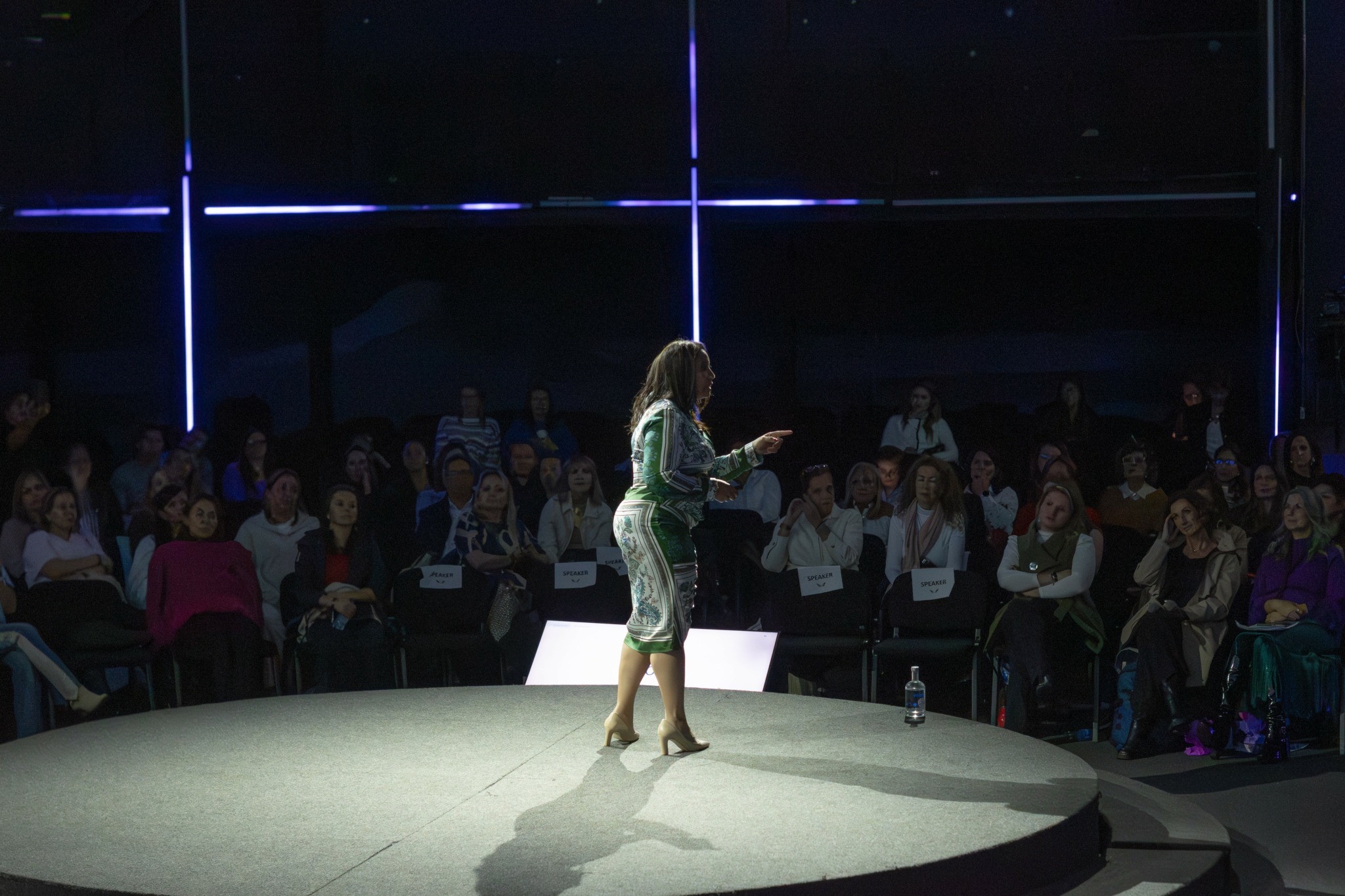
Have you ever had to pivot?
My career doesn’t follow a straight line—it’s a portfolio of industries that, over time, has become a tapestry of pivots and strategic resets.
But it didn’t start that way.
Early on, I built my foundation in the defense space—structured, disciplined, high-stakes environments where precision and execution mattered. From there, I made what felt like a big leap into higher education, working in executive learning environments that exposed me to how leaders actually grow and evolve.
Then came another pivot into EdTech in Silicon Valley.
That one stretched me in a completely different way—faster pace, more ambiguity, constant reinvention. It was where I really began to connect the dots between learning, technology, and scale. I started to see how capability-building wasn’t just about content—it was about behavior, mindset, and systems.
Each move looked different on paper. Different industries. Different contexts.
But underneath, there was always a pattern:
I was drawn to transformation.
The biggest pivot, though, wasn’t just across industries—it was in how I positioned myself.
Over time, I shifted from being embedded inside organizations to becoming an advisor—working with CIOs and executive teams on AI, human readiness, and how to actually translate strategy into capability and results.
That shift required me to stop defining myself by the environment I was in… and start owning the value I brought across environments.
And from that clarity, I built Madelin Santana Leadership—my coaching and advisory platform.
Not as a departure from my career, but as the integration of it.
Today, my work sits at the intersection of AI, leadership, and human transformation—helping leaders navigate not just technological change, but the internal shifts required to lead through it.
Looking back, what once felt like disconnected pivots now makes perfect sense.
Because the throughline was never the industry.
It was the ability to step into new environments, understand what drives performance, and help people evolve within them.
If there’s one thing I’ve learned, it’s this:
Pivots aren’t setbacks.
They’re signals.
Signals that you’re ready to operate at a different level—
even if the path there doesn’t look linear.
And sometimes, the most strategic thing you can do is trust the pattern before you can fully explain it.
Contact Info:
- Website: https://madelinsantanaleadership.com
- Instagram: Madelin Santana Coaching
- Facebook: Madelin Santana
- Linkedin: https://www.linkedin.com/in/madelin-santana-innovator/
Image Credits
Credits to Kiara Huerta and Pablo Salgado