

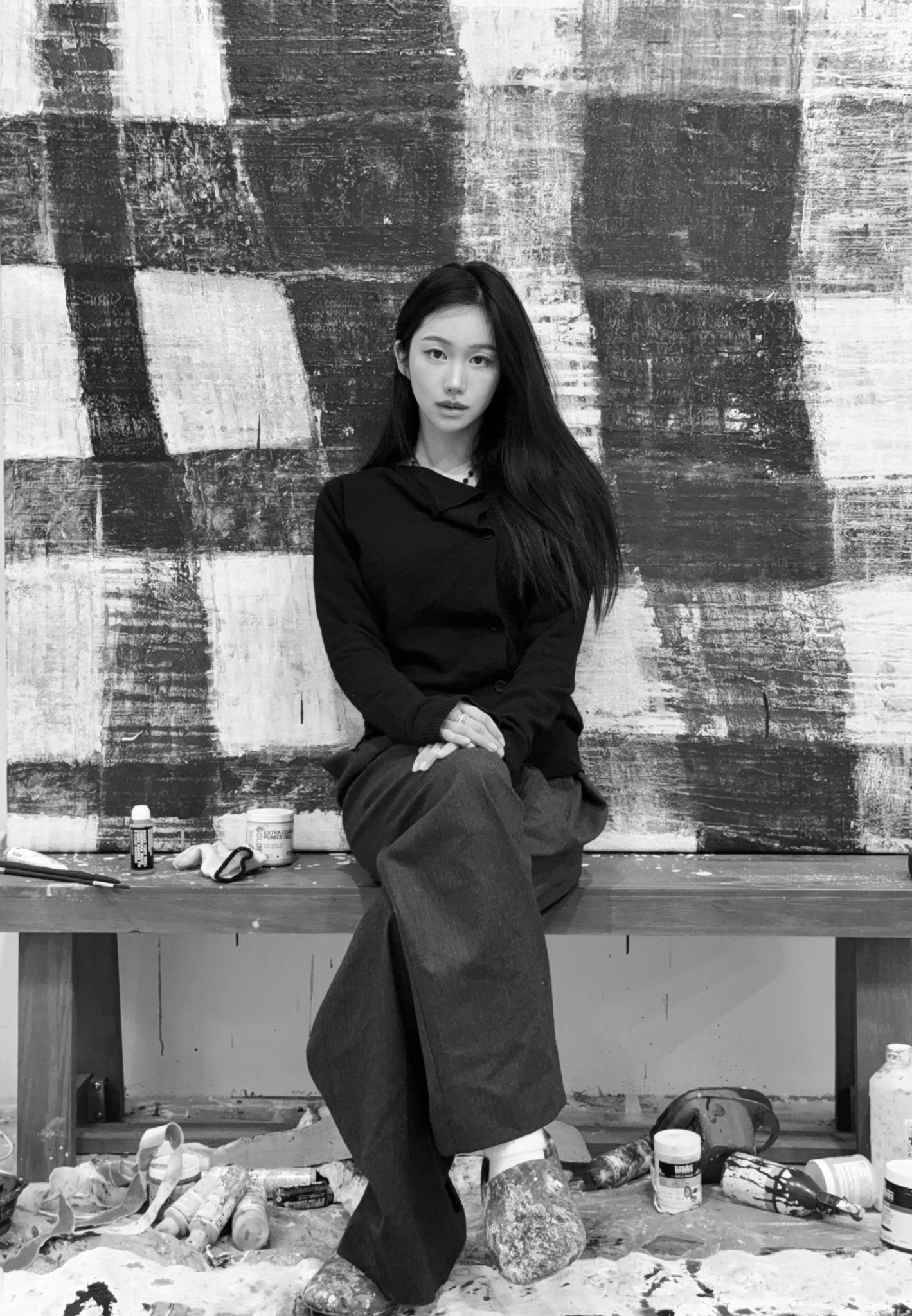

We were lucky to catch up with Hyun Ohm recently and have shared our conversation below.
Hyun, thanks for taking the time to share your stories with us today We’d love to hear about when you first realized that you wanted to pursue a creative path professionally.
Growing up in Korea, becoming an artist didn’t feel like a real option. It was something reserved for “geniuses,” and without an artistic background, even considering that path felt like overstepping. That’s why I chose graphic design at first. It allowed me to stay in a creative field while still meeting expectations. But while interning as an art director, I began to feel a constant friction. I found myself reshaping every idea to fit a brand, and the excitement of making something would disappear as soon as it had to serve a client.
At some point, I started looking for what was missing. I tried different things, from piano to floral arrangement, and eventually found my way to painting. Painting felt different right away. It wasn’t about solving a problem or arriving at a clear answer. I was working through uncertainty, layering, adjusting, and sometimes losing control of the image as it developed. For the first time, I felt fully engaged in the process itself rather than the outcome.
Choosing painting wasn’t a sudden decision. It became clear gradually, through doing. I realized I wanted to stay in that space and continue working through questions that didn’t have fixed answers. What I recognized was not just a preference for painting, but a way of working that allowed uncertainty, material, and process to guide the outcome. Pursuing painting became a commitment to that approach.
As always, we appreciate you sharing your insights and we’ve got a few more questions for you, but before we get to all of that can you take a minute to introduce yourself and give our readers some of your background and context?
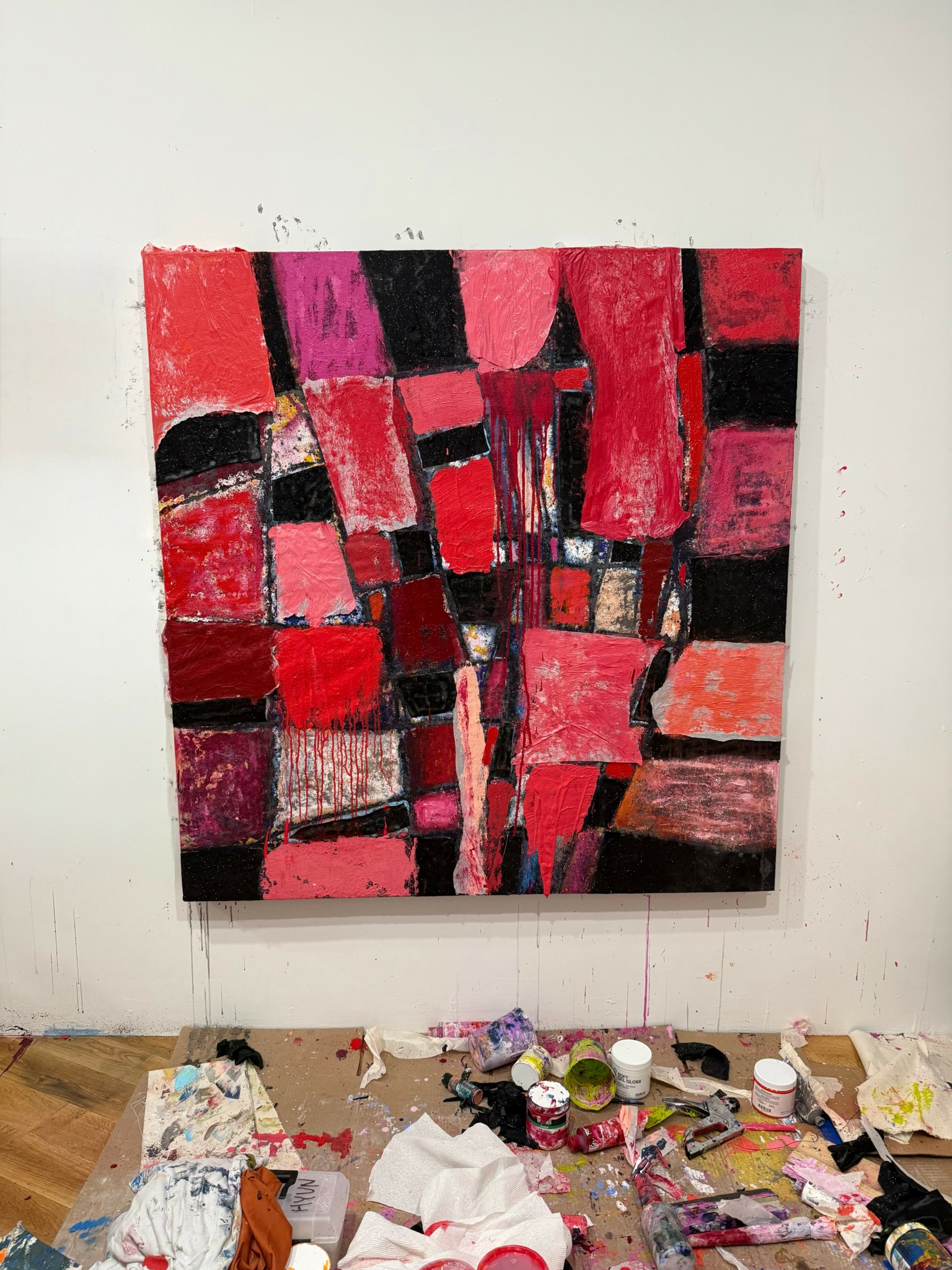
Hi, my name is Hyun, and I am a Korean painter based in New York. I work with process-driven abstraction, focusing on how structure, material, and repetition can generate meaning under unstable conditions. I create paintings that invite viewers to experience shifting relationships between control and instability.
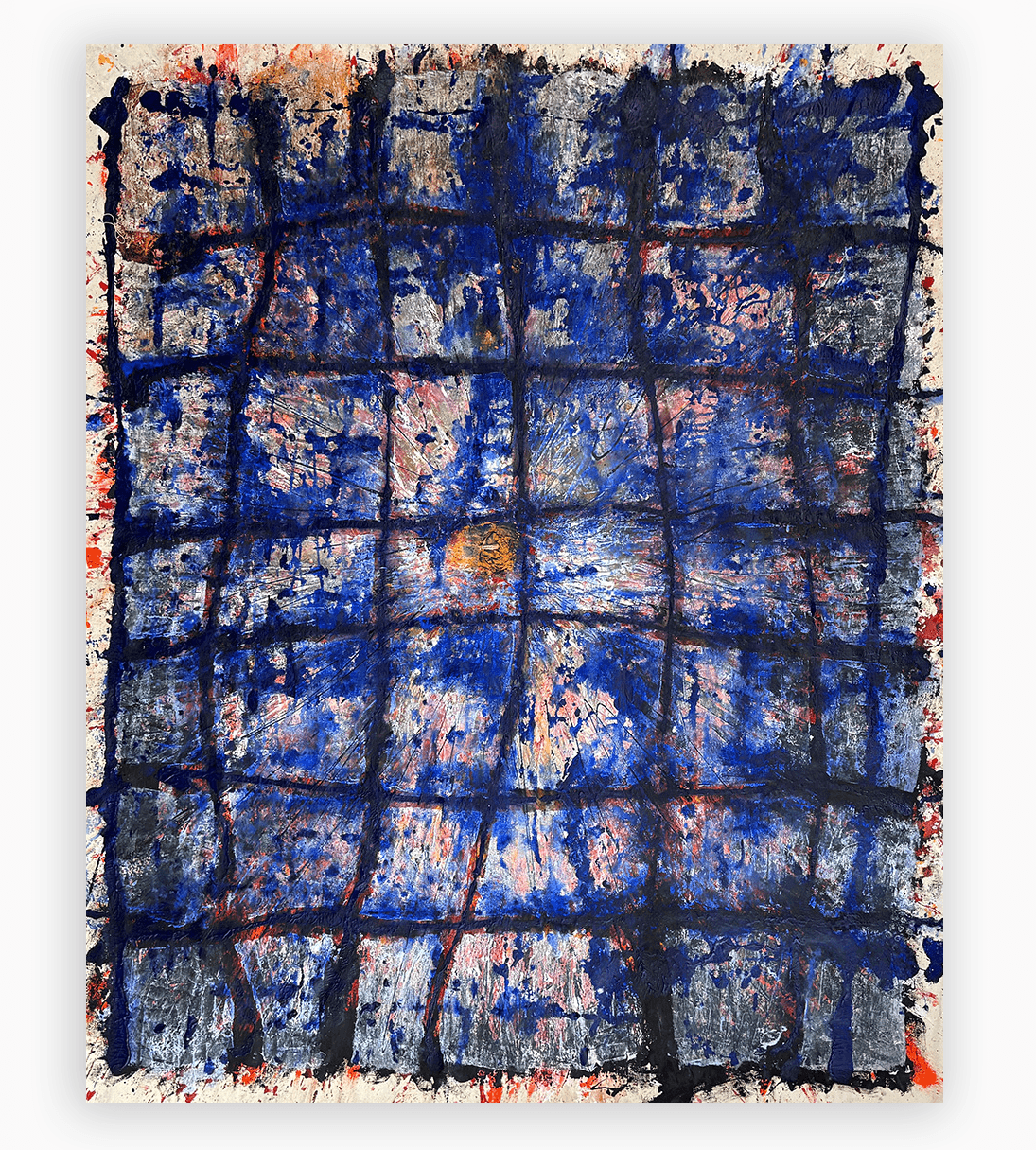
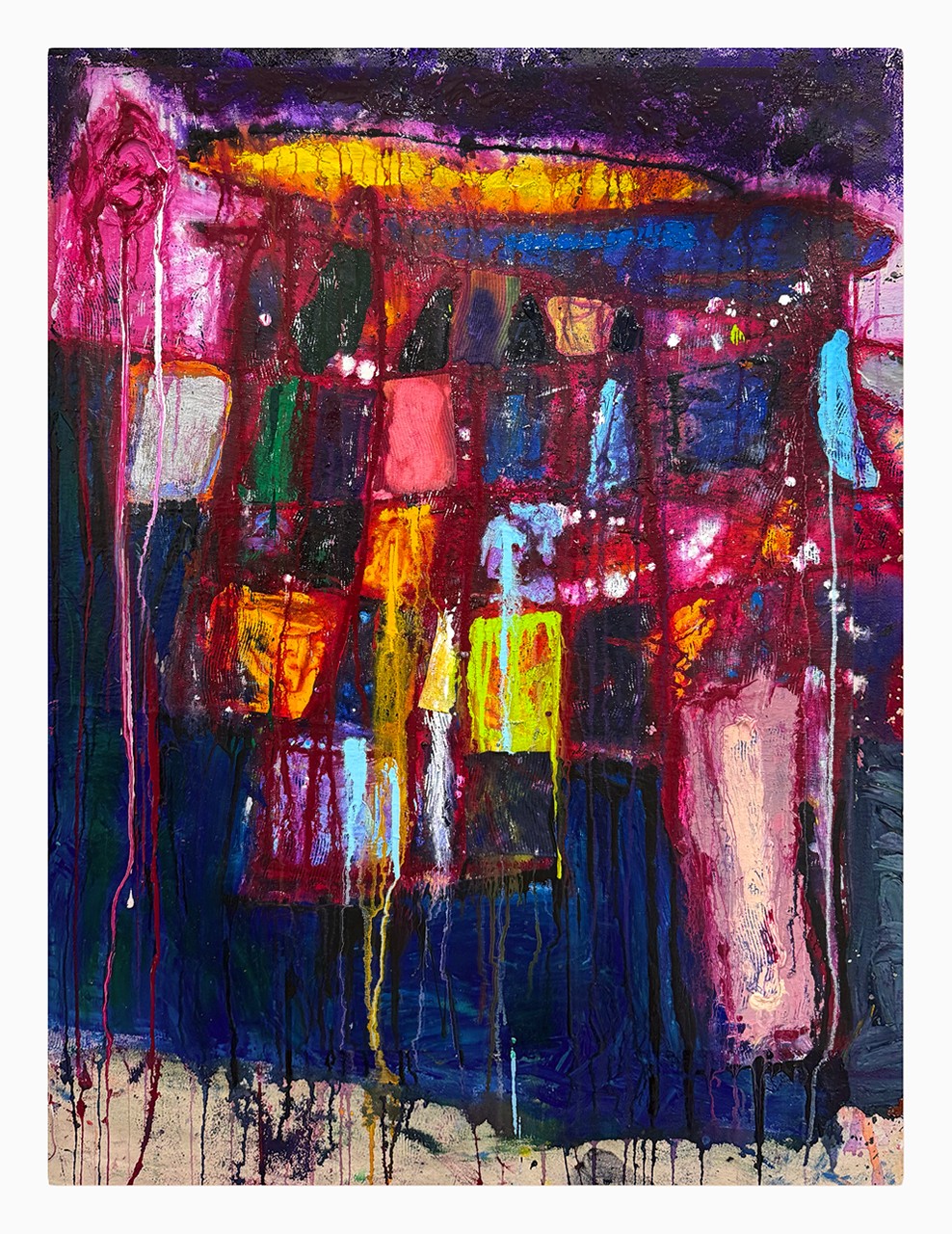
In my work, I engage the grid not as a structure of order, but as a device that sets control in motion only to destabilize it. I begin with a set of rules, then use repetition, layering, and material resistance to push those systems until they start to break down. I often work with everyday materials such as discarded packaging, paper towels, and worn textiles, allowing them to remain visible within the surface as it develops. Through this process, unpredictable images emerge, and I build the painting by selecting and accumulating these moments.
I tend to approach structure as something to test rather than maintain. The work doesn’t move toward a fixed outcome, but unfolds through a constant negotiation between control and release, where nothing stays stable for long.
I am especially drawn to the moment when intention begins to slip and something unexpected starts to take form. That condition, where tension, uncertainty, and discovery coexist, is what drives my practice. It is also what I value most in the work, building a process that allows those moments to happen.
What I hope viewers take from my work is not a fixed meaning, but a way of engaging. I want them to encounter a surface that continues to shift as they spend time with it, where meaning is not given but gradually formed through looking.
Any resources you can share with us that might be helpful to other creatives?
I wish I had understood earlier that one of the most important resources for me was other artists’ work, not simply as something to look at, but something to work through as part of my own process.
Over time, I began building my own visual vocabulary by recording and collecting what stayed with me. Not just images, but fragments such as materials, color relationships, textures, and even words. This shifted how I approached painting. Instead of trying to produce something entirely original, I started to think in terms of collecting, rearranging, and transforming what I encountered.
That process also changed how I worked in the studio. I became more attentive to what draws me in and more deliberate about keeping track of it. At the same time, I learned to trust moments when the work moves ahead of my intention. There are times when the hand leads before thought, and I allow that to happen, knowing that not everything needs to be resolved immediately. Some decisions only become clear over time, and that delay becomes part of the process.
Have any books or other resources had a big impact on you?
My thinking has been shaped by a combination of theory, art history, and studio practice. There are a couple of texts that I keep returning to because they continue to shift how I approach both my work and the way I make decisions.
Ways of Seeing was one of the first texts that made me realize that images don’t simply reflect reality, but actively shape how we perceive it. It shifted my attention from how an image looks to what it does, and to the assumptions embedded within visual language. It also made me more aware of structures that seem neutral, and how they actually operate.
I came across Painting with Ambivalence around the time I was beginning to work more with process-based abstraction. The essay helped me understand that a system doesn’t have to resolve its contradictions to function. It can remain productive by holding tension, and that has stayed central to how I think about making.
In the studio, I tend to set up systems with the expectation that they will shift. I’m less interested in maintaining control and more focused on noticing when something begins to break down and responding to that. That way of working also shapes how I approach risk. Instead of trying to avoid uncertainty, I treat it as something to work with and build from.
Contact Info:
- Website: https://hyun-art.com
- Instagram: paintingbyhyun
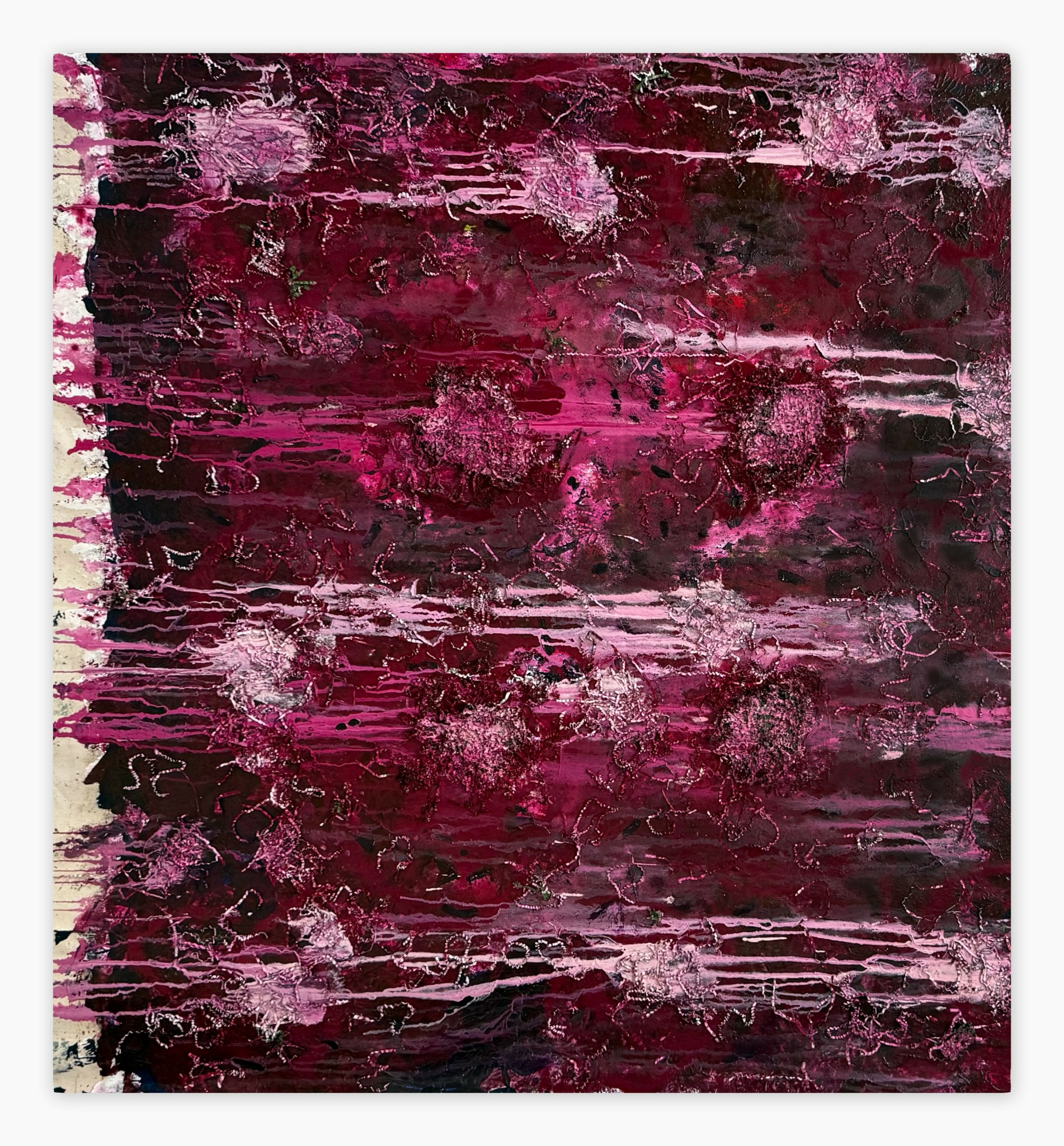
Image Credits
All photos by Hyun