
We recently connected with Carina Campos and have shared our conversation below.
Carina , appreciate you joining us today. How did you come up with the idea for your business?
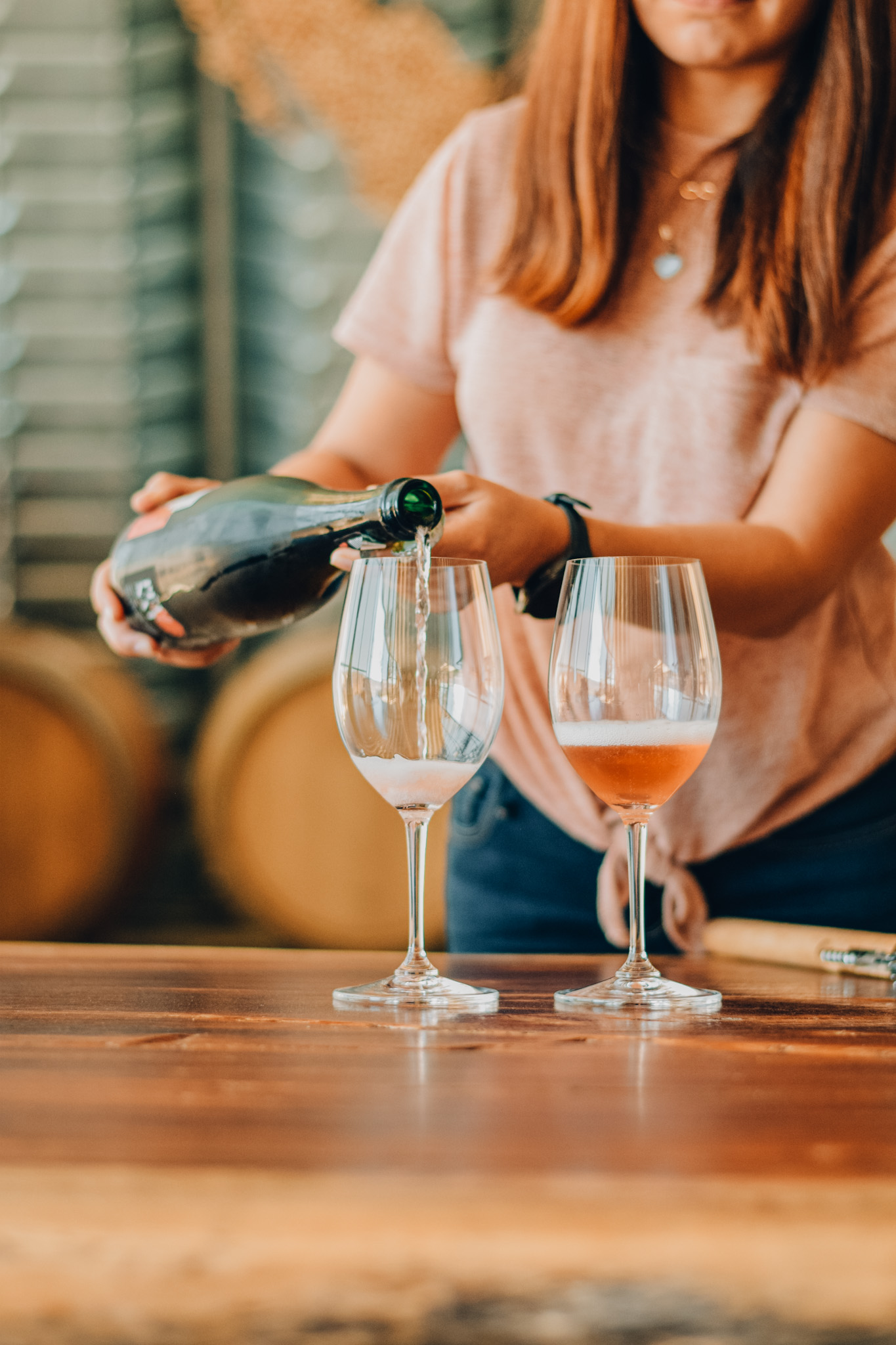
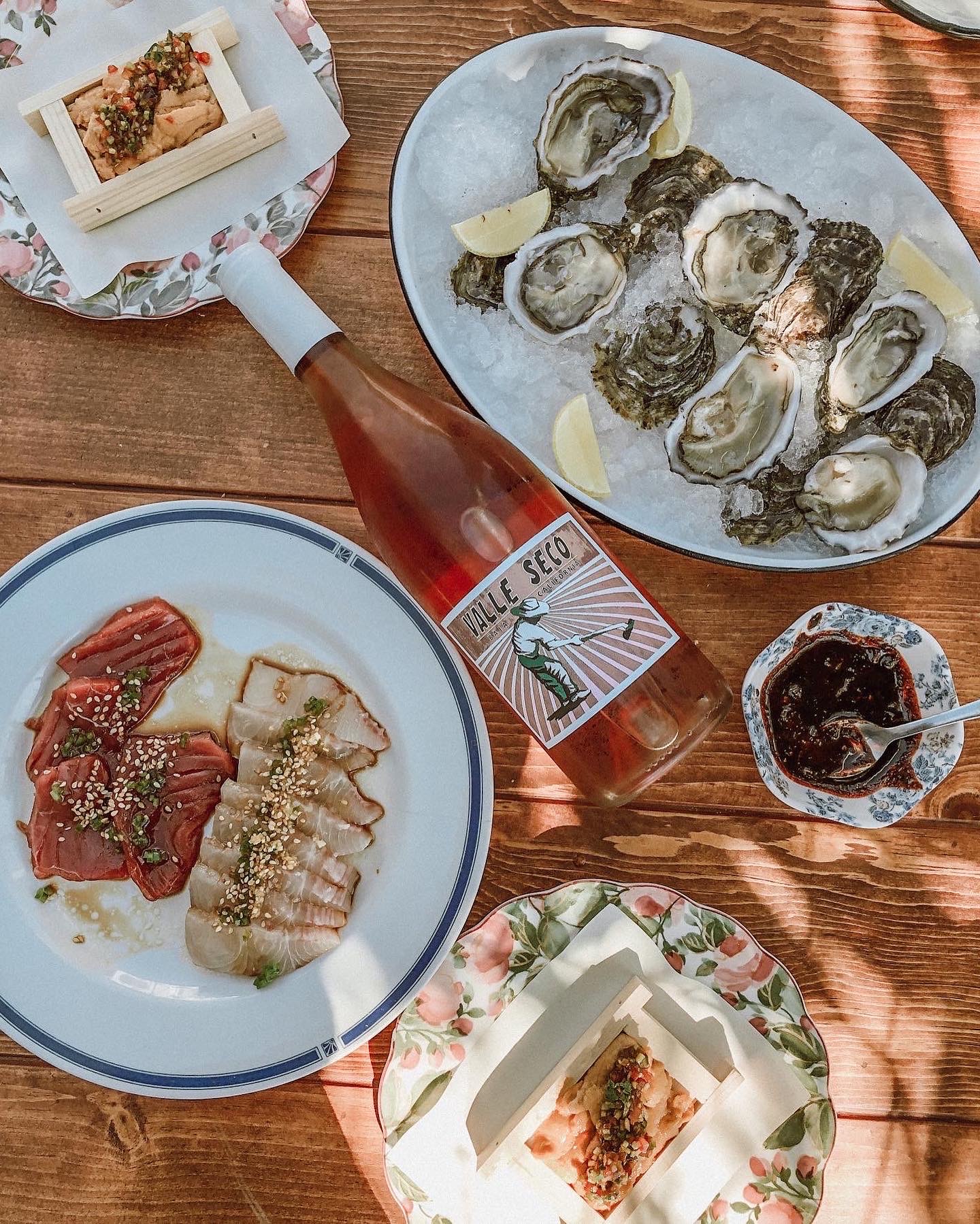
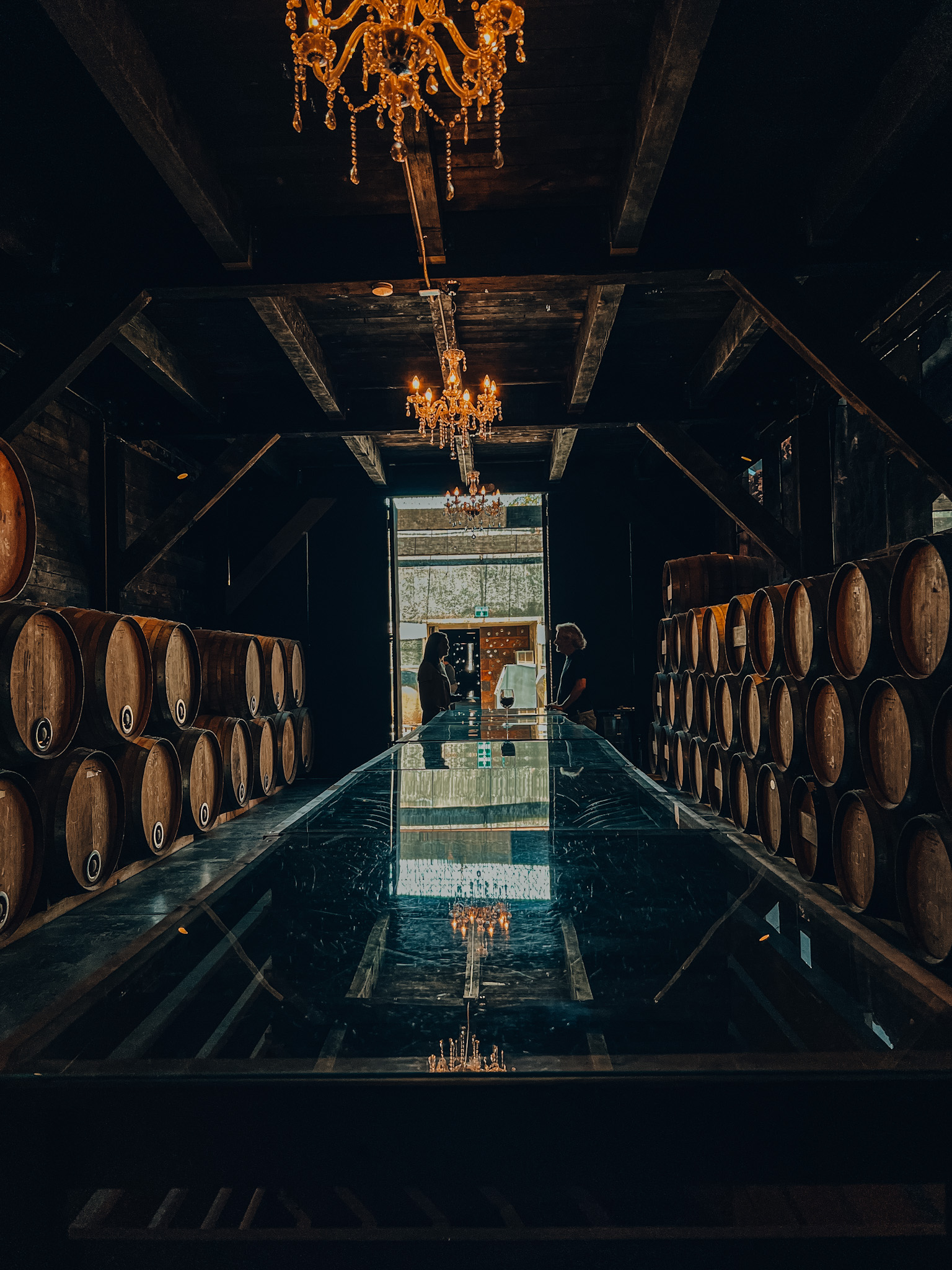
My travel business was born from recognizing the untapped potential of Valle de Guadalupe—its wine, culinary scene, and design-driven experiences—and realizing there was no clear bridge connecting travelers to the region.
What stood out to me early on wasn’t just how special Valle was, but how difficult it was—and still is—to access. To this day, there’s no reliable transportation infrastructure: no Uber, no taxis, and no direct airport into the valley. Getting there requires navigating cross-border logistics, coordinating with providers in another country, and often dealing with uncertainty around reliability and communication.
At the same time, global interest in the region was growing rapidly.
I saw a clear gap: a world-class destination without the systems to support a seamless visitor experience.
That’s when I realized the opportunity wasn’t just to bring people to Valle—it was to create the connection that didn’t exist. I built a platform that simplifies the entire journey, allowing travelers to book trusted transportation, curated experiences, or fully customized itineraries with clarity and confidence.
What excited me most was transforming something complex and fragmented into something effortless—and redefining how people experience Valle through thoughtful design, logistics, and hospitality.
As always, we appreciate you sharing your insights and we’ve got a few more questions for you, but before we get to all of that can you take a minute to introduce yourself and give our readers some of your background and context?
I’m Carina, founder of Carina Travel Studio, a platform focused on designing curated travel experiences rooted in food, wine, design, and culture.
I studied Tourism Administration in Guadalajara and later moved to San Diego, where I began working in hospitality. Starting as a hostess and growing through different restaurants, I was constantly connecting with guests—many of whom were curious about Mexico, especially Valle de Guadalupe. At the time, I wasn’t deeply familiar with the region, but that curiosity led me to explore it myself.
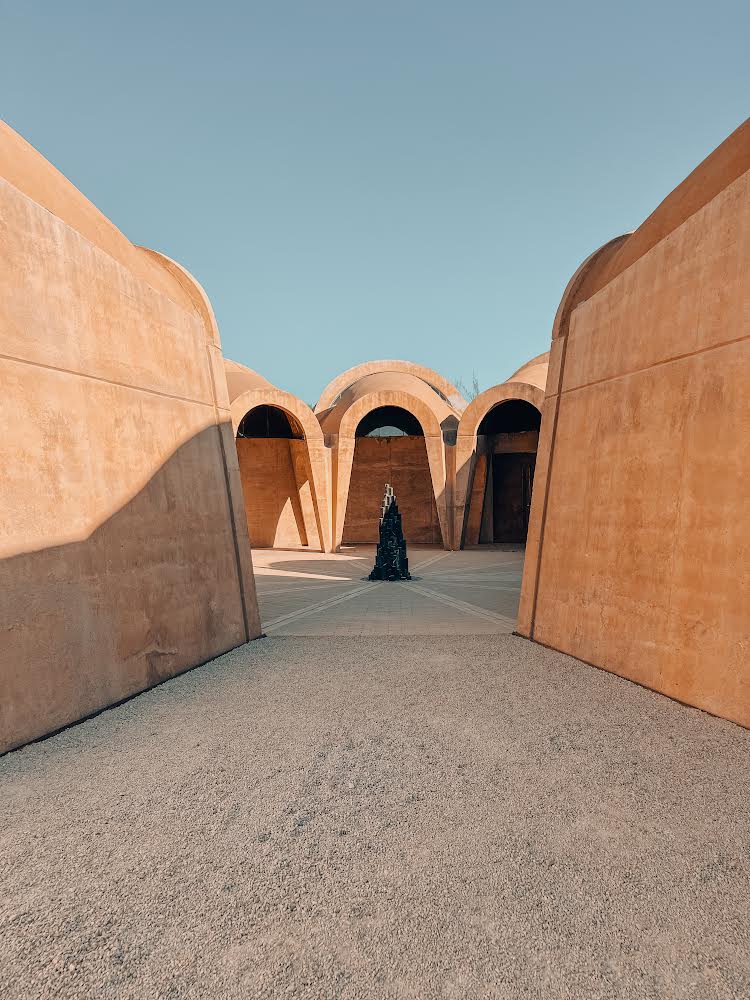
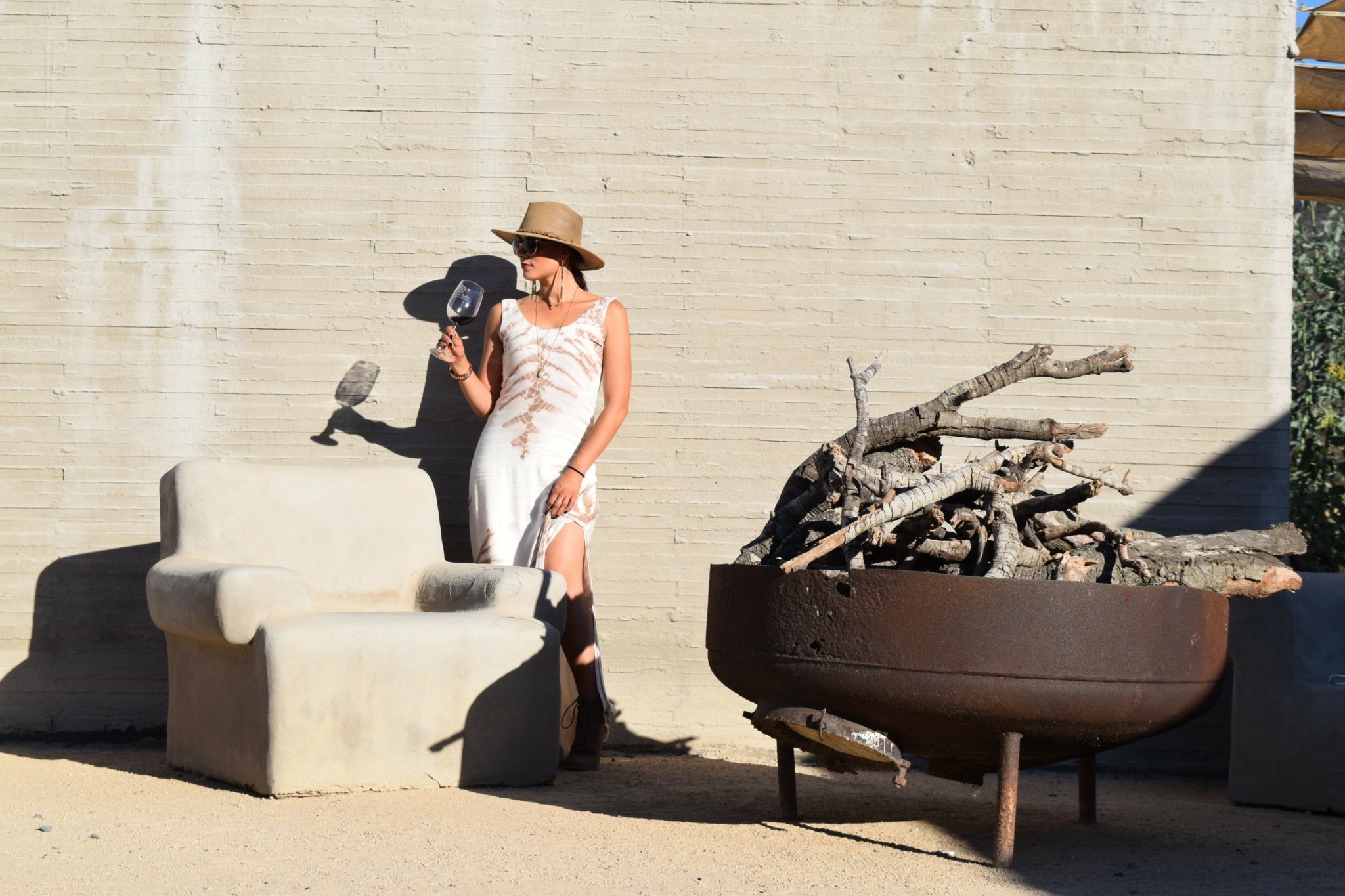
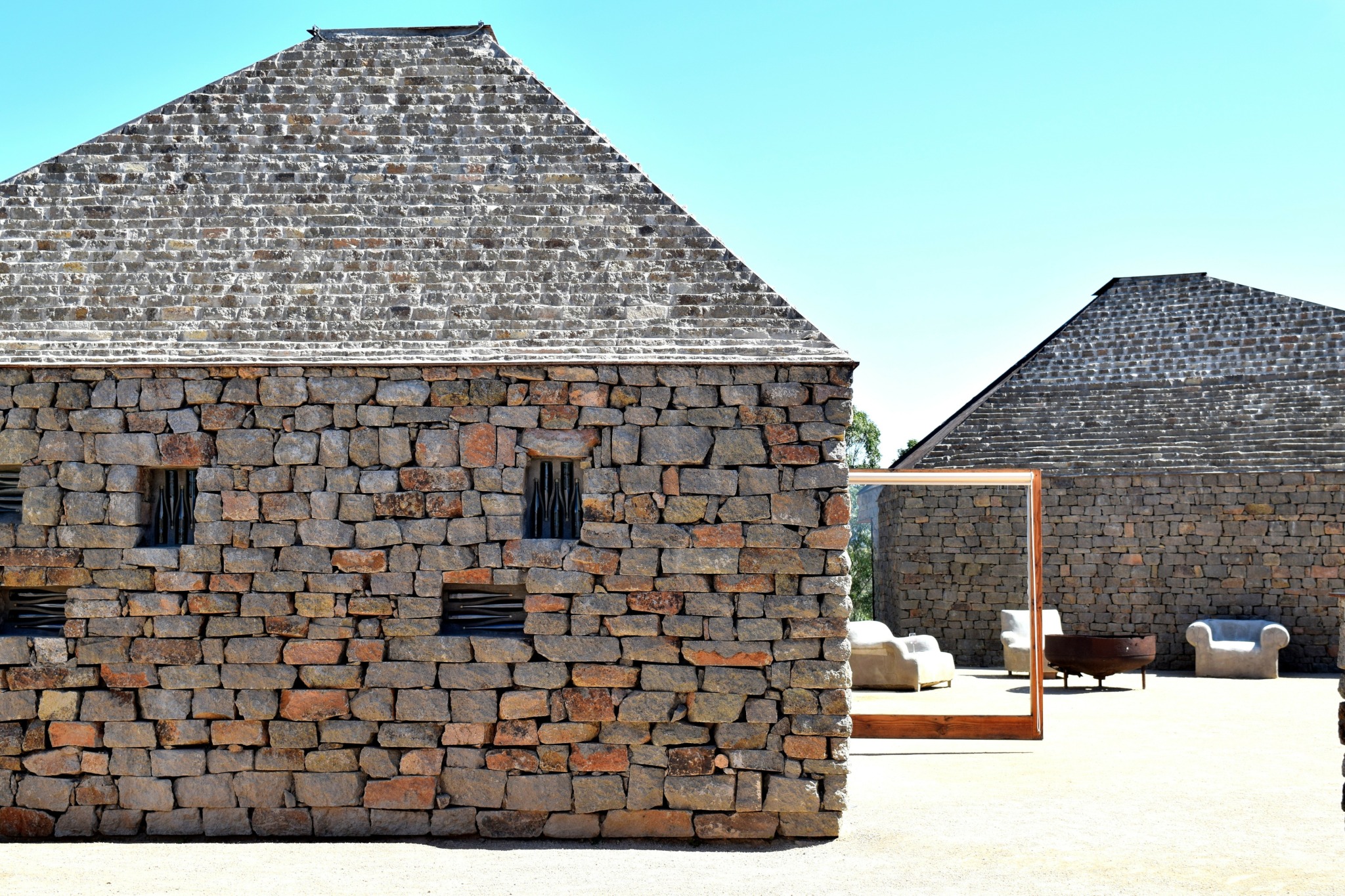
Through a connection in the industry, I was introduced to the right people and places, and I still remember the moment everything clicked. Standing at Clos de Tres Cantos—surrounded by raw architecture, recycled materials, and the mountains of Valle—I experienced something that felt both grounded and transformative. In that moment, I knew this was something I wanted to share.
I quickly realized there was a gap: a world-class destination with growing demand, but no clear way to access or experience it. Over the past eight years, I’ve built a business that bridges that gap—creating seamless, elevated journeys in places that are often complex to navigate.
What sets my work apart is the way I approach travel—not just as logistics, but as a composition of experiences. Today, I design everything from private transportation and tailored itineraries to digital travel guides—making destinations like Valle de Guadalupe, and now others around the world, feel both accessible and deeply meaningful.
How did you put together the initial capital you needed to start your business?
Starting a business can feel overwhelming because there’s always a long list of things you think you need before you begin. In my case, I approached it differently—I didn’t wait for capital, I started with what I already had.
My initial investment was my creativity, my network, and my eye for storytelling. I’ve always loved photography, so I used my camera to document experiences and began sharing them through social media. At the same time, I started planning small trips for friends—bachelorettes, birthdays, and intimate celebrations—which allowed me to test providers, wineries, and restaurants firsthand.
The business grew organically from there. Because I focused on private, curated experiences, I was able to build each trip with clear structure and margins from the beginning, which made the model sustainable early on.
So rather than raising capital upfront, I built the business through execution—refining the product in real time, reinvesting as I grew, and letting demand guide the expansion.
Can you tell us about a time you’ve had to pivot?
My business has evolved through a series of deliberate pivots, each one reflecting a deeper understanding of how travel should be experienced.
I began with an all-inclusive model under Tijuana Tours, but early on I recognized a fundamental gap—access. Travelers were drawn to places like Valle de Guadalupe, yet even the most basic elements, like reliable transportation, were fragmented and difficult to navigate. I shifted the model to simplify that entry point, separating services and creating a more seamless way to move through the region.
That evolution became Wine Eat and Travel, where I focused on curated, design-led journeys—bringing structure and intention to a destination that was still largely uncharted for international travelers.
Over time, however, I found myself questioning the rhythm of the industry itself. The emphasis on speed, visibility, and “must-see” lists began to feel disconnected from what travel can truly offer.
Carina Travel Studio is the result of that shift.
Today, my work is centered on slower, more immersive travel—rooted in culture, landscape, and human connection. I’m expanding into a new format by spending extended time in destinations, building relationships, and translating those insights into curated travel diaries and maps. It’s a more intentional way of sharing places—guiding travelers beyond what’s searchable and into experiences that are felt rather than simply visited.
This pivot is less about changing what I offer, and more about redefining the intention behind it.
Contact Info:
- Website: https://www.wineeatandtravel.com
- Instagram: Carina Travel Studio