
We were lucky to catch up with Maura Walsh recently and have shared our conversation below.
Maura, looking forward to hearing all of your stories today. Can you talk to us about a project that’s meant a lot to you?
Shortly after the COVID-19 shutdown, I, like many others, grew concerned about the music and art spaces that were forced to suddenly close, unsure if they would survive. In 2019, the year before the pandemic took over, my partner and I attended 63 concerts in our city of Chicago. Live music was central to our lives, and I feared losing these venues that gave space for art and music. I grew increasingly afraid of the isolation and danger that the early stages of the pandemic foreshadowed, and what the future could hold if we were to lose these precious places.
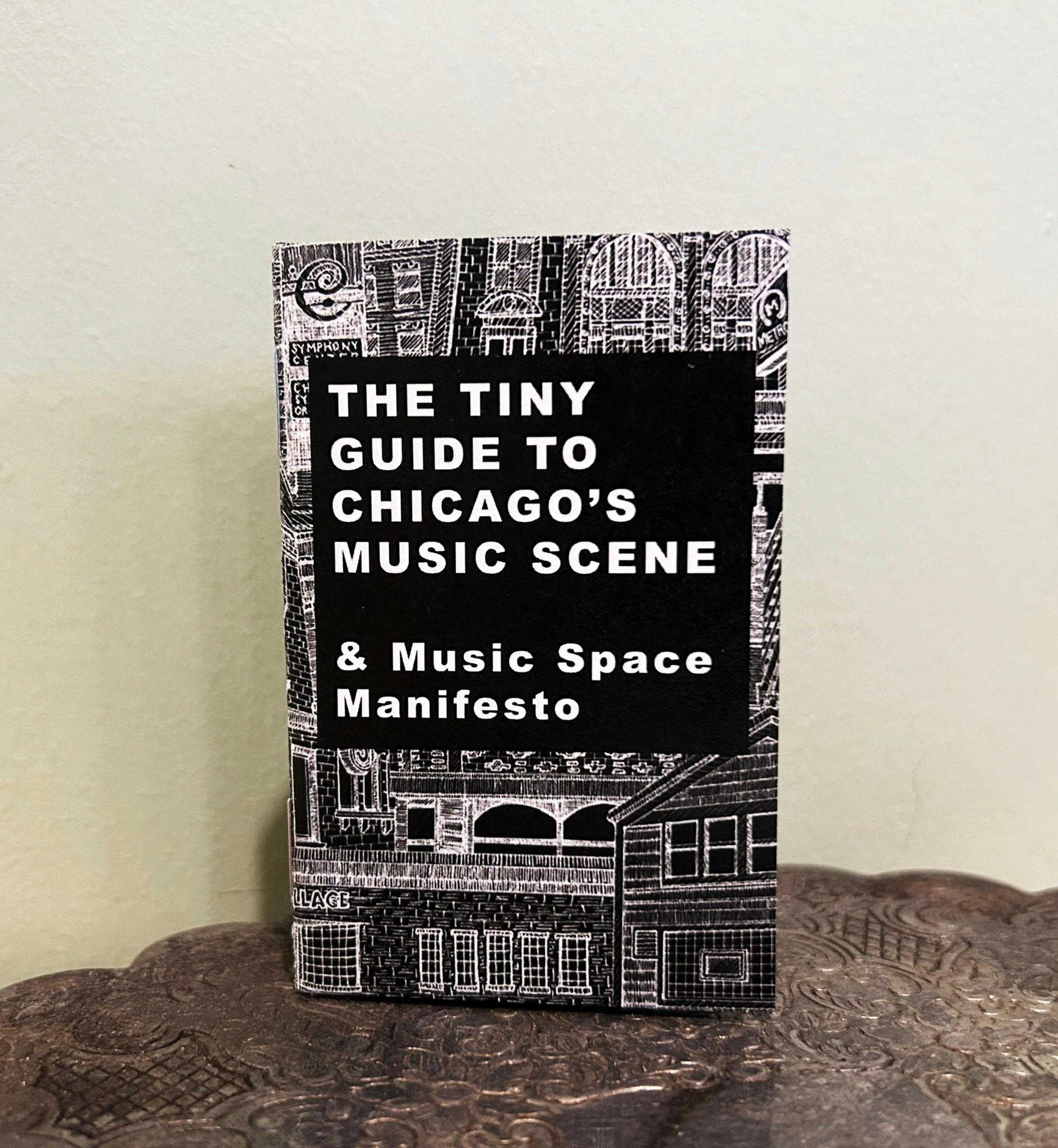
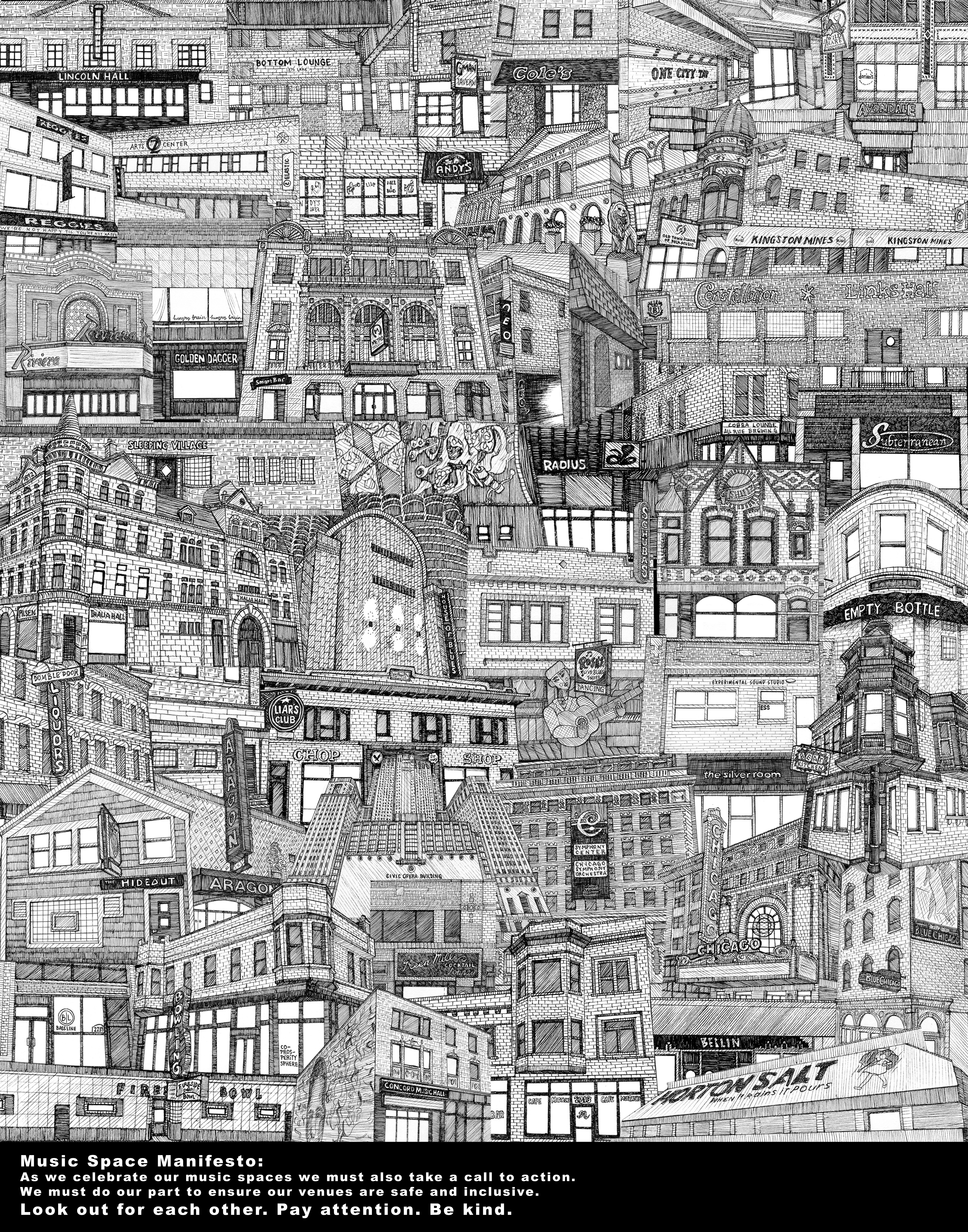
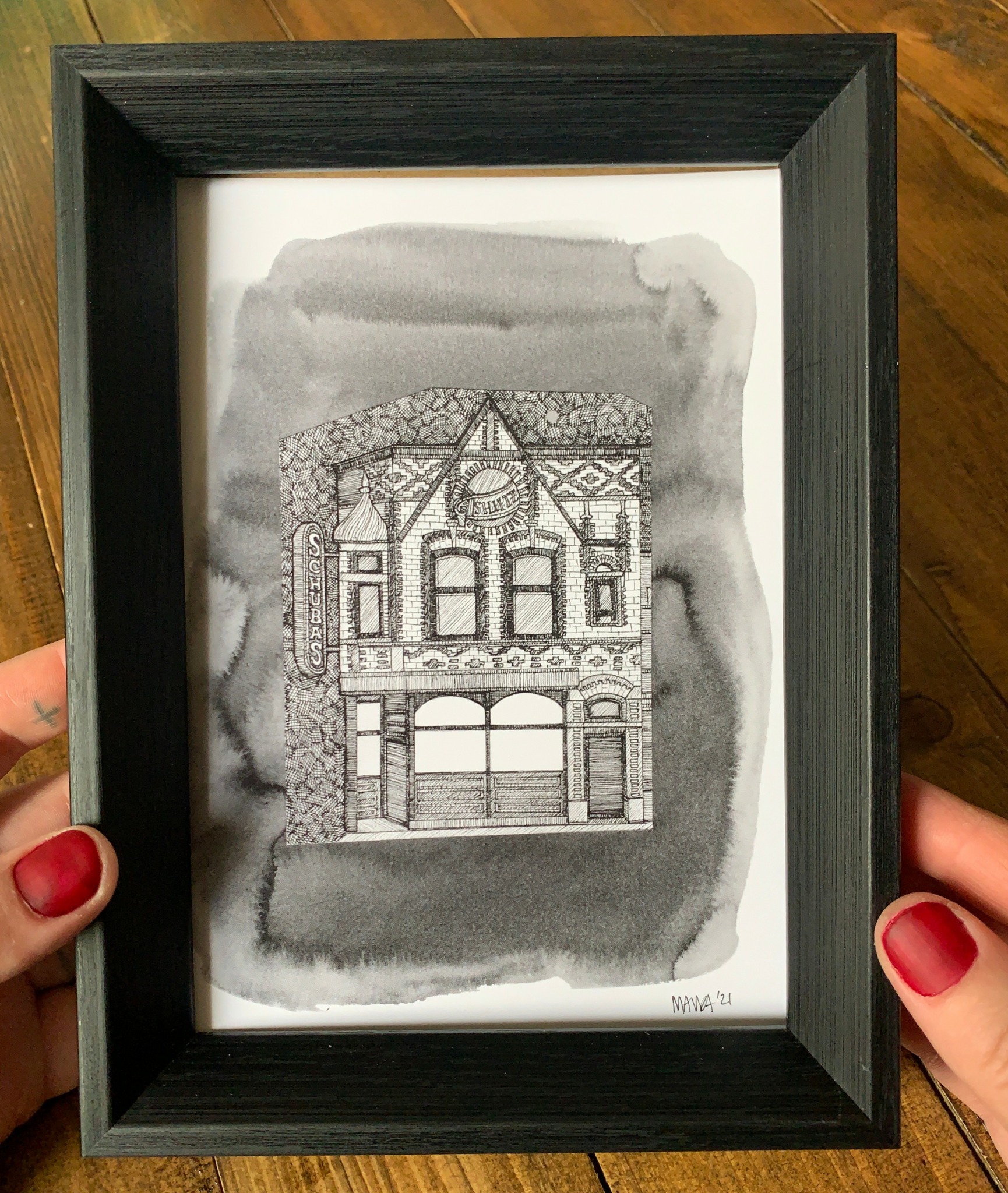
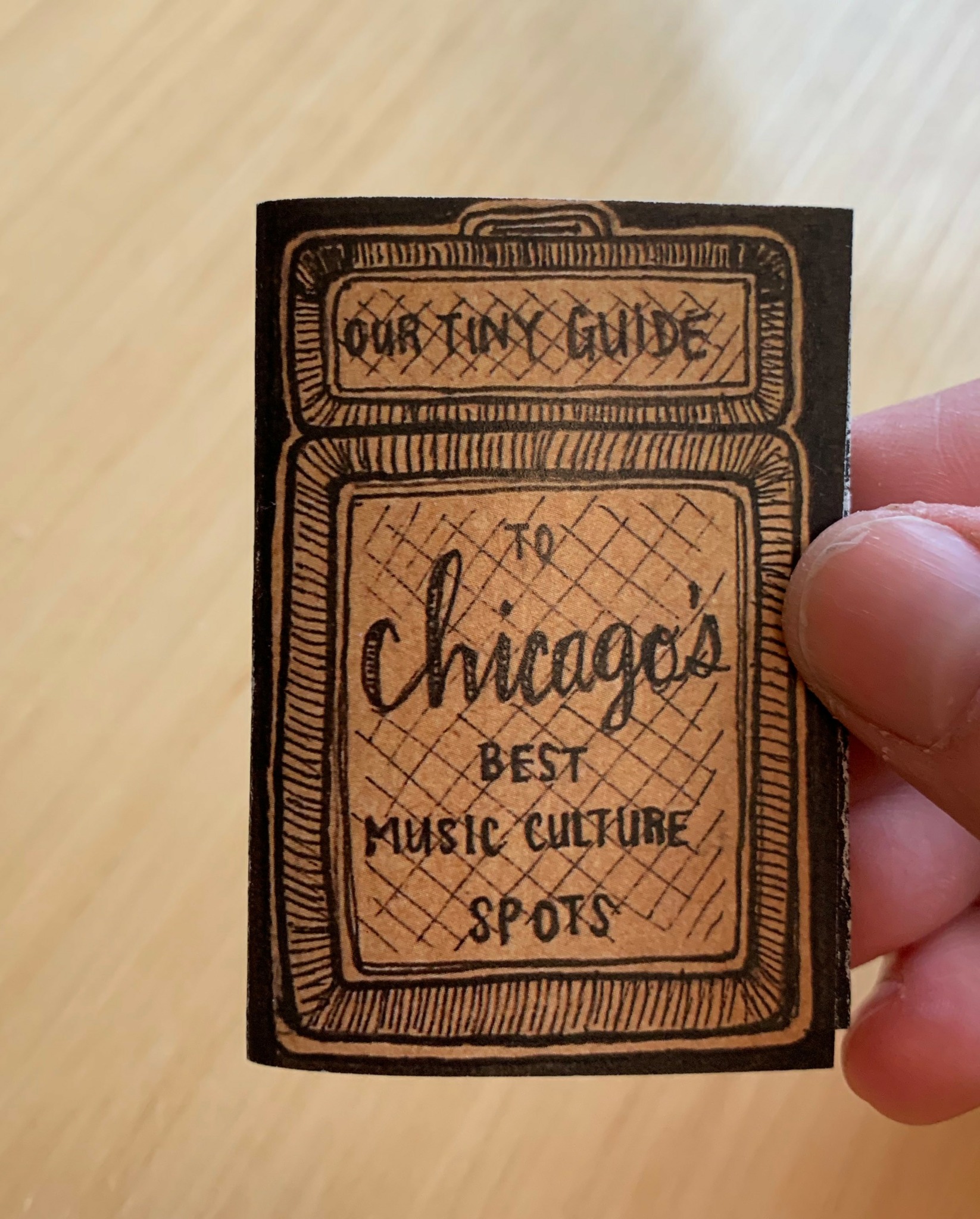
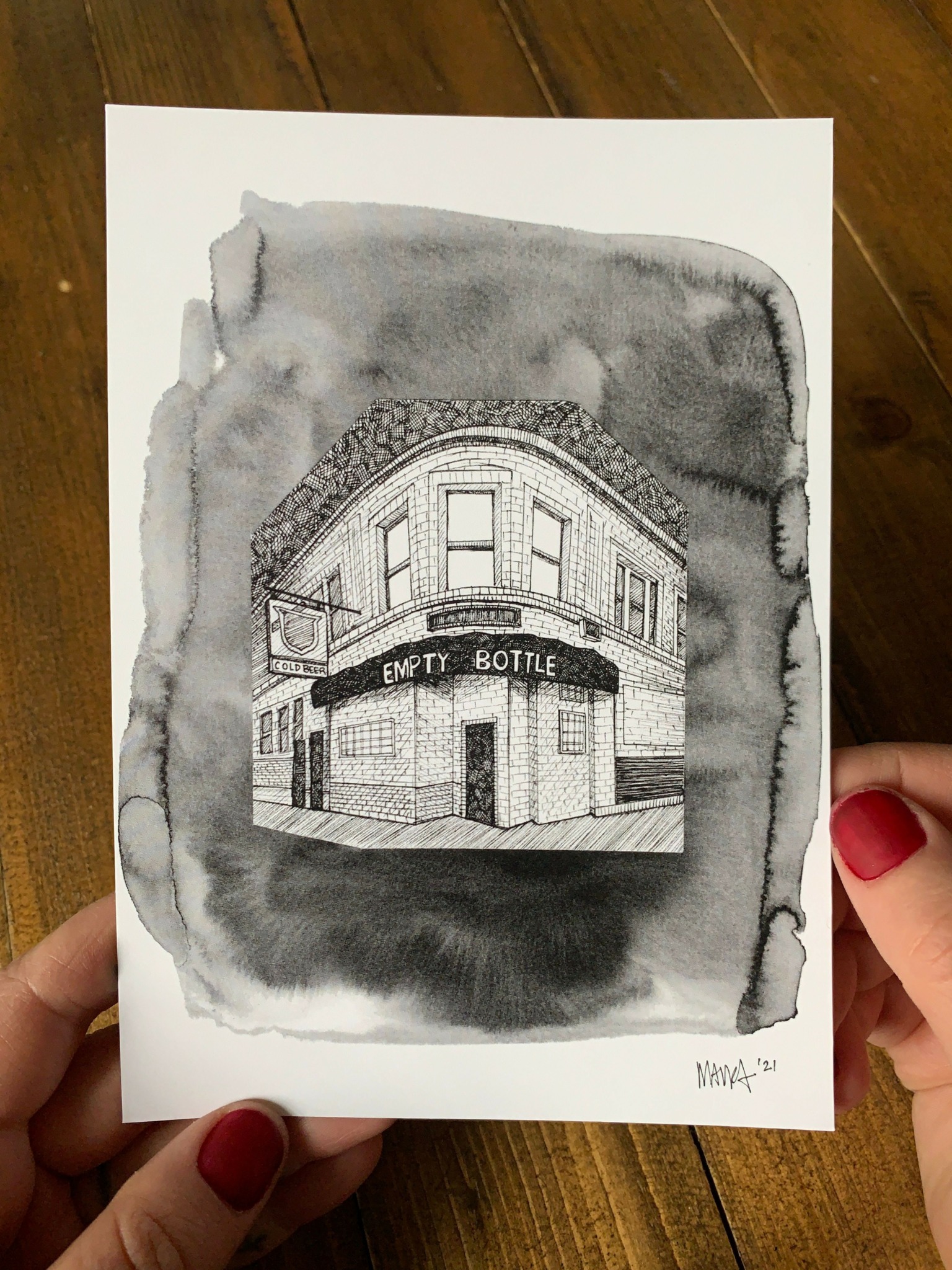
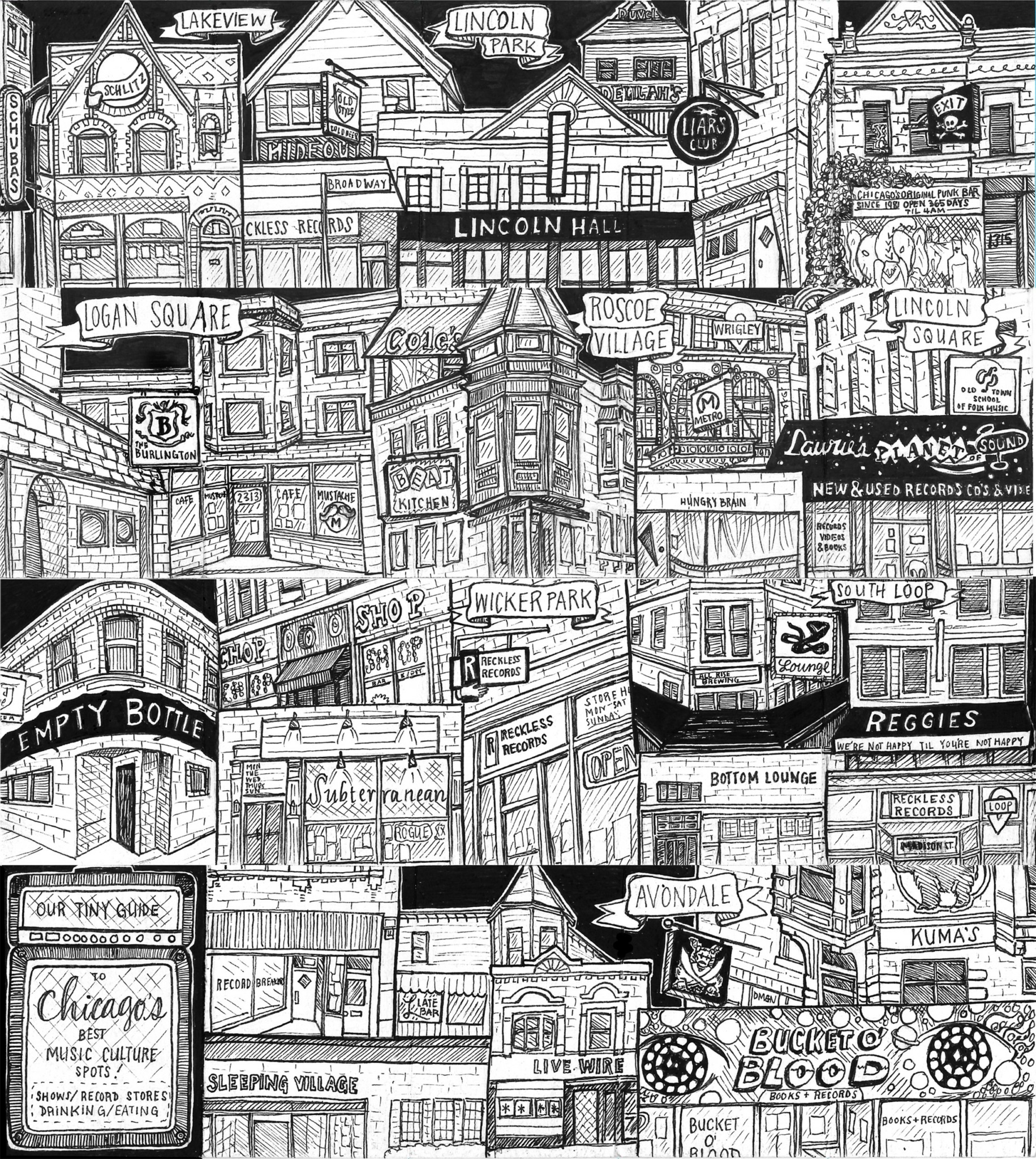
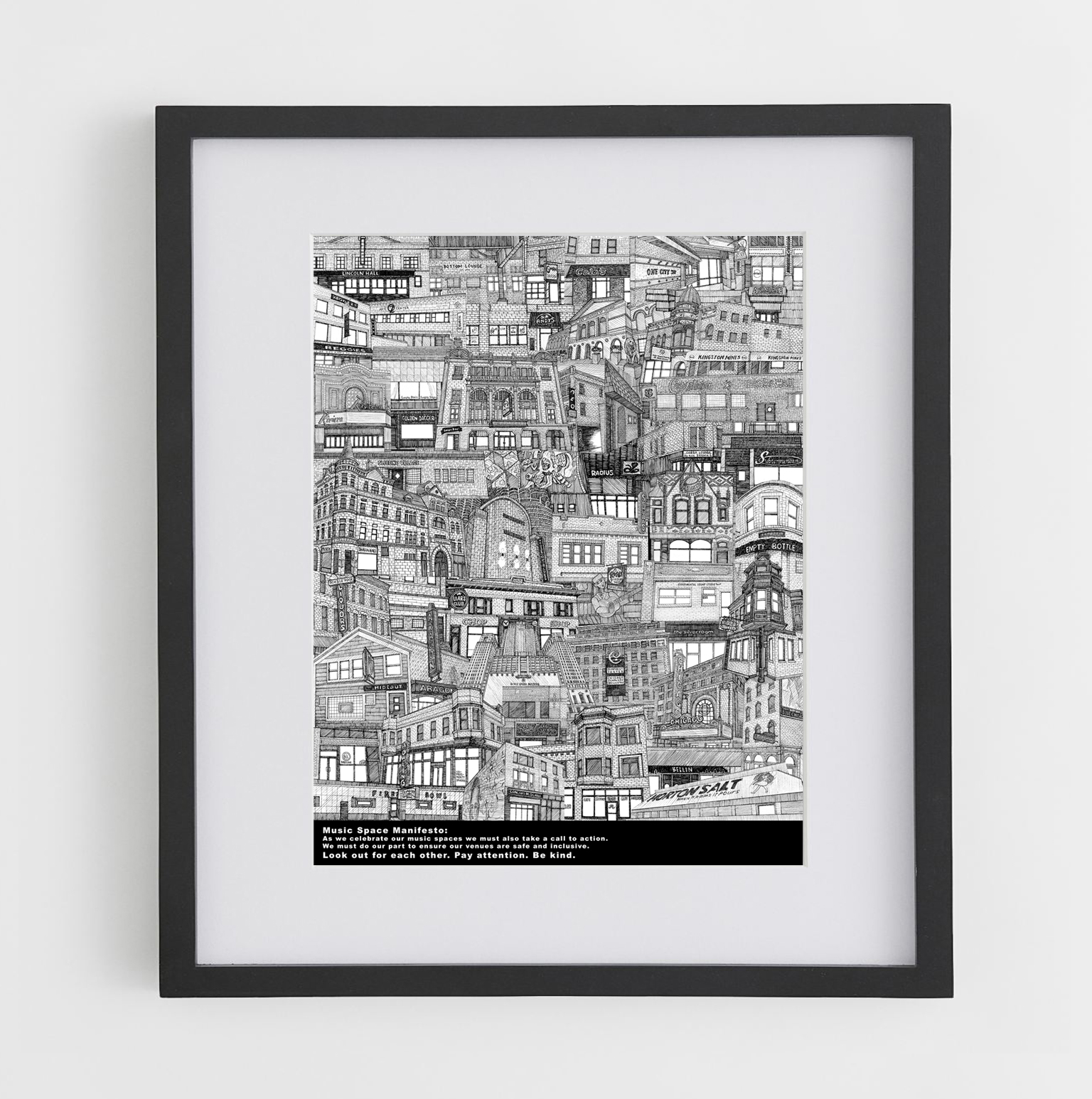
I had recently created a small zine-like book titled “Our Tiny Guide to Chicago’s Music Spaces”, in which I drew about 25 Chicago music venues as tiny buildings crammed into an interconnected landscape. It was a way to document and memorialize the places that I snuck around to from a young age and proudly supported as an adult, seeing amazing and memorable shows that shaped my love for music and creative expression.
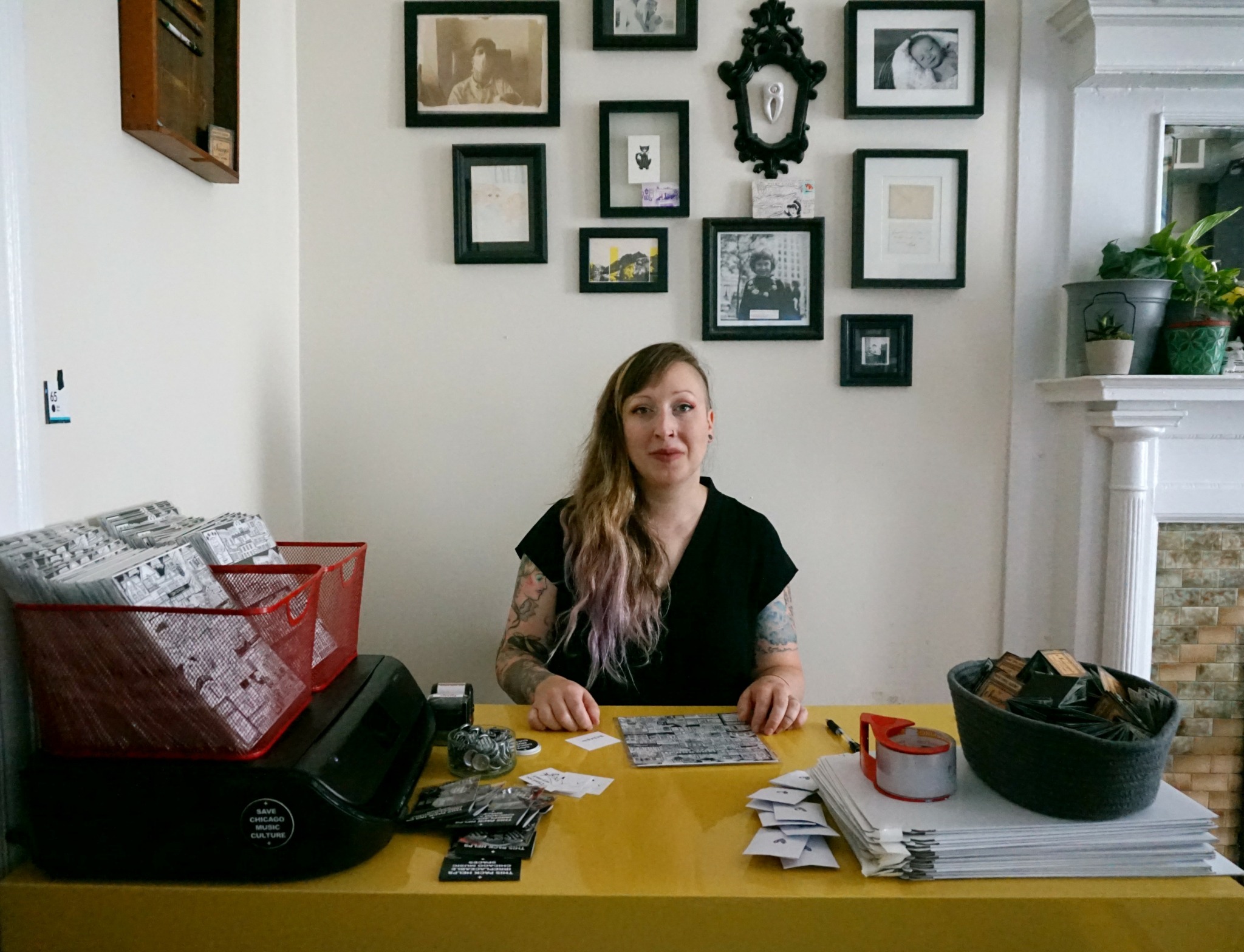
I hadn’t intended to share this work in a large-scale capacity, but an idea sparked. I reproduced a limited edition of the tiny books, and I also transformed the tiny pen-and-ink drawings into a flat art print that I could sell, hoping to raise a little money for local music spaces. To my surprise, the project went semi-viral, and raised nearly $40,000, all of which I donated to local venues. It was a huge undertaking due to the unexpected response, and my process was extremely laborious. It was critical to keep production costs low, so I hand-cut and folded each book, hand-trimmed and signed each print, packaged, shipped, and managed the entire project on my own. It was a welcome distraction from the anxiety and grief the pandemic brought, but it was also not going to be sustainable to operate in this manner long-term.
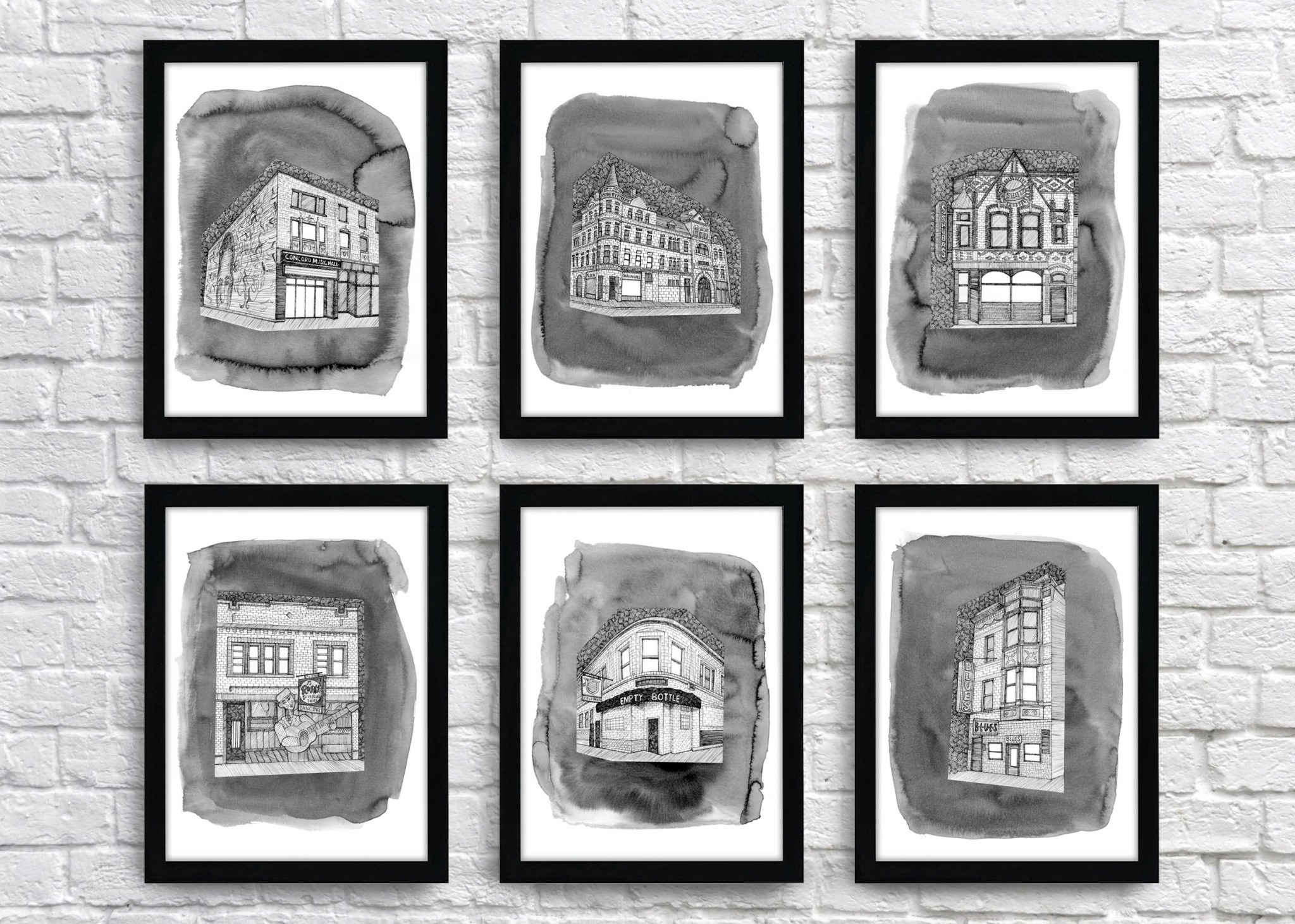
Luckily, the response to the project eventually led to collaborations with organizations like the Chicago Independent Venue League (CIVL) and Support Chicago Arts, allowing me to expand the project reach and donate the artwork for fundraising merchandise that the organizations would manage and sell. As interest in this work continued to grow, I launched “The Tiny Chicago Music Scene Project”, drawing as many individual music venues as possible in response to requests for specific venues, and to map the scope of Chicago’s music scene. This allowed individuals to curate their own “Tiny Guides,” selecting spaces meaningful to them. I continued donating a portion of the profits to CIVL as well. I still sell most of these prints on my website and enjoy revisiting the work with stories of why certain spaces are meaningful to the person curating their selection.
This project taught me that small ideas, even executed by just one person, can spark change. I learned that if I move forward with an idea, I can figure things out along the way.
This project also majorly shifted my perspective on my role as an artist. This cause I supported, while meaningful to me, was very small compared to the widespread crisis and devastating loss brought from the pandemic. I realized I had responded to something deeply personal – live music had, in many ways, saved my life – but there were far greater needs for support beyond this. Seeing the impact of this work broadened my awareness and sparked a deeper commitment to contribute to larger issues using art as a means to create meaningful, positive change.
Great, appreciate you sharing that with us. Before we ask you to share more of your insights, can you take a moment to introduce yourself and how you got to where you are today to our readers.
I have been a creative person all my life and spent much of my childhood drawing, painting, and making things. Art was how I saved myself from a difficult childhood and family life. I later graduated from Columbia College Chicago with a BFA in Fine Arts. My formal education emphasized concept, purpose, and exploratory dialogue, which was transformative in shaping how I think about and create work. While this was a period of significant intellectual growth, it also distanced me from my ability to create outside of those parameters, simply for the enjoyment of making something. I have since become interested in the conversation between work created within those more formal frameworks and work driven by an inherent need to create because there is no other way to live.
My current practice is deliberately multifaceted, encompassing both freelance illustration and graphic design, alongside a more introspective fine art practice. The work I most frequently present publicly these days – and the main focus of this conversation – is my pen-and-ink illustration. This body of work explores themes of space, community, and the importance of connection through creativity during challenging times. This work tends to offer a more immediate and accessible point of entry, along with compelling narratives tied to larger projects – though it represents only one dimension of my broader, materially and visually varied practice.
My work overall is grounded in an ongoing investigation of space, home, memory, loss, resilience, trauma, and dream states, as well as the experiential and psychological dimensions of time. I am particularly interested in how art can function as a form of documentation, of both personal and collective histories, and as a means of navigating and articulating complex emotional and temporal landscapes. In tandem, I seek to question and move beyond inherited constraints of disciplinary boundaries and art world conventions, cultivating a more expansive and integrated understanding of artistic practice and what it means to continue creating.
The role of the artist in the world feels critically important right now. I am constantly reminded that artists are the ones who are going to save our humanity, and shift the narrative from despair to hope. We are the ones imagining a better world and working to bring it into realization – we are the ones drawing hope, telling stories, painting broken walls, creating quilts, documenting, speaking truth, and re-imagining reality.
Learning and unlearning are both critical parts of growth – can you share a story of a time when you had to unlearn a lesson?
One lesson I’ve had to unlearn, and am still intently working to unlearn, is the idea that an artist must do one thing, and be known for that one thing.
The artist and players in the art world are often taught that a singular recognizable, specialized discipline is the path to success. This ultimately is a very binary and capitalistic view built around what makes art easier to market and sell. I’ve struggled with the pressure to fit into that model and with the belief that having multiple practices might make my work harder to recognize or value. In reality, my practice, as well as the practice of many other artists, spans several disciplines. While these bodies of work may not always feel cohesive, they are all essential parts of how I think and create.
I’m still figuring out what it means to embrace that multiplicity, especially when it comes to presenting my work in a single space such as a traditional website – but I’m beginning to question whether the need for cohesion comes from my own desires, or from external expectations to fit into a single box for the art world.
Stay tuned for when I figure out how I want to represent my work in the digital space in a way that feels true to myself. Right now, I have taken down my multiple separate sites, and only have the one related to my “Tiny Guide” project up in order to continue to sell that work due to demand.
Is there a particular goal or mission driving your creative journey?
This has been a bit of a theme in all of my responses here – My creative journey is fueled by the belief that art can create change, build community, and heal. I have proof from my own projects that art can pull people together in order to help each other in difficult times.
However, I have recently felt somewhat paralyzed by the overwhelming state of the world, often withdrawing into my own heartache. I entered the pandemic ready to fight and contribute, but now, in the midst of seemingly endless ongoing political turmoil and the relentless weight of daily news (to put it very lightly), I feel myself grappling for direction. Perhaps I am just at a point of transition. Nevertheless, I remain committed to the belief that art is a meaningful form of resistance – one that can bear witness, foster connection, and contribute to processes of resilience, healing, and reimagining.
Contact Info:
- Website: https://maurawalshstudio.com
- Instagram: @maurawalsh_art