

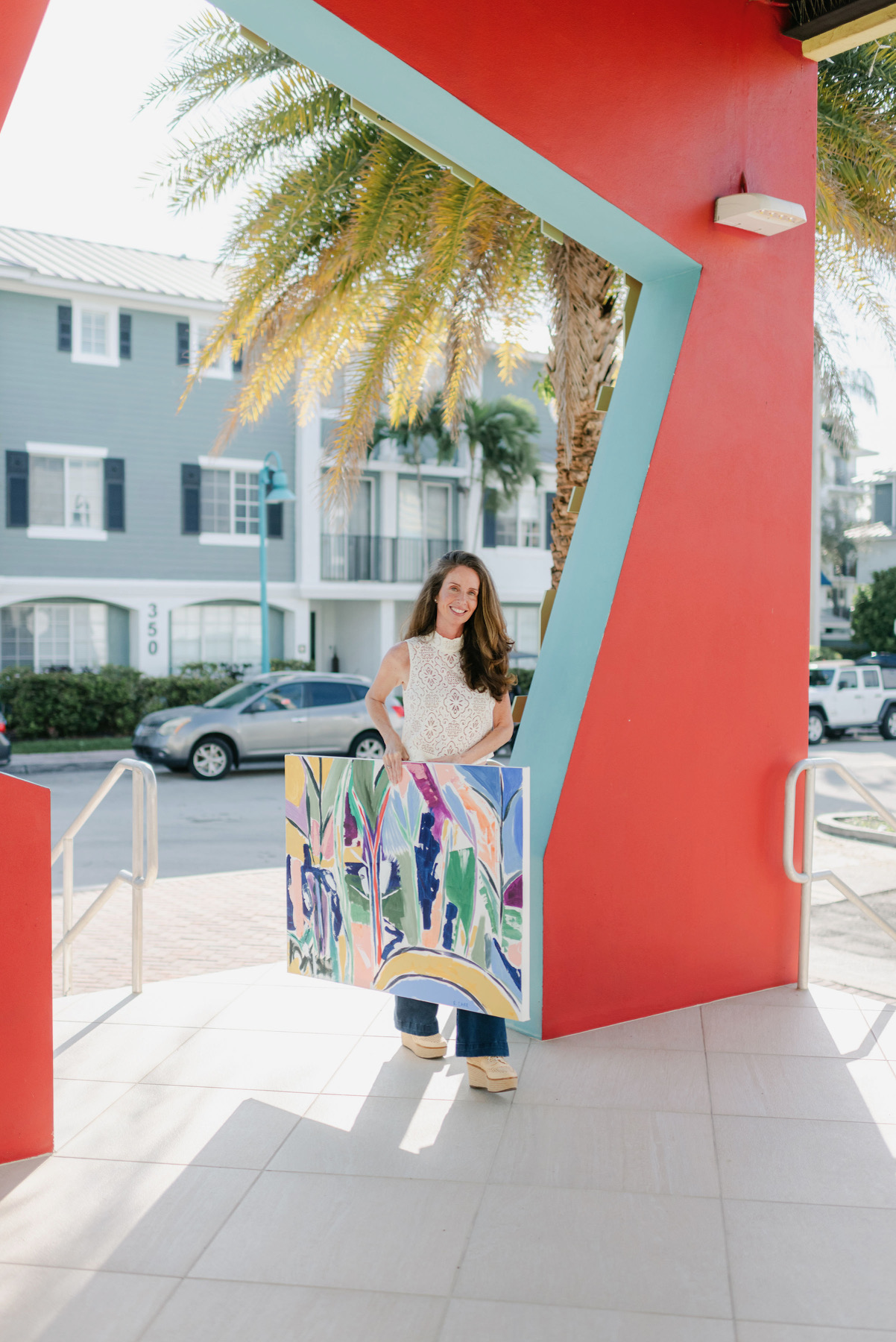

We were lucky to catch up with Erica Carr recently and have shared our conversation below.
Erica, thanks for taking the time to share your stories with us today Can you talk to us about a project that’s meant a lot to you?
One of the most meaningful projects I’ve worked on centered around collaborating with a fellow artist on a shared canvas.
What made it especially powerful was not just the artistic process, but the deeply personal circumstances behind it.
During a particularly difficult time in my life, I was experiencing intense physical and emotional strain due to a serious traumatic brain injury. In the midst of that, I began a collaborative painting with a close collaborator—a master artist, friend, and someone exceptionally skilled in anatomy. Their contribution to the piece was raw and precise: they illustrated my face, my brain, and the pain I was enduring. Seeing my internal experience rendered so clearly was both confronting and cathartic.
Afterward, I returned to the piece and abstracted over much of it, leaving only my eyes visible through the layers. That decision felt symbolic—like preserving a sense of identity and awareness within the chaos and pain. The process became a form of therapy, allowing me to process what I was going through in a way words couldn’t.
The collaboration itself was just as meaningful as the final piece. It was an act of trust, vulnerability, and shared creation. My collaborator helped me externalize something deeply internal, and together we transformed it into something tangible and expressive.
Eventually, the painting was sold, and knowing that it now lives in someone else’s home adds another layer of meaning. What began as a deeply personal and painful experience evolved into something that resonates beyond me. It’s a reminder of how art can heal, connect, and carry stories forward in ways that are both intimate and universal.
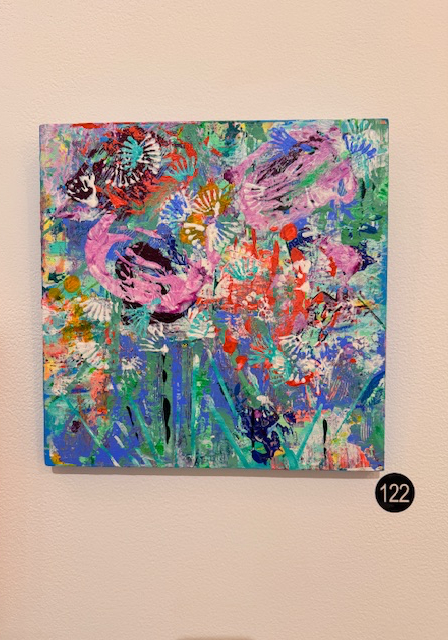
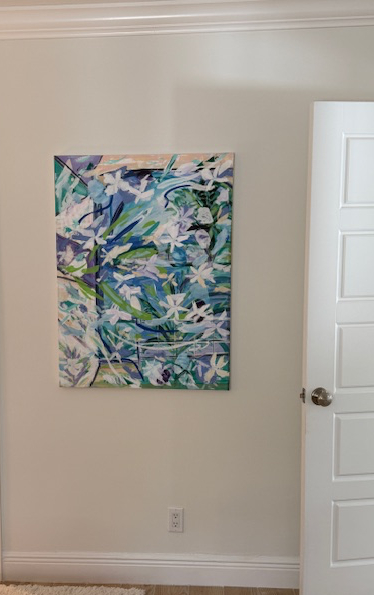
Erica, love having you share your insights with us. Before we ask you more questions, maybe you can take a moment to introduce yourself to our readers who might have missed our earlier conversations?
I’ve been painting since I was a child. For as long as I can remember, art has been a transportive experience for me—a way to enter a state of flow and connect to something deeper. Becoming an artist wasn’t a conscious decision as much as it was an organic evolution. Creativity was always present in my life. My great-grandmother was a skilled watercolor painter, so art was respected in my family.
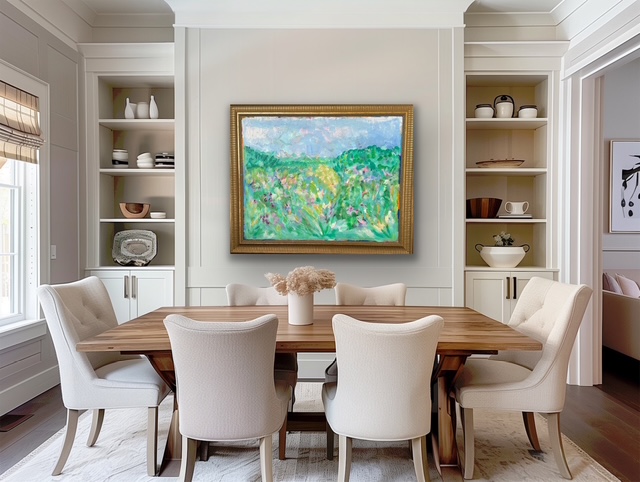
Today, my work is rooted in spontaneity and originality. I create intuitively, often producing a large volume of pieces driven by energy, emotion, and curiosity. My work tends to lean toward the joyful, but it also holds space for complexity and depth when needed. Painting isn’t just something I do—it’s something that drives me.
One of the things that truly sets me apart is my love of collaboration. I often invite other artists into my process, sometimes even painting on the same canvas at the same time. These shared creative experiences are incredibly important to me. They bring an element of unpredictability, trust, and connection that you don’t always find in solo work. I actively seek out that exchange—it’s where a lot of growth and discovery happens.
While I do value the final product—and it is often aesthetically strong—I’m less attached to the outcome than I am to the process itself. For me, the act of creating, especially alongside others, is where the real meaning lies. That energy, that shared moment, is something I hope people can feel when they experience the work.
What I’m most proud of is using art as a unifier. Whether it’s through collaboration, connection, or simply the emotional resonance of a piece, my goal is to bring people together through creativity. I want potential clients, collectors, and viewers to understand that my work is not just about what you see—it’s about the experience behind it, the shared energy within it, and the story it carries forward.
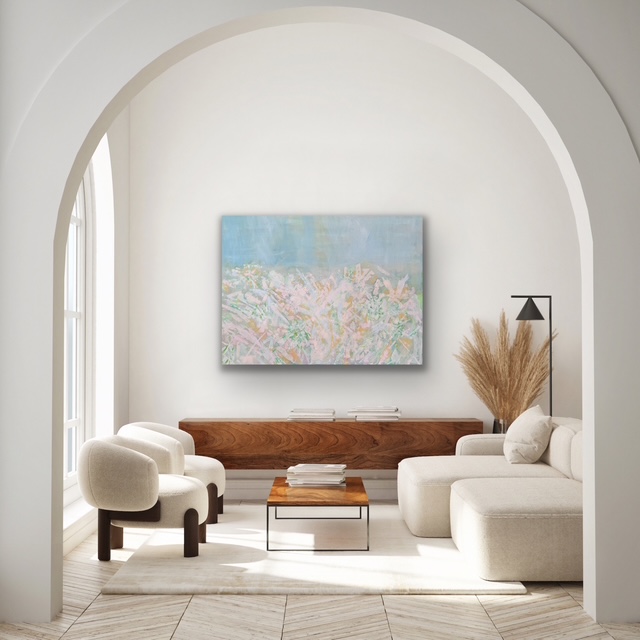
Is there mission driving your creative journey?
Yes—there is a very clear mission driving my creative journey. During my time at Wellesley College, I became deeply influenced by Carl Jung and his use of art as a tool to help patients explore trauma and uncover hidden parts of themselves. That idea—that creativity can be a gateway to truth, healing, and breakthrough—has stayed with me ever since.
I see it as both an opportunity and a responsibility to carry that forward. In a time where so much art can feel mass-produced or surface-level, I’m committed to creating work that goes deeper. I want visual art, much like music and other expressive forms, to not only beautify and uplift but also to unify people and open up conversations around the parts of ourselves that are often hidden or uncomfortable. The things that shouldn’t be sanitized away.
My work is rooted in authenticity and emotional honesty. Whether I’m creating alone or collaborating with others, I aim to tap into something real—something that invites reflection, connection, and dialogue. I believe art can act as an antidote to artifice, and that’s a role I take seriously.
At its core, my mission is to use my creativity to contribute meaningfully—to create work that resonates, that reveals, and that brings people closer to themselves and to each other.
What’s the most rewarding aspect of being a creative in your experience?
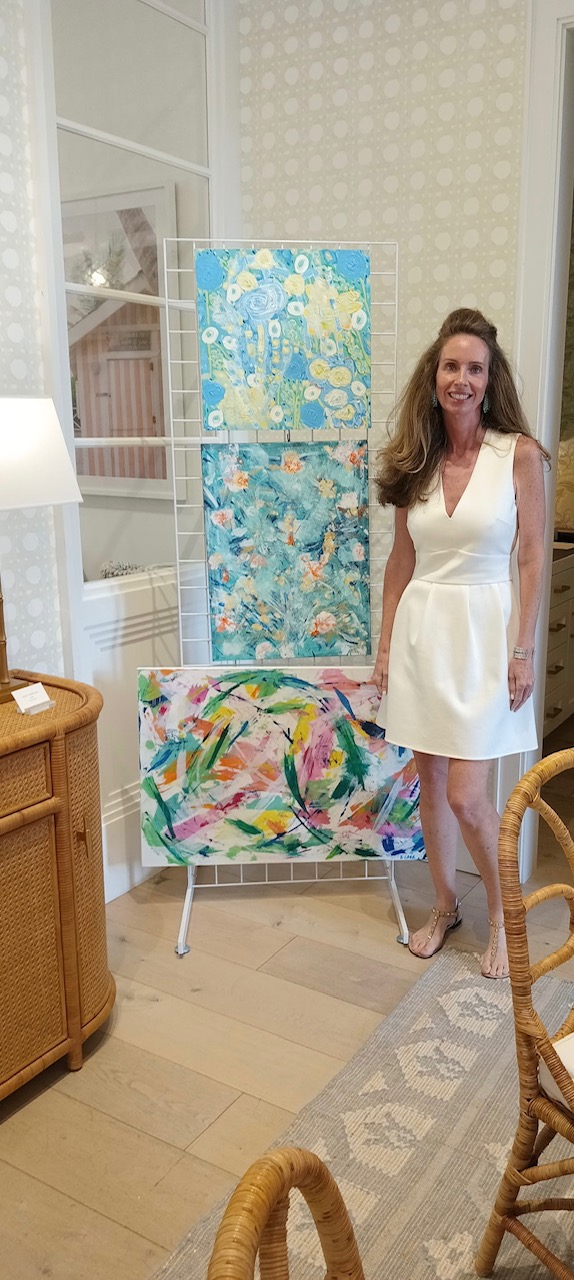
The most rewarding aspect of being an artist, for me, is the continual evolution it demands and inspires. My work is always changing—growing alongside me—and that constant movement keeps me driven. It pushes me to stay curious, to take risks, and to remain open. In that way, art becomes a creative outlet for the part of me that is a lifelong learner, while still allowing me to stay deeply sensitive and connected.
There’s also something powerful about how that evolution impacts others. When people engage with my work, I hope it encourages them to be bold—to explore their own creativity, whether that’s through art or in other areas of their lives. That exchange, that ripple effect, is incredibly meaningful to me.
Being in a state of flow, feeling that sense of passion and immersion—that’s something I truly live for. Even in a time where it can be challenging to be a visual artist, I don’t feel like I have a choice but to keep going. I persevere because the work matters to me. It’s how I grow, how I process, and how I connect.
At the end of the day, evolving as an artist and as a human being at the same time—that’s the reward. And honestly, what more could I ask for?
Contact Info:
- Website: https://www.ericacarrart.com
- Instagram: erica.carr1
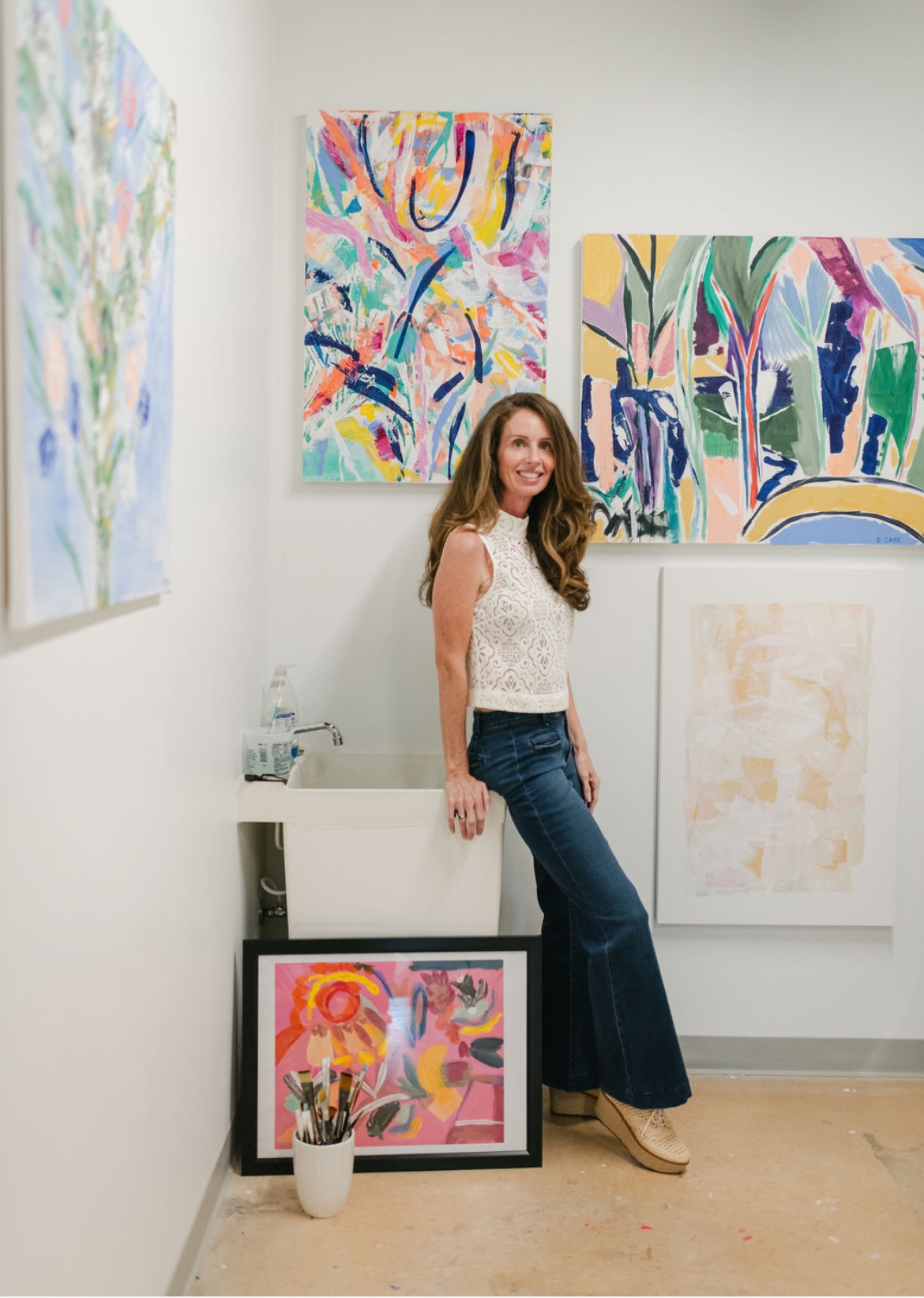
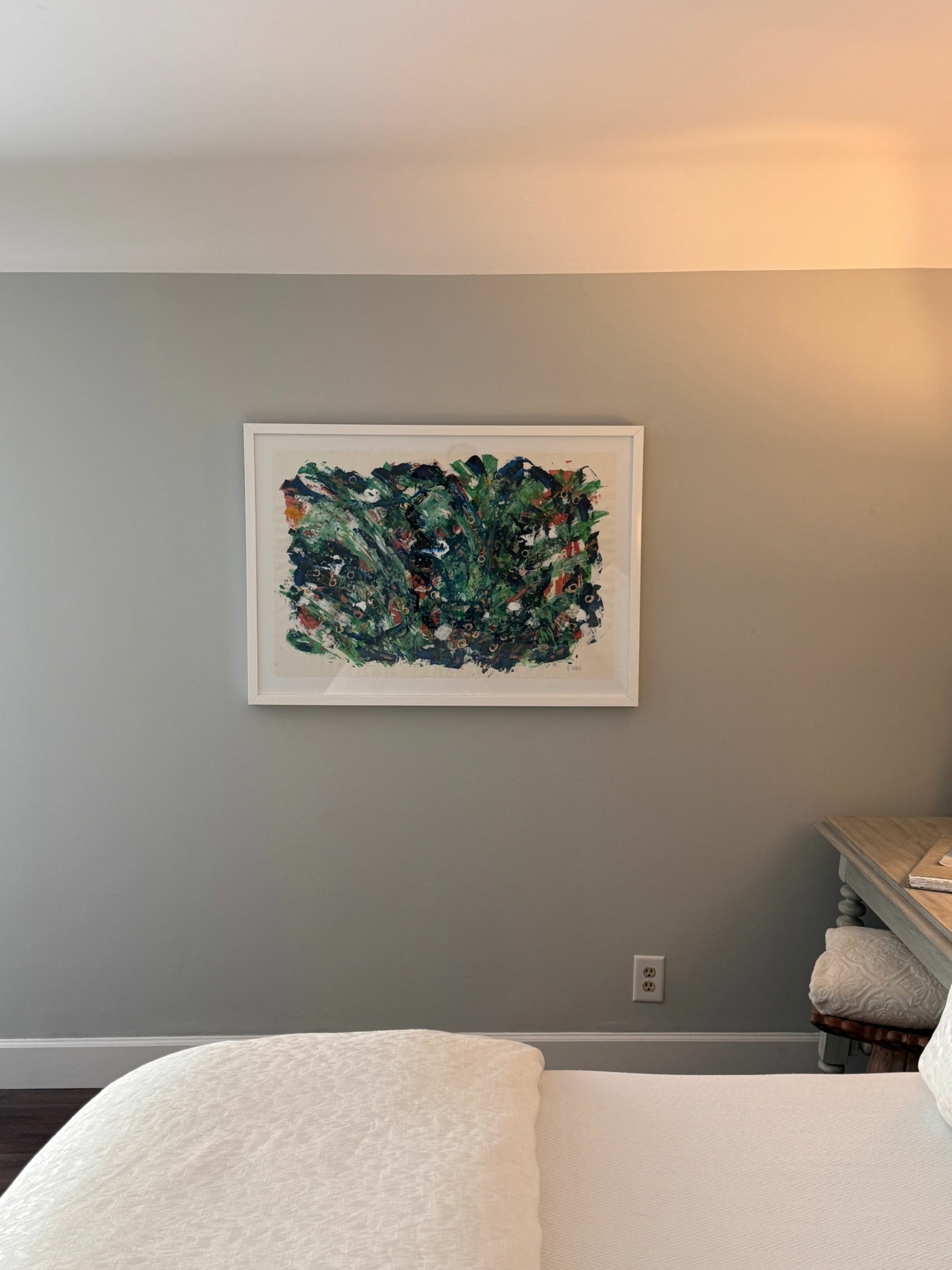
Image Credits
Gina Marie Sullo photography