


We caught up with the brilliant and insightful Elonte Davis a few weeks ago and have shared our conversation below.
Hi Elonte, thanks for joining us today. We’d love to hear about a project that you’ve worked on that’s meant a lot to you.
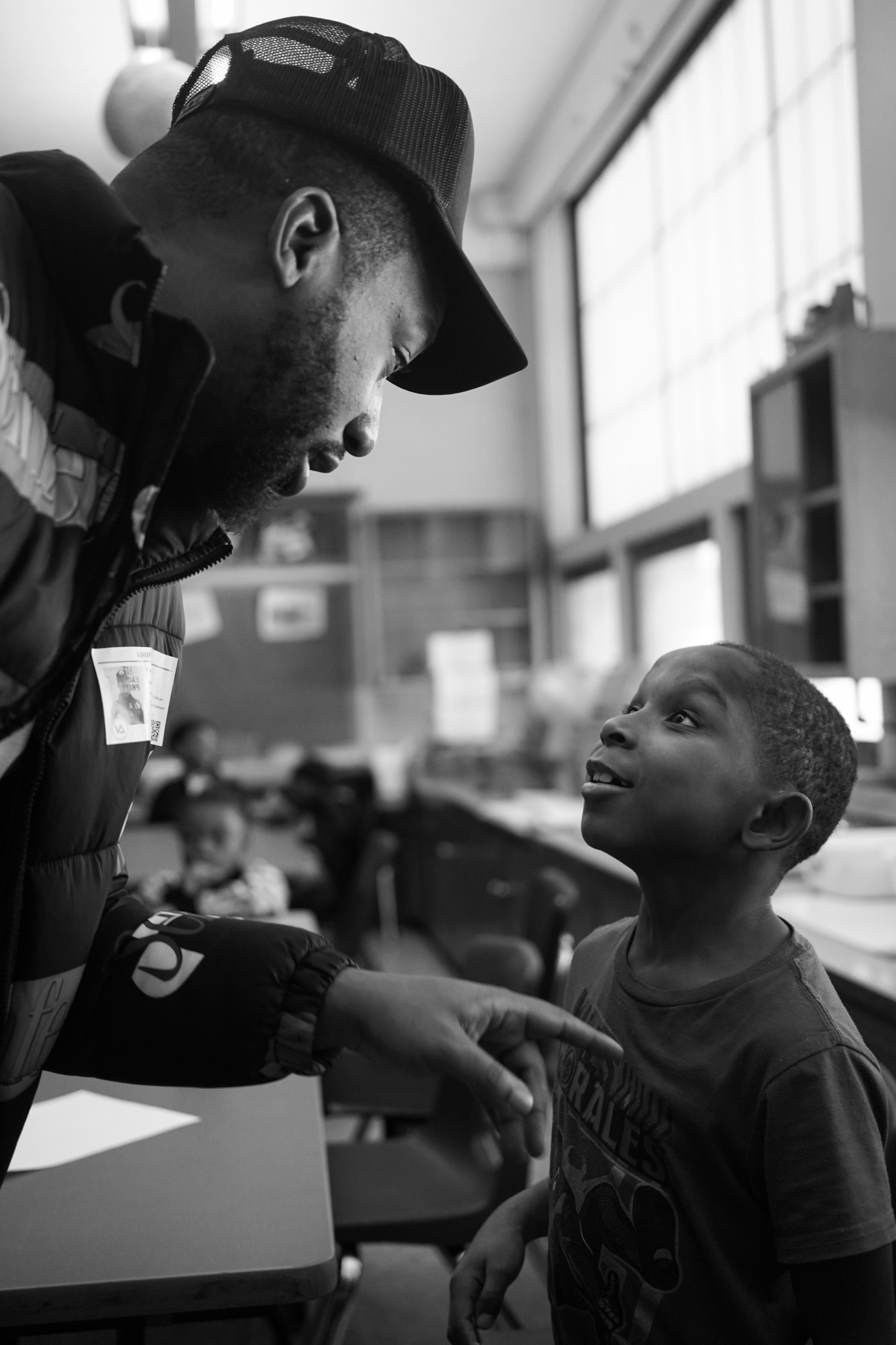
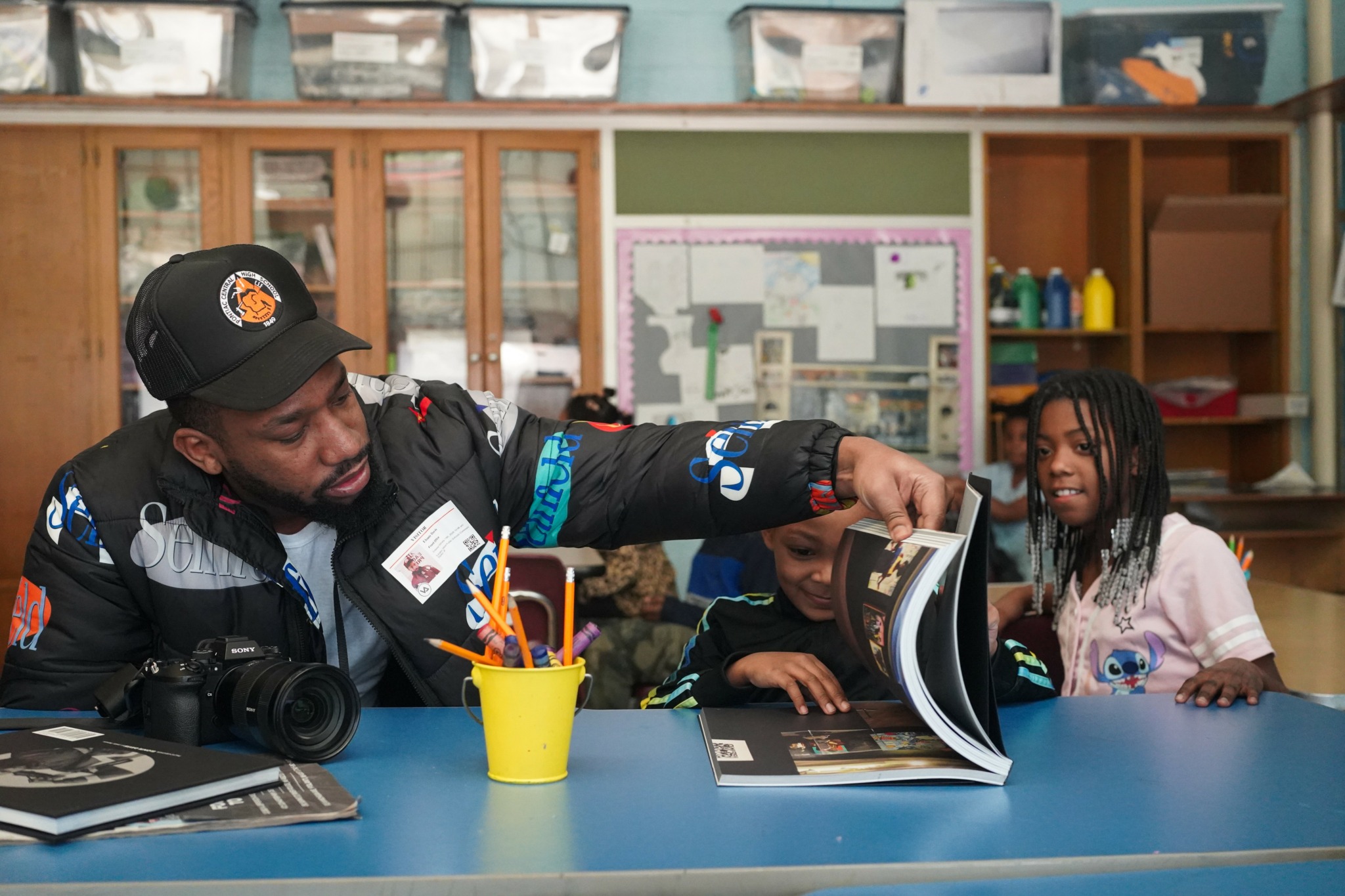
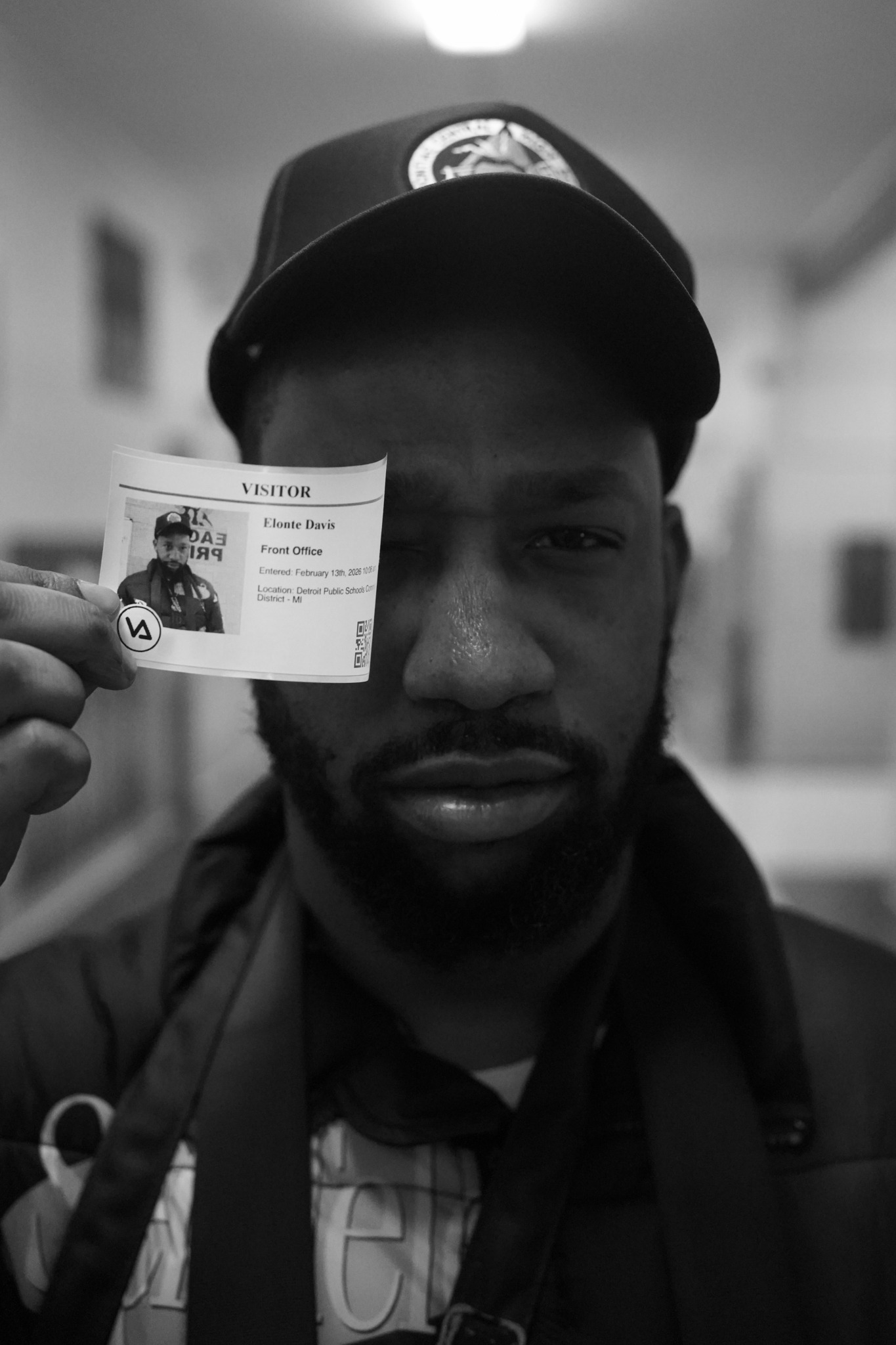
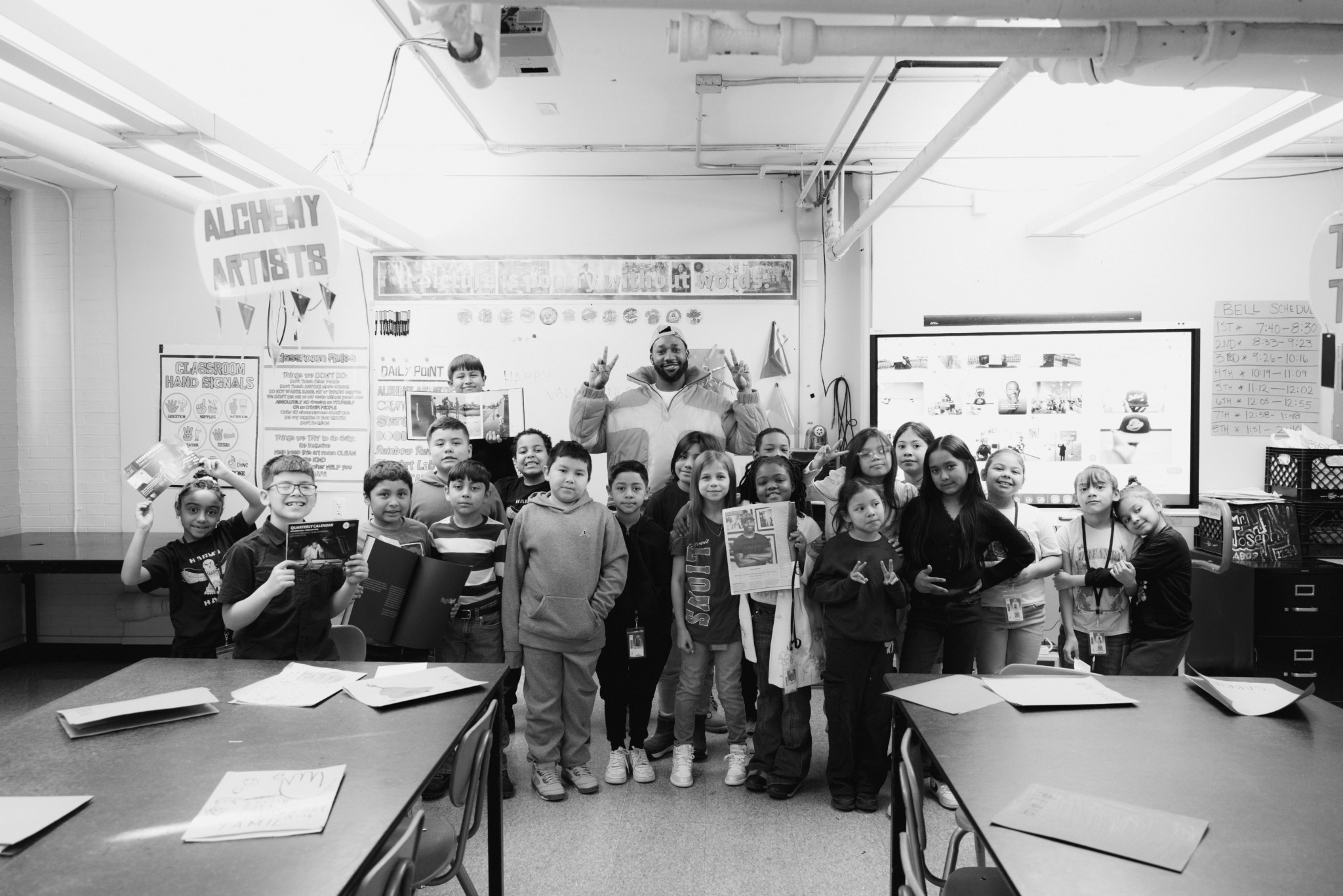
The most meaningful work I’ve done has been my educational and community-centered practice. In 2026, that included leading eight Detroit Public Schools classes titled Lifting Marginalize Voices, speaking to seven classes during my Michigan State residency for my solo exhibition, Homeroom: Detroit Taught Me First, and facilitating my Detroit Institute of Arts workshop, Memory Engineer: Building Detroit’s Living Collage. Together, those experiences brought the core of my work into focus: photography, storytelling, memory, and community.
I see the camera as more than a tool for making images. For me, it is a way to preserve people, honor place, and make sure stories that are often overlooked are still seen and remembered.
Through Detroit Public Schools, I had the chance to pour back into my community by helping students understand that their voice and perspective matter. I did not just bring a camera into those classrooms. I also brought my first book from my first solo show, This Is Where I’m At and This Is What I’m Doing, along with articles and examples of my work, because I wanted students to see not only the creative process, but the possibility on the other side of it. I wanted them to understand that this path is real, that the work can go somewhere, and that their creativity can lead to something meaningful.
At Michigan State, speaking with seven classes during my residency gave me the chance to go deeper into ideas around Detroit, memory, storytelling, and the responsibility of making work that carries meaning. At the Detroit Institute of Arts, I was able to bring that same mission into a museum space and show that community-rooted work belongs inside cultural institutions too.
What stayed with me most across all of those spaces was the response from the students. They were engaged, thoughtful, and genuinely curious. That reminded me that this work can live in classrooms, neighborhoods, universities, and museums without losing its heart.
That is what makes this part of my practice so meaningful to me. It reminds me that my work is not only about making images. It is about helping people feel seen, preserving memory, and creating something that can live beyond the moment it came from.
Great, appreciate you sharing that with us. Before we ask you to share more of your insights, can you take a moment to introduce yourself and how you got to where you are today to our readers.
I’m Elonte Davis, also known as Slumdog Visionaire, and I’m a Detroit-based photographer, visual storyteller, creative director, and Memory Engineer. Detroit taught me how to see. The city shaped the way I understand people, place, history, and image-making.
Over time, I realized I was not just interested in making pictures. I was interested in preserving meaning. That is why I call myself a Memory Engineer. My work uses photography and storytelling to document lives, neighborhoods, and everyday moments in ways that feel honest, thoughtful, and lasting.
My practice spans portraiture, documentary photography, editorial storytelling, public art documentation, exhibitions, and creative direction. I work with individuals, brands, institutions, and communities to create images and stories that do more than fill space. I help people make work that feels intentional, culturally aware, and emotionally true.
What sets me apart is the way I combine art, story, strategy, and care. I am not chasing empty visuals. I am trying to make work that holds weight. Whether I am documenting a mural, building an exhibition, or photographing a person in their own neighborhood, I want the work to carry presence, not just polish.
I’m especially proud of the exhibition side of my journey. My solo exhibition at Michigan State University, Homeroom: Detroit Taught Me First, means a lot to me because it honors the city that shaped my eye and my voice. I’ve also been honored to show work at the Muskegon Museum of Art, the Charles H. Wright Museum, and Irwin House Gallery. Having my work live in those spaces has reinforced my belief that community-rooted stories belong in museums and galleries too.
I’ve also been honored to receive a Kresge Visual Arts Fellowship and the Spirit of Detroit Award. Those recognitions mean a lot to me because they affirm both the artistic and community-centered impact of my work.
What I’m most proud of is building a practice rooted in purpose. I care about making work that helps people feel seen, preserves memory, and leaves something behind. I’m not just trying to photograph what something looked like. I’m trying to preserve what it meant. More than that, I’m building an archive meant to outlive me, one that carries the stories, spirit, and presence of the people and places I document long into the future.
Have any books or other resources had a big impact on you?
One resource that had a deep impact on me was Half Past Autumn by Gordon Parks. In 2021, Omo Misha McGlown, the owner of Irwin House Gallery, gave me the book and wrote inside it, “Continue to be inspired and inspire the world.” That meant a lot to me, not just because of what she wrote, but because of who she was and what she had done for other artists. For someone like her to see something in my work and connect it to Gordon Parks stayed with me in a real way.
To be seen in the same lane as a legend like Gordon Parks gave me a huge boost. It made me feel like I was heading in the right direction, and it also made me understand that I had to keep working, keep growing, and keep building with intention. When I went through the book, I saw the kind of images I’m naturally drawn to making: raw, honest, community-centered photographs that hold truth, dignity, and real life all at once. It affirmed not just the style of my work, but the spirit behind it.
That moment shaped the way I think about my path as both an artist and an entrepreneur. It pushed me to keep creating work with depth, purpose, and lasting meaning. It reminded me that photography can carry history, emotion, and human presence, and that is the kind of work I want to devote my life to making.
Learning and unlearning are both critical parts of growth – can you share a story of a time when you had to unlearn a lesson?
One lesson I had to unlearn was feeling like I needed permission or validation before trusting my work. In photography, it is easy to feel overlooked and start questioning whether people really see or appreciate what you are creating. I’ve felt that for real.
The shift came when I realized my job is not to wait around for approval. My job is to do the work, put it into the world, let people respond to it, and keep going. Once I understood that, I stopped tying the value of my work to immediate recognition.
That was the lesson I had to unlearn: just because something is overlooked in the moment does not mean it lacks value. Sometimes the real work is staying true to what you do, trusting it enough to keep going, and letting the validation catch up later.
I live under a rock a lot of the time. I’m usually just creating, building, editing, planning, or out photographing something that caught my attention. Half the time, I do not even know what is happening unless somebody tells me. Other than that, I’m just locked in. That taught me to stay intentional, stay authentic, and keep creating without waiting for permission.
Contact Info:
- Website: https://www.elontedavisphotography.com/
- Instagram: https://www.instagram.com/slumdog_visionaire?igsh=MXY4Y3h1Z25samJieg%3D%3D&utm_source=qr
- Linkedin: Follow me on LinkedIn: www.linkedin.com/comm/mynetwork/discovery-see-all?usecase=PEOPLE_FOLLOWS&followMember=elonte-davis-b99161144
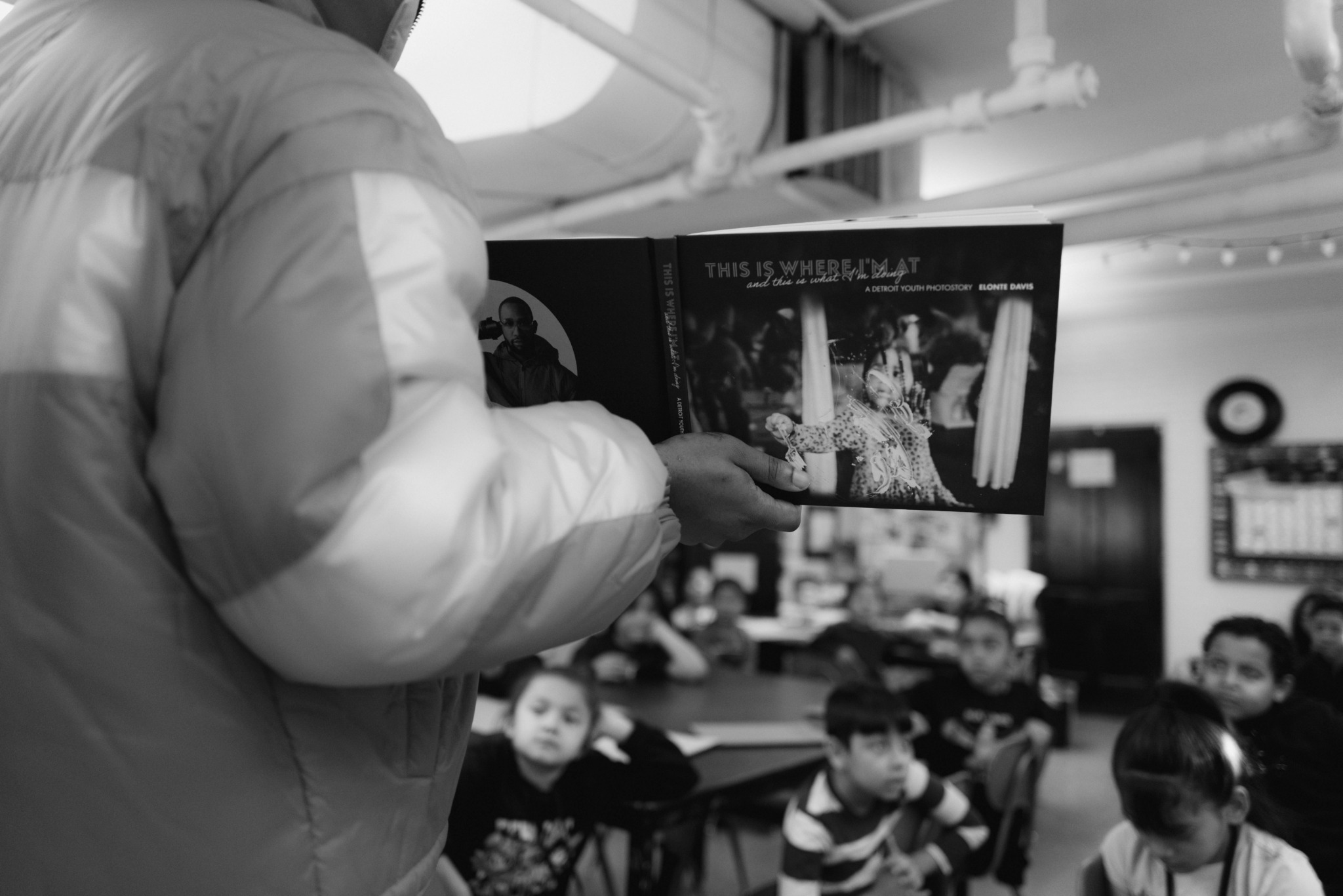
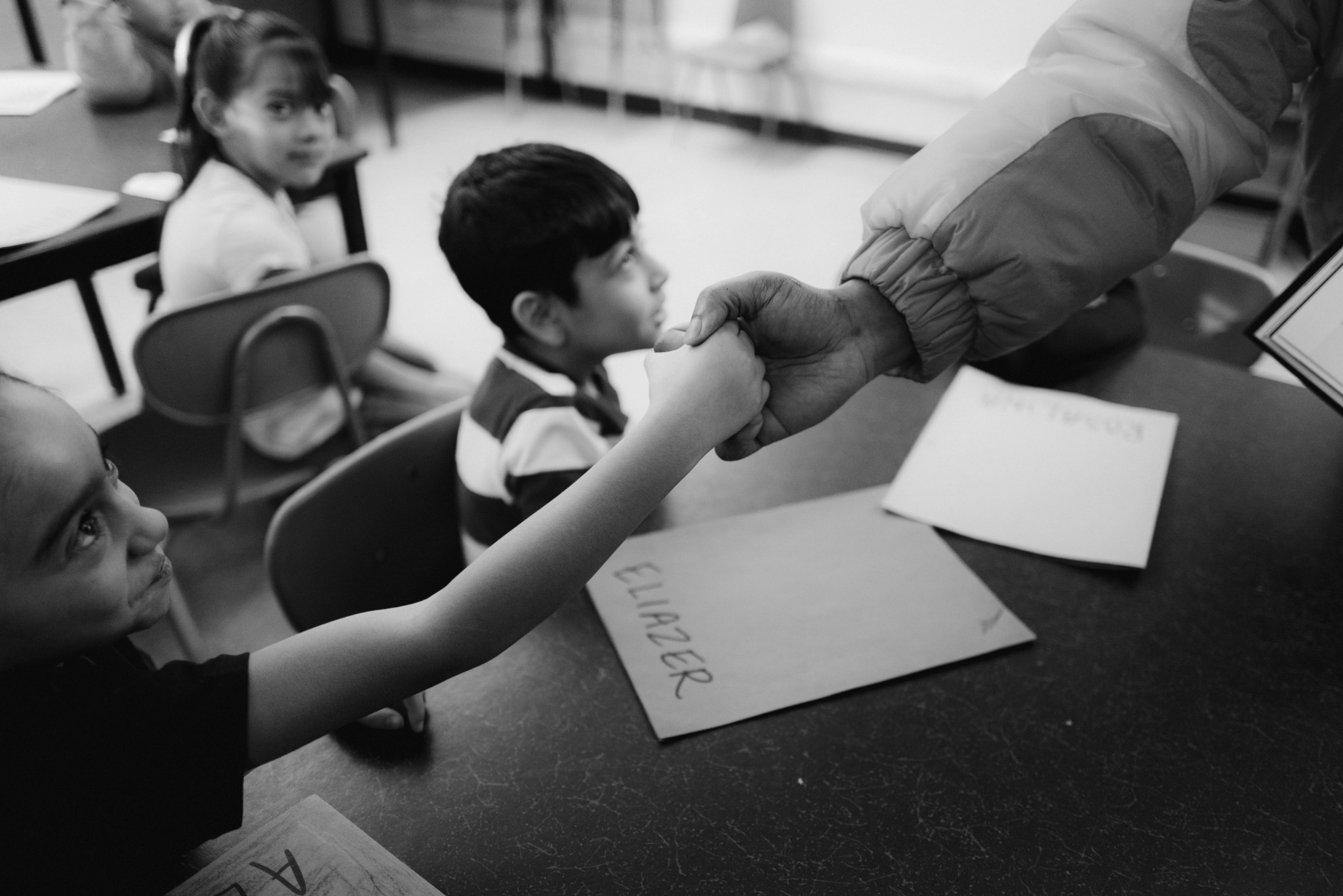
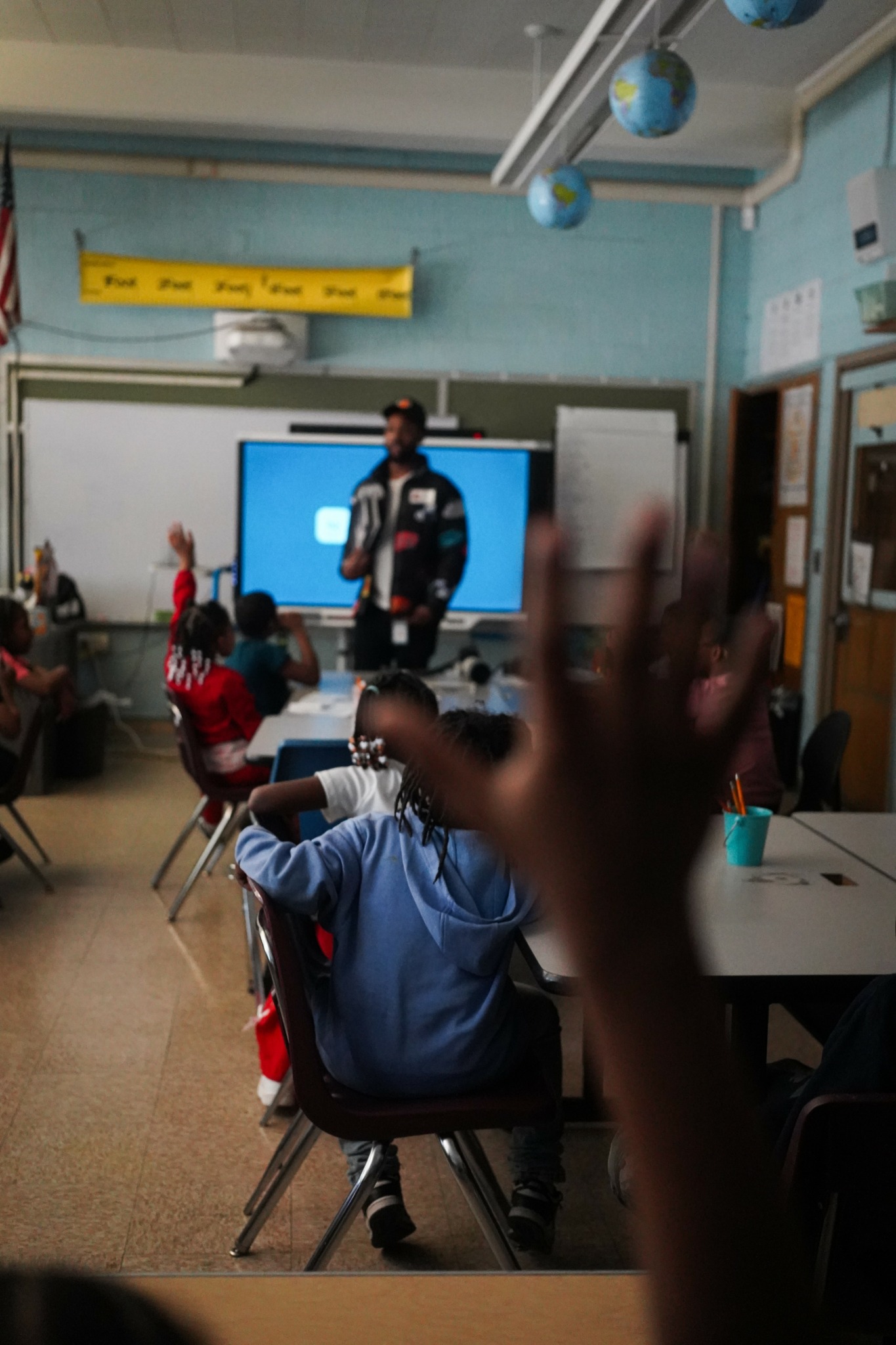
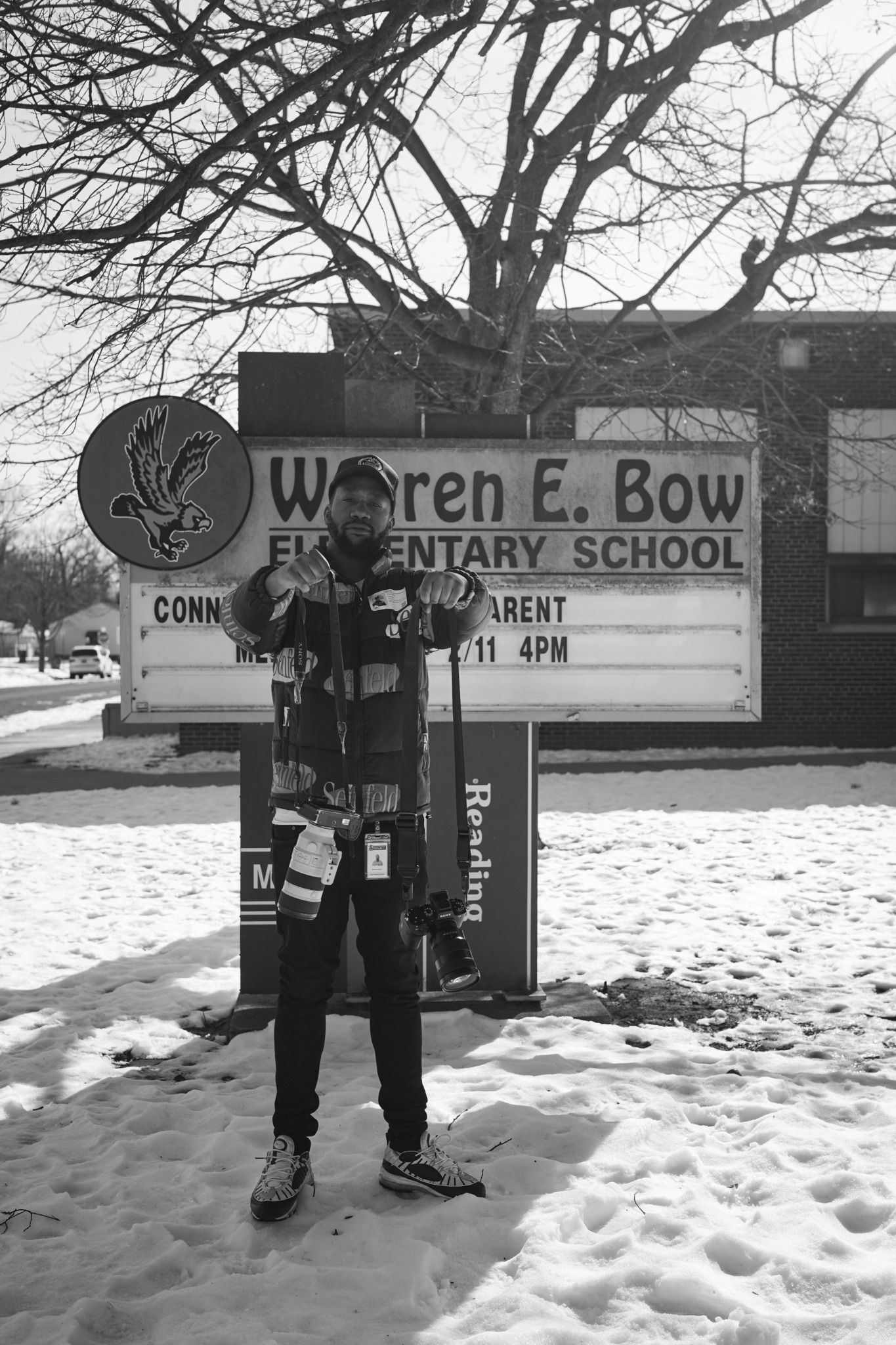
Image Credits
The first three pictures belong to Lamar Landers and the next 3 pictures to Jimel Primm and then next two belongs to Lamar Landers.