


We were lucky to catch up with Andrea Dratch recently and have shared our conversation below.
Andrea, appreciate you joining us today. We’d love to hear the backstory behind a risk you’ve taken – whether big or small, walk us through what it was like and how it ultimately turned out.
I took the risk of letting myself be fully seen. My real face. My real body. The angles I used to hide, the expressions I thought were too much, the imperfections I was trained to fix. I stopped tightening everything for the camera and let it capture the lines, the softness, the awkwardness, the truth.
I took that risk because I was tired of performing protection instead of performing honesty. I wanted my work to feel alive, not edited. I wanted to know what would happen if I didn’t hide. It was exposing and uncomfortable, but that’s where my strongest work came from. The power was in being seen and not shrinking.
Awesome – so before we get into the rest of our questions, can you briefly introduce yourself to our readers.
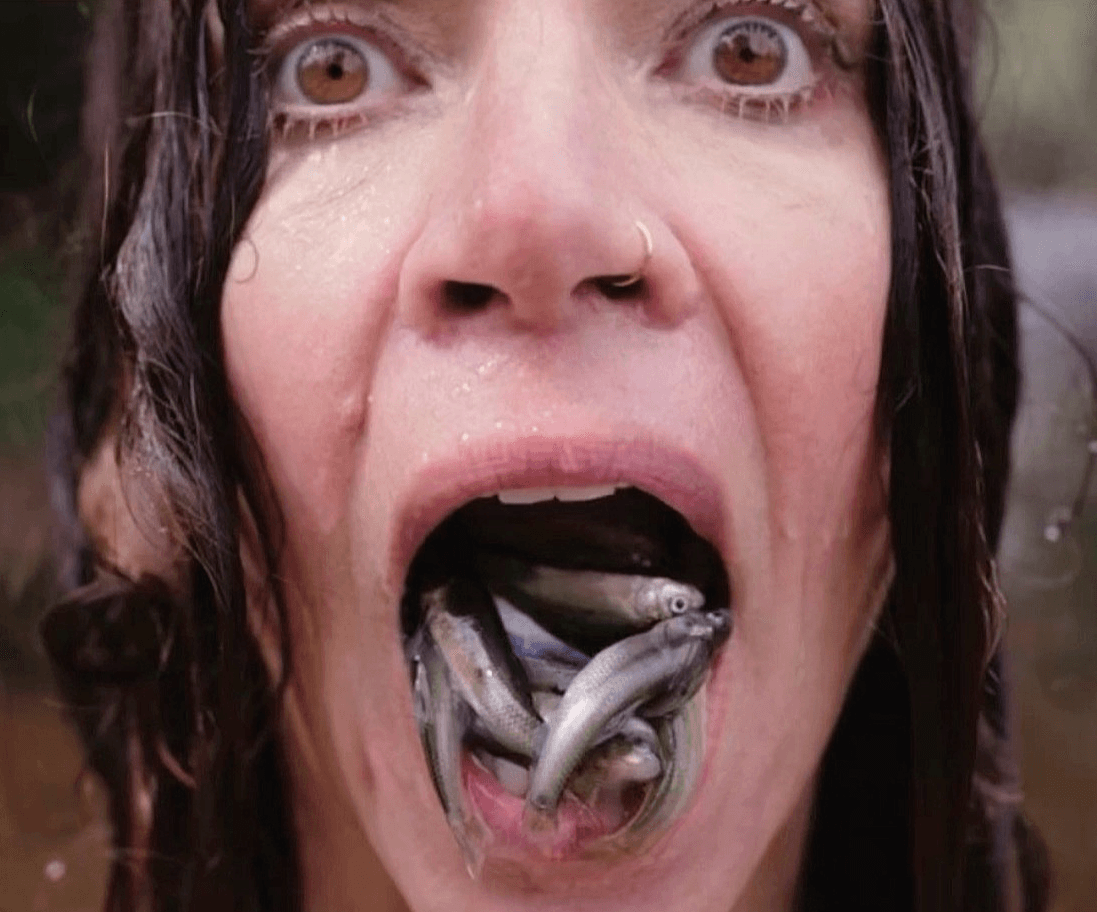
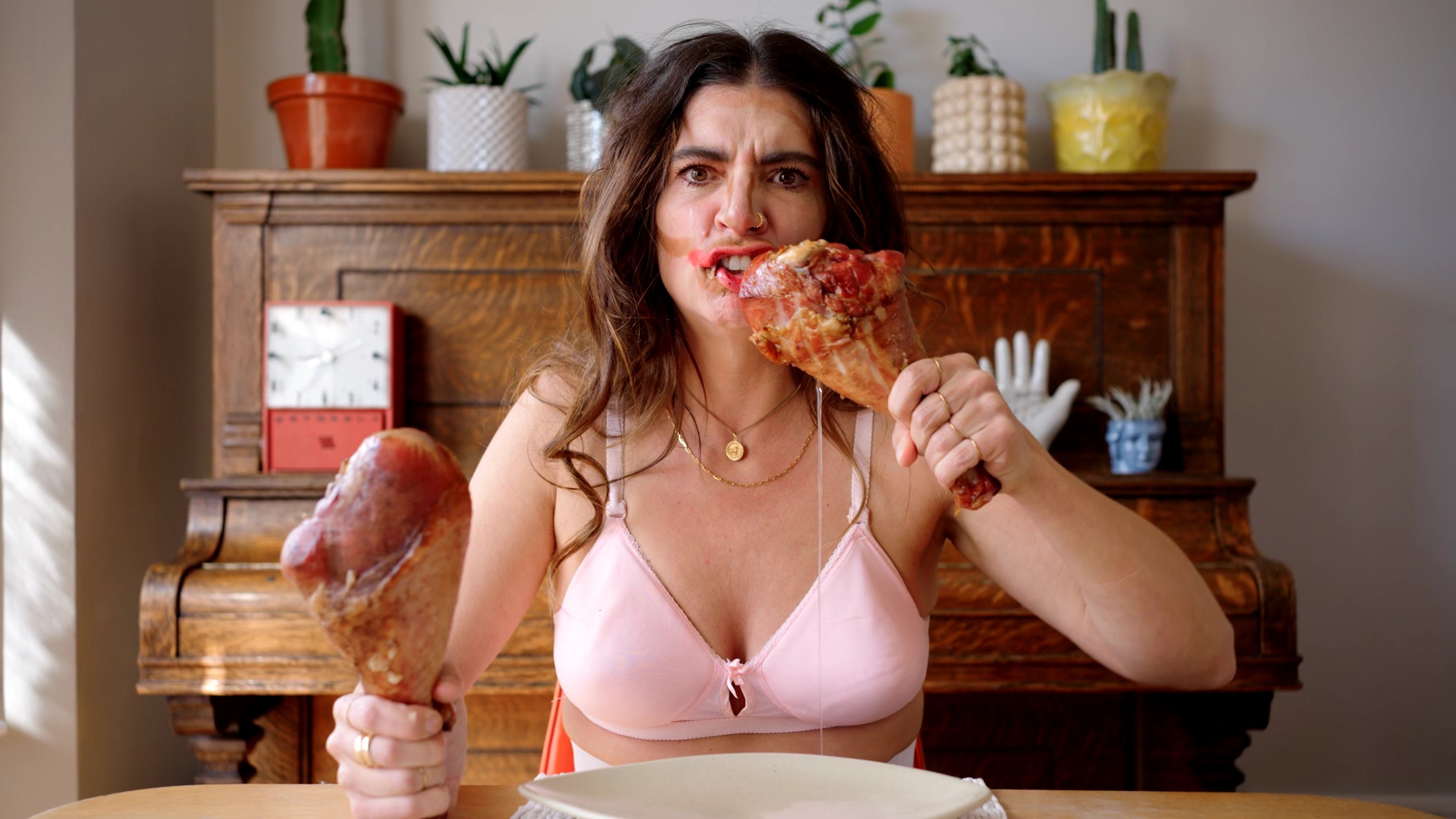
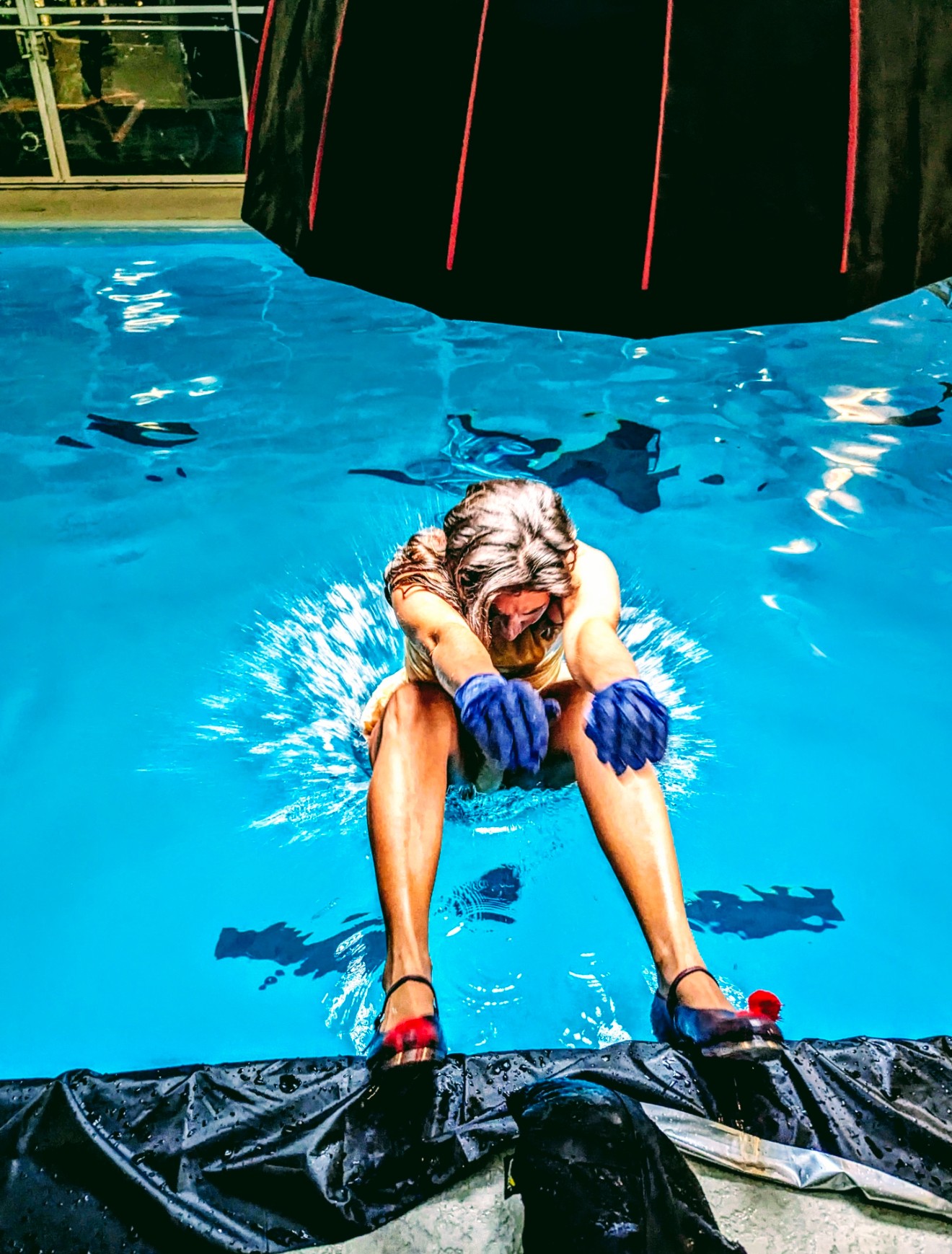
I’m Andrea Dratch, a filmmaker and performance artist. My work lives at the intersection of film, body, and presence. You can feel and see it in my latest films “Shame on Me,” “SARDINE” and “No Swimming.” I didn’t come into this industry through a traditional, polished path. I came through curiosity, discomfort, and a need to tell the truth without smoothing it out. I was drawn to film and performance because they let me explore what it means to be seen, not just watched.
I create films and performances that are raw, intimate, and physically honest. I work with the face, the body, silence, repetition, awkwardness, and emotion as material. Rather than hiding imperfections, I center them. My projects often challenge the idea that bodies, especially women’s bodies, need to be controlled, corrected, or aesthetically pleasing to be worthy of attention. I offer work that is experiential rather than explanatory. It’s meant to be felt before it’s understood.
What I solve, whether for collaborators or audiences is the problem of disconnection. People are used to consuming images that are filtered, managed, and safe. My work creates space for something more human and unsettling. It invites vulnerability, reflection, and recognition. I bring a fearless creative process, a strong visual instinct, and a willingness to go where things feel uncomfortable but meaningful.
What sets me apart is my refusal to protect the image. I don’t polish away the tension or edit out the strange parts. I let the camera see what it sees. That commitment to honesty shapes everything I make. I’m most proud of the moments when my work makes people pause, feel exposed themselves, or recognize something they didn’t have language for before.
What I want people to know about my work is that it’s intentional, embodied, and deeply personal. I’m not interested in perfection or performance as spectacle. I’m interested in presence, risk, and truth. If you engage with my work, you’re not just watching something. You’re being asked to sit with it, and maybe with yourself.
Is there something you think non-creatives will struggle to understand about your journey as a creative?
Something non-creatives often struggle to understand about my journey is how much of it is about showing up and being vulnerable with no guarantee anyone will notice or care. People see the finished film or performance and think it’s polished or effortless, but what they don’t see are the hours of discomfort, self-doubt, and exposure that go into taking risks that might fail. You have to feel my work before you understand it.
As a creative, this is my way of life. This is how I heal. I can’t live another way. I have to create. It’s how I survive. I take risks, I show the parts of myself I usually hide, the messy, raw, imperfect pieces, and I trust the work to find its audience. You never know who might see it and feel seen themselves. I encourage everyone to find their own creativity, set it free, and take the risks that let the world witness their truth.
How about pivoting – can you share the story of a time you’ve had to pivot?
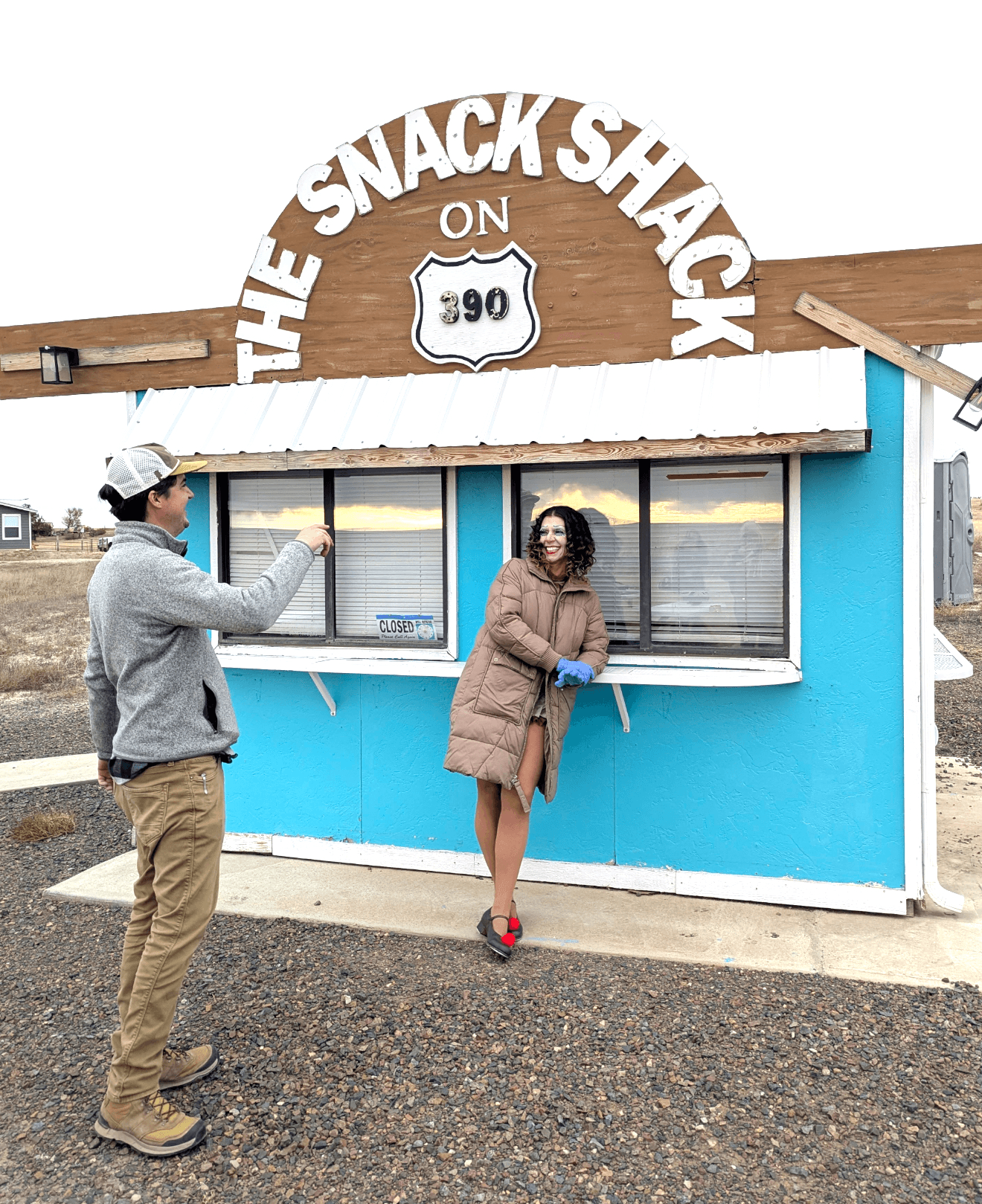
I quit caring what others thought of me or expected of me and just focused on what was creatively coming through me. Then I just let it all go. Please follow me on Instagram at @andreadratch for screenings and live performance updates of my work.
Contact Info:
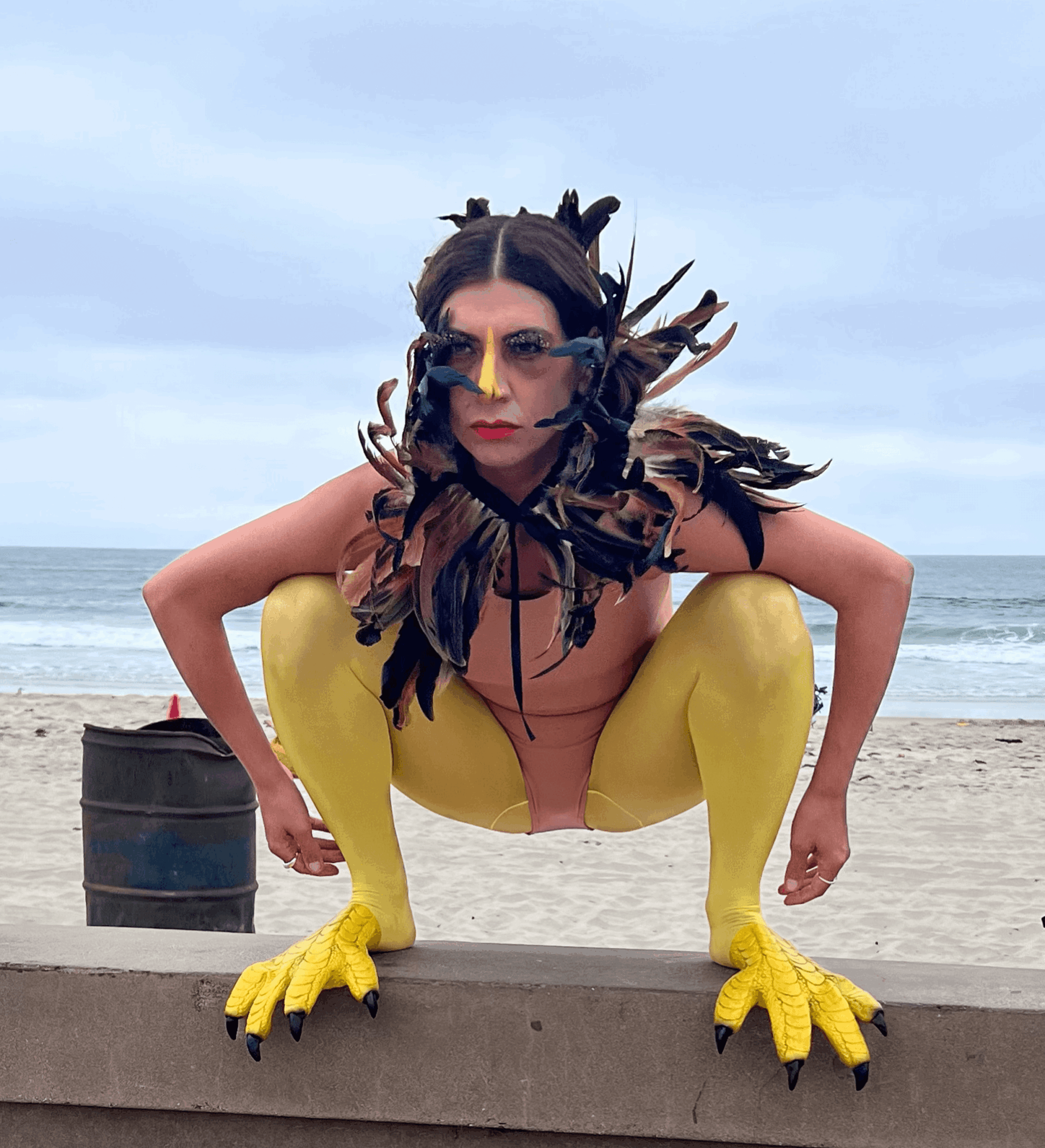
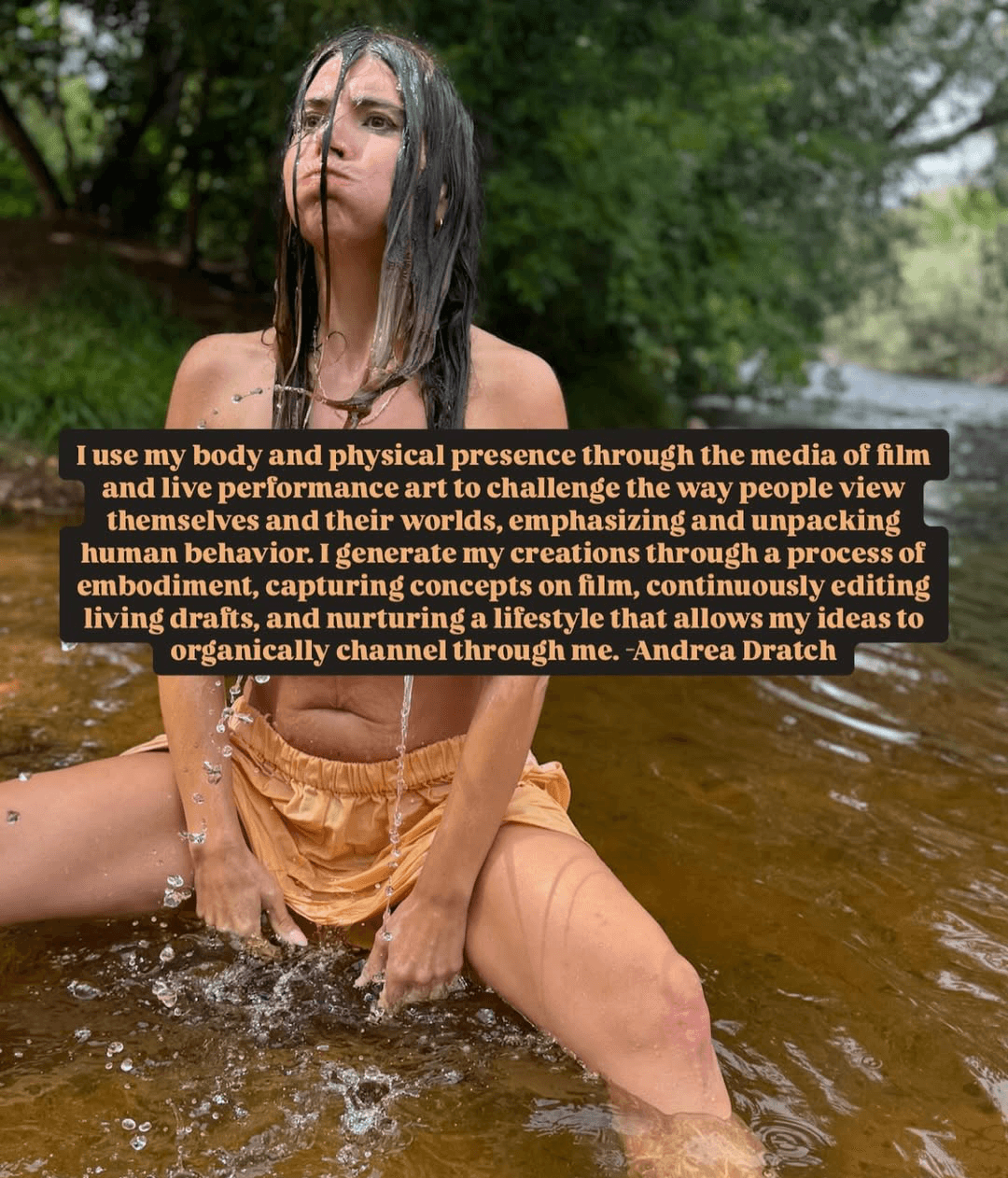
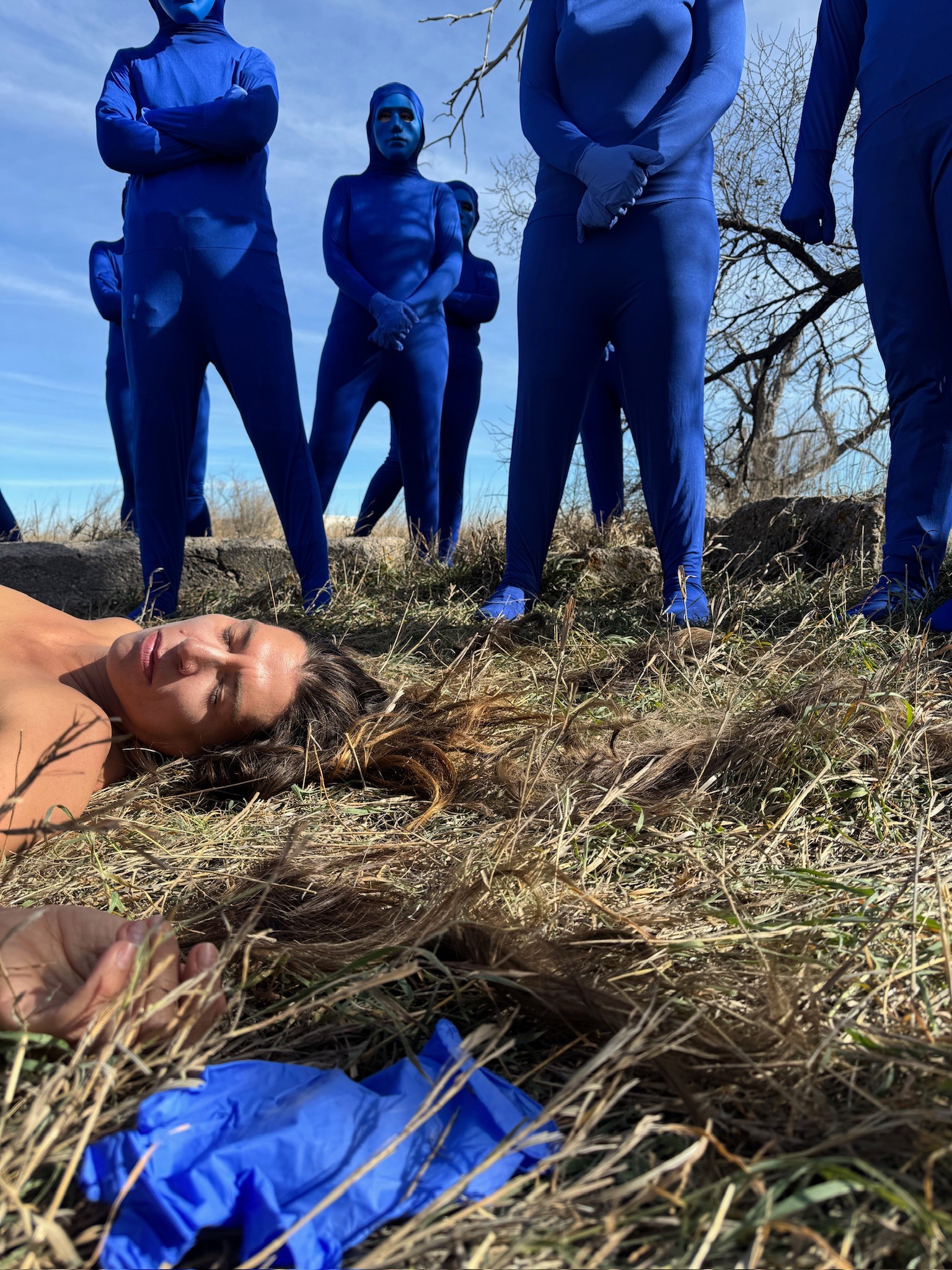
Image Credits
Aly Dratch
Callie Coberly