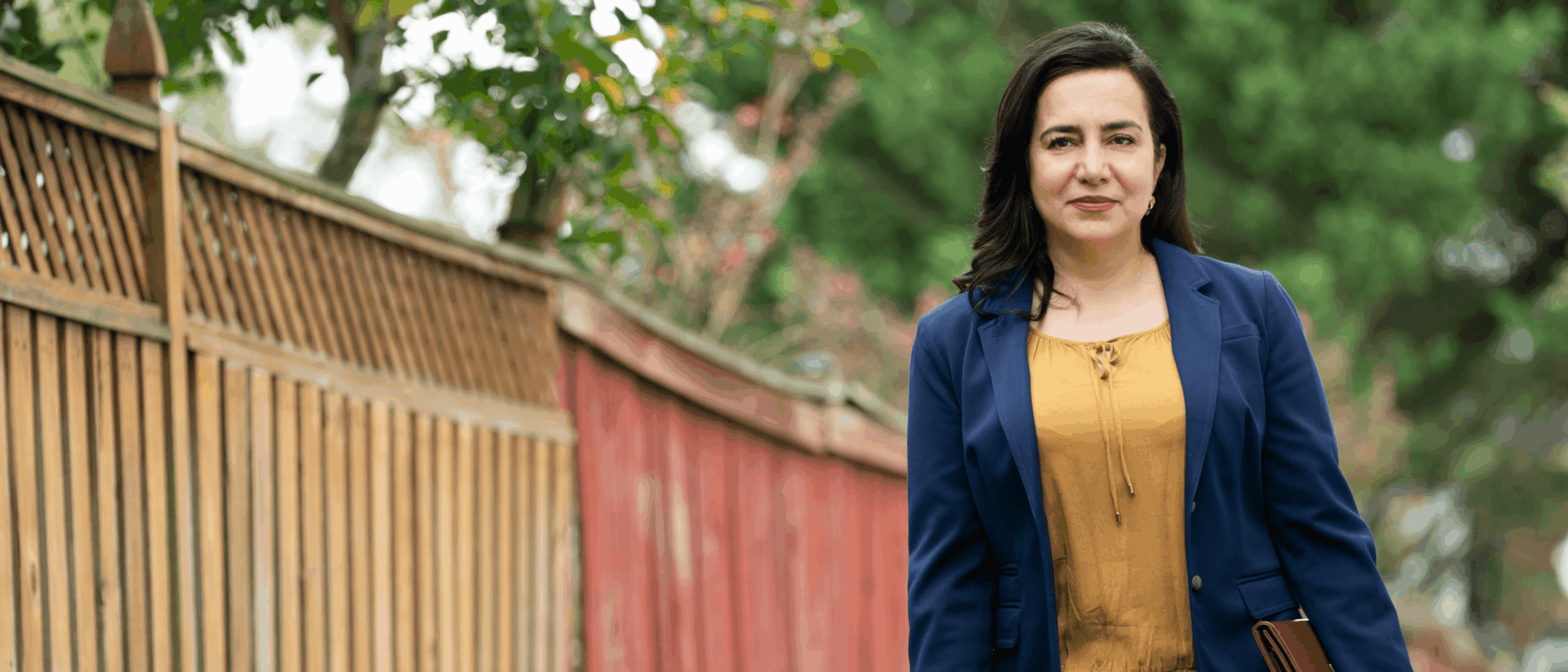

We were lucky to catch up with Sairan Aqrawi recently and have shared our conversation below.
Sairan, appreciate you joining us today. So, folks often look at a successful business and think it became a success overnight – but that often obscures all the nitty, gritty details of everything that went into the growth phase of your business. We’d love to hear about your scaling story and how you scaled up?
Scaling a business in the leadership development space—especially one focused on empowering women in engineering—is never an overnight story. What often looks like rapid success is actually the result of years of intentional work, deep listening, and continuous refinement behind the scenes.
For me, scaling began with a clear mission: helping women engineers step into impactful leadership roles with confidence, clarity, and strategic influence. Early on, I realized that technical excellence alone is not what holds many women back—it’s access to the right frameworks, visibility, and alignment within their organizations. That insight shaped everything I built.
One of the most important decisions I made was to stay focused on depth over breadth. Instead of trying to serve everyone, I concentrated on a specific audience—women in engineering and infrastructure—and designed programs that directly addressed their real challenges. That focus allowed me to create meaningful, results-driven experiences rather than generic advice.
As the practice grew, I learned that scaling is not just about reaching more people—it’s about maintaining impact at scale. That required building structured methodologies, repeatable frameworks, and coaching models that could consistently deliver transformation. There were moments when demand increased faster than capacity, and I had to step back, refine my systems, and ensure quality wasn’t compromised for growth.
There were also challenges and missteps along the way. At times, I overextended—taking on too much, too quickly. Other times, I underestimated how much mindset shifts were needed, not just for my clients, but within organizations themselves. Those experiences taught me the importance of pacing, boundaries, and aligning with the right partners and environments.
One of the most powerful drivers of growth has been trust and community. When women see real results—whether it’s stepping into leadership roles, gaining recognition, or influencing major decisions—they share those experiences. That organic growth has been far more impactful than any marketing strategy.
Ultimately, scaling in this space is about creating lasting impact, not just expansion. It’s about helping individuals transform in a way that also elevates their teams and organizations.
If there’s one lesson I’ve learned, it’s this: sustainable growth comes from staying deeply aligned with your purpose, building systems that support that purpose, and never losing sight of the people you’re here to serve—especially during the phases that no one else sees.
Sairan, before we move on to more of these sorts of questions, can you take some time to bring our readers up to speed on you and what you do?
I’m an engineer by training and a leadership strategist by purpose. Over the course of my career in large-scale infrastructure and rail and transit, I’ve worked in highly complex, high-stakes environments where technical excellence is expected—but leadership is what truly drives impact.
My journey into this space wasn’t linear. As I advanced in my engineering career, I began to notice a consistent pattern: many highly capable women were not advancing at the same pace as their peers—not because they lacked skills, but because they lacked access to the unwritten rules of leadership, visibility, and influence within their organizations. I experienced some of those challenges myself. That realization became a turning point and ultimately led me to build a consulting practice focused on helping women engineers step into impactful leadership roles.
Today, my work sits at the intersection of engineering, leadership development, and organizational strategy. I provide coaching, advisory services, and structured programs designed specifically for women in engineering and infrastructure fields. My focus is on helping them move from being strong technical contributors to becoming influential leaders—individuals who can shape decisions, lead teams, and drive outcomes at a higher level.
The problems I solve are often not technical—they are strategic and human. I help my clients navigate visibility gaps, build executive presence, strengthen stakeholder alignment, and position themselves for leadership roles. I also work with organizations to better understand how to develop and retain high-potential female talent, which is critical in industries where diversity in leadership is still evolving.
What sets my work apart is that it’s grounded in real-world experience. I’m not speaking from theory—I’ve operated in the environments my clients are navigating. I understand the pressures of delivering large programs, managing competing priorities, and influencing within complex systems. Because of that, my approach is both practical and actionable. I combine structured frameworks with personalized guidance, ensuring that each client can apply what they learn directly to their day-to-day work.
What I’m most proud of is the transformation I see in the women I work with. Watching someone shift from being overlooked to becoming a recognized leader, from second-guessing their voice to confidently influencing decisions—that’s the real measure of success for me. Those moments create ripple effects not just for individuals, but for entire teams and organizations.
The main thing I want people to know about my work is that it’s intentional, results-driven, and deeply aligned with impact. I’m not focused on surface-level motivation—I focus on equipping women with the tools, strategies, and mindset shifts needed to lead effectively in demanding environments.
At its core, my brand is about unlocking potential that already exists and helping translate it into visible, measurable leadership impact.
What do you think helped you build your reputation within your market?
Building my reputation in the market has been the result of consistency, credibility, and alignment between what I say and what I deliver.
First and foremost, credibility came from my foundation in engineering and large-scale infrastructure delivery. Operating in high-stakes environments taught me that results matter. Delivering complex programs successfully—and doing so with discipline and integrity—naturally builds trust over time. That trust became the cornerstone of my reputation.
At the same time, I was very intentional about how I showed up. I didn’t try to be everything to everyone. I focused on a specific space—helping women in engineering step into leadership roles—and spoke directly to real challenges that are often overlooked. That clarity made my voice more relevant and authentic within my market.
Another key factor was consistency. Whether through speaking engagements, workshops, or one-on-one advisory work, I consistently delivered practical, actionable insights—not just ideas. Over time, people began to associate my work with results, not just inspiration.
Relationships also played a significant role. I invested in building genuine, long-term connections based on trust and mutual value. In my experience, reputation is not built through visibility alone—it’s built through how people experience working with you and the outcomes you help them achieve.
Importantly, I didn’t shy away from sharing real experiences—the challenges, the lessons learned, and the behind-the-scenes realities of growth. That transparency helped differentiate my voice and made my work more relatable and credible.
If I had to summarize it, my reputation was built by consistently delivering value, staying true to my focus, and earning trust through both performance and authenticity.
Any advice for managing a team?
Managing a team and maintaining high morale comes down to a combination of clarity, trust, and consistency.
First, clarity is critical. People perform at their best when they understand what’s expected of them, how their work contributes to the bigger picture, and what success looks like. As a leader, I’ve found that clearly connecting individual roles to a larger mission creates a sense of purpose, which is one of the strongest drivers of motivation.
Second, trust is foundational. High-performing teams are built in environments where individuals feel respected, heard, and empowered to contribute. That means creating space for open communication, encouraging different perspectives, and giving people ownership of their work. Micromanagement erodes morale quickly, while trust elevates performance and accountability.
Consistency is equally important. Teams need to know that leadership is steady—especially during high-pressure or uncertain periods. Being consistent in decision-making, communication, and expectations builds confidence and reduces unnecessary stress within the team.
Another key factor is recognition and growth. People want to feel that their efforts are seen and that they are progressing. Taking the time to acknowledge contributions—both big and small—and providing opportunities for development goes a long way in maintaining engagement and morale.
It’s also important to address challenges directly. Avoiding difficult conversations can create confusion and frustration within a team. When issues arise, addressing them early and constructively helps maintain trust and keeps the team aligned.
Finally, I believe morale is closely tied to leadership behavior. Teams take cues from how leaders show up. When leaders are focused, composed, and solution-oriented, it creates stability. When they are reactive or unclear, it has the opposite effect.
If I had to summarize it, strong teams are built by leaders who create clarity, foster trust, communicate consistently, and genuinely invest in their people.
Contact Info:
- Website: https://www.sairanaqrawi.com/
- Instagram: https://www.instagram.com/sairanaqrawi/
- Linkedin: https://www.linkedin.com/in/sairan-aqrawi-m-sc-993bb61a3/