

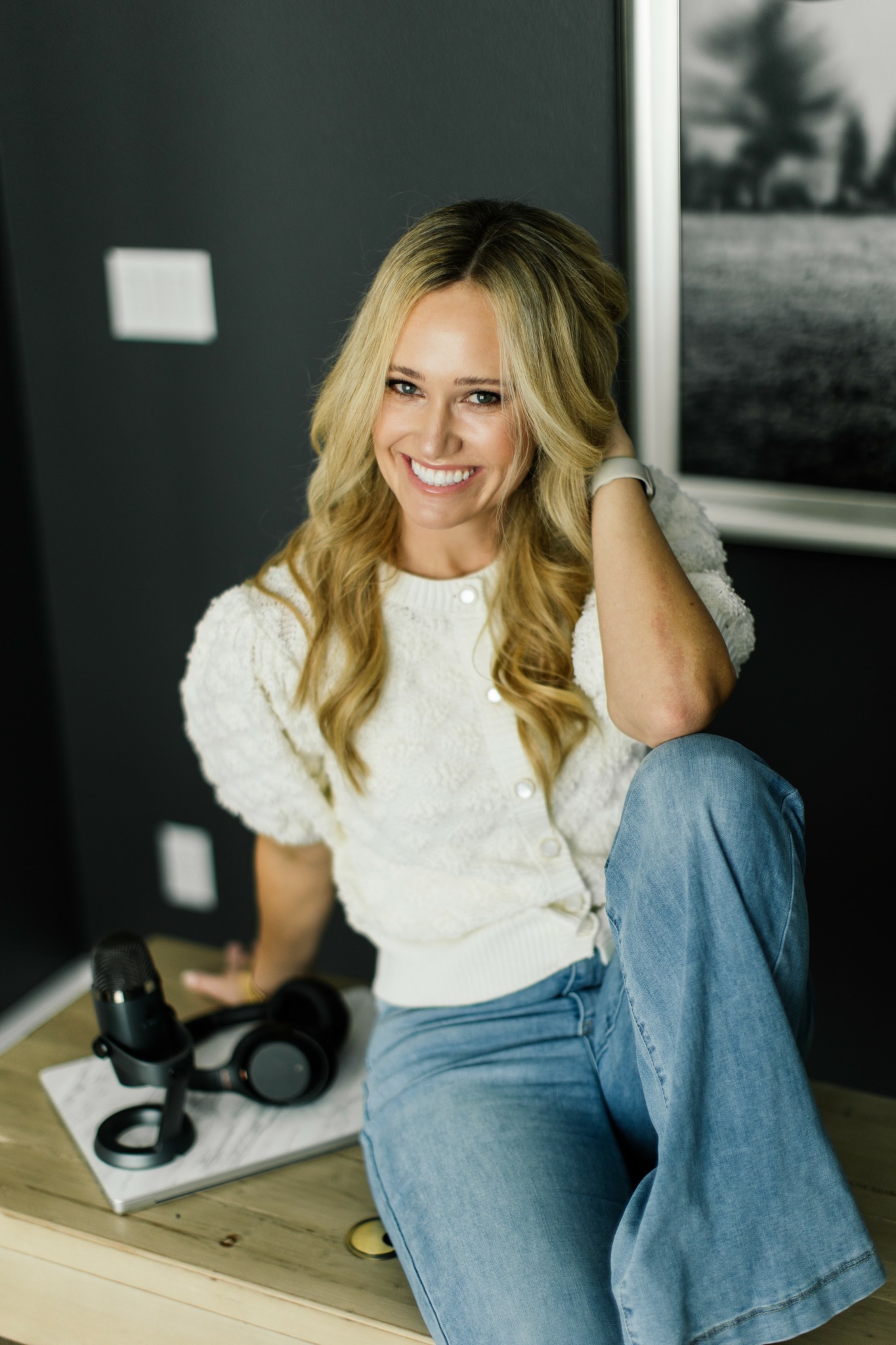

We were lucky to catch up with Kelsey Billingsley recently and have shared our conversation below.
Kelsey Billingsley, thanks for joining us, excited to have you contributing your stories and insights. What’s the backstory behind how you came up with the idea for your business?
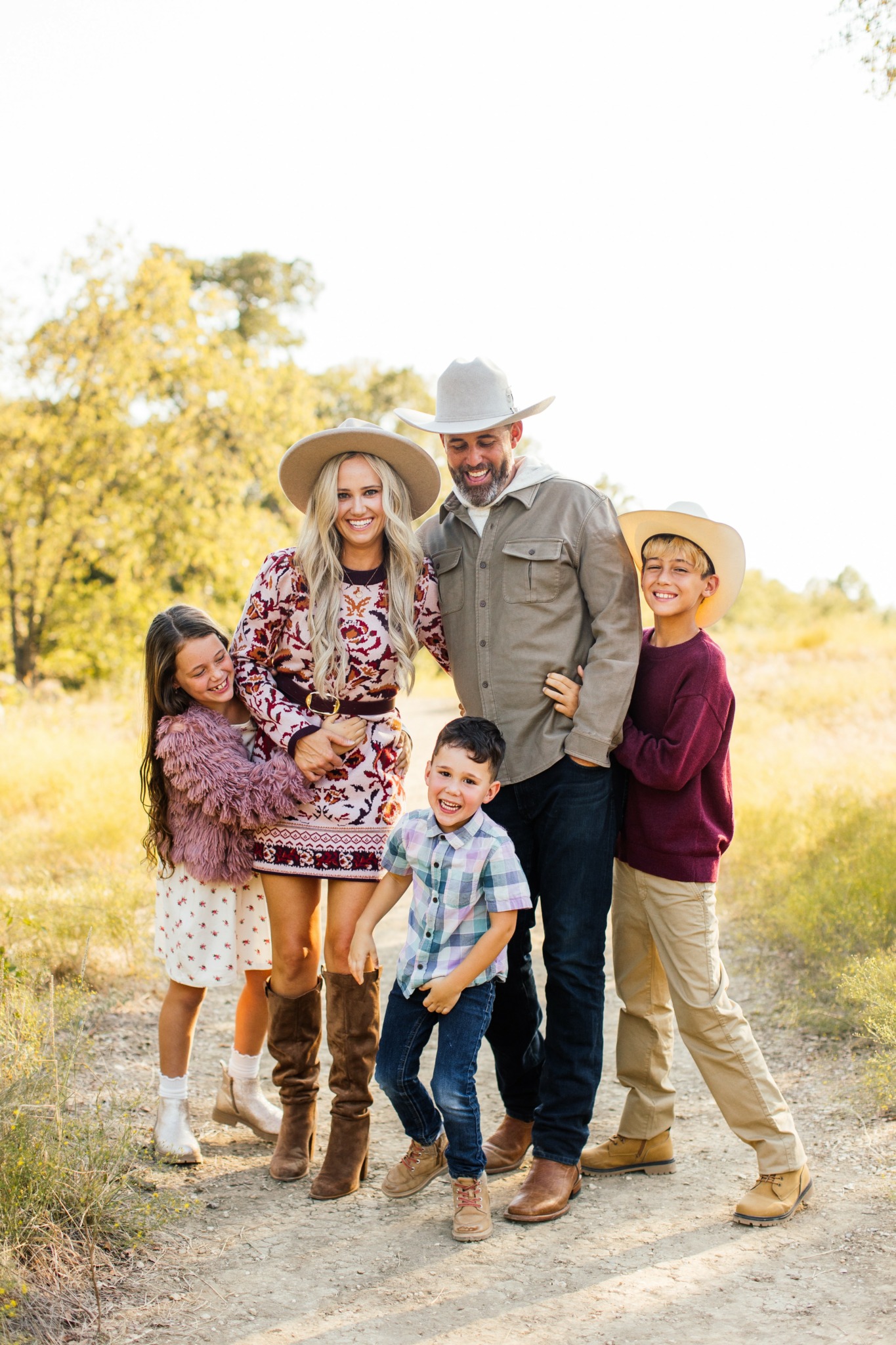
The idea for Unspoken Lives developed over time, not from a single moment, but through a pattern I began to notice in the middle of a very full life. I work full time, my husband works full time, and we are raising three kids who keep our days moving from one thing to the next. Starting something new did not logically fit into that rhythm, but I kept finding myself in conversations that stayed with me long after they ended. There was a depth to them that felt different from everyday interactions, and I began to pay closer attention to why.
One experience in particular shifted everything for me. I met someone through my kids’ activities who was warm, approachable, and someone you would never expect had lived through anything extraordinary. Over time, she shared that she had lost her father in a civil war, fled her home as a child, and spent years in a refugee camp where survival was a daily uncertainty. The weight of what she had experienced was difficult to fully comprehend, but what stayed with me even more was something she said afterward: some of the people closest to her did not know that part of her story, not because she was unwilling to share it, but because no one had ever asked.
That moment reframed how I saw the people around me. It made me realize how many stories exist just beneath the surface, shaping who someone is without ever being spoken out loud. As I continued to have similar conversations with others, it began to feel less like coincidence and more like a pattern worth paying attention to. There is no shortage of content in the world, but there is often a lack of depth. I started to recognize that while many platforms focus on polished highlights or quick soundbites, there are very few spaces intentionally created for everyday people to share the moments that actually shaped their lives in a meaningful, unfiltered way.
I have always been drawn to thoughtful, intentional conversation, and I began to consider what it would look like to create a platform centered around that. When I told my husband what I had been experiencing, he suggested starting a podcast. It was not something I had previously set out to do, but it provided a structure for something that already felt important. I took time to think through how it could be approached, how to guide conversations in a way that allowed people to open up naturally, and how to build something that felt both respectful to the person sharing and valuable to the listener. The logic behind moving forward was not based on trends or growth projections, but on the consistency of the response I was seeing in real conversations. When people are given the space to share honestly, it resonates. That was clear from the beginning.
What made it feel worthwhile was not just the idea itself, but the impact those early conversations had. There is something powerful about hearing someone else articulate an experience you have felt but never put into words, or gaining perspective from a story completely different from your own. That is where the uniqueness of Unspoken Lives began to take shape. It is not built around expertise or status, but around the belief that ordinary lives carry extraordinary depth, and that those stories can connect people in a way that is both grounding and encouraging.
Unspoken Lives has since become a space for people to share the experiences that have shaped them, the moments that changed their perspective, the challenges they have walked through, and the lessons that stayed with them. The goal is not just to tell stories, but to create a sense of connection for the listener. To remind people that even in the middle of something difficult, they are not alone in what they are facing, and that there is meaning and perspective to be found in the stories of others.
What began as a series of conversations that were difficult to ignore has grown into something intentional. It is a platform built on connection, perspective, and the belief that when people are given the space to share their story, it has the ability to impact far more than just the person telling it.
Kelsey Billingsley, before we move on to more of these sorts of questions, can you take some time to bring our readers up to speed on you and what you do?
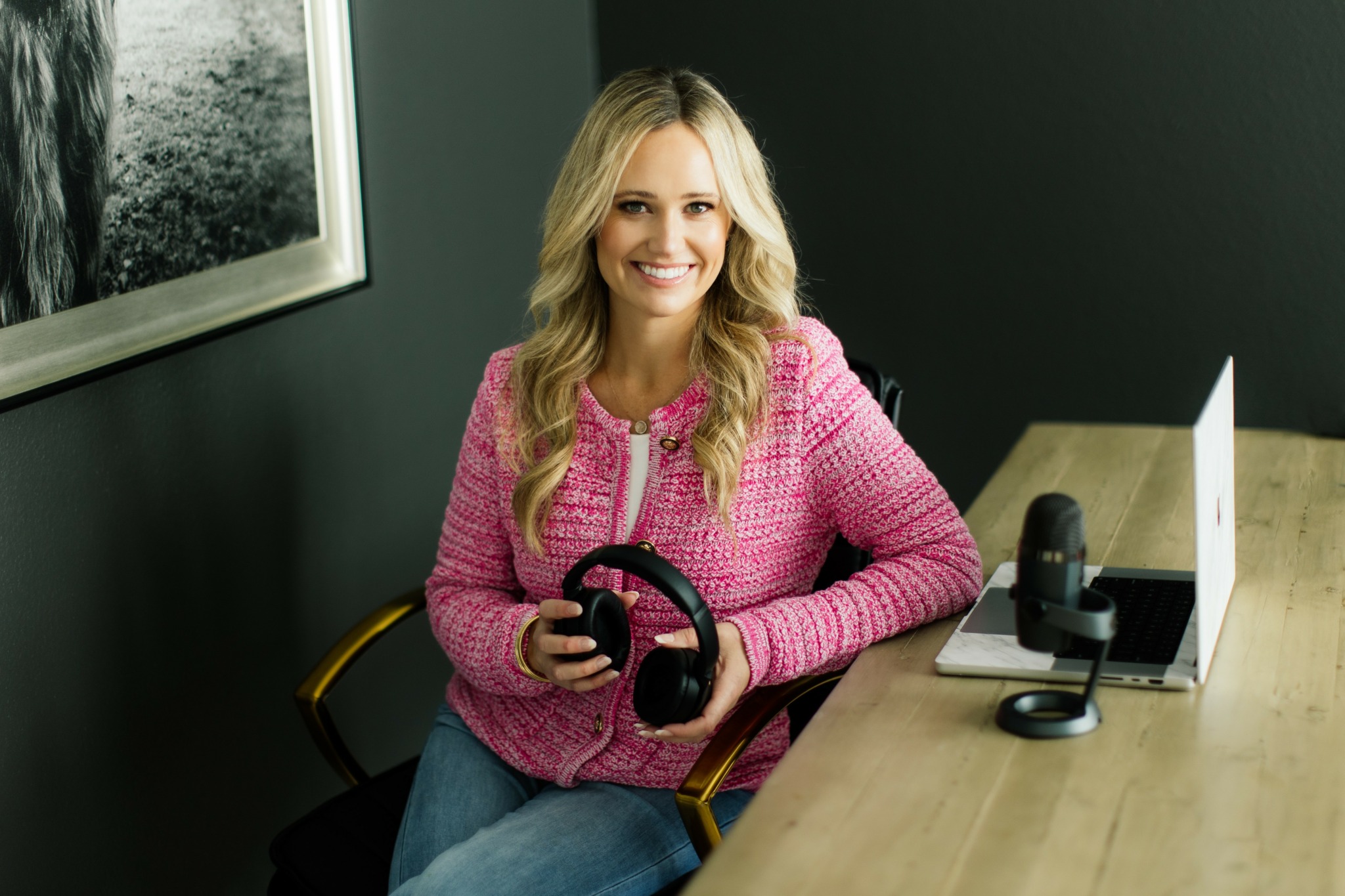
I’m Kelsey Billingsley, host of Unspoken Lives Podcast, a platform centered around real conversations with everyday people and the experiences that have shaped who they are. At its core, the work is about creating space for stories that are often carried quietly, and allowing those stories to be shared in a way that feels thoughtful, honest, and meaningful for both the person telling them and the listener.
I did not come into this with a background in podcasting or media, but I have always had a strong drive to figure things out and a natural curiosity about people. That combination has shaped the way I approach this work. I value thoughtful storytelling and the role it plays in helping people understand one another, and I aim to create conversations that feel natural and reflective rather than overly structured. That approach allows guests to open up in a way that feels genuine, and it creates a deeper level of connection for the listener.
Each episode centers around a lived experience, whether that is walking through a cancer diagnosis, navigating childhood trauma and finding strength and perspective on the other side, or pursuing something like adoption and the emotional journey that comes with it. The conversation does not stop at what happened. It focuses on how that experience shaped the person, how they moved forward, and what they have learned along the way. That is where the impact lives. Listeners are not only hearing someone’s story, they are hearing how someone made it through, and what that perspective looks like on the other side.
What this creates for the listener is a sense of connection and, often, encouragement. In a world that leans heavily toward polished and curated content, there is something powerful about hearing a real story told honestly. It reminds people that they are not alone in what they are facing, and that there is often growth, strength, or even hope that can come from the most difficult moments. That belief is something that is deeply rooted in my faith, and it shapes the way I view these conversations and the purpose behind them.
What sets Unspoken Lives Podcast apart is the focus on the individual without distraction. There is no expectation for guests to present a certain way or to fit into a particular narrative. The goal is to understand the person behind the story and the experiences that shaped their perspective. That creates a space that feels grounded, intentional, and often more impactful for both the guest and the listener.
What I am most proud of is the level of trust that exists within these conversations. Many guests are sharing parts of their story for the first time, and there is a responsibility that comes with that. Seeing those stories resonate with listeners, and hearing from people who feel seen or encouraged because of something they heard, continues to reinforce why this work matters.
If there is one thing I would want people to understand, it is that the people we pass every day carry stories we often never hear. The person standing next to you in line for coffee, the neighbor down the street, the coworker you see every day all have experiences that have shaped who they are in ways we may never expect. Unspoken Lives Podcast exists to bring those stories forward, and to remind people that even in the middle of something difficult, there is connection, perspective, and often more hope than they can see in the moment.


We’d love to hear a story of resilience from your journey.
One of the clearest moments of resilience for me was not a single event, but the decision to start and continue building Unspoken Lives Podcast in a season of life where there was no obvious room for it.
At the time, my days were already full. I was working full time, my husband was working full time, and we were raising three kids with schedules that kept everything moving from one commitment to the next. There was no open space where starting something like this naturally fit. The easier decision would have been to wait for a more convenient time, but I knew that if I did that, it likely would not happen.
What made it more complex was not just the time, but the internal weight of it. This did not feel like a casual idea or something I could set aside. It felt like something I was being drawn toward for a reason I could not fully explain. My faith is ultimately what grounded that feeling. There were moments of hesitation, but there were also clear confirmations along the way that reassured me I was moving in the direction I was meant to go. That gave me the confidence to continue, even when it would have been easier to step back.
Resilience, in this case, looked like continuing anyway. It looked like recording in the margins of my schedule, learning as I went, and choosing to move forward even when it felt uncomfortable or imperfect. It also meant being willing to grow into something I had no prior experience in, trusting that I could figure it out step by step.
What I have learned through that process is that meaningful things rarely begin at the perfect time. They begin when you decide they are worth making time for and when you are willing to follow a path even before you can fully see where it leads.

What’s worked well for you in terms of a source for new clients?
The most consistent source of growth for Unspoken Lives Podcast has been personal connection and word of mouth.
While the question is typically framed around clients, in this context I view both listeners and guests as the clearest reflection of that idea. Guests are choosing to share something meaningful and personal, and listeners are choosing to engage with those stories. Both require a level of trust, and that trust has been the foundation of how the podcast has grown.
Early on, I noticed that the strongest response did not come from broad or generalized sharing, but from more personal, community-based spaces. When an episode was shared within my own network, whether that was through personal connections, LinkedIn, or even a local neighborhood group, it reached people in a way that felt more immediate and meaningful. There was already a level of familiarity, and that translated into both listeners and, often, new guests.
That pattern has continued. Many of the guests who have come on the podcast have been introduced through someone who either listened to an episode or knew someone with a story worth sharing. It has created a natural chain of connection, where one story leads to another, and the audience grows alongside it.
What I have found is that this kind of growth aligns closely with the purpose of the podcast itself. The content is centered around real people and real experiences, so it spreads in a way that feels personal rather than transactional. People share it because something resonated with them or reminded them of someone else, not because they were prompted to.
While there are many ways to grow an audience, this has been the most meaningful. It reflects the same principle the podcast is built on, that connection is powerful, and when something resonates on a human level, people naturally want to pass it on.
Contact Info:
- Website: https://www.unspokenlives.com/
- Instagram: @unspokenlivespodcast
- Linkedin: https://linkedin.com/in/kelseybillingsley
- Youtube: https://www.youtube.com/@unspokenlivespodcast
- Other: TikTok: @unspokenlivespodcast
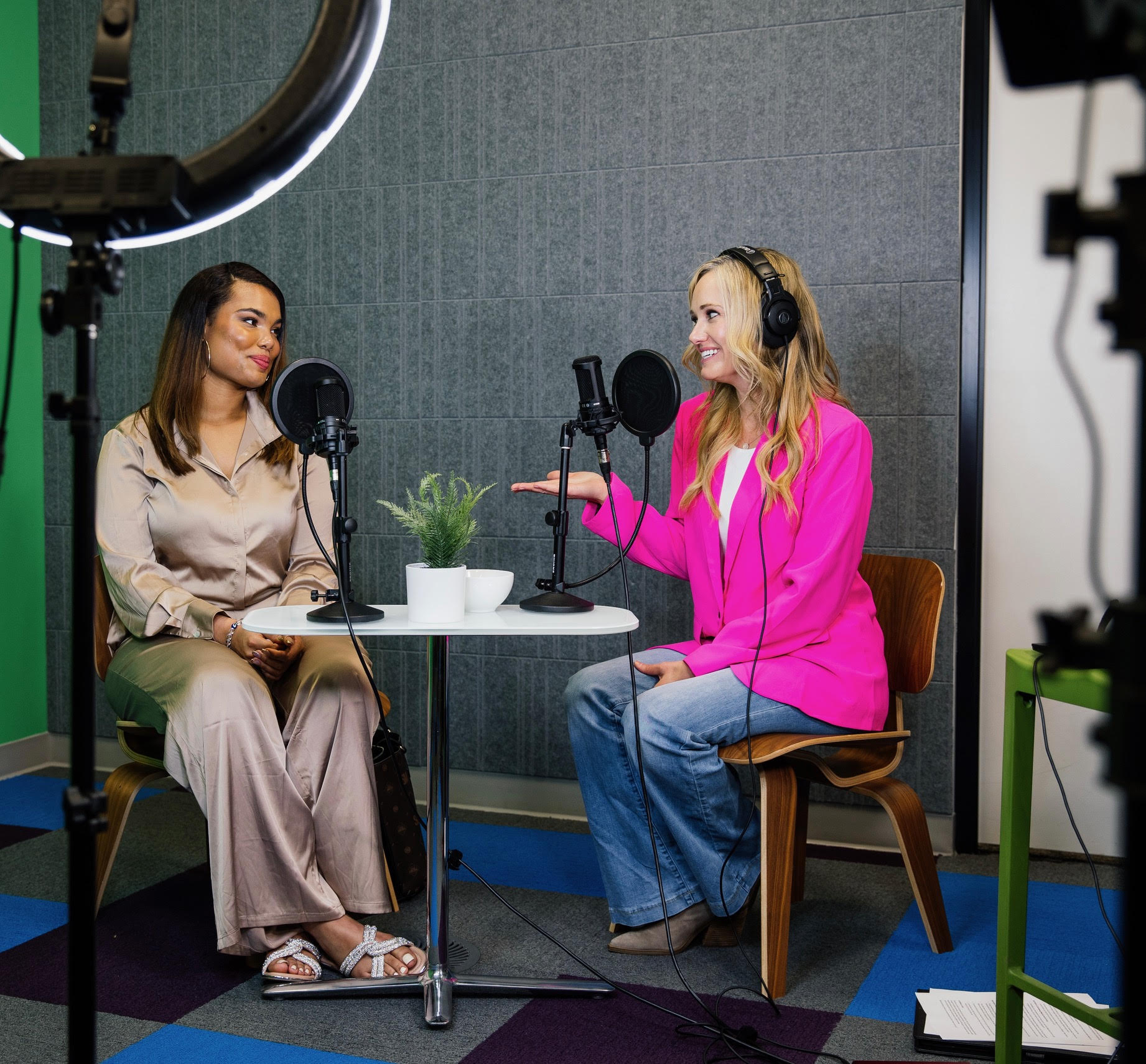
Image Credits
Leah Hardy Photography