

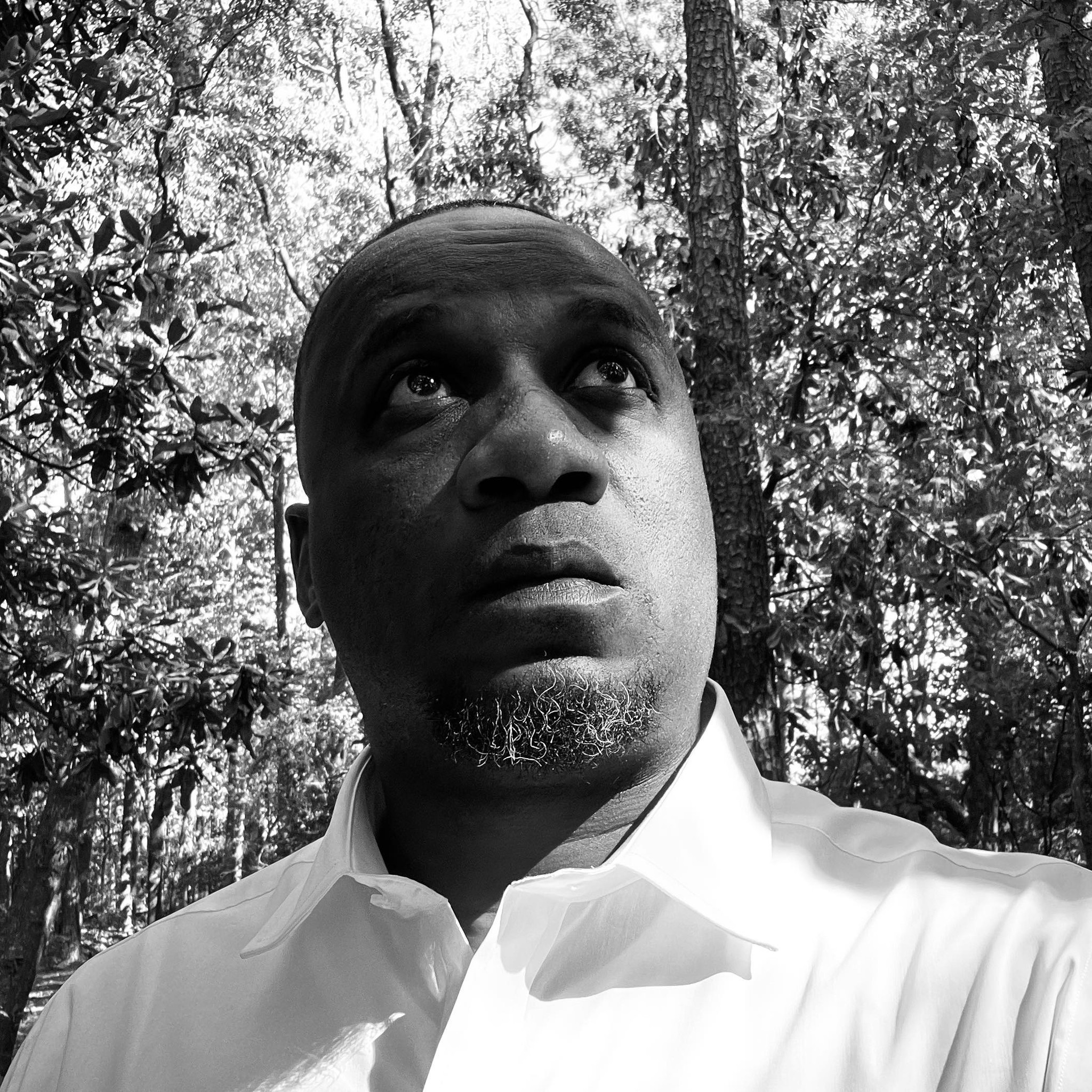

We’re excited to introduce you to the always interesting and insightful Kevin Brown. We hope you’ll enjoy our conversation with Kevin below.
Kevin, thanks for taking the time to share your stories with us today What’s been the most meaningful project you’ve worked on?
One of the most meaningful projects I’ve worked on is Gertrude’s Garden, a communal green space, in McComb, Mississippi.
What makes it so meaningful to me is the history behind the space. The land was once owned by my grandmother, Gertrude Hughes. Back in the 1950s, she ran a small community grocery store there. It wasn’t just a place to buy food, it was a lifeline for the neighborhood. People depended on it, and it also gave young folks a chance to work during the summers and learn responsibility.
Over time, that space was lost. The store was gone, and the lot eventually became abandoned. It sat between the Burglund Heights housing complex and a convenience store, just empty and overlooked. For me, that was personal. Although I never met my grandmother, and didn’t even visit the space until 2018, I grew to learn from older residents what that space used to mean, and I couldn’t ignore what it had become.
Gertrude’s Garden grew out of that. It was about bringing life back to a place that had always been meant to serve the community. In a way, it’s continuing my grandmother’s work, just in a different form.
We wanted to create something people could gather around, a space outside of home and work where folks could connect. That meant starting from the ground up. We’re not a nonprofit, so everything has come from volunteers, small in-kind support, and people simply showing up and putting in the work. That’s what makes it special. The community didn’t just benefit from it, they built it.
Now the space is full of life again. There’s a playground, a basketball court, and room for people to come together. We’ve added lighting, a crosswalk, and traffic signs to make it safer. But what really stands out is how people use the space and see themselves in it.
One of the most powerful additions is the Burglund Icons art installation. It lists the names of community members who have lived in that space over the years. As the housing complex goes through a renewal transition, that installation becomes even more important. It also includes apartment numbers, reminding people that every unit, every family, every name represents a story.
You’ll see people stop and point things out, calling out names they recognize, sharing memories right there on the spot. It turns the space into something living, something personal. It’s not just art, it’s memory work.
That’s really what Gertrude’s Garden is about. It’s full of visual storytelling elements. We think of it as creative placemaking, but it’s also about honoring history and making sure people feel seen and remembered.
One moment I always think about is our annual Thanksgiving meal. Each year, we serve over 200 residents. It isn’t just about food, it’s about being together, sharing something real in a space that belongs to everyone.
Gertrude’s Garden means a lot to me because it brings everything full circle. What my grandmother created in the 1950s was about providing for the community and creating opportunity. Being able to bring that spirit back to the same piece of land, that’s something I don’t take lightly.
It’s shown me that you don’t have to wait for big resources or perfect conditions. If you care about your community, you start where you are. Even a small step in the right direction can lead to something bigger than you imagined.
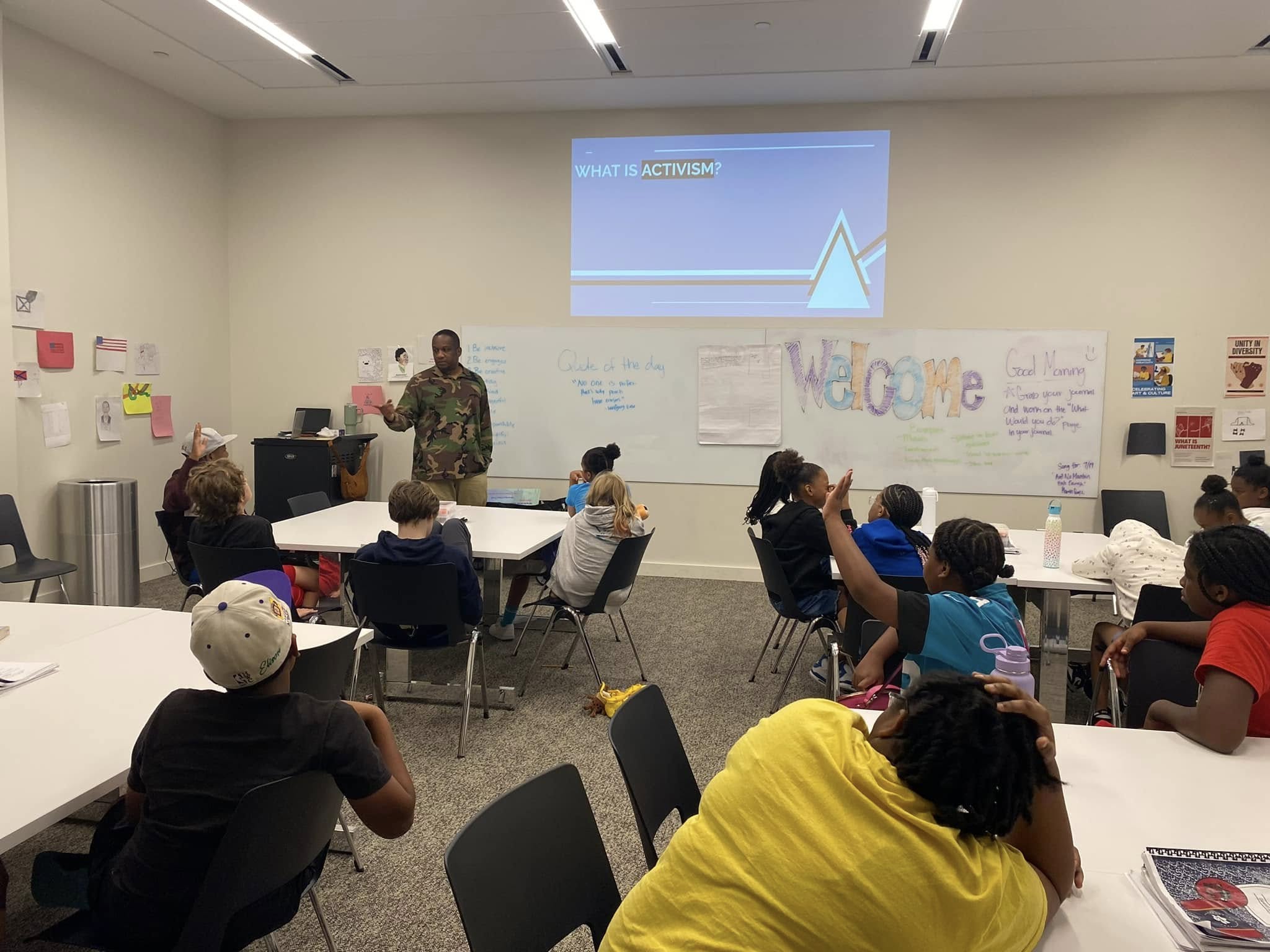
Awesome – so before we get into the rest of our questions, can you briefly introduce yourself to our readers.
For those who may not be familiar with me, my name is Kevin Enos Brown. I’m a cultural worker, author, visual and mixed media artist, and community advocate based in McComb, Mississippi. I serve as the Director of the Black History Gallery, I’m the founder of Gertrude’s Garden, and I’m the owner of Kre8tive Solutions LLC, a consulting practice focused on helping organizations strengthen their storytelling, engagement, and overall impact.
Before fully stepping into this work, I spent part of my career in the United States Air Force, where I later retired. That experience plays a major role in how I approach things I do today. It instilled discipline, leadership, and accountability, while sharpening my ability to think strategically, build relationships across diverse communities, and execute ideas with purpose. Those principles continue to guide my work whether I’m leading a community initiative, developing projects, or working with clients.
My path into this space wasn’t traditional. It grew from a deep commitment to community and a desire to ensure that our stories are not overlooked or disconnected from the people they belong to. I moved to McComb in 2018 after retiring from the military, and through my work, I began to see both the richness of local history and the gaps in how that history was being engaged, shared, and preserved. That realization pushed me toward storytelling, particularly through writing, as a primary tool for connection, education, and impact.
At the core of my work is authorship. I’ve written and co-written several books centered on youth, community, and cultural identity, including I Live On a Street Named St. Augustine, Burglundtown Activity Book, Creative Catalysts Art and Advocacy, and Outside the Walls Reclaiming History with Community Spaces. These works are designed to create meaningful entry points, especially for young people, to better understand their history, their environment, and their potential. My literary work is about making stories accessible, relevant, and transformative.
While writing is central, I also use visual and mixed media art as an extension of that storytelling. My creative work blends imagery with narrative to spark reflection on social realities, cultural memory, and how communities evolve. Projects like my Freedom Summer series explore the legacy of the civil rights era in McComb, connecting historical significance with present day understanding. Art, for me, is both expression and a mobilizer. It helps bring people into the conversation in ways that words alone sometimes cannot.
Through my role as Director of the Black History Gallery, I focus on preserving and activating local history through exhibits, programming, and community engagement. I’ve curated initiatives like Perspectives From Generations Beyond the Dream, which invited students to reflect on Dr. King’s legacy, and the Neglected Stories McComb Tour, which brought together local voices and international participants to engage history in a shared and meaningful way.
I also believe this work has to exist beyond traditional institutions. That belief led to the creation of Gertrude’s Garden, a reimagined community space built on land once owned by my grandmother, who operated a grocery store there in the 1950s. What she left behind wasn’t simply a physical space or an inheritance. It was a foundation. My connection to that space is rooted not just in family, but in the people, the memories, and the possibilities tied to it.
Today, Gertrude’s Garden serves as a place for art, recreation, and community building. It’s grounded in creative placemaking and memory work. Through installations like Burglund Icons, we highlight the names and apartment numbers of residents who have lived in the community, reminding people that every individual and every family has a story. You can see that impact in real time, people reconnecting, sharing memories, and recognizing themselves and each other in the space.
Alongside this, through Kre8tive Solutions LLC, I bring over two decades of experience in content creation, social engagement, and project coordination. I work with organizations, creatives, and community groups to help them elevate their platforms, expand their reach, and strengthen how they connect with their audiences. The goal is always to make their work more visible, more strategic, and more impactful.
At the heart of everything I do is addressing disconnection, disconnection from history, identity, and community. I use storytelling, creativity, and strategy as tools to help bridge those gaps in ways that are both meaningful and sustainable.
What sets my work apart is that it’s grounded in lived experience. It’s not just conceptual. It’s personal, relational, and community driven. The same principles I developed in the military, structure, leadership, discipline, and vision, are applied to creative and cultural work in a way that makes it both thoughtful and actionable.
I’m also guided by a philosophy that my wife and I have built together, LOVE CONNECTION FREEDOM. It shapes how I approach my work, my relationships, and my mindset. It reminds me that what we create should be rooted in care, built through meaningful relationships, and ultimately lead to a sense of freedom for ourselves and for others.
What I’m most proud of is the tangible impact. It’s seeing young people engage with history in new ways, watching community members recognize themselves in spaces again, and transforming places and stories that were once overlooked into something meaningful and alive.
What I want people to understand about me and my work is that it’s rooted in purpose. This is about more than creativity. It’s about preservation, connection, and transformation. It’s about honoring where we come from while intentionally shaping what we leave behind.
At the end of the day, ownership isn’t about holding onto something forever. It’s about recognizing that we are just passing through. The real question is what foundation are we building for those who come after us.
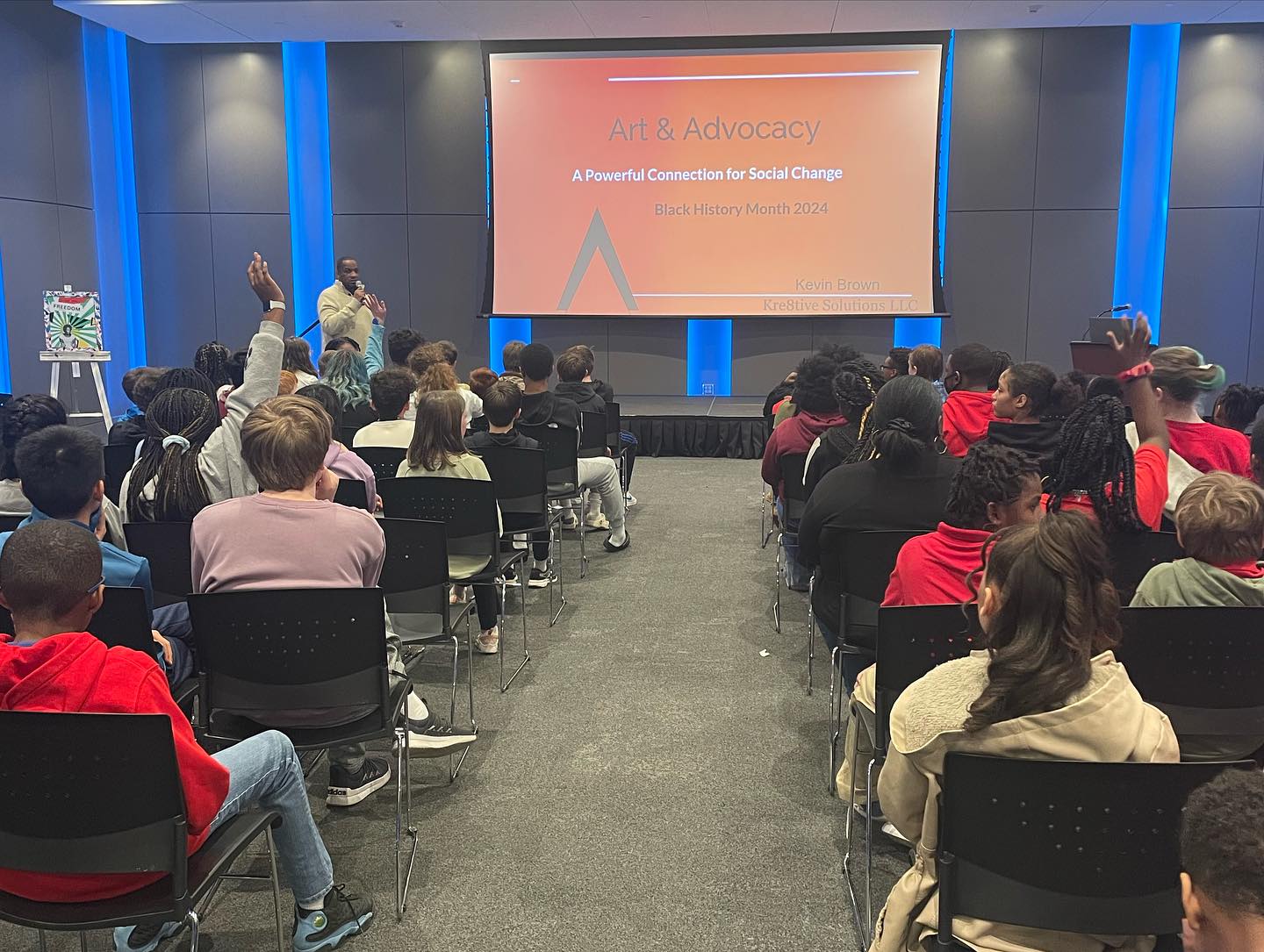
Can you tell us about a time you’ve had to pivot?
One thing I’ve learned through my journey is that passion and purpose can start something, but resources are what sustain and grow it.
A lot of my early community work was 100 percent volunteer based. That work came from a genuine place, and I’m proud of it. It was about showing up, creating space, and making sure stories were being told and preserved. There’s honor in that kind of work, and it laid the foundation for everything I do now. It also helped build trust within the community, which is something you can’t manufacture. Relationships are the strongest structures that you can build.
At the same time, I’ve come to understand that meaningful, long term impact requires more than just good intentions. It takes resources to do proper research, to acquire materials, to preserve history the right way, and to create experiences that people can truly engage with. It takes funding to offer stipends so that others contributing to the work are valued and supported. It takes investment to maintain spaces, develop programming, and expand the reach of the work.
That realization is where Kre8tive Solutions was born.
I recognized that in order to sustain the work I was doing and to help others do the same, there had to be a structure behind it. Kre8tive Solutions became a way to bridge purpose and strategy. It allows me to take everything I’ve learned through community work, storytelling, and engagement, and apply it in a way that helps organizations, creatives, and community groups build capacity, strengthen their messaging, and increase their impact.
For creatives and small business owners, especially those doing community based work, it’s important to understand that there is no conflict between purpose and profitability. Being compensated for your work doesn’t take away from the mission, it strengthens your ability to carry it forward. It allows you to show up more consistently, collaborate more effectively, and create opportunities for others along the way.
What drives me now is finding that balance. Continuing to lead with purpose, while also building systems that allow the work to be sustained, respected, and expanded. If we want to create lasting change, we have to make sure the work itself can last.
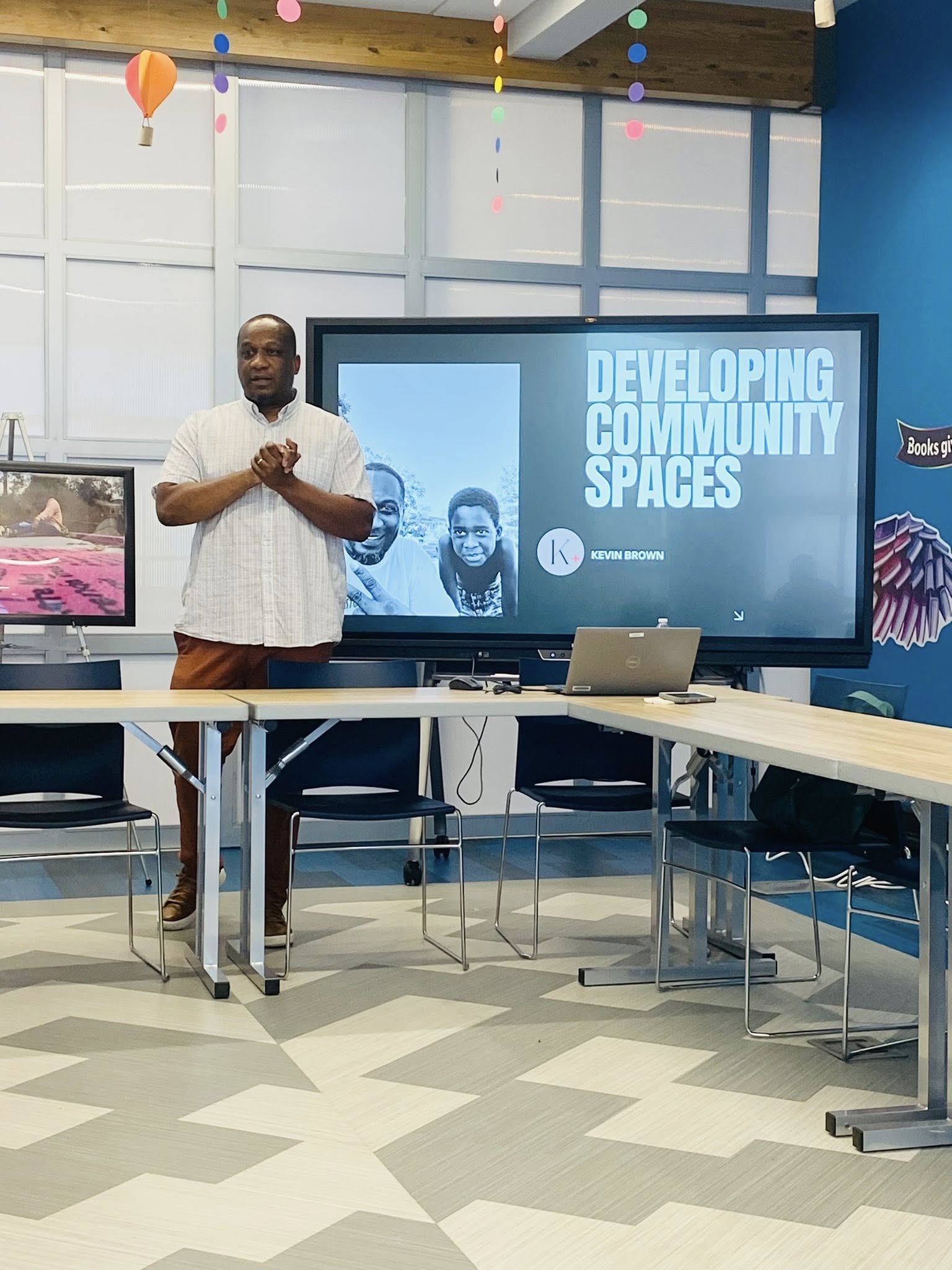
What do you think helped you build your reputation within your market?
I think my reputation was built through consistency, authenticity, and a willingness to do the work long before there was recognition attached to it.
When I moved to McComb in 2018, I didn’t come in with a name or a network. I started by creating opportunities. One of the first things I did was organize a student led MLK art exhibit called Perspectives from Generations Beyond the Dream. I connected with a local school art teacher, Sara Doman, secured a venue, and paid for it out of pocket. I remember people from the art community showing up, looking around, and asking who the curator was. That moment showed me that when the work is real, it speaks for itself. I didn’t have to go searching for an endorsement or an audience. Your vibe attracts your tribe, and the right people found their way to the work.
That same approach carried into everything else I’ve done. My early work in the community was 100 percent volunteer based. I wasn’t doing it for recognition, I was doing it because I believed in it. Over time, that built trust. People saw that I was consistent, that I showed up, and that my intentions were rooted in something real.
With Gertrude’s Garden, that trust was even more important. The space sits in the middle of a residential public housing community complex. I’ve never lived in McComb prior to this experience. I didn’t have a spokesperson to introduce me or validate my presence. I took the time to observe and listen. I led with respect, and I received it in return. People paid attention to the intent. They saw the connection with the youth. They understood that it wasn’t about control, it was about building something with the community. Once that was clear, everything else aligned naturally.
Another piece of my journey has been how my consulting work developed. Working with up and coming businesses and even established corporations that wanted to strengthen their community based footprint didn’t start with contracts, invoices, or W9s. It started with conversations. It started over lunch, with people seeing and witnessing the impact firsthand. The value of the work spoke before any formal agreement ever existed.
Press didn’t show up on day one or even year one. The stories traveled in quieter ways first, through conversations around water coolers, through word of mouth in meetings I didn’t have access to at the time, through people sharing what they experienced with others. That kind of organic growth built a different level of credibility because it wasn’t manufactured, it was earned.
Before becoming a member of the Mississippi Humanities Council Speakers Bureau, I also spent time speaking in local school classrooms, churches, and community spaces. That’s where I refined my voice and learned how to connect across different local cultural audiences in a real way.
Consistency has been key through all of this. Whether it’s through my writing, community work, or consulting, I’ve stayed grounded in the same mission, addressing disconnection and using storytelling as a tool for reconnection. Over time, people begin to understand not just what you do, but why you do it.
I also focus on execution. Ideas are important, but bringing them to life is what builds credibility. From exhibits to community spaces to literary work, I’ve made it a point to follow through and create tangible experiences that people can engage with.
I believe my reputation is a reflection of the work. It’s built on trust, consistency, and real connection. I didn’t build it by trying to be seen, I built it by doing the work and allowing people to experience it, talk about it, and carry those stories into spaces I hadn’t even entered yet.
Contact Info:
- Website: https://kre8tivesolutions.org
- Instagram: @kre8tivesolutionsllc
- Facebook: https://www.facebook.com/Kre8tiveSolutionsLLC
- Youtube: https://www.youtube.com/@TownsInMotion
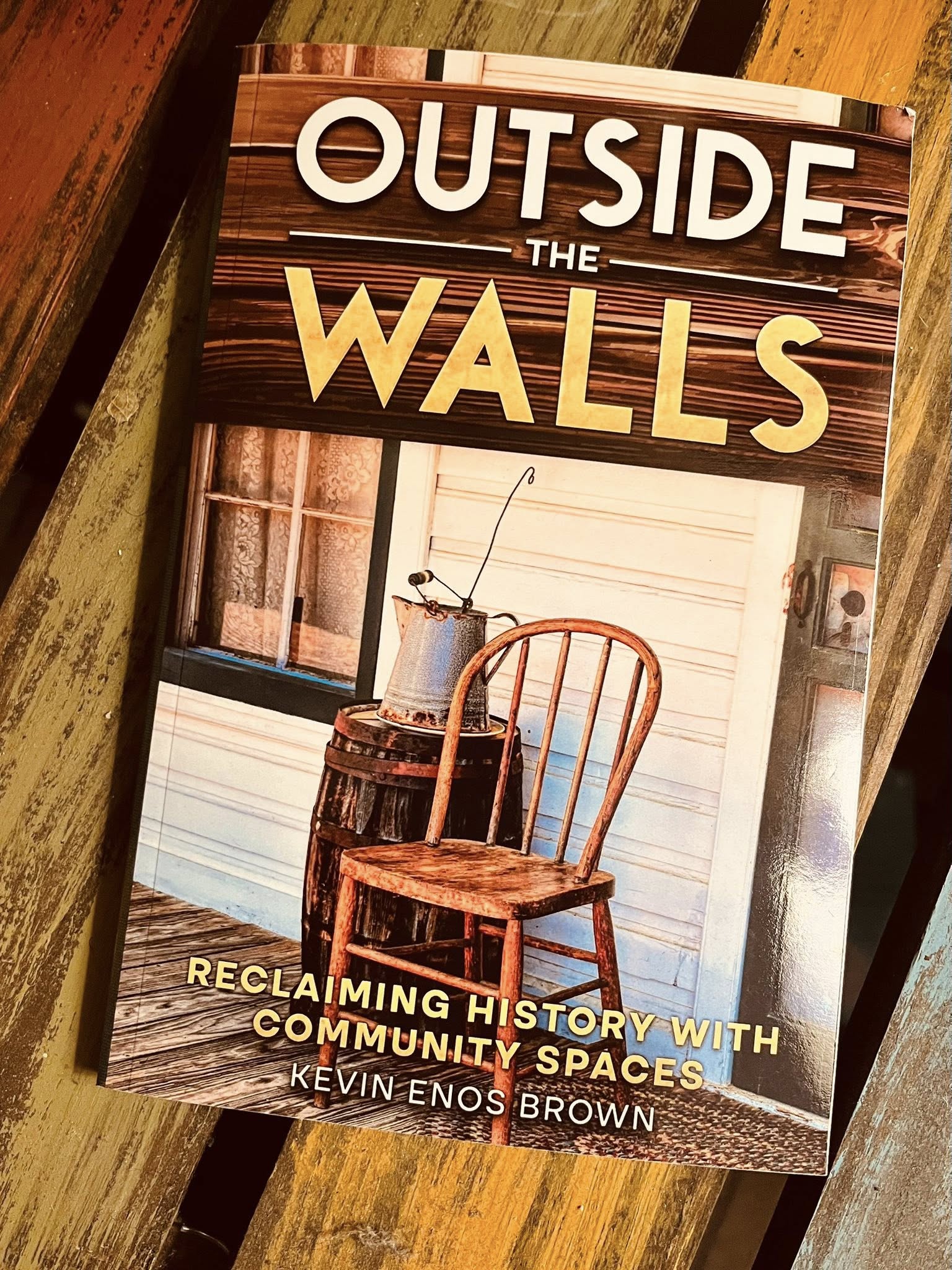
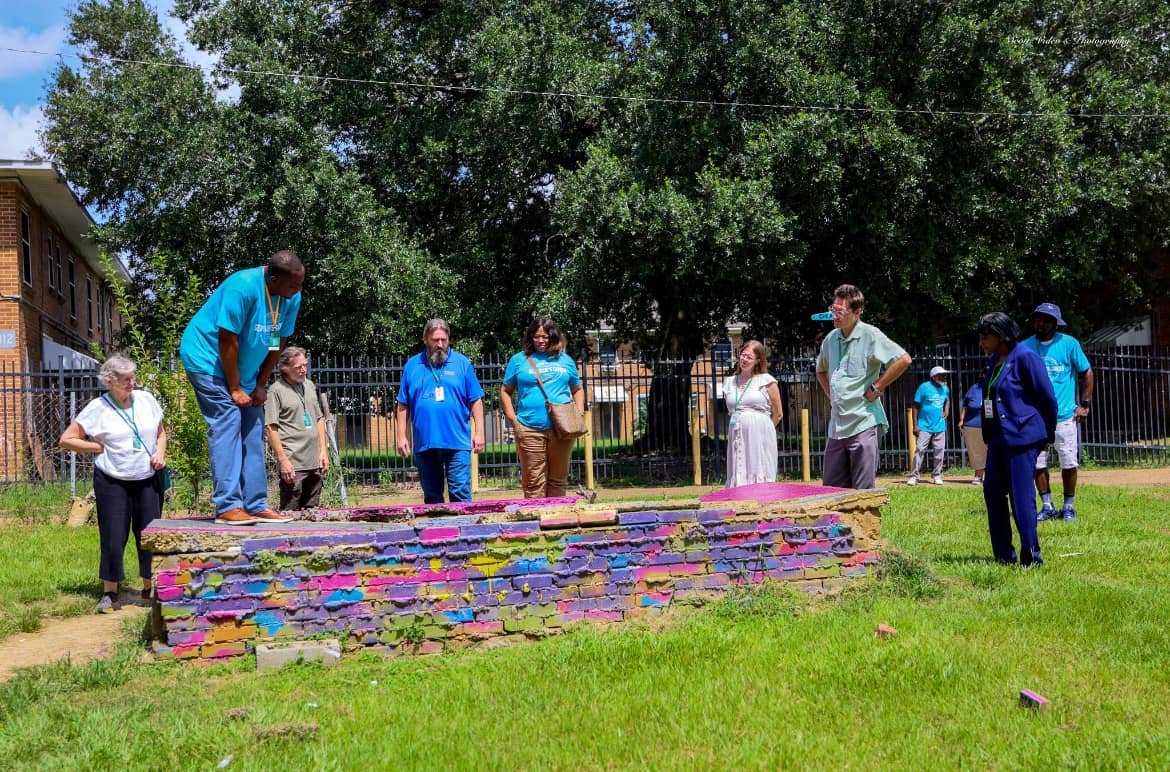
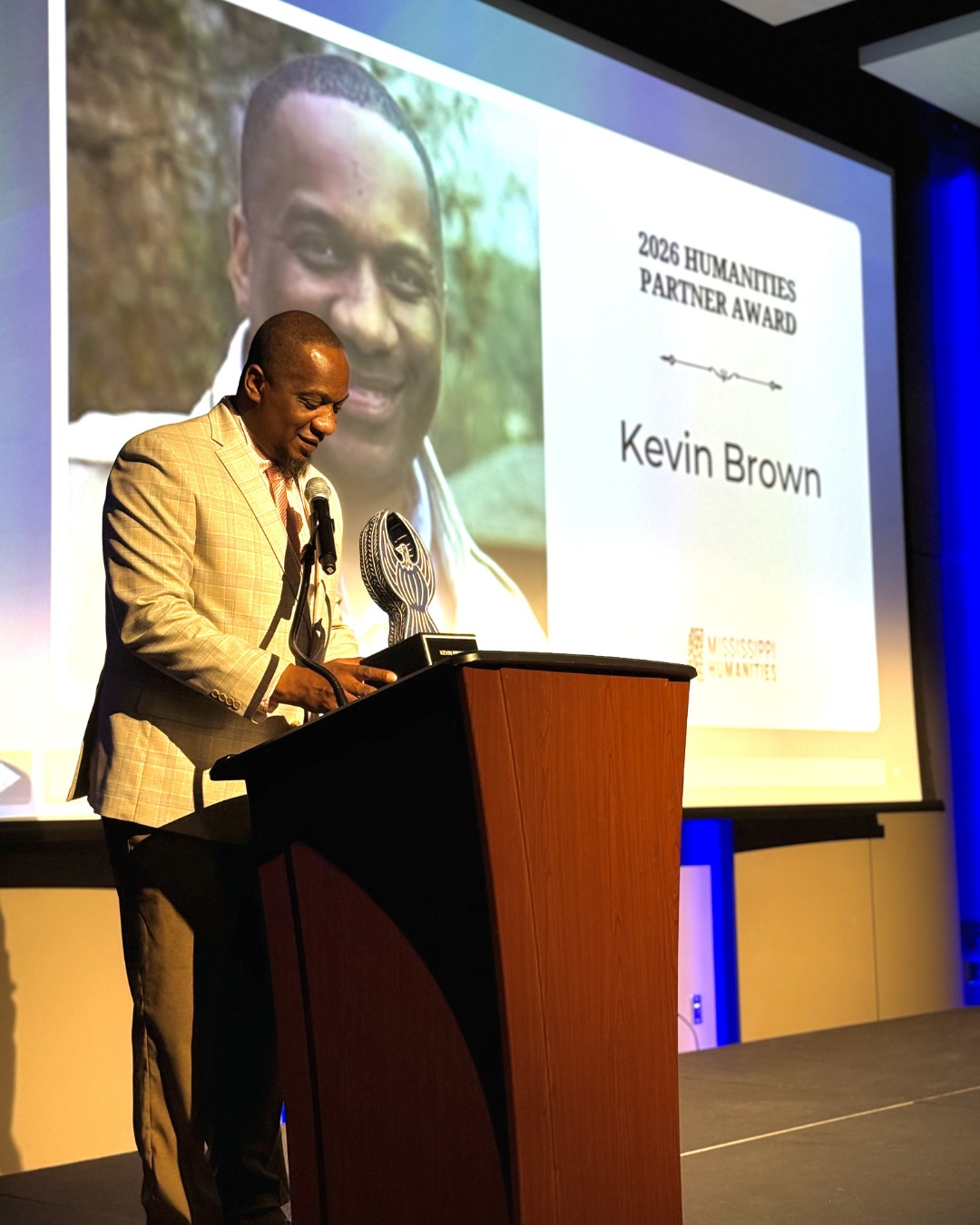
Image Credits
Kevin Enos Brown, the last one with myself at the podium at the awards ceremony is courtesy of the Mississippi Humanities Council.