

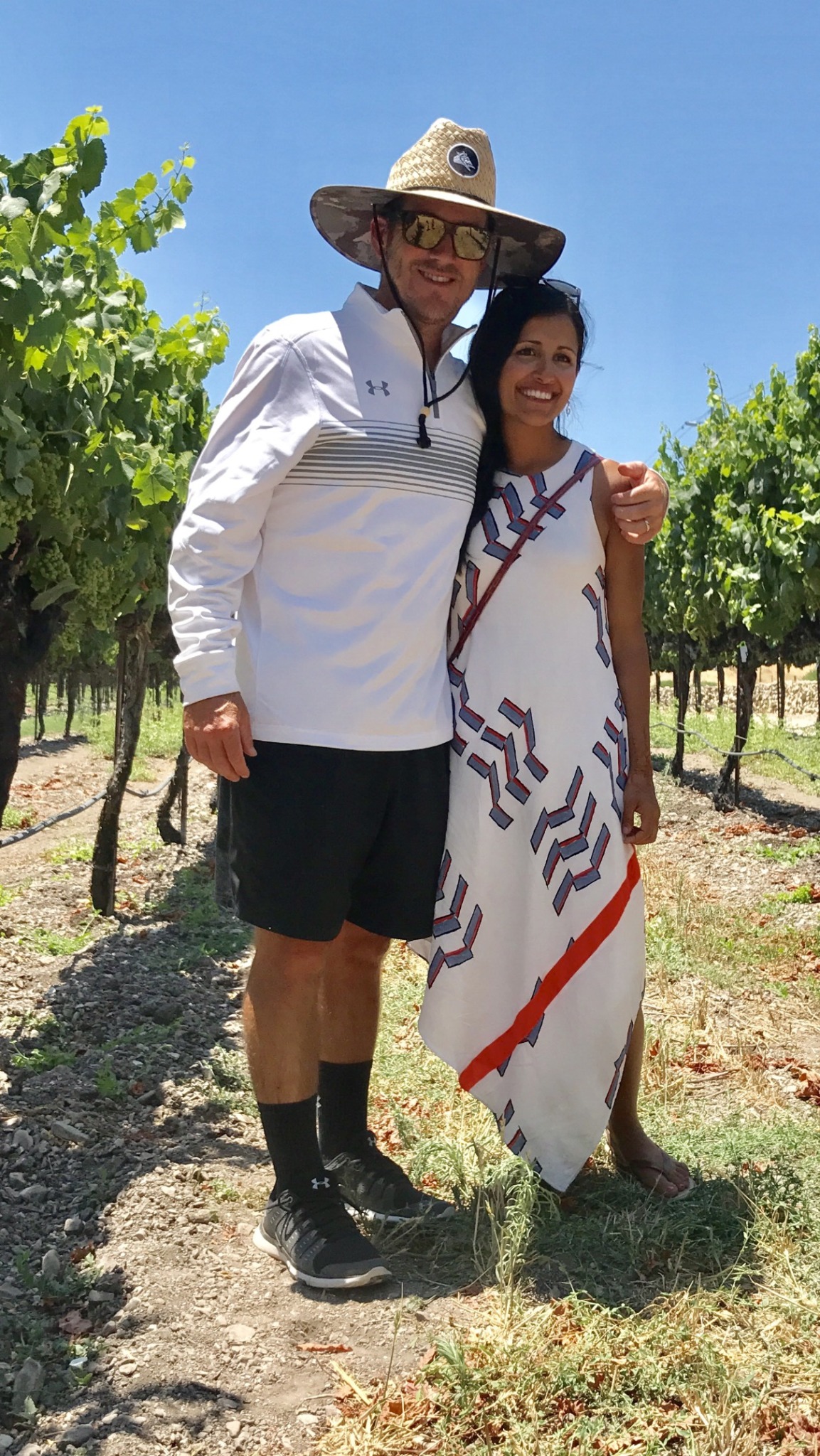

We were lucky to catch up with Rob Gurden recently and have shared our conversation below.
Alright, Rob thanks for taking the time to share your stories and insights with us today. We’d love to have you retell us the story behind how you came up with the idea for your business, I think our audience would really enjoy hearing the backstory.
The idea came pretty organically from being on the ground every day as a coach. I was working with kids at different schools and kept seeing the same pattern—there was a lot of interest in tennis, but very little access. Most programs were either too expensive, too competitive too early, or just not structured in a way that kept kids engaged long-term.
I remember thinking, why isn’t there a better system for this? Not just lessons, but something consistent, fun, and actually built for kids to grow over time.
At the same time, I was seeing the impact tennis could have beyond just the sport—confidence, discipline, community. Especially in schools that didn’t typically have access to these kinds of programs, the difference was huge.
That’s really when it clicked for me. This wasn’t just about coaching—it was about building a program that could scale across schools and create a pathway for kids, from beginner all the way to competitive play, while keeping it accessible.
What made me confident it would work was simple: the demand was already there. Every time I ran a small program, it filled up. Parents were asking for more. Schools wanted us back. The problem wasn’t getting people interested—it was that no one had built a system to meet that demand consistently.
I wouldn’t say I was solving a problem no one else saw, but I was approaching it differently. I focused on structure, relationships with schools, and making the experience fun and repeatable, not just one-off lessons.
What excited me most was the potential to build something bigger than myself—something that could reach a lot of kids and actually make a lasting impact in the community.
Rob, before we move on to more of these sorts of questions, can you take some time to bring our readers up to speed on you and what you do?
I’m a youth tennis coach and program director, and the founder of programs focused on making tennis more accessible, engaging, and impactful for kids.
For most of my career, I was a college coach and worked with high-level players, which gave me a deep understanding of the game and player development. But in 2017, I was diagnosed with cancer, and that became a turning point for me. It forced me to step back and really think about how I wanted to spend my time—both professionally and personally. I wanted to be closer to my family, see my kids more, and build something that had a meaningful impact in my own community.
I transitioned into working more locally with youth, and quickly realized that the biggest gap wasn’t interest—it was access and structure. There were plenty of kids who wanted to play, but most programs were either too expensive, too competitive too early, or not built in a way that kept kids engaged long-term. That’s what pushed me to build something different.
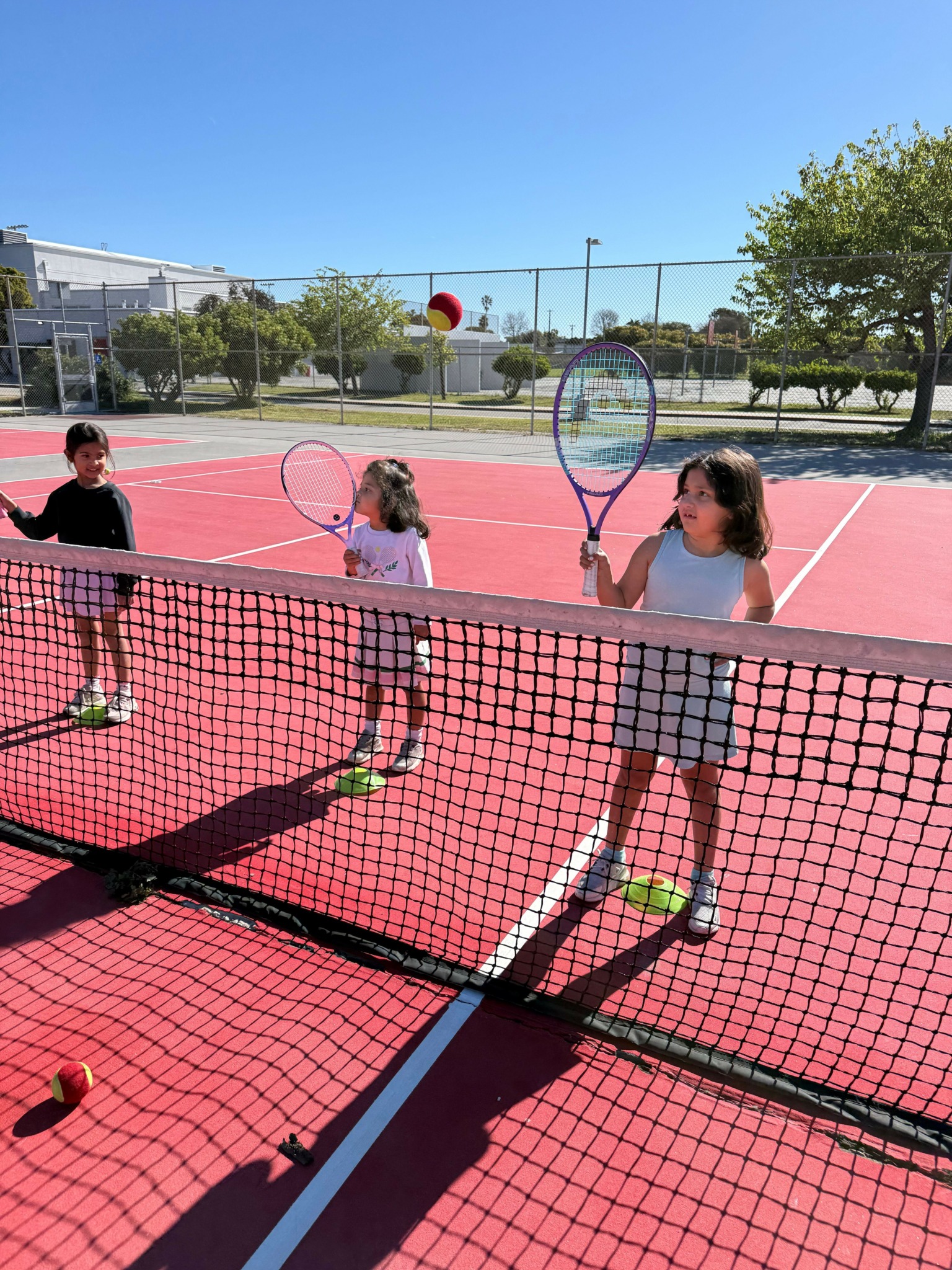
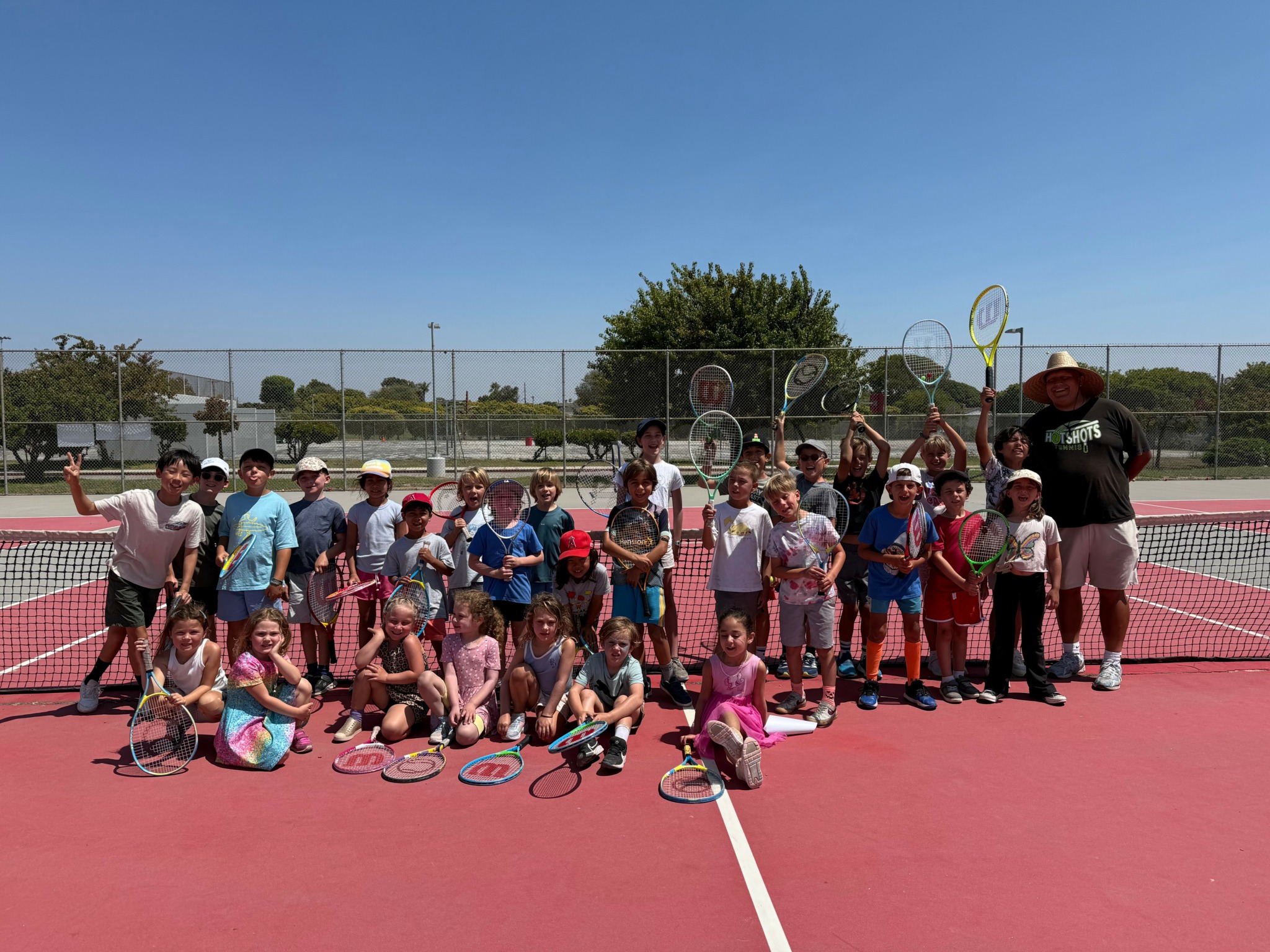
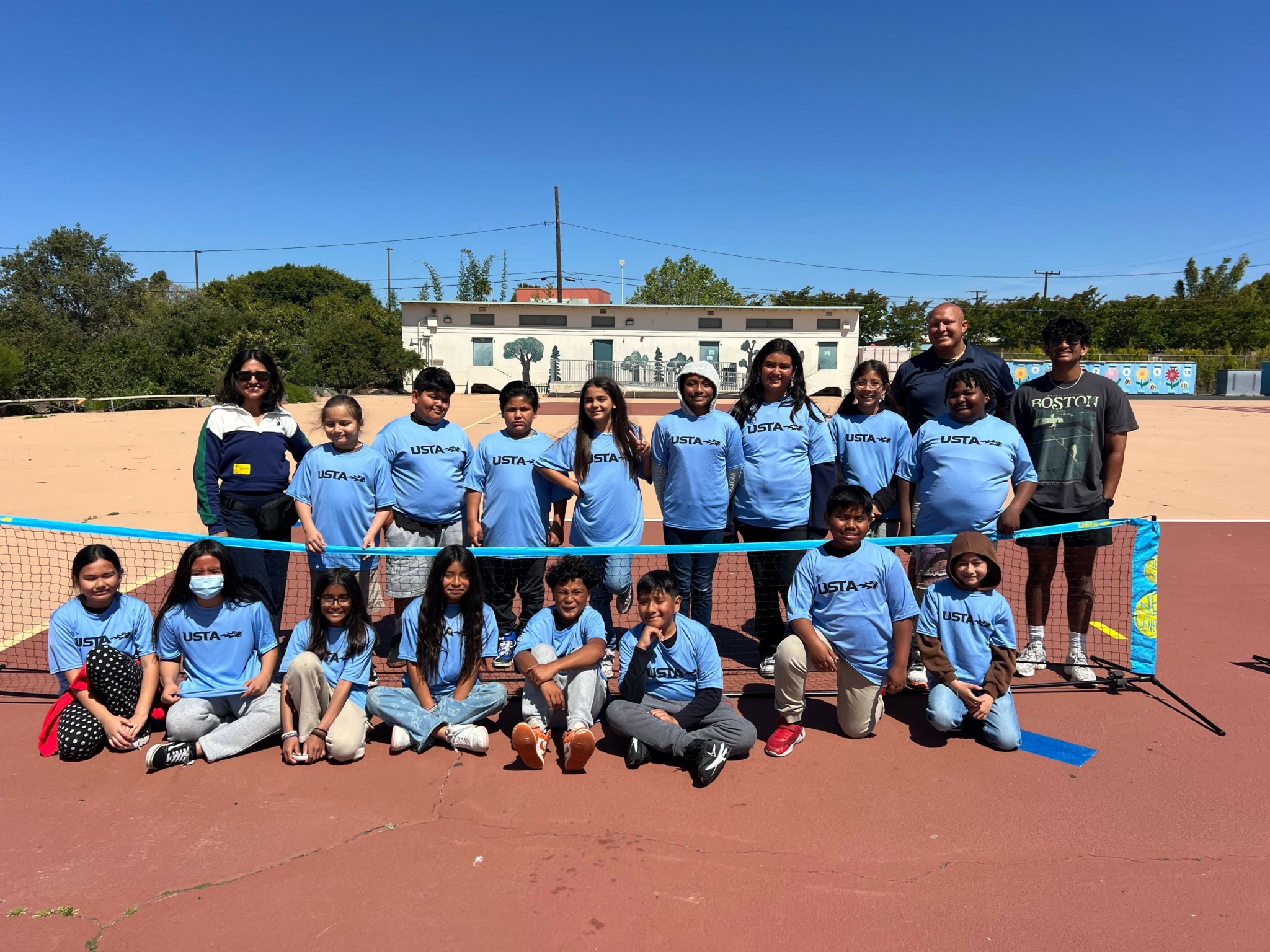
Today, we run structured tennis programs, camps, and school partnerships that serve a wide range of players—from beginners picking up a racket for the first time to kids developing into competitive players. Alongside our for-profit programs, we’ve also built a nonprofit focused on bringing tennis and enrichment opportunities to underserved schools, including financial literacy and mentorship.
At the core, what we provide isn’t just tennis instruction—it’s a system. We create consistent, high-quality experiences for kids and families, while giving schools a reliable partner they can trust. For parents, we solve the problem of finding programs that are both fun and developmental. For schools, we provide turnkey programming that adds real value to their community.
What sets us apart is the combination of structure, energy, and mission. We’re not just running clinics—we’re building a pathway. Kids can start with no experience and continue growing within the same ecosystem over time. At the same time, we’re intentional about the environment we create—positive, encouraging, and focused on building confidence, not just skills.
What I’m most proud of is the impact at the community level. Seeing programs expand across schools, watching kids fall in love with the game, and creating opportunities in places where they didn’t exist before—that’s what matters most.
For anyone looking at our work, I’d want them to know that we care deeply about what we’re building. This isn’t just a business—it’s something we’re committed to growing long-term, with real impact for the kids and communities we serve.
Have you ever had to pivot?
One of the biggest pivots in my life came in 2017 when I was diagnosed with cancer.
Up until that point, my life was fully centered around high-level tennis. I was coaching at the college and competitive level, traveling a lot, and focused on performance and results. That was the path I had been on for years.
Getting that diagnosis forced everything to stop.
It made me really look at my life in a different way—how I was spending my time, what I was prioritizing, and what I actually wanted my day-to-day life to look like. The biggest thing for me was my family. I realized I didn’t want to miss time with my kids, and I didn’t want my life to be constantly on the road.
At the same time, I started thinking about impact. I had spent years working with a small group of high-level players, but I kept coming back to this idea that I could be doing something bigger in my own community.
That’s when I made the decision to pivot.
I stepped away from that path and started building local youth tennis programs. It was a completely different direction—less certainty, more risk, and a lot of learning along the way. But it felt right.
I remember being on the courts with kids who had never picked up a racket before, seeing their excitement, their confidence grow—and realizing this is what I was meant to be doing.
Looking back, that moment, as difficult as it was, completely changed the trajectory of my life. It pushed me to build something that aligns with who I am, what I value, and the kind of impact I want to have—not just in tennis, but in the community and in my own family.
What’s been the most effective strategy for growing your clientele?
The most effective strategy has been building strong relationships at the school level and letting word-of-mouth do the rest.
Early on, I focused on getting into a few schools and delivering a really high-quality, consistent program. When principals, parents, and staff see that kids are engaged, improving, and excited to come back, it creates trust very quickly.
From there, growth became organic. One school leads to another, parents talk, and administrators share with other schools. Instead of chasing clients, we focused on becoming the go-to program in the communities we serve.
We also made it easy for schools—our programs are turnkey, reliable, and add real value. That’s been a big factor in retention and expansion.
At the end of the day, the strategy has been simple: deliver a great experience, build real relationships, and let the results speak for themselves.
Contact Info:
- Website: www.hotshotstennis.org www.ytla.org
- Instagram: https://www.instagram.com/youth.tennis.los.angeles/
- Linkedin: https://www.linkedin.com/in/robgurden/
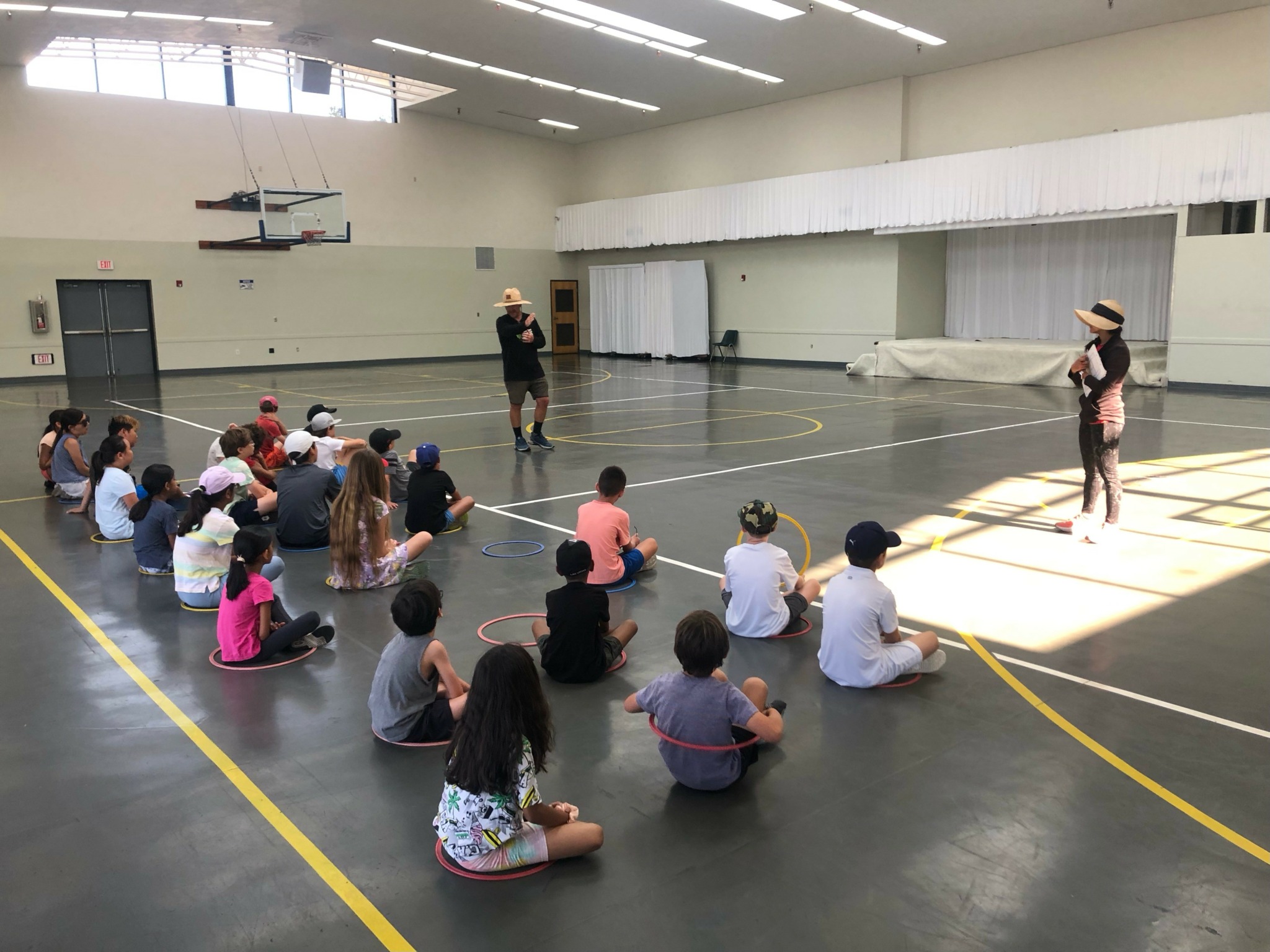
Image Credits
I have all rights to all of these photos. I took the pictures