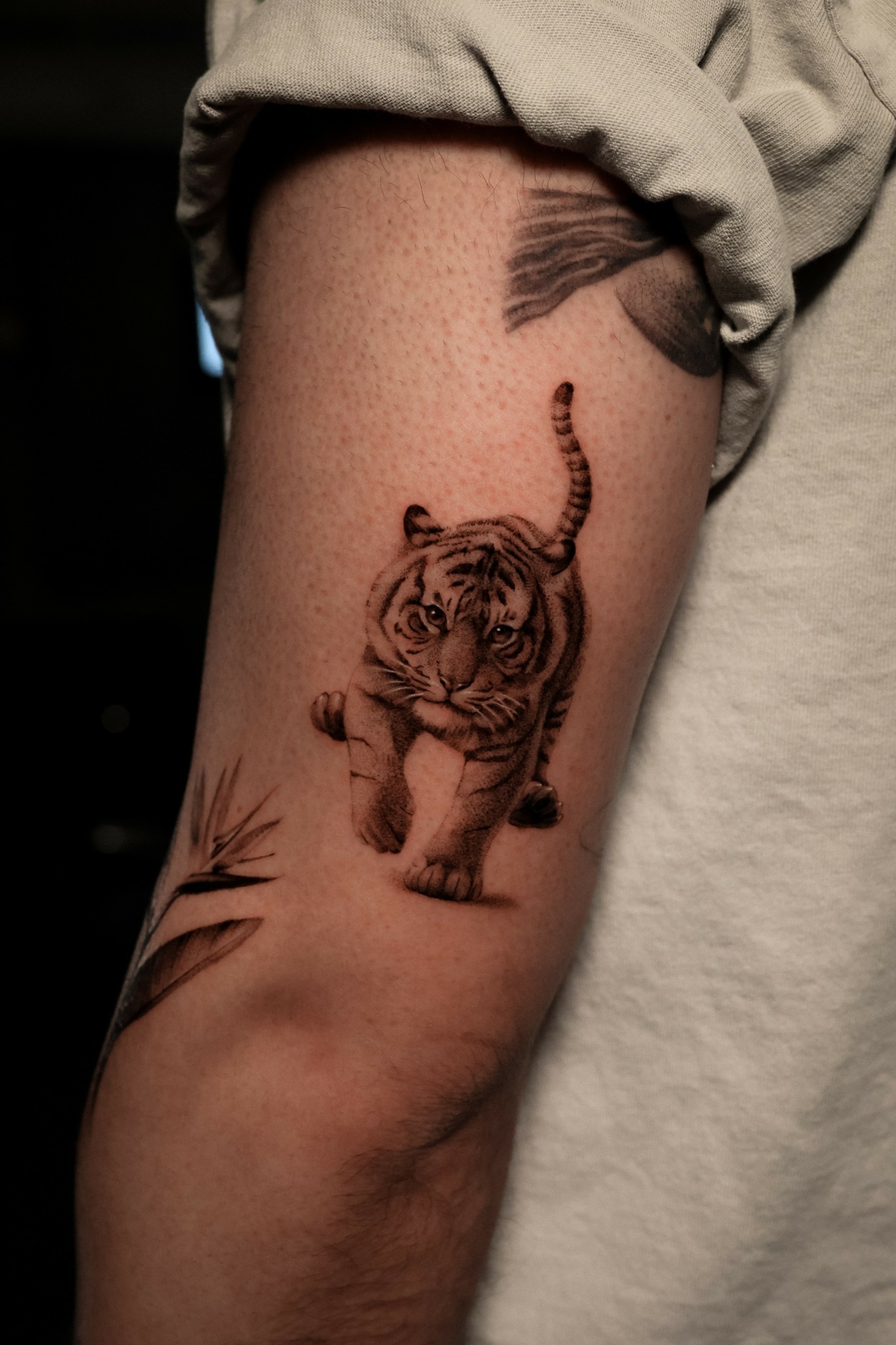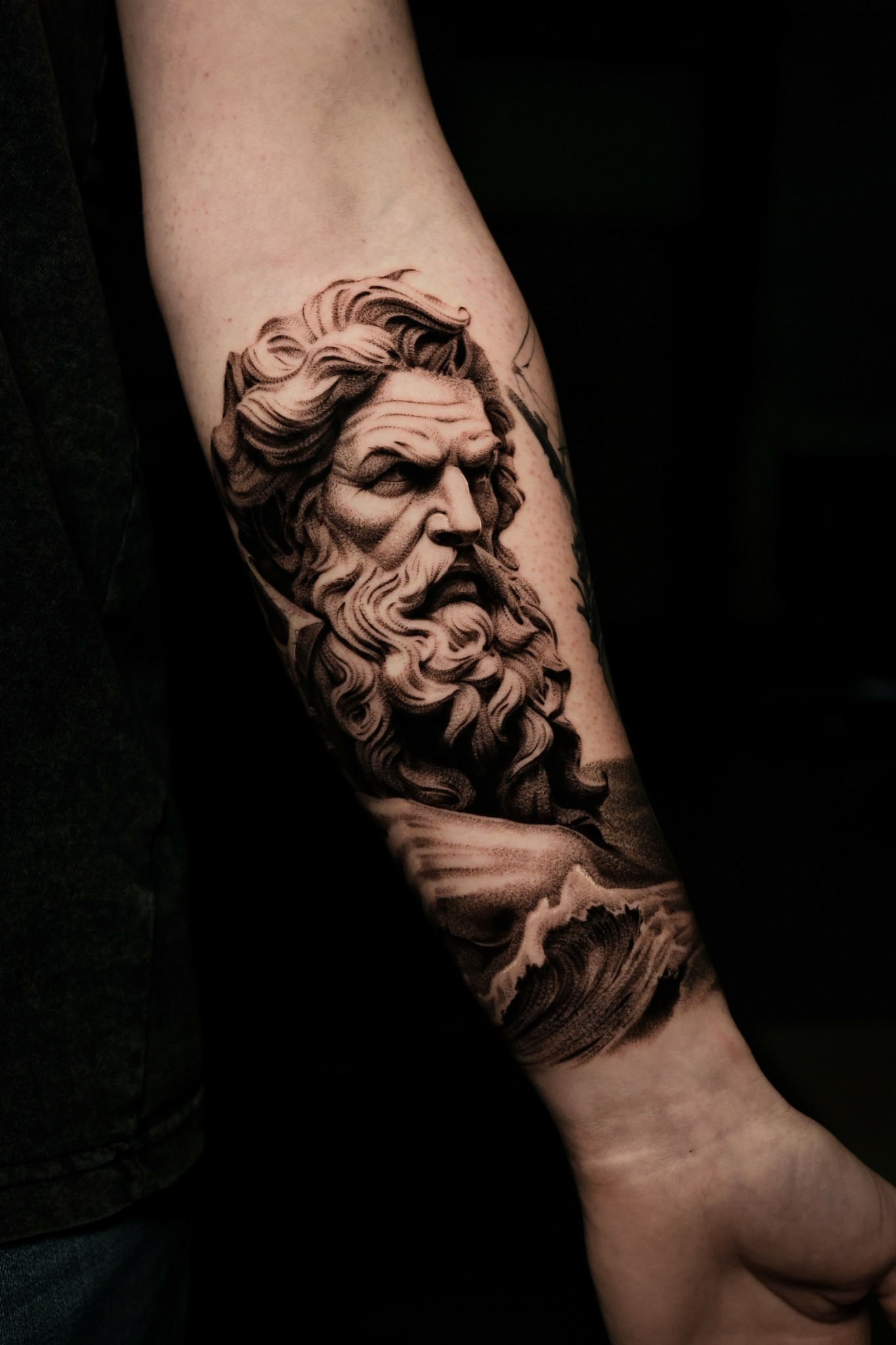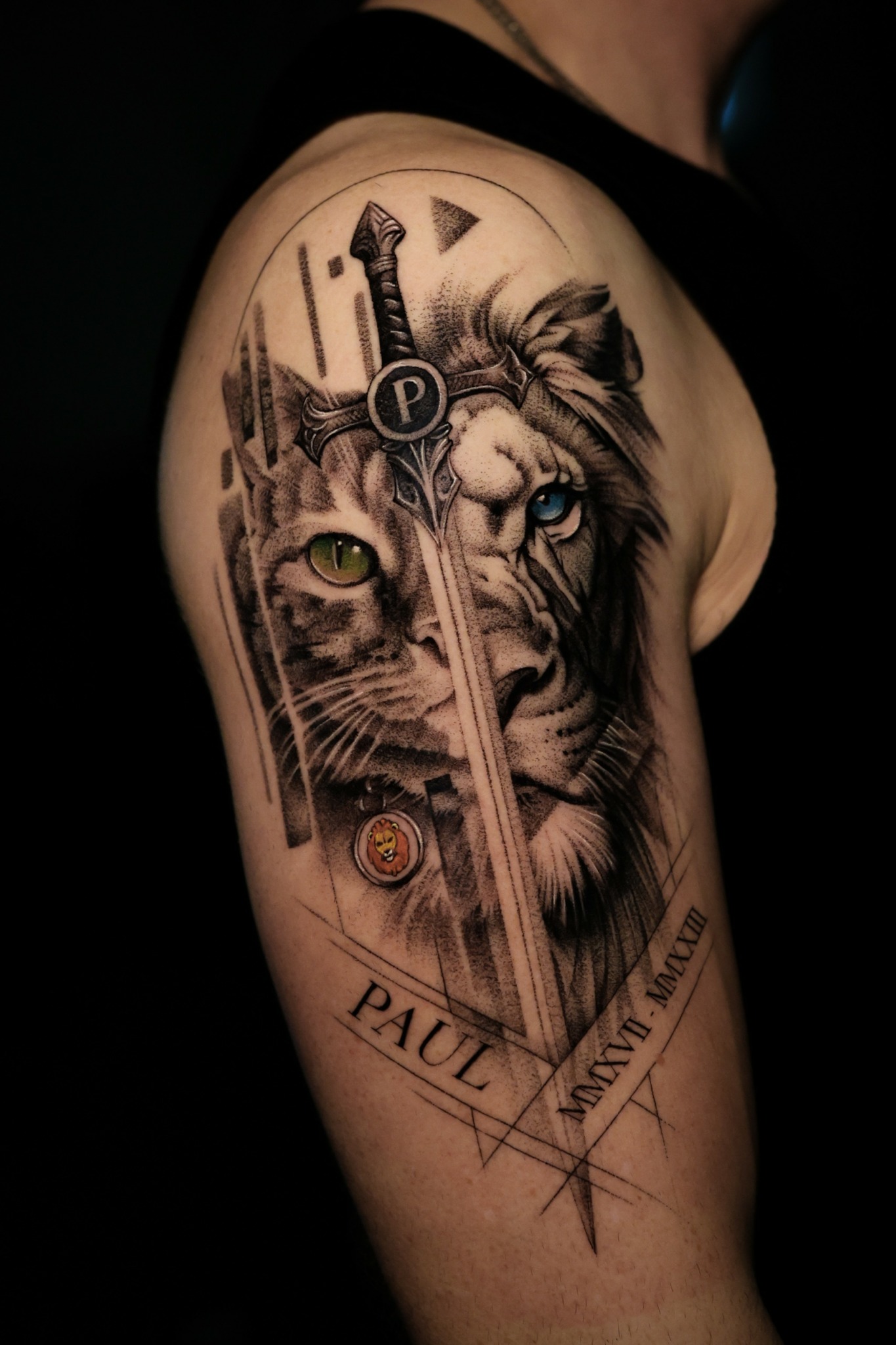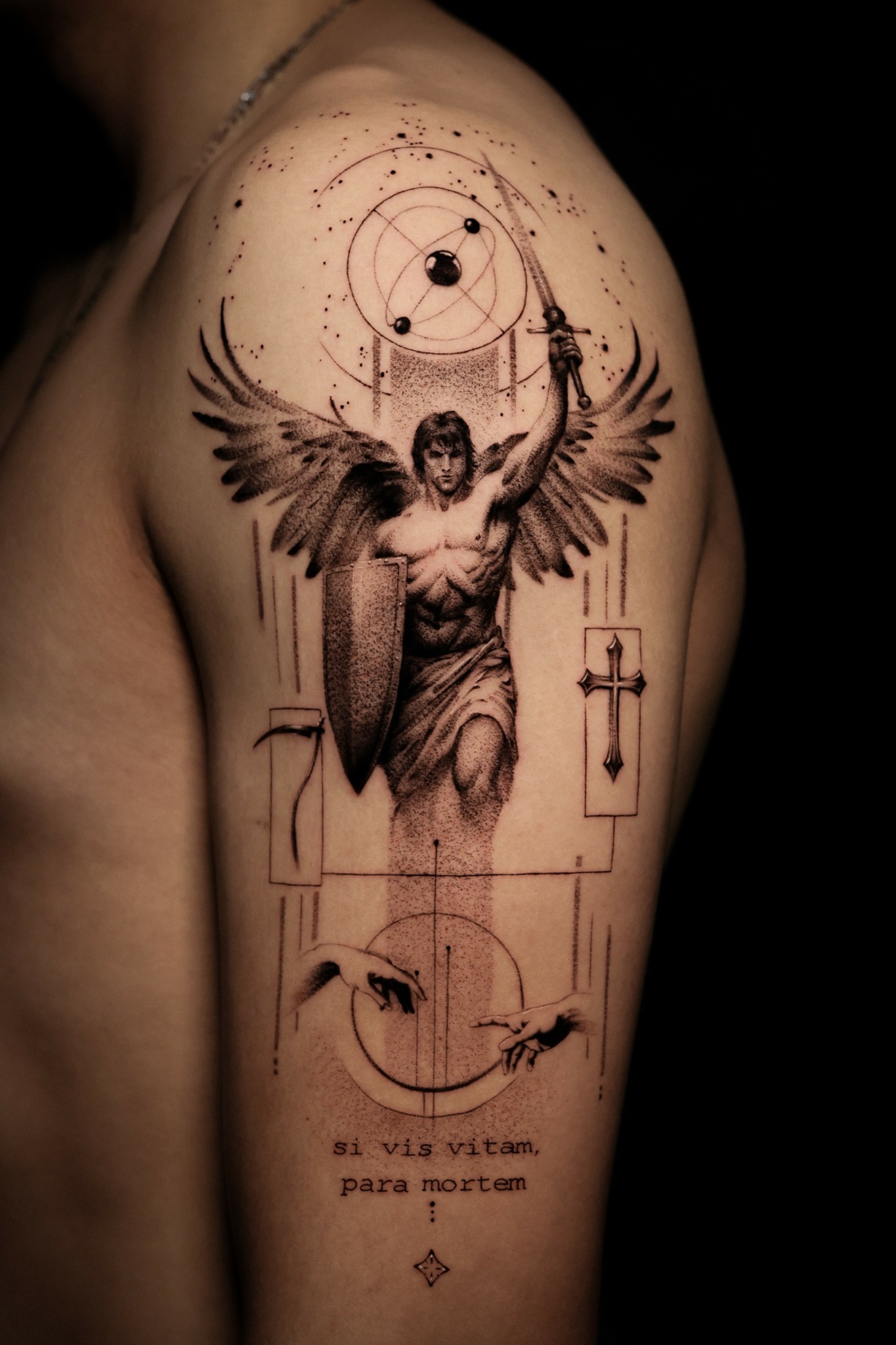

We caught up with the brilliant and insightful Nikita Grinenko a few weeks ago and have shared our conversation below.
Nikita, appreciate you joining us today. Earning a full time living from one’s creative career can be incredibly difficult. Have you been able to do so and if so, can you share some of the key parts of your journey and any important advice or lessons that might help creatives who haven’t been able to yet?
Have you been able to earn a full-time living from your creative work, Was it like that from day one? No, of course not. In the very beginning, the most I could hope for was simply covering the cost of the materials I was using for my work.
It took about six months, maybe even a little longer, before I started making any real money from tattooing. At the start it was mostly about learning — and it was a long process. I had to learn everything: from creating designs and mastering the technical side of tattooing to photographing my work, managing social media, and finding new clients.
If you’re a tattoo artist, being technically good at tattooing is only part of the skill set you need in order for your work to actually support you financially. You also have to know how to present your work, communicate with clients, develop your own style, and constantly keep improving.
If I knew back then what I know now and could go back ten years, of course I would do many things differently. I believe I could have shortened the process by at least half, maybe even more.
Awesome – so before we get into the rest of our questions, can you briefly introduce yourself to our readers.
Of course, when I was a kid I liked to draw. To be more precise, I mostly liked copying images onto paper using pencils or markers. I wouldn’t say I had any special talent or natural ability, but I definitely had an interest in drawing and design, and I enjoyed it.
My path started about ten years ago. I can’t say that I ended up in the tattoo industry completely by accident, but it was more of a “let’s try it and see what happens” kind of situation. I simply decided to give it a try. I didn’t go into it thinking, “Alright, now I’m going to become a professional, make amazing tattoos, earn a lot of money and win tattoo conventions.” At that time I didn’t even know tattoo conventions existed.
In my hometown at that time it was difficult to find work. Technically there were jobs, but there weren’t many, none of them were appealing, and the pay wouldn’t even have been enough to rent a small place on the outskirts of the city. Those were the times.
So at some point I just decided to try tattooing. I found a tattoo artist who was teaching and arranged to train with him. I gathered all my savings and spent every last bit of it on that training.
I learned and did my first tattoos in the same studio where the training took place, and I absolutely loved it. But after about two months I realized I needed to move forward — either rent a small space somewhere or open a tiny studio of my own.
I chose the second option. I’m very grateful to my family for their moral and financial support, because without them it wouldn’t have been possible. I opened a small tattoo studio, and that’s when my real journey of trial and error began.
I was learning through practice almost every day. Literally 20–24 days a month. I was tattooing, analyzing my mistakes, watching other artists’ work on social media, and trying to understand why their work looked so great while mine didn’t.
Over time more clients started coming. People began returning, bringing friends with them, and gradually this stopped being just an experiment and became my main profession.
Today I continue doing the same thing — tattooing and constantly learning. I still genuinely enjoy the entire process: from the initial idea and creating the design to the final result on the skin.
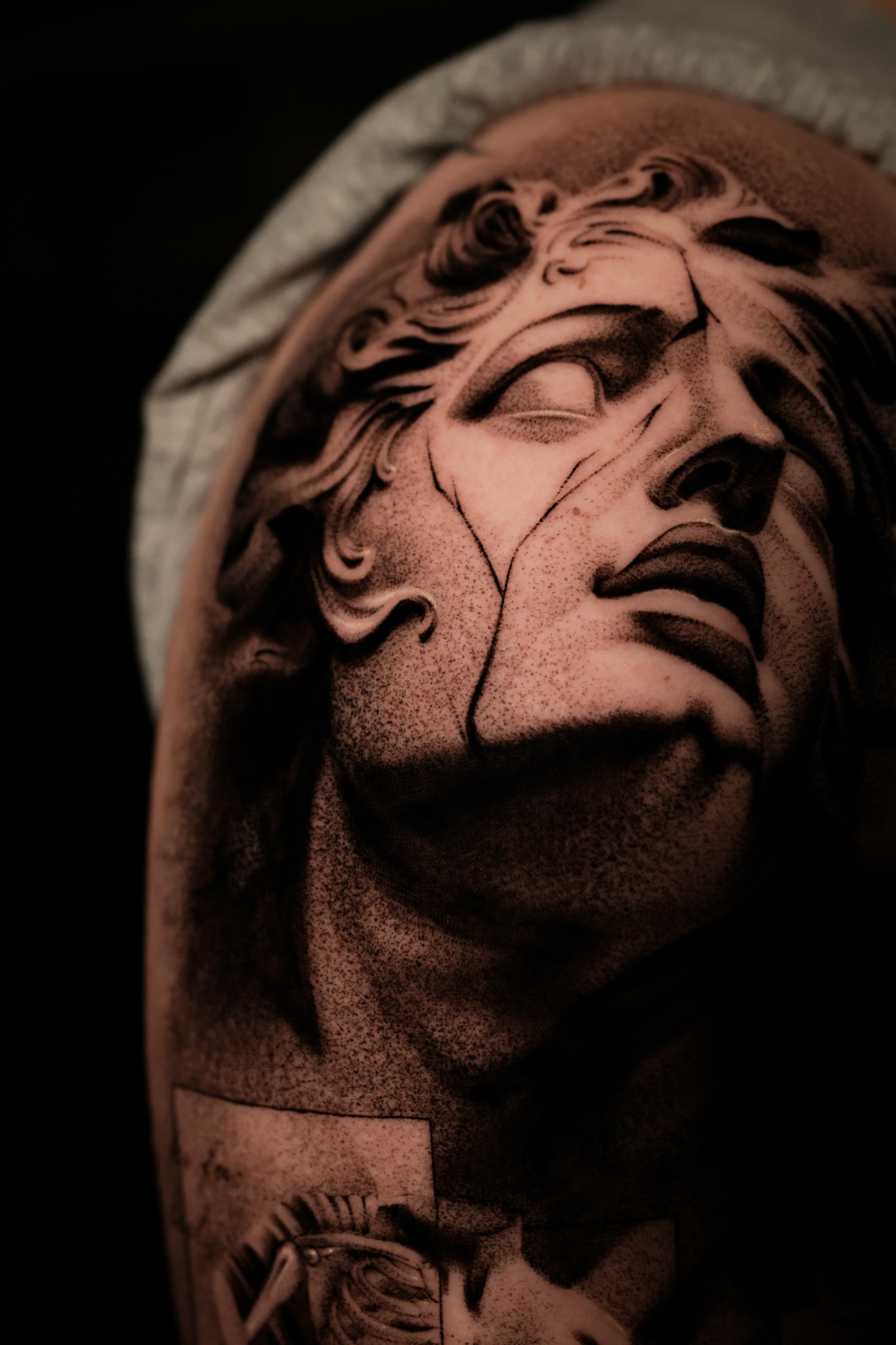
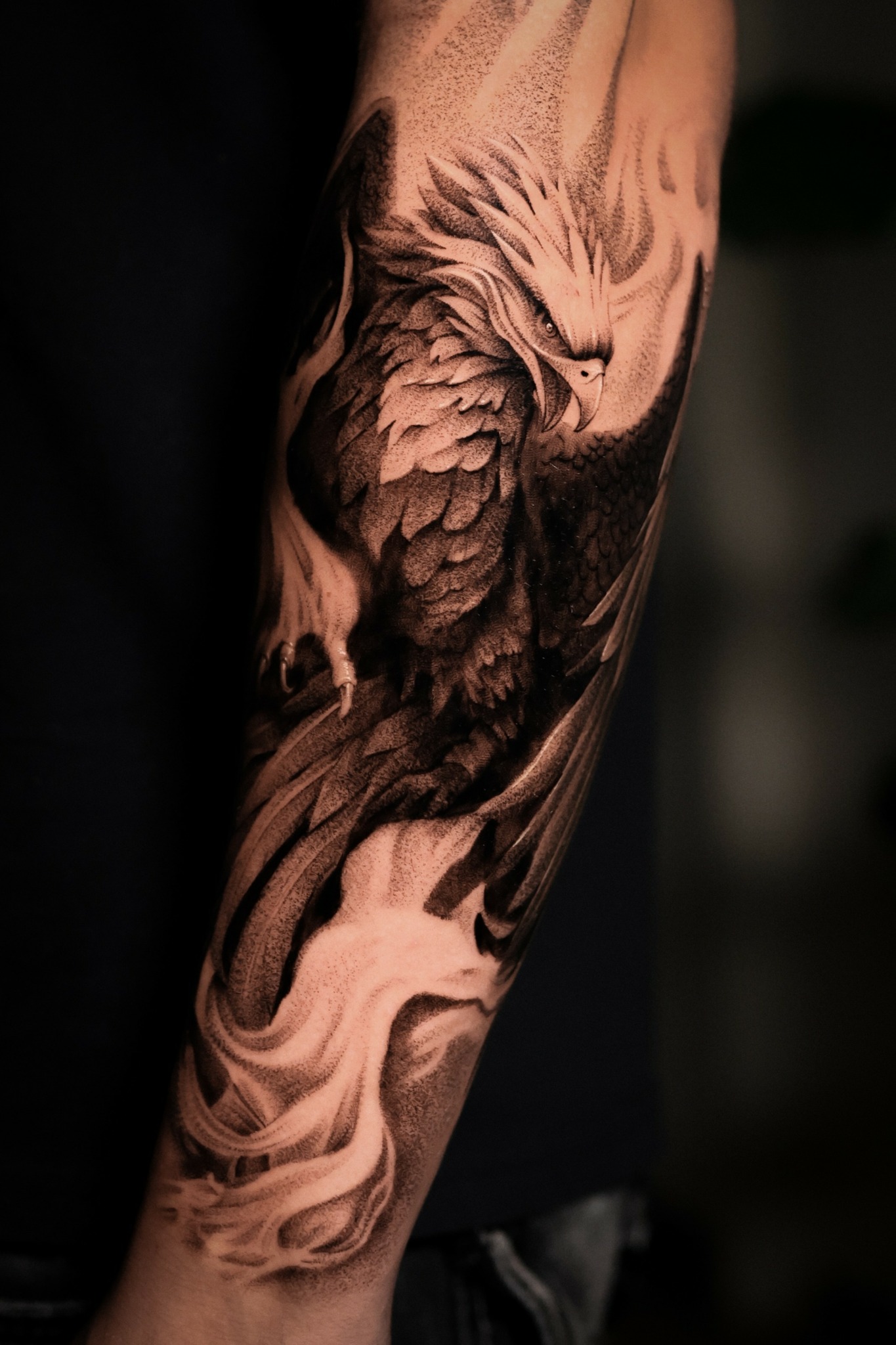
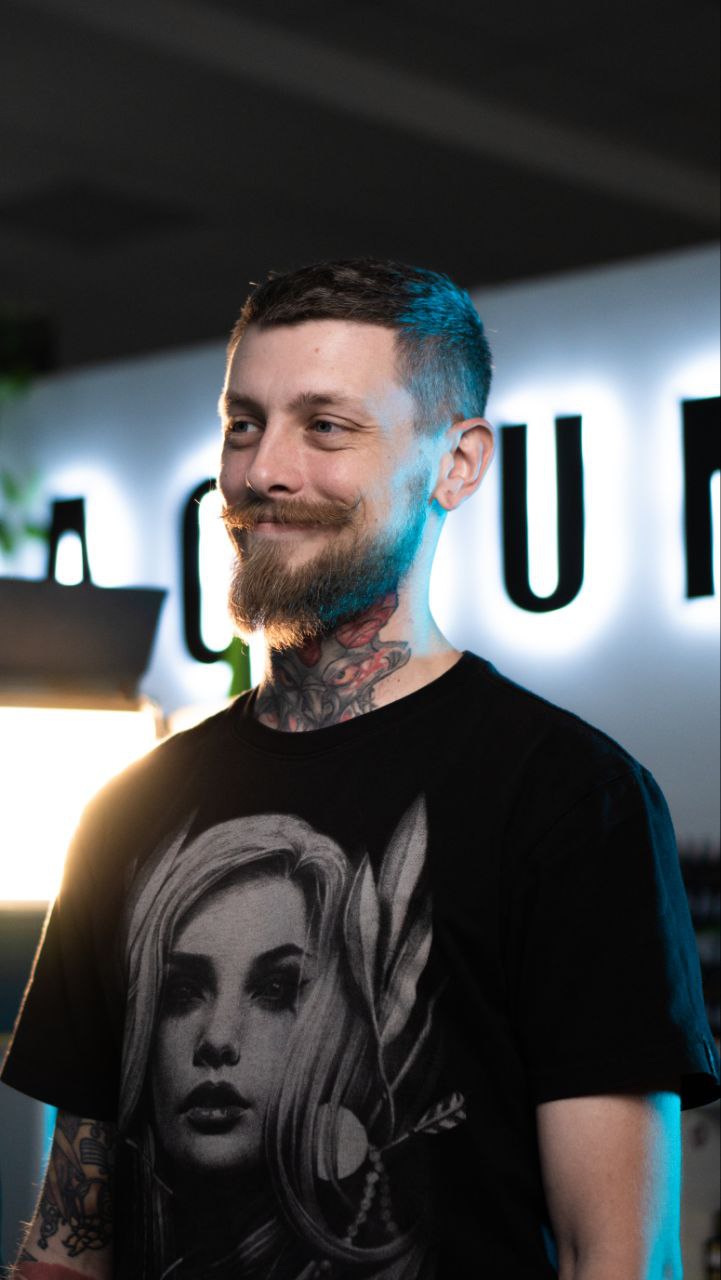
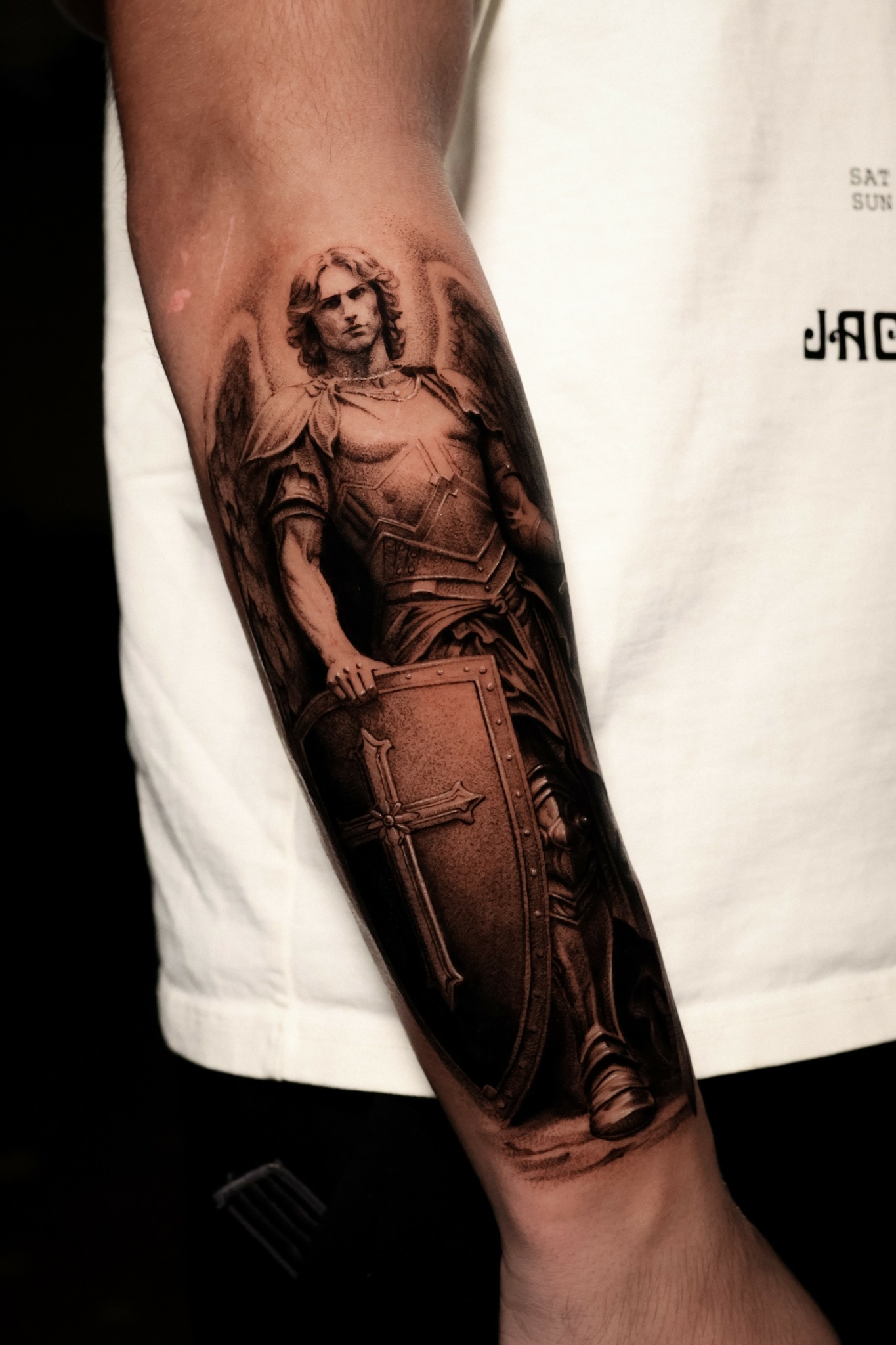
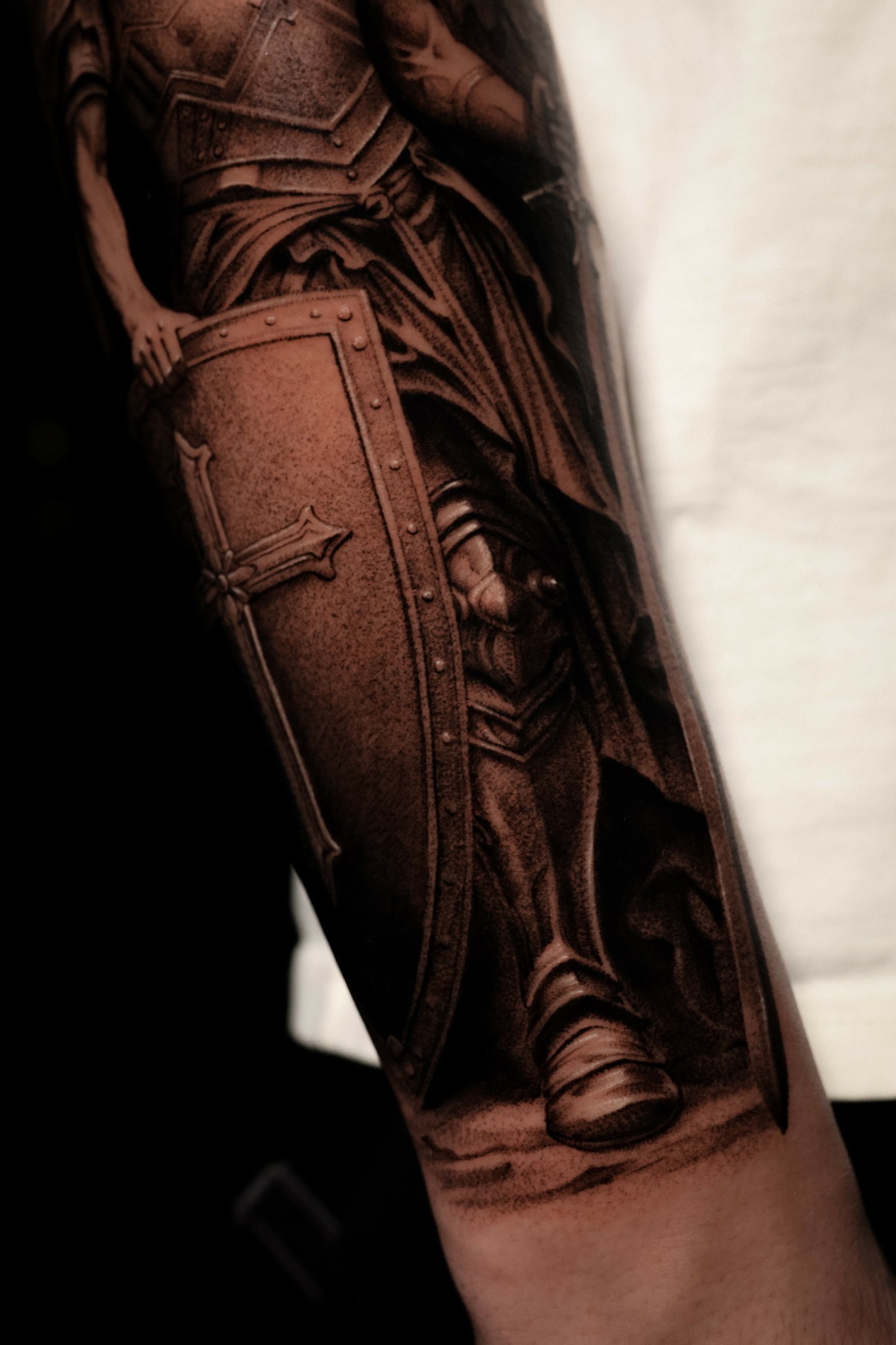
Over time my work became mostly focused on creating custom tattoos for each individual client. I enjoy designing pieces from scratch and working closely with people to turn their ideas into tattoos that work well on the body.
Every project is a little different — sometimes it’s a small piece, sometimes a larger composition — but the process is always the same: it starts with an idea and gradually develops into a finished piece.
For you, what’s the most rewarding aspect of being a creative?
For me, the most rewarding part of this work is seeing the final result and the reaction of the person I created the tattoo for. It all starts with an idea or a conversation with the client, then the design takes shape, and in the end it becomes something the person will carry with them for the rest of their life.
I also enjoy the entire process — from the first idea to the moment the work is finished. And it’s especially rewarding when people come back for another tattoo or bring their friends. That’s probably the best sign that you’re doing things right.
Do you think there is something that non-creatives might struggle to understand about your journey as a creative? Maybe you can shed some light?
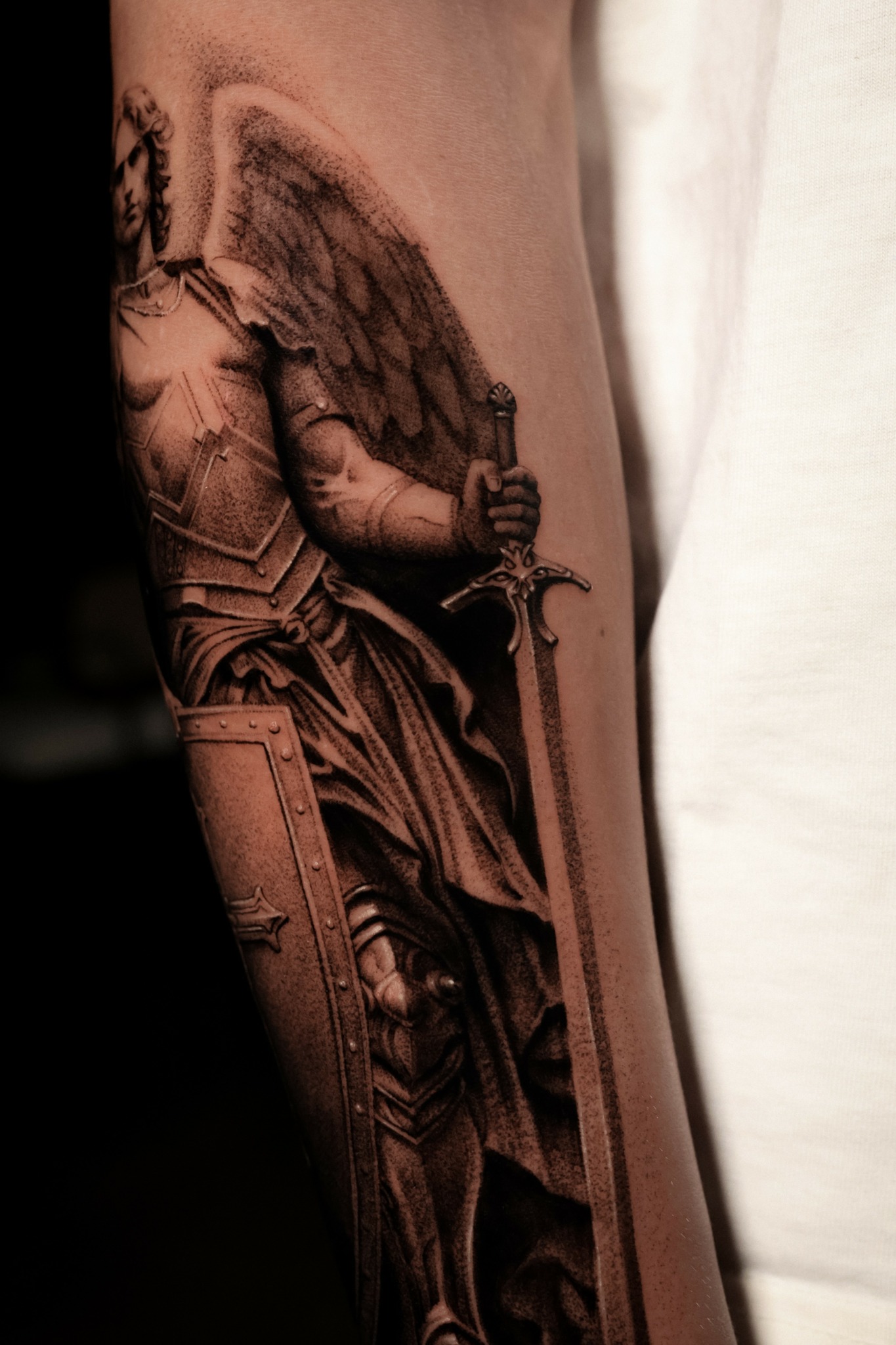
I think people outside this field sometimes find it hard to imagine how much work actually goes into it. From the outside, it can look like a tattoo artist is simply drawing pictures. But in reality, it involves constant practice, learning, working with clients, creating designs, photographing the work, managing social media, and many other things.
Tattooing is not just about being able to draw. It also comes with a lot of responsibility, because you’re working on a person’s body and the result stays with them for life.
It’s also a physically demanding job. Sometimes you spend six to nine hours in a single session, constantly concentrating and putting strain not only on your mind but also on your back and your eyes.
Contact Info:
- Instagram: nikitka.heretic
- Other: 1tspwnz@gmail.com