

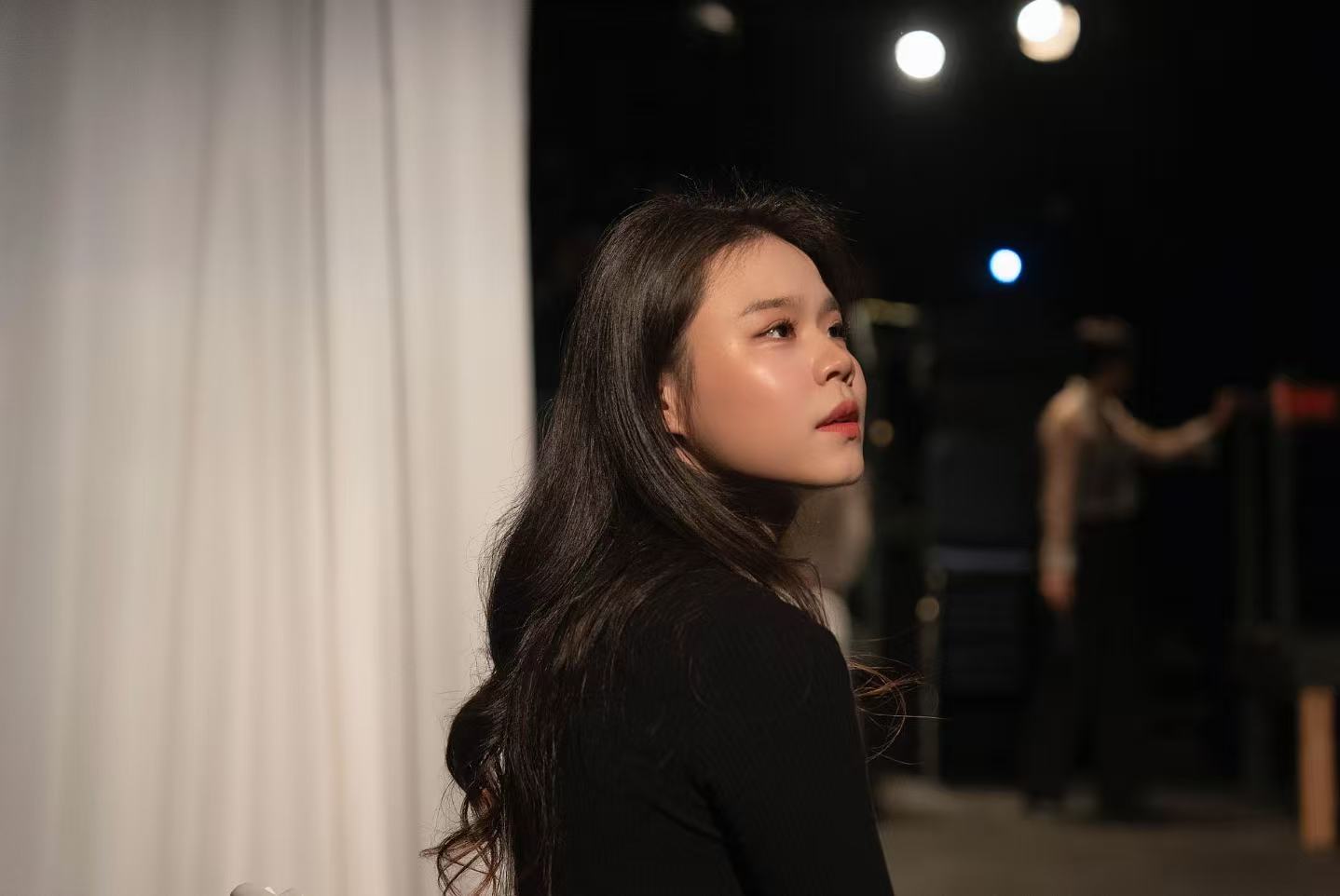

We were lucky to catch up with Annora Dong recently and have shared our conversation below.
Annora, appreciate you joining us today. When did you first know you wanted to pursue a creative/artistic path professionally?
The honest answer is that I didn’t have one single moment of clarity. Instead, it was a series of moments—some frustrating, some exhilarating—that slowly revealed I had no other choice.
I grew up in Shanghai, attending a very traditional Chinese middle school where academic grades were the only currency that mattered. But even then, I was drawn to anything artistic—hosting school events, performing on stage, dancing, secretly writing little scripts. There was a part of me that craved to be seen, to express something beyond test scores. I remember telling my mom, quietly, that I wanted to go to a theater school. The people around us were shocked. In China’s education system, you usually pick one lane: the academic path or the artistic path. There is no middle ground.
So I switched to an international high school, thinking that was my ticket. I chose theater as one of my courses, but they warned me: you need to be really good at English to study theater here—you’ll be reading plays, analyzing scripts. At the time, my English wasn’t strong. I panicked. But I told my mom, “The whole reason I’m here is to study theater.” So I studied English obsessively, and eventually got into that theater class. That was my first real act of choosing this path.
For college, I went abroad. My freshman year was at the University of St Andrews in Scotland, studying film and theater studies. Then I got into this joint degree program with the College of William & Mary in the US, which seemed perfect: I could study both film and theater. But when I arrived in Virginia, they told me that because my degree was technically from the UK school, I wasn’t allowed to take any practical courses—no acting, no design, no studio work. It felt like a cruel joke. That was the whole point of coming.
I was so frustrated. But instead of giving up, I just started sitting in on theater classes anyway, even though they wouldn’t give me credit. I loved it too much to stay away. Around that time, I talked to my high school college counselor, and she asked, “Why don’t you apply to NYU Tisch?” I actually laughed when she first said it. I told her, “I couldn’t do that.” I had thought about applying to Tisch back in high school, but halfway through the application, I gave up. I knew nothing about theater, about artistic reviews. I didn’t know where to start.
But then I stopped laughing. I realized: Wait. Now I’m ready.
So I applied. And I got in.
My junior year, I moved to New York and entered the Experimental Theatre Wing at Tisch. That’s where everything clicked. I was rolling on the floor in Viewpoints class, doing contact improvisation, exploring movement and voice and presence. It wasn’t about “acting emotions”—it was about being fully alive in a space. I started creating my own work: a solo piece about identity, an experimental dance film that later won awards, a play about Chinese American history that blended movement and digital art.
Looking back, my undergraduate education took me to three different countries and three very different institutions. That winding road—from Shanghai to Scotland to Virginia to New York—was itself my education. Each detour taught me something about what I was willing to fight for.
So why do I pursue this path professionally? Because I’ve realized that art is how I connect—with myself, with others, with the world. I’m equipped now with tools from all those places, and I’ve been incredibly privileged to have support from family and friends along the way. But mostly, I do it because I genuinely love the moment of creating. That moment when your body meets an idea, when a space becomes a story, when you touch something real in front of an audience—there’s nothing else like it.
I didn’t know I wanted this in high school. But after this long journey, I know it now: this is where I belong.
Annora, love having you share your insights with us. Before we ask you more questions, maybe you can take a moment to introduce yourself to our readers who might have missed our earlier conversations?
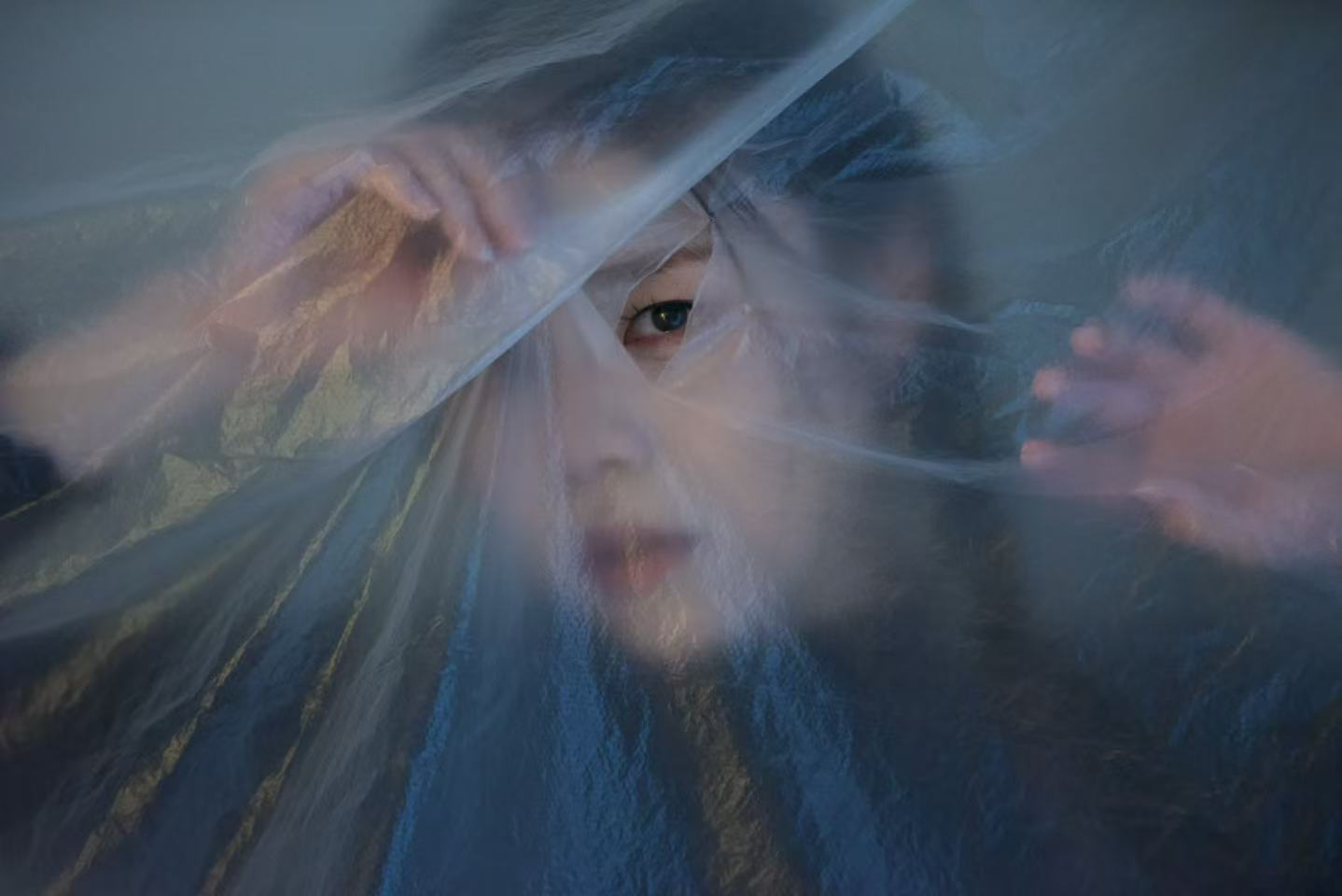
I’m a theater artist based between Shanghai and New York, creating work that lives at the intersection of theater, movement, and visual imagery. My performances are deeply physical—not for the sake of being experimental, but because I’ve learned that some stories can only be told through the body.
What I Create
In 2024, I co-founded SpArkling Theatre Studio in New York with Tara, a classmate from NYU’s Experimental Theatre Wing. We were two of the very few Chinese students studying theater acting there, and we created a home for the kind of work we wanted to make.
Our first original production, Trapped in the Flash, explored Chinese American cultural identity through a highly physical lens. We co-directed, wrote, and produced it ourselves—a four-show run off-off-Broadway that sold out completely. The piece used movement to visualize what happens beneath the surface when you’re navigating multiple cultural identities.
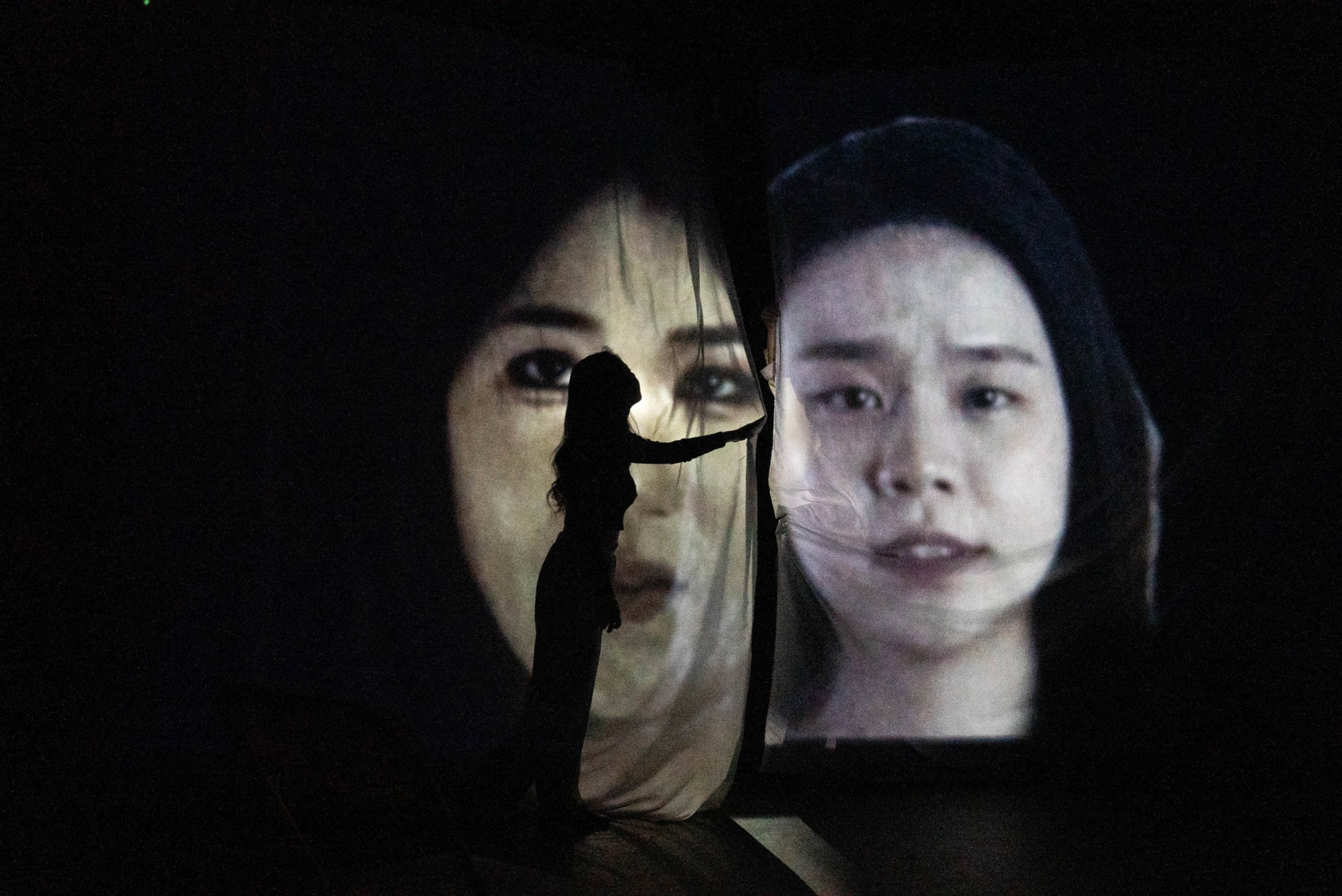
Next came BOND, a physically immersive work about women’s mental health. We collaborated with a professor at Northeastern University, and in 2025, the piece was presented within a side event of the UN Women Conference in New York. Working with digital artists, we created real-time visuals that responded to the performers’ movements—making inner states visible on stage.
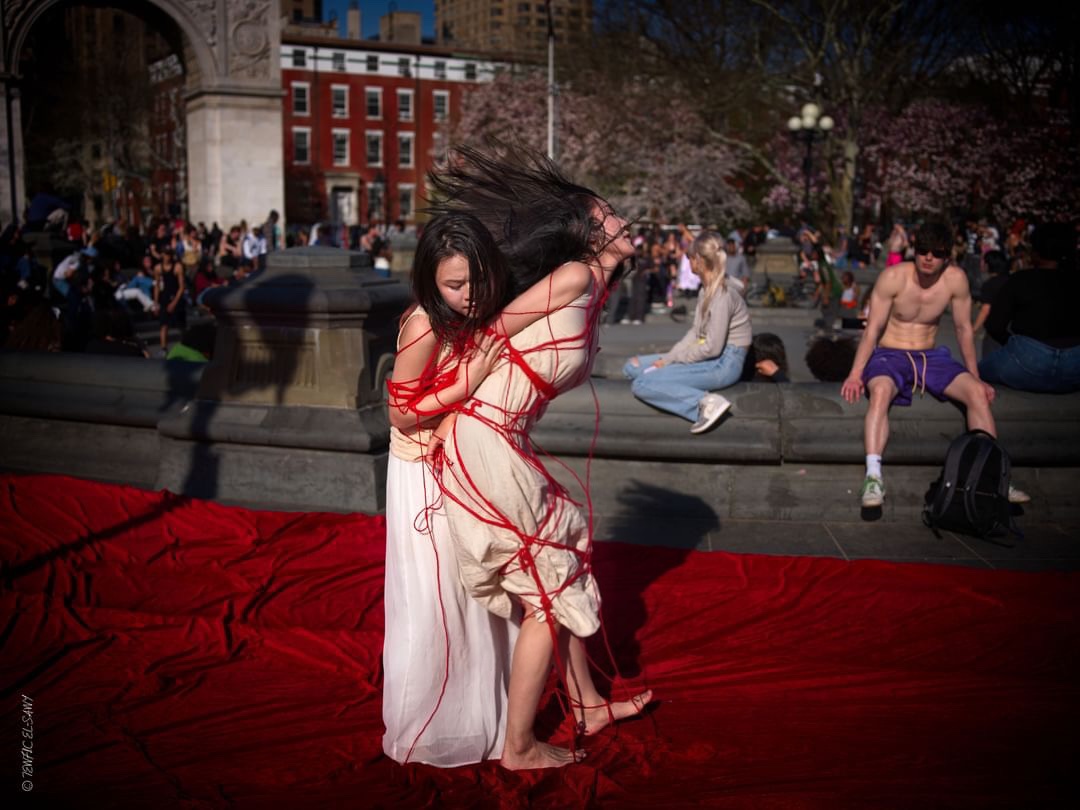
Beyond the stage, I’ve created performance art in public spaces—like in Washington Square Park, where another artist, Tara, and I used red thread and contact improvisation to explore female relationships, with strangers stopping to watch and share.
Now based back in Shanghai, I’m performing in projects that push boundaries: The City of Big Dumb Objects at Shanghai Theatre Academy, a robot-integrated experimental performance, and Shadow, SUM, the Chinese adaptation of a Spanish FETEN Award-winning children’s theater piece.
What Drives Me
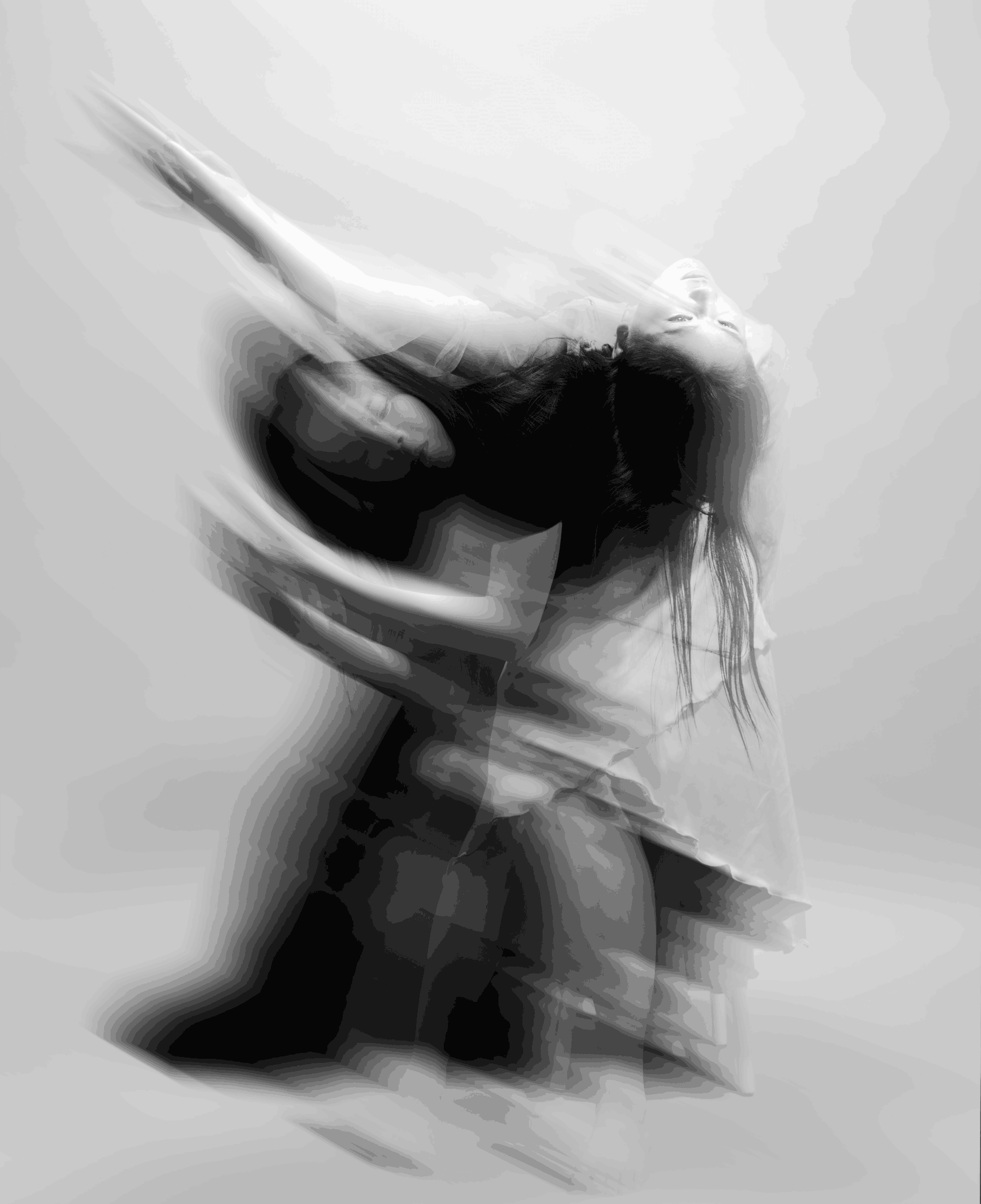
There’s a question at the core of everything I make: how can the particular energy held in my body be transmitted so that another person can feel it? Not as a message to decode, but as a resonance—something sensed before it is understood.
I explore identity, cultural displacement, and the stories our bodies carry. What sets me apart is that my body has learned to translate—between cultures, between artistic forms, between what can be said and what can only be felt.
What I Want You to Know
I’m most proud of the ability to move between worlds and bring something new back each time. After relocating to Shanghai, I’m still exploring who I am as an artist here—and that openness, that willingness to not have all the answers, might be the most honest thing I can offer.
We’d love to hear a story of resilience from your journey.
I think resilience, for me, looks less like “overcoming obstacles” and more like “staying in the question.” The question being: who am I as an artist?
My path has been shaped by movement—between countries, between educational systems, between ways of making art. I grew up in Shanghai, studied in Scotland, Virginia, and New York, and then moved back home. Each move gave me something: different tools, different perspectives, different ways of thinking about what theater can be. At NYU’s Experimental Theatre Wing, I found a community that embraced experimentation—teachers and classmates who supported me as I struggled with language, with cultural references, with the simple act of feeling like I belonged in a room. That community was real, and it shaped me.
But the struggle was also real. English isn’t my first language. Performing in a culture not my own meant I was always reaching for something just beyond my grasp. There were moments—like after an accent class where I couldn’t hear the difference between sounds—that I’d cry in the bathroom and then go back to class. Not because I was miserable, but because I cared so much. Because I wanted to get there.
That tension—between support and struggle, between belonging and not-quite-belonging—became part of my artistic language. It taught me that my body carries something unique: the ability to translate between worlds, to sense what gets lost and found in movement.
When I moved back to Shanghai, that question—who am I as an artist?—returned, but louder. Everything I’d learned felt foreign here. I wasn’t part of the local theater circle. I didn’t know where I fit. And slowly, the voices started multiplying. Different perspectives, different opinions, different versions of what I “should” be doing. They came from outside, but eventually they lived inside me. There was a moment where I genuinely doubted: am I even an artist at all?
So I made a decision. I locked myself in my room for a week—not to escape, but to listen. I wanted to know which voice was actually mine.
That week became the play Embrace. It’s not really a story about plot—it’s about energy, about the dynamics between two sides of one self. There’s B, the writer, who is stuck in her own reality. And there’s Alice, the character she creates—the energy, the purity, the saving power she wishes she had. They depend on each other, but it’s a dangerous kind of dependence. Alice exists because B writes her. B keeps writing because Alice performs the saving she can’t do herself. They give each other everything, and then they give too much, and the balance breaks.
Writing it, I realized I was living inside that dynamic. All those voices I’d been hearing—they were my own B and Alice arguing. The part that wanted to prove myself, and the part that just wanted to create. The part that needed validation, and the part that needed to trust myself first.
By the end of that week, I didn’t have all the answers. But I had made something. And making it reminded me that my unique path—my cultural background, my education, my personality—isn’t something to overcome. It’s the material. The loneliness I felt in both New York and Shanghai, the moments of not fitting in, the communities that held me anyway—all of it feeds the work.
I still don’t know where Embrace will be produced. I’m still searching for my place in Shanghai’s theater scene. But I’m not searching despite my unique path—I’m searching because of it. That’s what resilience means to me: not toughness, but willingness. Willingness to lock yourself in a room and listen for your own voice. Willingness to stay in the question, even when the question is uncomfortable. Willingness to trust that what makes you different is what you have to offer.
Do you think there is something that non-creatives might struggle to understand about your journey as a creative? Maybe you can shed some light?
Maybe the deepest thing is this: for me, creating isn’t just about making things—it’s about connection. Connection with myself, with others, with something larger. When I’m in that space, I feel fully alive.
I have friends who chose different paths, and sometimes I wish they could feel what I feel when I encounter a piece of art—even something abstract. Behind the colors, the textures, the choices, I sense the presence of another human being. Their uniqueness, their energy, their way of seeing the world. That encounter, across time and space, is one of the most precious things I know.
We only live once. We’re here to experience. And for me, the creative space is where the most beautiful experiences happen—moments of genuine connection, vulnerability, humanity.
Contact Info:
- Instagram: annoradong
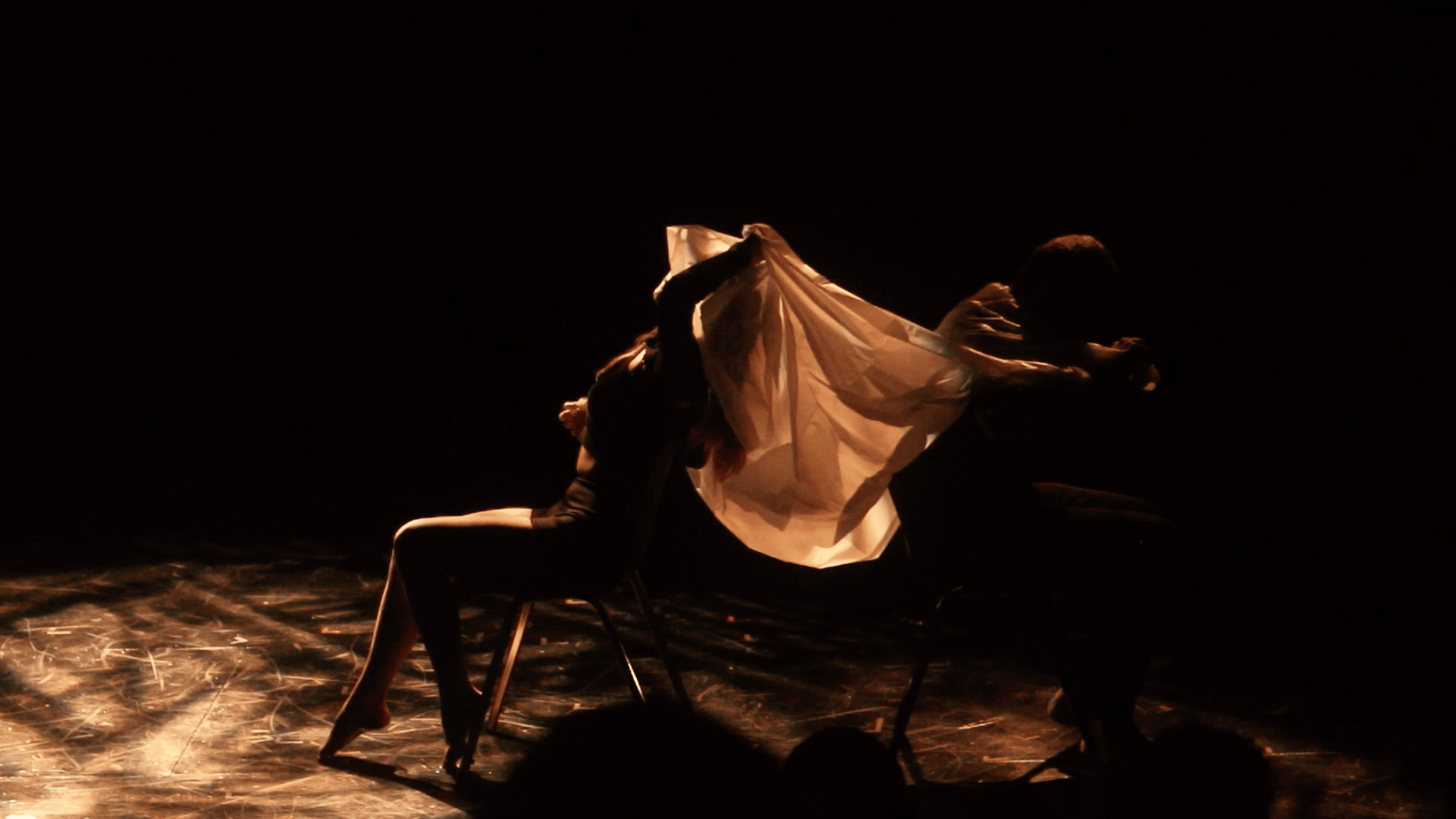
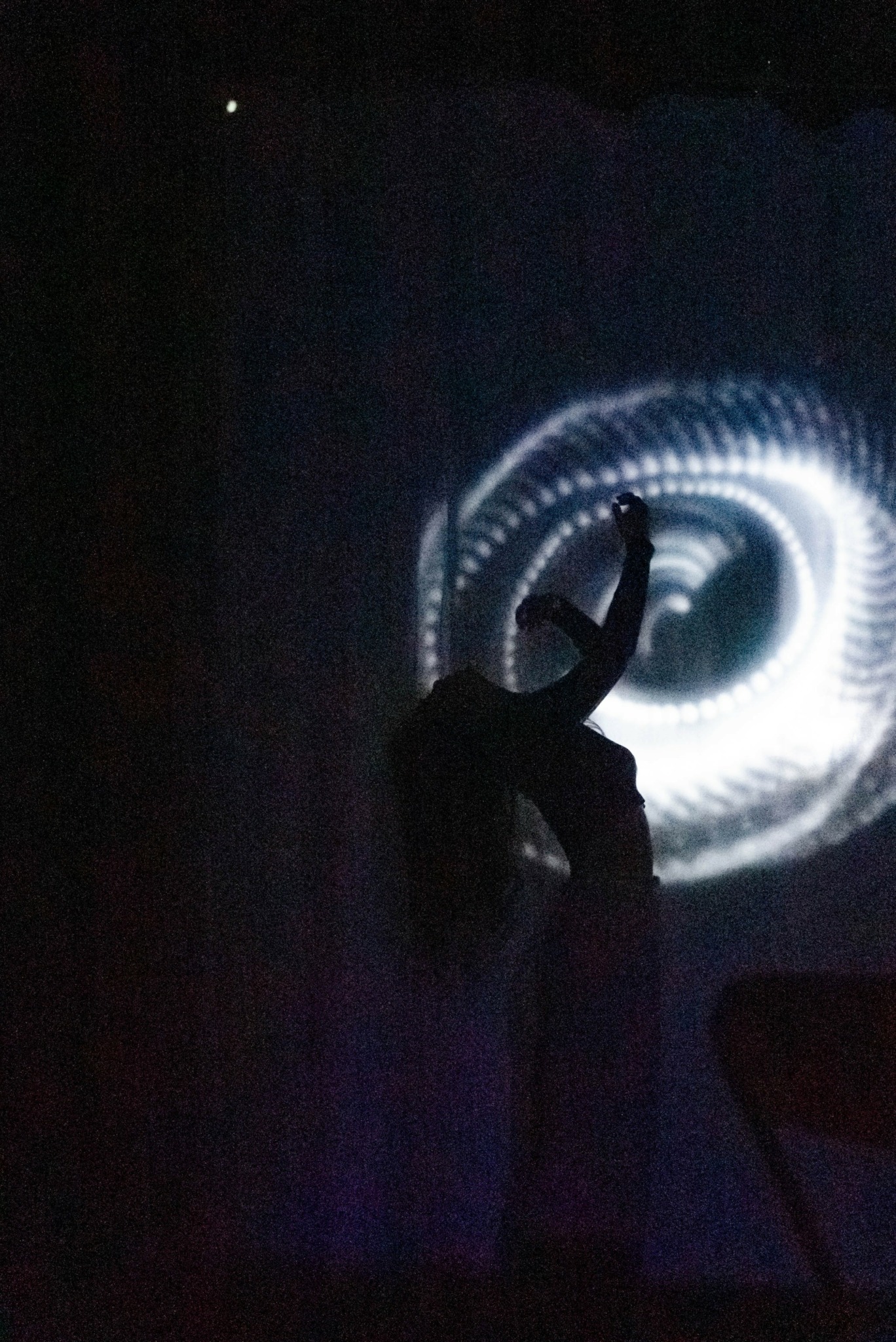
Image Credits
Carlos Yang, Katie Guo, Mike Kobal, Patrick Liao, Sirui Qian, Ning Liu, Qizhi Zhou