

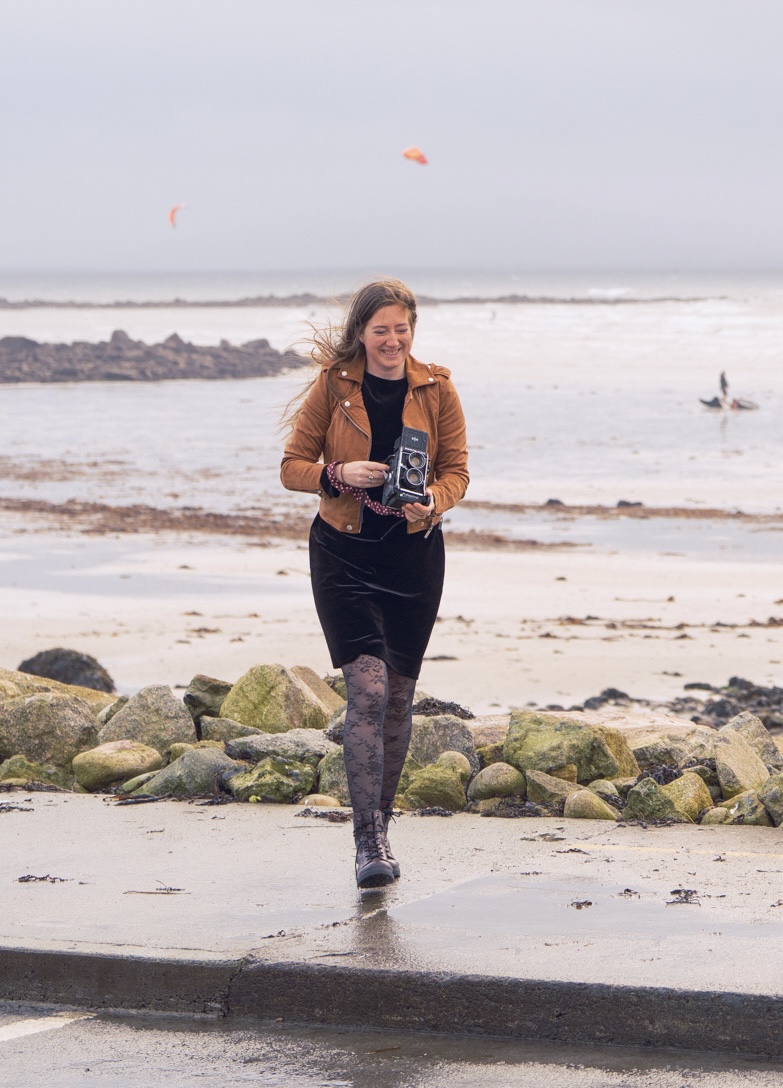

Alright – so today we’ve got the honor of introducing you to Adrian Etheridge. We think you’ll enjoy our conversation, we’ve shared it below.
Adrian, looking forward to hearing all of your stories today. Can you talk to us about how you learned to do what you do?
I’ve now had a camera in hand for 22 years, but I came to photography simply because my mom found her old point-and-shoot film camera in the attic one day and handed it to me thinking I would enjoy trying a new craft. I learned photography, essentially, by constantly carrying my camera with me and taking a lot of photos.
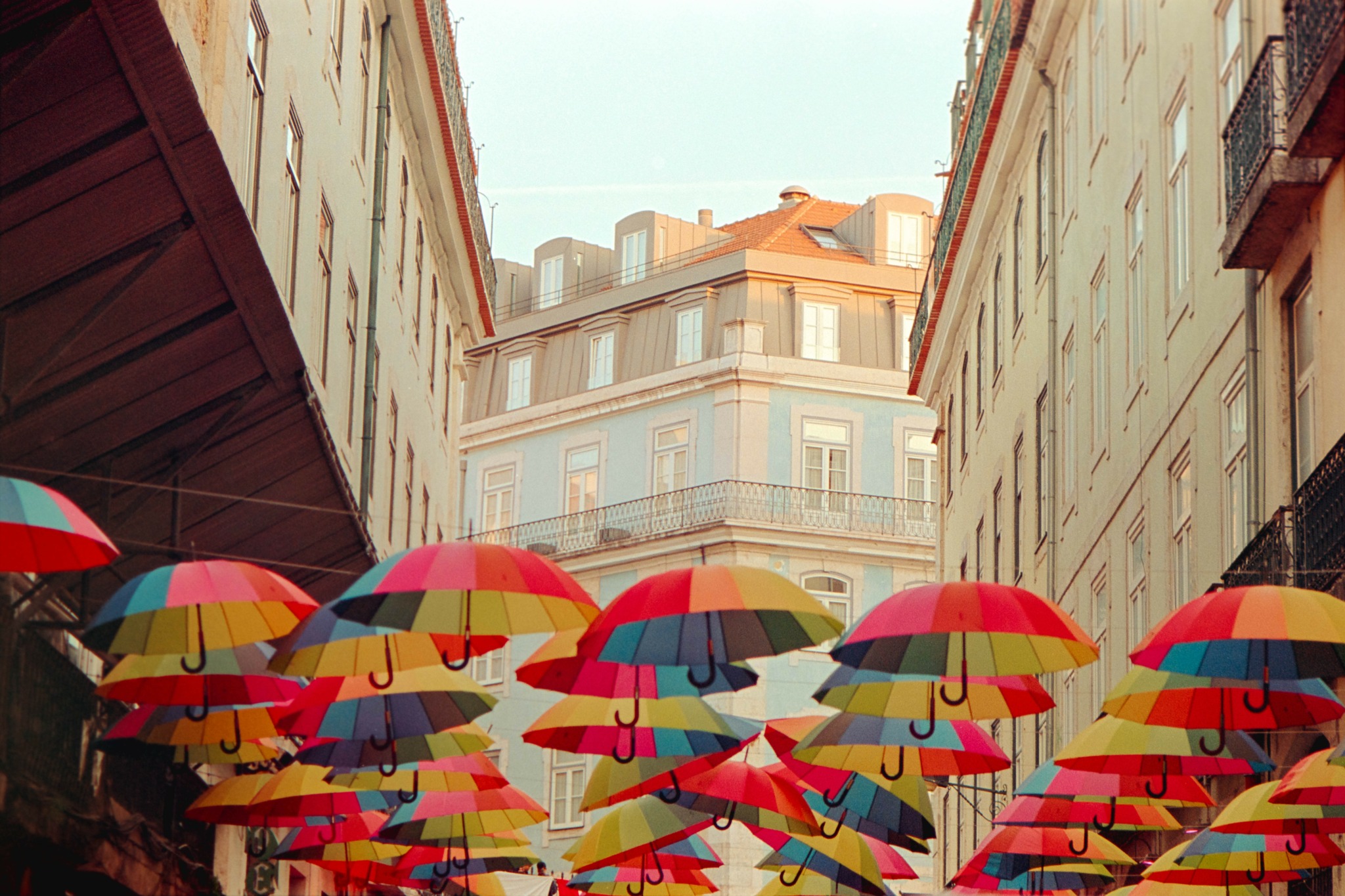
From a technical perspective, I got to spend three years in high school (and then 4 years in college) taking a darkroom class, so I learned the art through purely manual means. My camera at the time – which I still use today – was a fully manual 35mm analog camera without a light meter or winder, so I was required to learn the most basic aspects of shutter speed, aperture, ISO (as related to film stocks) and the chemical developing process, viewing the camera itself as a tool through which I could eventually hone my voice. Now, shooting analog photography (which I primarily do while traveling) allows me to slow down and meditate on each frame before making the photo. In the early stages of learning, it also allowed me to learn the in’s-and-outs of my craft so that the technical aspects of making a photograph became second nature, allowing all of my focus to go into storytelling, whether through portraiture, food and business photography, or my travel prints.
Looking back, I wish that I had also had the foresight early on to experiment with external lighting (strobes, speed lights, and anything that can help guide a story in addition to natural light.) So, my advice to beginning photographers is always to experiment with all manner of lighting techniques to explore how light creates mood and drives story.
Great, appreciate you sharing that with us. Before we ask you to share more of your insights, can you take a moment to introduce yourself and how you got to where you are today to our readers.
I started my business 13 years ago while in college, when I asked the athletic department’s Sports Information Director for a job and they happened to need a photographer. As a lifelong athlete and then-competing distance runner, I thoroughly enjoyed getting to document my peers’ achievements, celebrations, athletic memories, and even difficult moments, primarily because I knew all of the things that I would want to remember in the years following the ending of my own D1 career.
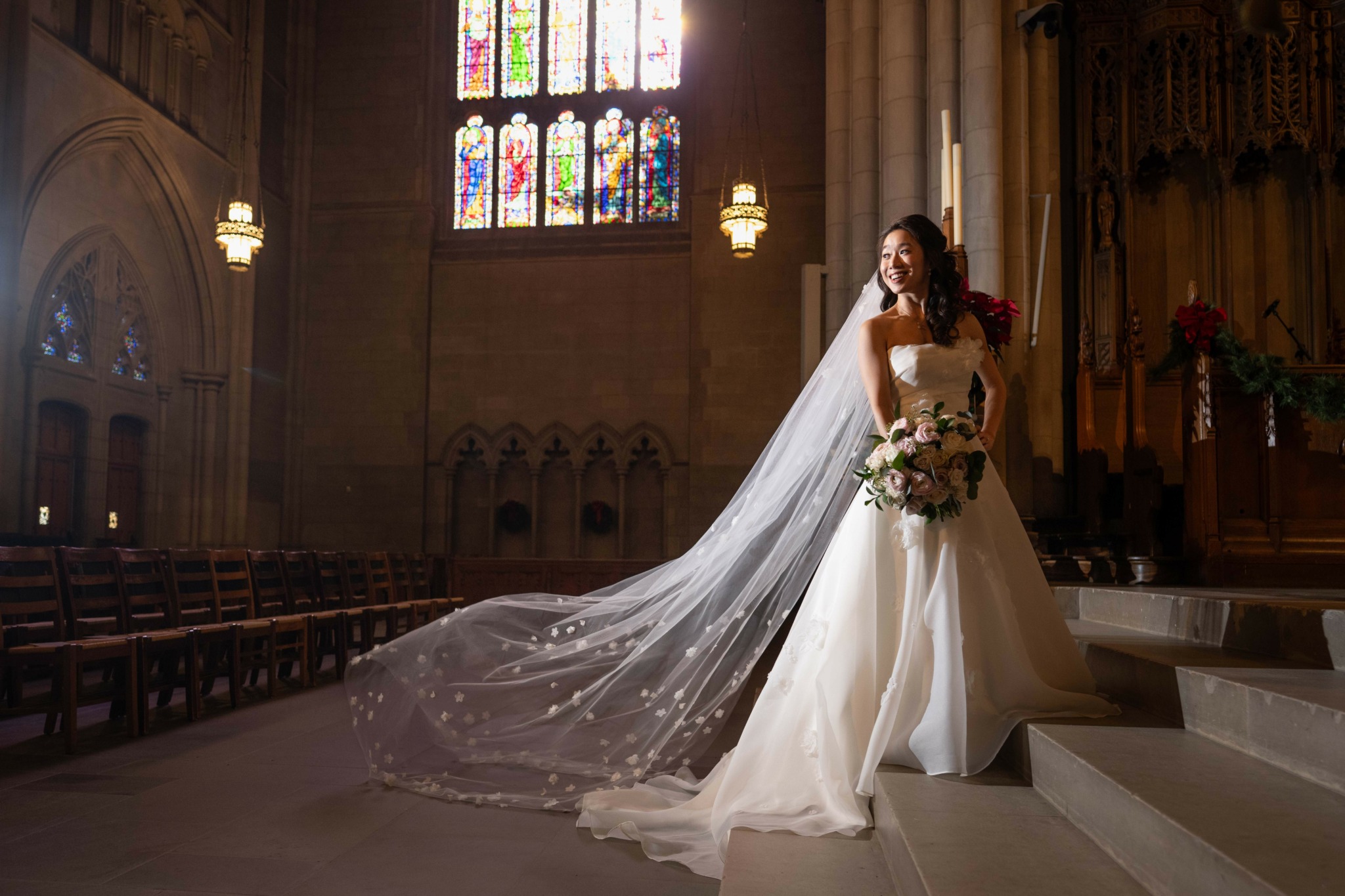
That same year, one of my teammates asked if I would be willing to photograph her wedding, though as of yet I had no wedding photography experience. While I hadn’t expected to pursue wedding photography, I realized after capturing the joy, artistic beauty, and tender emotions of the day that wedding photography was the perfect confluence of documentary storytelling and creative portraiture that suited me perfectly. This was a pivotal experience for me, because it solidified that rather than focus on one specific genre of photography, I would be much more creatively fulfilled and expanded by focusing on the art of visual storytelling (be it candid or staged) throughout a variety of genres.
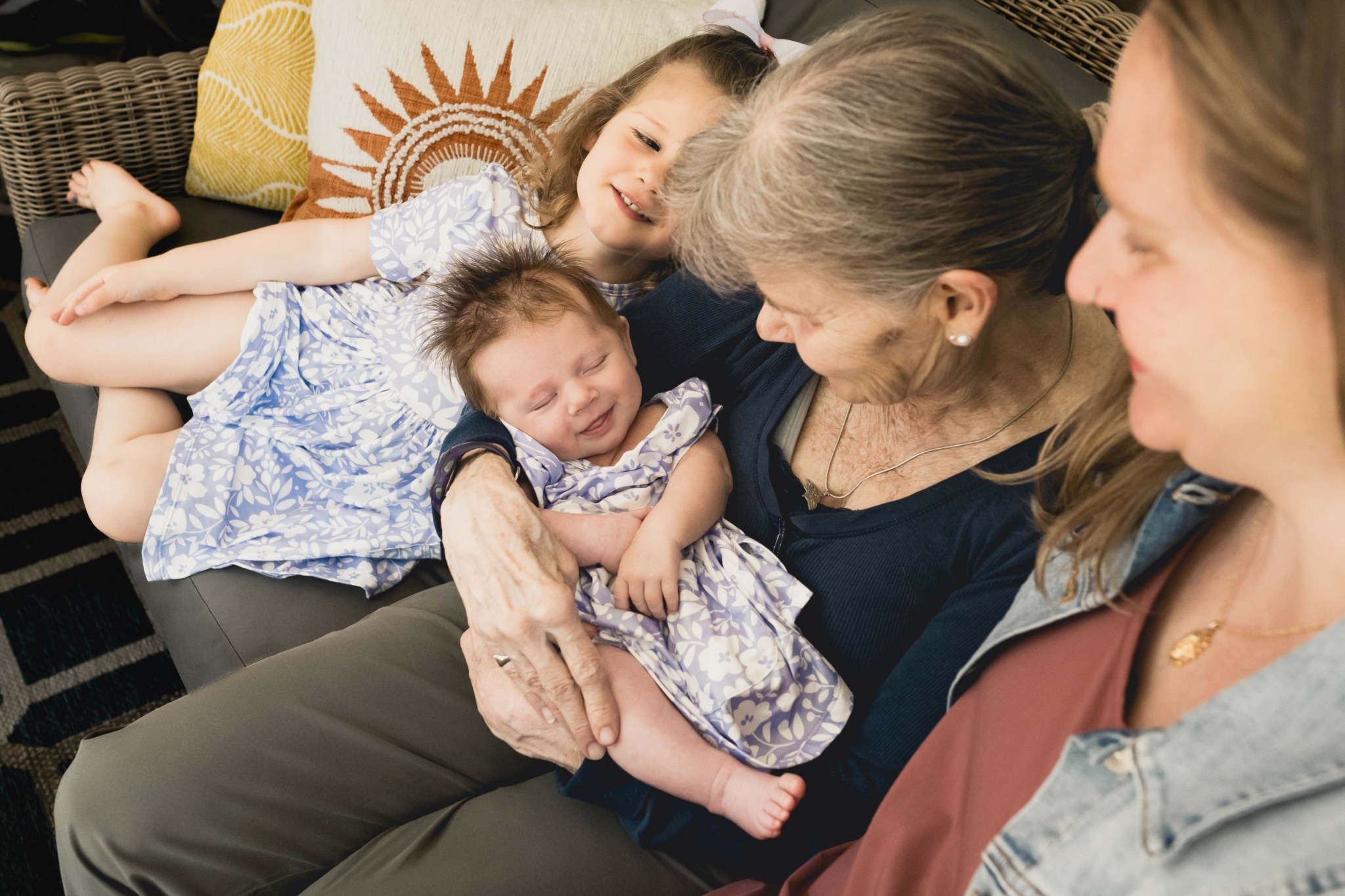
My passion is photographing joy, whether a newlywed couple’s celebration, a family’s quiet day at home, a chef’s favorite meal, or an athlete’s success. As an empathetic listener, and a professional celebrator of people, I’m most proud of being able to set people at ease in front of my camera so that we can collaboratively tell their story together. Many people’s first reaction when hiring a photographer is to say that they’re not photogenic, that they hate being photographed, and so my goal is to make each session feel more like a conversation – whether with me or with each other – to not only create photographs which are artistically beautiful, but which also capture my clients earnestly and honestly.
Have you ever had to pivot?
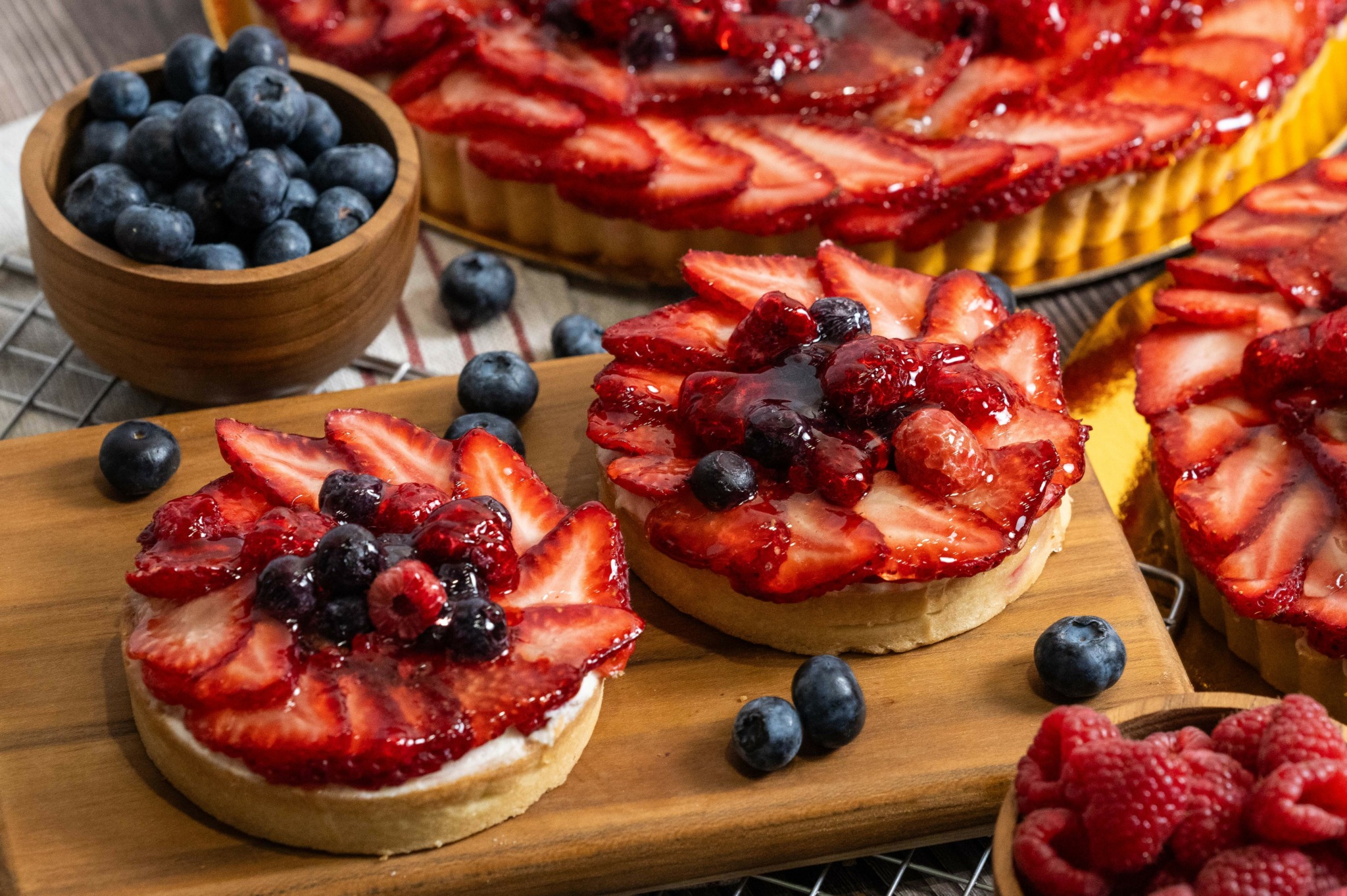
In the last decade, being a business owner in North Carolina has been challenging to say the least. I opened my first photo studio in Asheville, NC in the fall of 2019, and then not six months later was forced to completely reevaluate my business when Covid hit. While I had dreamed of using the studio for creative pre-wedding portraiture building floral sets, or elegant family photos using painted backdrops, or powerful brand portraits using creative multi-light setups, being unable to bring people into the studio brought me back to my food roots. I used the time to build a new branch of my business focusing on simple and colorful imagery for bakers and recipe developers, as well as dynamic and delicious food photos for restaurant owners. Food and food related product photography was a lifeline through Covid financially, but was also a reminder that as a teenager, one of my earliest professional dreams was to be a traveling food writer.
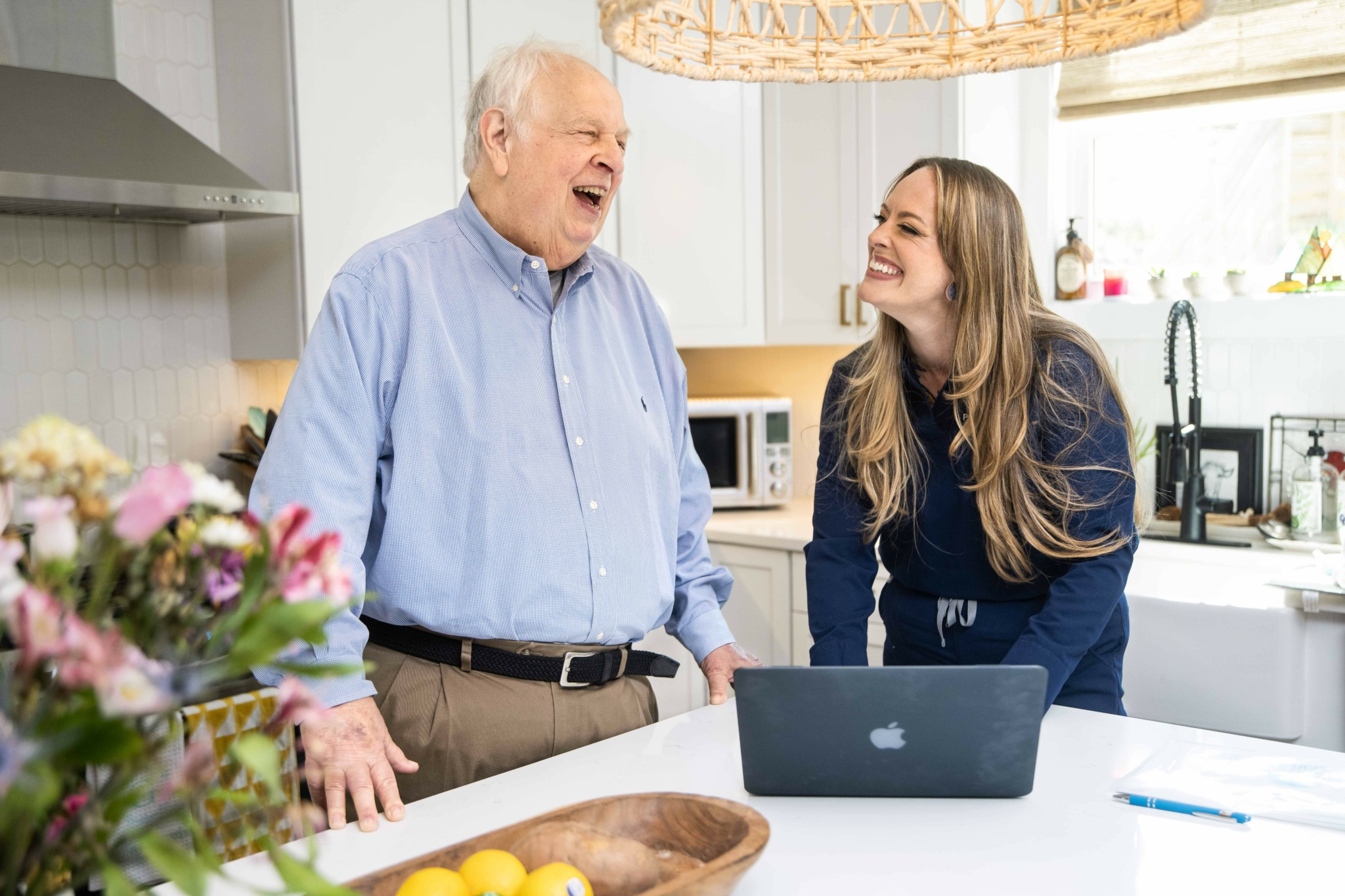
This came in handy once again after Helene. While I was quite lucky that the only thing I lost in the flood was business, it did mean the loss of almost an entire fall wedding season. Once again, having the option to pursue more food photography, as well as family portraiture, allowed me to pivot from a full fall season to tide me over. My suggestion to any photographer going full time in their business is to make sure you have multiple revenue streams to see you through the unplanned times.
Is there a particular goal or mission driving your creative journey?
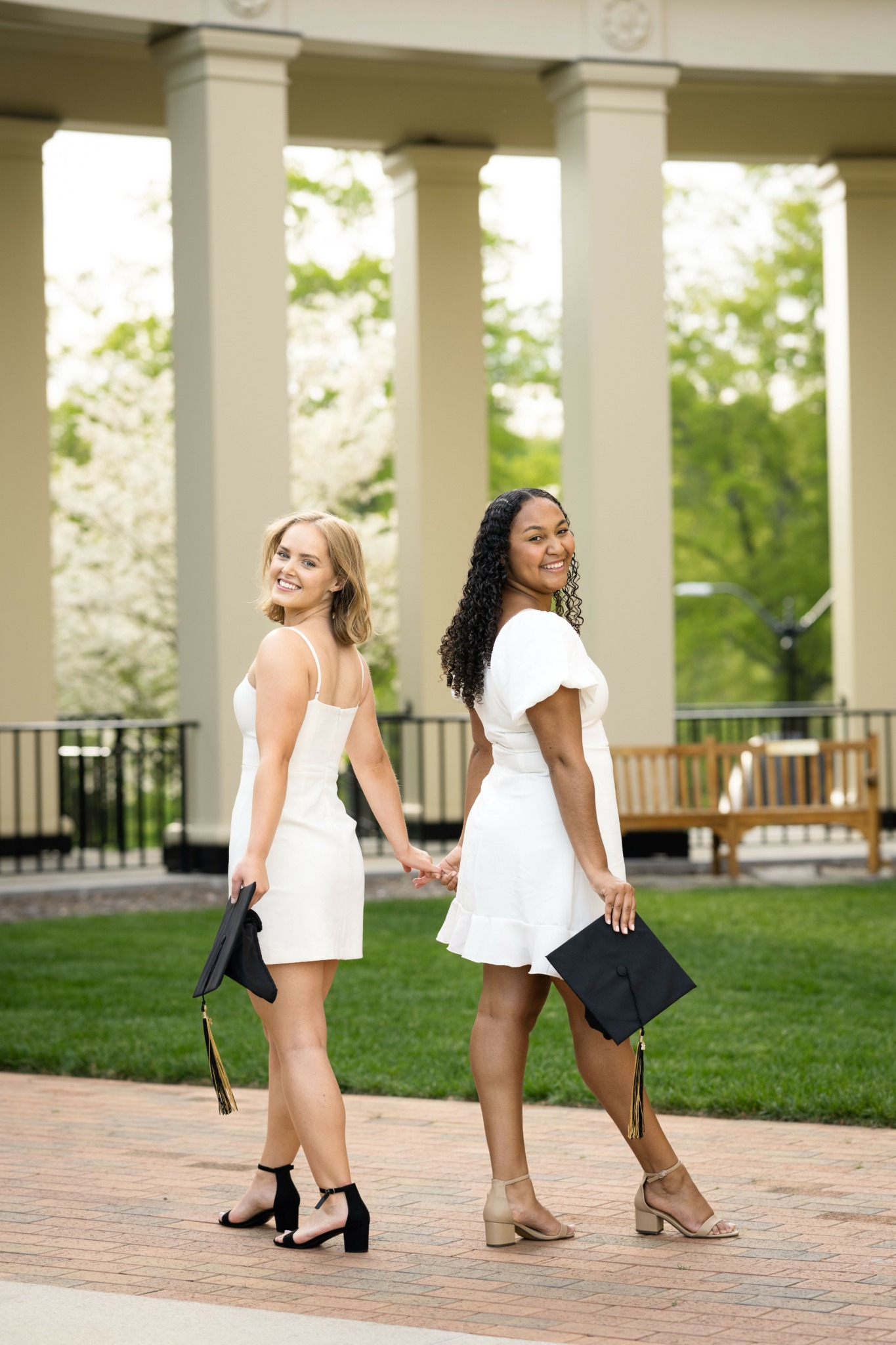
Just as my favorite subject to photograph is joy, experience joy through the art of making a photograph is also what drives me. While I have always enjoyed the commercial side of my work – weddings, portraits, food, sports – I have always kept it very separate from the analog piece of my art. While this worked for me a long time, allowing me to gain technical knowledge and experience for commercial work while seeking creative refuge in the art side, the need to satisfy a difficult economy often pushed me to the edge of burnout while seldom creating for my own pleasure. Now, I’m on a mission to incorporate more of my art – primarily the use of 35mm and 120mm film – into my portrait work in order to find more creative joy in everything that I do.
Contact Info:
- Website: https://Www.adrianetheridgephotography.com
- Instagram: @adrian_etheridge_photography
- Facebook: @AdrianEtheridgePhotography
- Other: film instagram: @adrian_etheridge_35mm
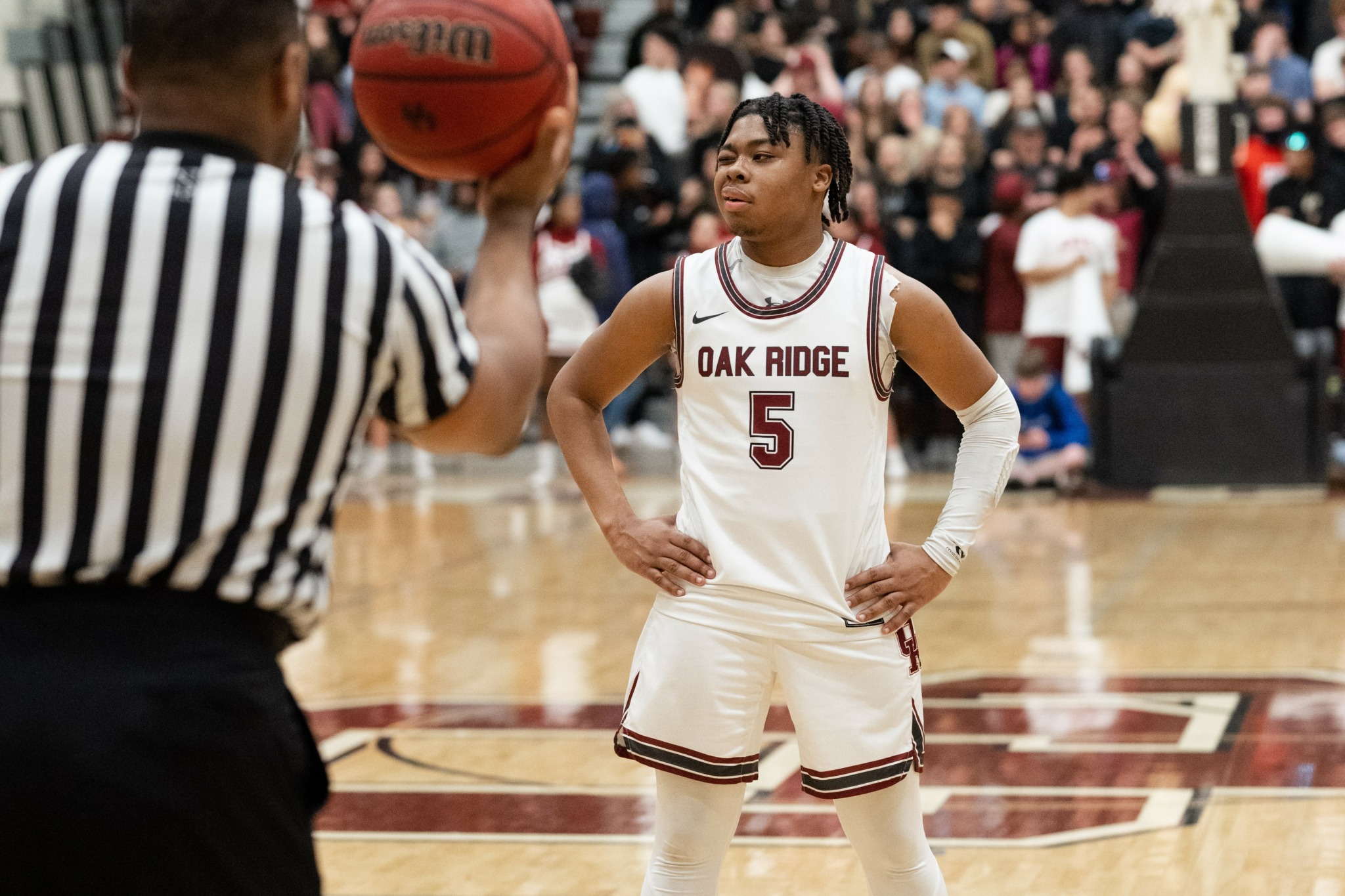
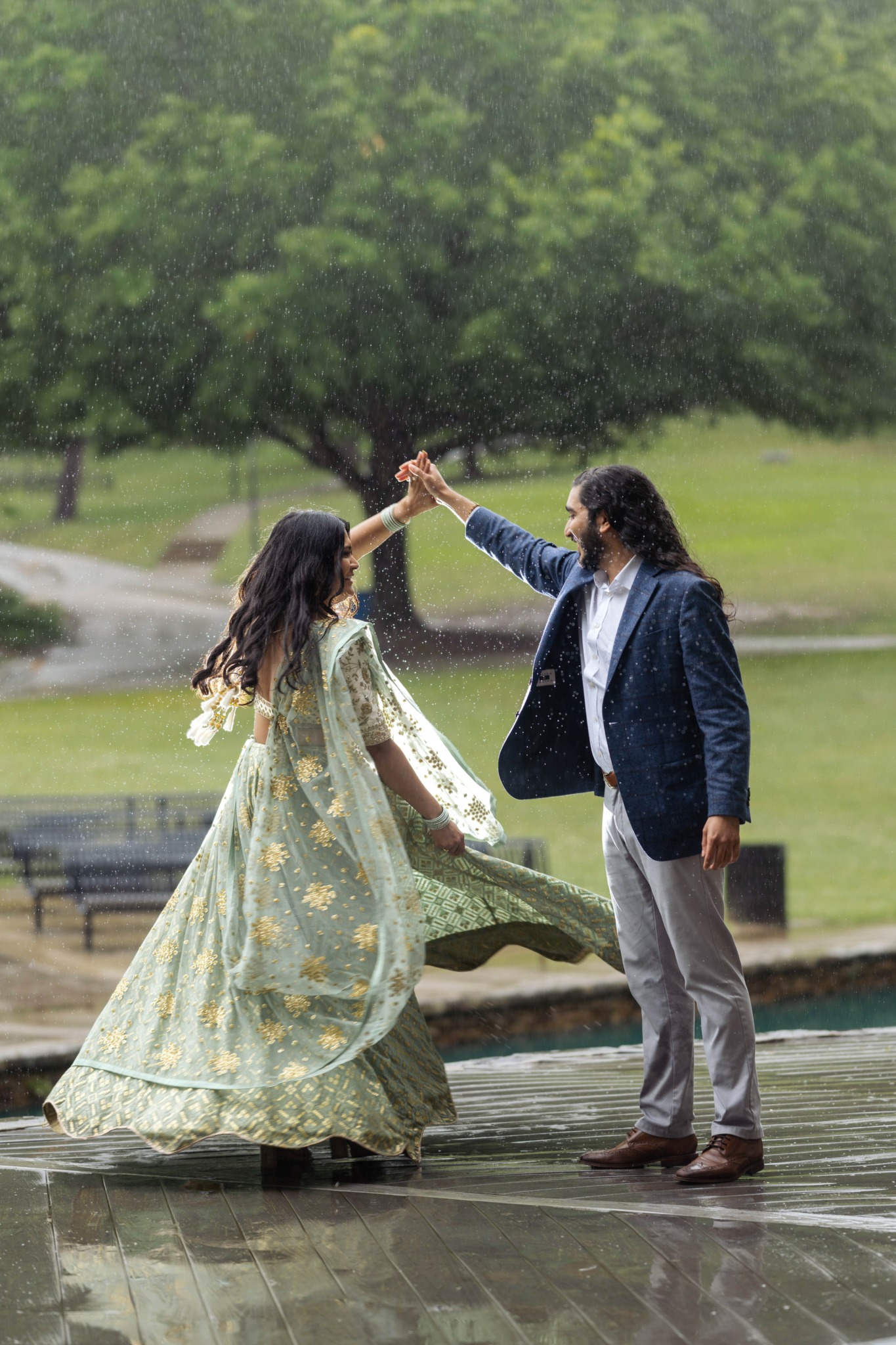
Image Credits
All photographs were made by me, Adrian Etheridge Photography.