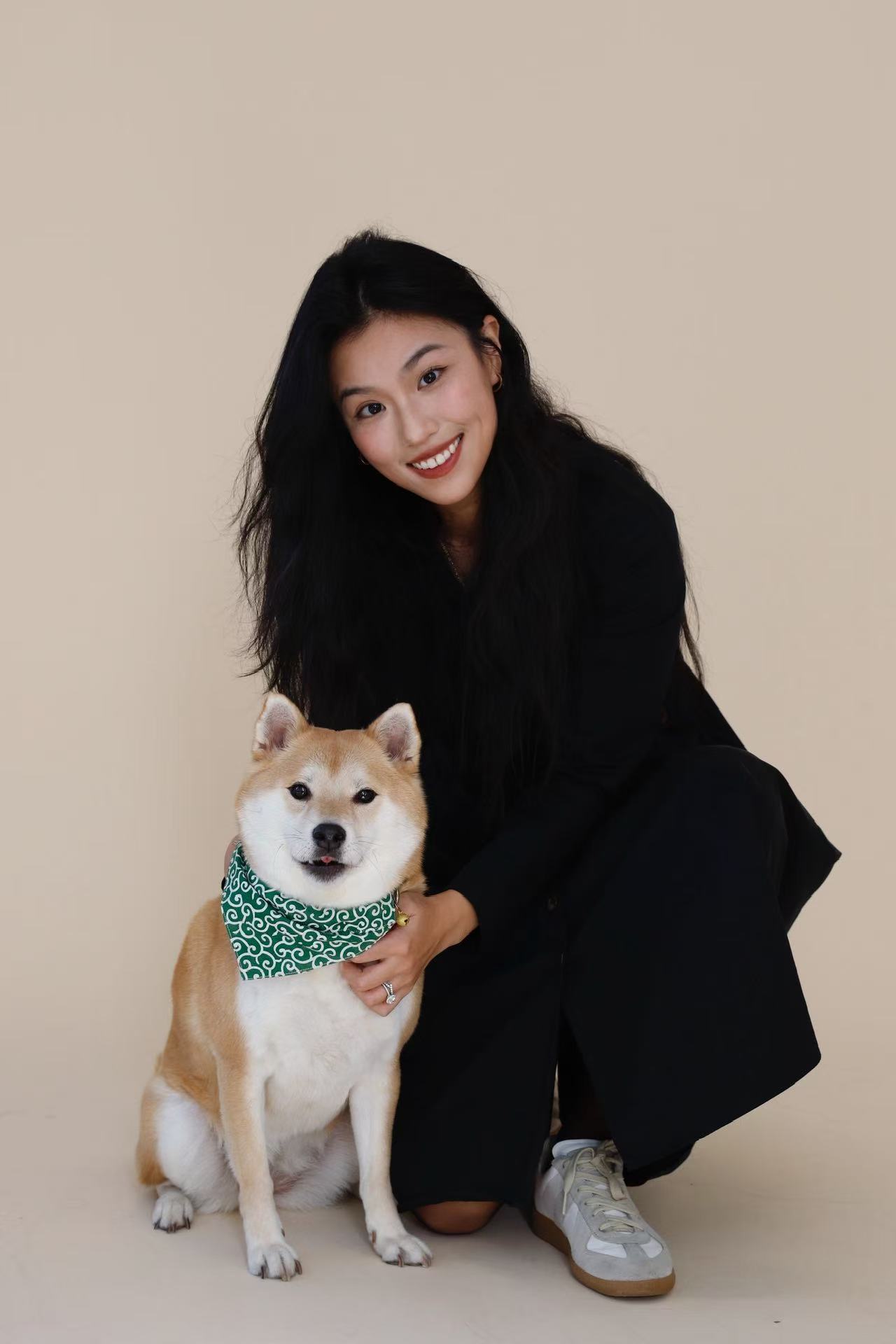

Alright – so today we’ve got the honor of introducing you to Jiannuo Hu. We think you’ll enjoy our conversation, we’ve shared it below.
Hi Jiannuo, thanks for joining us today. What can you share with us about the story behind how you found your key vendors?
Finding the right manufacturers was one of the hardest parts of building Cave Canem, and honestly, the process taught me more about business than anything else.
I started with zero manufacturing background, so I did what any first-time founder does: learned industry jargon through online research and figured it out as I went. One thing I knew early on was that I needed factories making quality human clothing, not commodity pet products. The design standards are completely different.
I found potential partners through social media and initially tried coordinating everything remotely. It was a disaster. Time zone differences meant I was either staying up until 2am or waking up in the middle of the night to solve problems. One factory I thought was professional turned out to be a small family workshop that couldn’t meet my quality standards. Another ghosted me when I asked for a refund after they failed to deliver. I dispatched five SKUs across four factories. Not a single one worked out.
That’s when I booked a flight to China.
Going in person changed everything, but I was also strategic about where I went. I focused on Hangzhou because it’s a major hub for clothing manufacturing, with satellite cities nearby each specializing in different categories. In China, manufacturing clusters geographically by category, forming industrial zones where you can find everything in one place — raw materials, factories, logistics. Since I needed both woven and knit production, Hangzhou made the most sense as a base, and its proximity to Shanghai port made shipping straightforward.
I spent almost two weeks at fabric and accessory markets, learning material knowledge hands-on, industry jargon like allowance, shrinkage rate, fabric width. I needed to touch fabrics, understand weight and hand feel, and adjust my designs based on what was actually available and feasible at my price point. After finalizing designs and getting samples ready, I visited eight factories over two days, checking capabilities, building relationships, negotiating. I found most of them through social media outreach and referrals from the markets themselves.
That’s where I found my sweater factory. The connection started on social media. I reached out cold. But when we met in person, we immediately clicked. We were around the same age, both dog owners, both passionate about quality. She was modernizing her family’s factory and saw Cave Canem as the kind of brand she wanted to work with. That personal connection is what made them flexible on volumes that would have been a dealbreaker anywhere else.
For collars and leashes, I took a completely different approach. I attended the Asia Pet Expo in Shanghai — meeting manufacturers face to face, seeing product samples, building connections across categories. After the expo, I visited four factories in the Guangzhou area to assess their facilities and equipment, selected two to make samples, compared quality and pricing, and chose one based on their responsiveness throughout the sampling process.
Even packaging I approached systematically. I contacted around 20 printing houses on Alibaba, built a spreadsheet comparing quotes on paper type, printing techniques and order quantities, requested physical samples from several, and narrowed down to one based on quality and price.
Why did the factories make deals with me at such small volumes? Partly because I brought them business (that’s just commerce). But I think showing up in person mattered more than the order size. When you’re physically there, you’re signaling commitment. You’re not just another email in their inbox.
If I could do it differently, I would have gone to China from the very beginning. The months I spent trying to coordinate remotely were wasted time and money. Some things you simply cannot shortcut — finding the right manufacturing partners is one of them. Go in person, build real relationships, and remember that at small volumes, trust is your most valuable currency.
As always, we appreciate you sharing your insights and we’ve got a few more questions for you, but before we get to all of that can you take a minute to introduce yourself and give our readers some of your back background and context?
II’m Jiannuo, originally from Beijing, and I founded Cave Canem in 2024, a premium pet lifestyle brand based in New York City.
My background isn’t in fashion or retail. I spent years in data science and analytics, and my work was mainly about building optimization models, leading AI and automation initiatives and working with numbers and systems. That was my world. Cave Canem came from somewhere completely different: personal passion.
I have a dog named Mece, and I was constantly shopping for her. Every time I looked for something I’d actually want to put on her, I hit the same wall – nothing reflected how I actually think about design and quality in my own life. The more I looked, the more I realized this wasn’t just my problem. There was a gap in the market for dog products that treated dogs as companions with their own identity, something made with real materials, considered design, and timeless aesthetic, the way human fashion approaches clothing.
So I decided to build what I was looking for.
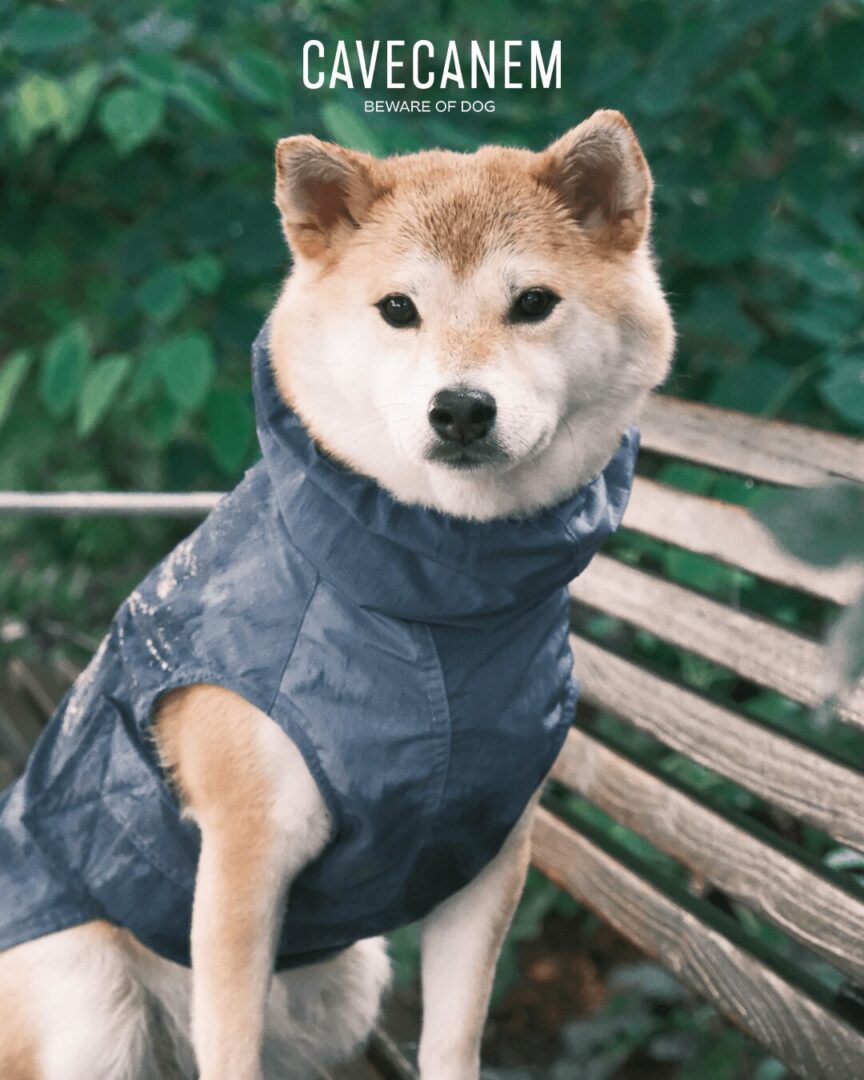
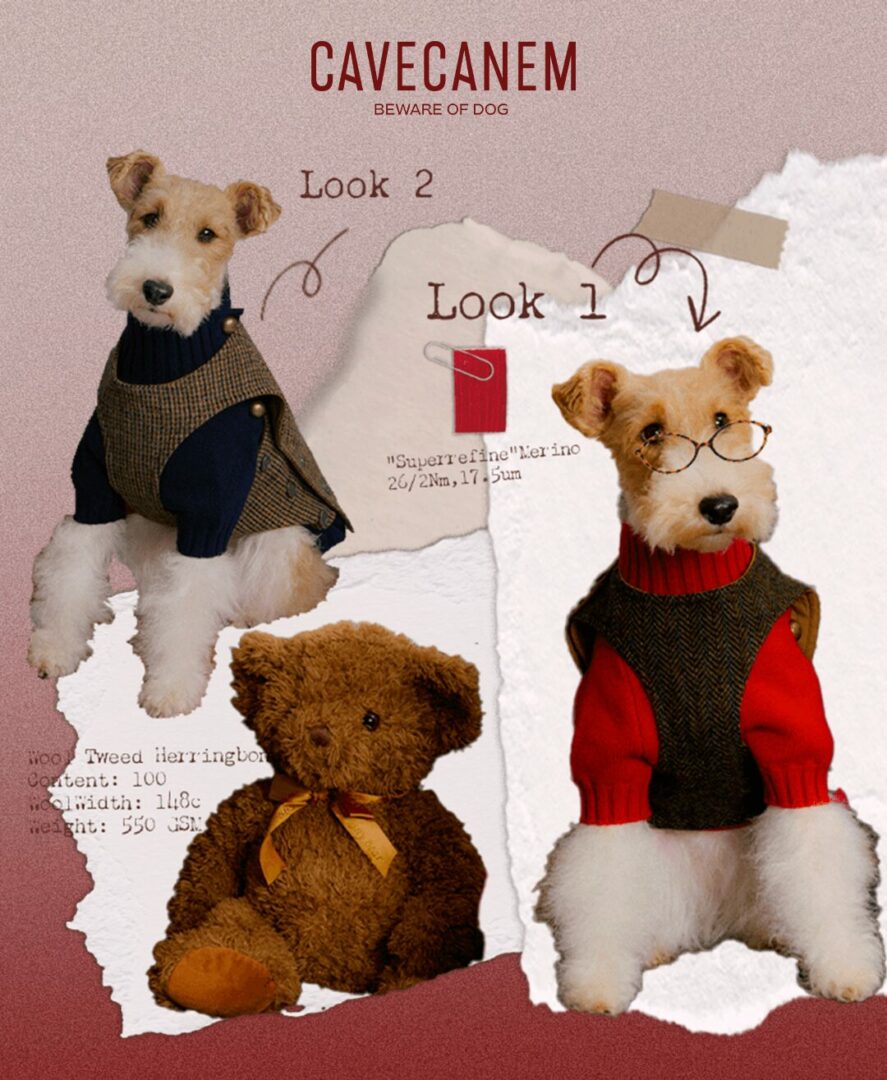
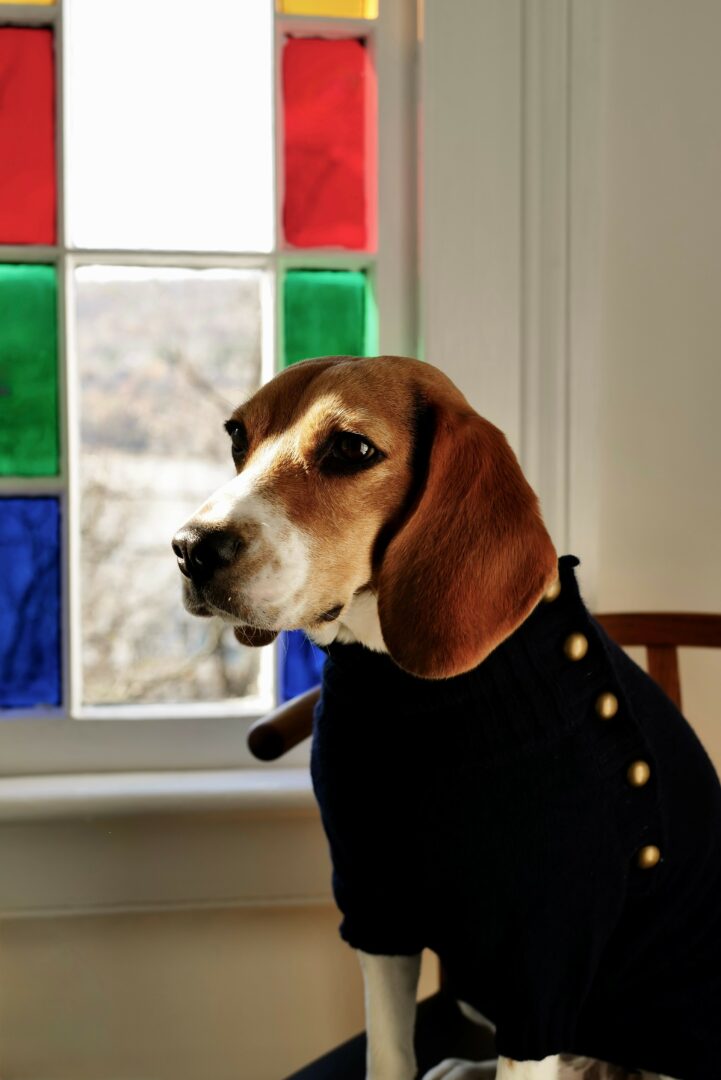
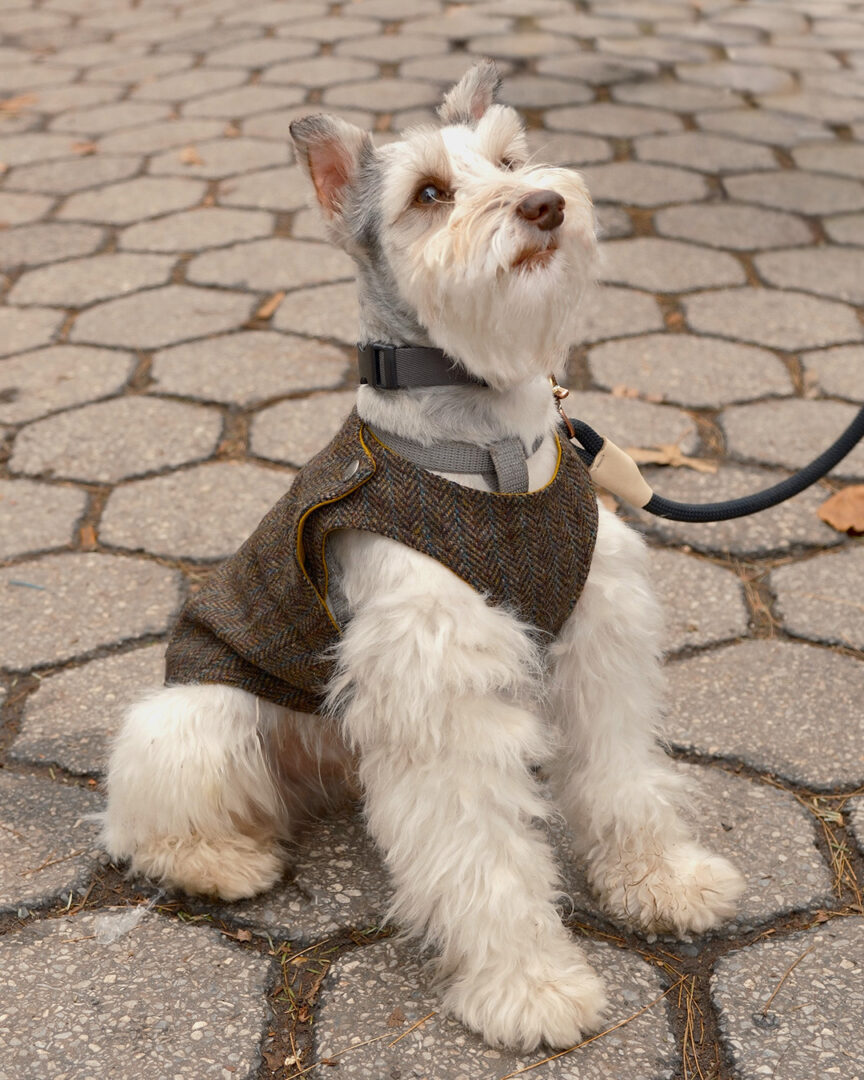
Cave Canem is premium but accessible. We use materials you’d find in high-end human fashion: high-content cotton, merino wool, top-grain calf leather. My design process starts with human fashion — I look at pieces I love and think carefully about how to translate them into dog wear, keeping the details that make them special. You will see a lot of details you’d normally only find in human fashion.
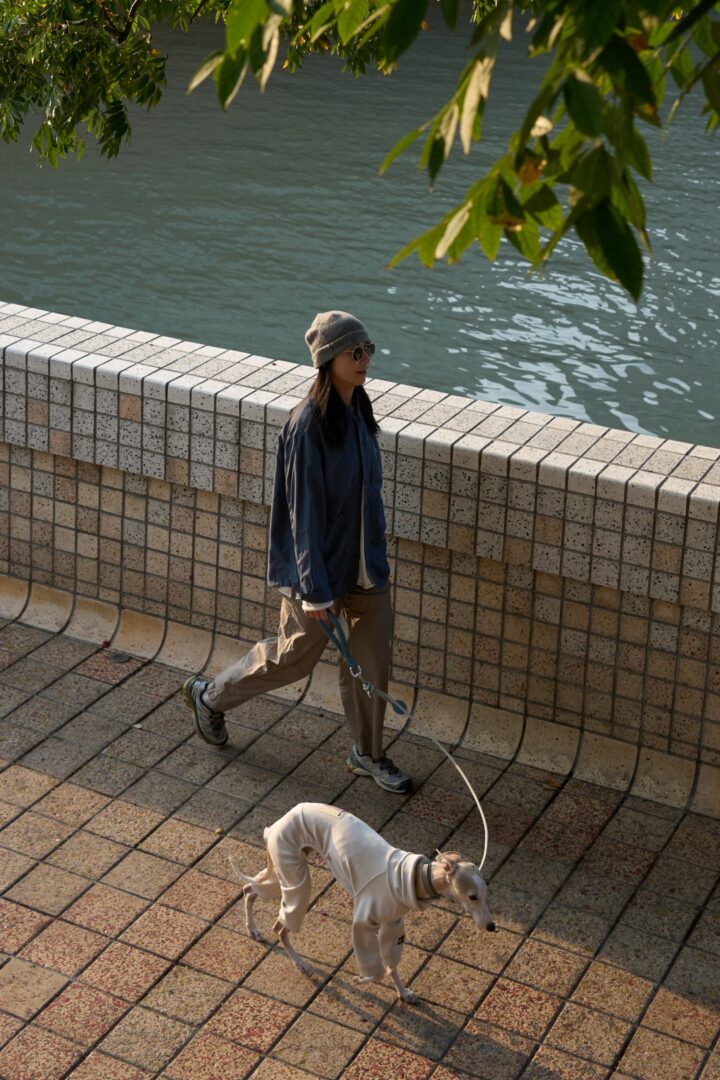
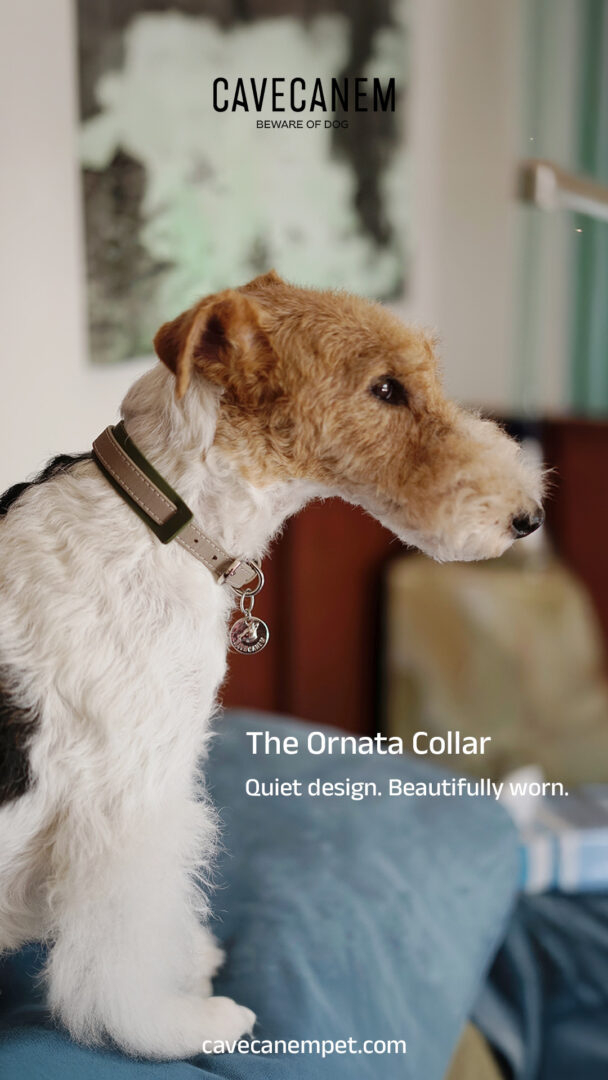
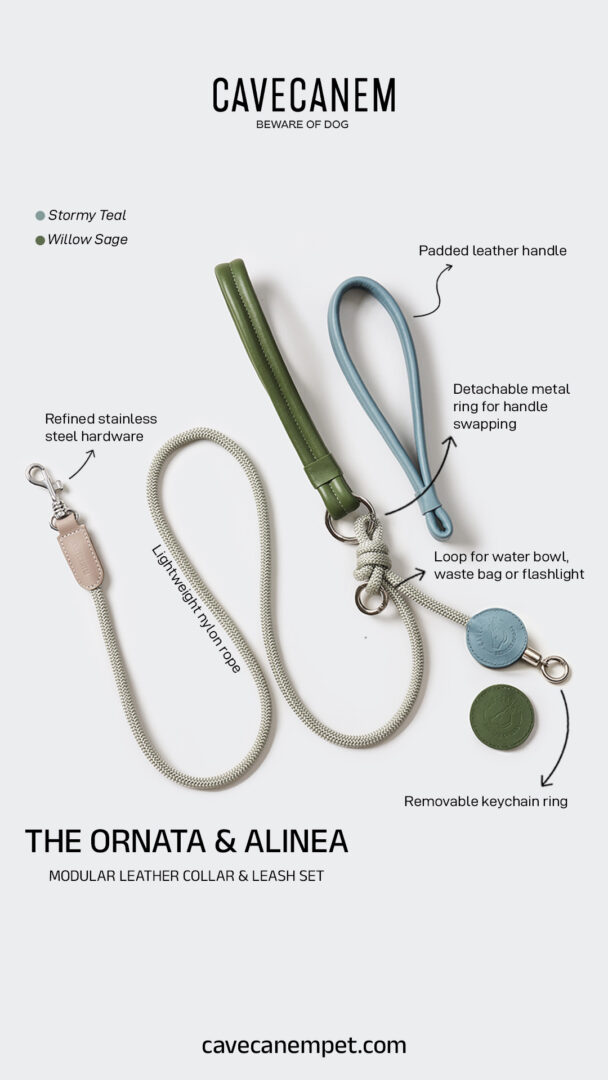
We focus on small to medium dogs, where fit and tailoring genuinely matter. And we’re not just making one-off products. We’re building a wardrobe: rain jackets for wet days, merino sweaters for cold days, a modular collar and leash system where owners can mix and match colors and materials the way they would their own accessories.
What sets us apart is both the product and the philosophy behind it. We focus on the dog’s personality and the bond between dog and owner — that shows up in everything from how we design to how we market. We feature rescue dogs, share behind-the-scenes brand building, and tell real stories about real dogs. It’s about building a community, not just driving sales.
What I’m most proud of is building something real from nothing, with zero manufacturing background, no fashion industry connections, and no playbook to follow. I traveled to China for three months to source materials and find the right factory partners by hand. I designed the apparel myself. I built the supply chain, the website, the brand, everything from scratch.
But the moments that mean the most are simpler than any of that. It’s when a customer sees the product in person for the first time and their face says everything. It’s when a dog owner tells me she’ll buy anything I make in the future. Those moments remind me why I started!
That’s what Cave Canem is. And we’re just getting started.
We’d love to hear a story of resilience from your journey.
There’s one moment from my China sourcing trip that I keep coming back to when I think about what resilience actually means.
I was in the middle of my first production run, three months into a trip that was supposed to be a few weeks. Everything had been harder than expected. I’d already navigated a pattern maker who abandoned the project mid-way, coordinated factories across multiple cities, and managed a supply chain with zero prior experience. But I’d gotten through it. Production was underway, samples were ready, and I had a photoshoot booked in Beijing with dog models. The dates were fixed, flight was booked and everything was locked.
Then my fabric supplier called.
One of my key fabrics required lamination. When I’d initially inquired months earlier, the minimum order was 60 meters, which was manageable for my volume. But now, right when I needed to place the actual order, they told me the minimum had jumped to 300 meters. Busy season, they said. And when I pushed back, they stopped answering my calls entirely.
I’d already made samples with that fabric. Switching meant finding a replacement, getting it laminated, remaking samples — at minimum one to two weeks of delay. But my photoshoot was in days. The factory couldn’t start mass production without materials. My return flight was scheduled. Everything was connected, and one supplier had just pulled the thread.
I didn’t let myself spiral. I went straight back to the fabric market the same day and started asking every vendor I could find whether they had anything comparable. Finally, I found one, and I begged the owner to rush the lamination.
Looking back, what that experience taught me wasn’t about planning better. I’d planned well. It was about the mindset shift that happens when you’re building something alone under pressure: you can’t expect things to go smoothly. The moment you accept that problems are the default — not the exception — you stop wasting energy on frustration and start putting it entirely toward solutions.
That shift, from ‘this shouldn’t be happening’ to ‘how do I solve this right now’. That’s the resilience I didn’t know I had until I had no other choice.
Where do you think you get most of your clients from?
Honestly, pop-up events have been my best source of new clients, and I didn’t fully expect that when I started.
There’s something that happens when someone picks up the product and feels it in person. They immediately get it. The quality, the materials and the details all lands instantly in a way that photos just can’t replicate. I’ve had people walk past the booth, do a double take, and come back because something caught their eye.
The conversion rate is much higher than any online channel. People come, they touch the product, they buy. But the real value isn’t even the sale — it’s what happens after. Customers who meet you face to face are so much more likely to share photos of their dogs wearing the products, tag you on Instagram, leave reviews, tell their friends. That word of mouth is something you can’t manufacture.
Pop-ups also taught me a lot about my customer. You get real reactions in real time – what draws people in, what questions they ask, what makes them hesitate. That feedback has been genuinely useful for how I think about the brand.
It’s not the most scalable channel, and it takes real effort to set up. But for a brand that’s built on quality and human connection, getting the product into people’s hands is still the most powerful thing I can do.
Contact Info:
- Website: https://cavecanempet.com/
- Instagram: cavecanem.nyc
- Linkedin: Cave Canem