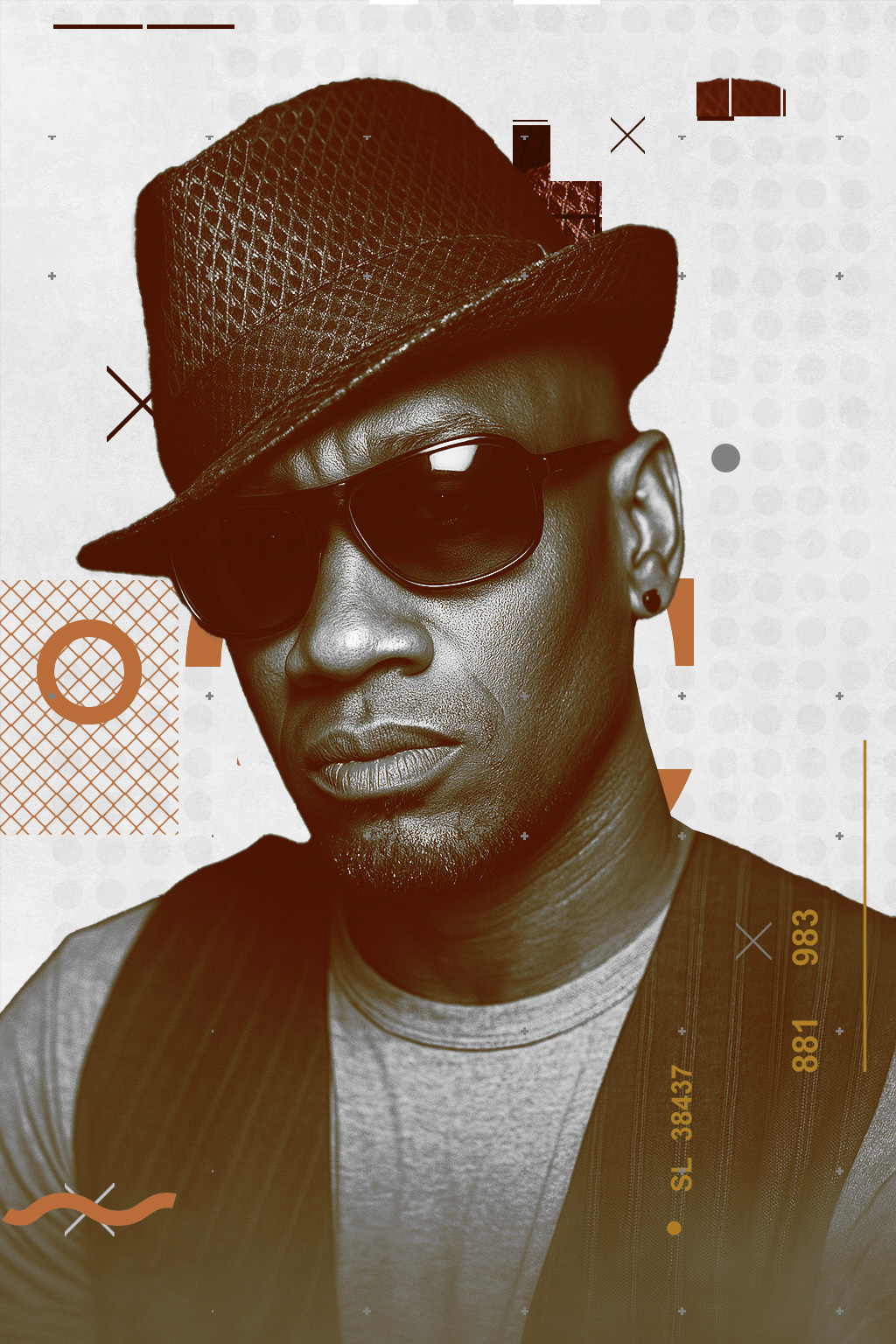

We caught up with the brilliant and insightful Marlon McKenney a few weeks ago and have shared our conversation below.
Marlon, appreciate you joining us today. Can you talk to us about a project that’s meant a lot to you?
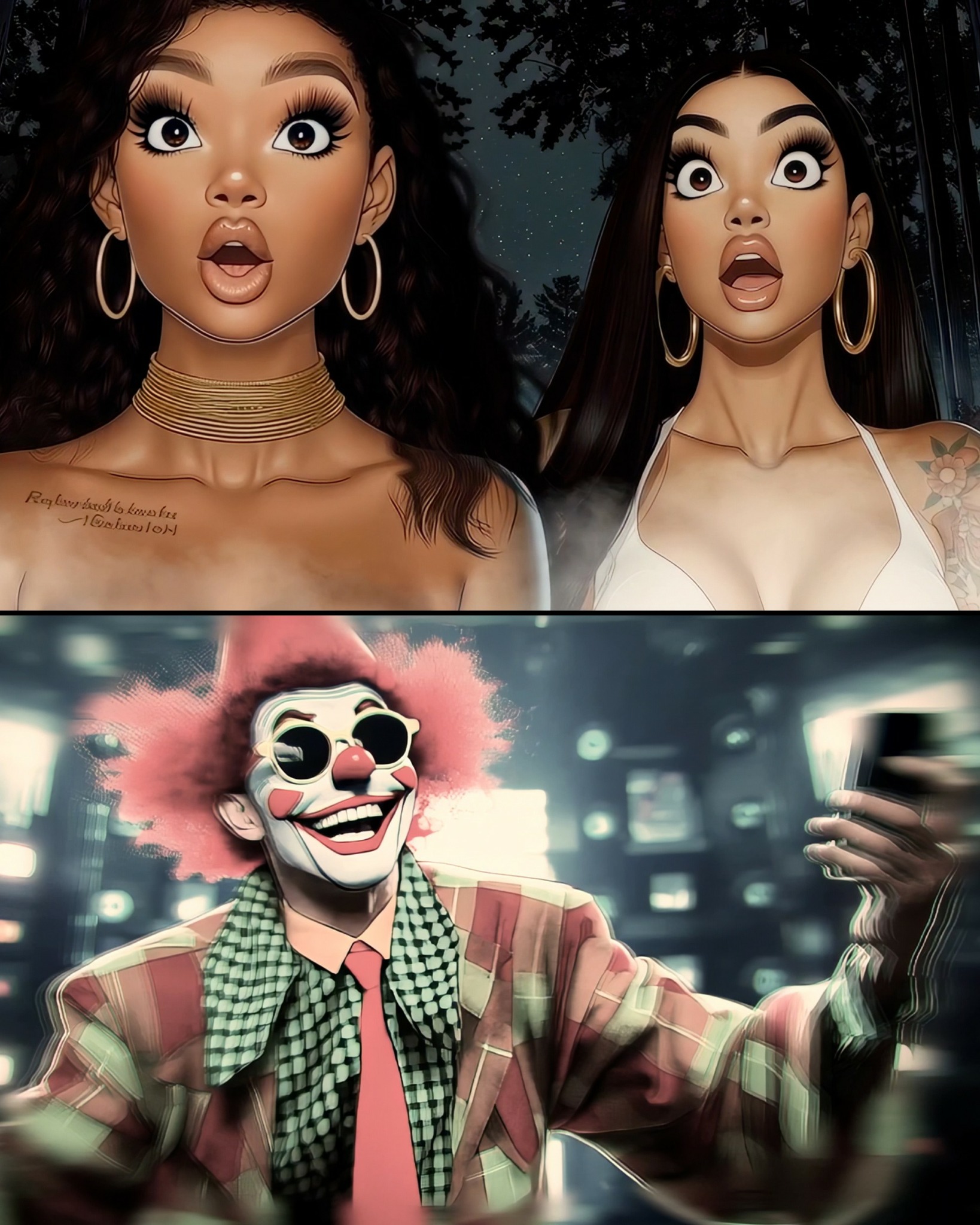
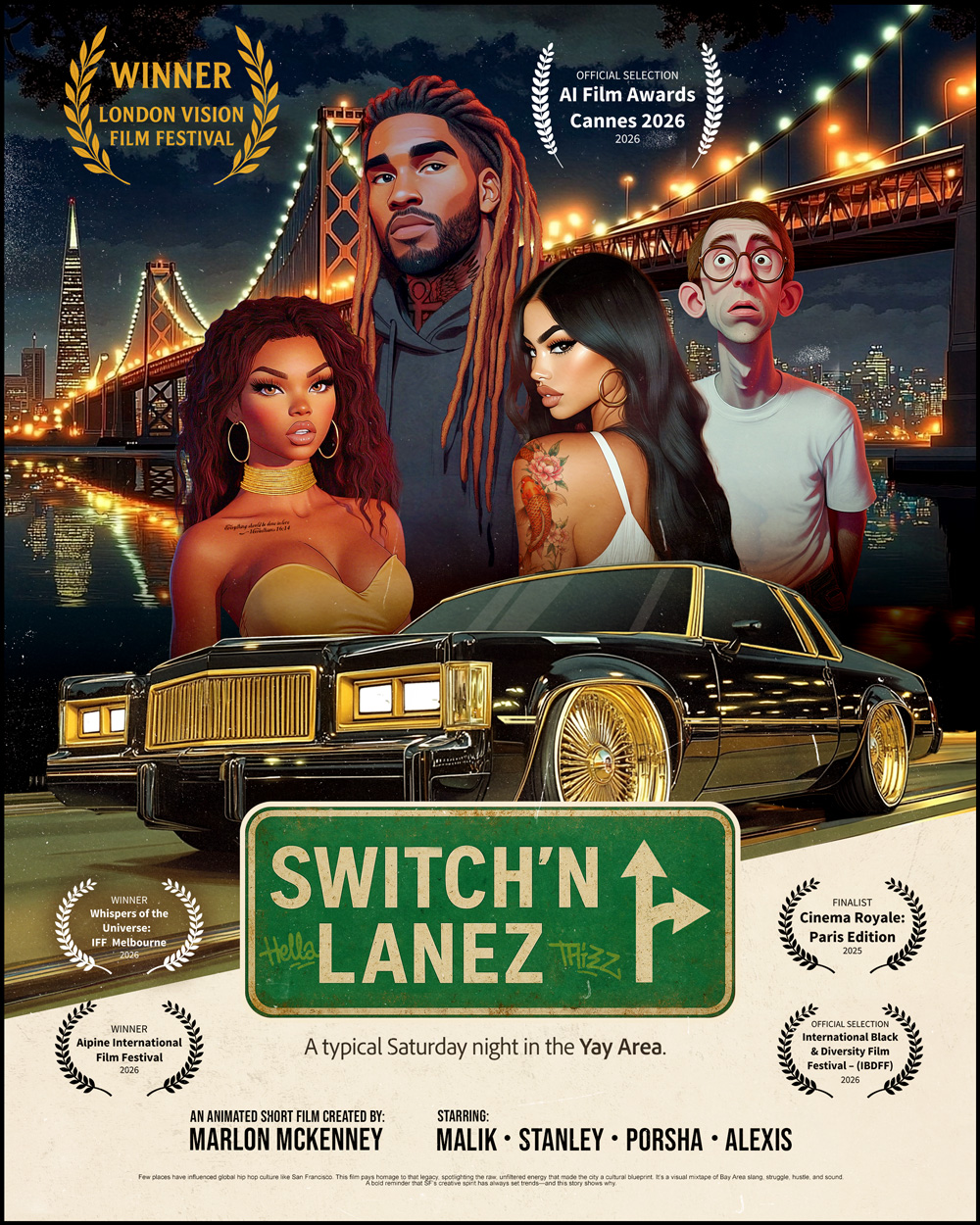
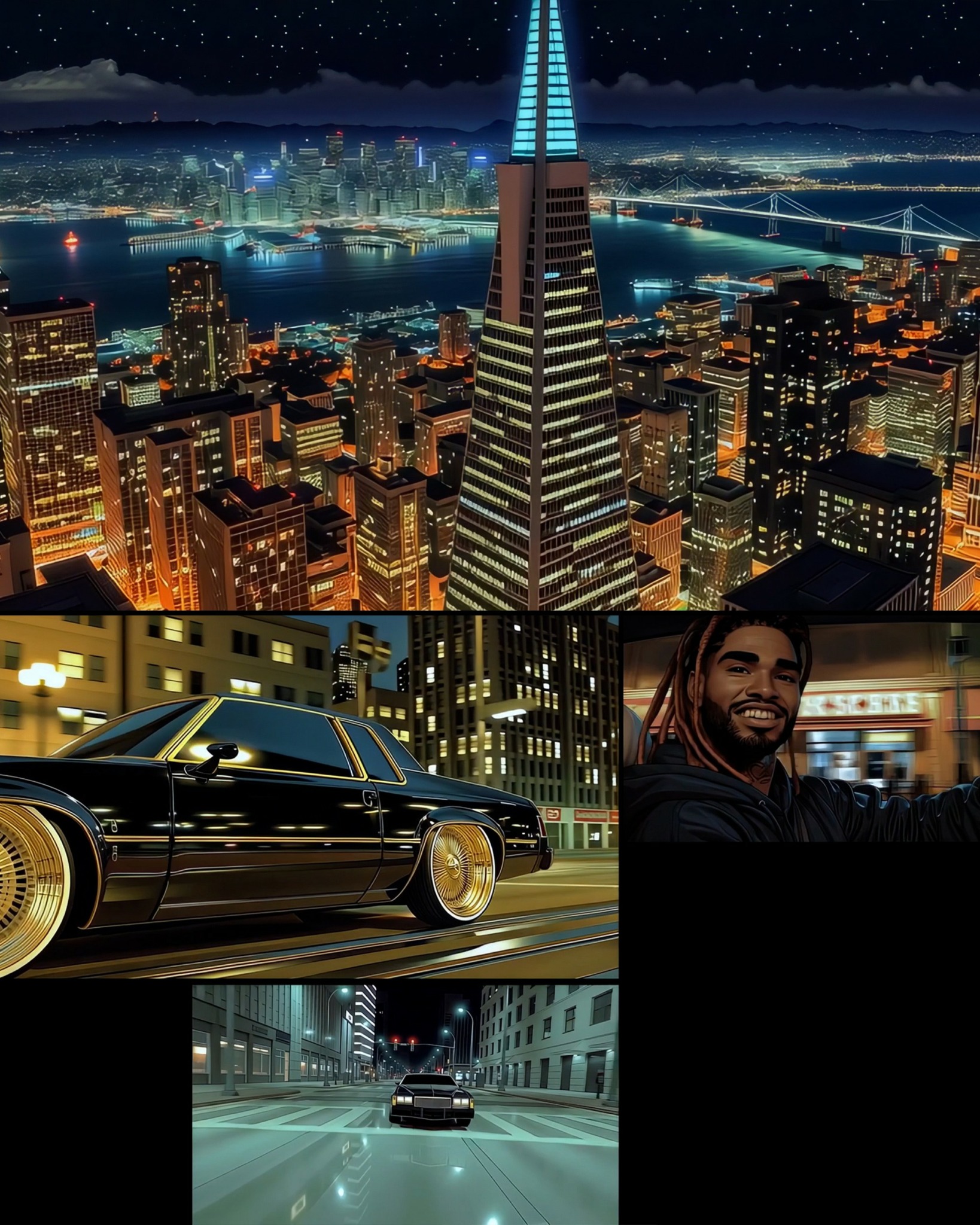
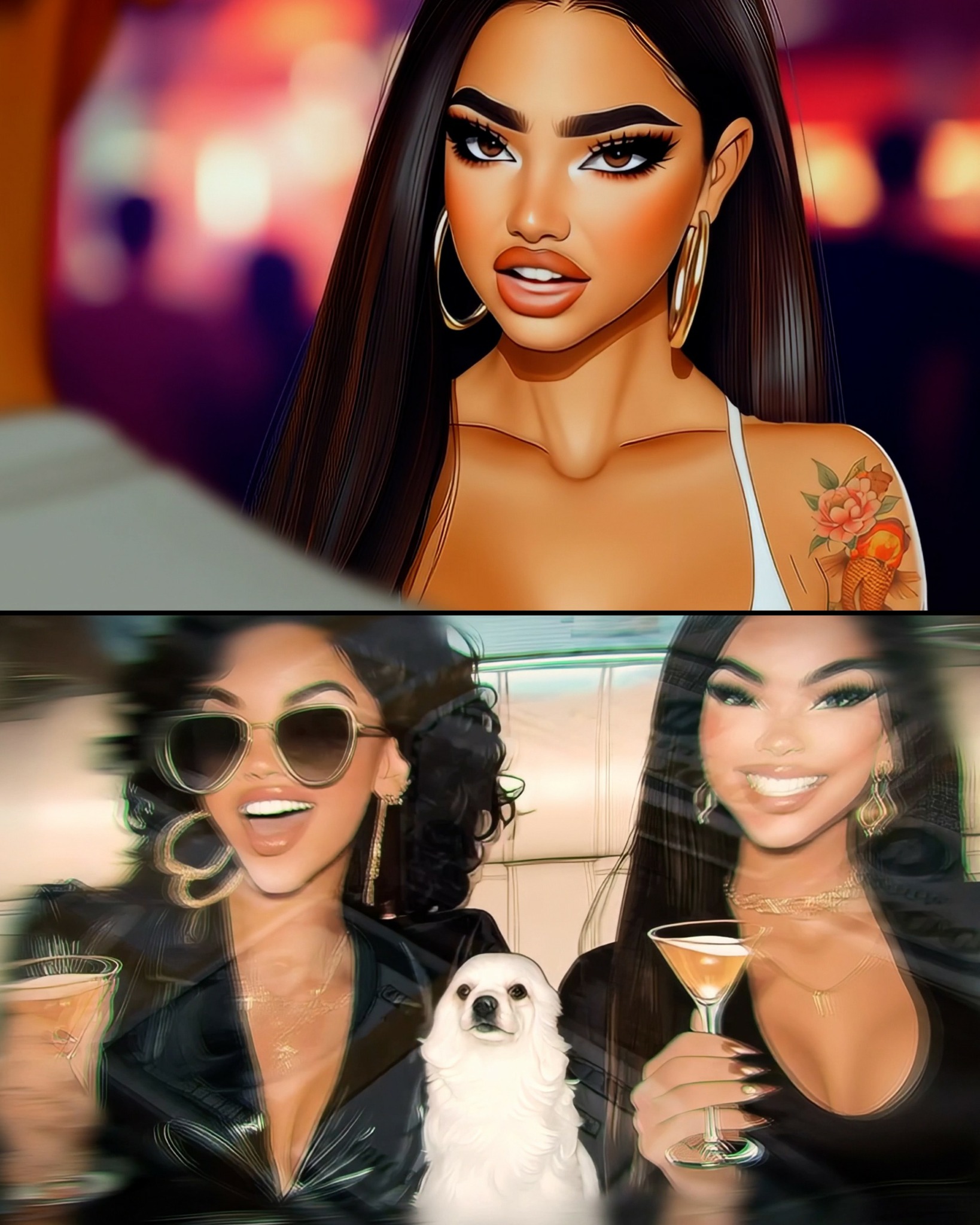
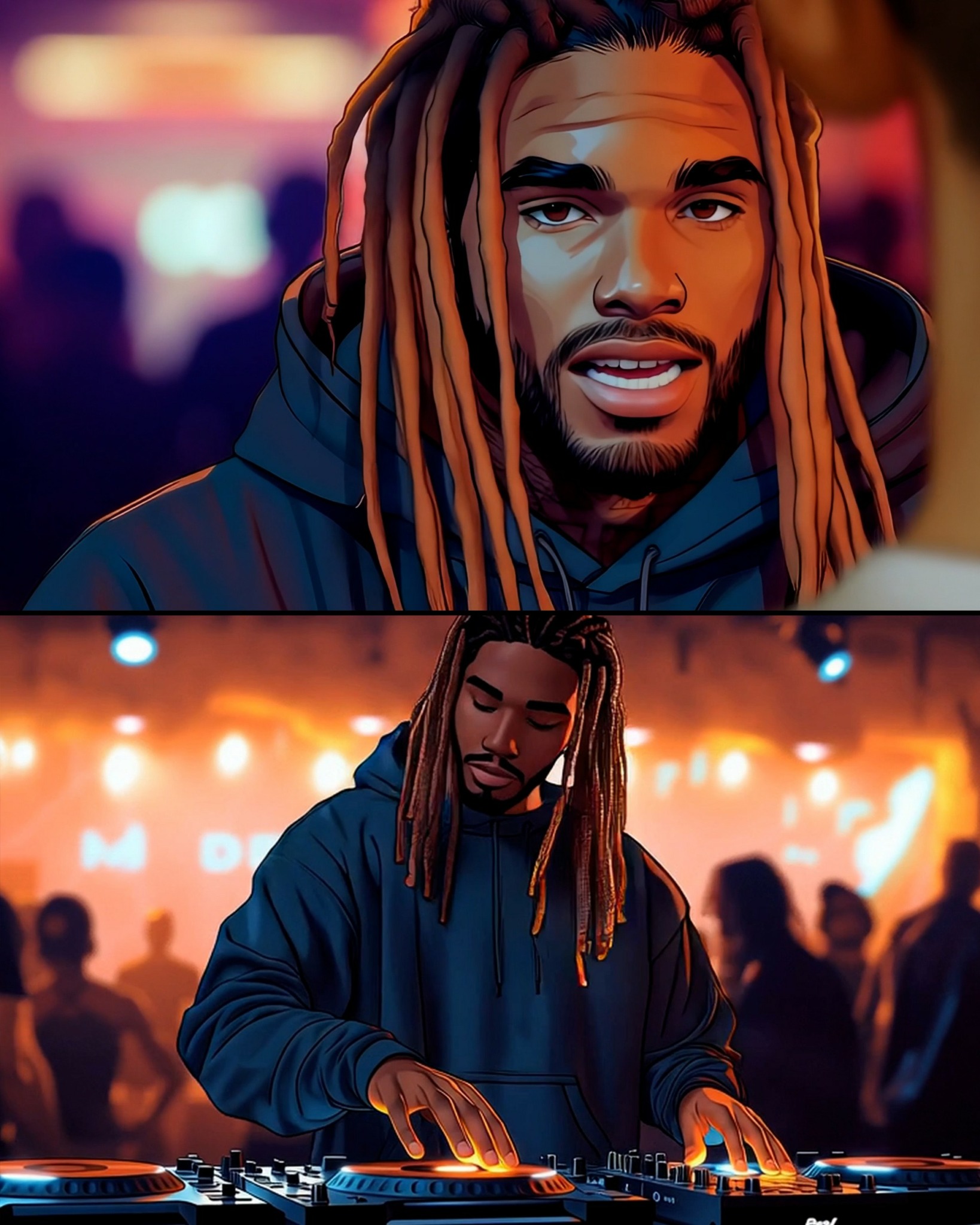
One of the most meaningful projects I’ve worked on is my animated short film Switch’n Lanez.
Animation has always been a passion of mine, and I’ve always wanted to build toward a feature film or series that tells stories that don’t always get a voice. Stories rooted in real culture and lived experience. Switch’n Lanez became that first step.
The story itself actually goes back much further. I originally wrote the script in a screenwriting class about 20 years ago, and it stayed with me over time. Revisiting it years later allowed me to bring it to life with a new perspective and the tools I have today.
I didn’t just direct it. I wrote the script, created the characters, did the voices, built the soundtrack, and handled the animation pipeline. AI was part of the process, but the goal was never to show off technology. It was about telling something real.
The film went on to win awards, including Best Director, Animation in London; Best Animation and Best Director in Melbourne; and Best Pilot Episode in Switzerland, along with multiple international selections at Cannes, Paris, and the Czech Republic.
But what made it meaningful wasn’t the accolades. It was seeing people from different parts of the world connect with a story that’s deeply rooted in authentic Bay Area hip-hop culture. That’s what confirmed for me that real stories travel, and that’s what continues to push me forward.
Marlon, before we move on to more of these sorts of questions, can you take some time to bring our readers up to speed on you and what you do?
I’m a creative director, storyteller, and multidisciplinary artist based in San Francisco, with over 20+ years of experience across advertising, animation, VFX, illustration, and emerging tech. No matter the medium, my focus has always been the same. Story comes first.
I started in interactive, building websites, then moved into motion design with After Effects, VFX, and compositing, and later into 3D with Cinema 4D. I’ve worked across industries, including music, video games, pharmaceuticals, retail, and energy, creating everything from digital and print to billboards, radio, and CTV. That range taught me how to adapt, but more importantly, how to keep a brand and story consistent across multiple formats.
Alongside my client work, I built Conscious Culture Publishing, where I create picture books and original content centered on African history, culture, and perspectives that don’t always get the spotlight. A big part of that mission is helping empower young minds with a stronger understanding of their culture and identity. It’s about giving the next generation stories that educate, inspire, and build confidence in who they are.
What sets me apart is that I bridge concept and execution. I can take an idea from script to final, handling writing, storyboarding, design, and production while keeping the original vision intact.
What I’m most proud of is staying grounded in authenticity while evolving with new tools. The main thing I want people to know is simple. I’m here to tell real stories, stories that connect, represent, and empower diverse communities, especially the next generation.
How do you keep your team’s morale high?
Managing creatives requires a different mindset than managing non-creatives. You’re working with people who can be emotionally invested in their work, so there’s a level of sensitivity, but at the same time, they still need structure, accountability, and clarity.
My approach is simple. I try to make people feel good while still being direct. It’s not just about what you say, it’s how you say it. I also try to lead with a positive attitude and energy that people can feel. If people know you genuinely want them to win, they’re much more open to feedback, even when it’s uncomfortable.
I don’t avoid those tough conversations. If someone is missing deadlines, I don’t attack the person, I focus on the problem. I explain the ripple effect, how it impacts the team, the project, and their own reputation. Then I make it clear what’s required to succeed. Dependability is non-negotiable.
I also believe in setting the tone through action. I try to outwork everyone, not for ego, but to raise the level of expectations across the team. When people see that standard, it naturally pushes everyone to level up.
At the end of the day, I put the responsibility on the individual. I’m here to support and elevate the team, but everyone has to meet that standard. When people understand that you’re rooting for them, not against them, morale stays strong even when expectations are high.
What do you find most rewarding about being a creative?
The most rewarding part of being a creative is that I get to make a living expressing myself. At the core, I just love creating.
When I was in high school, I wasn’t the best at memorizing or repeating information that didn’t feel connected to my life. But when it came to building something from scratch, projects, ideas, visuals, stories, that’s where I really thrived. That hasn’t changed.
Now I get to do that every day, but at a high level, and actually get paid well for it. That’s a blessing.
Another part I value is the freedom. I can work from anywhere, which gives me the flexibility to live life on my own terms. And it’s one of the few careers where you can keep evolving and creating well into your later years, as long as you stay curious and keep growing.
To me, that combination of expression, freedom, and longevity is what makes it so rewarding.
Contact Info:
- Website: https://www.marlon.work/switchnlanez
- Instagram: https://www.instagram.com/marlonmckenney/
- Linkedin: https://www.linkedin.com/in/artnomad/