

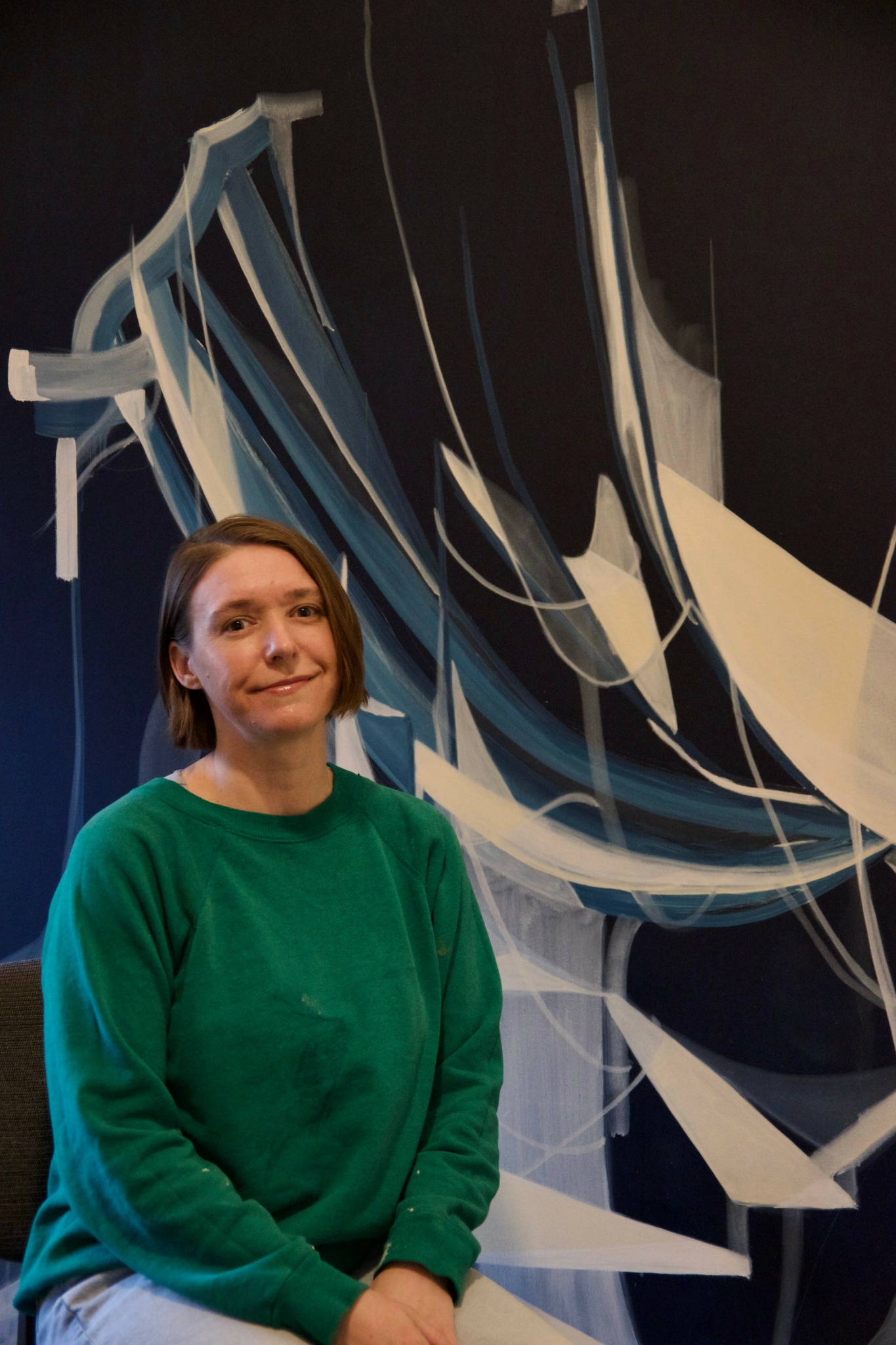

We were lucky to catch up with Talia Dudley recently and have shared our conversation below.
Alright, Talia thanks for taking the time to share your stories and insights with us today. Do you feel you or your work has ever been misunderstood or mischaracterized? If so, tell us the story and how/why it happened and if there are any interesting learnings or insights you took from the experience?
Yes, all the time. It’s great, I love it. I want people to interpret my art however they want. I created the piece; it’s no longer my song to sing. They can sing it however they want, in any key. I remember listening to music growing up, especially back in the early 90s, when you didn’t have the internet to look up lyrics. Sometimes you misunderstand a lyric and sing the wrong lines, but that feeling is still really important to the person. When I got older and learned the correct lyrics, it opened up a whole new layer to the song. It was evolving. I like that—art should develop and evolve for people, art’s a mystery, let it be discovered. It’s interesting when people look at my art and point out something new I’ve never noticed. I get to learn a lot about that person and more about myself. And sometimes it reveals a part of me that I’ve been hiding from myself.
Talia, love having you share your insights with us. Before we ask you more questions, maybe you can take a moment to introduce yourself to our readers who might have missed our earlier conversations?
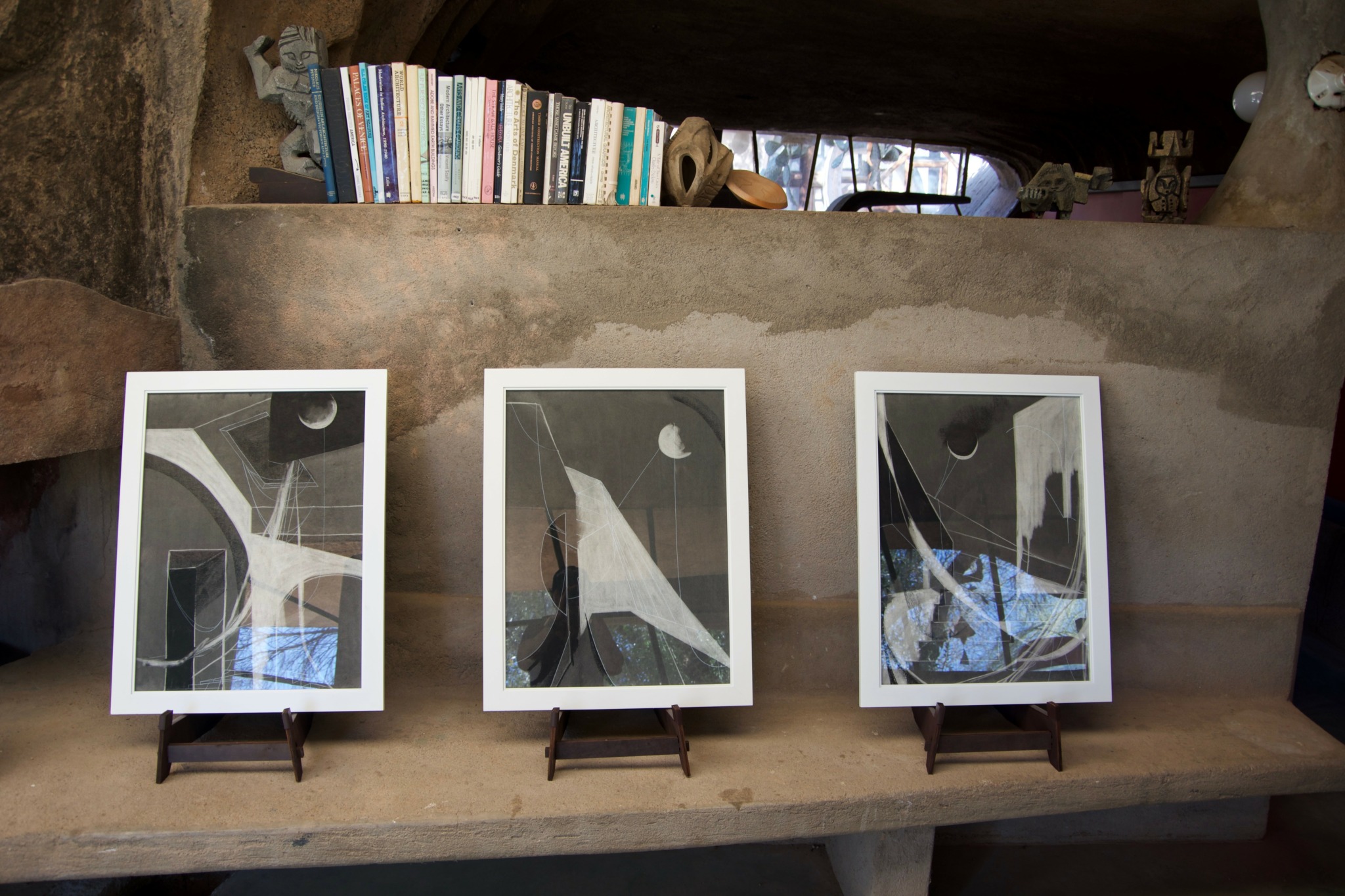
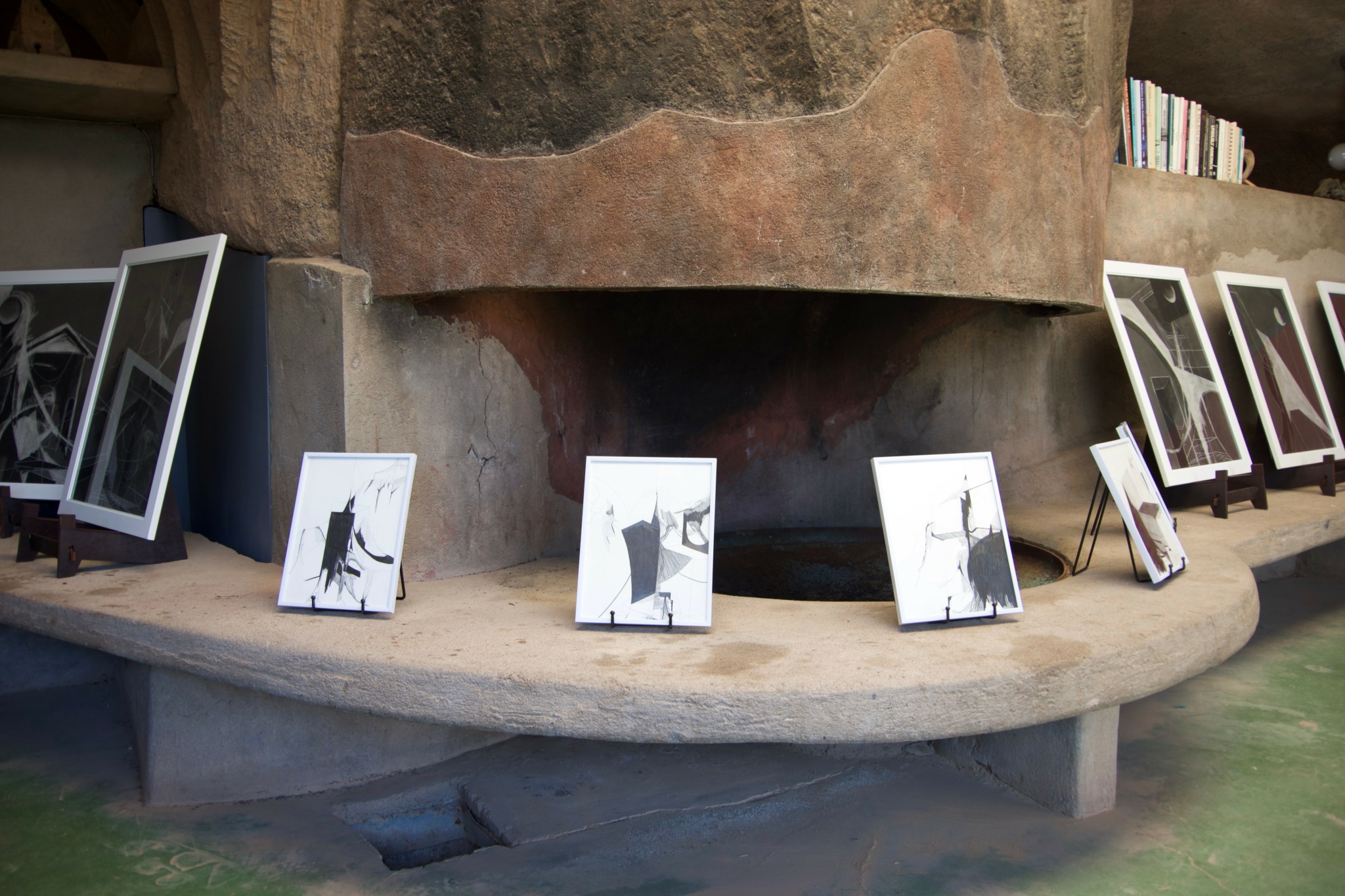
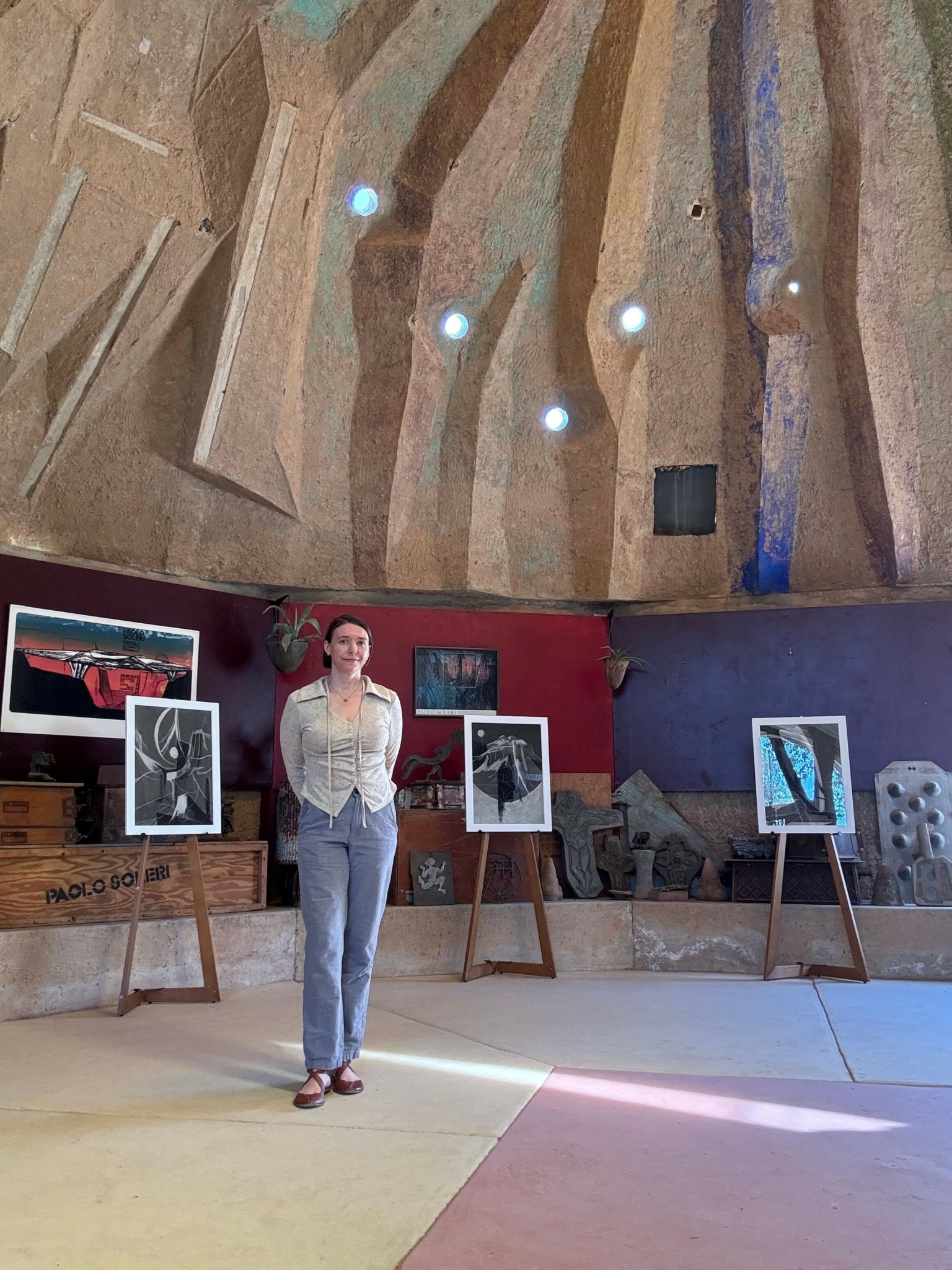
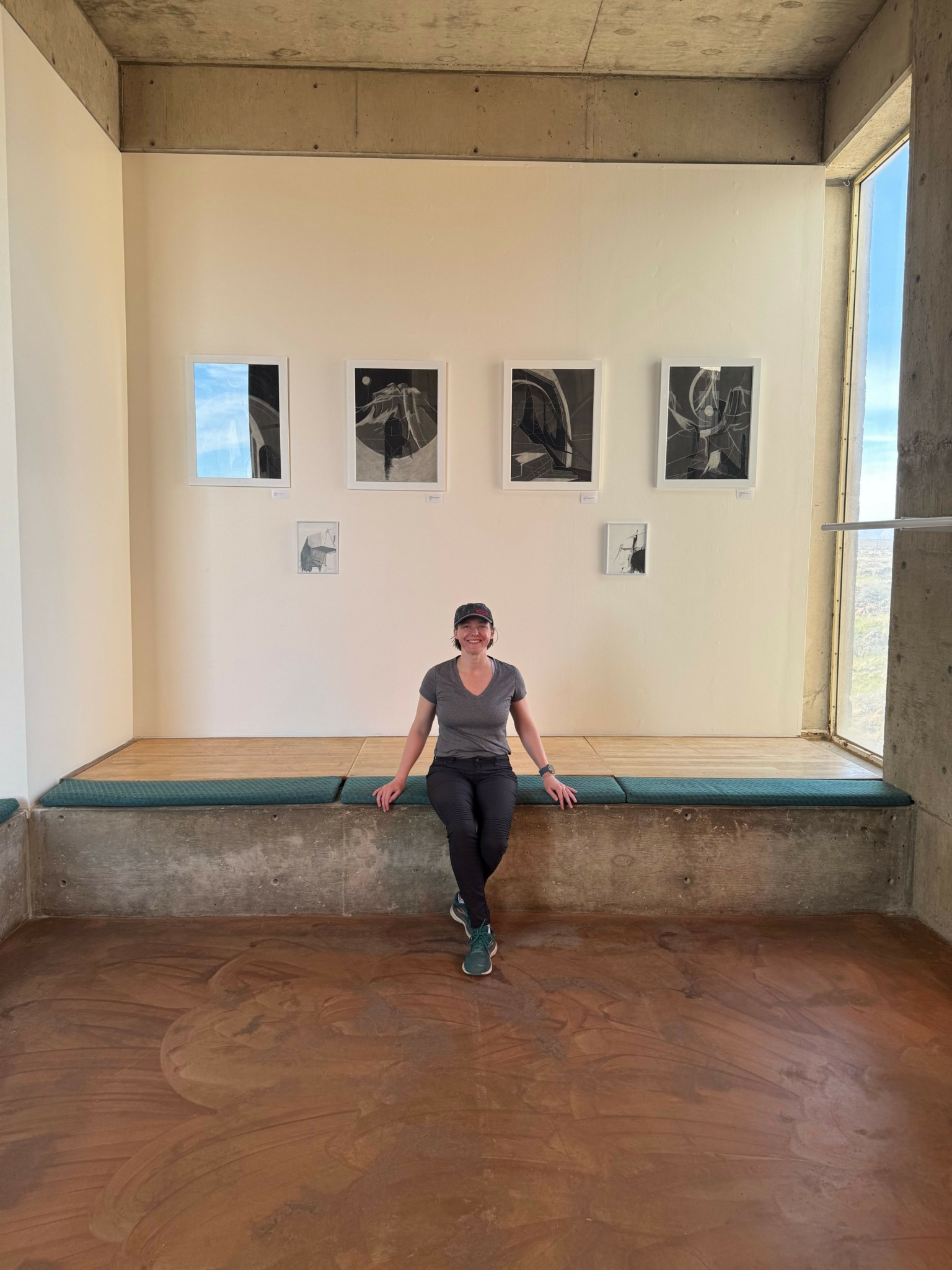
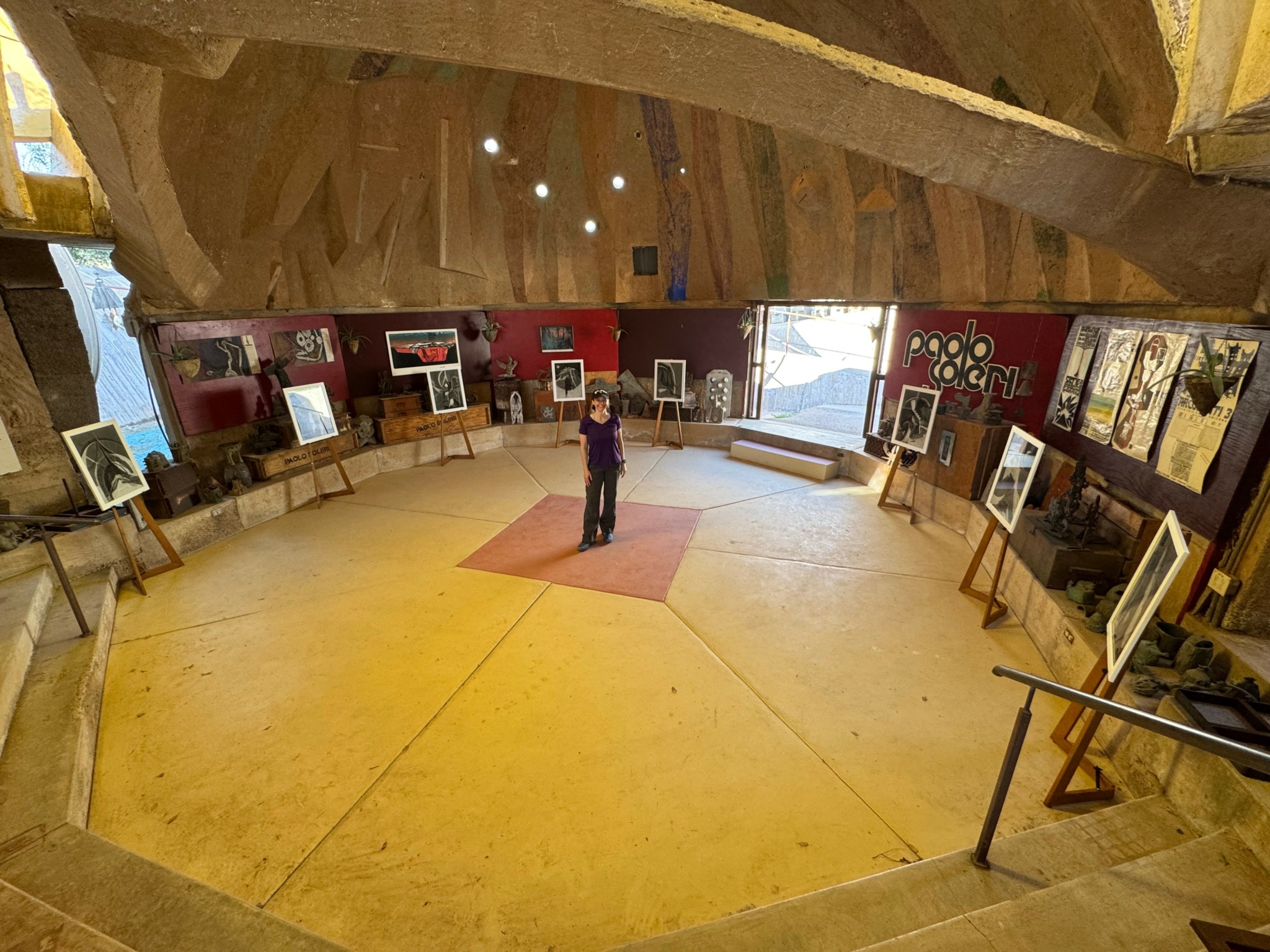
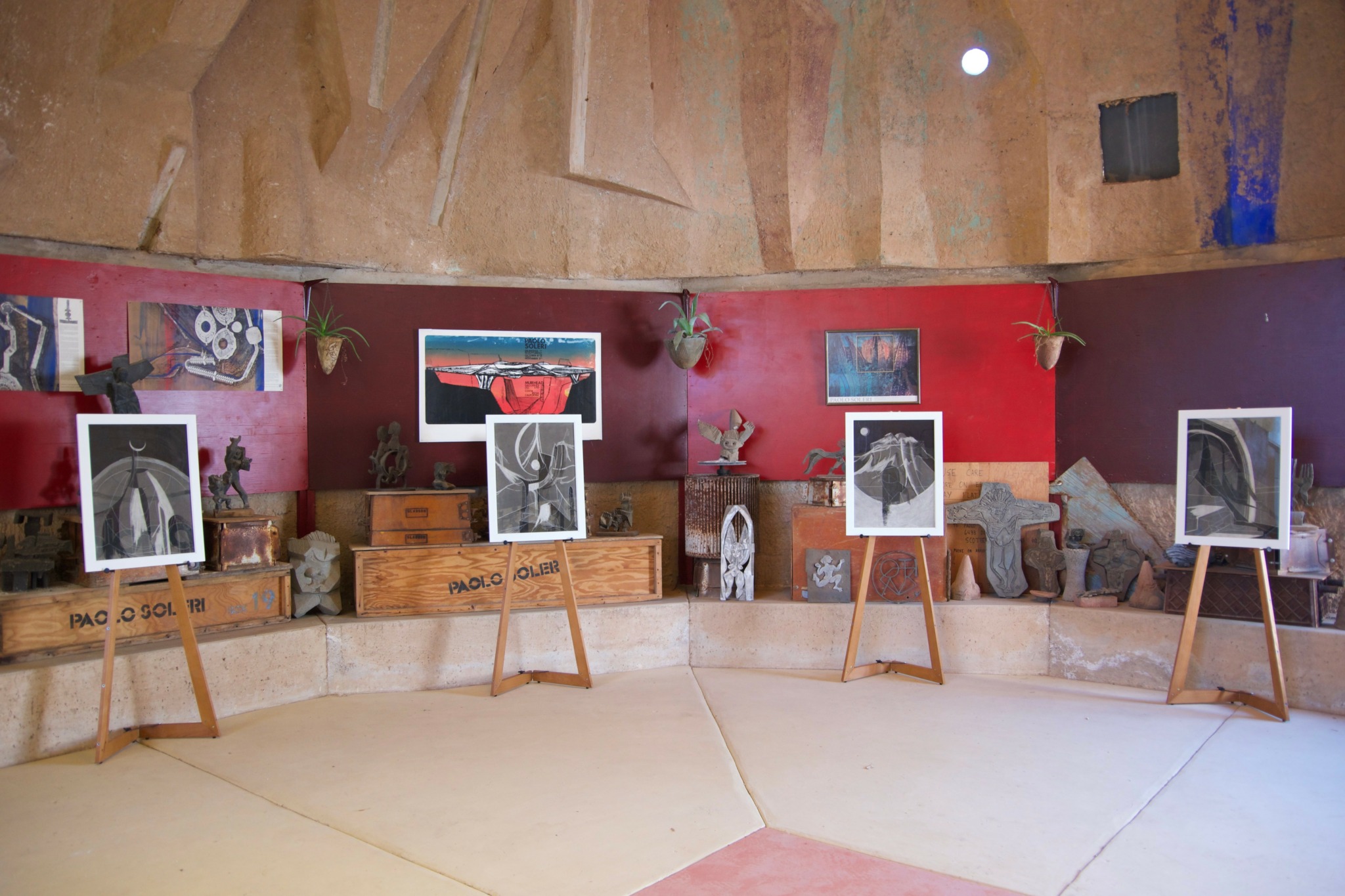
I spent the beginning of fall last year at Arcosanti as an Artist-in-Residence. I want to share my statement from my concluding solo exhibition.
I like to think of the subconscious as a place—a door, a room, a city, a labyrinth. When I look inward and explore these places, I feel like I’ve also pulled a thread through. Sometimes, the thread reminds me I’ve been there before; more often, it reassures me that I can find my way back.
As I started to weave my thread in this new space, I realized I was releasing more thread than I had expected. Instead of just one, hundreds of threads spooled out from my chest. As I watched, they began to weave themselves into shrouds, softly laying over the site and enveloping it.
A feeling of concealment washed over me — as if I were wrapping the bones of this place in my threads, weaving shrouds to cradle its relics and hide them away in unseen rooms. This act of covering and revealing has left me thinking about the strangeness of Arcosanti — how people are also houses and places — and what else Arcosanti keeps tucked away in its heart’s jewelry box.
For you, what’s the most rewarding aspect of being a creative?
There’s this song I like; the lyrics go, “Its my own design, its my own remorse.” So, it’s the freedom I presume. Freedom to wildly pursue my own dreams and watch them crumble to pieces if they must. It’s a huge risk that’s equal parts terrifying and rewarding.
In your view, what can society to do to best support artists, creatives and a thriving creative ecosystem?
I think what I’ve noticed most about people looking at art is that they are very attracted to bright, colorful, happy, sexy, beautiful things, and current events. Of course, we are humans! I believe society could open up a little. Seek out things that are unrelatable. Be willing to feel uncomfortable and to hurt. Be open to seeing the darkness and depth in fine art, alongside the sunshine of commercial art. Conceptual art is complex; it requires deep thinking and, most importantly, deep feeling. From what I’ve seen, most of us aren’t willing to go there. We don’t want to swim around in someone else’s mud, let alone our own. We don’t want to face the messiness or depth of the mind. I think most people run away from it because it starts to reveal the depth of their own feelings. As I mentioned before, we’re just not willing to sit with those parts of ourselves. There’s a lot of hiding going on, and I hope more people are willing to risk everything and come out to play. Art is messy, just like humans.
Contact Info:
- Website: https://taliajdudley.com
- Instagram: @taliajdudleyart
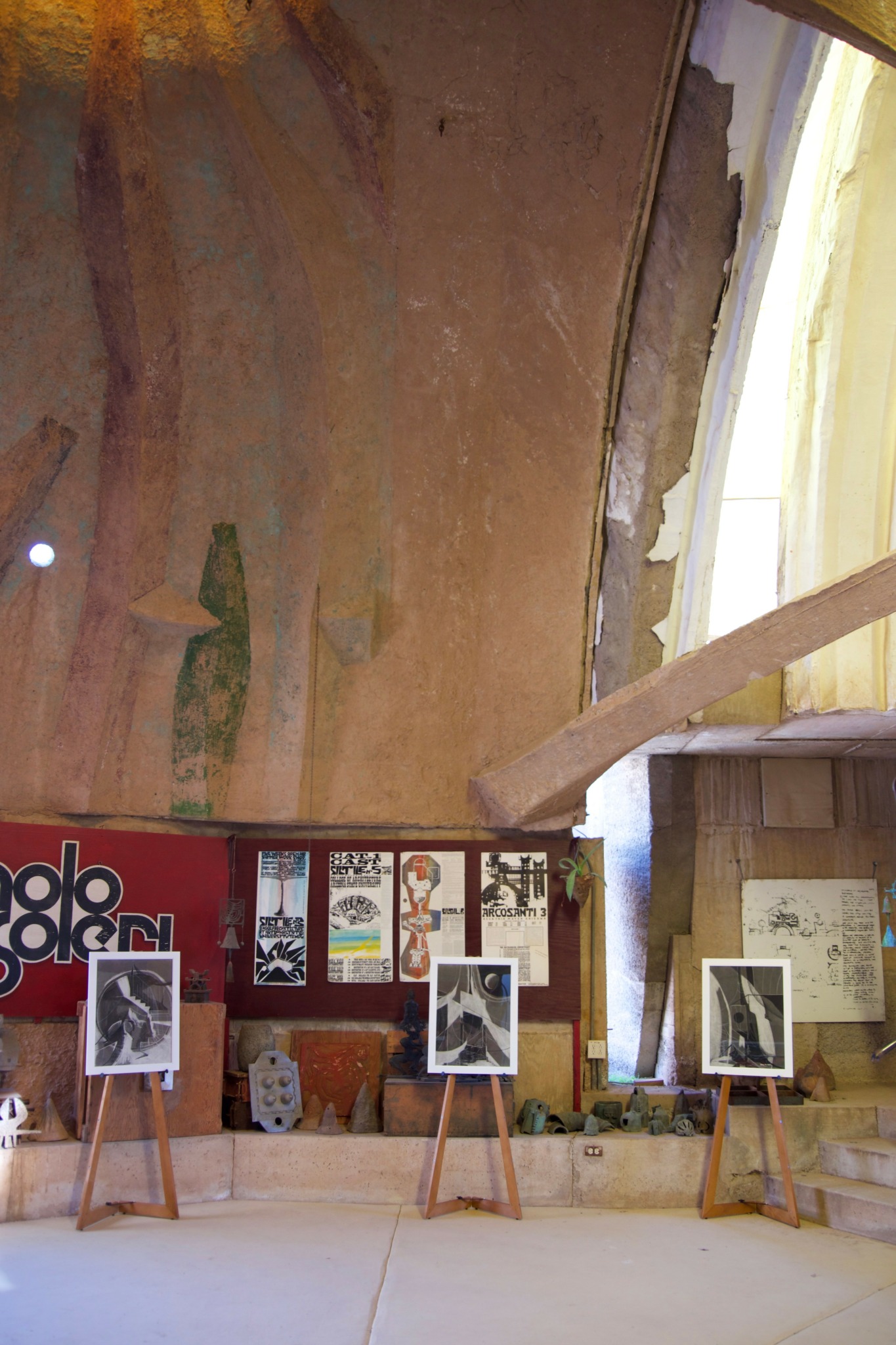
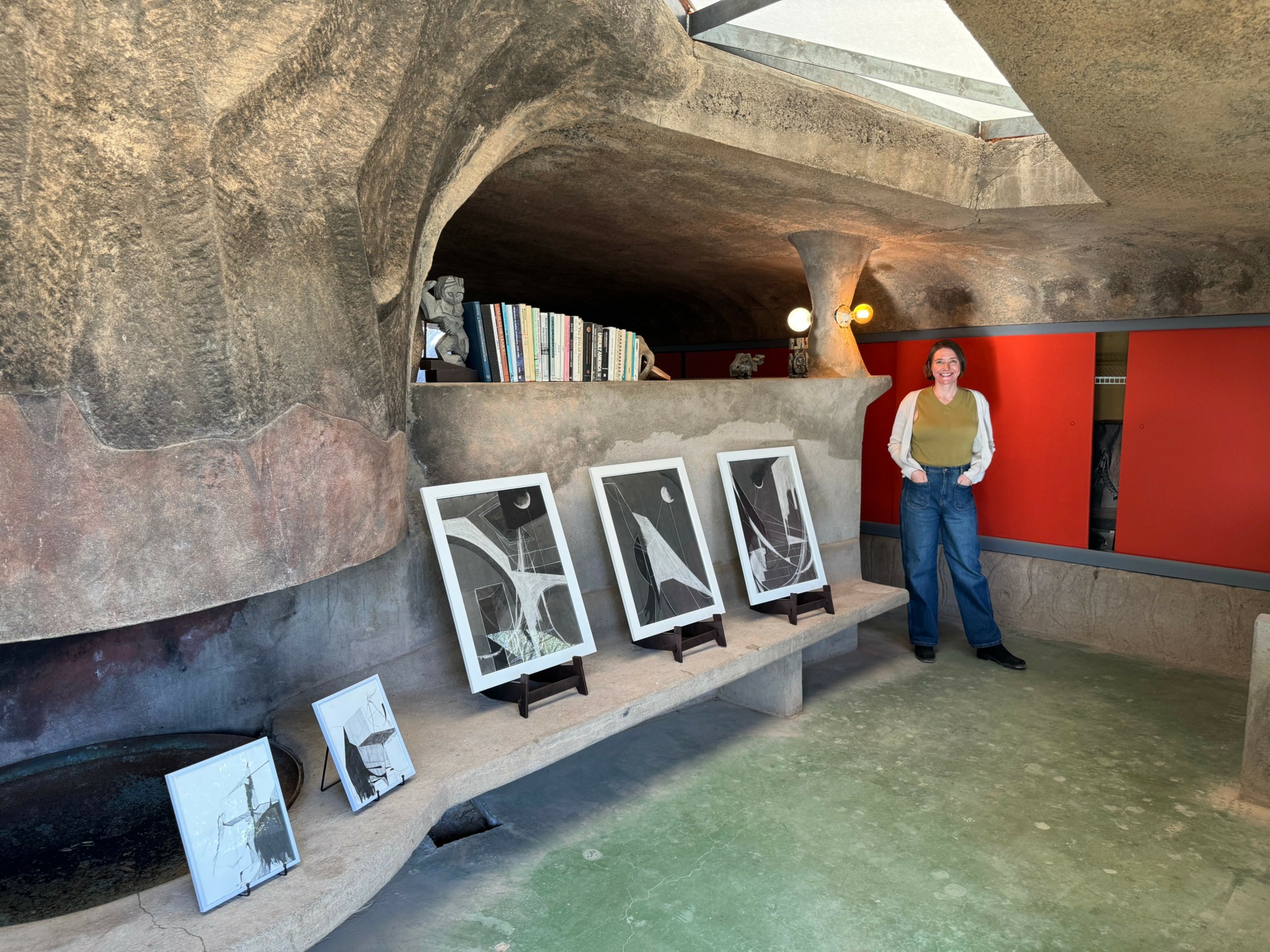
Image Credits
Mike Dudley