
We recently connected with Kyung Kim and have shared our conversation below.
Kyung, thanks for taking the time to share your stories with us today Did you always know you wanted to pursue a creative or artistic career? When did you first know?
I’ve loved art for as long as I can remember, but I didn’t seriously consider pursuing it as a career until high school. When I was in elementary school, I loved drawing so much that I enrolled in an art academy. But the classes were very strict—we spent most of the time just practicing drawing straight lines on blank sheets of paper. The art that had felt so joyful and natural when I was drawing on my own suddenly felt rigid and frustrating when I tried to learn it formally. At the time, I thought maybe I just didn’t have the patience or dedication to take art seriously.
So I kept it as a hobby. Later, when I came to the U.S. for high school, I encountered a much freer way of approaching art. That experience completely changed my perspective. For the first time, I found myself fully absorbed in the process of making something—I would lose track of time while working. That feeling was new to me, and it made me realize that this was the path I truly wanted to pursue. From that point on, I began studying art more seriously.
As always, we appreciate you sharing your insights and we’ve got a few more questions for you, but before we get to all of that can you take a minute to introduce yourself and give our readers some of your back background and context?
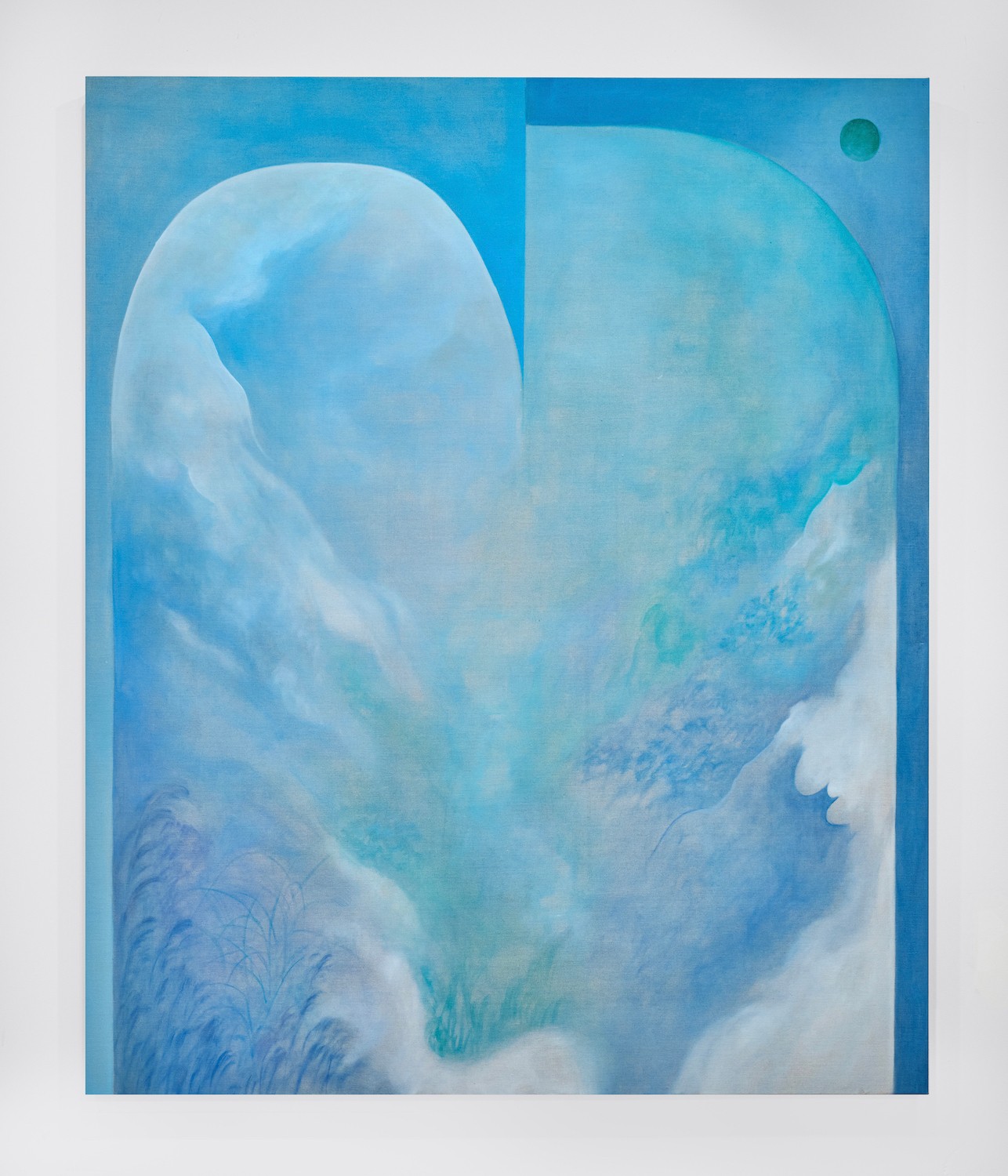
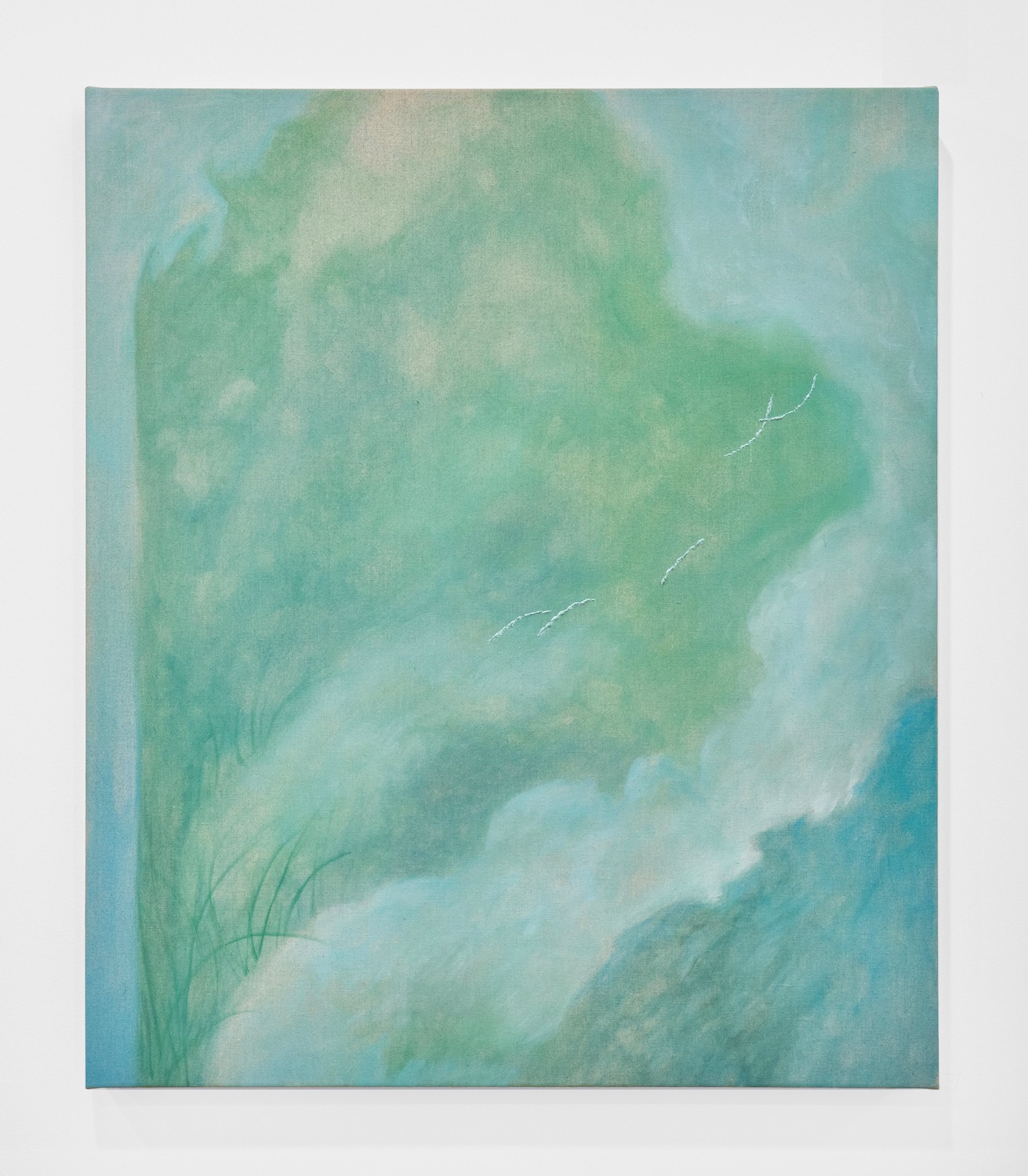
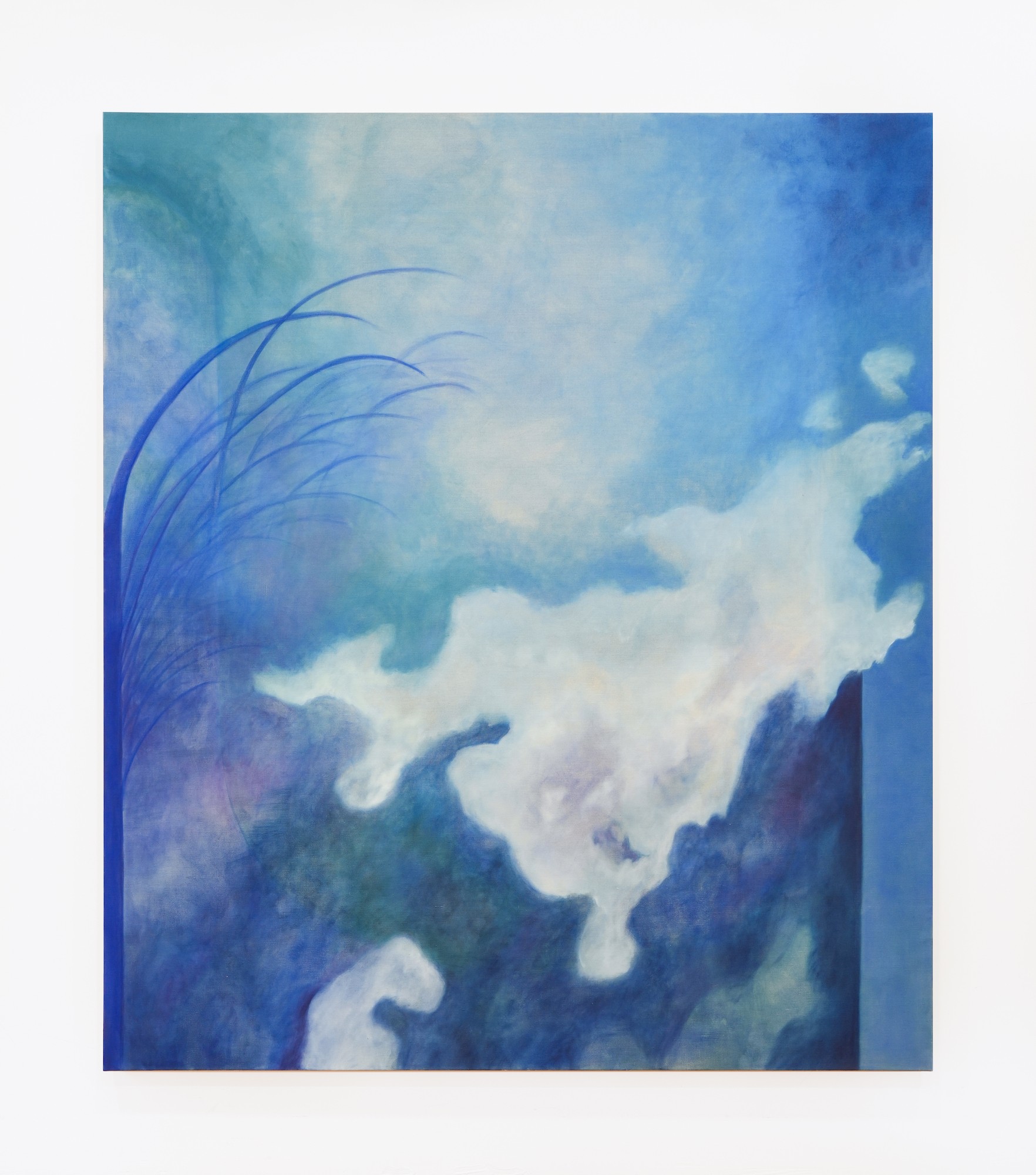
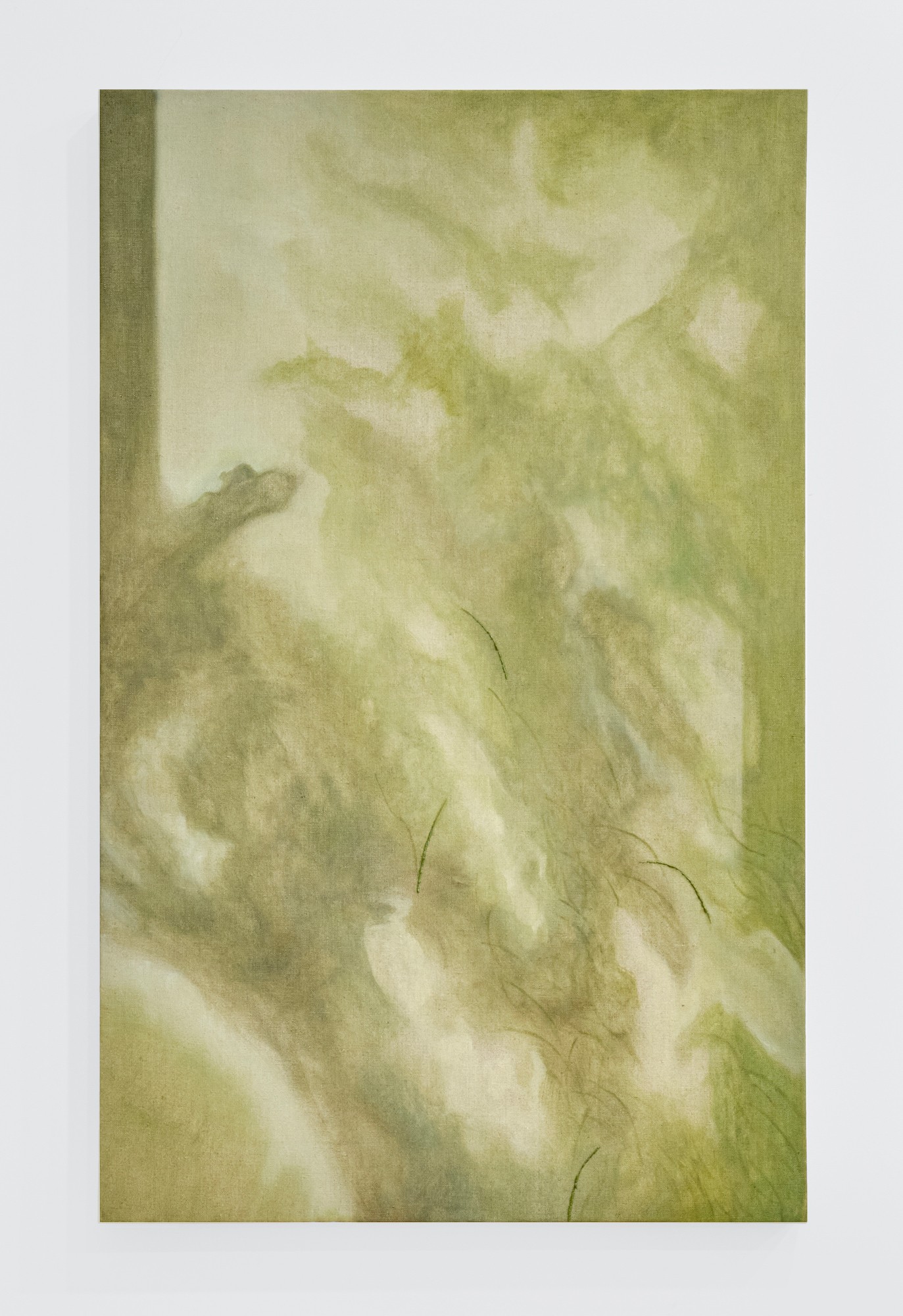
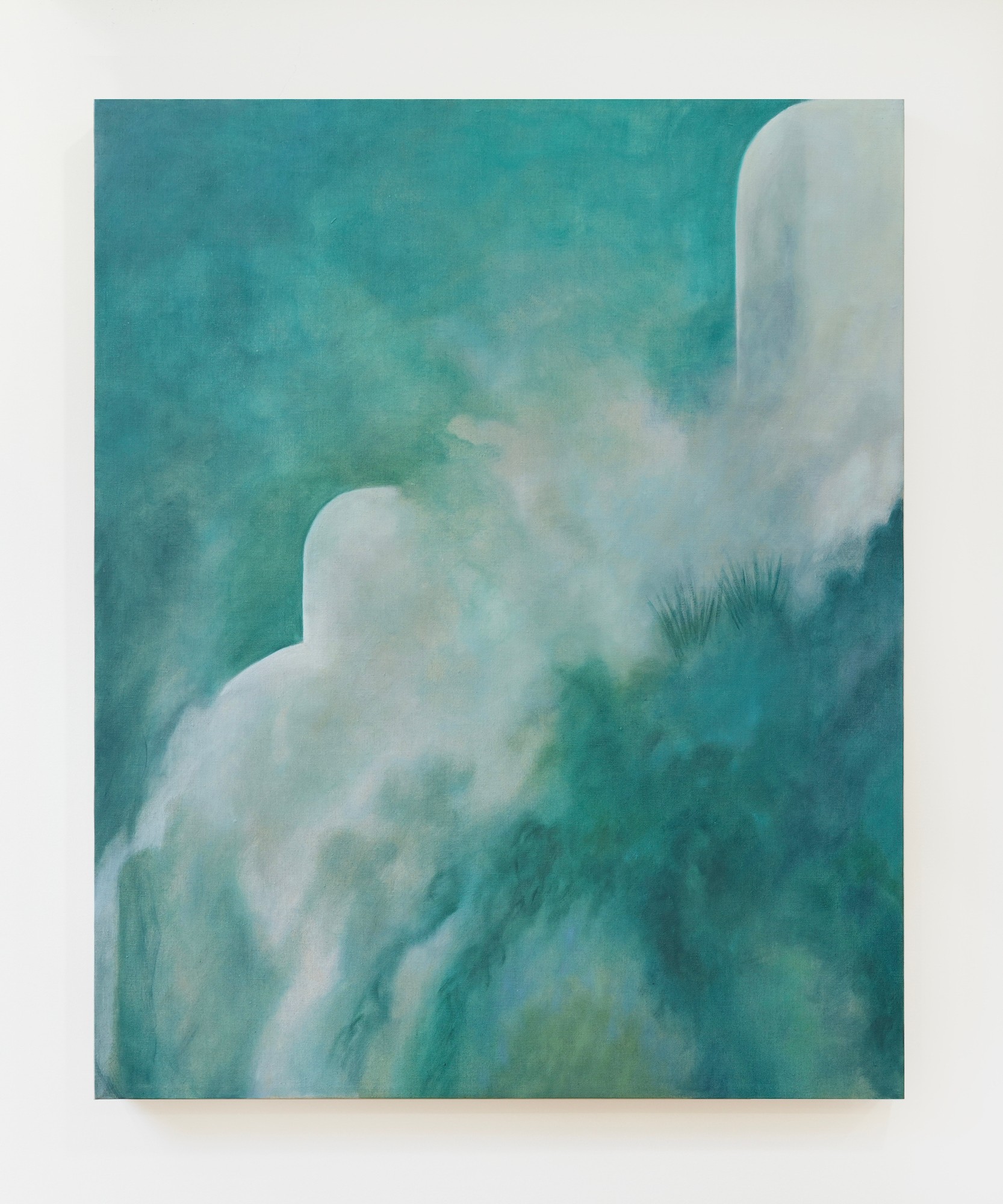
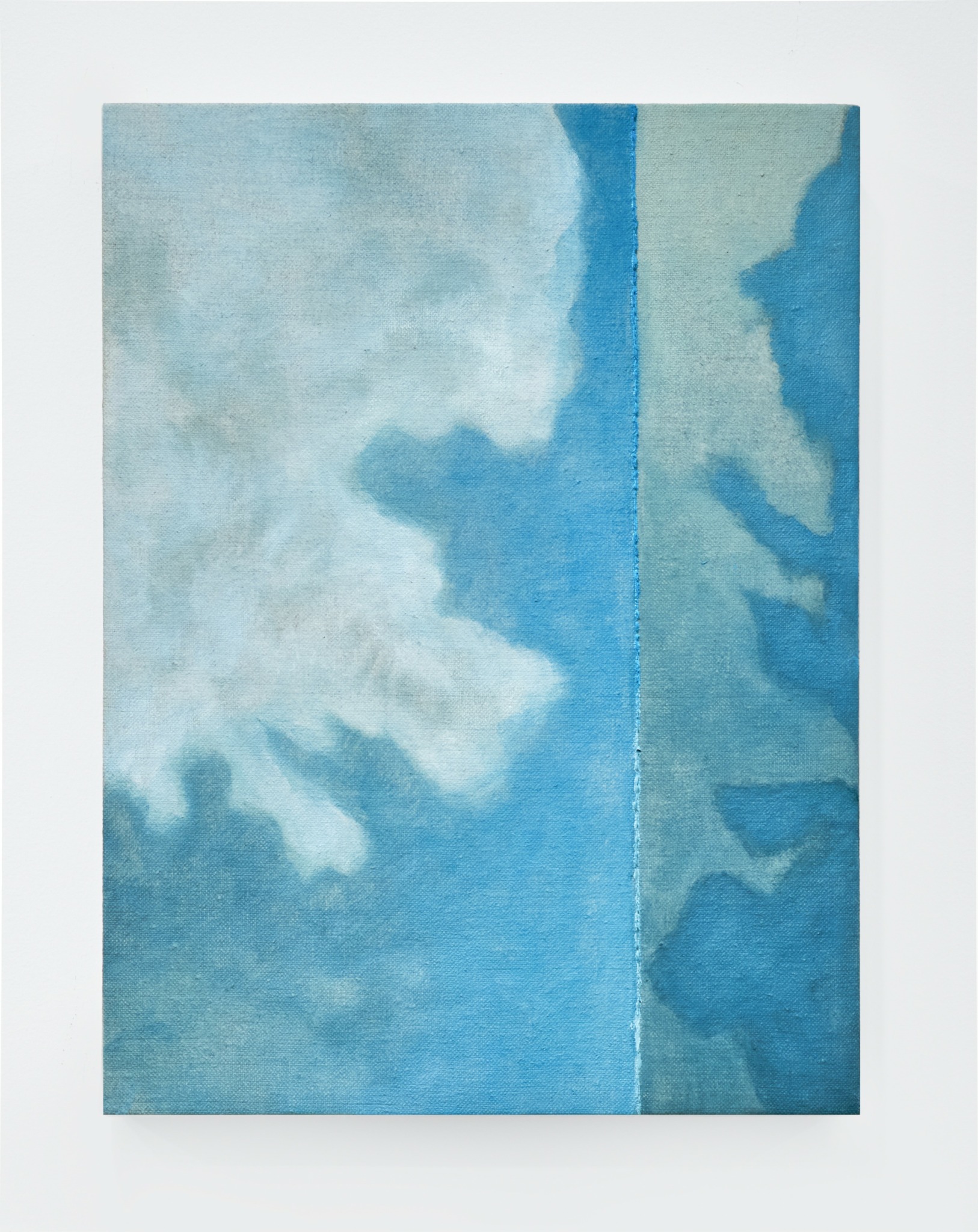
I’m originally from South Korea and currently based in New York. I work primarily with oil on linen. My paintings explore how fleeting sensory experiences—light, temperature, sound, scent, and atmosphere—linger in our memory and gradually transform into abstract landscapes. Rather than depicting a specific place, I try to capture the emotional residue of moments that are difficult to describe in words: a distant horizon, a desert at dusk, a garden in bloom, or the quiet stillness of night. These landscapes often begin with fragments of sensory memory, but they also evolve through imagination, as I introduce invented elements that reshape or extend the scene beyond what was originally experienced.
In addition to memory and imagination, I draw significant inspiration from traditional Korean art—particularly historical landscape paintings and ceramic artifacts. The quiet spatial sensibility and restrained forms found in these works influence how I approach abstraction, especially when suggesting animals, organic forms, or objects within the landscape.
My paintings develop slowly through layered applications of oil on clear-primed linen. I’m interested in how material processes can hold traces of time—thin washes, subtle shifts in color, and delicate textures accumulate until the surface begins to suggest a landscape that feels both familiar and intangible. The imagery often exists somewhere between abstraction and landscape: viewers might recognize elements such as sky, sand, clouds, blooming forms, or traces of animals and objects, yet the space remains open and ambiguous. That ambiguity is important to me because it allows viewers to bring their own memories and emotional associations into the work.
While my work isn’t meant to solve problems in a practical sense, I hope it offers a moment of quiet reflection. In a fast and overstimulated world, I’m interested in creating spaces that slow us down—paintings that invite contemplation and allow viewers to reconnect with subtle sensory memories or emotional landscapes.
What matters most in my practice is the gradual development of a visual language that feels both personal and open to interpretation. My work often revolves around themes of time, memory, and ephemeral experience, and I continue exploring these ideas through color, atmosphere, and the material presence of paint. Ultimately, I hope that encountering my work creates a sense of stillness and curiosity—as if standing at the edge of a landscape that exists somewhere between memory and imagination.
What do you think is the goal or mission that drives your creative journey?
if I had to describe a central goal in my creative journey, it would be to remain honest to my own practice. For me, making art is an ongoing process of understanding my inner thoughts, emotions, and experiences, and allowing those things to shape the work naturally.
I try not to change or compromise the direction of my work simply because of external circumstances or expectations. At the same time, I don’t believe my work should remain fixed. As my thoughts and emotions shift over time, the work evolves with them. In that sense, the paintings become a record of an internal journey—reflecting subtle changes in how I see, feel, and experience the world.
So my goal isn’t necessarily to arrive at a specific destination, but to continue making work that feels truthful to where I am at a given moment, and to allow that honesty to guide how the work grows over time.
For you, what’s the most rewarding aspect of being a creative?
For me, one of the most rewarding aspects of being an artist is simply being able to dedicate my life to something I genuinely love and feel compelled to do. Painting is not just a profession for me—it’s a way of thinking, feeling, and understanding the world.
What makes it truly meaningful, though, is when the work connects with others. The moments that stay with me the most are when someone I’ve never met encounters my paintings and finds something in them that resonates. Even though the work begins from my own personal experiences and emotions, it becomes incredibly special when another person is able to relate to it in their own way.
That quiet moment of understanding—when a stranger connects with the work and a kind of dialogue begins—is something I value deeply. It reminds me that art can create connections between people who might otherwise never meet. In many ways, it feels like a language beyond words—an intangible form of communication that allows people from completely different cultures and life experiences to understand each other on an emotional level.
Contact Info:
- Website: https://kyungkim.com/
- Instagram: kyung__kim