
We recently connected with ANGELO PEREZ and have shared our conversation below.
Hi ANGELO, thanks for joining us today. Was there a defining moment in your professional career? A moment that changed the trajectory of your career?
Defining moments in life, A tribute to my mom
The Unfair Advantage: How to Climb When You Can’t Walk
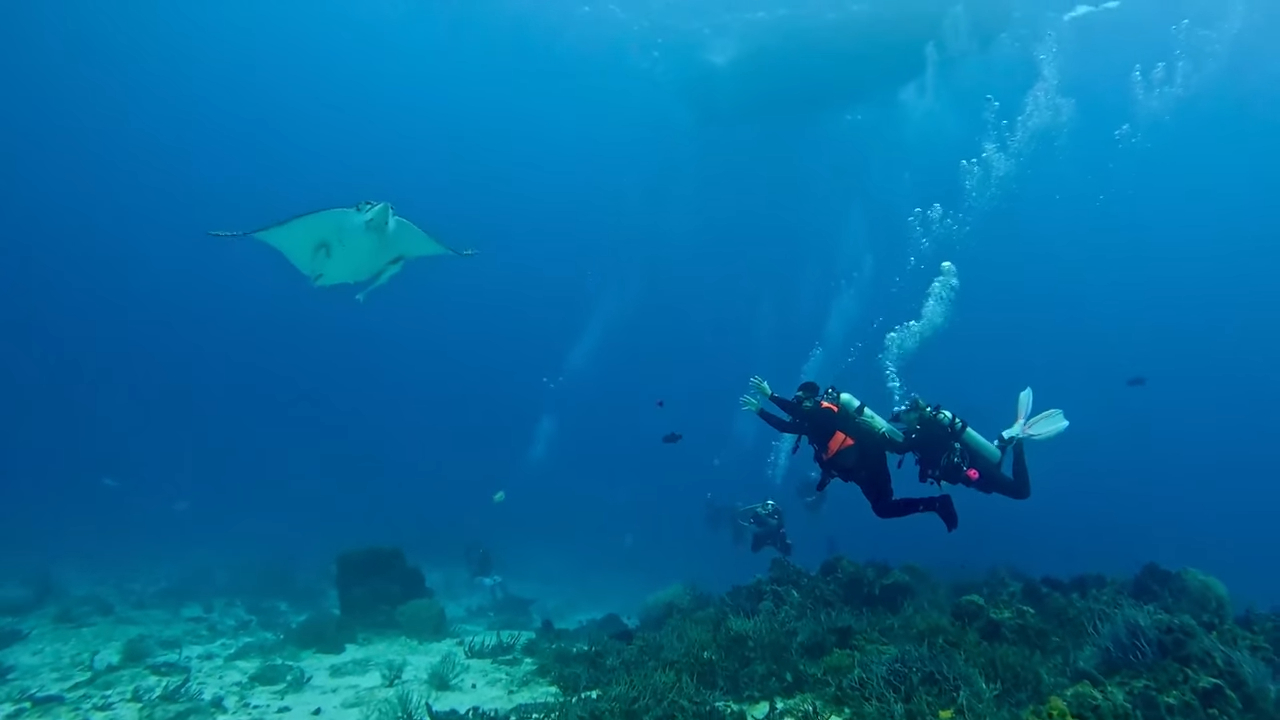
Most people slowdown in their fifties. They start talking about retirement plans, comfortable shoes, and taking it easy. Me? I am 58 years old, and I am just speeding up. I have come to believe that the things in life that are supposed to break you, the things that society sees as your greatest limitations, can become the source of your greatest strengths. They can become your unfair advantage. If you do not believe me, just look at last 8 years. I finished two Chicago Marathons. Four triathlons, I strapped myself to another man and jumped out of a perfectly good airplane. I went scuba diving in one hundred feet deep waters off Mexico and much more. People hear that and they call me “The Daredevil.” And it fits. When I am faced with something that scares most people, something that comes with five pages of waivers promising that they will not get sued if you die, I just find myself asking a simple question: Why not? I remember getting ready for that skydive, I was excited. I got this. No problem. Then I arrived and saw these “teenagers, folding my parachute. That is when I thought, “Ah, I lived a good life.” But I signed the paperwork and got on the plane. And that feeling… that freedom… it is the same feeling as I get when I cross a finish line at a race and when I am scuba diving. Under water is one of those places where the chair does not matter or go, where the past does not matter. When we’re underwater, we’re all equal.
So how does a guy in a wheelchair, a guy who by all accounts, should have been dead or in jail 35 years ago, end up faster and more fearless at 58, than he was at 17? It is because of an unfair advantage I learned in the fire. That feeling of, “why not?”… That did not come from a motivational poster. It was earned by me over time. It started a long time ago.
I believe that “we are all born a blank canvas.” But life starts painting on that canvas fast, whether you are ready or not. And my canvas got messy, quick. To understand my grit created by the defining moments, you must understand the grind. My fight started the day I was born, premature on Christmas Eve. The running joke in my family is that I tried to escape early and was born. I even crawled out of my crib and tried to escape and fell off the dresser and broke my arm. That was just the start.
Growing up in the early years, we lived in Pilsen. One day, when I was in third grade, I was playing with matches in my house and burnt it down. One can see this as a defining moment. As we moved out of a gun and gang ridden neighborhood to peaceful looking Gage Park. The quiet here was deafening. However, that quiet did not mean peace. Being the first mixed race family in Gage Park, it just meant the hate was whispered. I felt like I was nowhere. And when you feel like you are nowhere, you will do anything to feel like you are somewhere. That confusion was worsened by the unpredictability at home.
I played football and basketball in my last three years of grammar school, and it taught me teamwork and discipline. But that did not last. In high school, I rolled my ankle roller skating and I was let go by the basketball team. I spiraled out of control by losing my only anchor, sports. I remember feeling so alone and acting out, then being asked to leave Brother Rice HS. I did try to continue my HS education at three other schools. However, my focus was not there. I dropped out and found a new team on the streets. I joined a gang. It was on that “road of destruction” that I genuinely believe “I lost my caring self.” But that road was about to come to a violent, screeching halt.
There are moments in life that change everything. A single second that divides your entire existence into a “before” and an “after.” For me, that defining moment was not a decision. It was the sound of a gunshot.
It was August 28, 1991. I was twenty-three, waiting for the bus with a friend, on 18th Street and Blue Island, when a shot rang out. The bullet spun me around. I hit the pavement. No pain. Just… nothing. My legs were gone. Just dead weight. My friends wanted to call an ambulance, but I knew better. In that neighborhood, you do not wait. I told them I want to live,” You’re going to get me in the car and you’re going to take me to the hospital.” None of them knew where they were going. So, there I was, paralyzed from the chest down, having to sit myself up in the back of a car to point the way to Rush Presbyterian Hospital—the same hospital where I was born. I woke up a few days later and seen the person who had always been there, my mom.
This is when the real fight began. My mental tug of war began.
I will never forget when at the Rehab Institute of Chicago, the doctor, an intern, walked in and just said, “You’re never going to walk again.” My response was immediate and raw. “I think first words out of me where’s FU.” Not very academic, I know. But at that moment, it was the only thesis statement I had. It meant, “I’m still here. You don’t get to write my final chapter; nothing is over till I decide it is.” That bullet forced a pivot I never asked for. The path forward was not a straight line to recovery but a chaotic internal war between two different versions of myself. This was the beginning of a chance at a second life. In 1993, with the help of my mom, I moved from the south side to the gold coast up north. Then she helped me get a new car. I remember I started to leave my old life behind, by first removing all my tattoos, with Operation Fresh Start.
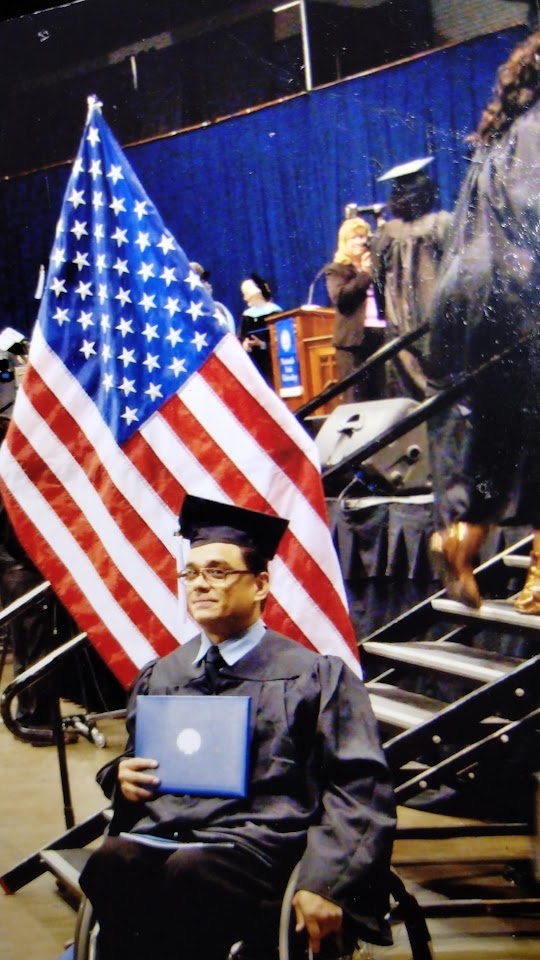
For the next two decades, my life was a paradox. I was locked in a battle between self-improvement and self-destruction. This is the heart of the unfair advantage—that messy space where you have the capacity to achieve incredible things while simultaneously being your own worst enemy. On one hand, I was determined to prove that “I wasn’t that dumb little kid the teachers told me.” On the other hand, my escape was a crack addiction that nearly destroyed me. I lived two lives! I fought my mental health and addiction by learning about it. I got my GED in 1995. In 2008, I earned my associate’s degree in arts, with a certificate in substance abuse counseling. In 2010, I earned my bachelor’s degree in behavioral science. Learning that I can change my behaviors because I learned them and I can and did unlearn them. In 2012, I earned my master’s degree in social work, to learn to help others. This was a change from what I felt I had to do, most of my young life, to be seen, heard and survive. Back then I fought for Angelo and what only he believed he needed.
I was proving I could do it. But the drugs were always there. It was “like two different Angelos battling in my head.” This chaos was the training. This is where I continued to sharpen my unfair advantage, given me at that defining moment and instilled in me by my mom throughout my life. Without even knowing it. She taught me to never give up; you continue to battle every day. She taught me how to function in a crisis and how to push through, even when every part of you, wants to quit. I was building my life in the middle of a war zone. You cannot fight a war on two fronts forever. The straight-A student could not save the addict, and the addict was dragging the student into the abyss. I was not going to crash and burn like a spectacular wreck on the highway. My end would be much slower and quieter. A slow fade into nothing, in a place that smelled like defeat.
Sometimes in life, you fight and claw your way up a mountain, and you finally reach what you think is the top. For me, that was graduating with my master’s degree. I made it! But sometimes, what you think is the summit is just a false peak, and the biggest fall is still waiting for you. Right after I graduated, I fell back into some hard drugs, and I developed severe pressure sores. I needed major hernia surgery. I lost my apartment, my car, everything, for the second time. From 2012 to 2018, for six long years, I was institutionalized in a nursing home. That was rock bottom. A place that would break your spirit if you let it. A nursing home is not a place for anyone. I know I wanted out of that nursing home and back into the community. One would have seen this as a defining motivating factor but no, addiction is tricky, it will keep you from what you really want.
Another major defining moment and turning point came on New Year’s Eve, 2014.
I snuck out of the nursing home and got high. The next thing I remember is waking up on the Red Line tracks at Howard St., with my pants down. The morning after that moment of complete degradation, something finally clicked. A voice in my head said, “I’ve been figuring out how I’m going to get out of the nursing home and the only way I’m going to get out of here is to get sober. I’ve battled this decision several times in my life and for some time, I beat my demons.” I realized, “It was either start living or start dying, and I was dying for some time.” I got sober! Then I got out of that nursing home in 2018, with the help of the Colbert Initiative, was the beginning of my “third life.” But just as I was finding my footing, the entire world shut down.
We all remember 2020. The world locked down, and we were all forced into isolation. For me, newly out of a nursing home, it was a critical test for my health and sobriety. The gyms, my sanctuary, were gone. My choice was simple: “It was either sit on the couch and stay with my demons (thoughts) or keep my demons at bay, exercise and get out and ride a bike.” I remembered the fight instilled in me by my mom and all the trials and tribulations life has thrown at her, my siblings and me thus far. we got through all of them.
So, I called my friend Juan and asked him to borrow his handcycle. I found my training ground in the most unlikely of places: the cemetery right behind my house. Every single day, I would get on that borrowed handcycle and ride through the quiet rows of headstones. It was a strange and beautiful paradox, feeling more alive than ever, surrounded by the dead. That is the unfair advantage of having been in a six-by-eight-foot nursing home room for six years. When the entire world feels like a prison, you already know how to find freedom in a closet. You know how to build a gym in a graveyard. Resilience is not about having perfect conditions. It is about finding a way when there is no way. This grit was something I generated through the resilience of my life’s turbulent times. It reflected the silent, unbreakable strength of the most important person in my life.
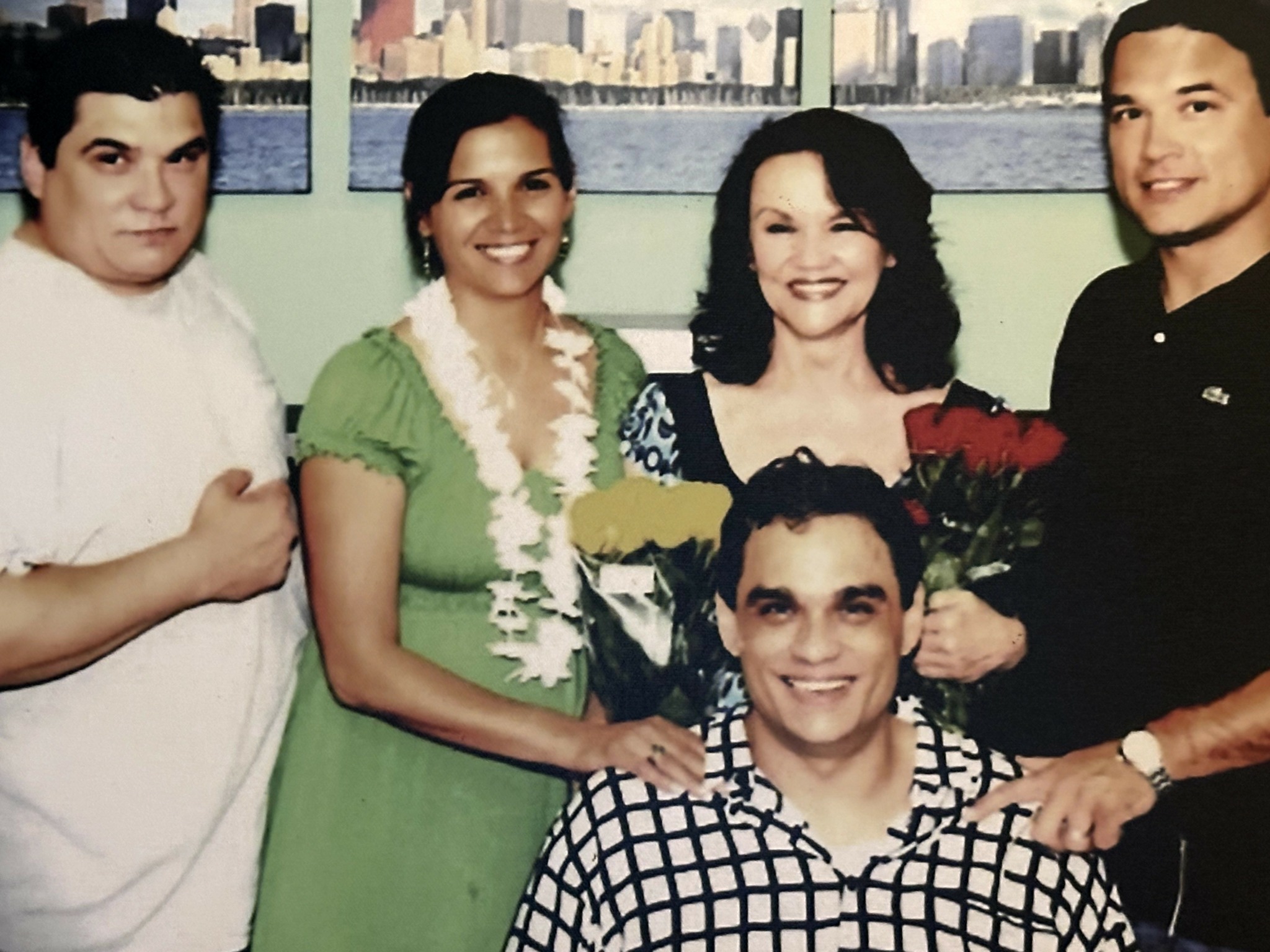
We all have anchors in our lives, the people who see us through our worst moments. For me, there were my brothers and sisters, grandma, and some extended friends and family. However, that one person who was always in my corner was my mom, Jackie DeLeon. She was my silent rock. She had recently died in November 2025, from a yearlong battle with ALS. Most of my life I did not see how present she was. But recently, I was looking back at old photos, from my life, graduations and sporting events and I realized something powerful. In every single picture, “she was always there somewhere but she was the silent person in the room.” She was never the center of attention. She was just there, supporting me. She had four kids by the time she was nineteen. She struggled, but she never, ever gave up on herself or on any of us kids. She was the one who found me apartments when I was homeless, who advocated for me even when I was dead wrong. My biggest blessing came out of one of my darkest storms. When I made that decision to get sober in the nursing home. It gave me the last eight years of great memories with my mom and letting her see me sober and living a prosperous life. This was her biggest joy and mine.
Looking back, I understand now. “I know that’s where I got my grit from watching her grind and make things happen out of nothing.” She taught me the most important lesson I have ever learned: “if you never give up you never lose.” I truly believe that, and the best way to honor her legacy is not to look back, but to build a future that helps others the way she always helped me.
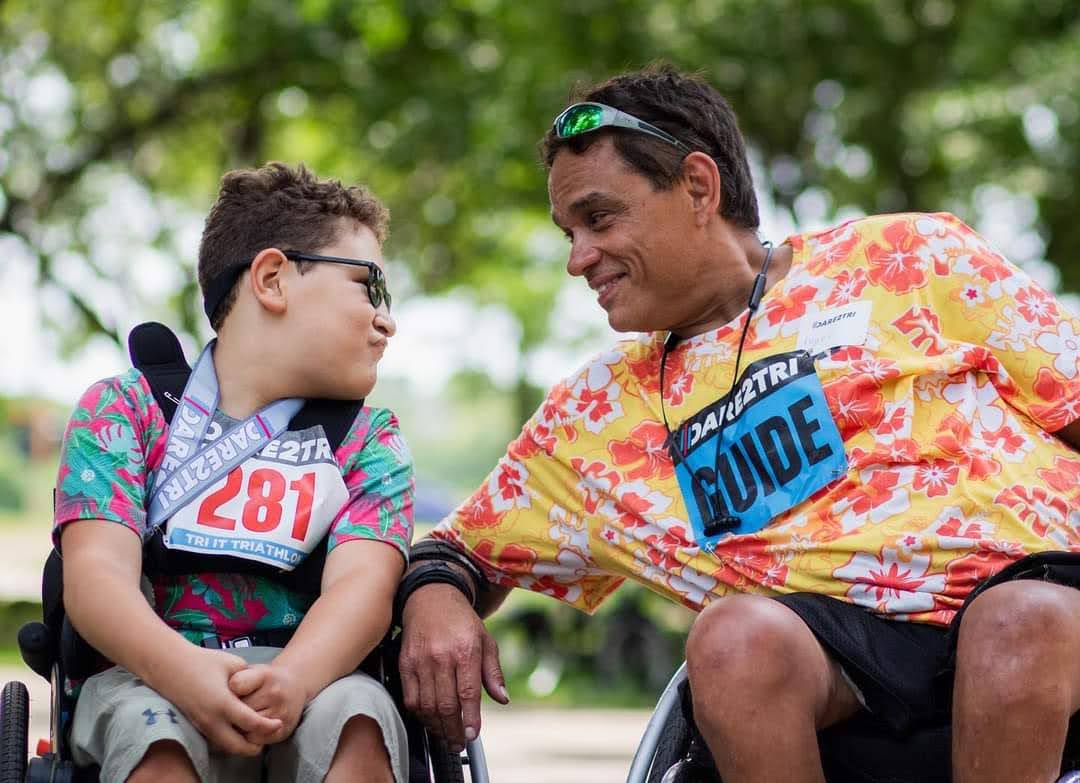
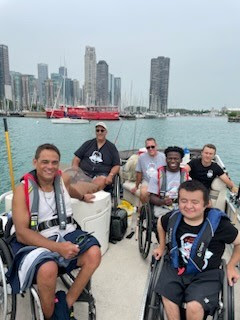
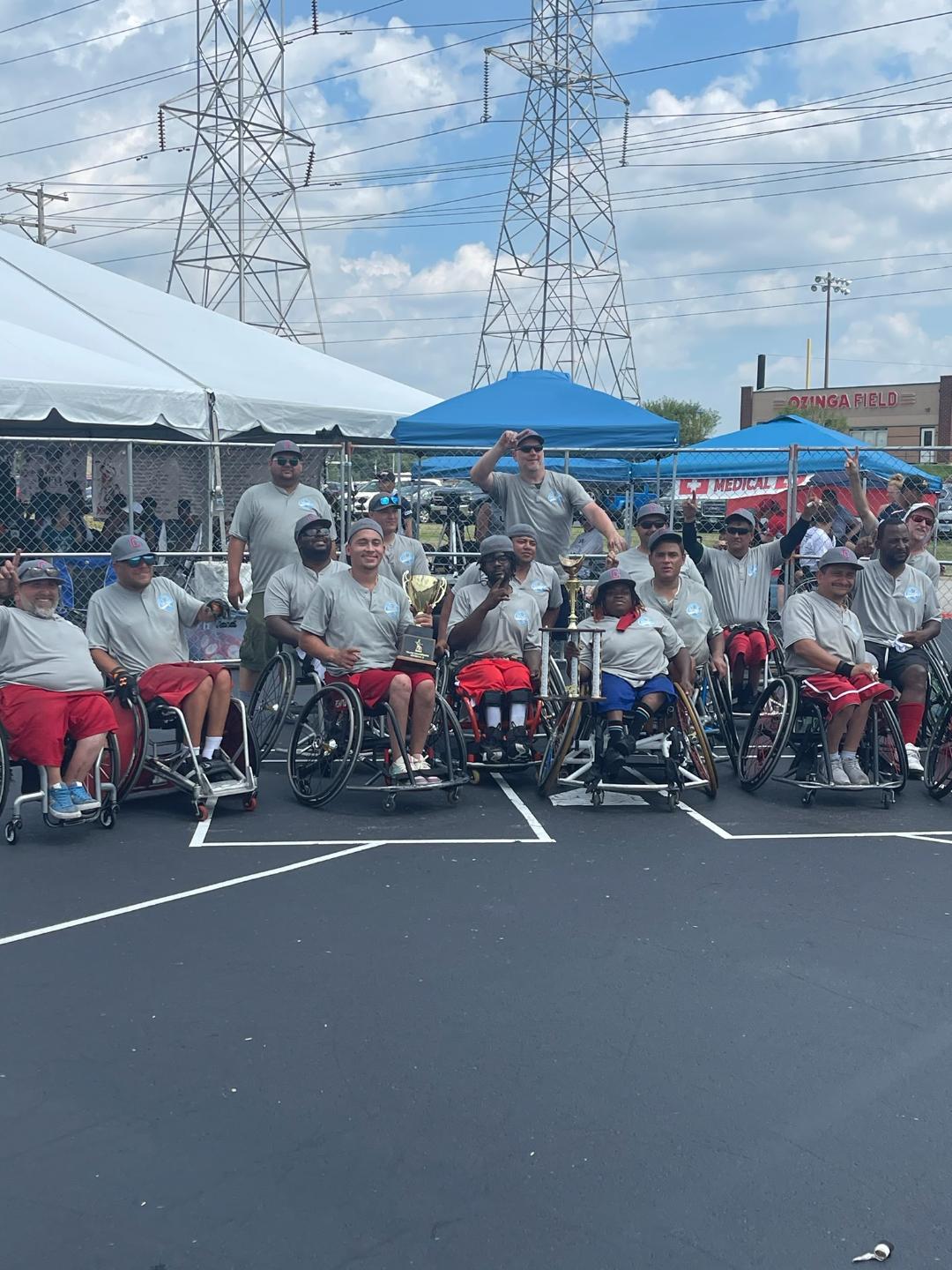
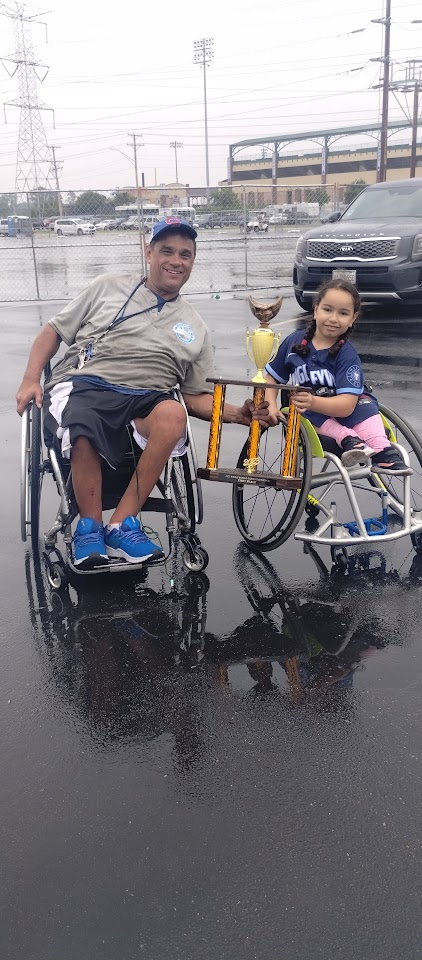
The final stage of resilience is turning your personal pain into a public purpose. It is when you stop solely focusing on your own climb and start building a better path for those who come up behind you. That is why I joined the board of Voice of the People in Uptown, an organization that creates and preserves affordable housing. I work with and support great organizations that collaborate with people with disabilities, like Dare2Tri, Chicago Adaptive Sports. Chicago No Limits Fishing, Chicago Park District, United Spinal, Backbones and Move United. I want to give back by helping others maneuver the difficult times in their lives; together with these organizations, we change these difficult times into some of the best times in their lives. By accepting them into our disability and adaptive sports community. Interacting with these families in the disabled community, is where my passion is. Because I understand their fight. It is my life.
That lived experience has fueled my biggest dream yet: to establish a “multimillion-dollar adaptive sports training facility, community center” In Chicago for people with disabilities. The need is so obvious to anyone who lives this life. “People say a gym is accessible, and I’m like, Yeah, I can roll in there.” However, there are no pieces of equipment I and many others cannot transfer onto safely” My vision is for a completely accessible hub, a place for all athletes with disabilities and for the entire disability community. For the seniors who need a place to socialize, for the kids who need to see what is possible, for the families who need resources and support. A place where no one ever feels like an afterthought. Building this future is just another form of climbing.
My story proves that these defining moments arise in all people’s lives. I thank my mom for her resilience and grit, she taught me. Remember, resilience is not a straight line. It is a messy, chaotic path of falling down, recalibrating, and getting up to climb again. It is about surviving rock bottom not once, but two, three, four times and still having the audacity to look up at the peak and take that first step. WOW! 50 years in the making. However, now I have been sober for over 8 years.
I started tonight by talking about an “Unfair Advantage.” For the longest time, I thought the bullet, the addiction, the years in that nursing home were the things that held me back. But I was wrong. That was not the end of my story; it was my training ground. The unfair advantage is not the trauma itself, but the perspective, the strength, and the empathy, which are forged inside the trials in life. Then look at a challenge that would break most people and say, “Why not?” It is the ability to take a serious look at yourself. Then ask what part you played and the choices you made in what happened throughout your life, that brought you to the situation. Then make that adjustment, move on and never look back.
So, I want to challenge all of you reading this. Look at your own life. Your own struggles, your own scars. Stop seeing them as finish lines. Start seeing them as fuel for whatever you are facing today. Remember this, no matter how long the difficult times in your life may have been. You have a 100% history of surviving every single one of your worst situations so far. You are still here. The only choice you have to make is what you do with tomorrow. Please remember, everyone is running their own marathon, called life. No one has all the answers and sometimes we must fail to succeed. Be kind, you never know what you do or say can make that difference in a person’s life.
The grit is not in the summit. It is in the climb. Acknowledge those defining moments that arise throughout life and be fearless enough to make that change needed.
In Loving memory, to the most Important person throughout my life, my teacher, my biggest cheerleader, my light in the darkest of times, my mother Jacueline Patricia DeLeon.
ANGELO, love having you share your insights with us. Before we ask you more questions, maybe you can take a moment to introduce yourself to our readers who might have missed our earlier conversations?
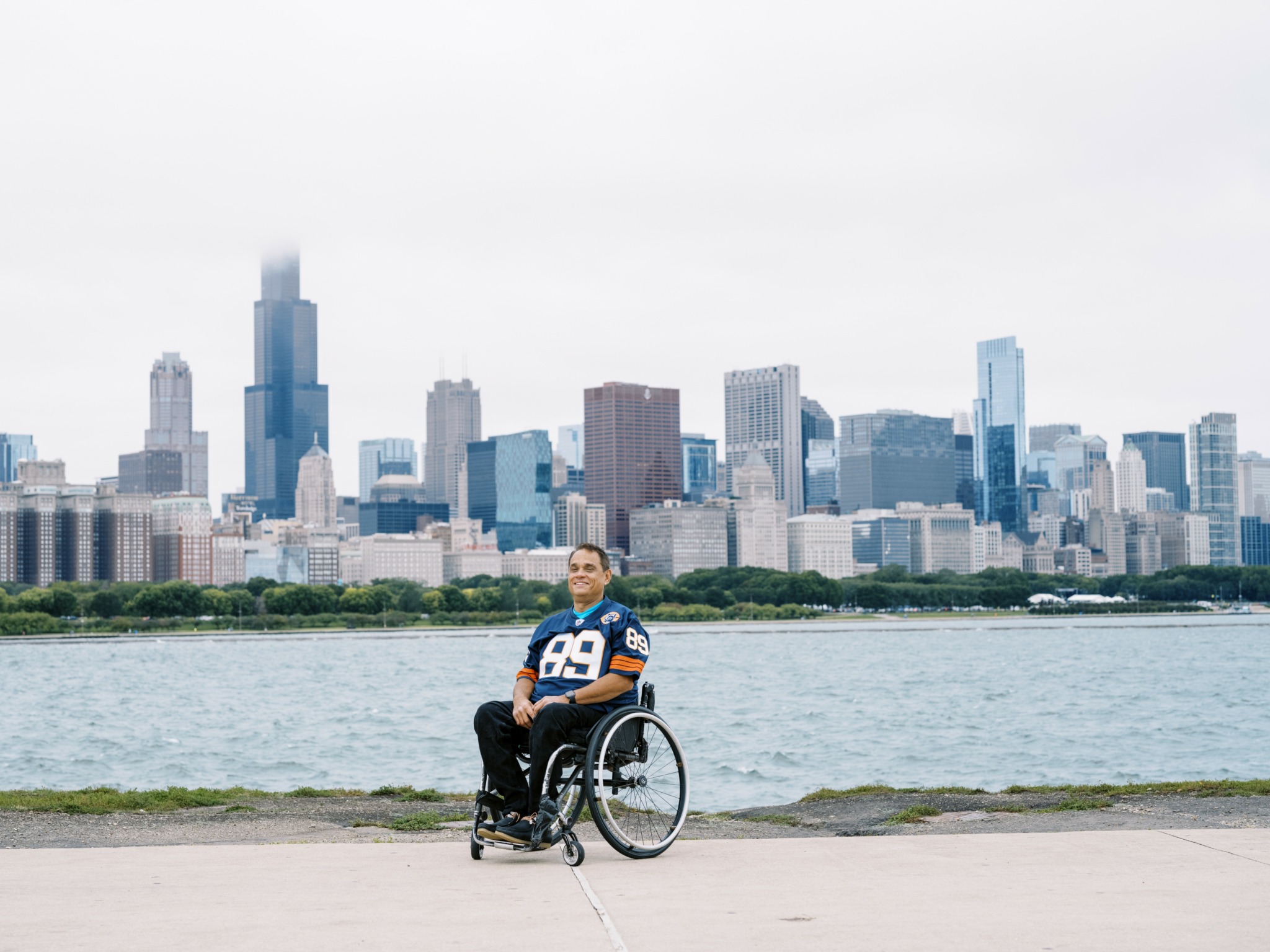
My name is Angelo Perez, and I’ve been a paraplegic since 1991 due to a gunshot. My life has been shaped by resilience and learning how to turn adversity into purpose. I grew up on Chicago’s southside. Like many young people, I always searched for identity and belonging, I struggled during my teenage years, eventually dropping out of school and becoming involved with a gang.
Everything changed on August 28, 1991. At 23 years old, I was shot and instantly paralyzed from the chest down. That moment divided my life into a “before” and an “after.”
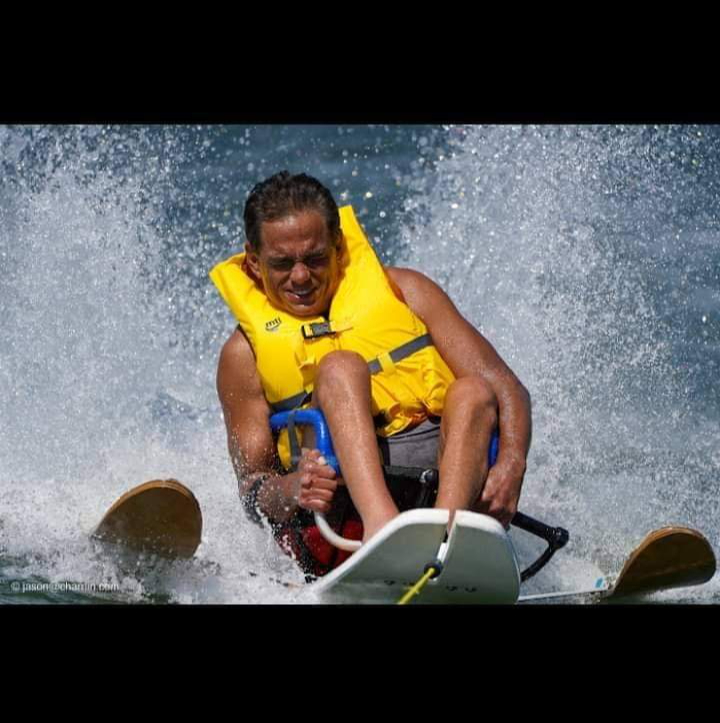
Since then, I’ve had a lot of turbulent times and made some questionable choices in life. I’ve dedicated my life to pushing forward getting my education and creating purpose through adaptive sports and advocacy. I’ve participated in marathons and endurance events using adaptive equipment and now work to expand access to inclusive athletics.]
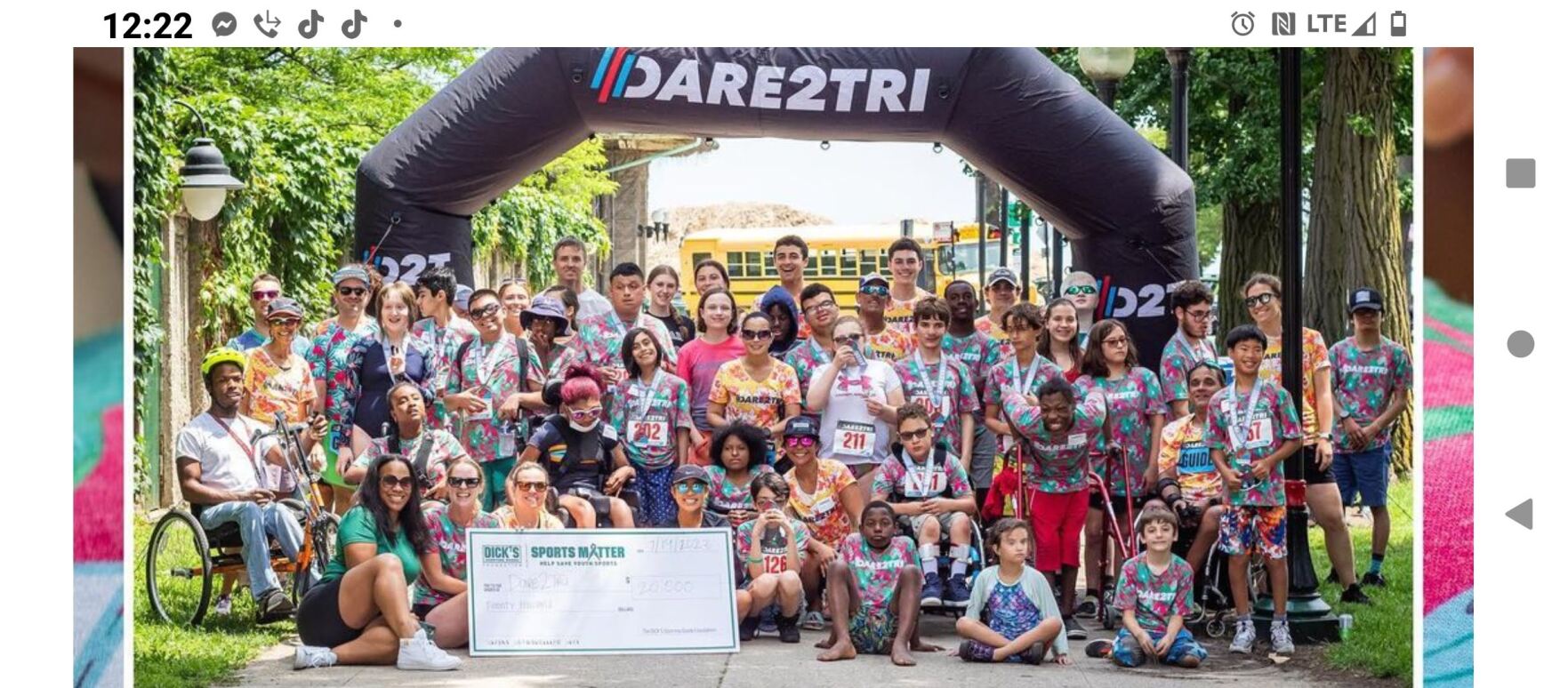
After getting out of the nursing home in 2018 I found an organization that helped me create the man I am today. I coach and train with one of the greatest disability-oriented nonprofits in Chicago Dare2Tri. Dare2Tri trains adults and children with disabilities and brings out confidence and pride in who they are. they create athletes and also help others get out and exercise and become part of the disability community. They meet the people where they are and gently push one to challenge themselves and see what we might not see in ourselves. Datre2Tri coaches have done this for me. My mission is to inspire others and create opportunities so that disability never means exclusion from sports, achievement, or community. Therefore, I will keep progressing in my triathlon, handcycling, and marathon training. I am in the pursuit to purchase with the help of grants and a GoFundMe, a more aerodynamic handcycle, a Topend force rx. I want to lead by example and continue to show all people with disabilities: anything is possible as long as you never give up.
Other than training/knowledge, what do you think is most helpful for succeeding in your field?
After being injured and paralyzed. I got my education. By doing that I learned about me and how to overcome my demons and addiction. My AA degree was with a certificate in substance abuse counseling at Harold Washinton College in Chicago’s Loop. I utilized this to help me learn about what the drugs were doing to me and why I continually used no matter the consequences. I went on to receive my BA degree in behavioral sciences. I needed to figure out more of the why I did what I did, how to change and if it was possible to change. I learned we were all born a blank slate and we learned all we know. therefore, we can unlearn and there was a process. I read Stephen Covey’s The 7 Habits of Highly Effective People and learned about paradigm shifts. I learned I don’t have to be whom I always been. Another main topic I took away was always think of the end result when doing something and I utilize that now when interacting with anyone. I went on and my MA degree from Jane Addams in Social work. This helped me build my knowledge of how to work with individuals, families, and agencies. this was the armor I needed to help myself and others. I had highly insightful professors throughout my college career that helped in the process of change.
Do you have any insights you can share related to maintaining high team morale?
I have interacted and worked with individuals, lead teams, and was sometimes the dumbest person in the room. I mean the dumbest person in the room with great pride. If you are always the smartest in the room, you never learn. As a team leader I believe one has to build the morale and not tear down the people one is interacting with or leading. I’ve learned that We must have a plan to do whatever we are doing. therefore, as a leader I see that both having objectives and asking those who you are working with their opinions to build a plan and/or strategy. If the people you are leading or working with feel a part of the process rather than just a cog to get the job done. Then the team will run more effectively. Treat everyone with respect!
Contact Info:
- Website: https://dare2tri.org/ https://boldjourney.com/meet-angelo-perez/ https://www.vophousing.com/ https://www.diveheart.org/ https://www.chicagoadaptivesports.com/chicagonolimitsfishing https://www.sralab.org/services/adaptive-sports-fitness-program https://ilunitedspinal.org/
- Youtube: https://youtu.be/9vQjgHjz23k?si=FpJZEtReOdLdZ5-o https://youtu.be/z3Utedw8pmA?si=7bEG0uhQBxmTOCjw https://youtu.be/AhV2i8djHR8?si=z0eFrLgGoOwK_MZT
- Other:
https://photos.app.goo.gl/Mtjua6BU2EihFW7m6
https://photos.app.goo.gl/E2orH943rjnfCF477