



We’re excited to introduce you to the always interesting and insightful Ibbie Aromolaran. We hope you’ll enjoy our conversation with Ibbie below.
Alright, Ibbie thanks for taking the time to share your stories and insights with us today. How did you get your first job in the field that you practice in today?
My first job in the field was at an eating disorder treatment facility, and even now, it stands out as one of the most formative experiences of my career. After graduating and finishing my internship, I was in that uncertain phase, applying to roles online, hoping to find something that felt aligned, but not entirely sure what that would look like. When I came across this opportunity, I didn’t fully realize how much it would shape me.
I still remember walking into the facility for the first time. I was honestly in awe. There was something about the environment that immediately struck me. It felt meaningful in a way I hadn’t experienced before, and I knew I was stepping into something important.
What impacted me most was witnessing clients’ transformations in real time. Seeing someone come in struggling at the beginning of treatment and then watching them gradually open up, heal, and eventually “graduate” from the program was incredibly powerful. It made an often abstract idea of therapy feel tangible. I wasn’t just learning techniques, I was seeing firsthand how transformative therapeutic work can be.
At the same time, I had started my own coaching business, working with women who found themselves in cycles of unhealthy, non-committed relationships. What struck me was how much overlap there was between what I was seeing in the treatment facility and what my clients were experiencing. The same underlying patterns (self-worth struggles, control, emotional regulation, and deeply ingrained beliefs) were showing up in different ways across both groups.
Looking back, I’m incredibly grateful that I ended up there for my first role. Even now, I still draw inspiration from that experience. In fact, years later, when I found out the facility had closed, I literally cried. It felt like losing a place that had played a huge role in shaping who I am professionally.
Ibbie, love having you share your insights with us. Before we ask you more questions, maybe you can take a moment to introduce yourself to our readers who might have missed our earlier conversations?
I’m a licensed therapist, dating/relationship coach, and social psychologist, and my path into this work was a little unexpected. I was working in a bar and started noticing recurring patterns of relational distress, not just among patrons, but also among my coworkers and even, myself. These patterns sparked a deep curiosity in me: why do we keep repeating the same relational mistakes and attracting the same people in different bodies? My coworkers would often tell me, “You should be a therapist,” something I had NEVER considered before, but that nudge eventually led me to where I am today.
Today, I provide individual and couples counseling focused on attachment-based work. I’ve become deeply fascinated with attachment theory and how our childhood experiences with caregivers directly shape how we navigate adult relationships. Helping people recognize these patterns and understand the subconscious programming behind them has become my passion.
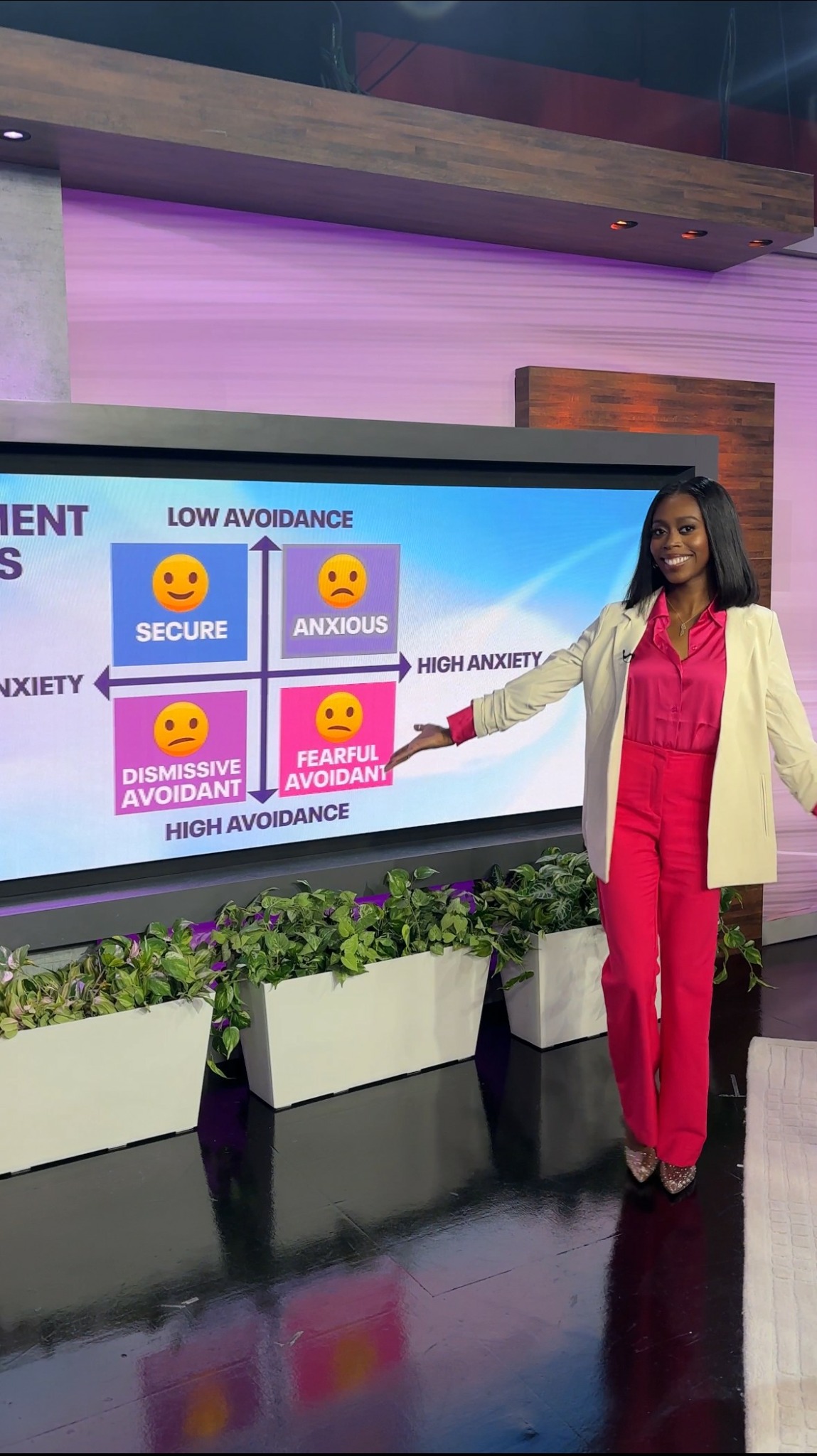
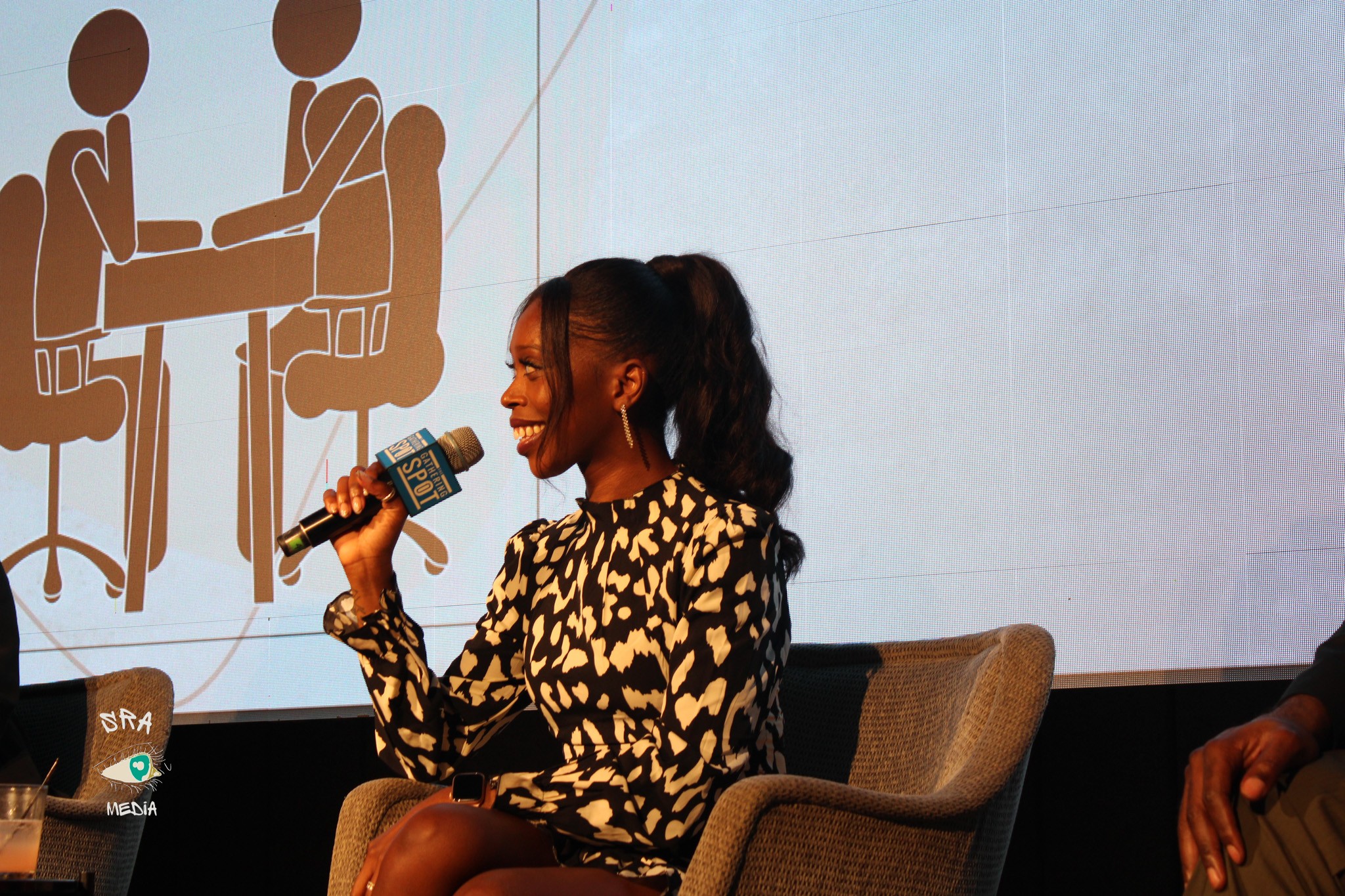
Beyond therapy, I offer coaching, online courses, workshops, and frequently speak on panels or as a podcast guest. I’ve even shared insights about attachment theory on Fox 5 News and other media outlets, and I maintain an online community where I teach about these concepts. What excites me most is being part of people’s “aha” moments and helping them see their patterns clearly, understand what’s driving them, and teaching them practical strategies to rewire their subconscious and cultivate more security in themselves and their relationships.
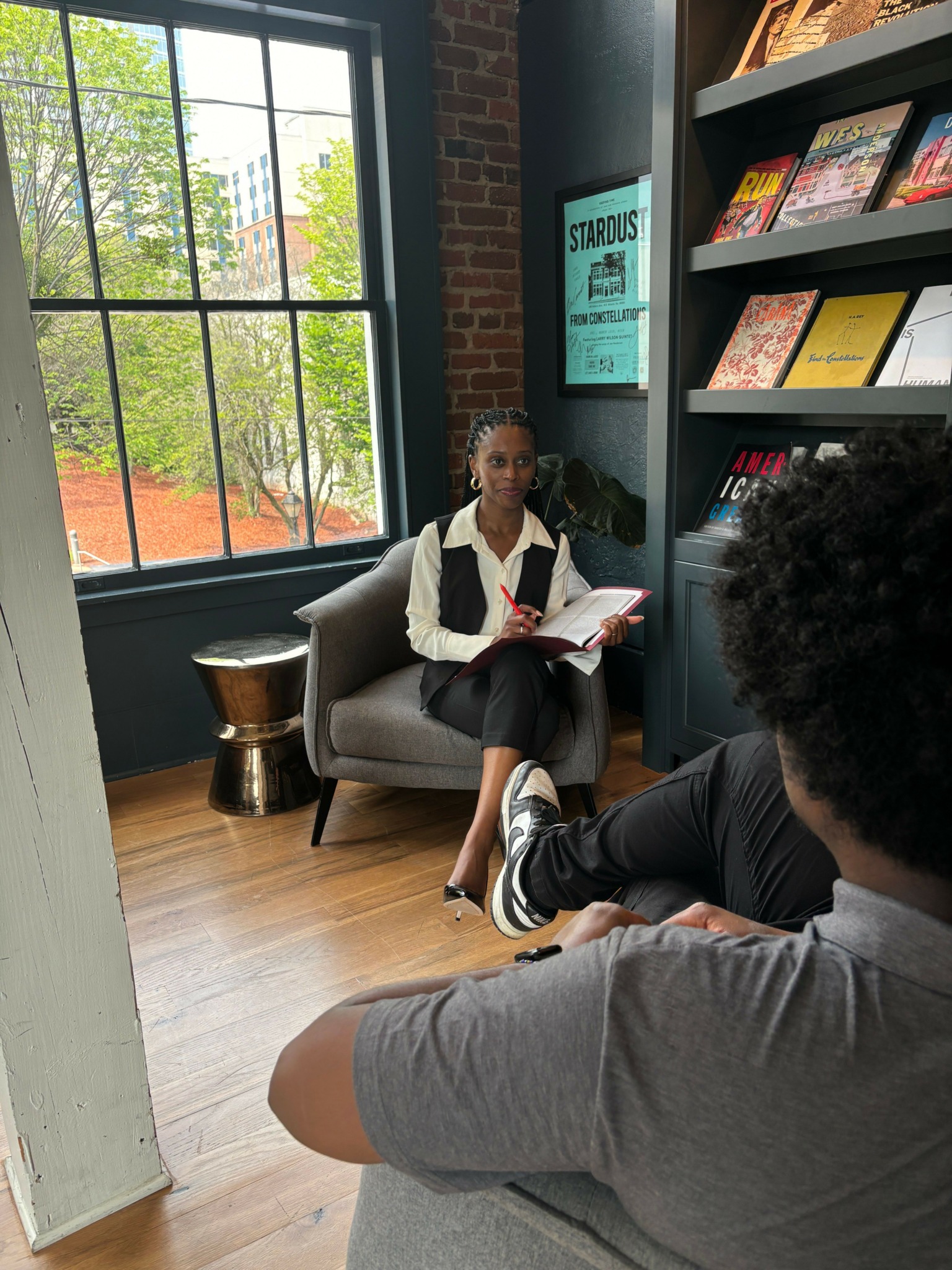
What sets my work apart is my approach of combining therapy and coaching. Therapy allows people to explore the deeper roots of their patterns and heal from past experiences, while coaching focuses on actionable strategies and real-world application. By blending the two, I help people not only understand themselves more deeply but also take tangible steps to change the way they relate to others and to themselves.
I’m proud of helping people break cycles, understand themselves better, and experience meaningful relational growth. If there’s one thing I want potential clients, followers, or fans to know, it’s that I care deeply about helping people see the patterns holding them back and providing them with the tools to change them.
Training and knowledge matter of course, but beyond that what do you think matters most in terms of succeeding in your field?
Beyond training and knowledge, I think the most helpful things for succeeding in this field are having a genuine passion for the work and a clear “why.” There are so many steps along the way- schooling, logging clinical hours, filing paperwork, staying current with continuing education, studying for exams, and keeping up with new research and clinical strategies. Having a strong reason for doing this work can help you stay motivated through all of it.
Another crucial factor is niching down. Early in my career, I worked in many areas including substance use, eating disorders, community mental health, school-based mental health, women’s mental health, residential facilities, anxiety, depression, postpartum care, etc, but my heart was always with relationships, attachment patterns, and the mental health challenges that come with them. Once I specialized in that area, it allowed me to stay consistent, focused, and build a clear reputation. Specializing helps you serve your clients more effectively, reduce burnout and ensure that people know exactly where to turn if they’re looking for the specific help you provide.
What’s been the most effective strategy for growing your clientele?
Honestly, staying relevant has been one of the biggest drivers of growing my clientele haha. But for me, that really just means staying visible and consistent in ways that feel aligned.
That’s looked like posting regularly on social media, being a guest on podcasts, speaking on panels/media, and attending events. I talk about attachment theory everywhere I go, in a way that feels natural and accessible, and over time that consistency has helped people clearly understand who I am and what I do.
More practically, two of the most effective things have been keeping my information up to date on therapist directories and hosting workshops and events, sometimes even free ones. Those spaces give people a chance to experience my approach firsthand, which builds trust in a really organic way.
I also want to say, this doesn’t mean you have to be the most extroverted person in the room. Just BE YOURSELF. That tends to attract clients who resonate with you and your energy. A lot of my clients are similar to me in how they think and process relationships, which makes the work feel even more aligned. It’s less about trying to appeal to everyone and more about being consistent and authentic so the right people can find you.
Contact Info:
- Website: https://www.theattachmentdoc.com
- Instagram: https://www.instagram.com/dr.ibbiearo
- Facebook: https://www.facebook.com/auroralovecounseling/
- Linkedin: https://www.linkedin.com/in/ibbie-a-14212719b
- Other: TikTok: https://www.tiktok.com/@dr.ibbiearo

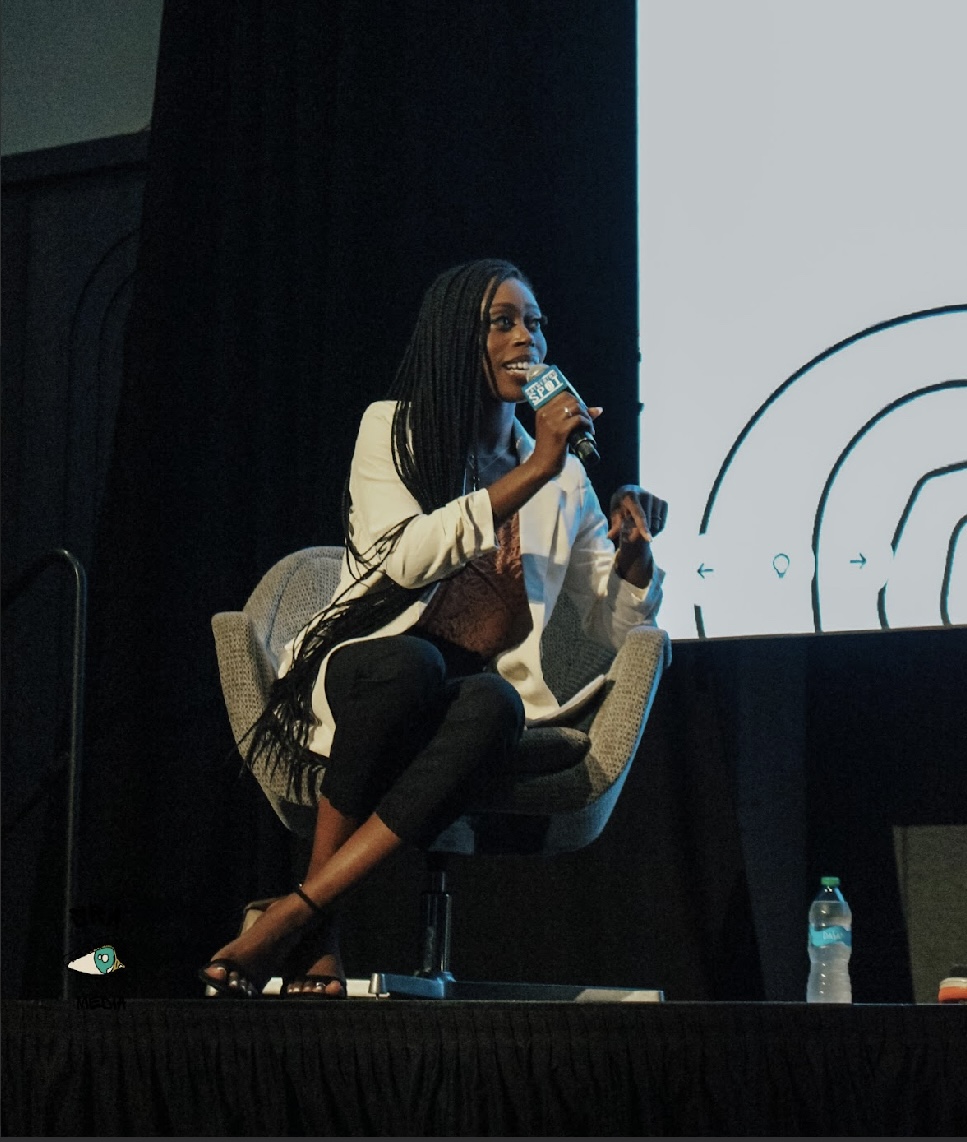
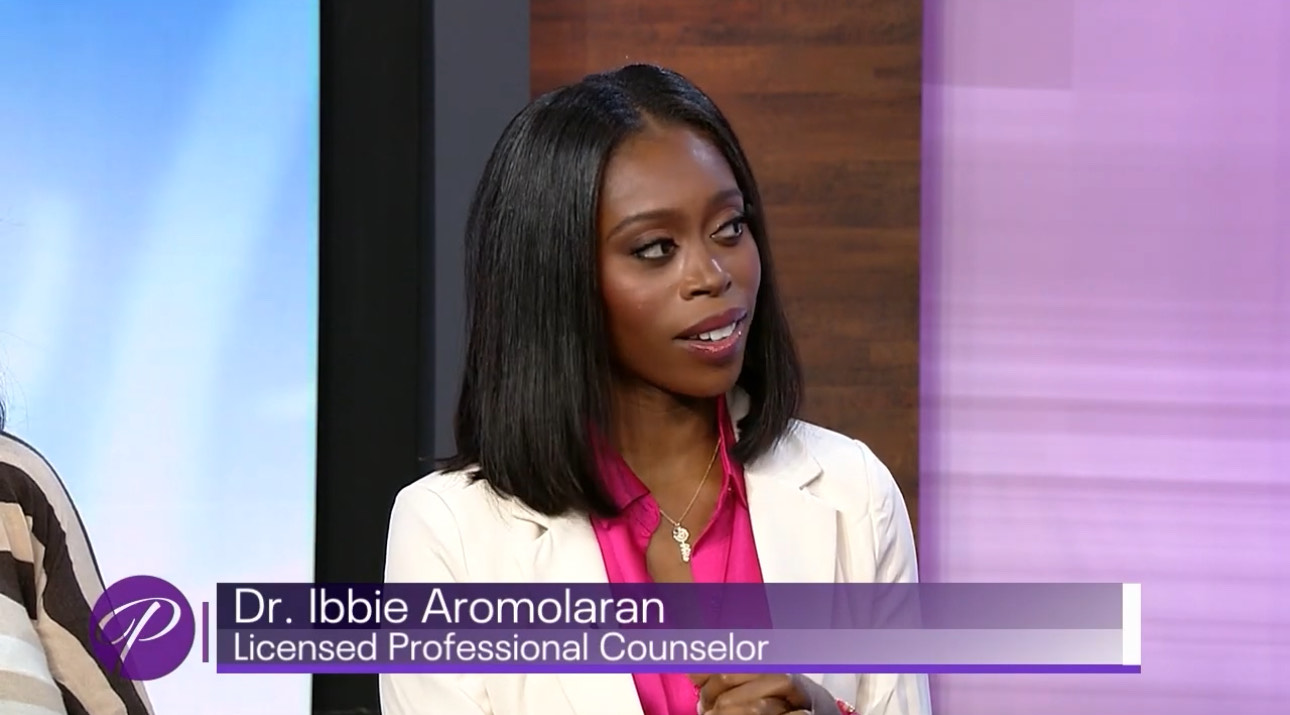
Image Credits
Maliyah Mayfield
SRA Media
John Strutko
The Portia Show