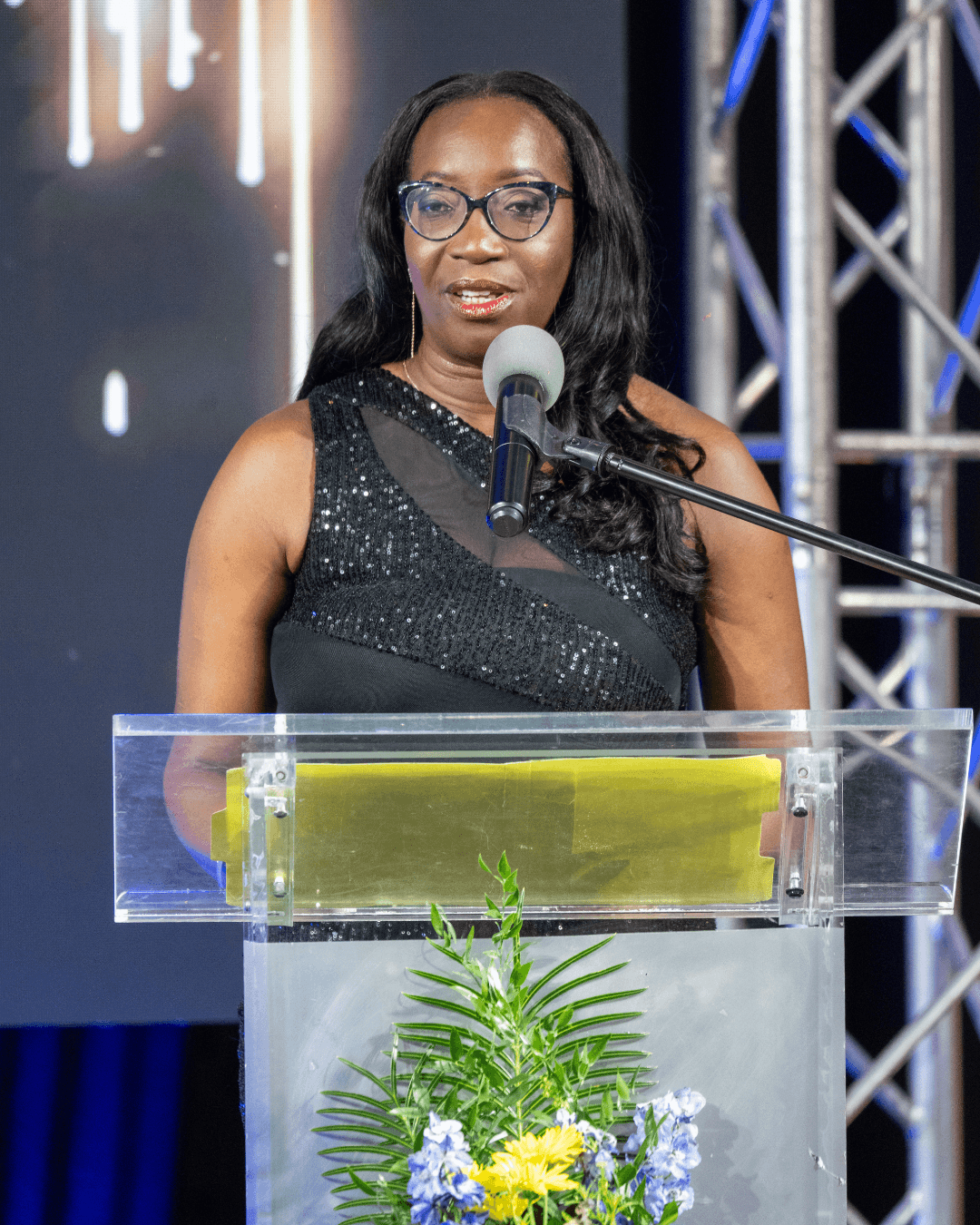
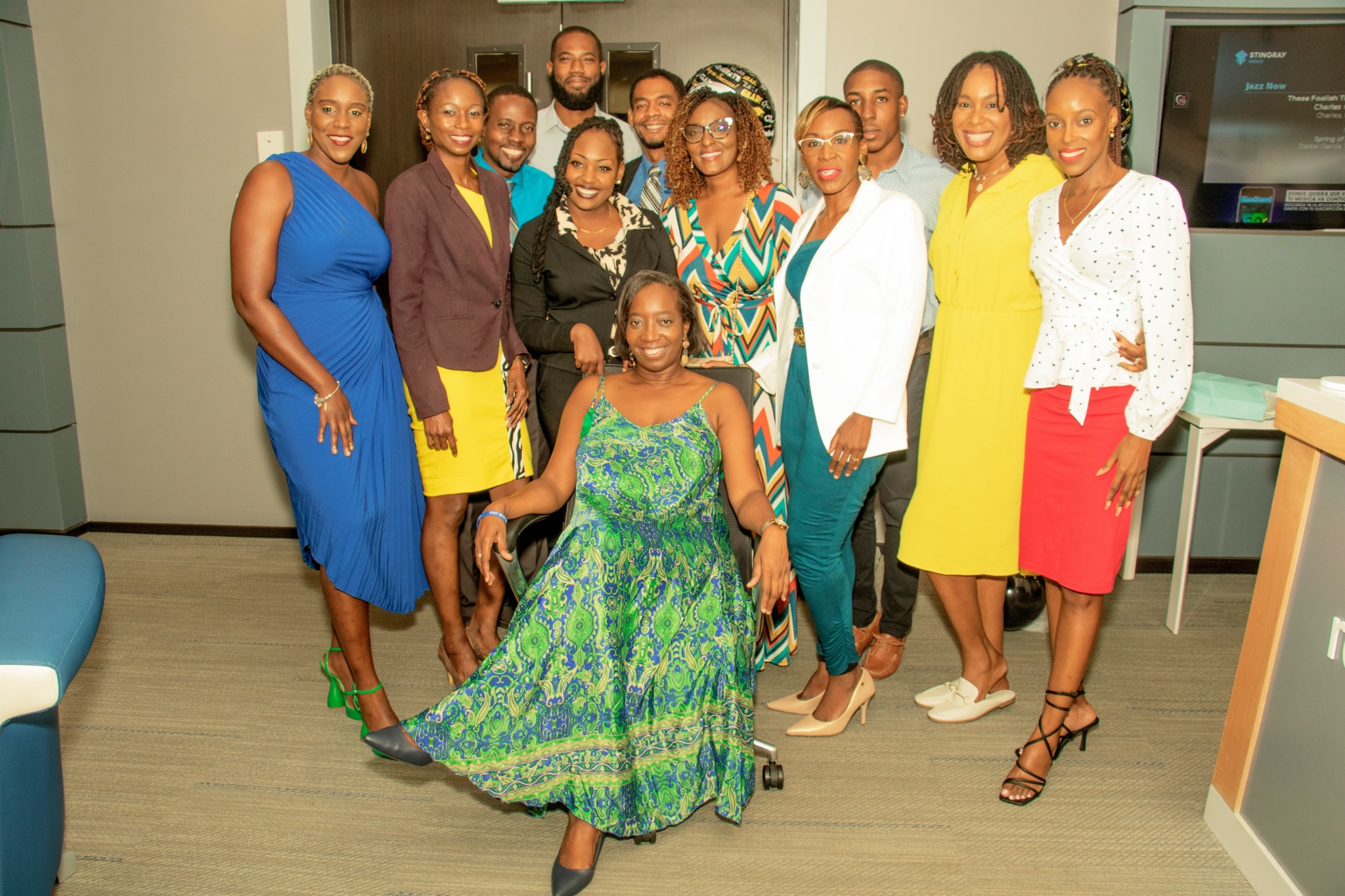
We caught up with the brilliant and insightful Tisha Peters a few weeks ago and have shared our conversation below.
Tisha, thanks for taking the time to share your stories with us today When you’ve been a professional in an industry for long enough, you’ll experience an industry-wide U-Turn, an instance where the consensus completely flips upside down or where the “best practices” completely change. If you’ve experienced such a U-Turn over the course of your professional career, we’d love to hear about it.
One of the most defining turning points in my career came through my mentorship program.
When I first began mentoring aspiring HR professionals, it was sparked by a simple but powerful question: How do employers expect us to gain experience when no one is willing to give us a chance? That question stayed with me for weeks. Around the same time, I had been made redundant, and it prompted me to take action. I decided to create a practical mentorship program designed to bridge that gap.
I rallied a few friends, shared a post on social media, and before long, 24 aspiring HR professionals had signed up.
What started as a way to provide guidance quickly evolved into something much deeper. Instead of always offering answers, I began asking more questions. I introduced case studies, reflection exercises, and real-world scenarios. I partnered with a simulation provider to enhance the learning experience. Sessions became more interactive, creating space for discussion, exploration, and peer learning.
The focus shifted from outputs, such as polished resumes, to meaningful development, including critical thinking, problem-solving, and confidence.
The impact was undeniable. Mentees became more self-assured, more independent in their thinking, and better prepared for the realities of the workplace. They were no longer simply repeating what they had learned; they were applying it with confidence and clarity.
The biggest lesson for me was this: mentorship is not about transferring knowledge. It is about building capability.
That realization transformed my program. It became less about positioning myself as the expert and more about creating an environment where individuals could grow into capable, confident HR professionals.


Great, appreciate you sharing that with us. Before we ask you to share more of your insights, can you take a moment to introduce yourself and how you got to where you are today to our readers.
I am an HR professional, coach, mentor and entrepreneur with a focus on helping individuals grow with clarity, structure, and confidence.
I didn’t start out intending to be a professional mentor or to build a business. My career began in traditional HR roles in hospitality, where I gained experience across recruitment, employee relations, performance management, and organizational development. Over time, I found myself drawn to the strategic and people side of HR, not just policies and processes, but helping individuals navigate their careers and helping organizations build environments where people can actually thrive.
That naturally evolved into what I do today.
Through my consultancy, mentorship and coaching work, I support both individuals and businesses. On the individual side, I help professionals who feel stuck, uncertain, or ready for change to gain clarity, build confidence, and move forward in their careers. On the business side, I work with small to medium-sized organizations to build or strengthen their HR foundations, including structure, policies, people management practices, and leadership support.
I also run a mentorship program for aspiring HR professionals, which focuses on practical learning, real-world application, and building confidence, not just knowledge.
The core problem I solve is this: many people and organizations know what they should be doing, but struggle with how to actually do it effectively. I bridge that gap by providing both guidance and practical tools that can be applied immediately.
What sets me apart is my approach. I don’t believe in one-size-fits-all solutions or overly theoretical advice. My work is grounded in real experience, and I focus heavily on change management, clarity, accountability, and practical outcomes. Whether I’m working with a client or a mentee, my goal is always to help them think for themselves, make confident decisions, and take meaningful action.
What I’m most proud of is the impact of the mentorship program. Seeing someone go from feeling stuck to gaining clarity, confidence, and direction, or helping a business move from chaos to structure, is what matters most to me.
The main thing I want people to know about my work is this: it’s not just about fixing problems in the moment. It’s about building the mindset, systems, and confidence needed for long-term growth.


Are there any books, videos, essays or other resources that have significantly impacted your management and entrepreneurial thinking and philosophy?
One resource that has significantly shaped my thinking is The Let Them Theory by Mel Robbins.
At its core, the concept is simple but powerful: let people do what they choose, and focus your energy on what you can control. Instead of trying to manage perceptions, force outcomes, or overextend yourself to meet expectations, the theory encourages you to release that pressure and redirect your focus inward.
This has had a direct impact on both my management and entrepreneurial approach.
In leadership, it has helped me step back from micromanaging and trust people more. Not everyone will meet expectations, and not every situation can be controlled. Instead of overcorrecting, I focus on setting clear standards, communicating effectively, and allowing people to take ownership of their actions.
In business, it has been equally freeing. As an entrepreneur, it’s easy to get caught up in worrying about how others perceive your work or trying to appeal to everyone. This framework reminded me that not every client is for me, not every opportunity is aligned, and that’s okay.
What resonates most is the shift in mindset. Less control, more clarity. Less pressure, more intention. I actually feel free if that makes sense.
It has helped me lead and build my business with more confidence, boundaries, and focus. It also allowed me to focus on higher level stuff and not stress about the little things.

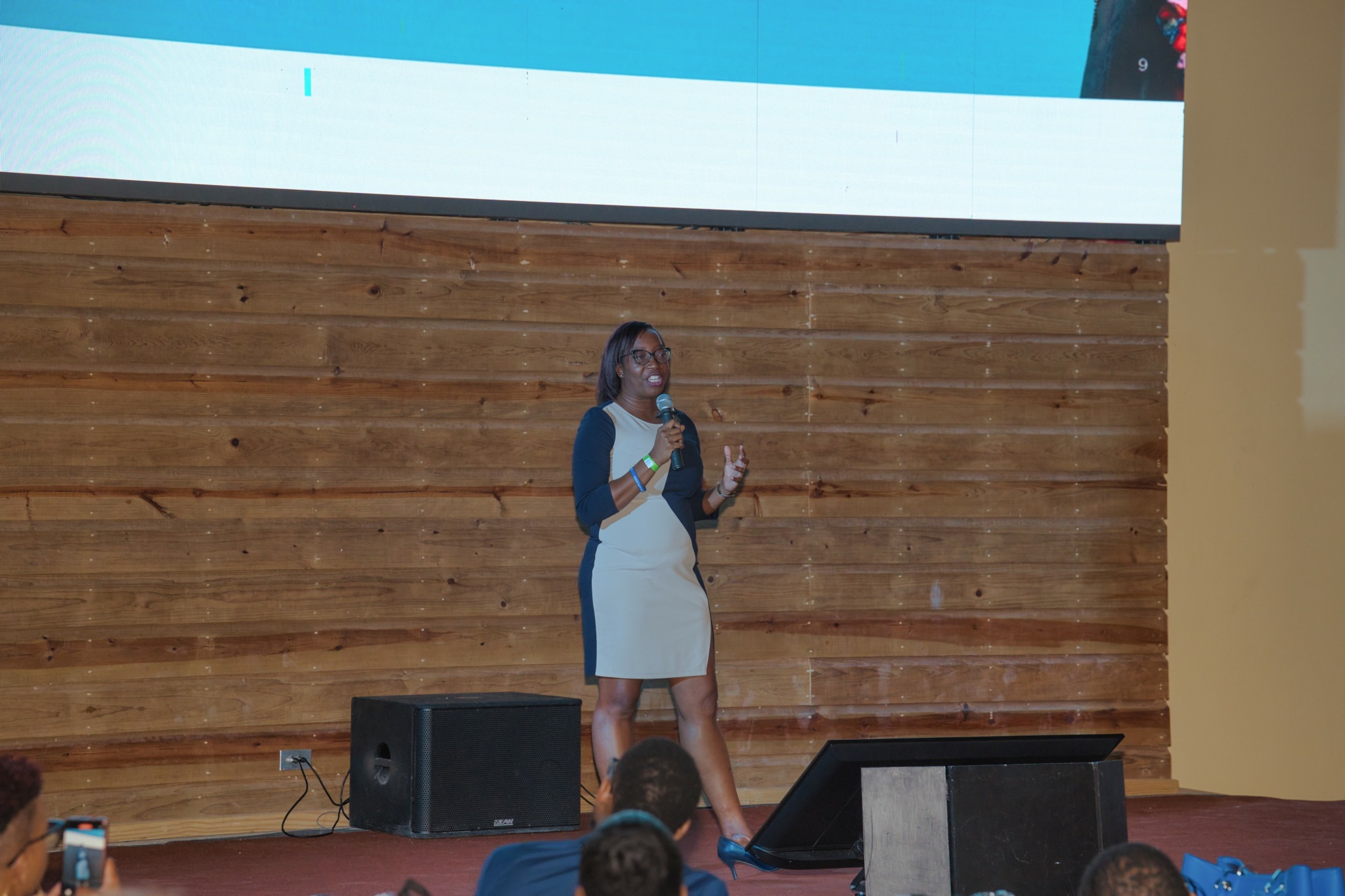
Can you tell us about what’s worked well for you in terms of growing your clientele?
The most effective strategy for growing my clientele has been simple, but not easy: doing consistently good work and letting referrals do the talking.
I haven’t relied heavily on aggressive marketing. Instead, I’ve focused on delivering real value to every client I work with. That means being reliable, practical, and results-driven, not just giving advice, but helping clients actually implement solutions that make a difference.
When clients see tangible outcomes, whether it’s clearer HR structures, better team management, or personal career breakthroughs, they naturally start to talk about it. And that’s where referrals come in.
Most of my growth has come from: Clients recommending me to other businesses, Mentees referring friends or colleagues, Professional networks sharing my name when someone needs HR support
Referrals work because they’re built on trust. By the time someone reaches out, there’s already a level of credibility established.
What I’ve learned is that you don’t need to chase every opportunity. If you focus on doing good, honest, impactful work, your clients become your strongest advocates.
So my strategy has really been this: deliver quality, build trust, and let your work speak for you.
Contact Info:
- Website: www,inspirehrmentorship.com
- Instagram: @inspirehrmentorship
- Linkedin: https://www.linkedin.com/in/tishapeters