

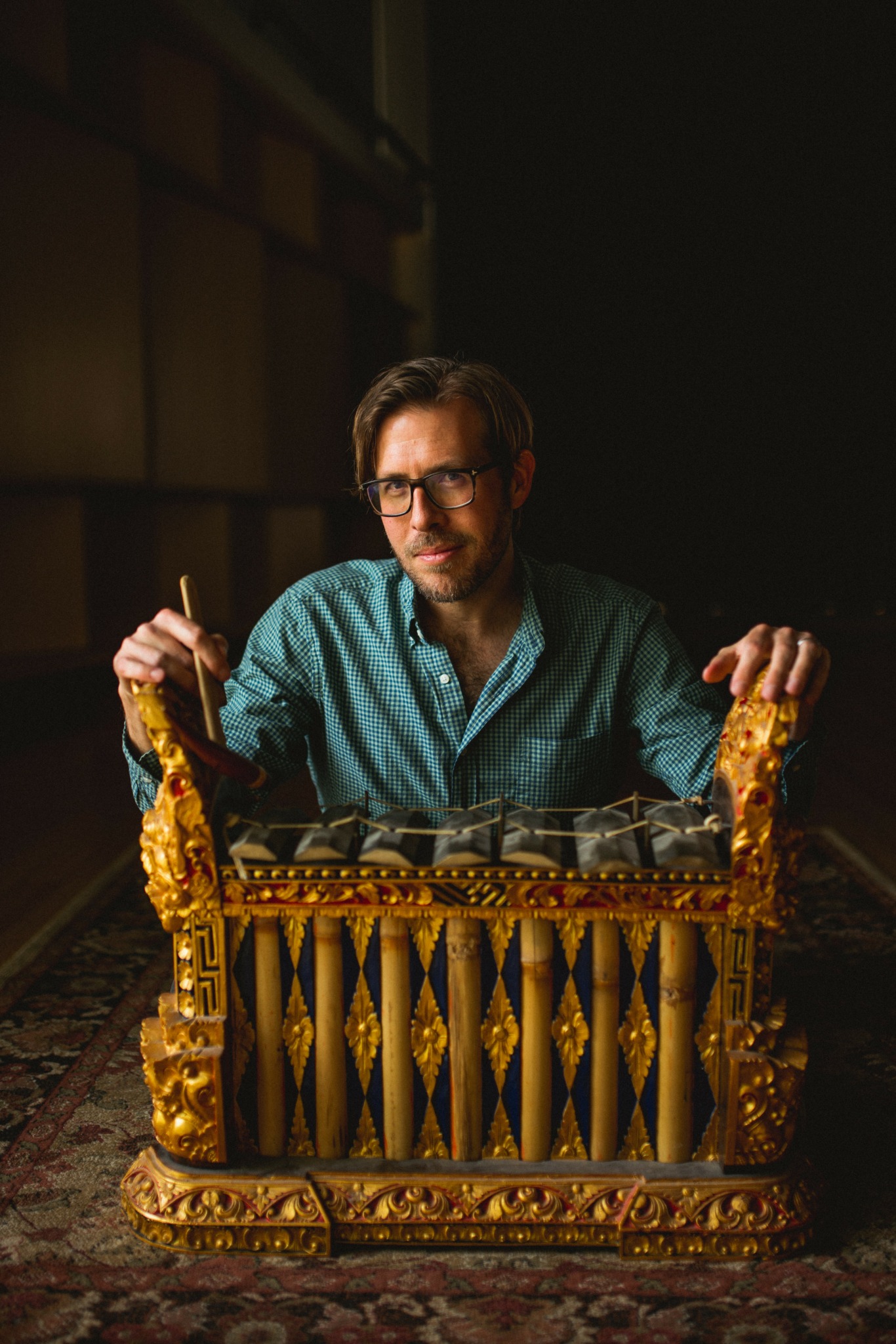

We’re excited to introduce you to the always interesting and insightful Chris Thomas. We hope you’ll enjoy our conversation with Chris below.
Chris, looking forward to hearing all of your stories today. What’s been the most meaningful project you’ve worked on?
Without a doubt, an experience with immense meaning for me was a last-minute score I wrote for a short film by Cathy Cahn, a wonderful filmmaker who was rapidly dying. She had maybe a month or two at most, so we had only one shot to finish her film in time. We weren’t dealing with big studio politics or funding, but I will never forget the weight of that responsibility. I would frantically write music for scenes, then run to her place—later the hospital—for playbacks and notes. I was determined that she would personally approve the final score before it was too late.
As fate would have it, I ended up fighting the worst flu not long after we started. But there was no time for excuses. This deadline was too important to slow down for. Our working relationship clicked right away. We sailed through the film with surprisingly little struggle. Some of my favorite memories are seeing how brightly she would smile when I discovered the perfect sound for a scene. It was pure radiance, the look of relief that her story was coming to life as she imagined, and a look of hope that the film might actually be finished in time.
Miraculously, the entire film wrapped right on schedule. Cathy lived to see it completed, premiered at the Directors Guild Theater in Los Angeles, and she even Skyped into the premiere to watch the audience cheer her film. She left this world only two weeks later. In my career, that experience became the standard by which I measure artistic determination and dedication. Even death itself was forced to wait for this creator’s convenience—and I can only aspire to that kind of power.
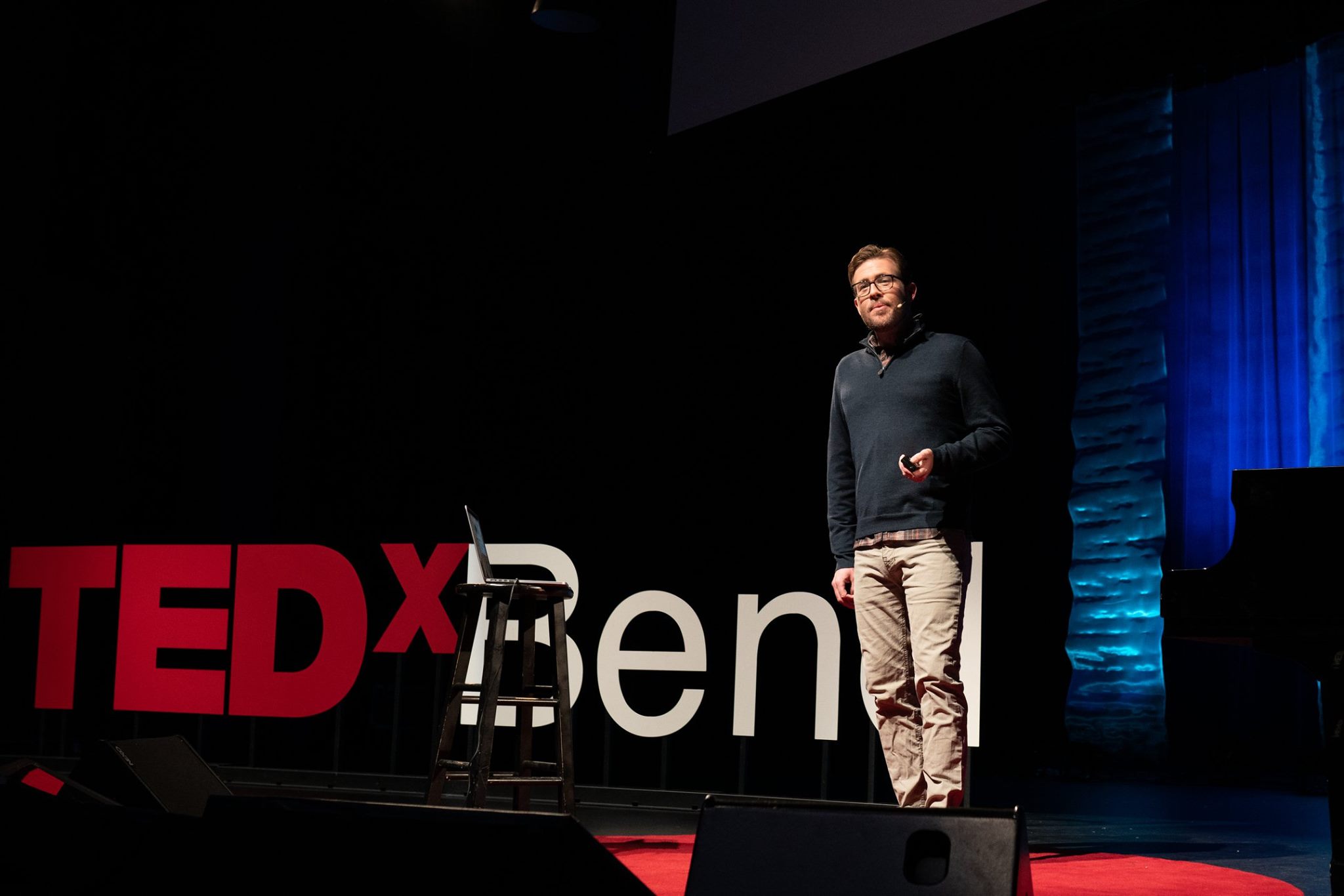
Chris, before we move on to more of these sorts of questions, can you take some time to bring our readers up to speed on you and what you do?
I’m a composer working across films (Don’t Look Back, Moose, Kardashians), theme parks (Universal, Knott’s Berry Farm), and AAA video games (Fortnite, Epic Games). In between those projects, I usually take on one large concert commission each year.
Early in life I fell in love with both music and film. I was enchanted by the music of giants like Beethoven, but also by film composers such as John Williams and Danny Elfman. At the same time, I was captivated by filmmakers like Hitchcock, Kurosawa, Demy, and Fellini. Around age ten I realized those two passions could merge into a single path: becoming a film composer.
That realization set me on a trajectory of studying cello and composition, eventually moving to Los Angeles to study film scoring at USC. While in school, I was fortunate to meet many industry veterans who gave me my first opportunities on larger film and television projects. Often I worked as an arranger or conductor for them, and occasionally I helped finish composing when deadlines got tight. But just as important was meeting the young filmmakers of my own generation and growing into the industry alongside them. There’s no skipping to the front of the line—you rise together.
While some music companies offer libraries or stock tracks for filmmakers to choose from, my career has been built around creating highly customized scores. Everything is tailored specifically to the needs of the project.
With every client we go through an extensive process of discovering a unique tone, themes, and sound palette that could only exist in their film, game, or attraction. From there we explore draft after draft for each scene until we find exactly what the moment needs. The goal isn’t efficiency or cutting corners—it’s discovering the perfect sound.
From the first meeting to the final mix, my aim is to create something exceptional, unique, and unforgettable.
In this line of work, artistic greatness wins the long game. You can build a career chasing the biggest titles or the biggest paychecks, but that kind of success tends to be short-lived. Creating exceptional, unforgettable work is how you survive the decades—and ultimately how you create the most value for the world around you.
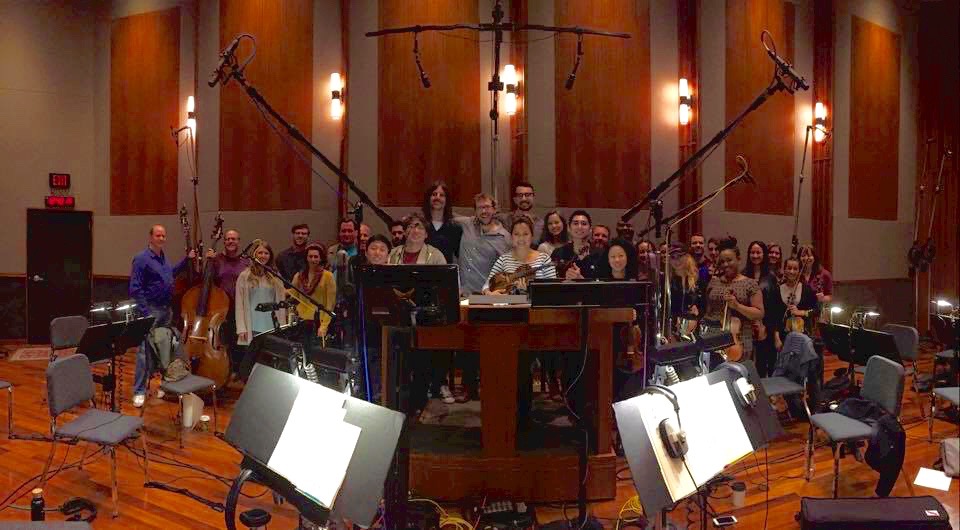
What’s a lesson you had to unlearn and what’s the backstory?
That’s an easy one: don’t chase trends.
Young artists are often taught that they need to stay on top of whatever is new and cool. If something is trending, the thinking goes, you have to jump on it immediately—no questions asked. It sounds like smart advice.
In reality, it’s the worst advice you can live by. Trends come and go quickly. They age fast, and more often than not they end up becoming the punchline of a joke. If you build your career around temporary fads, you’re not building something sustainable. You’ll be just as forgettable—and sometimes just as laughable—as boutique ringtones, skinny jeans, or the millennial whoop.
The truth is, we already have a Taylor Swift and a Billie Eilish. The world doesn’t need cheap knockoffs. What it does need is you.
You’re already a living, breathing fountain of artistic ideas waiting to be discovered. You’ve lived a life nobody else has—with your own experiences, interests, influences, and perspective. Inside that is a universe of originality that no one else can replicate. That’s your offering to the world: a singular artistic voice.
Your mission isn’t to look outward. It’s to look inward. At some point, after enough reflection and exploration, you’ll make contact with your true artistic voice. When it happens, it’s electric and life-changing.
People will sit up and take notice. From that point on, you’re no longer competing with trends, or with anyone else. You’re only competing with the version of yourself from yesterday.
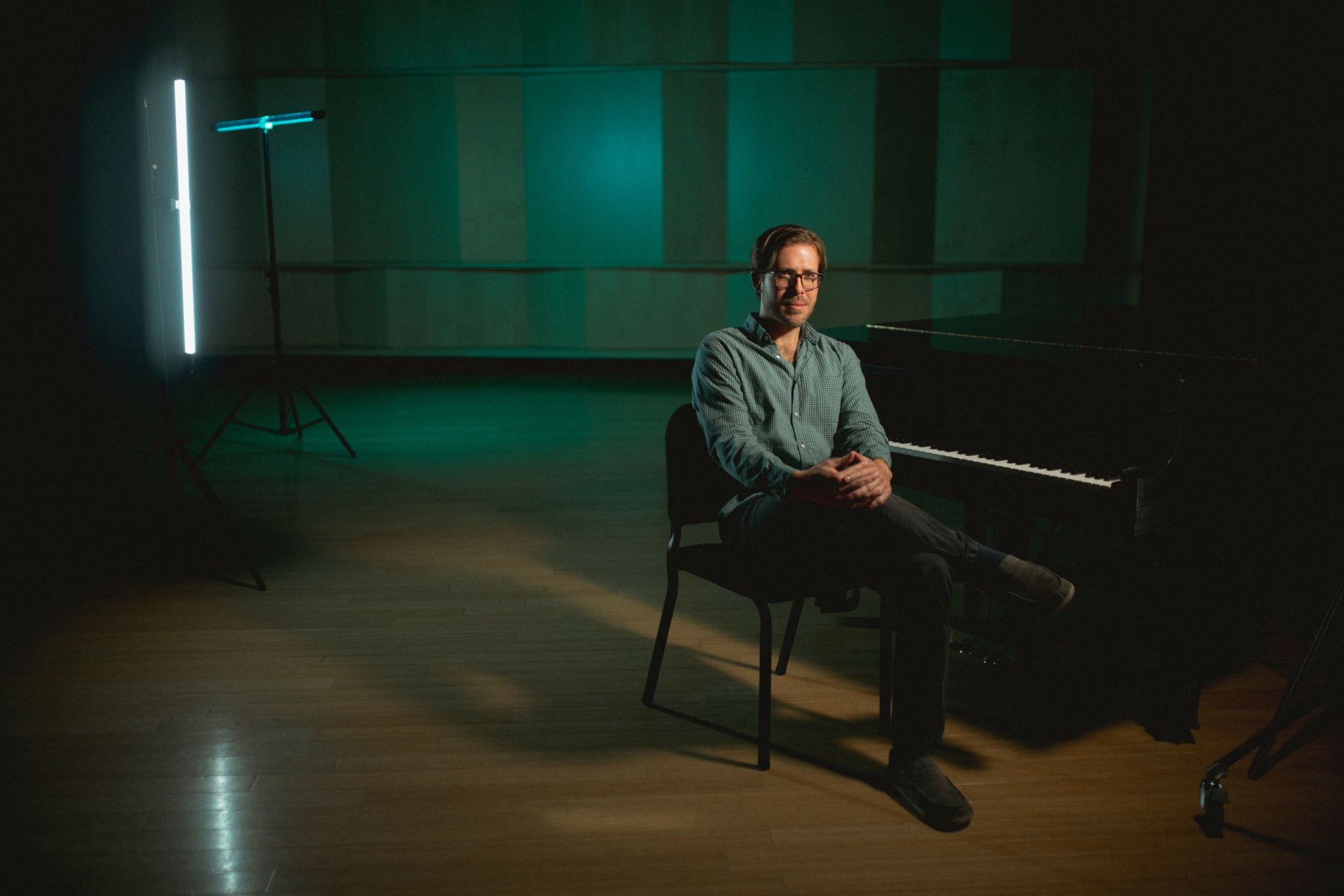
Have you ever had to pivot?
Wow! I feel like that moment is right now.
When we look back at major historical shifts or great power conflicts, people often don’t realize they’re living through them until they’re already deep in the struggle. Lately I’ve started to realize that major shifts have already happened in my own life – and across the creative industries. Whether I planned for it or not, I’m in the middle of a pivot I didn’t see coming.
The motion picture industry has gone through particularly dramatic (and disappointing) changes. Between shrinking budgets, diminishing royalty streams from music and film streaming services, and the offshoring of productions, many longtime collaborators have been pushed out of filmmaking. And if they’re not making movies, I’m not scoring them.
At the same time, theme parks and video games have been picking up the slack, and in many ways, thriving. There’s been some real excitement around my music in those spaces, often more than in film recently.
One thing you learn after a lifetime in the arts is that you have to follow where the momentum leads. This isn’t exactly the future I once imagined, but it’s a pretty great one all the same. Seriously, scoring theme park rides and events is so insanely fun!
My goal has always been to find collaborators who push me to do my best work and to explore as many creative terrains as possible. So onward we go…just in a new direction.
Contact Info:
- Website: https://www.christhomasmusic.com/
- Instagram: https://www.instagram.com/chris.thomas.music/
- Facebook: https://www.facebook.com/chris.thomas.music
- Linkedin: https://www.linkedin.com/in/christhomasmusic/
- Soundcloud: https://soundcloud.com/chris-thomas-composer/sets
- Other: https://www.ted.com/talks/chris_thomas_composing_the_malheur_symphony_finding_healing_with_bird_songs
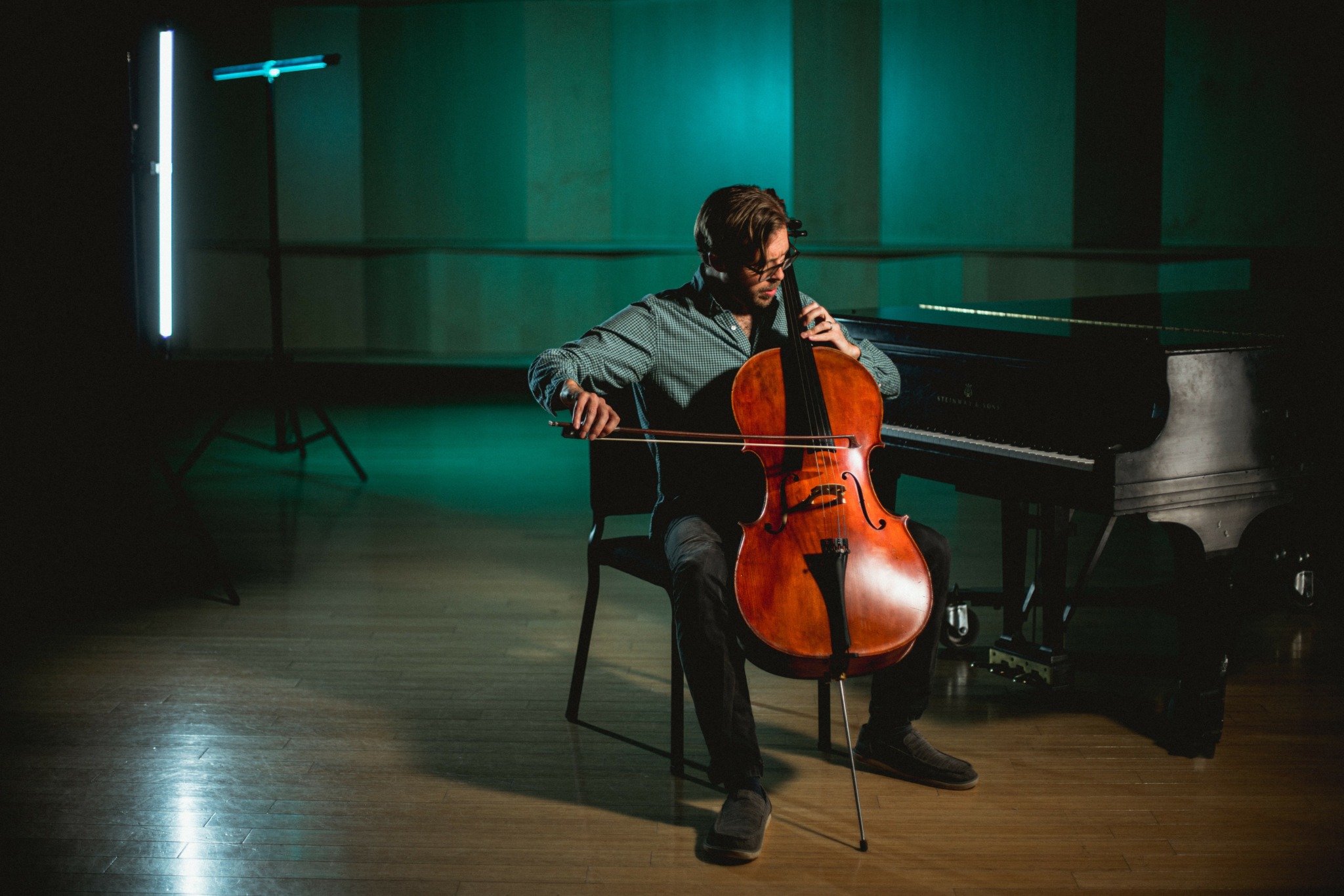
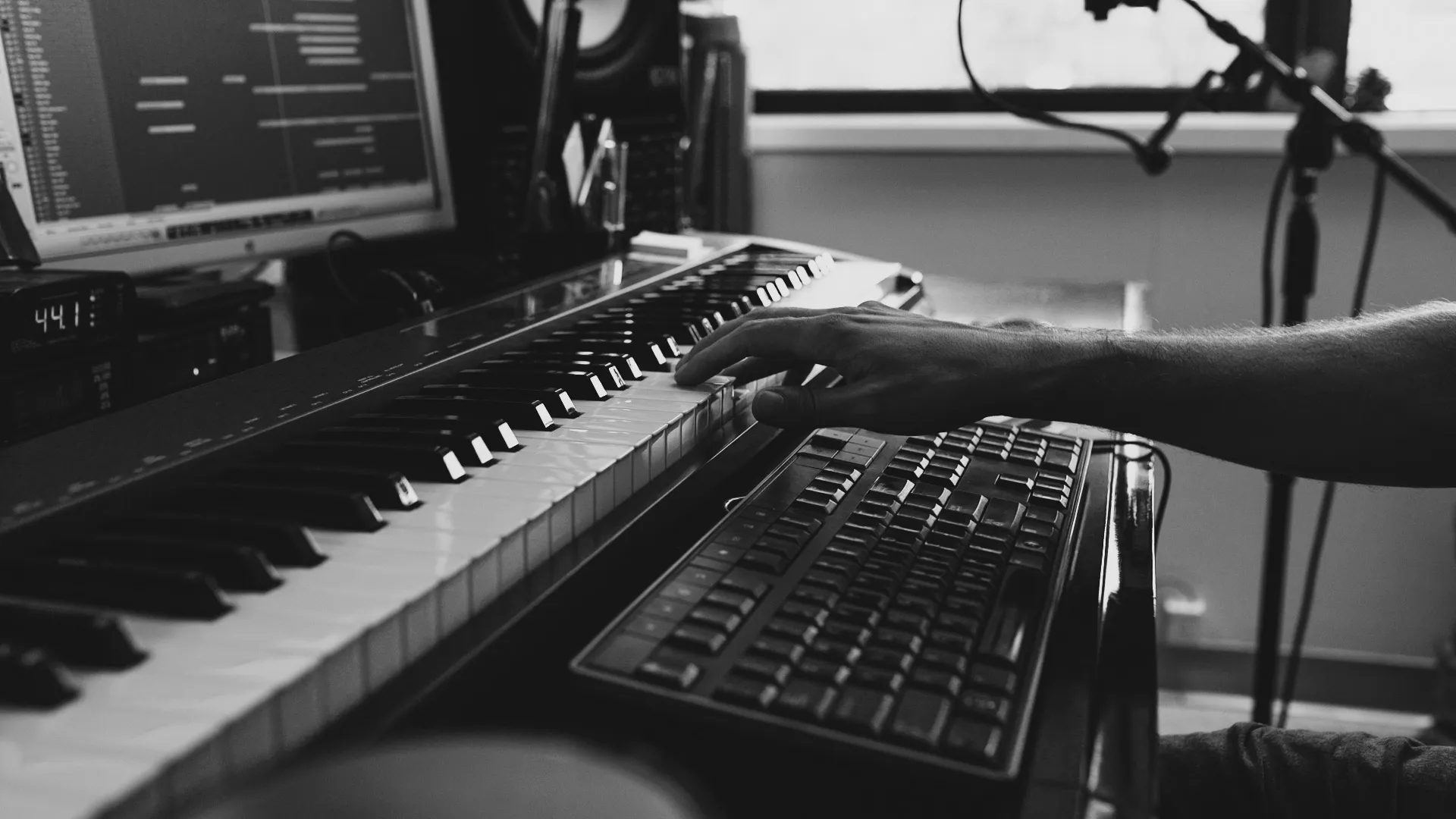
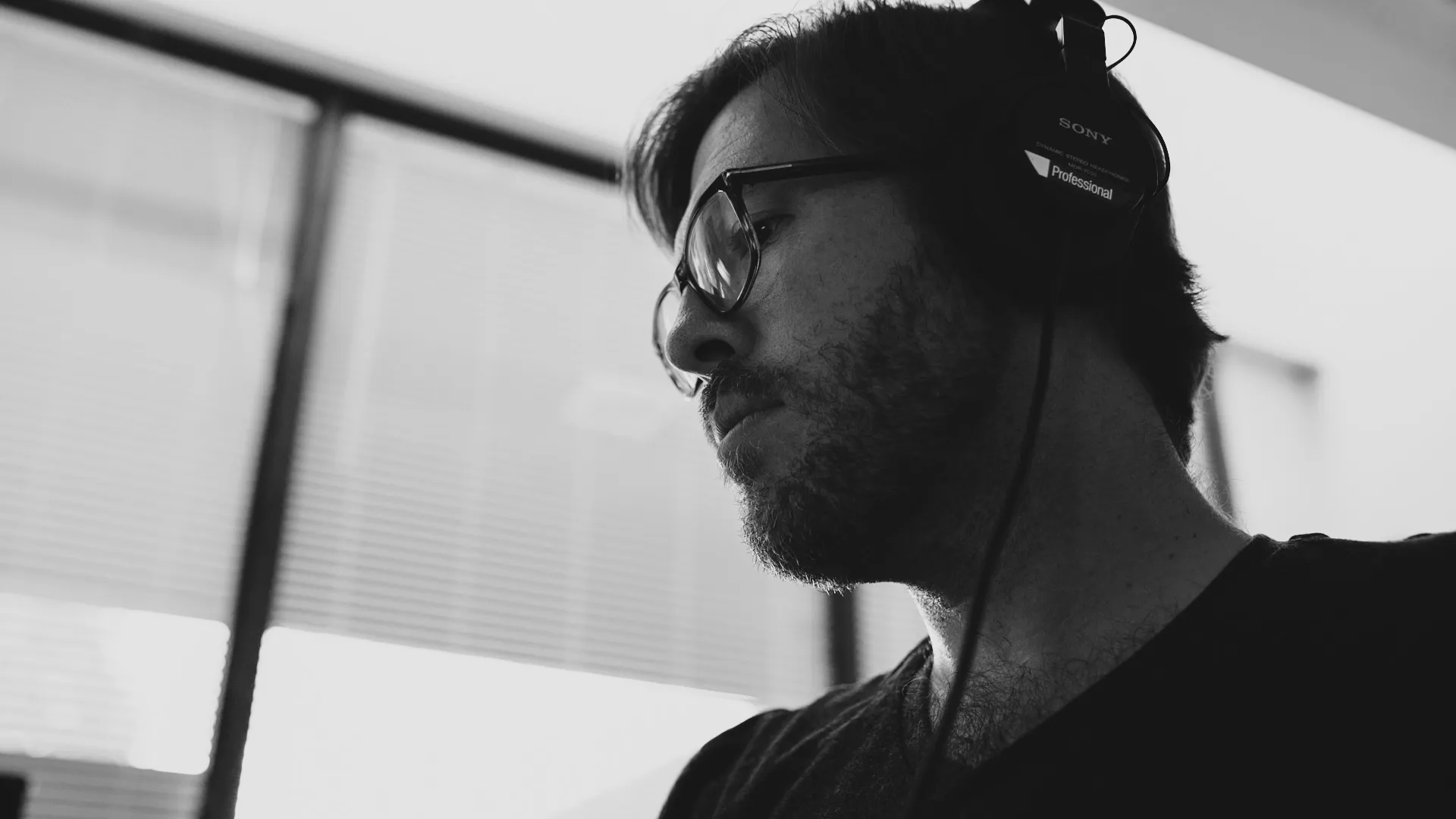
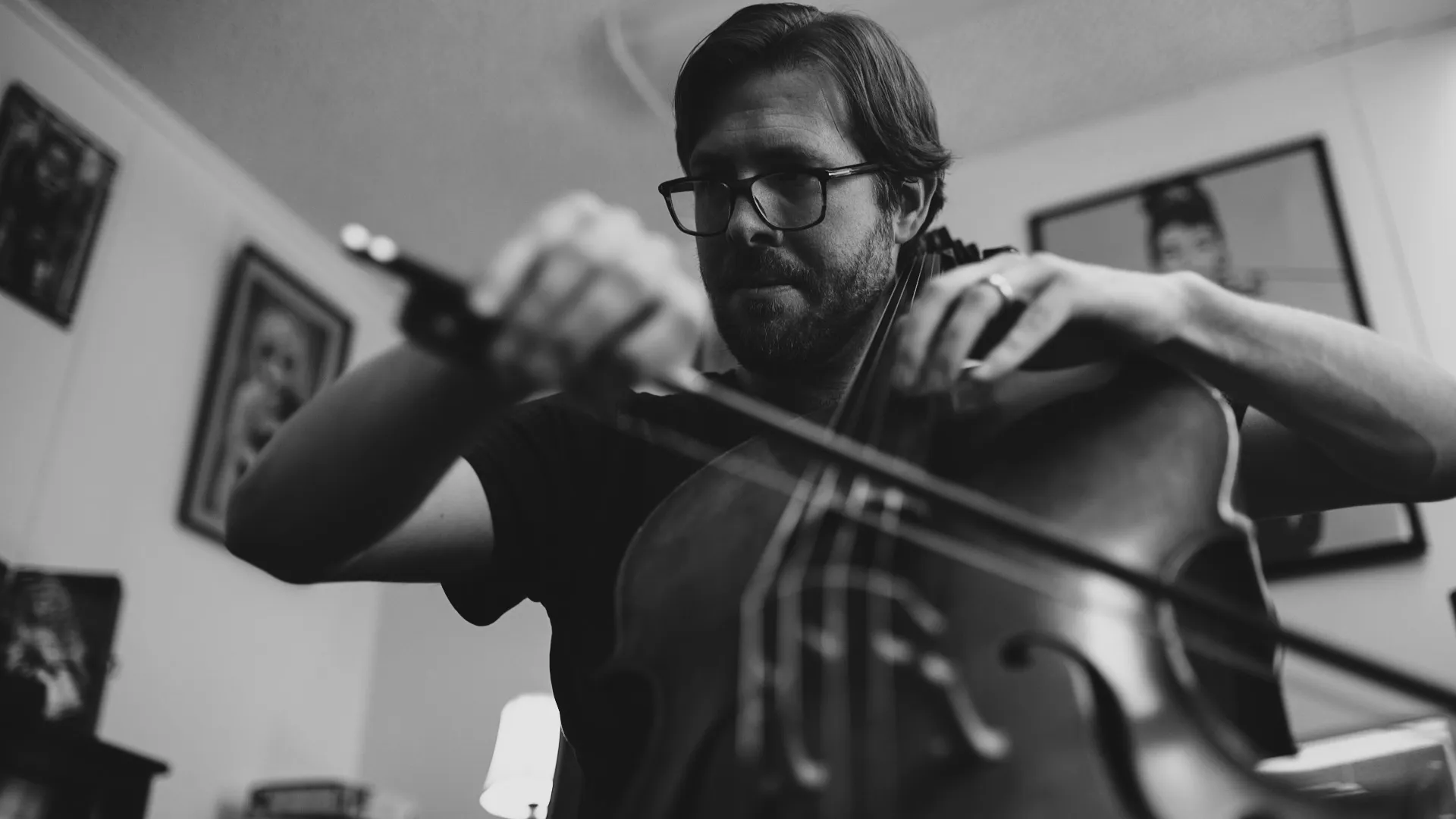
Image Credits
Bradley Lanphear