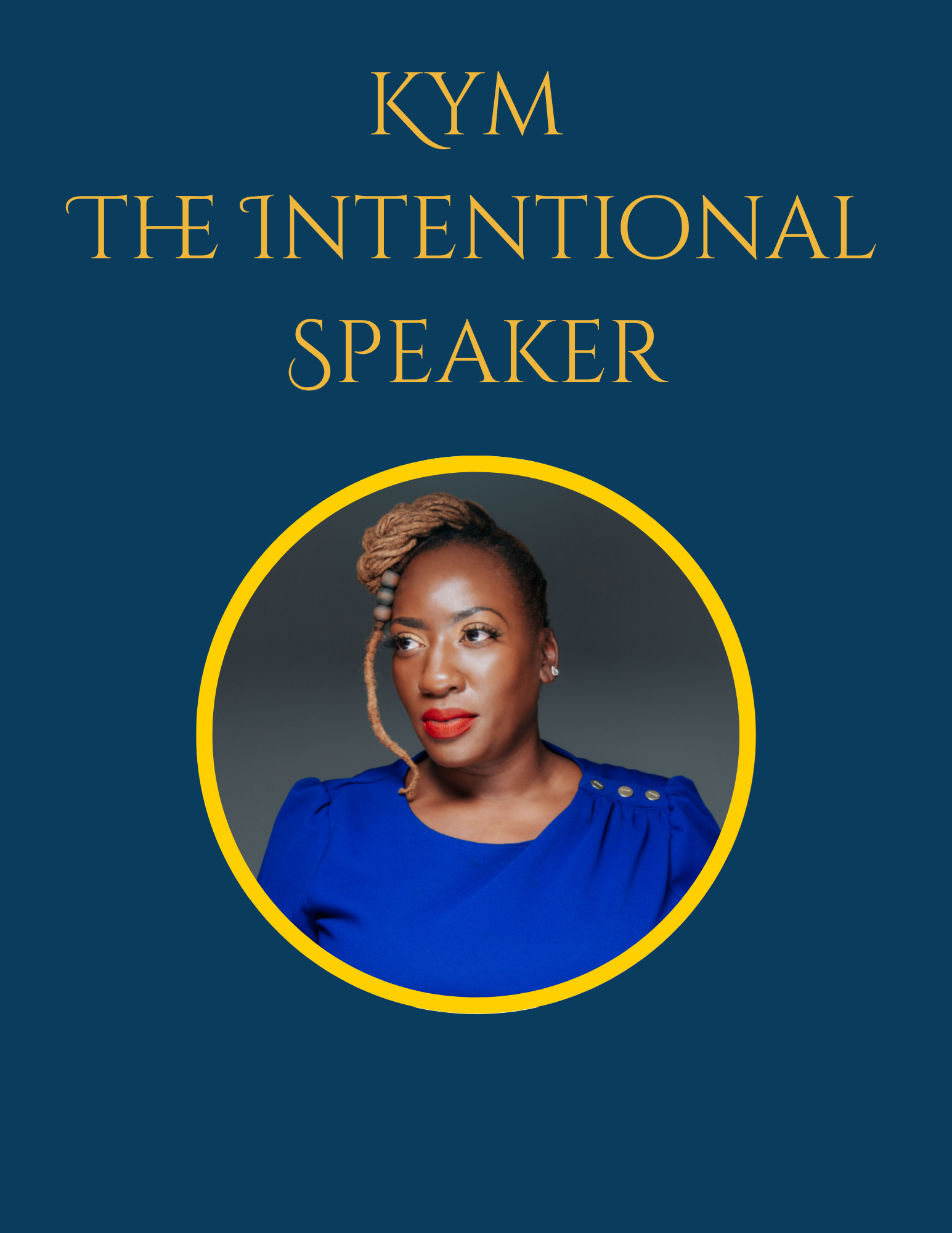

We caught up with the brilliant and insightful Kym Maye a few weeks ago and have shared our conversation below.
Kym, thanks for joining us, excited to have you contributing your stories and insights. Coming up with the idea is so exciting, but then comes the hard part – executing. Too often the media ignores the execution part and goes from idea to success, skipping over the nitty, gritty details of executing in the early days. We think that’s a disservice both to the entrepreneurs who built something amazing as well as the public who isn’t getting a realistic picture of what it takes to succeed. So, we’d really appreciate if you could open up about your execution story – how did you go from idea to execution?
The Architecture of Service: From Vision to Execution
I have always known my compass pointed toward service. My education provided the blueprints and my early career provided the tools, but it was a quiet observation prior to the global upheaval of COVID-19 that turned my “someday” into “today.”
I looked at the landscape of small businesses and saw a fragmented struggle. Some entrepreneurs had the heart but lacked the resources; others had the product but lacked the strategic guidance; and many were simply running on fumes, desperate for the counseling and encouragement to keep going.
The First Hour: Accepting the Mission
The transition from idea to execution didn’t start with a spreadsheet; it started with a decision. I believe the Most High offers every soul a mission. I chose to accept mine: Feed, Lead, Build, and Educate. Once that internal “Yes” was spoken, the “how” began to fall into place.
The Execution: Building at Every Level
To serve a community, you must understand its infrastructure. My journey beyond the “idea phase” was defined by taking on roles that allowed me to influence change from the ground up:
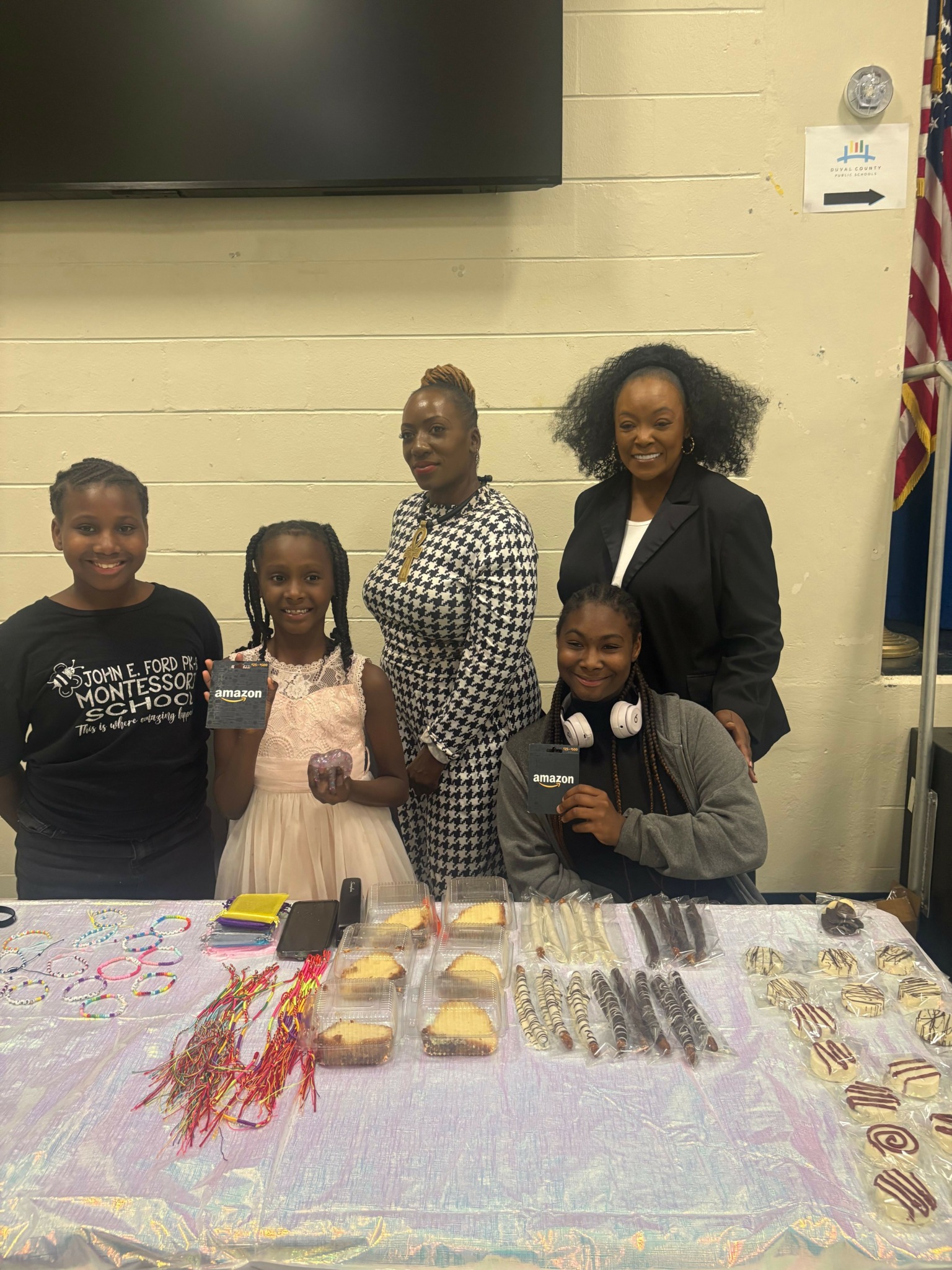
The Tangible Need: I founded the Helping Hands Diaper Center of Jacksonville to address the immediate, physical needs of families.
The Intellectual Need: I established Knowledge & Empowerment to provide the educational scaffolding individuals need to climb.
The Economic Need: Recognizing that small businesses are the heartbeat of our city, I created S&K Consultants.
Leadership in Action
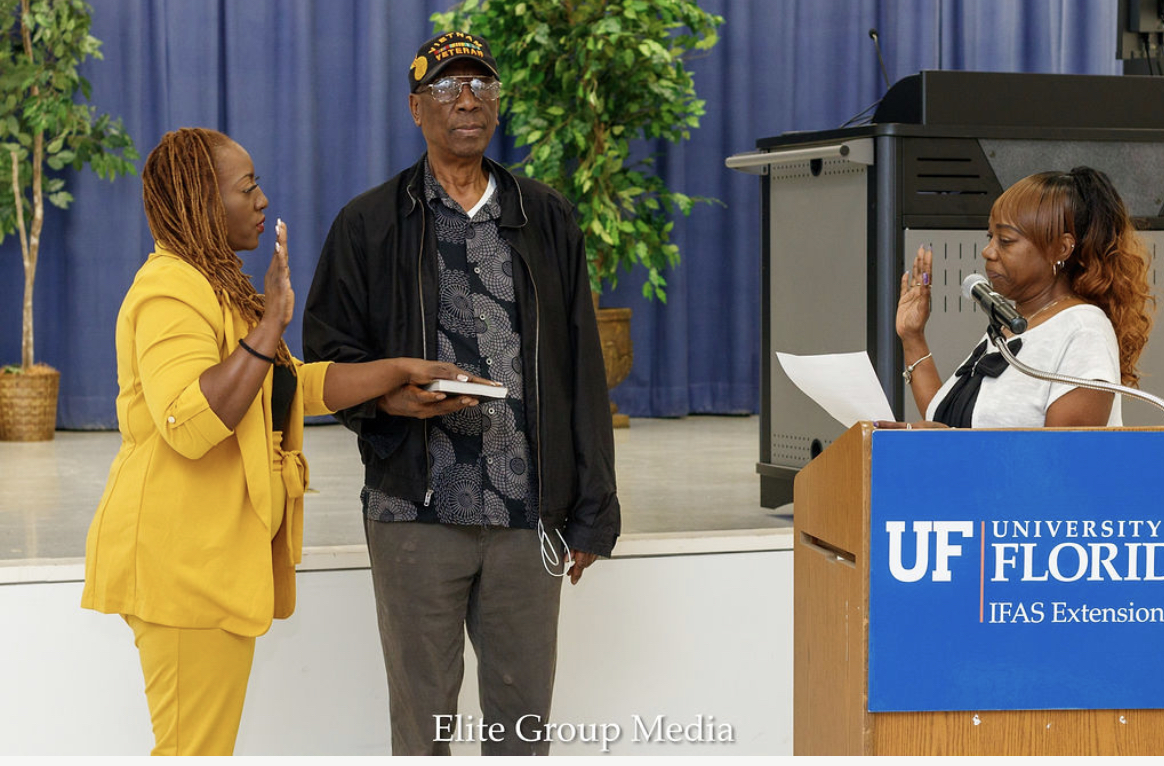
Execution requires more than just starting businesses; it requires civic responsibility. My commitment to “Building” led me to serve as the President of the Duval Soil and Water Conservation District, where I learned to navigate the complexities of elected leadership and environmental stewardship.
Today, that mission continues in my role as the Chief of Compliance for the Jacksonville Black Chamber of Commerce. Here, I ensure that our businesses aren’t just growing, but are doing so with the integrity and structural soundness required for long-term legacy.
The Perimeter of Purpose
The “launch” of my life’s work wasn’t a single event—it was a series of choices to step into the gap where others were falling. Whether I am drafting a compliance report or counseling a new founder, the work remains within the same perimeter: Not for self, but for others.
“I didn’t just start a company; I accepted a mandate to fortify the world by empowering the individual.”

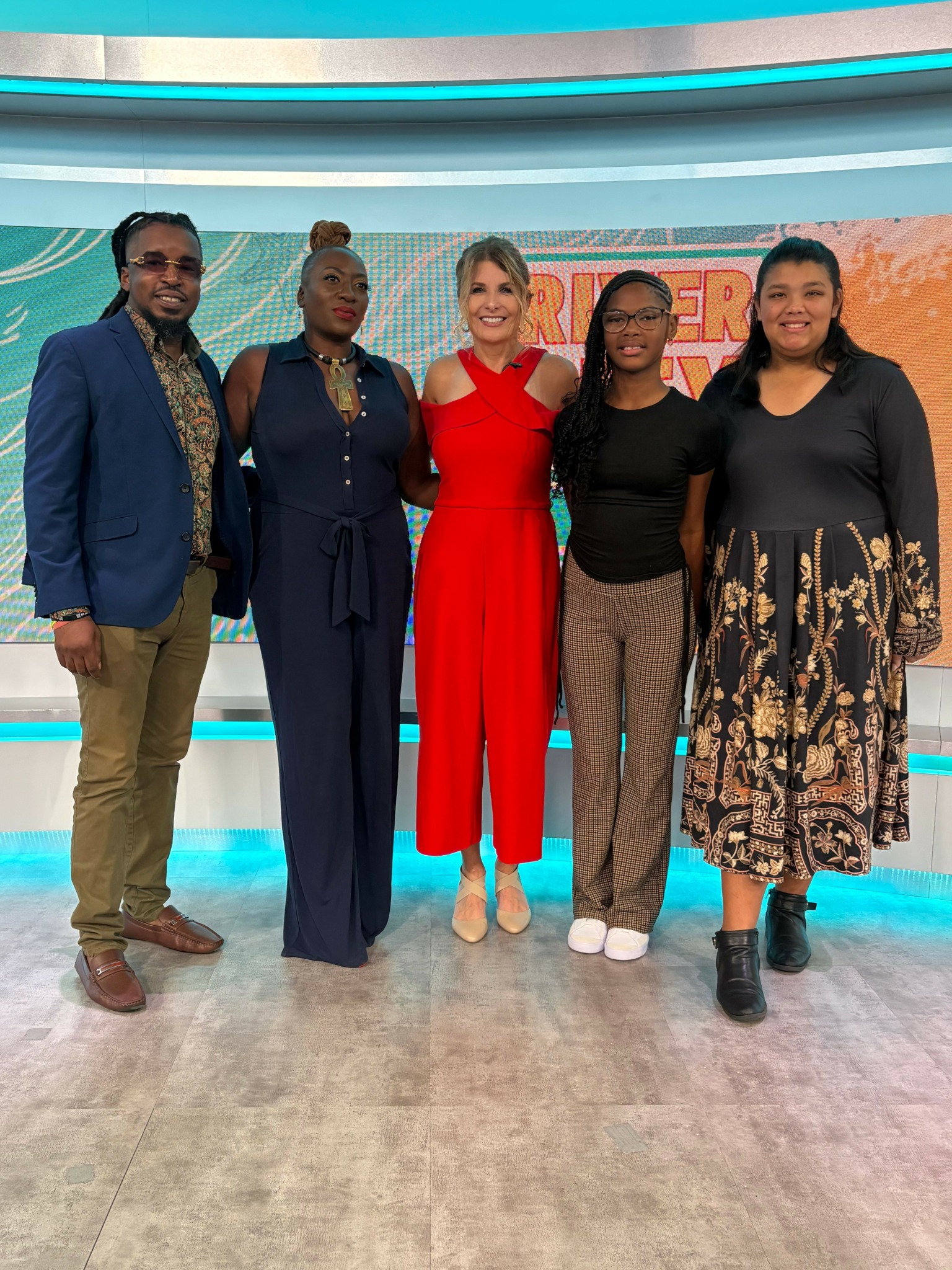
Kym, before we move on to more of these sorts of questions, can you take some time to bring our readers up to speed on you and what you do?
The Genesis: A Calling, Not a Career
My journey didn’t begin in a boardroom; it began with a conviction. I have always known that my life’s work was meant to be an anchor for others. My previous professional roles and my formal education weren’t just jobs—they were the “tool shed” I was stocking to eventually build something of my own.
The real shift happened just before the world changed with COVID-19. I looked at the landscape of small businesses and saw a deep, unaddressed void. Some entrepreneurs had the spark but lacked the resources; others had the product but lacked the strategic roadmap; and many were simply exhausted, needing the counseling and encouragement to keep their doors open.
I realized then that the Most High gives everyone an option to accept a mission. I chose to accept mine: FEED, LEAD, BUILD, and EDUCATE. Once I stepped into that “perimeter,” every organization I created became a tool to fulfill that mandate.
The Ecosystem of Service: What I Build
I don’t just provide a single service; I provide a foundation for human and economic dignity. My work spans several distinct but interconnected organizations:
Helping Hands Diaper Center of Jacksonville: Addressing the most fundamental, tangible needs of families to ensure no child starts life at a disadvantage.
Knowledge & Empowerment: A platform dedicated to the “Educate” pillar, providing the mental and spiritual scaffolding people need to rise.
S&K Consultants: My strategic arm, where I provide high-level guidance, resource allocation, and structural support for small businesses that are the heartbeat of our economy.
Beyond my private ventures, I have been honored to serve our city in high-stakes leadership roles. Having served as the President of the Duval Soil and Water Conservation District, I understand the intersection of policy and community health. Currently, as the Chief of Compliance at the Jacksonville Black Chamber of Commerce, I ensure that our businesses aren’t just growing, but are building on a solid, compliant, and sustainable foundation.
The Problem I Solve: Structural Fragility
The biggest challenge my clients and community members face is fragility. Many have the heart to succeed but lack the “bones”—the systems, the compliance, and the resources—to survive a storm. I step in to solve that. I take the “idea” of a business or a life and give it the structural integrity it needs to stand the test of time.
What Sets Us Apart: The “Perimeter”
What distinguishes my brand from a standard consulting firm or non-profit is the motive. Many businesses are built for self; mine are built for others. Every decision I make is filtered through my four-pillar mission. If it doesn’t Feed, Lead, Build, or Educate, I don’t touch it. This creates a level of trust with my clients that is rare in the business world—they know I am invested in their legacy as much as my own.
My Greatest Pride
I am most proud of the fact that I didn’t wait for permission to lead. Whether it was through an elected office or a local diaper center, I saw a gap and I filled it. I want my followers and clients to know that when they work with me, they are entering a partnership grounded in integrity and purpose.
I am not just building businesses; I am building a stronger, more resilient Jacksonville. If you would like to connect you can reach me at kmaye@jacksonvillebcc.or or call me directly at 904-859-3231
I
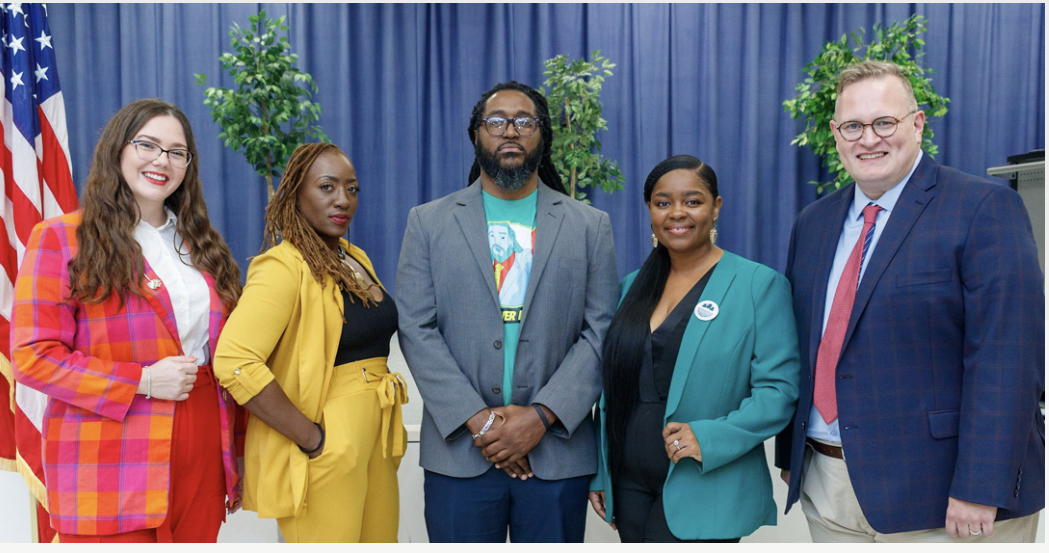
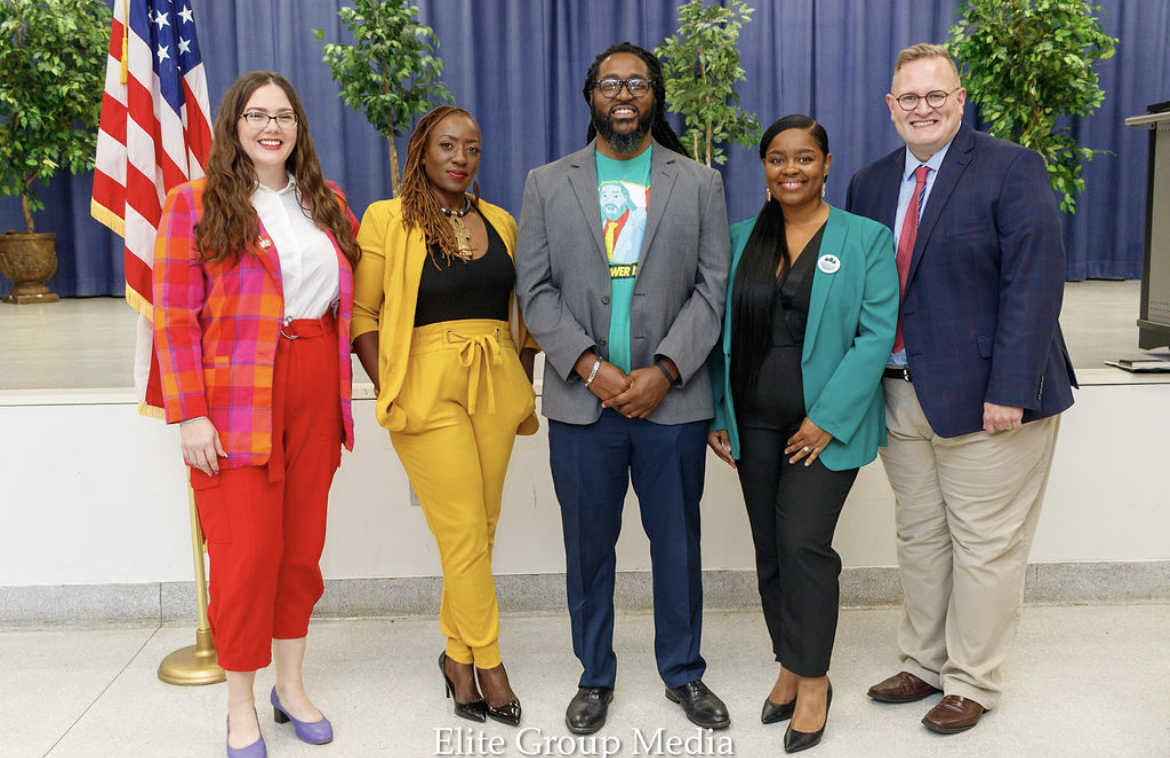
What’s a lesson you had to unlearn and what’s the backstory?
The Lesson: Shedding the Chameleon’s Skin
For a long time, I believed that my greatest asset was my ability to blend in. I was a chameleon.
The Backstory: The Mask of Adaptation
In my journey through various industries—from grassroots non-profits to the technical halls of soil and water conservation and the rigorous world of corporate compliance—I found myself in vastly different rooms. Each room had a different “language,” a different etiquette, and a different set of expectations.
I thought that to be effective, I had to mirror the environment I was in. I thought I had to wear a mask that matched the wallpaper of the boardroom. I believed that if I could look, speak, and act exactly like the people already at the table, I would be granted the “authority” to help.
But I eventually realized that if you spend all your energy blending in, you have no energy left to stand out—or to lead.
The Unlearning: Authenticity as an Asset
The turning point came when I realized that people don’t follow masks; they follow humans. I had to unlearn the habit of “reading the room” to adapt myself, and instead start “reading the room” to see how I could impact it.
I decided to stop being a chameleon and start being my authentic self. I realized that the knowledge I had gained—my education, my technical skills, my lived experience—was already there. I didn’t need a mask to deliver that expertise. In fact, the mask was a barrier.
The Result: The Contagion of Truth
Once I dropped the facade, everything changed. I discovered that positive energy is contagious, but only when it is rooted in truth. There is a specific kind of power that comes from being the same person in a community diaper center as you are in a Chamber of Commerce meeting.
By simply being me, I became more than just a participant in the room; I became a catalyst. I learned that when you stop trying to fit the mold, you finally have the freedom to break it—and rebuild it into something better.
“I stopped trying to be the person the room wanted and started being the leader the mission required.”
Do you have any insights you can share related to maintaining high team morale?
To manage a team effectively, you have to move beyond “supervision” and into orchestration. With my certification in Business and Leadership and my years in the field, I’ve seen that the highest-performing teams aren’t those with the most obedient members, but those with the most empowered ones.
The Symphony of Leadership: Managing for Peak Morale
1. Precision Placement: The Architecture of Talent
High morale begins with alignment. One of the greatest lessons I’ve learned is that you must know how to identify and utilize the unique genius of those around you. This means placing people in the “best space” for their specific gifts.
When a team member is struggling, it’s rarely a lack of will; it’s usually a lack of alignment. My job is to act as a talent architect—ensuring that every person is in a role where their natural strengths can shine. When people feel competent and capable, morale follows naturally.
2. The Fluidity of Authority: Everyone is a Leader
In my organizations, leadership isn’t a static title; it’s a rotating responsibility. I believe that everyone is a leader at different times. By decentralizing authority, I allow my team members to take “ownership” of specific projects or moments. This creates a culture of mutual respect. When a team member knows they have the floor—and the trust of their peers—it transforms the work from a “job” into a “mission.” This fluid leadership model keeps the environment intriguing and ensures that no one feels like a mere cog in a machine.
3. The Currency of Appreciation
You cannot build a legacy on a foundation of burnout. To keep a team inspired, you must make the work fun and captivating. This isn’t about office perks; it’s about genuine intellectual engagement.
I make it a priority to show my team that I don’t just “see” their work—I appreciate their skill set.
Validation: Explicitly naming the unique value a person brings to a meeting.
Inspiration: Challenging them with problems that spark their creativity.
Celebration: Recognizing the wins, both small and large, as a collective victory.
4. The Energy of the Collective
Positive energy is the fuel of any organization. When you remove the “mask” (as we discussed before) and lead with authenticity, you give your team permission to do the same. This creates an atmosphere of psychological safety where innovation can actually happen.
“A leader’s greatest skill is not in doing the work, but in creating an environment where others can do their best work with joy.”
Contact Info:
- Facebook: Kym Wallace
- Linkedin: Kym Wallace
- Other: 904-859-3231
Kmaye@jacksonvillebcc.org