
We recently connected with Tanya Brown and have shared our conversation below.
Tanya, thanks for joining us, excited to have you contributing your stories and insights. We’d love to hear the backstory of how you established your own practice.
Starting my own practice came from a very clear realization: I wanted to build a space where both clients and clinicians could feel truly supported, especially those who identify as BIPOC or Queer. Before opening Vibrant Life Therapy, I had spent over a decade working in various mental health roles, which gave me a front-row view of the gaps in our field and areas for improvement. I saw how important it is for people to have access to compassionate, culturally responsive care—and I also saw how difficult it can be for providers to work in systems that don’t always support them or their identities. That combination really motivated me to create something different.
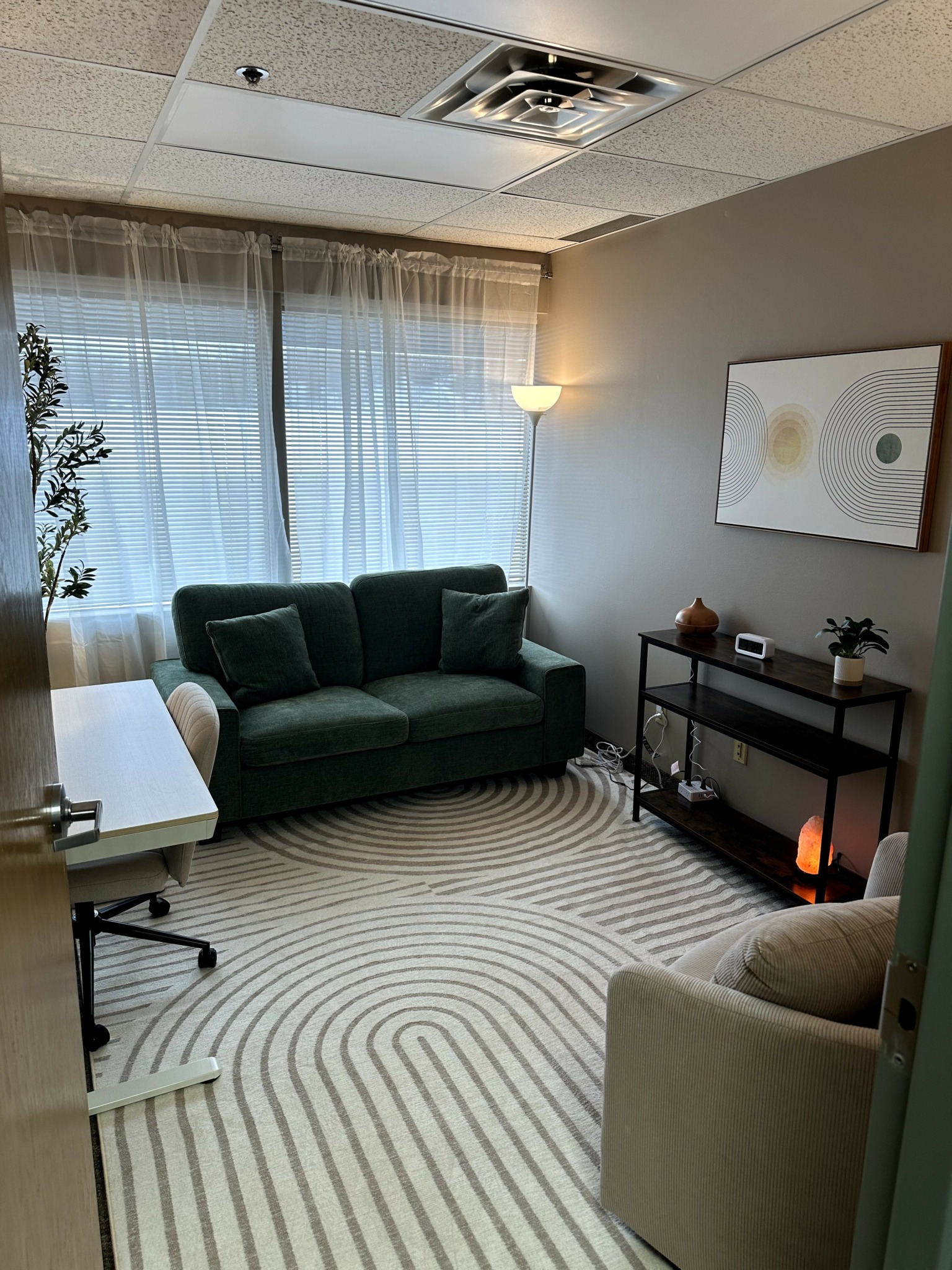
The early days were both exciting and overwhelming. Practically speaking, the first steps involved a lot of foundational work: creating the business structure, obtaining the proper licensing and liability coverage, setting up an EHR system, credentialing with insurance companies, and finding a physical space where clients would feel safe and comfortable. There were also the operational pieces that people don’t always think about—developing policies and procedures, establishing documentation standards, learning the ins and outs of working with insurance.
One of the biggest challenges was learning how to shift from being “just a clinician” to being both a clinician and a business owner. Graduate programs do a great job preparing us clinically, but very little time is spent teaching the realities of running a business. Suddenly I was navigating insurance contracts, payroll, hiring, compliance issues, and financial planning—while still holding a full caseload of clients. That learning curve was steep. There were moments I felt like I was drowning, and I am so grateful I had the support of my husband, partner, family and friends encouraging me to keep going.
If I could go back and do anything differently, I would probably invest earlier in systems and support. Having strong administrative processes, clear policies, and the right technology from the start makes growth much easier. I also would have reminded myself earlier that you don’t have to do everything alone—mentors, consultants, and peer networks can save a lot of time and stress.
For young professionals considering starting their own practice, my biggest piece of advice is to remember that clinical skill is only one piece of the puzzle. Running a practice also requires learning about business operations, financial planning, and leadership. Take the time to build a strong foundation, seek mentorship, and don’t be afraid to start small. Growth doesn’t have to happen overnight.
Most importantly, stay connected to your “why.” Starting a practice can be challenging, but when your work is rooted in a clear purpose—helping people heal, building community, and creating spaces where both clients and clinicians can thrive—it becomes incredibly meaningful.

Tanya, before we move on to more of these sorts of questions, can you take some time to bring our readers up to speed on you and what you do?
My path into this work was not a straight line, but every step along the way shaped how I practice today.
My first job after earning my masters degree in counseling psychology was in community mental health and mental health case management, supporting individuals navigating complex systems while dealing with serious mental health challenges, housing instability, addiction, and trauma. That experience was incredibly formative. I saw firsthand how many people fall through the cracks—not because they aren’t trying, but because the systems are not designed to support them, are often difficult to navigate and not always trauma-informed. It gave me a deep respect for the resilience people carry and a strong commitment to making mental health care more accessible.
Before opening my own practice, I worked within a group private practice, which allowed me to deepen my clinical skills while also learning how private practice operates behind the scenes. During that time, I began developing a clearer vision for the kind of practice environment I wanted to create—one that centered inclusivity, clinical integrity, and holistic mental health care.
That vision eventually became Vibrant Life Therapy, the group practice I founded.
At Vibrant Life Therapy, we provide individual therapy, couples therapy, and family therapy for kids, adolescents and adults, both in person in the Twin Cities and via telehealth throughout Minnesota. Our clinicians work with a wide range of concerns including anxiety, depression, trauma, PTSD, grief, addiction, relationship challenges, identity exploration, and body image concerns. A large portion of our work centers on supporting individuals who have historically had difficulty finding affirming care, including members of the LGBTQ+ community, BIPOC individuals, and others who may feel marginalized in traditional healthcare settings.
What really shapes how I approach this work is my background across multiple parts of the mental health system—community mental health, case management, and private practice. Because of that, I tend to think about mental health more holistically. Therapy is not just about symptom reduction; it’s about helping people build sustainable lives that feel meaningful and aligned with who they are.
One of the things that sets our practice apart is that we intentionally create an environment where both clients and clinicians feel supported. I believe that when clinicians are supported, well trained, and able to show up authentically, clients receive better care. That philosophy influences everything from the way we supervise clinicians to the way we structure our practice culture.
Another aspect that differentiates our work is the integration of trauma-informed and somatic perspectives. Many of the people we work with have experienced trauma that lives not just in thoughts, but in the body and nervous system. Supporting clients in reconnecting with their bodies, regulating their nervous systems, and rebuilding a sense of safety is often an important part of the healing process.
What I’m most proud of is the community that has grown around this practice. Vibrant Life Therapy started as an idea rooted in the belief that mental health care should feel welcoming, affirming, and human. Today it has grown into a group practice with 20+ clinicians who share those same values and who are deeply committed to their clients and communities.
If there are a few things I’d want potential clients or collaborators to know about me and my work, it would be this:
First, I deeply believe that people are resilient, even when life has been incredibly difficult. Therapy is not about “fixing” people; it’s about helping them reconnect with strengths and possibilities that may feel buried under stress, trauma, or self-doubt.
Second, representation and inclusivity matter. Many people have had experiences in healthcare where they did not feel seen or understood. Creating spaces where people can show up as their full selves is incredibly important to me.
And finally, I believe that healing often happens in connection—with ourselves, with others, and with our communities. My work, and the work of our practice, is centered on helping people build those connections in ways that feel authentic and sustainable.
Training and knowledge matter of course, but beyond that what do you think matters most in terms of succeeding in your field?
Other than formal training and knowledge, I truly believe that what matters most in this field is people and connection.
You can study every therapeutic theory, read all the textbooks, and attend countless trainings—and those things absolutely have value. They give us important frameworks and tools. But at the end of the day, the most meaningful parts of this work are not things that can be fully taught in a classroom.
What really makes someone effective in this field is the ability to connect with people in an authentic and human way. Clients are not looking for someone who has memorized the most theories—they’re looking for someone who can sit with them in difficult moments, who can listen deeply, and who can hold space without judgment. That kind of presence, empathy, and relational attunement develops over time through experience and through genuine care for others.
I also think it’s incredibly important to surround yourself with colleagues and mentors who share your values. Some of the most important lessons I’ve learned as a clinician have come through collaboration—through consultation, supervision, and conversations with other providers who are committed to thoughtful, ethical, and compassionate care. Those relationships shape how you grow professionally and personally.
In many ways, this work is about learning alongside others. The growth happens in the shared space between people—in community, in mentorship, and in the relationships we build with clients and with other clinicians.

Can you talk to us about how your funded your firm or practice?
Funding my practice in the early days was very much a DIY venture. I didn’t have outside investors or large savings set aside to start a business. Like many small business owners, I started with what I had and took some calculated risks.
In the beginning, I used my own personal funds and credit cards when I started to get things off the ground. That included everything from furnishing my very first office to paying for credentialing services so I could accept insurance. Starting a therapy practice has a lot of upfront costs that people don’t always realize—office furniture, professional systems, licensing, insurance credentialing, and basic operational infrastructure. At that time, I didn’t have a large financial cushion, so I had to be very thoughtful and strategic about how every dollar was spent.
One of the most pivotal pieces in those early days was the opportunity a friend and college found through the community at Calvary Baptist Church in South Minneapolis. They had office spaces available for rent at very affordable rates specifically to support small businesses and community services. That access to affordable space made an enormous difference for me. When you’re starting a practice, overhead can make or break your ability to stay afloat long enough to grow.
Having a welcoming, supportive place to start allowed me to begin seeing clients, build relationships, and slowly establish the practice without being crushed by high commercial rent. I will always be incredibly grateful to the Calvary Baptist community for providing that opportunity. Their support played a meaningful role in helping me get my footing as a new business owner.
As the practice began to grow and I started bringing on contract clinicians, things gradually expanded. After a couple of years of steady growth, I was able to secure my first business loan through WomenVenture, an organization that supports women entrepreneurs. That funding allowed me to take the next big step—expanding into a second location and furnishing additional therapy offices so more clinicians could join the practice.
That stage of growth felt really meaningful because it represented a shift from simply trying to keep the doors open to actually building something sustainable and supportive for other clinicians as well. To this day I am incredibly proud and grateful to see how far Vibrant Life has come!
Contact Info:
- Website: https://www.vibrantlifetherapyclinic.com
- Instagram: vibrantlifetherapy