


We caught up with the brilliant and insightful Kelly Latham a few weeks ago and have shared our conversation below.
Kelly, thanks for taking the time to share your stories with us today How did you scale up? What were the strategies, tactics, meaningful moments, twists/turns, obstacles, mistakes along the way? The world needs to hear more realistic, actionable stories about this critical part of the business building journey. Tell us your scaling up story – bring us along so we can understand what it was like making the decisions you had, implementing the strategies/tactics etc.
Scaling a business is one of those things that from the outside looks like it happened overnight, but in reality it’s the result of a lot of small decisions, adjustments, and groundwork that no one really sees.
I didn’t start with a big plan to “scale a business.” I started by making drawings I liked and turning them into products because it felt like the natural next step. The scaling happened later, and honestly it came from paying attention to what was working and then doing more of that, over and over again, but in a more intentional way each time.
In the beginning, everything was small. Small batches, small audience, small orders. I was figuring out how to even make a product, how to price it, how to package it, how to ship it without losing money. That phase slow and tedious, and I think that’s the part people skip over, but it’s where I learned the most.
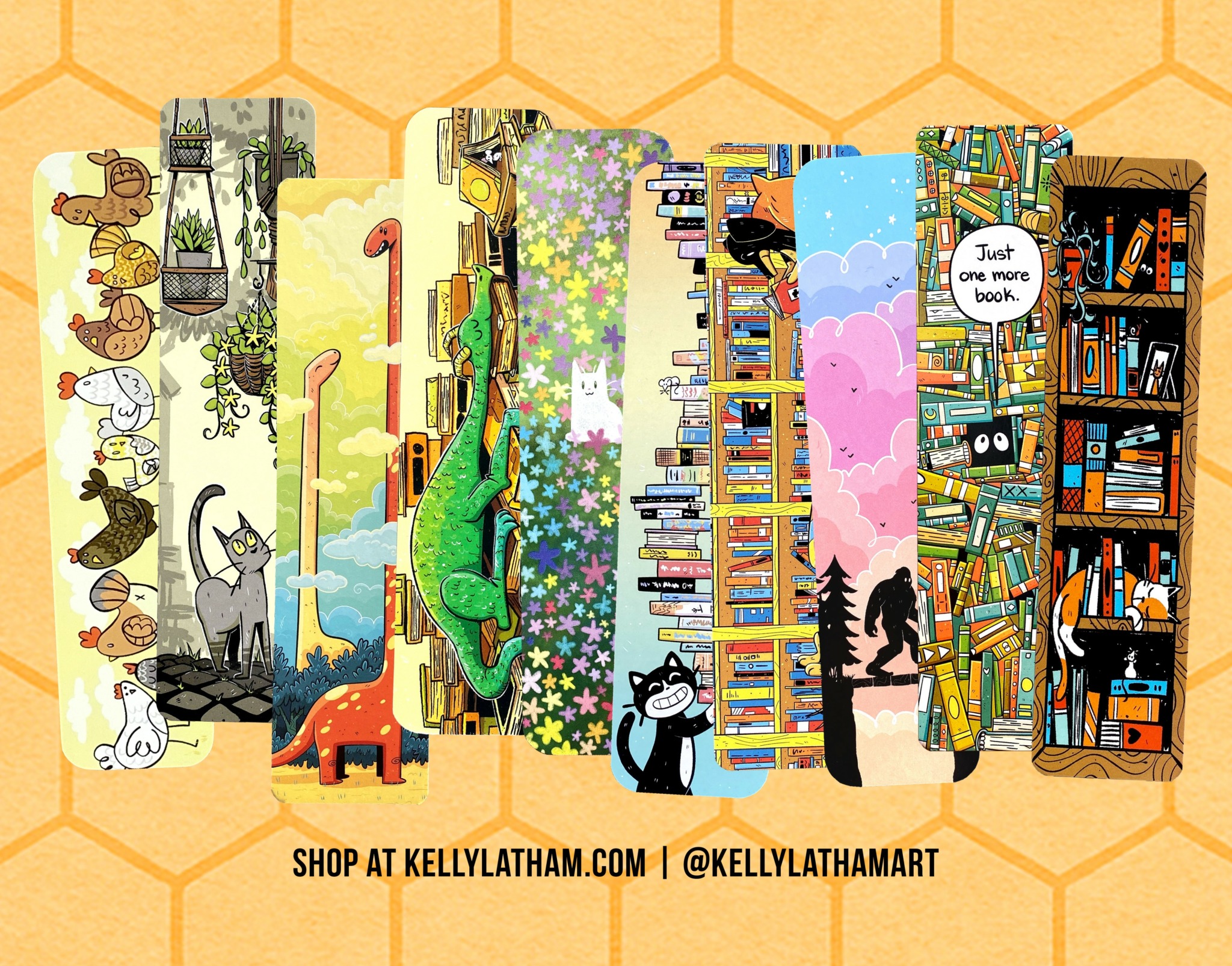
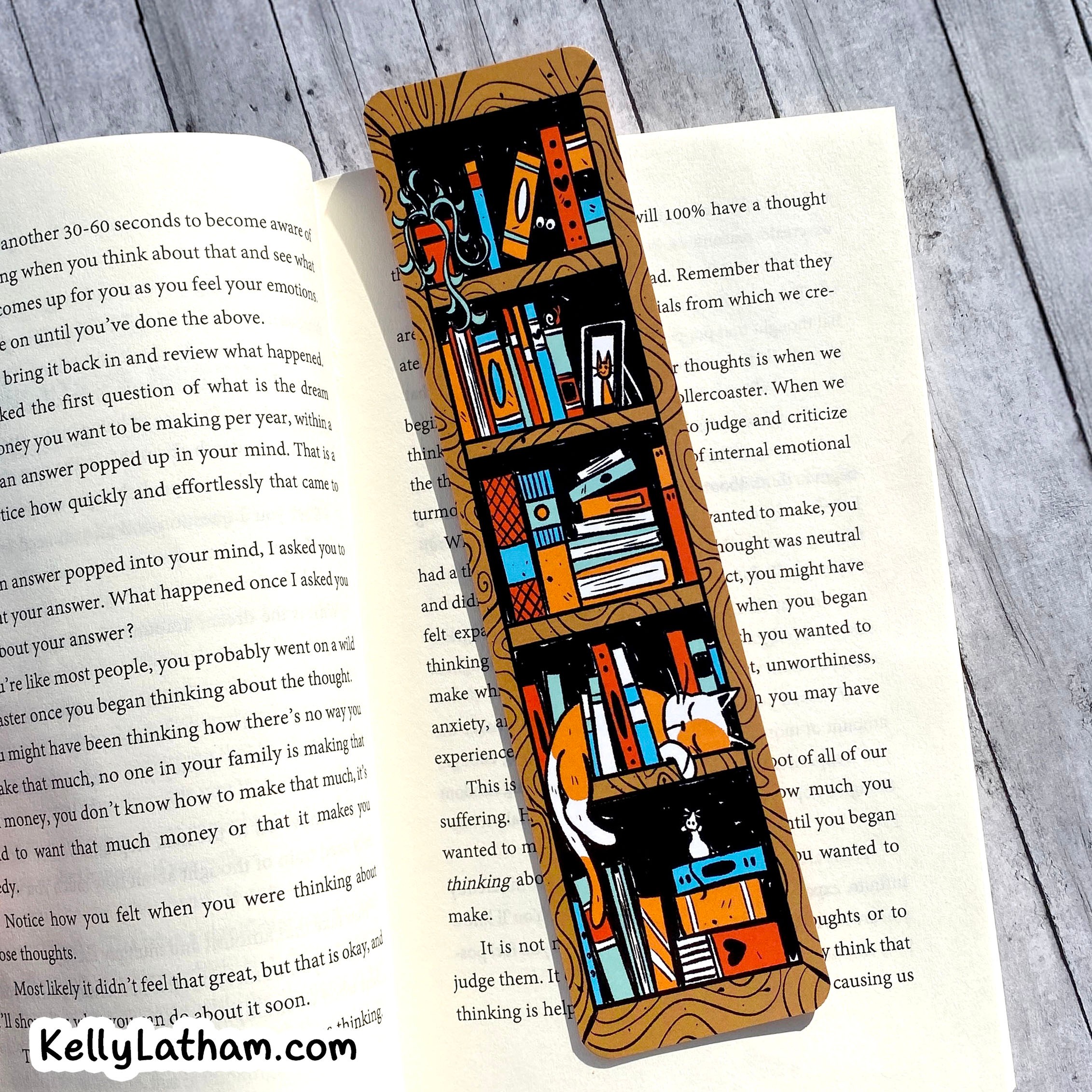
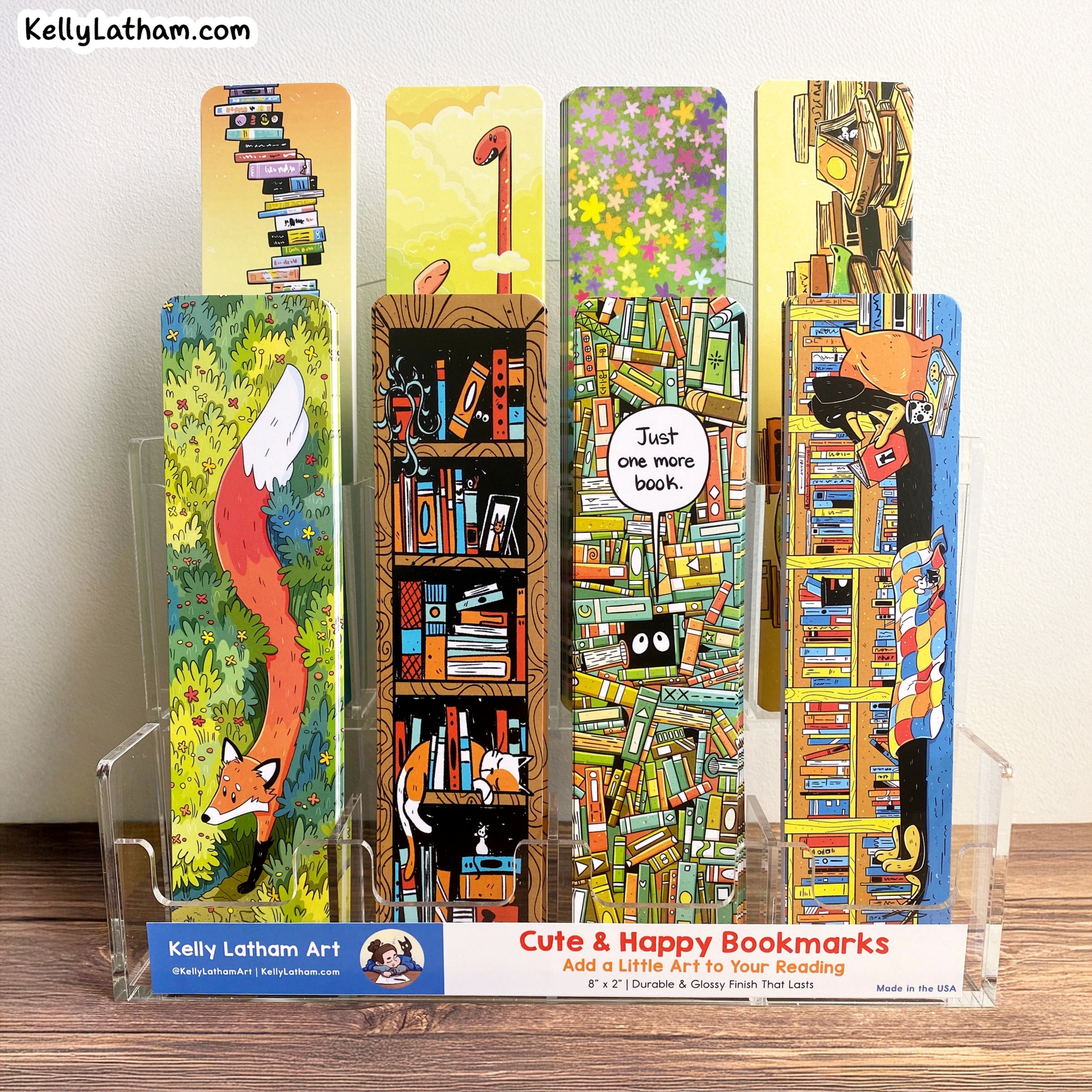
The first real shift for me was realizing I needed to treat it like a system, not just a creative outlet. That’s when I started organizing everything with SKUs, tracking what sold, and actually looking at numbers instead of guessing. Once I could see what was working, I could double down on it. My bookshelf bookmark is a good example, it performed well early on, so I leaned into that style and expanded around it instead of constantly jumping to completely new ideas.
The biggest scaling move for me was wholesale. Retail is great, but it’s one customer at a time. Wholesale let me put my work in front of hundreds of customers through one store. But getting into wholesale wasn’t instant. It was a lot of sending samples, a lot of no responses, and a lot of refining how I presented my products so they made sense for a store, not just an individual customer.
I also built systems around inventory pretty early, which saved me later. I track how products perform over quarters and make decisions based on that, whether to reorder fully, scale back, or discontinue. That keeps me from over investing in things that aren’t working and frees up money to put into things that are.
There were definitely mistakes. Ordering too much of something I thought would sell. Not ordering enough of things that actually did. Spending time on products that didn’t connect. And just underestimating how much time packing and fulfillment would take once orders picked up. Every one of those forced me to adjust something in the system.
I think the biggest “aha” moment was realizing this is less about constantly creating new things and more about building a repeatable process. Design, test, track, reorder, expand. Once that was in place, growth became a lot more predictable.
So the scaling wasn’t one big moment. It was a lot of small decisions stacked over time. Paying attention to data, refining systems, and slowly shifting from I make art to I run a product-based business that happens to be built on my art.
Kelly, love having you share your insights with us. Before we ask you more questions, maybe you can take a moment to introduce yourself to our readers who might have missed our earlier conversations?
Hi, I’m Kelly, and I draw things! I run Kelly Latham Art, which is an illustrated stationery and gift brand focused on cute, functional products that make everyday tasks a little more fun.
I didn’t set out to start a business. I’ve always been drawing, and at some point it just made sense to turn that into something physical. I started putting my illustrations onto products like bookmarks, stickers, and notepads, and it grew from there. It was a really natural progression from making things to selling them.
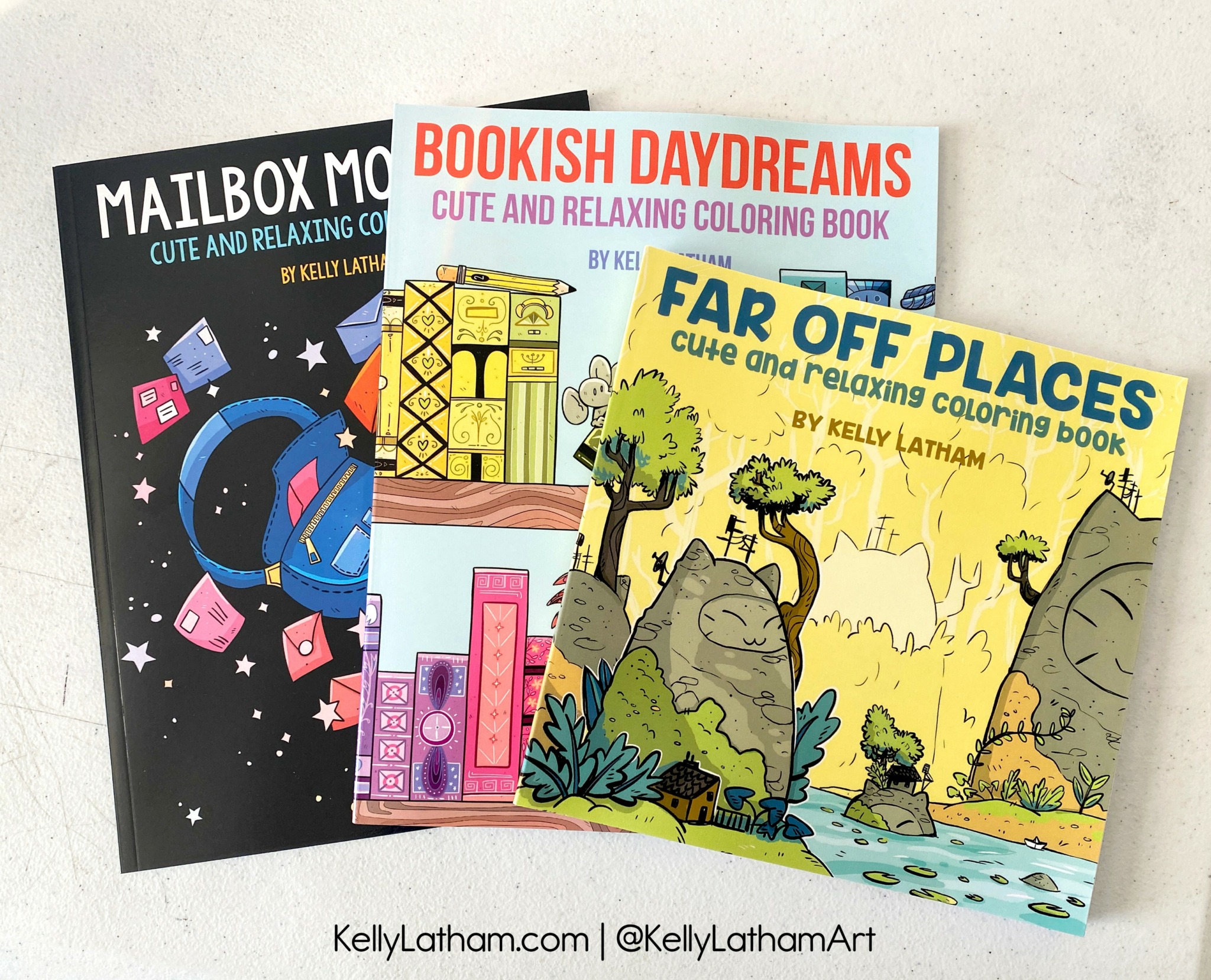
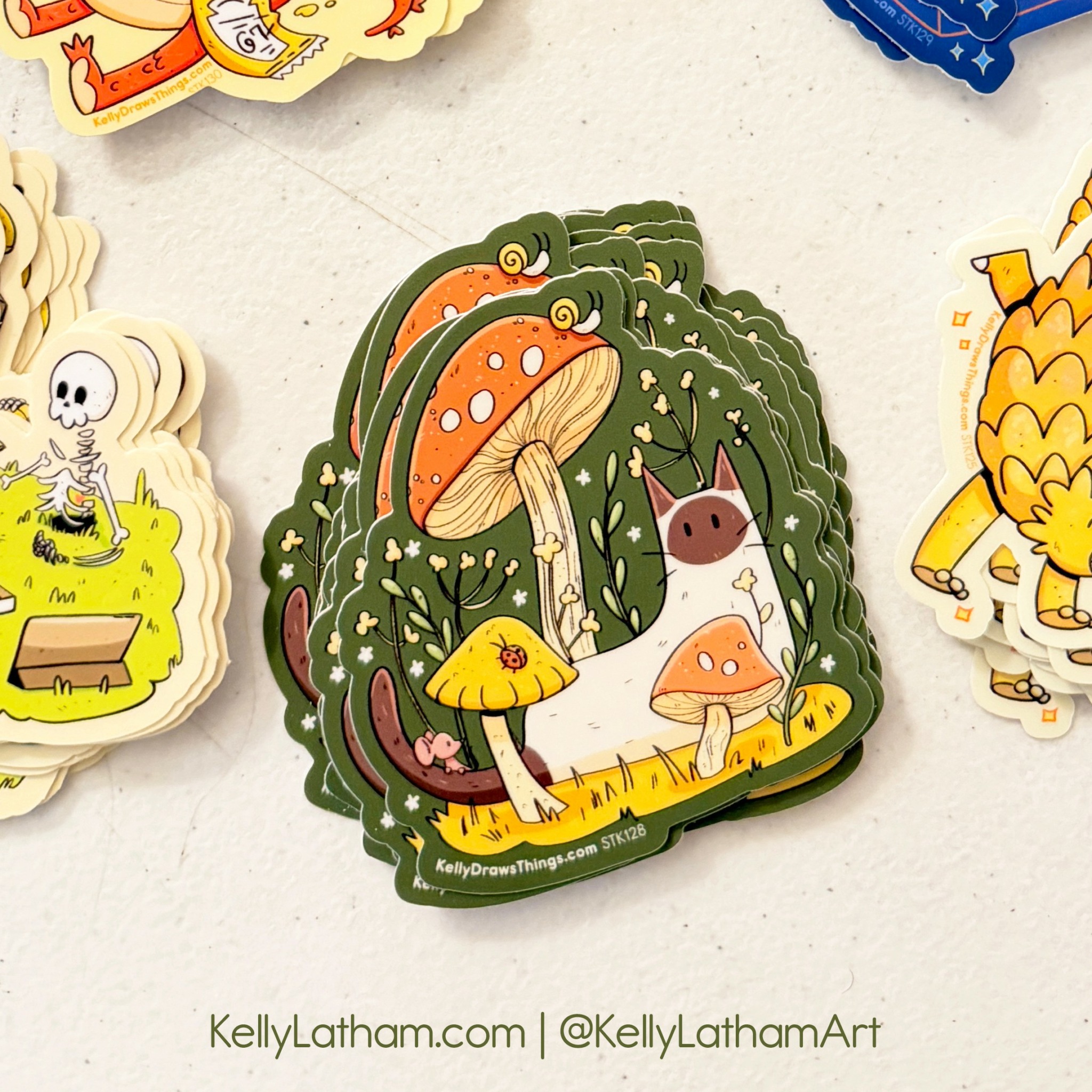
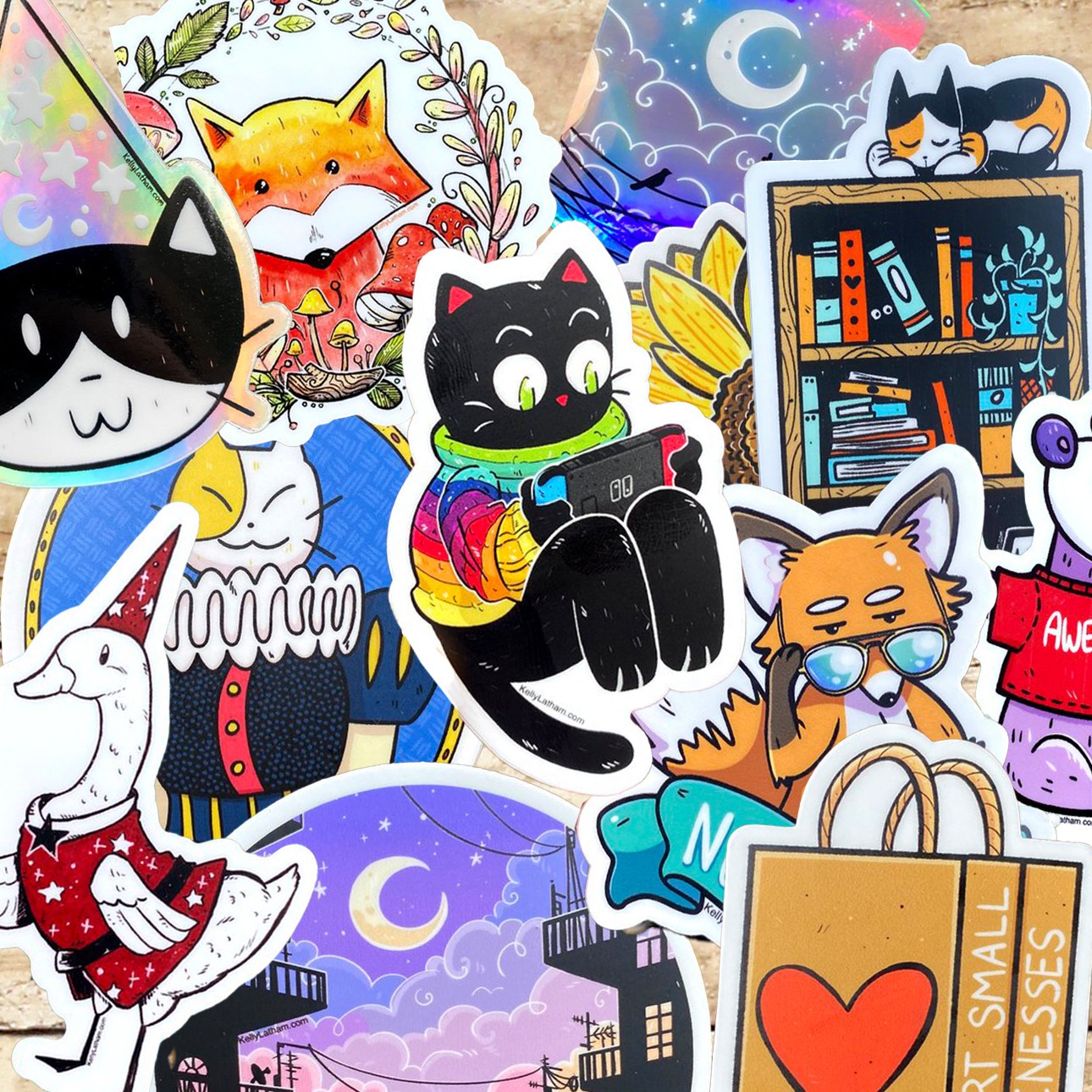
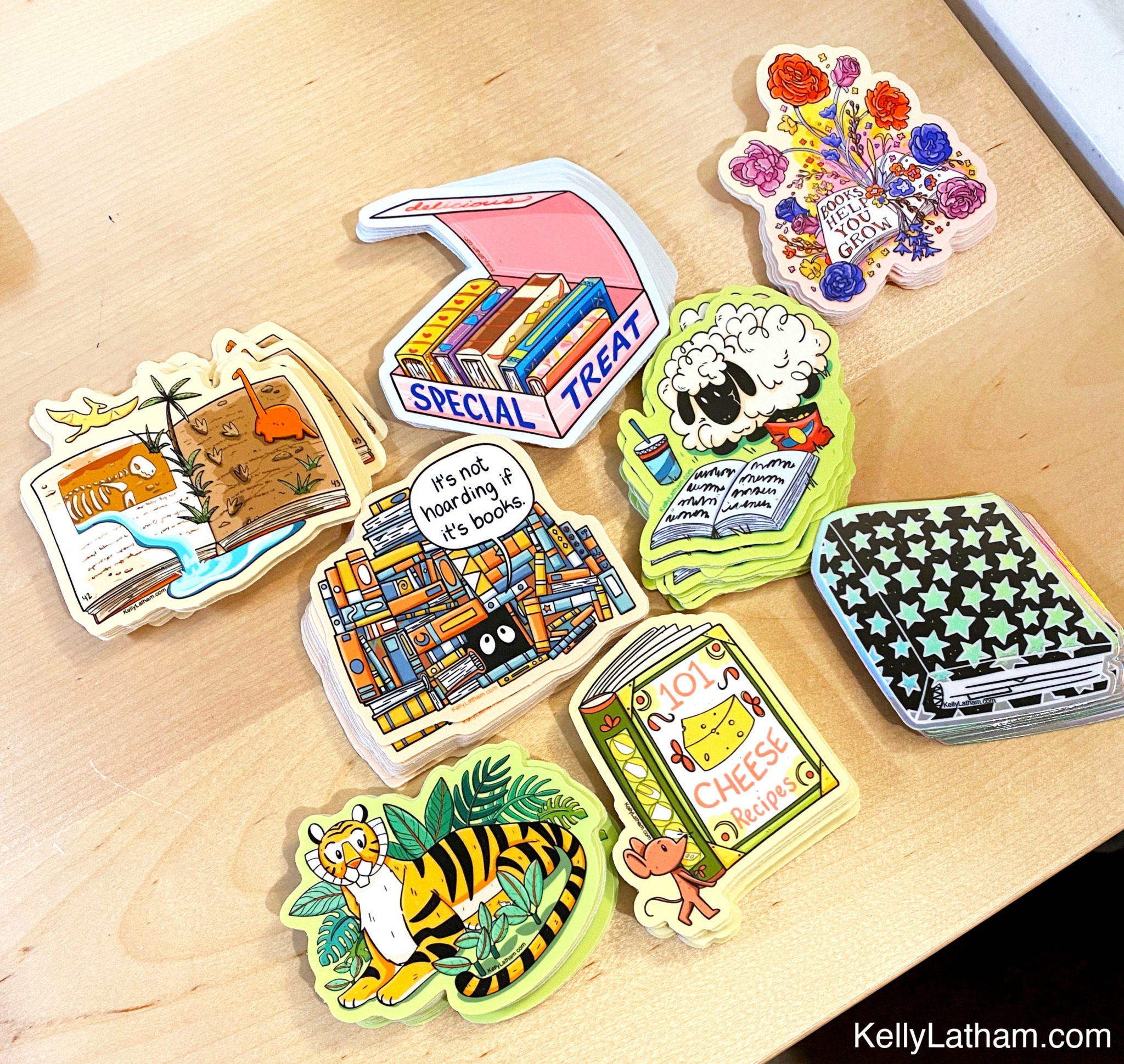
Most of what I create is designed to be both useful and enjoyable to look at. So things like bookmarks, stickers, notepads, and now expanding into more gift items. A lot of my work leans into bookish themes, cozy, whimsical ideas, and little moments that feel familiar or comforting. I’m always thinking about how someone is actually going to use the product in their daily life, not just how it looks.
A big part of what I do is helping people stay organized in a way that feels good. A lot of functional products can feel boring or overly minimal, and I like bringing personality into that space. Something as simple as a bookmark or a notepad can make someone a little more excited to read, write, or keep track of things, and that matters more than people think.
On the business side, I work a lot with independent bookstores and gift shops through wholesale, so my products are in stores as well as online. And recently I’ve connected with many museums across the United States, so people can start seeing my products pop up in those gift shops as well. That’s been a huge part of growth for me and something I really enjoy, getting to see my work out in the world in physical spaces.
I think what sets me apart is that I approach this from both a creative and a systems perspective. I’m not just making art and hoping it sells. I’m paying attention to what connects with people, building product lines intentionally, and creating things that are designed to work well in both retail and wholesale environments.
What I’m most proud of is building something that’s sustainable. Not just creatively, but financially and operationally. I’ve been able to grow this into a real business with systems behind it, not just a collection of products.
The main thing I want people to know is that everything I make is designed with intention. It’s meant to be used, enjoyed, and to bring a little bit of happiness into everyday routines.
Where do you think you get most of your clients from?
The best source of new clients for me has been a combination of wholesale outreach and word of mouth, but if I had to pick one, it’s wholesale.
When I started, most of my sales were direct to customer through my website and Etsy. That’s still a part of the business, but it’s one order at a time. Wholesale changed the scale of everything. One store placing an order means my work is now in front of hundreds of their customers, and that compounds really quickly.
A big part of that growth came from physically sending samples to stores. That’s been one of the most effective things I’ve done. It’s a lot more work upfront, but it gets your product in someone’s hands, and that makes a huge difference compared to just sending an email or a link.
From there, it really turns into word of mouth. Store owners talk to each other, buyers move between stores, and once your products are out in the world, they start getting seen by other potential clients without you having to initiate every single connection. I’ve had stores reach out to me after seeing my products in other shops, which is always a really good sign.
I also use platforms like Faire, which help with discovery, but I don’t rely on them alone. For me, the strongest results have come from combining direct outreach, sending samples, and then letting that build into a network over time.
I think the biggest takeaway is that new clients didn’t come from one viral moment or one big strategy. It was consistent, repeatable actions. Reaching out, sending samples, following up, and then letting those relationships grow into more opportunities.
How’d you build such a strong reputation within your market?
Good catch. Here it is corrected:
—
What helped me build my reputation within my market really comes down to two things, product quality and the experience I create for the stores I work with.
On the product side, I hold my work to a really high standard. If something isn’t absolutely right, I don’t sell it. Store owners are putting my products in their shops, so it has to reflect well on them, not just me.
On the experience side, I go out of my way to make things easy. I’m very responsive, I keep things organized, and I try to remove as much friction as possible. I even have clients who will just give me a budget and I’ll build an order for them based on what’s been selling well. That kind of trust doesn’t happen by accident.
I also try to go above and beyond when I can. If someone places an order right before a sale, I’ll reach out and adjust it for them. It’s small things like that, but they add up over time.
That approach was influenced a lot by the idea of being Fans First. I read Fans First by Jesse Cole of the Savannah Bananas, and it really reinforced the idea that your job is to create the best possible experience for your customer. For me, that looks like being reliable, easy to work with, and thoughtful in how I handle each order.
So my reputation wasn’t built through marketing or social media. It was built through consistently delivering a really strong product and making the experience on the other side as smooth as possible.
Contact Info:
- Website: https://www.kellylatham.com/
- Instagram: https://www.instagram.com/kellylathamart/
- Facebook: https://www.facebook.com/KellyLathamArt.Shop/
- Linkedin: https://www.linkedin.com/in/kellylatham/
- Youtube: https://www.youtube.com/sleepyheadkl
- Other: https://www.tiktok.com/@sleepyheadkl
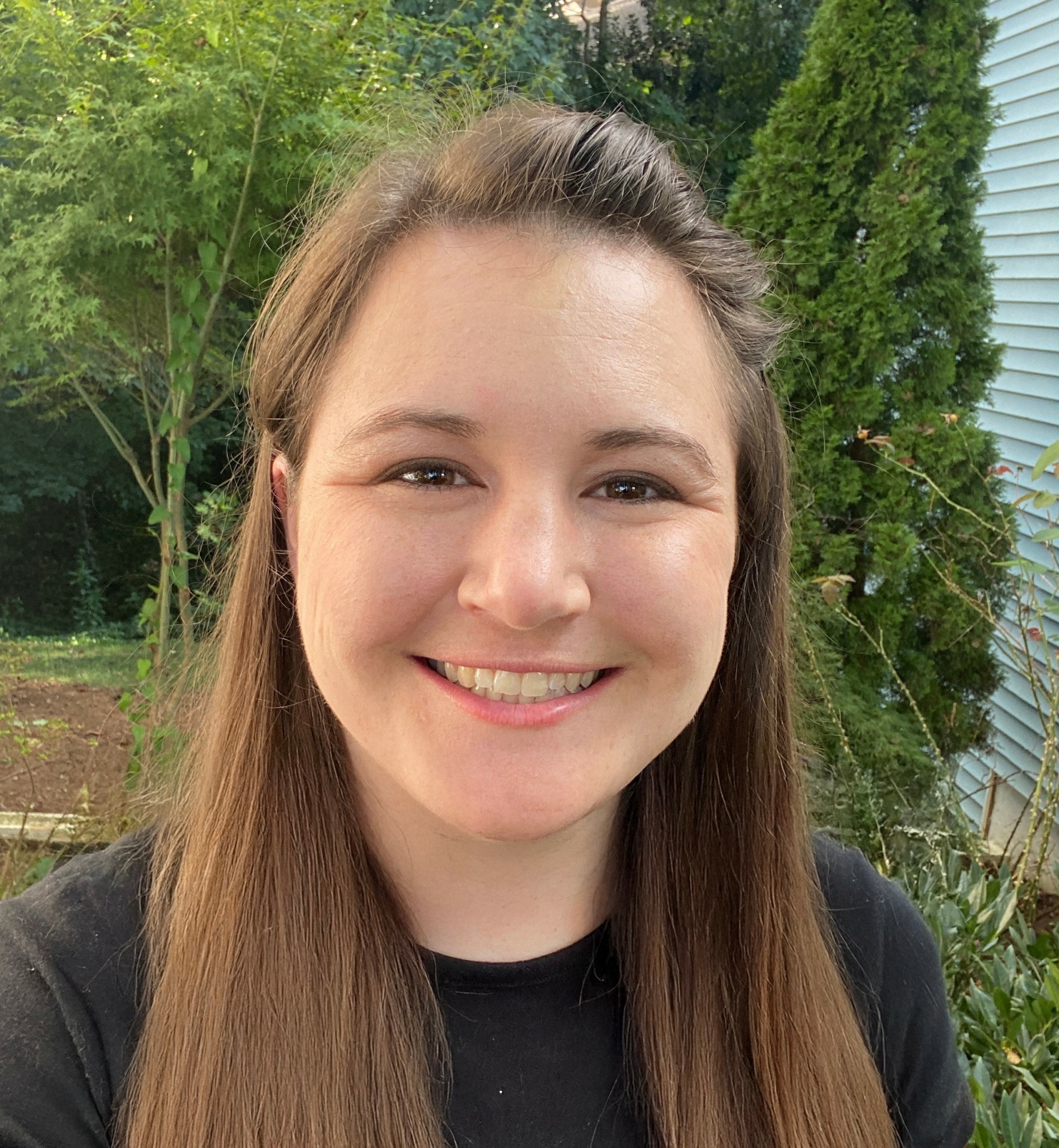
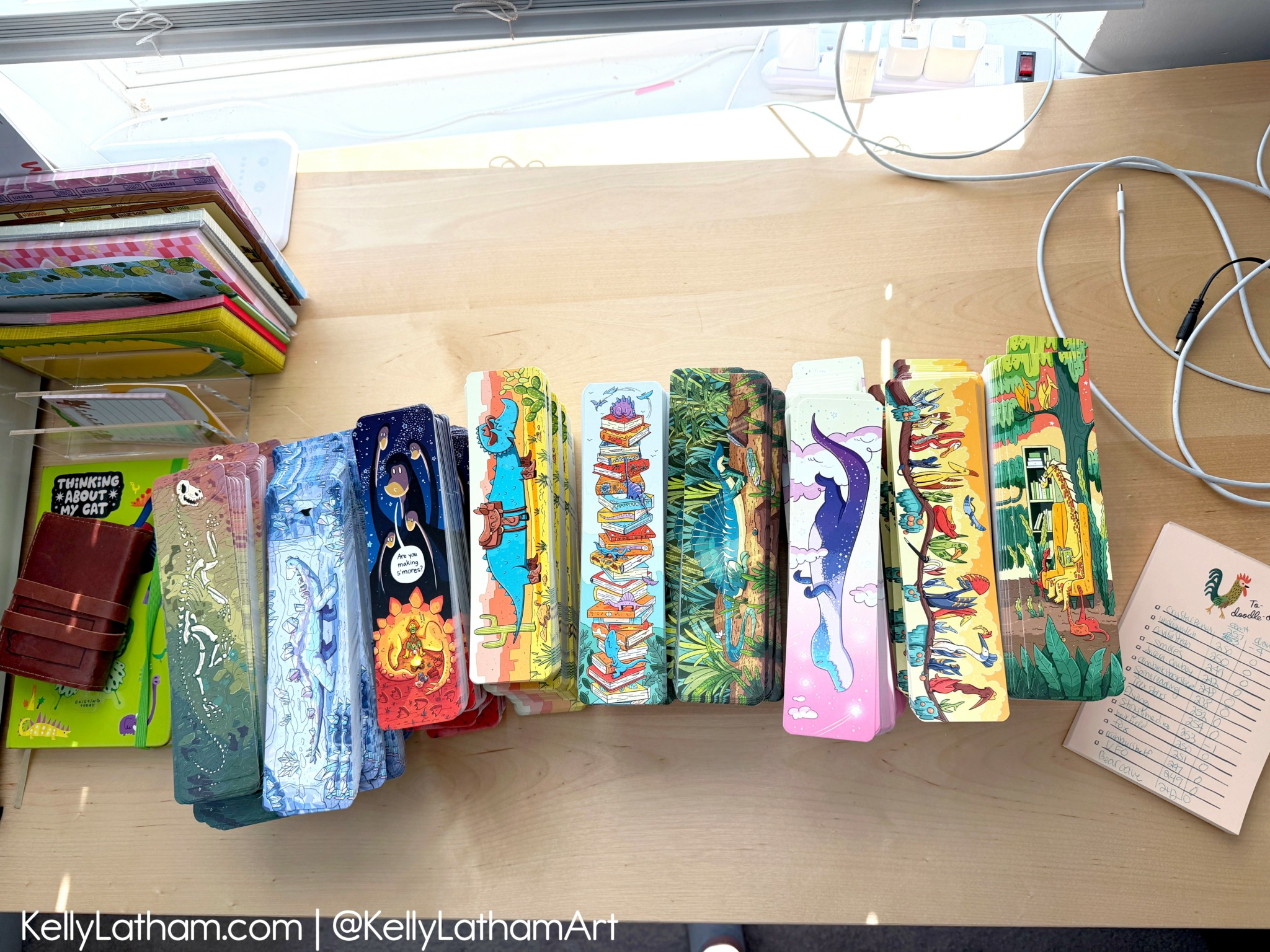
Image Credits
All photos by Kelly Latham Art