

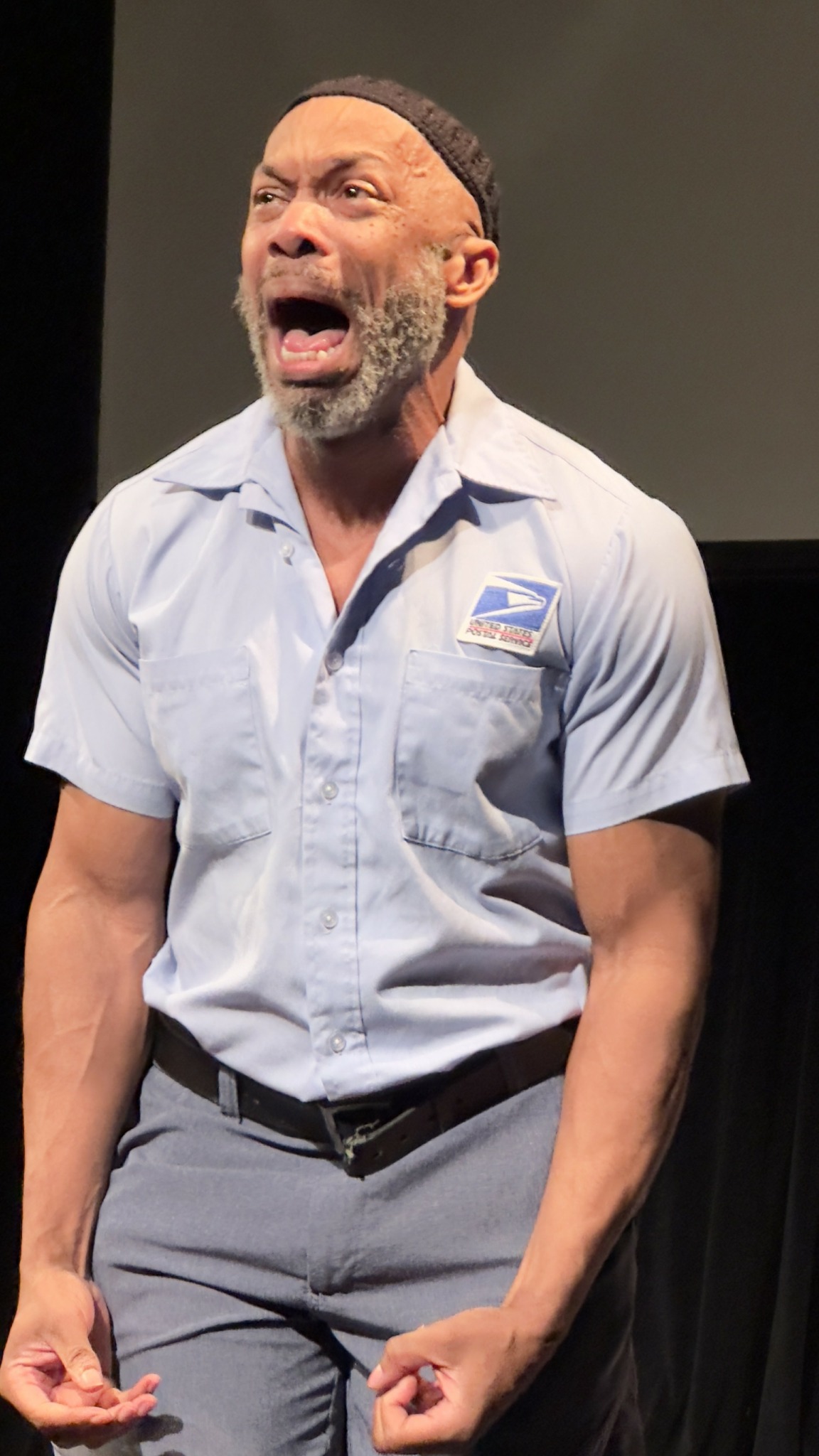

We’re excited to introduce you to the always interesting and insightful Richard E. Waits. We hope you’ll enjoy our conversation with Richard E. below.
Richard E. , looking forward to hearing all of your stories today. We’d love to hear the backstory behind a risk you’ve taken – whether big or small, walk us through what it was like and how it ultimately turned out.
One of the biggest risks I ever faced was trying not to choose a life in the arts. When you’re drawn to a creative path, there’s always that practical voice asking whether you should take a safer route. But often that voice isn’t just practical—it’s also the voice of insecurity. It whispers things like, “Who do you think you are?” or “You’re not good enough.”
Over time I’ve learned a simple psychological tool that helps me move forward anyway: sometimes you have to “act as if.” Act as if you belong in the room. Act as if the work matters. Act as if the path will reveal itself. It’s a way of getting out of your own head and allowing the work to happen.
One of my greatest motivators is actually a fear. I never want to reach the end of my life and find myself saying, “I wish I had… why didn’t I try… if only.” That thought alone pushes me to keep creating and to keep taking risks.
I’m also a big believer in creating my own work, whether the platform is large or small. After years working in theatre, television, and collaborative projects, I’ve learned that waiting for permission isn’t always the best path forward.
During the pandemic, for example, I began posting videos almost every day—songs I had written, scenes I had written, anything that felt creatively alive to me. From the outside it may have looked like social media content, but for me it was something different. I was working on my craft—studying stillness, clarity of thought, and the discipline of creating something every day.
Sometime after the pandemic my account was hacked and I lost all my followers and had to start over. It was a reminder that many of the things we think we control—platforms, audiences, algorithms—can disappear overnight. But the work itself doesn’t disappear.
The craft stays with you. And ultimately, the work isn’t about the platform—it’s about the connection with the audience.
Looking back, the risk wasn’t just choosing this career once.
The real risk would have been ignoring the call to create!
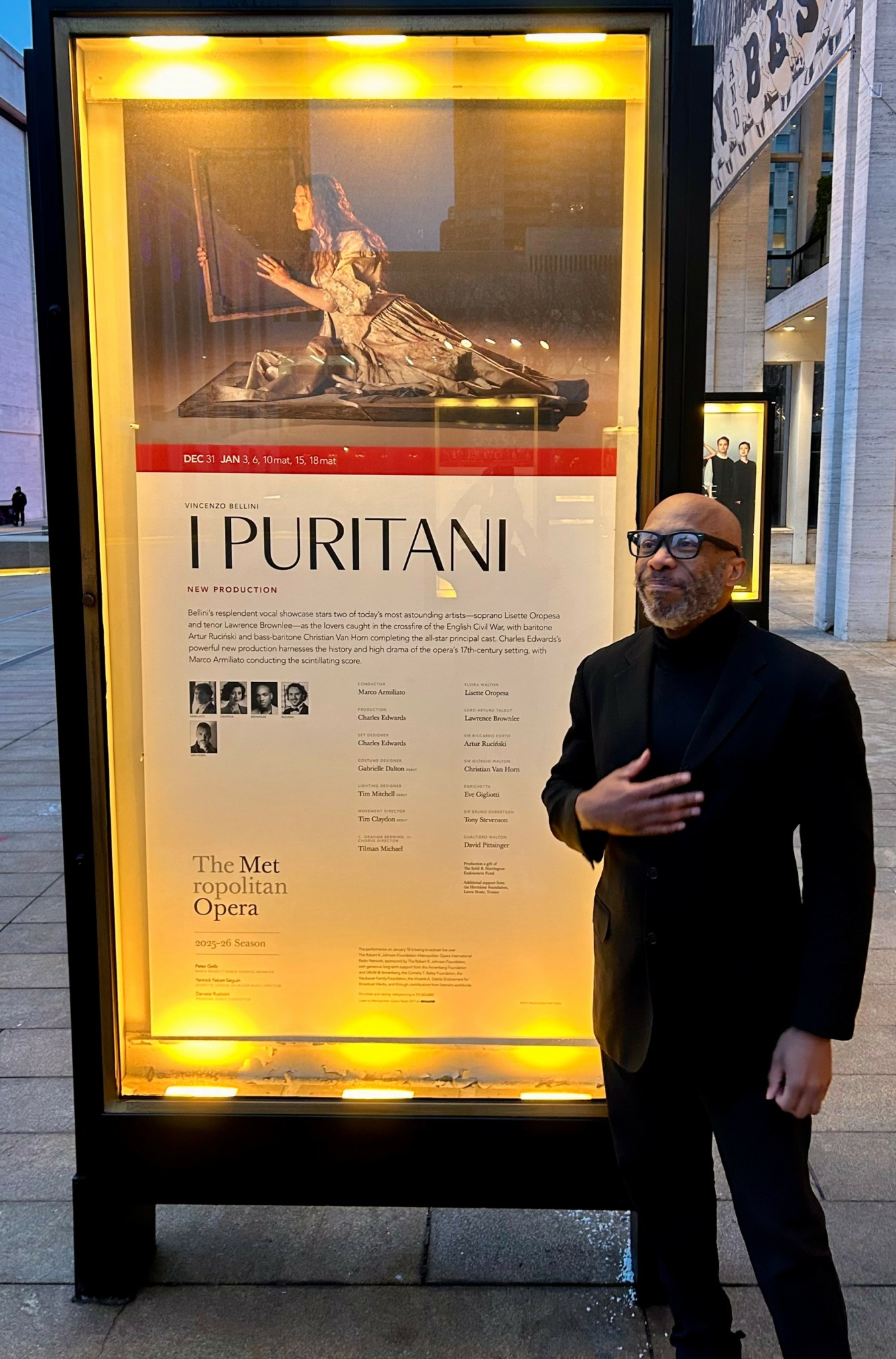
Richard E. , love having you share your insights with us. Before we ask you more questions, maybe you can take a moment to introduce yourself to our readers who might have missed our earlier conversations?
I’m an actor, writer, and producer who has spent many years working in theatre, television, and new creative projects. What drew me to this work was the power of storytelling and its ability to connect people across very different experiences.
Over time I’ve come to see performing as a kind of service. Whether on stage or on camera, the goal is to serve the story and create a genuine connection with the audience. When that connection happens, it’s powerful.
Throughout my career I’ve had the opportunity to work on a wide range of productions and collaborations, each one deepening my respect for the craft and the people who bring stories to life.
Alongside performing, I’m also interested in developing original work. I believe artists shouldn’t always wait for permission to create. Some of the most exciting work begins with a simple idea and a group of artists willing to explore it together.
At the heart of everything I do is a commitment to honest storytelling and the craft itself.
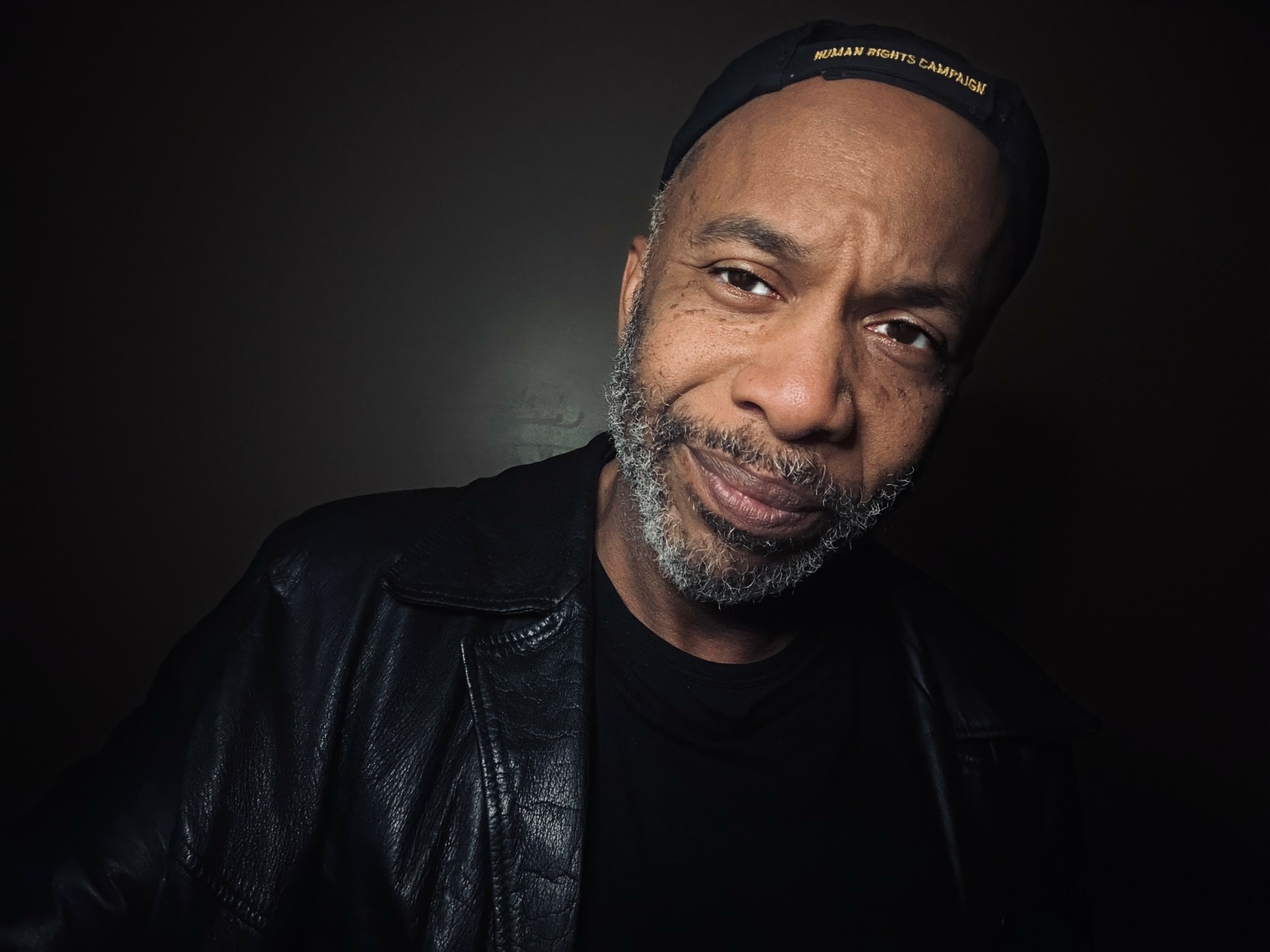
In your view, what can society to do to best support artists, creatives and a thriving creative ecosystem?
A thriving creative ecosystem begins with recognizing that the arts are not a luxury—they are part of how a society understands itself. Stories, music, theatre, film, and visual art help us reflect on who we are and imagine who we might become.
One of the most important things society can do is support artists not only with funding, but with respect for the craft and the process.
Creative work takes time, discipline, and collaboration. When communities invest in the arts—through education, local theatres, galleries, and opportunities for artists to develop new work—they create spaces where ideas and perspectives can grow.
I also believe audiences play a crucial role. Simply showing up matters. When people attend a play, visit an exhibition, or engage with a creative project, they help sustain the ecosystem that allows artists to continue creating.
At its best, art builds empathy, sparks conversation, and brings people together.
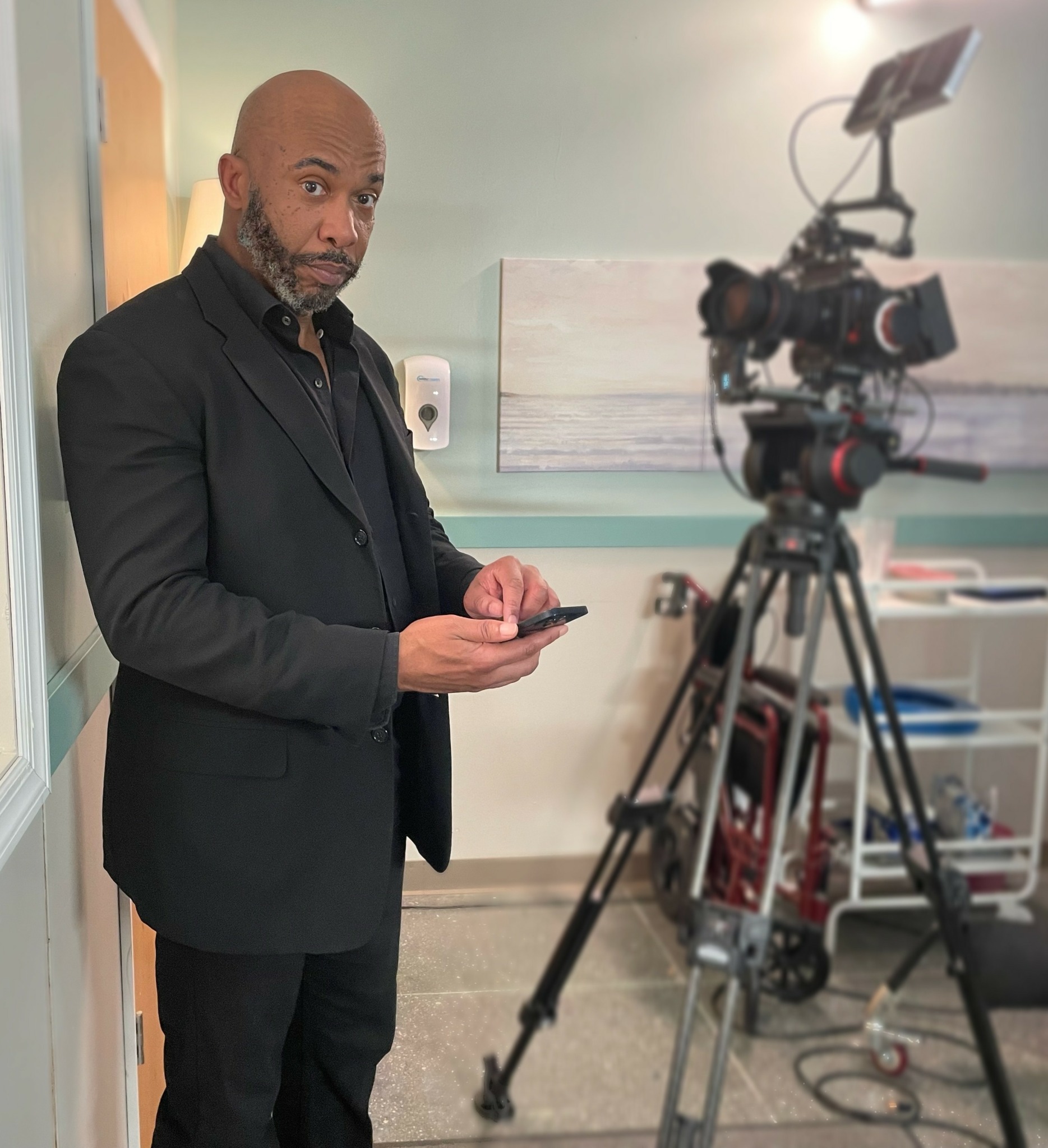
We often hear about learning lessons – but just as important is unlearning lessons. Have you ever had to unlearn a lesson?
One lesson I had to unlearn was the idea that you have to wait for permission before creating meaningful work.
Early on, many artists are taught—directly or indirectly—that opportunities come from someone choosing you. You wait for the audition, the casting call, the approval.
Over time I realized that mindset can quietly limit your growth. Some of the most exciting work begins when artists decide to create something themselves—writing, producing, collaborating, and exploring ideas without waiting for a gatekeeper.
That shift was important for me. It reminded me that creativity isn’t only about being selected for a project; it’s also about initiating one.
When artists take ownership of their ideas and their craft, the work becomes more personal, more adventurous, and ultimately more alive.
Contact Info:
- Instagram: @RichardE.Waits
- Twitter: @RichardEWaits
- Other: REW Entertainment LLC
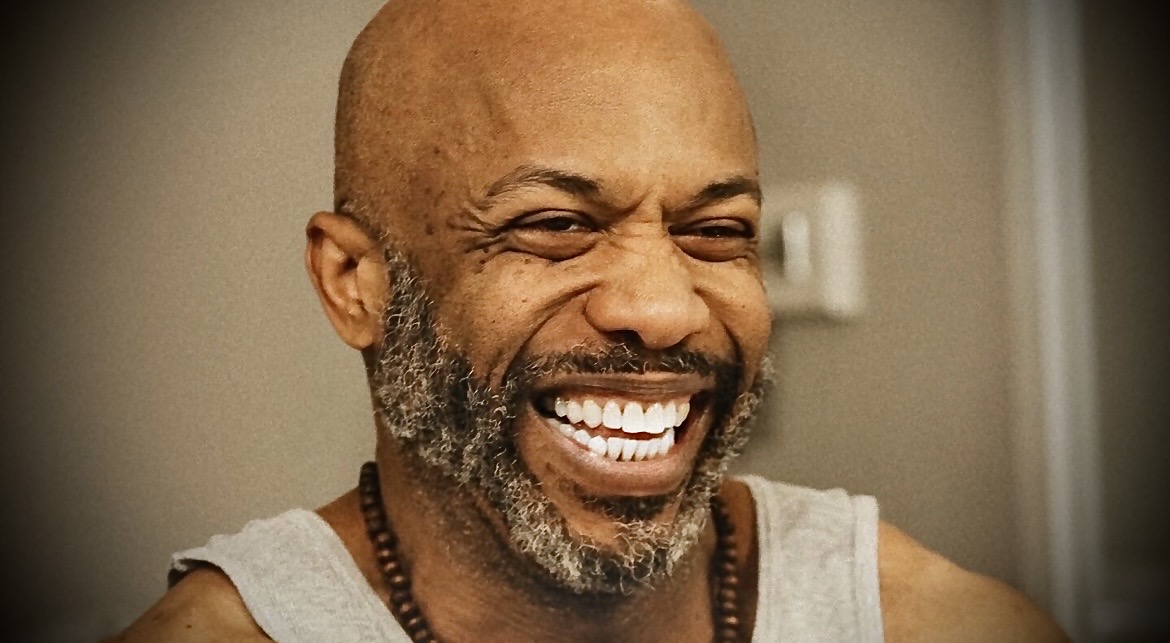
Image Credits
Smiling, tank top photo by Brian Russell Carey.