
Alright – so today we’ve got the honor of introducing you to Laura Boughan. We think you’ll enjoy our conversation, we’ve shared it below.
Laura, thanks for taking the time to share your stories with us today Can you take us back in time to the first dollar you earned as a creative – how did it happen? What’s the story?
I sold my first painting 15 years ago. My mother is an interior designer and Kansas City, Missouri. She was staging a model home for the parade of homes and had an old canvas she wanted me to paint over for her to use in the staging. I was experimenting with a new style of art at the time.
I had just found my love for abstract work after feeling creatively stuck. I had a teacher tell me to look for inspiration in places I don’t usually source from. I picked up a book in the art room and started reading. It started with the story about Thomas Hart Benton and the time he spent studying under Jackson Pollock. I loved seeing the parallels of how Pollock’s early work inspired Benton in his own creations and the movement Pollock took towards abstract work. This inspired me to make my first abstract piece of art, and it lit a fire under me. My mother was also in love with the piece (she still has it hanging in her house to this day) and that is where she came up with the idea of me painting over an old canvas with an abstract style for the model home. She sold the piece in the staging package to the builder, and it was my first sold piece of art for $25. The model home was actually broken into and robbed one night. The piece of art that I created, never signed, never took a photo of…was stolen. I only have mire visuals of what it looked like. I thought of it as a compliment – of all the art she had put in the home, my piece was seen as valuable enough to steal. I also later learned from my father after doing an analysis study on both Benton and Pollock, that we are decedents of Thomas Hart Benton and that my aunt has some of his original sketches. It was a beautiful full circle moment.
Laura, love having you share your insights with us. Before we ask you more questions, maybe you can take a moment to introduce yourself to our readers who might have missed our earlier conversations?
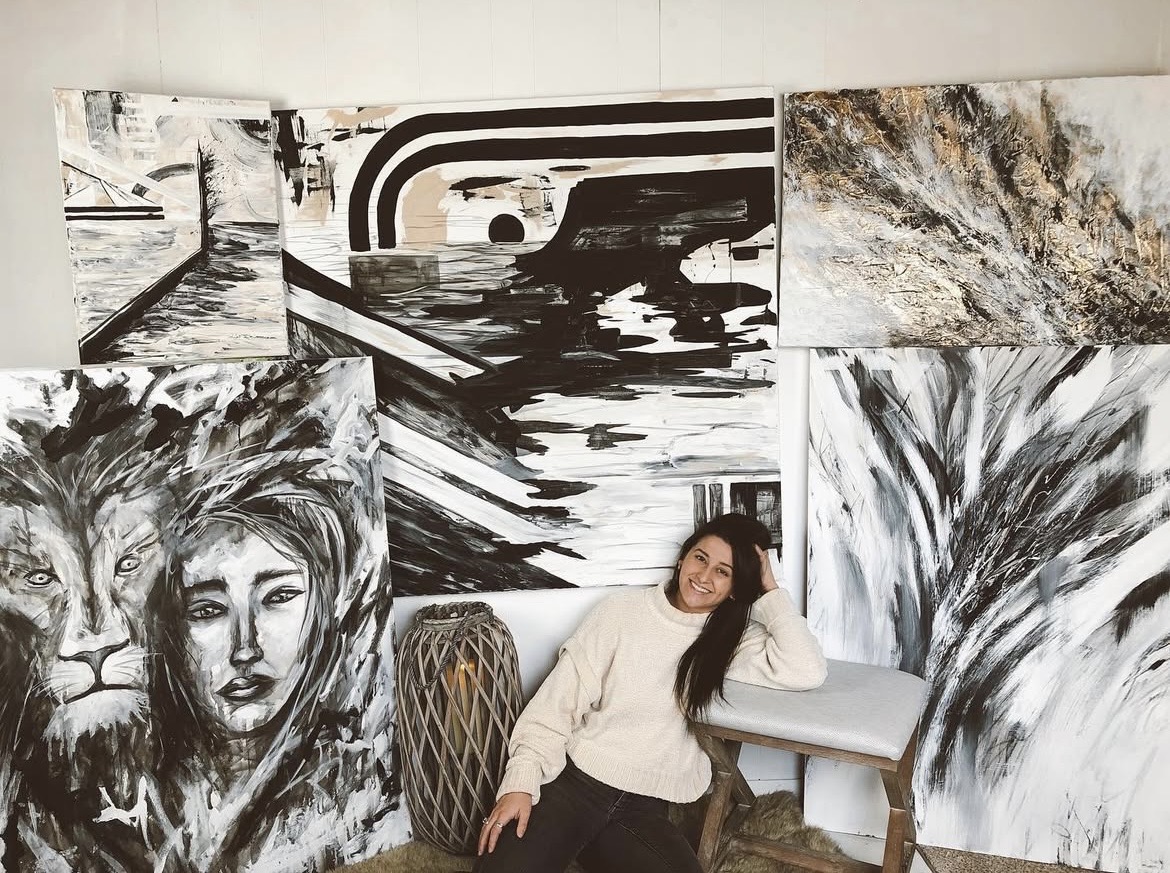
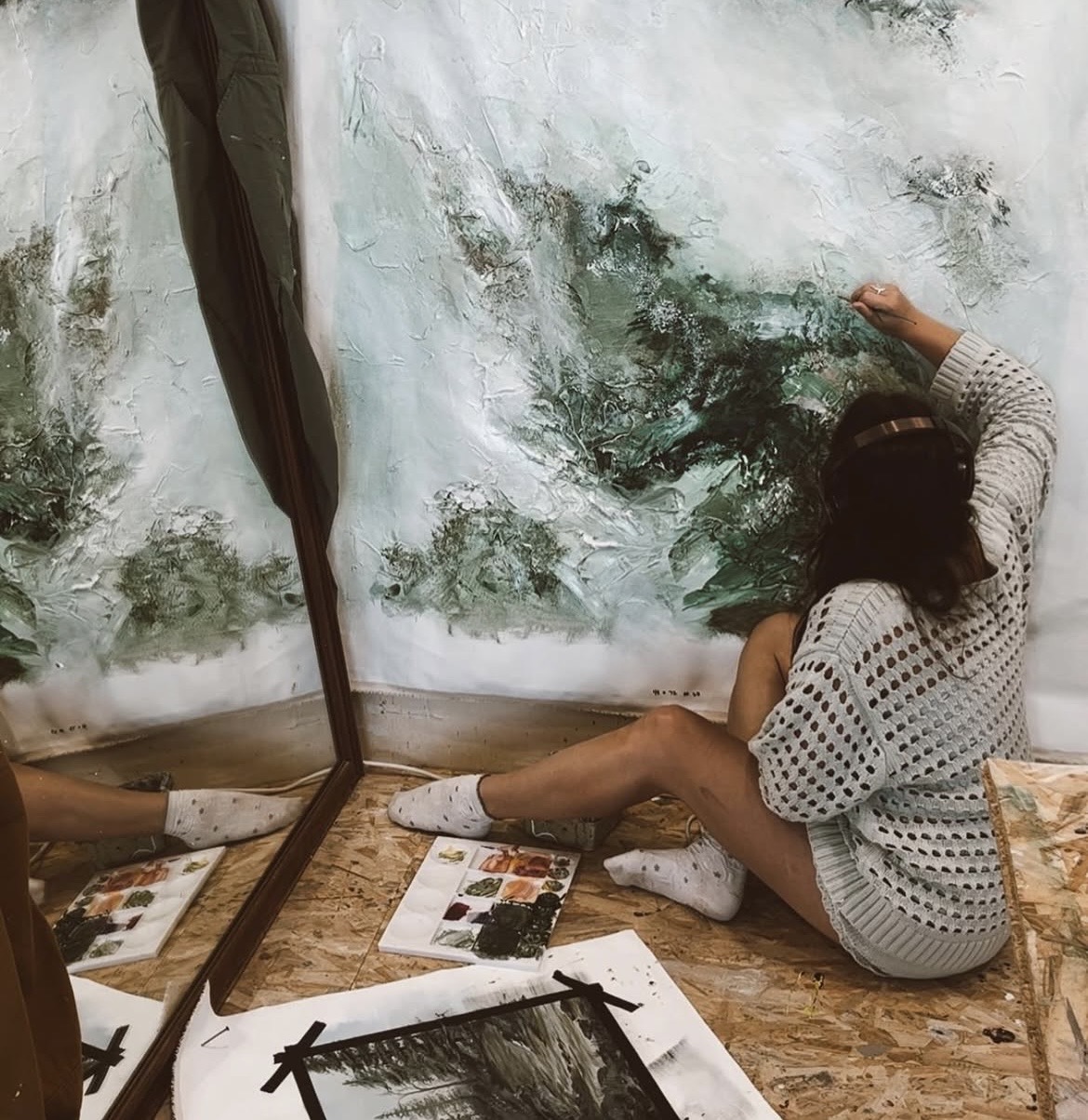
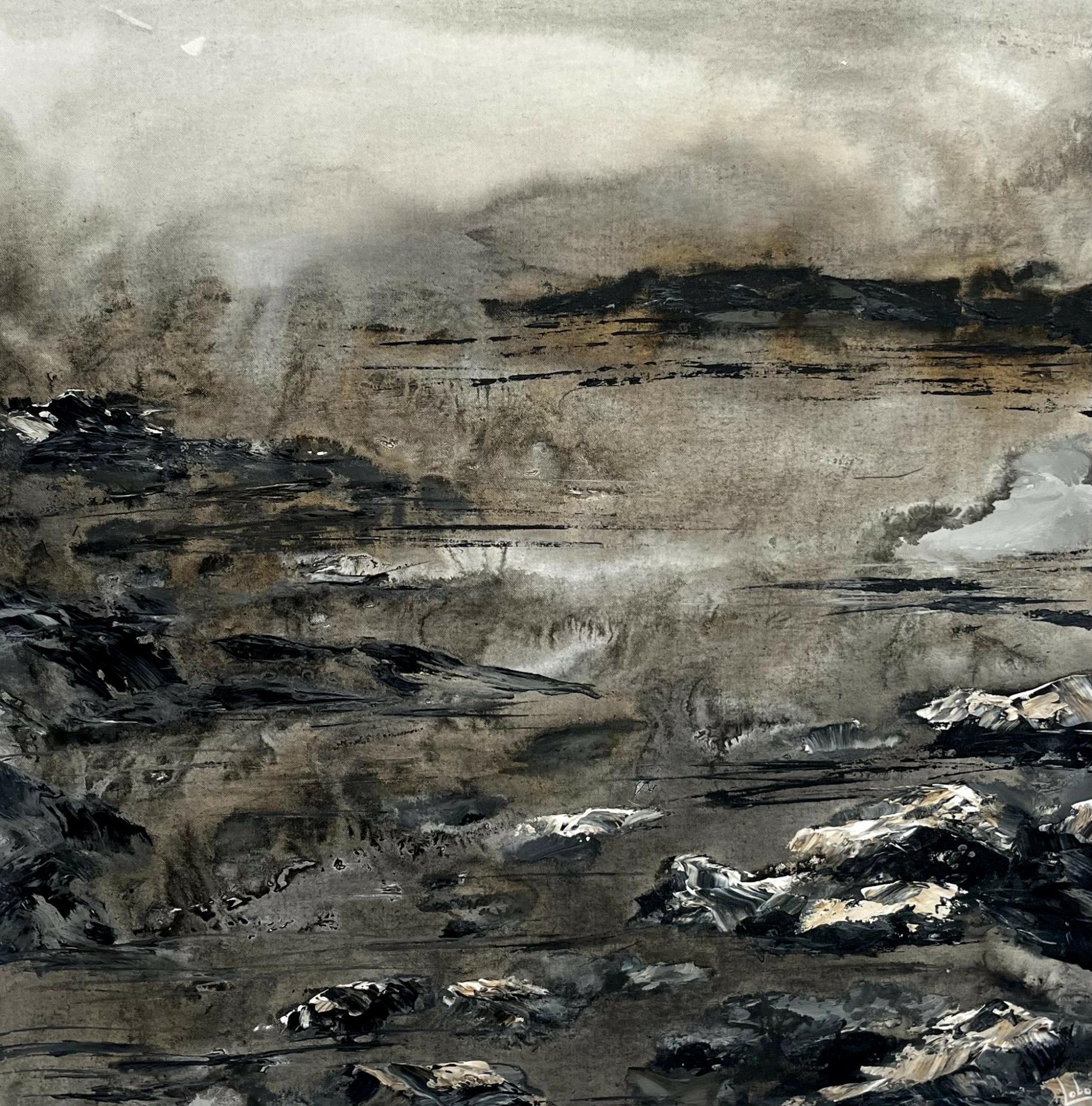
Since I sold that first piece of art – I have been a freelance painter ever since. I have painted everything under the moon that you could think of. People’s children, horses, renaissance art – my favorites are still abstract and impressionistic landscapes. 15 years later I have started my own company named LOBO Fine Art & Design. My craft focused on getting outside of my comfort zone and trying different mediums and styles – saying yes to whatever a client brought my way for 2 years after graduating college and really expanding my skill set. The mediums I work with are acrylic, alcohol inks, spray paint, watercolor, and charcoal. I often enjoy combining mediums in my work, giving them an additional element that creates layers of intrigue.
I always start my consultations by coming to the client’s home, it is important for me to see their space and get to know them more so I can make sure the piece of art I am creating for them – is a reflection of who they are and their home. A piece of art should always tell a story – and it should be about you.
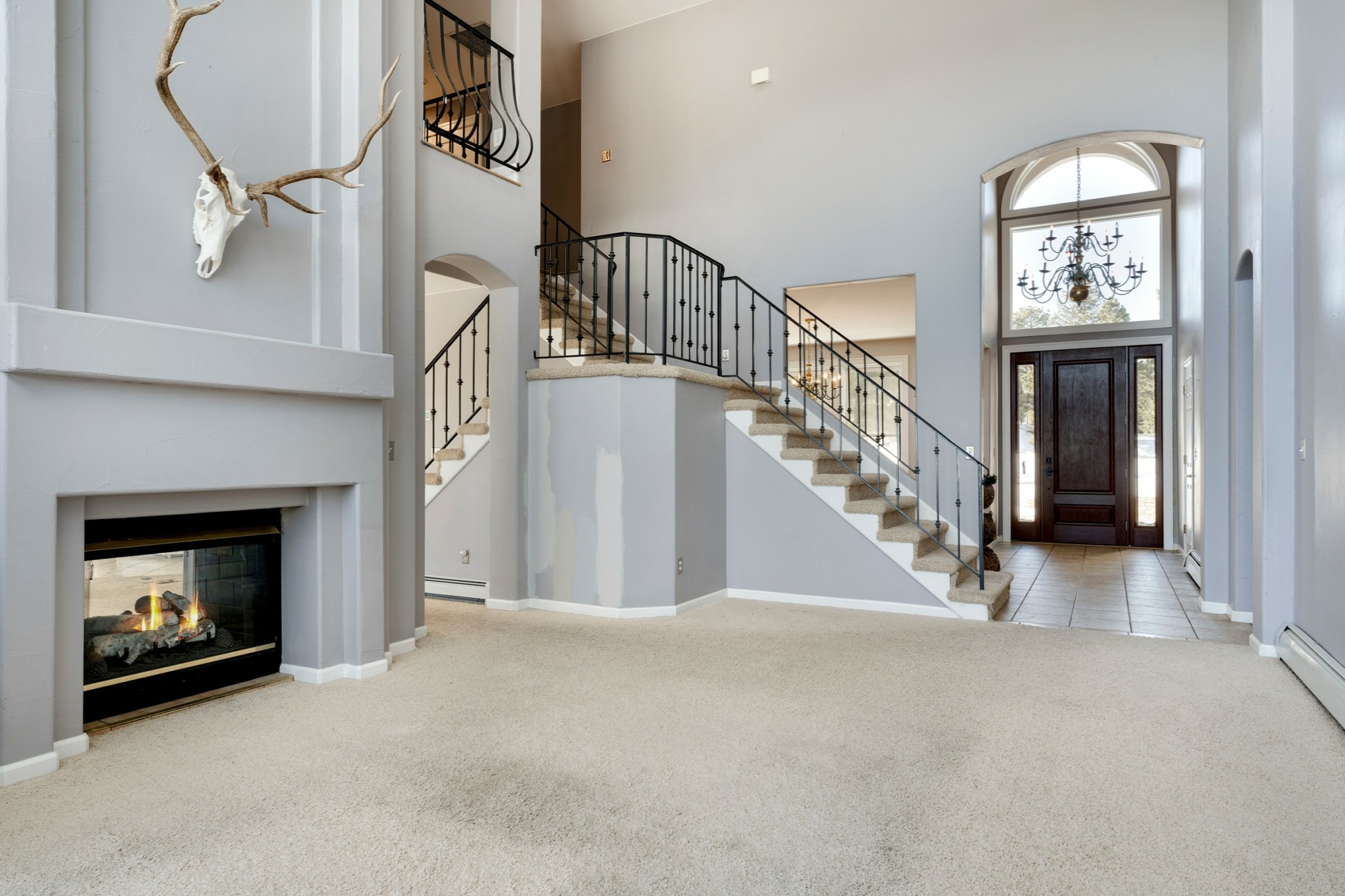
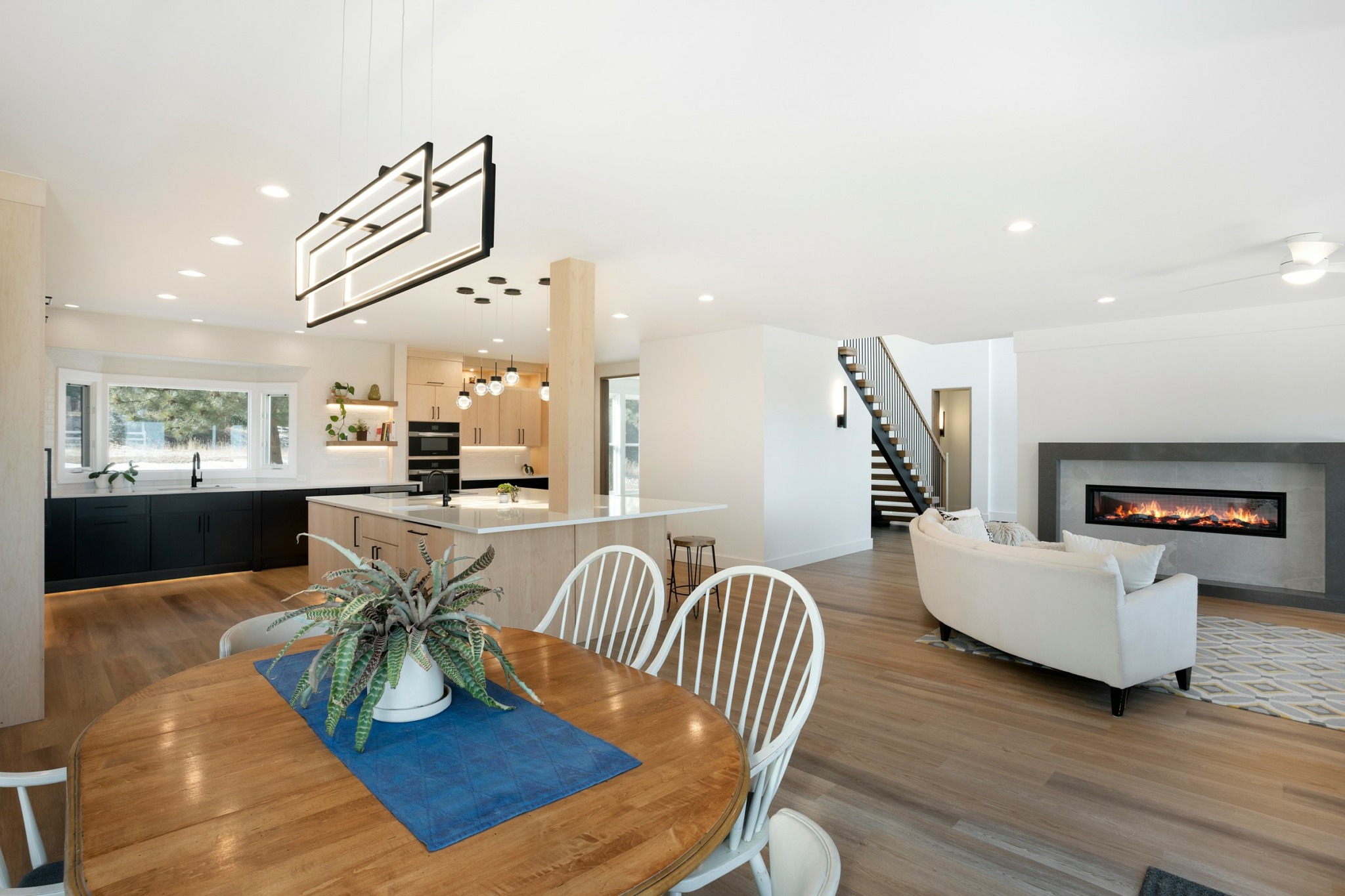
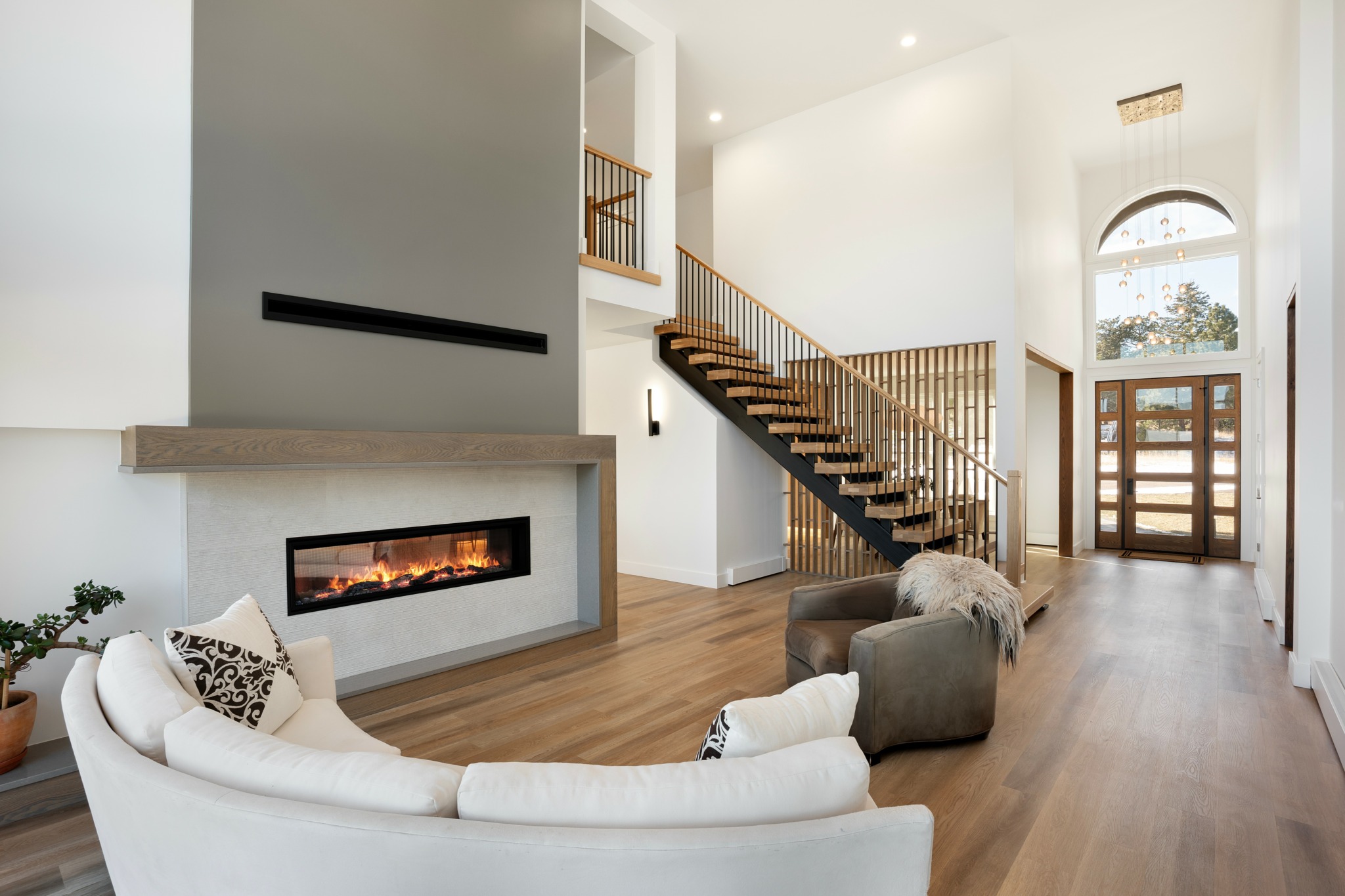
As I pivoted from being a full-time artist and always having the dream of moving out to Colorado, I found myself following in my mother’s footsteps more closely than I ever imagined I would. I began to notice when I came out for art consultations, clients would ask me for interior design advice as well. This began my transition into looking for interior design job opportunities out here in Colorado. It made sense to me that the best way to find clients for artwork, was to also be designing the rest of their space.
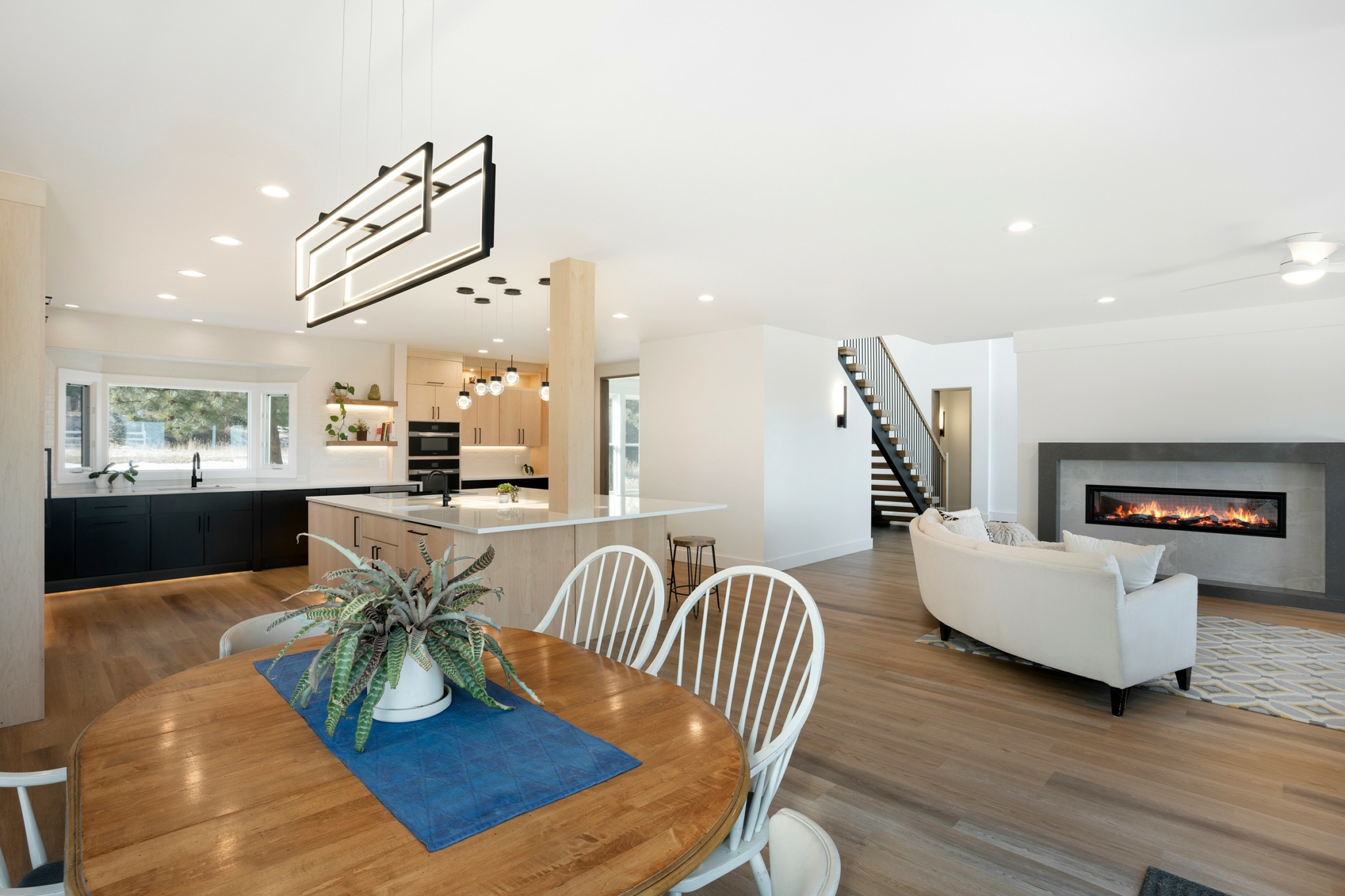
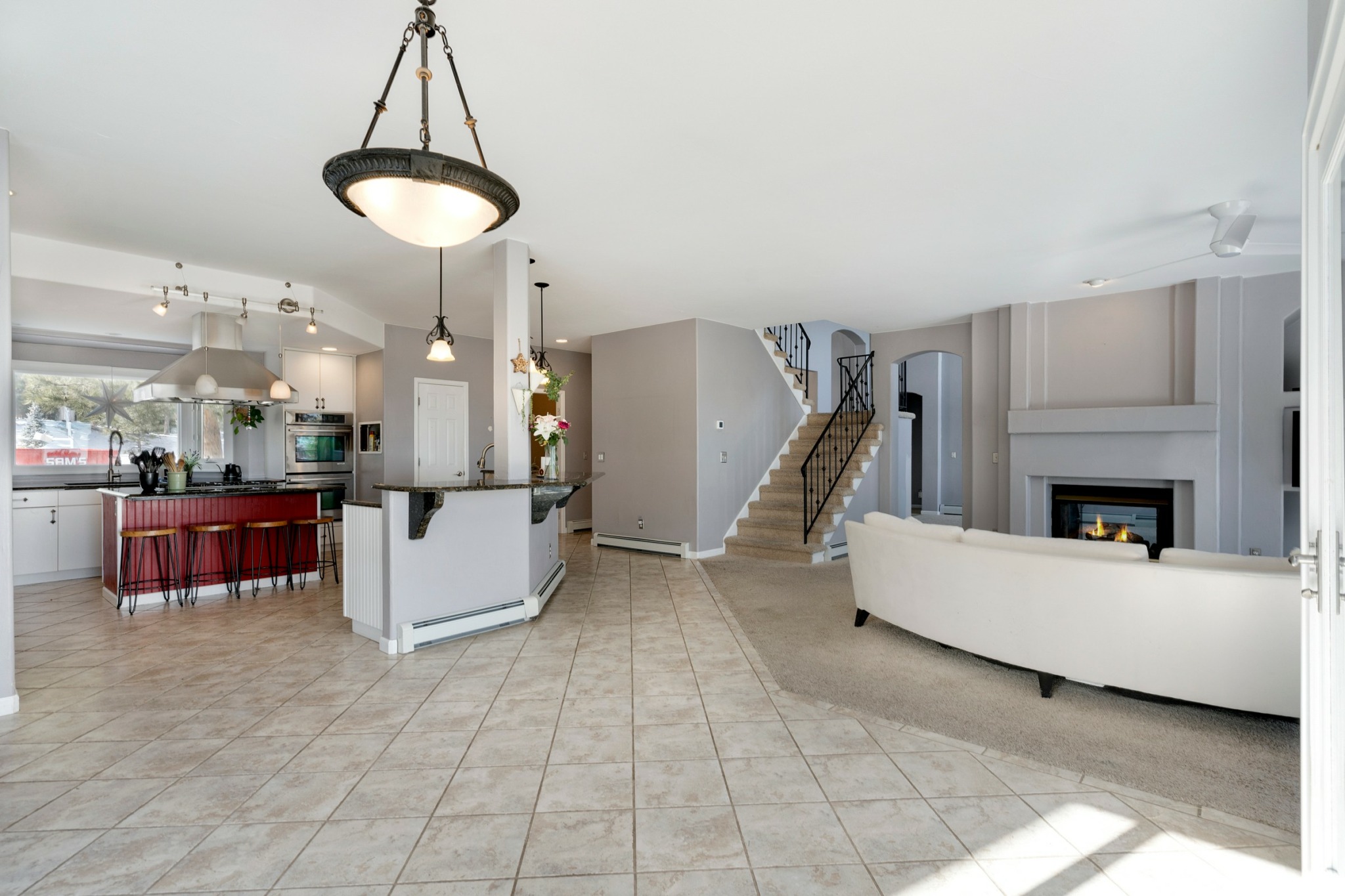
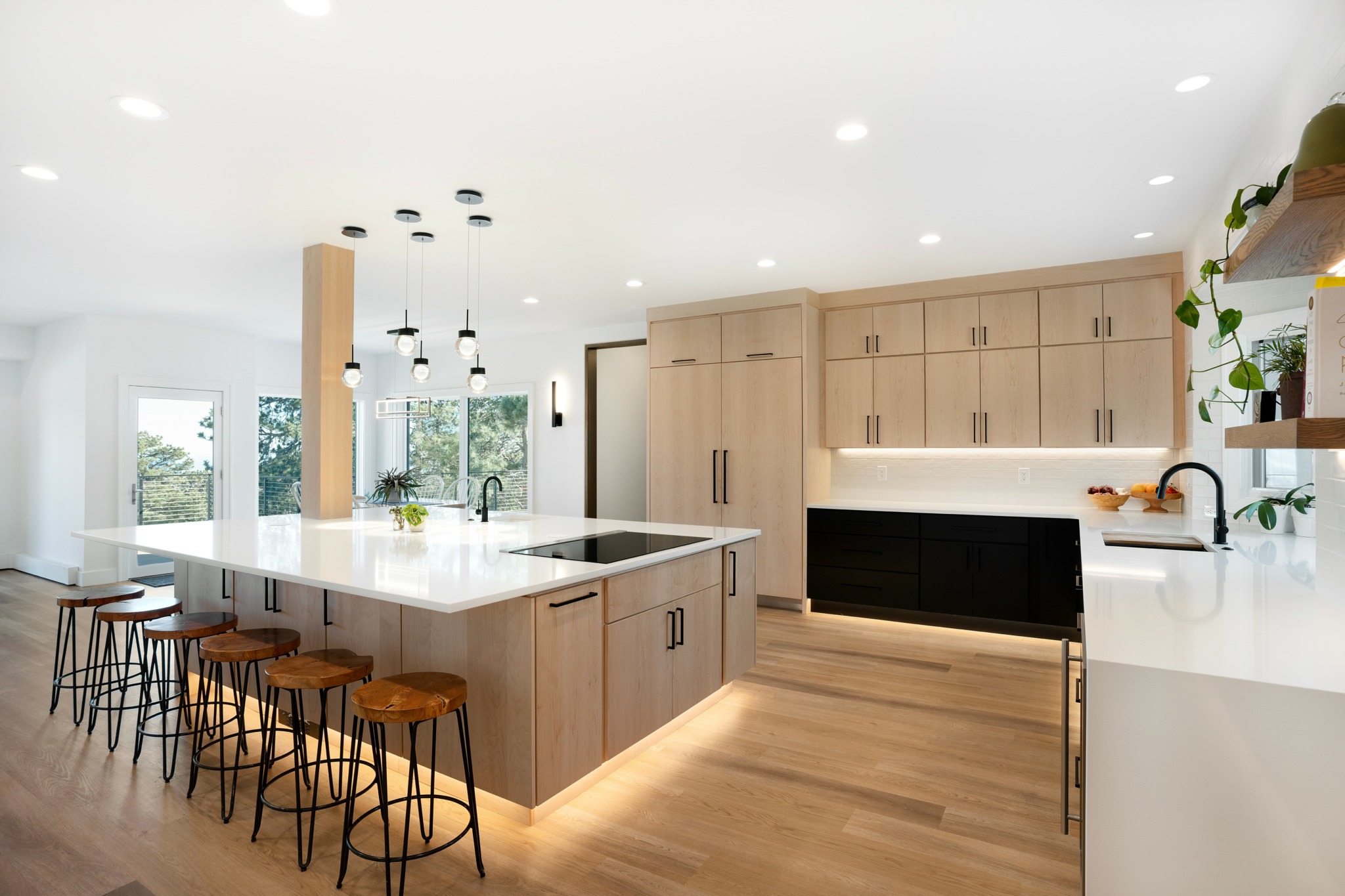
It surprised me how I fell in love with interior design and the correlations between creating art and creating a remodel for a client were similar. I have been doing residential remodels for over 3 years and still view each project like a blank canvas as I begin it. Each design idea begins like my art consultations did, learning more about my clients, who they are as people, and how they live their day to day lives functioning in their home.
My mission is always to think of the longevity of a design. How do form and function of a space effect the everyday tasks you perform in your home – and how can we make the space as tailored to who you are as a person as possible. Keeping in mind how can this space affect my clients 10 years from now as well. A strong design should be able to grow with you in all phases of life. It has really opened my world to another level of creative problem solving that is different from art – but gives me the same rush when you hear a client say, “I never even expected that could be possible with my space.” That is what fuels me – the connection with others as you present something so tailored to them that you know it will better their everyday lives.
The process is very collaborative; I will show you two different designs and then listen to the likes and dislikes about the ideas. Then together – we can formulate the perfect layout, and I will guide you with my expertise through each decision along the way.
From helping a client design a remodel and guiding them in all of the finishes like countertops, cabinetry color/style/function, new flooring, tile, and a brand-new layout – to finish it off with a beautiful piece of artwork really is the cherry on top for me.
What’s the most rewarding aspect of being a creative in your experience?
The most rewarding aspect of being an artist and interior designer – is the mental peace that comes with the flow state when things just click. I always say that started a painting or beginning a new home layout comes with trial and error. The first idea and attempt are never where you end up. Patience is key in these processes. The first 5 layers of piece of art, I may not even like. The first idea of a layout – usually isn’t my best either. The continuation of exploring and problem solving whether you are painting or designing, come with an intricacy of mental processing – yes that works or no it does not. Understanding the why’s behind it so you know which step to take next is then what makes one small piece click, and then this flow state begins and 3-4 hours later I come back into reality loving what is laid out before me.
Do you think there is something that non-creatives might struggle to understand about your journey as a creative? Maybe you can shed some light?
The piece that non-creatives may struggle to understand is the journey in the behind-the-scenes aspects of making something beautiful. My favorite artist James Mcneil Whistler once said “the masterpiece should appear so…effortless” as he was in civil court arguing that his artwork – was indeed art after an art critic claimed it to be unfinished and not deemed worthy of the present art world (1885). It is a reminder that when you look at a great design or piece of art – it should hide the labor. Giving a sense of harmony and easy with no sense of struggle behind it.
What people don’t see the skill and patience that it takes to not give up as the beginning processes can feel frustrating, hard to connect the dots, and was not just produced in one moment but a long stretch of experimenting and problem solving.
Contact Info:
- Website: https://www.lobofineart.com
- Instagram: @lobo_fineart
- Linkedin: Laura Boughan