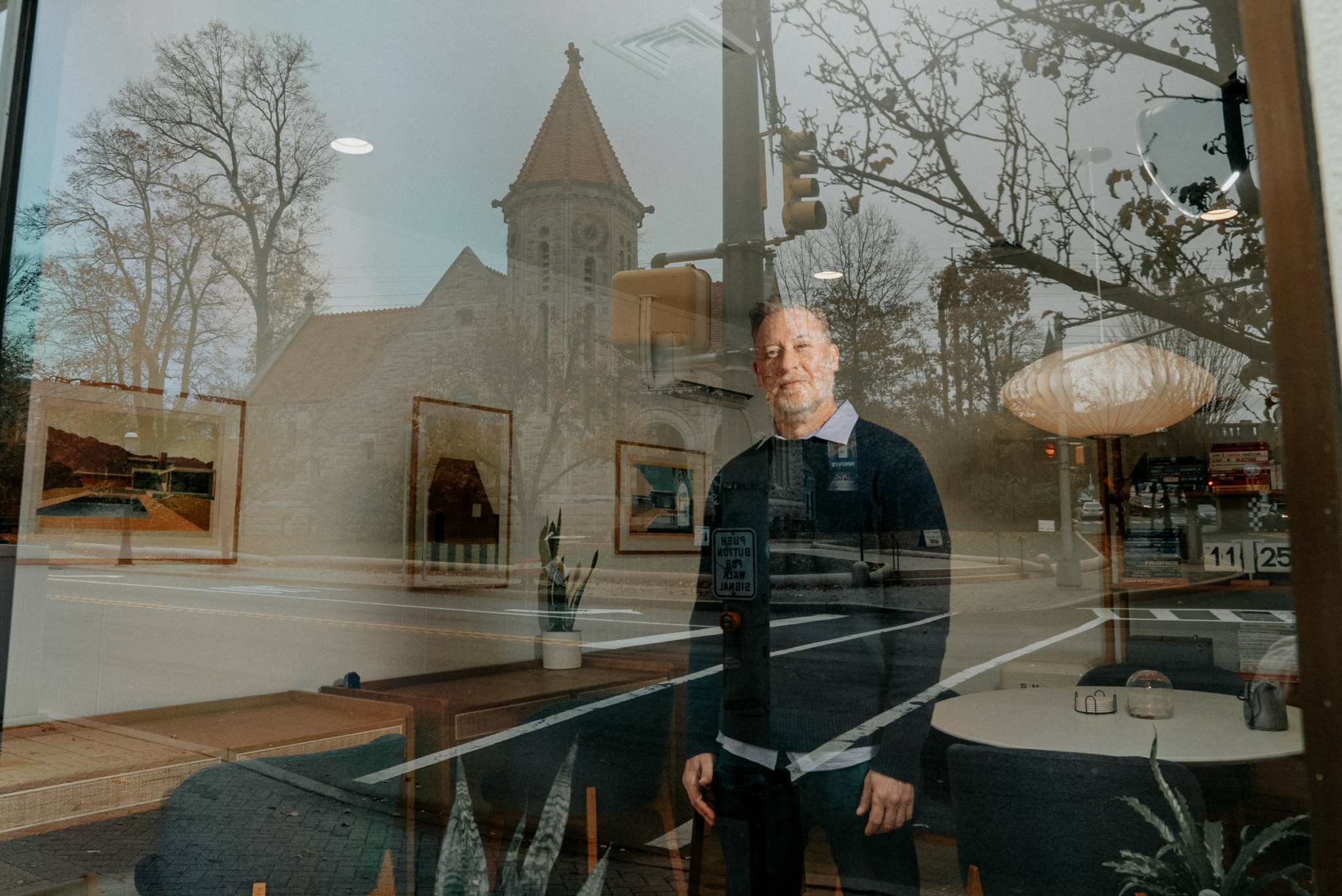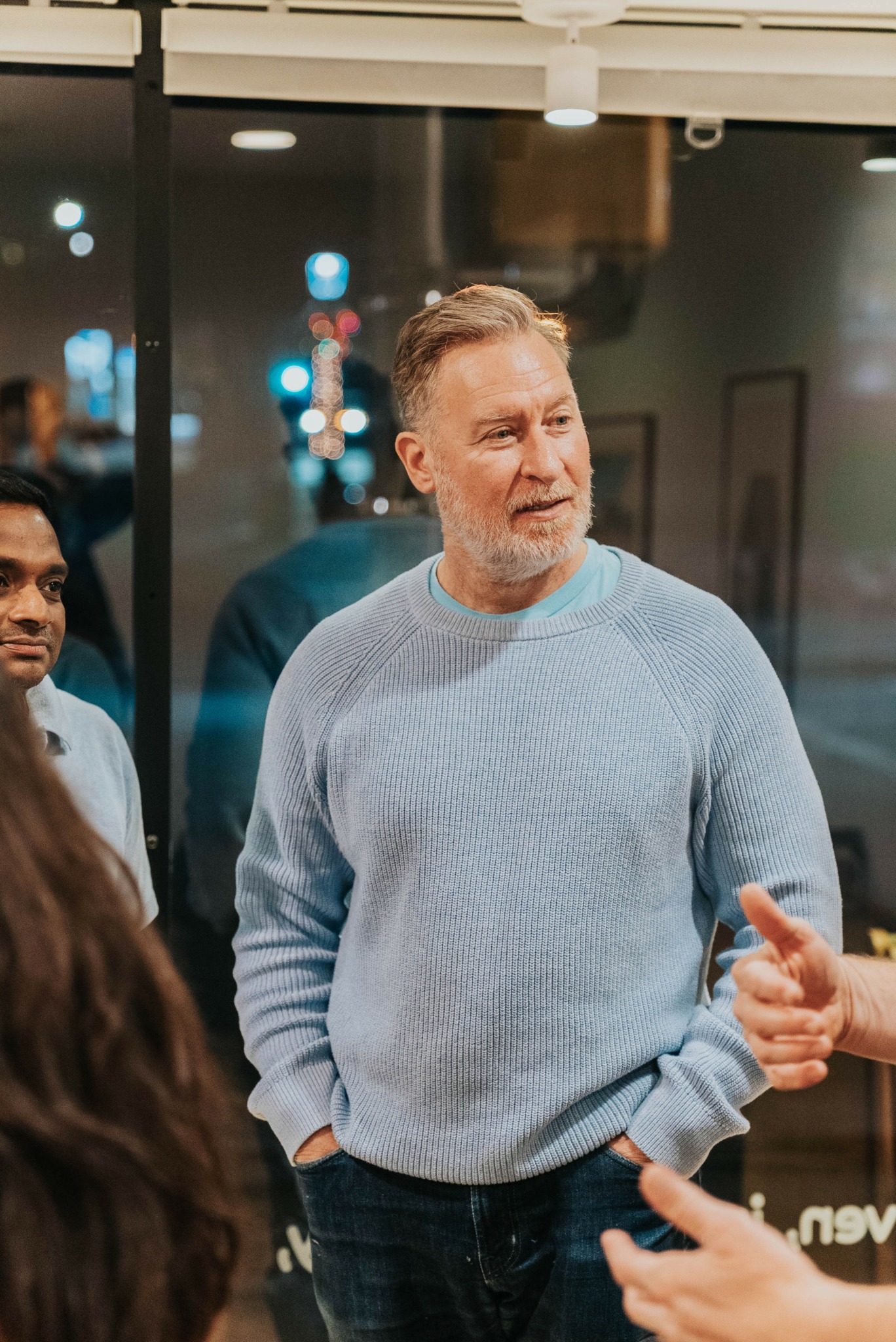

Alright – so today we’ve got the honor of introducing you to Jonathan Greene. We think you’ll enjoy our conversation, we’ve shared it below.
Jonathan , looking forward to hearing all of your stories today. Parents play a huge role in our development as youngsters and sometimes that impact follows us into adulthood and into our lives and careers. Looking back, what’s something you think you parents did right?
What my parents did right was simple, but rare: they treated me like a person, not a kid.
My dad never “sat me down” to teach me about money or made it some mysterious adult topic. He just brought me along. I went to house viewings, garage sales, and walked rental properties. I sat in on conversations most kids would never hear, watching him negotiate without raising his voice, pass on deals that didn’t feel right, and collect checks to reinvest them. I didn’t always understand the math, but I understood the behavior.
There’s one moment that always stands out. We were living in the best house we’d ever had, on a big piece of property with a basketball court, tennis court, chickens and goats, a guest house, and more. From the outside, it looked like the kind of place you’d settle in and raise your family. For my dad, it was just a piece of the investing puzzle, and he told us we were selling it. I was upset for about thirty seconds, until he explained the profit and what it would allow us to do next. Just like that, I understood.
He talked to me like I could handle the truth. There was no sugarcoating and no “you’ll get it when you’re older.” He walked me through how it actually worked, why we were doing a deal, why we were passing on another one, what we stood to make, what we could lose, and why patience usually wins in the long run. Hearing that over and over does something to you. You stop getting attached to the asset itself and start focusing on the move. You learn to think in decisions, not emotions.
My mom shaped me differently, but just as powerfully. I grew up a latchkey kid in Brooklyn Heights. From first grade on, we walked ourselves to school. We negotiated life in the streets, not dangerously, but independently. She gave me autonomy early. That built street smarts, confidence, and an ability to read people that later became invaluable in courtrooms and negotiations.
Between the two of them, I was given exposure and independence, and that shows up everywhere in my life.
As a former trial attorney, I negotiated thousands of cases without flinching. In real estate, I’ve never chased hype. I don’t fall in love with properties. I look at assets, deal structure, upside, and downside. As a Broker of Record, I care about doing things correctly, even if it goes against the status quo.
People sometimes assume I had it easy because my dad was successful. What I really had was proximity. I was around the conversations. I saw the wins and the trade-offs. I saw money as a tool, not an identity.
Now, when I talk about teaching kids about money, or bringing them into the room instead of protecting them from it, I’m just repeating what I learned. Let them see the decisions. Let them hear the reasoning. Let them watch how adults handle risk and responsibility.
That shaped me far more than any title I’ve ever had.
Great, appreciate you sharing that with us. Before we ask you to share more of your insights, can you take a moment to introduce yourself and how you got to where you are today to our readers.
I’ve lived a few different lives.
I started in real estate before I even knew that’s what it was. My dad was an attorney, but his business was real estate investing. We had tenants living in or around our houses. I was small enough to hop through windows to look at potential foreclosures. I was doing business. I was in the business of real estate.
I became an attorney first. I was a prosecutor for eight years, then ran my own criminal defense practice. I negotiated thousands of cases, and that experience sharpened my ability to read people, manage pressure, and make decisions without emotion clouding judgment. It also taught me what responsibility really feels like when the stakes are high.
After my dad passed away, I stepped away from the law. I opened art galleries, curated exhibitions, and worked in the art world for several years. That period mattered more than people realize. It gave me an appreciation for creativity, branding, presentation, and how emotion drives value. Real estate is about numbers, but it’s also about psychology.
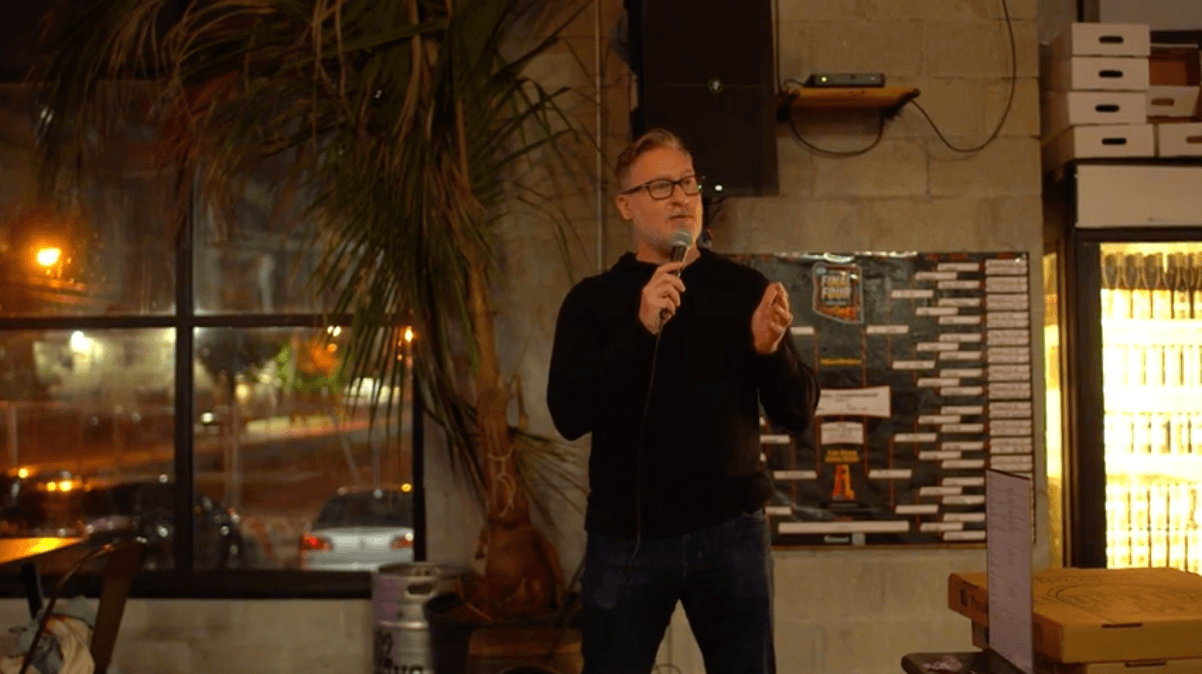
I eventually returned to real estate, got licensed, built a large team, and later opened my own independent brokerage. Today, I run Streamline, invest across multiple asset classes, and host the podcast, Zen and the Art of Real Estate Investing. I also write and teach, and I’m releasing my first poetry book soon. I don’t separate those interests. They all feed each other.
What do I actually do for clients?
On the brokerage side, I help buyers, sellers, and investors make disciplined, well-structured decisions based on data rather than emotion. I work heavily with investors because that’s my background, but I also developed a strong luxury residential business.
On the brokerage operations side, I built a system that actually enables quality control. Every offer that leaves my brokerage is structured correctly. Every document is reviewed. Most brokerages hire anyone with a pulse and let them figure it out. I don’t. We’re selective, and we protect our brand.
On the content side of my work, through my podcast and writing, I push back against hype culture in real estate. I’m openly critical of the “get rich quick” crowd and the fake guru ecosystem. I believe in skill, patience, ethics, and time freedom over flashy financial freedom. I’d rather someone build a durable life than chase something that only looks good online.
What sets me apart is that I’m not chasing scale for the sake of scale. I’m not trying to build the biggest brokerage or the loudest brand. I’m trying to build something that works and holds up under scrutiny. I’m trying to build something my parents would be proud of.
I’ve negotiated in courtrooms. I’ve run galleries. I’ve built and shut down teams. I’ve invested my own money across multiple cycles. I’ve raised kids. I’ve lost both parents at a young age. That combination shapes how I operate.
What am I most proud of?
I’m proud that I can walk away from things. I’ve shut down profitable ventures when they didn’t align with my life. I’ve given up businesses to protect my time with my kids. I’ve rebuilt a career more than once. All of that takes conviction.
I’m proud of the high bar I’ve set for my brokerage and for my agents. I’m proud of the podcast community that values thoughtful investing over hype. I’m proud that when people work with me, they know exactly where I stand.
What I want people to know is simple.
I care about doing things the right way. I care about ethics in an industry that often lacks them. I care about teaching newer investors how to think, not just what to buy. I care deeply about time. Time with family. Time to think. Time to build things that matter.
If someone wants fast and flashy, I’m not their guy.
If someone wants disciplined, strategic, long-term thinking with a clear point of view, that’s where I do my best work.

Any stories or insights that might help us understand how you’ve built such a strong reputation?
I think two things built my reputation.
One, I actually know what I’m doing.
That sounds simple, but it’s rare. I’ve been an investor my whole life. I negotiated thousands of cases as a trial attorney. I’ve run businesses that worked and businesses that didn’t. So when I sit across from a buyer, seller, or investor, I’m not repeating scripts from a coaching call. I understand leverage, risk, structure, and downside. People can feel that quickly.
Two, I don’t bend.
I don’t chase every listing. I don’t hire every agent. I don’t tell clients what they want to hear just to keep them comfortable. If a deal is bad, I’ll say it’s bad. If the numbers don’t work, I’ll walk. That costs you some people in the short term, but over time, it builds trust.
I also don’t hide from public conversations. I’ve been vocal on forums, in my podcast, and in person. If I think something in the industry is wrong, I’ll say it. That rubs some people the wrong way, but it also attracts the right ones.
Most reputations are built on marketing. Mine was built on standards.
I do good work, I do it consistently, and I don’t compromise when it’s inconvenient. Over time, that compounds.
Have you ever had to pivot?
I’ve pivoted a few times, but the cleanest example was when I walked away from my real estate business at its peak.
We were doing around $80 million in volume. We had fifty-plus agents, were extremely profitable, and highly recognized. On paper, it made zero sense to change anything. Most people would have tried to scale it bigger, but I shut it down.
At the time, I was coaching five days a week, reviewing deals nonstop, putting out fires constantly. The machine was running, but it was running on me. I could feel it pulling me away from my kids, and from the way I actually wanted to live. I don’t mind working hard. I worked 80 to 100 hours a week as a prosecutor and loved it. However, this felt different. It felt like growth for its own sake.
So I made the call to dismantle it.
People thought I was crazy. Some were angry. Financially, it meant taking a step backward in the short term. I’ve never been attached to scale if it costs alignment. I care more about time and autonomy than optics.
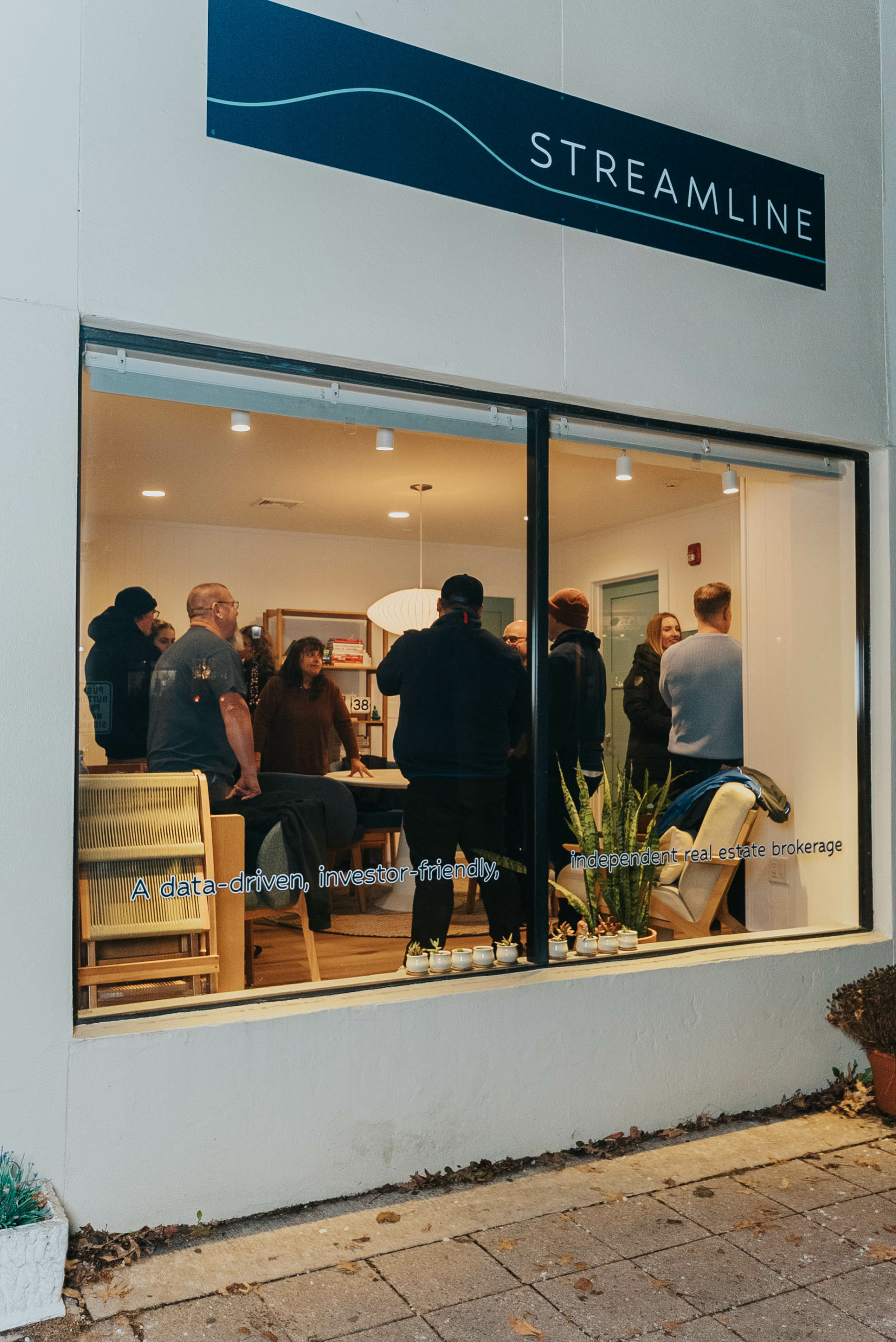
That pivot forced me to rebuild intentionally. I later opened my own independent brokerage, but structured it differently. Smaller, tighter, and with higher standards. I wanted real quality control, no hiring for ego, and no growth just to say we’re bigger.
Another big pivot was after my dad passed away. I closed my law practice and went into the art world. That move didn’t make sense to many people either. Attorney to gallery owner is not a straight line. However, that period gave me space to think, create, and build something that wasn’t tied to billable hours or court calendars. It truly changed how I see business.
Presentation matters. Emotion drives value. Storytelling shapes perception.
The pattern in my life is simple. If something starts owning me instead of the other way around, I change it.
Most people wait until they’re forced to pivot. I tend to do it before that point.
Contact Info:
- Website: https://www.trustgreene.com/
- Instagram: https://www.instagram.com/trustgreene/
- Linkedin: https://www.linkedin.com/in/jonathan-greene-re/
- Youtube: https://www.youtube.com/c/JonathanGreeneRE/videos
- Other: https://zenandtheartofrealestateinvesting.com/