
We’re excited to introduce you to the always interesting and insightful Frank Fleming. We hope you’ll enjoy our conversation with Frank below.
Hi Frank , thanks for joining us today. Can you talk to us about a project that’s meant a lot to you?
I graduated from the College of Charleston in 1986 with a degree in Biology. My first job out of college was as a nature guide on the then-pristine Kiawah Island, just south of Charleston. One day, a location manager for a major motion picture called our office looking for a guide to assist the crew with the removal of any wild snakes that might interrupt filming in the “snakey” parts of the island. I signed up.
The actors weren’t very famous at the time, though that would soon change. Justine Bateman, Julia Roberts, and Liam Neeson all went on to have amazing careers, while Debbie Harry had a bit part and was already a rock superstar. We ended up seeing only one non-venomous snake, but I was lured into the film industry and stayed for a 30-year stint. Movies, TV shows, commercials, and print ads became the meat of my career. I joined the art department, as they were often employed the longest on those types of projects. The work took me up and down the East Coast, to Mexico, and twice over to the Bahamas.
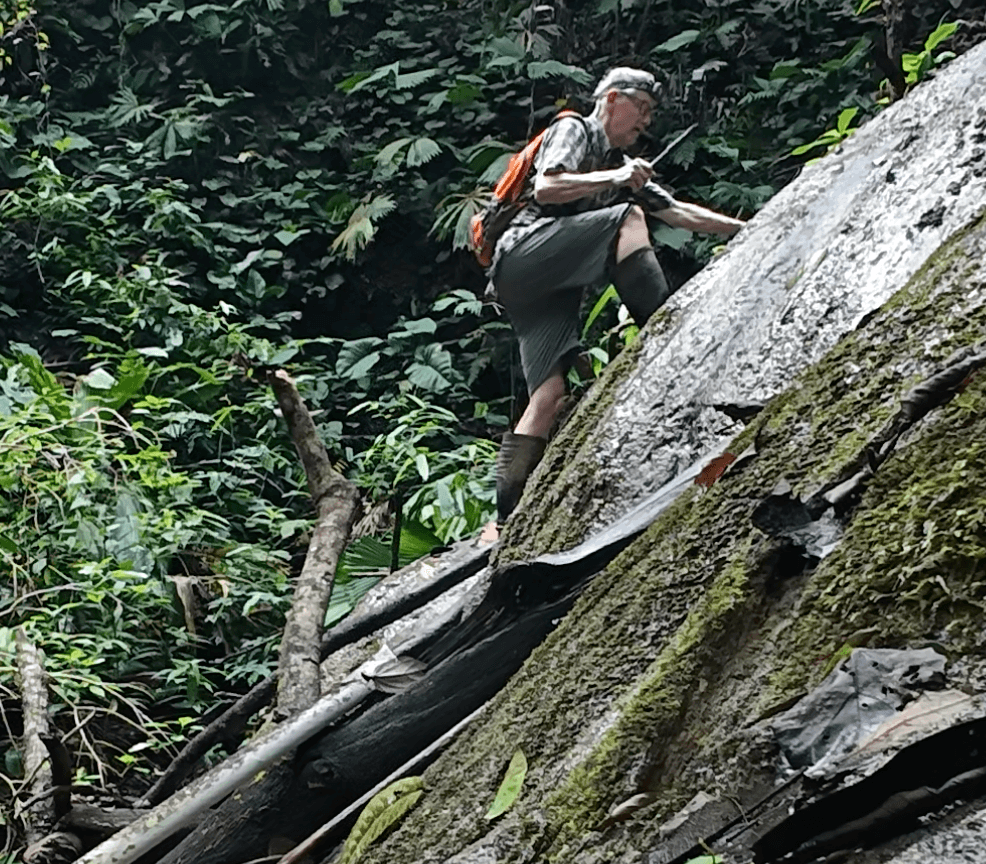
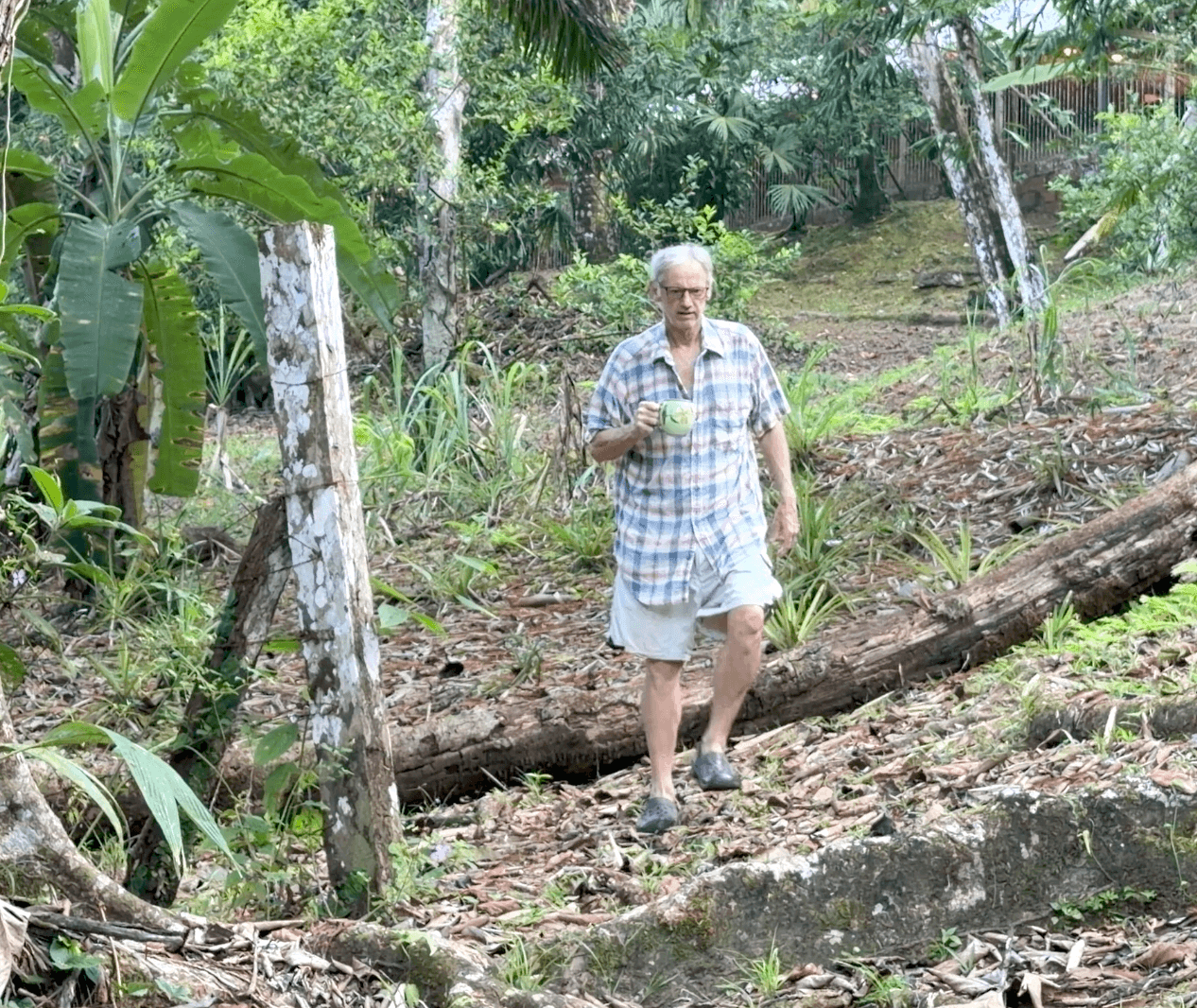
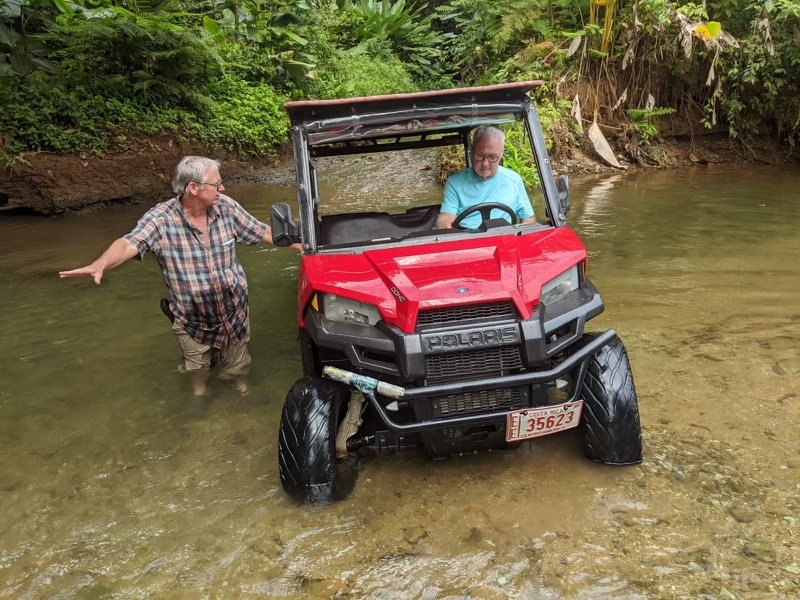
In 2010, my wife and I bought 120 acres of rainforest in southern Costa Rica. The property came with two artisan-made cabins, a house, a swimming pool, five cows, and a horse named Pele. The remaining 100 acres were pure rainforest. My biology background and my wife’s love of natural history made it an ideal spot for us. Our first goal was to rid the land of poachers and document the animals living on the property. We employed trail cameras to help with both; poachers hate being caught on camera trespassing, and we loved recording the wildlife we rarely saw in person. As the years passed, we amassed an amazing “collection” of wildlife images, and we saw poaching and illegal logging nearly vanish.
As trail camera technology improved, we were invited by the prestigious Zoological Society of London to join their Instant Wild program. We were one of only a handful of locations worldwide broadcasting near-live trail camera images back to London, where they were curated for global viewing. We were the first in Central America to send images out to the world in this way.
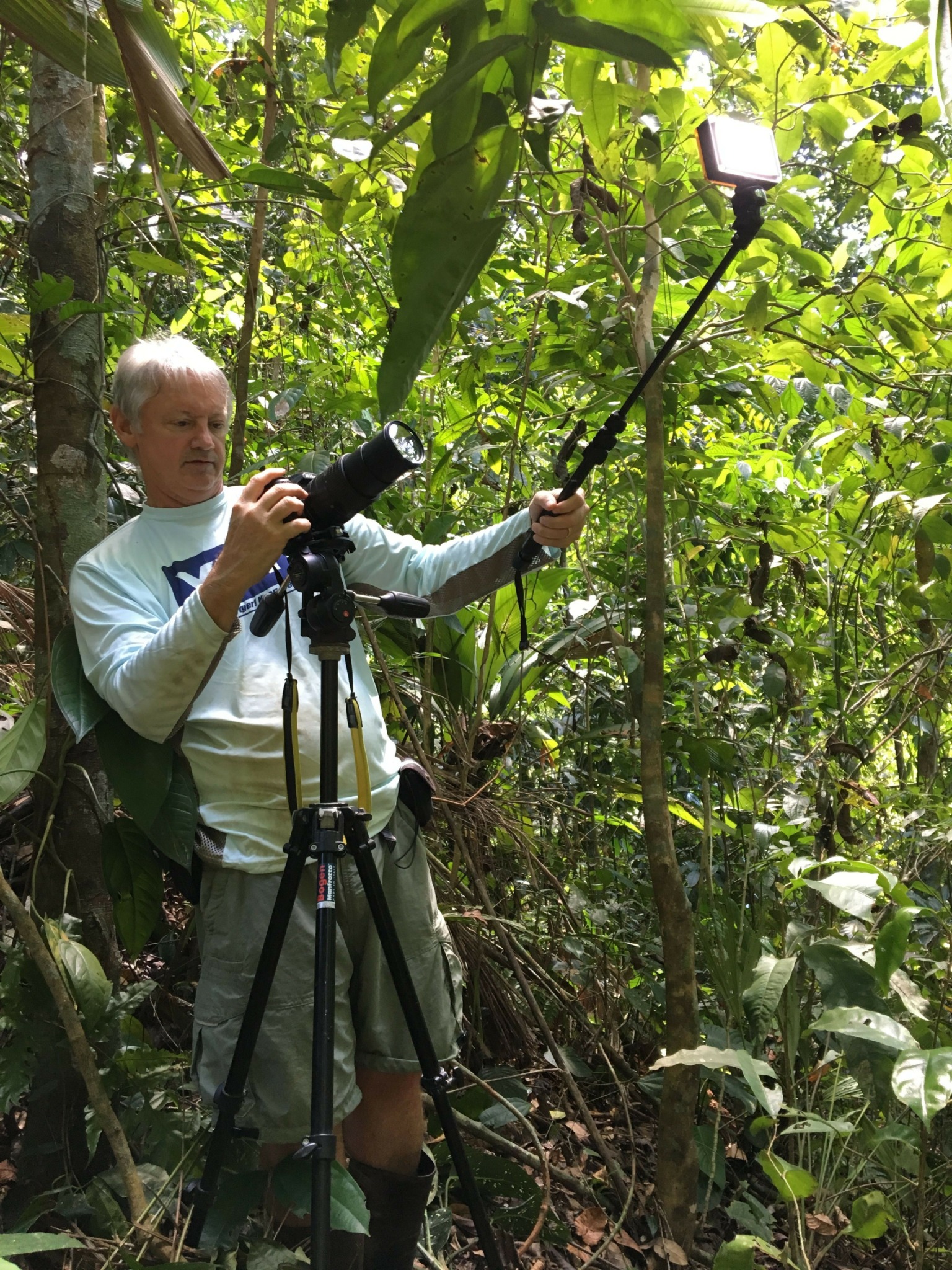
Eventually, as camera quality reached broadcast standards, I began editing the clips into YouTube videos for our Ocho Verde Wildlife channel. We have since amassed millions of views, raising interest and awareness for wildlife conservation in the tropical rainforests of Costa Rica.
In 2020, when Costa Rica restricted traffic during the lockdown, the lack of human activity allowed wildlife to move unrestricted through natural corridors. In October of that year, we recorded our very first Puma on a trail camera. Since then, Pumas have visited on a regular basis, reassuring us that we have created a healthy, thriving ecosystem that simply didn’t exist on the property before our involvement. At 62, this has been my most meaningful project so far.
Great, appreciate you sharing that with us. Before we ask you to share more of your insights, can you take a moment to introduce yourself and how you got to where you are today to our readers.
Throughout my lifetime, I have witnessed the decline of many common and often misunderstood species here in the American South. It is the small critters—the snakes, frogs, and turtles—that are the key indicators of the health of our wild places. In the past, the timber industry would take months to clear a forest for lumber. This slower pace allowed animals the time to escape and move to safer areas. Today, however, industrial machinery is far more efficient; land can be cleared so rapidly that smaller wildlife rarely have the chance to reach safety. Whether the land is being cleared for development or replanting, these animals simply don’t have the same opportunity to survive that they once did, and the resulting statistics are alarming.
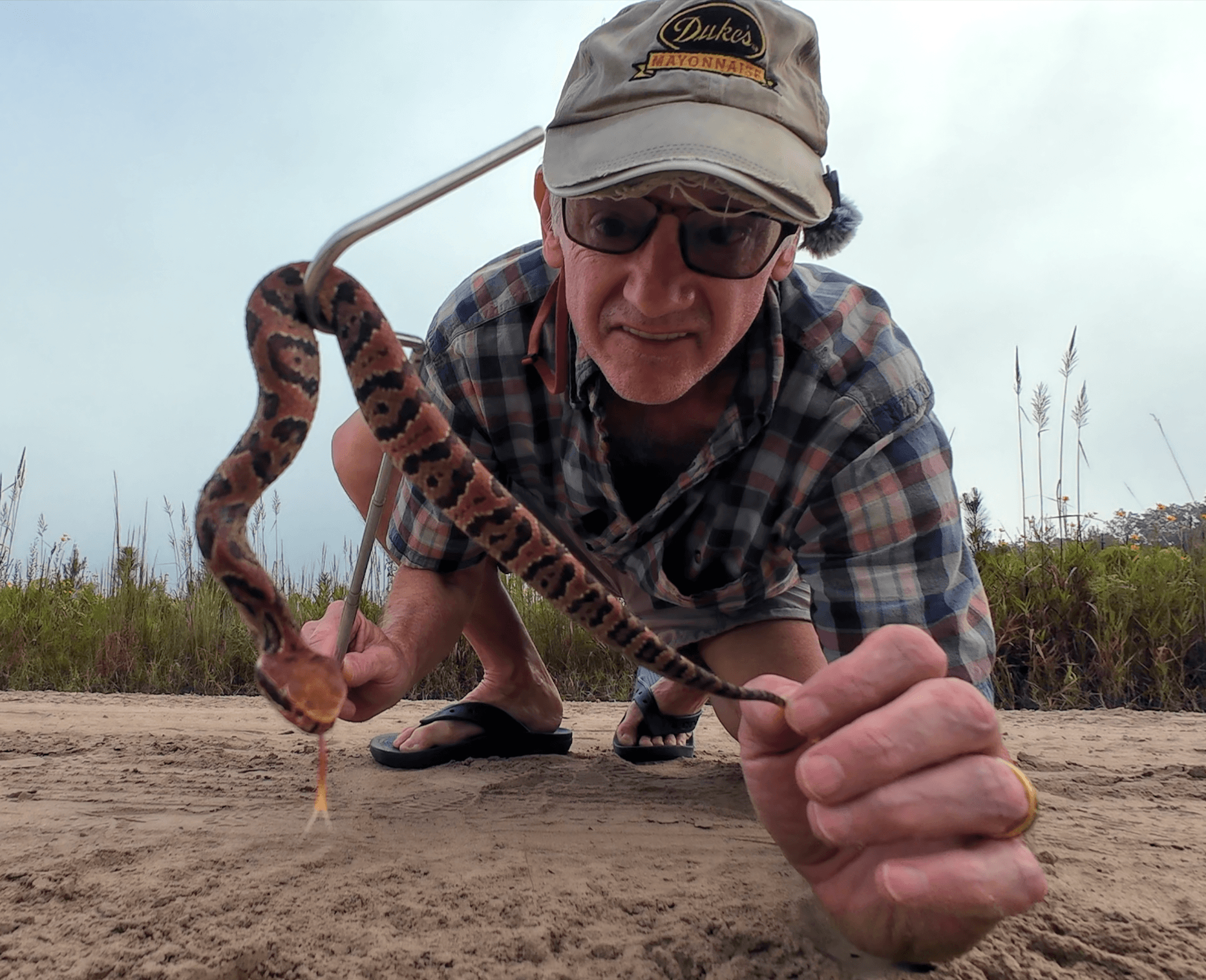
What sets my work apart is a unique combination of wildlife expertise and film industry “tricks” that I use to produce high-quality content for YouTube. My background allows me to capture and share moments that many might never see: a large rattlesnake softening its defensive stance before retreating into the forest, a wild corn snake taking a drink of water during a drought, or a mother Puma resting quietly with her cubs.
I believe that the more I can show people of our shrinking natural world, the more they will understand how impressive, fascinating, and vital it is to protect what remains. I am most proud of having the ability to share these experiences with both enthusiasts and those who may have never given nature a second thought, keeping them engaged with their own local ecosystems.
What’s the most rewarding aspect of being a creative in your experience?
There are a million ways to be creative. As a child, I was always told that I had a vivid imagination. I believe all children start out this way, but somewhere along the line, that spark can be muted. Fortunately, that never happened to me. My imagination fostered my creativity as I grew, and first and foremost, it became my greatest tool for problem-solving.
This trait followed me through school and into my career in the film industry. Every project involved unique challenges; every house we shot in was different, and every set we built was a new puzzle. Solving the daily hurdles we faced required a constant “outside-the-box” approach. Whether we were finishing a one-day mayonnaise commercial or a nine-month feature film, I always felt a deep sense of satisfaction in getting the job done—no matter how miraculous the solution seemed at the time.
Can you share a story from your journey that illustrates your resilience?
The film business in South Carolina is relatively sparse compared to other production hubs. Entry was difficult, as there were only a few “hardcore” crew members who were consistently called for the limited work that came to Charleston. Once I found my groove, I started getting those calls too—but that didn’t mean the work was constant.
There were many times I was out of work for months at a stretch. Actor and writer strikes occasionally lasted even longer. During those gaps, many of my peers dropped out, sought “real jobs,” and left the film industry forever. I had to rely on my creativity once again to get through it. I developed a rigorous financial plan to ensure I had enough of a buffer to outlast the gaps between projects. Once I figured out that strategy, I was able to withstand the long stints between paychecks and stay the course for three decades.
Contact Info:
- Website: http://www.ochoverde.com/about
- Instagram: ocho_verde
- Youtube: https://www.youtube.com/@OchoVerde
- Other: iNaturalist https://www.inaturalist.org/observations?place_id=any&user_id=f_fleming-ochoverde&verifiable=any