

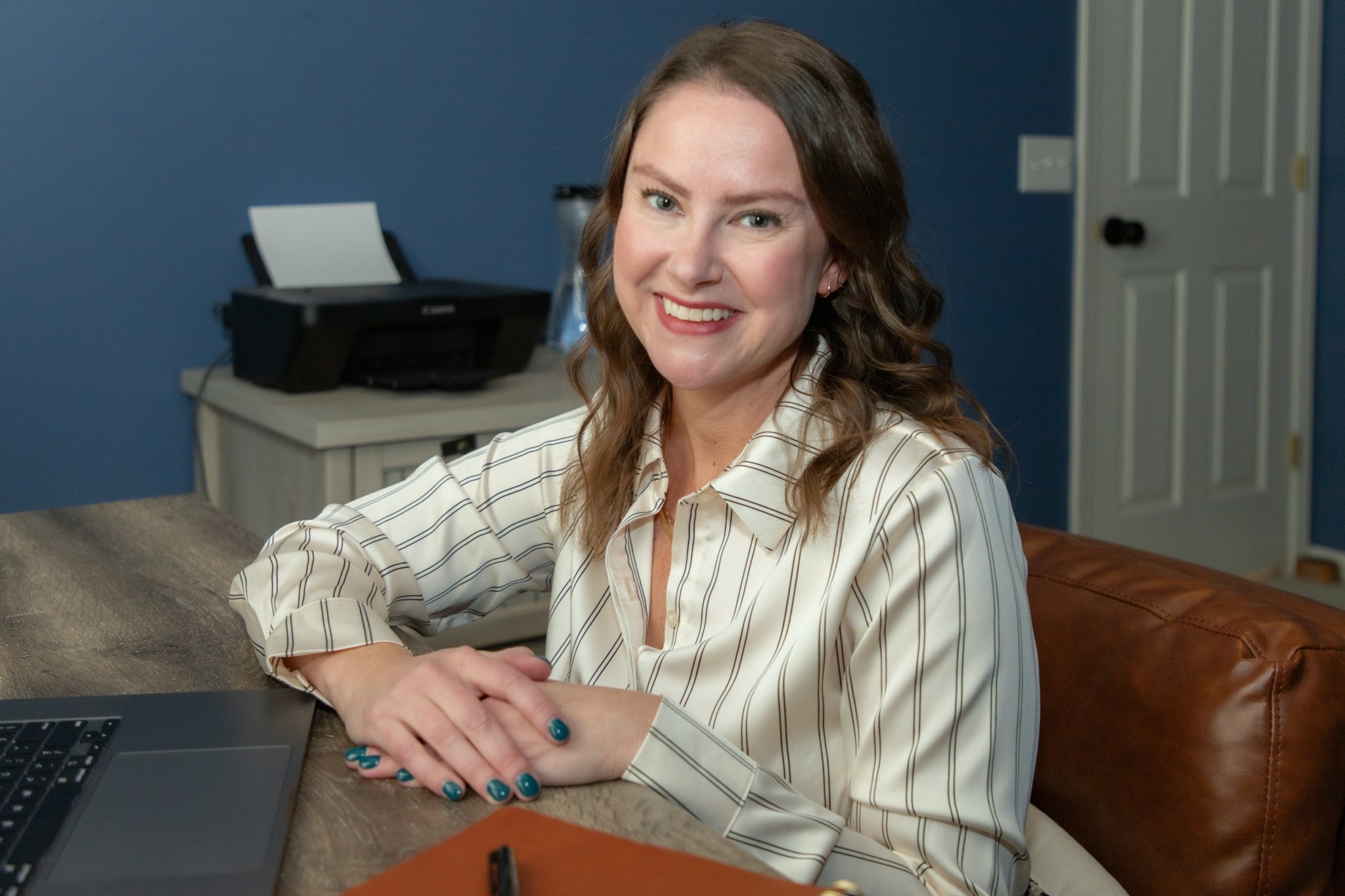

We recently connected with Laura Jordan and have shared our conversation below.
Laura, appreciate you joining us today. If you had a defining moment that you feel really changed the trajectory of your career, we’d love to hear the story and details.
There wasn’t just one defining moment in my career, but rather a series of experiences that gradually shaped the direction of my work.
Early in my career as a psychotherapist, I was drawn to supporting people through major life transitions—those moments when identity, relationships, and emotional wellbeing are all shifting at once. Over time, that interest evolved into a deeper focus on reproductive mental health. I began pursuing additional training and education so I could better support individuals navigating the complex emotional and physiological changes that occur during reproductive transitions.
Another defining point came through my own lived experience. When I began experiencing perimenopause, I found myself feeling confused and at times unsupported by the broader healthcare system. Despite being a mental health professional, I still struggled to find clear information and compassionate guidance around what I was experiencing. That realization was powerful. It highlighted how many people are moving through these life stages quietly and often in isolation.
Those experiences reinforced my commitment to specializing in reproductive mental health and perimenopause. Today, much of my work centers on supporting women and individuals navigating stress, burnout, hormonal transitions, and midlife shifts. My goal is to help people understand what’s happening in their minds and bodies, and to create a space where they feel seen, informed, and supported.
If there is a lesson in that journey, it’s this: some of the most meaningful directions in my career have come from the places where my professional training and personal experiences intersect. Experiencing these transitions myself deepened my commitment to this work and clarified my purpose—to help ensure that others moving through these critical life stages feel less alone and have access to the support and understanding they deserve.
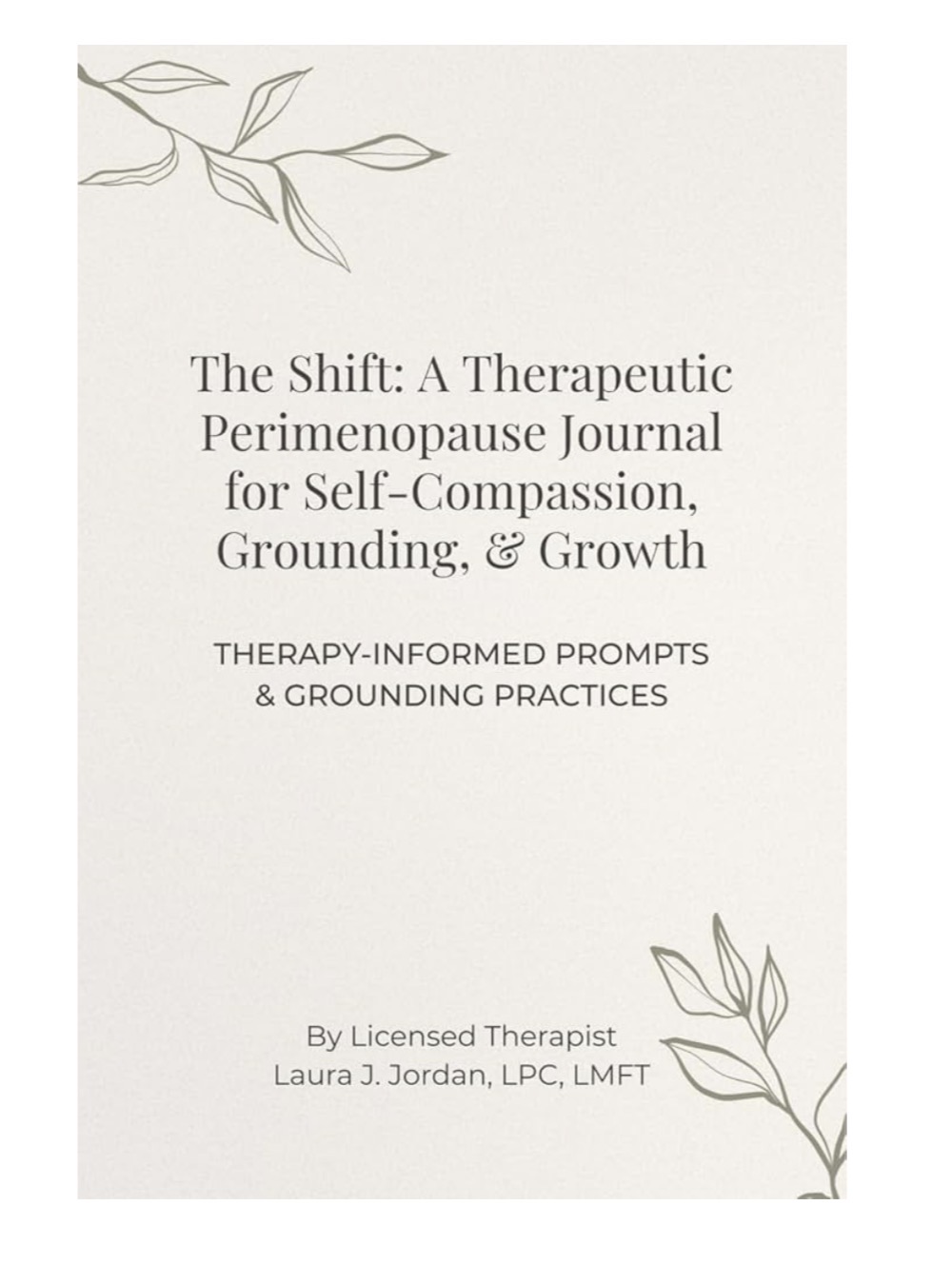
Laura, before we move on to more of these sorts of questions, can you take some time to bring our readers up to speed on you and what you do?
I’m a licensed psychotherapist specializing in reproductive mental health, with a particular focus on supporting individuals navigating stress, burnout, and the emotional and physiological changes that can come with perimenopause and midlife transitions.
I was drawn to the mental health field because I’ve always been interested in how people make sense of difficult seasons of life. Early in my career, I noticed that many of the people I worked with were moving through periods of significant change—new parenthood, shifting identities, caregiving roles, or major life transitions—and often felt overwhelmed or unsupported. That naturally led me to pursue additional training in reproductive mental health so I could better support individuals during these pivotal stages.
My work today centers on helping clients understand the powerful connection between the nervous system, hormonal changes, and emotional wellbeing. Many people arrive in therapy feeling confused by what they’re experiencing—anxiety that seems to appear out of nowhere, increased stress sensitivity, sleep disruption, or a sense that their coping strategies no longer work the way they once did. Part of my role is helping people make sense of those experiences, reduce shame, and develop practical ways to support their mental and physical health during these transitions.
In addition to one-on-one therapy, I’m passionate about education and advocacy around perimenopause and reproductive mental health. There is still a significant gap in awareness and support for people navigating these stages of life, and I believe that accurate information and open conversation can make a powerful difference.
What I’m most proud of is creating spaces where people feel less alone in experiences that have historically been under-discussed. Many of my clients arrive feeling isolated or wondering if something is “wrong” with them, and one of the most meaningful parts of my work is helping them realize that what they’re experiencing is real, valid, and deserving of support.
If there’s one thing I want people to know about my work, it’s that no one should have to navigate these life transitions in isolation. With the right support, information, and compassion, these periods of change can also become opportunities for deeper understanding, resilience, and growth.

Putting training and knowledge aside, what else do you think really matters in terms of succeeding in your field?
Beyond formal training and clinical knowledge, I think one of the most important things for succeeding in this field is the capacity for genuine presence. Clients can often sense very quickly whether a therapist is truly listening, attuned, and willing to sit with difficult emotions without rushing to fix or explain them away.
I also think humility and curiosity are essential. The field of mental health is always evolving, and every client brings a unique story and perspective. Staying open to learning—both through continuing education and through the experiences of the people we work with—helps keep the work meaningful and responsive rather than rigid.
Another important factor is doing our own personal work. Therapy asks us to hold space for others in vulnerable moments, and being willing to reflect on our own patterns, reactions, and growth allows us to show up more authentically and responsibly in that role.
Finally, I believe sustainability matters. This work can be deeply rewarding, but it can also be emotionally demanding. Developing ways to care for our own nervous systems, maintain boundaries, and stay connected to purpose is what allows many therapists to remain present and effective over the long term.

Do you think you’d choose a different profession or specialty if you were starting now?
Absolutely not. This work has been one of the most meaningful parts of my life. Sitting with people during vulnerable moments and witnessing their resilience, insight, and growth is an incredible privilege. It’s a role that requires humility and ongoing learning, but it’s also deeply human and connective in a way that continues to feel purposeful to me.
If anything, looking back, I might have trusted my instincts sooner about the areas of the field that resonate most with me. Over time I’ve found myself increasingly drawn to supporting people through life transitions, stress, burnout, and more recently the emotional and nervous system shifts that can come with midlife and perimenopause. Those interests have grown not only from my professional experience but also from my own life stage.
So while the path has evolved and continues to evolve, I would absolutely choose this profession again. The opportunity to walk alongside people as they navigate change, rediscover themselves, and move toward greater wellbeing is something I continue to feel grateful for.
Contact Info:
- Website: https://jordantherapyservices.com/
- Facebook: https://www.facebook.com/JordanTherapyServices & https://www.facebook.com/profile.php?id=61578716190095

Image Credits
Mark Curry