
We recently connected with Amitoj Kaur and have shared our conversation below.
Hi Amitoj, thanks for joining us today. We’d love to hear the story of how you went from this being just an idea to making it into something real.
For me, the idea didn’t start as a grand business plan. It started as a feeling I couldn’t ignore.
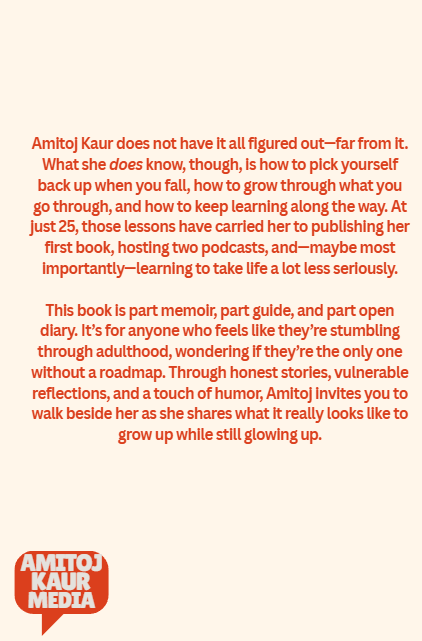
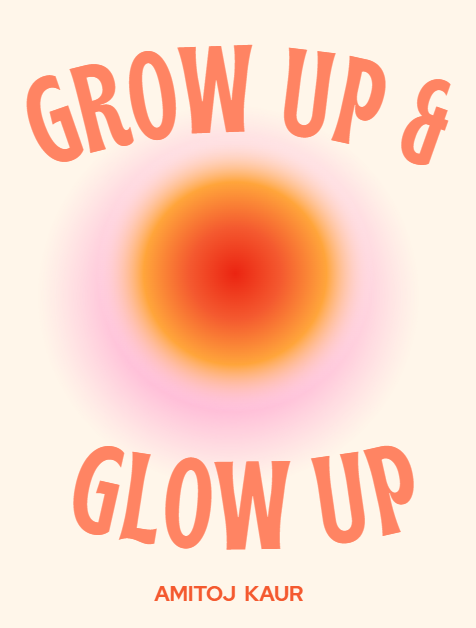
For years, I’ve been someone who processes life through storytelling. Whether it was through podcasting, writing, or conversations with friends, I kept coming back to the same themes: growing up, figuring out who you are, navigating the in-between stages of life that nobody really prepares you for. At some point, I realized those thoughts were bigger than a journal entry or a podcast episode. They were forming something more cohesive. That’s when the idea for my book, Glow Up and Grow Up, started to take shape.
But having the idea and actually doing something with it are two very different things.
The first step was honestly just giving myself permission to take the idea seriously. I started writing small pieces. Not a full manuscript, not even chapters at first. Just moments, stories, reflections. I wrote about therapy, identity, pressure, the messy parts of early adulthood that people often gloss over. Over time, those pieces started connecting to each other.
Then came the harder part: figuring out what it would actually take to turn those pieces into a real project.
I had to think like both a writer and a builder. I mapped out what the structure of the book could look like, which stories belonged where, and what message I wanted readers to walk away with. I spent time researching the publishing process, learning about editing, formatting, and how authors actually bring a book into the world. I also leaned heavily on the skills I’d built through podcasting and storytelling, because those platforms had already taught me how to connect with an audience authentically.
The process wasn’t one big breakthrough moment. It was a lot of smaller steps stacked together. Writing consistently. Editing brutally. Sharing pieces of the work and seeing what resonated. Rewriting when something didn’t land the way I wanted it to.
And honestly, there were plenty of moments where I questioned whether I should even be doing it. Imposter syndrome is real when you’re putting something personal into the world.
But the turning point was realizing that the purpose of the book wasn’t perfection. It was honesty. If even one person read it and felt less alone in what they were navigating, then the work mattered.
So the journey from idea to execution looked less like a straight line and more like a series of decisions: keep writing, keep refining, keep showing up for the story I felt called to tell.
Eventually, those pages became a manuscript. And that manuscript became Glow Up and Grow Up.
Looking back, the biggest step wasn’t the technical side of launching the book. It was deciding that the idea deserved to exist outside of my own head.
Amitoj, love having you share your insights with us. Before we ask you more questions, maybe you can take a moment to introduce yourself to our readers who might have missed our earlier conversations?
I’ve always been a storyteller at heart. For me, storytelling has never just been about entertainment. It’s how I process the world, understand people, and make sense of the complicated moments that shape who we become.
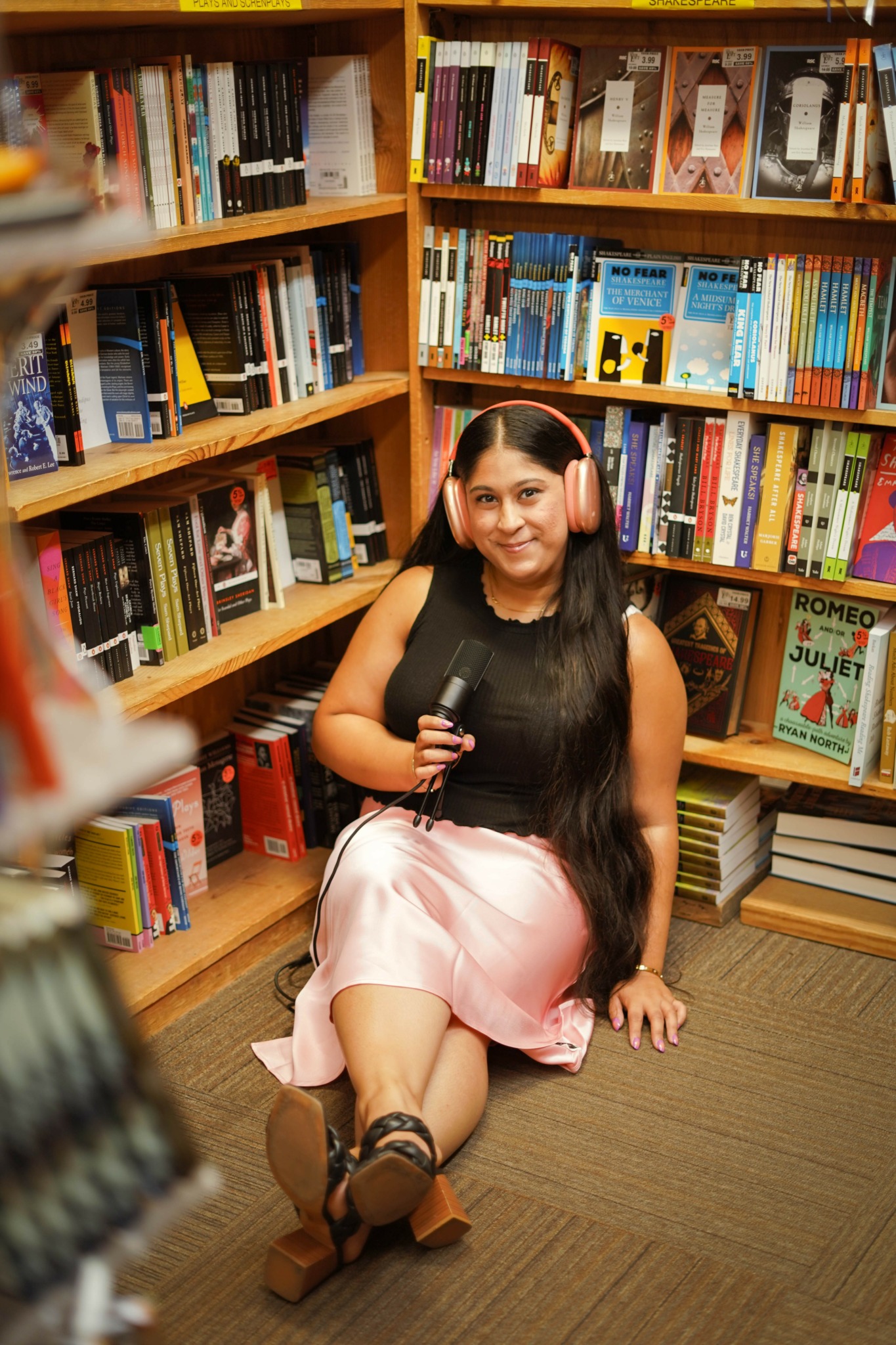
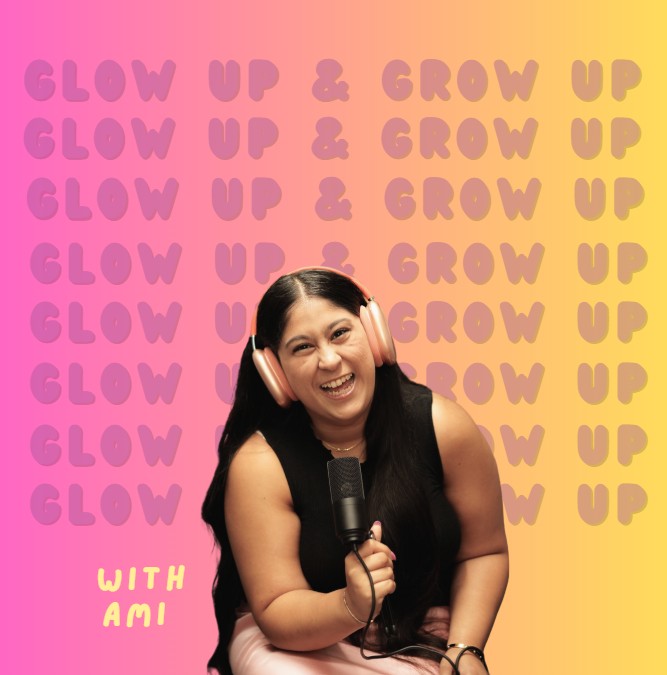
My work today sits at the intersection of storytelling, personal growth, and honest conversation. I’m the author of Glow Up and Grow Up, and I host two podcasts: Glow Up and Grow Up with Ami, which focuses on navigating early adulthood and personal development, and We Went to Miami, a podcast rooted in storytelling and connection around the Miami University community. Across all of these platforms, my goal is simple: to create spaces where people feel seen in the parts of life that are often messy, uncertain, and rarely talked about openly.
I didn’t enter this work through a traditional path. My professional career is in corporate communications, where I’ve spent the past several years working in social media strategy, editorial planning, and crisis communications. That experience taught me how powerful communication can be when it’s thoughtful, intentional, and human. But outside of that world, I kept finding myself drawn to deeper conversations about identity, growth, mental health, and what it actually means to figure out your life in your twenties.
That’s really where my creative work began. What started as conversations and reflections eventually turned into podcast episodes, and those stories ultimately grew into my book, Glow Up and Grow Up. The book explores the in-between phase of life that many people experience but rarely see represented honestly. It’s about self-discovery, therapy, identity, expectations, and learning how to grow into the person you’re becoming.
If there’s a problem my work tries to solve, it’s the feeling of being alone in experiences that are actually incredibly common. So many people feel like they’re the only ones questioning themselves, struggling quietly, or trying to figure things out behind the scenes. Through my writing and podcasting, I try to normalize those conversations and show people that growth is rarely linear or polished.
What I think sets my work apart is the level of honesty I’m willing to bring into it. I’m not interested in presenting a perfect version of growth or success. I’m much more interested in telling the truth about the process, including the doubt, the waiting periods, and the moments where you feel like you’re still figuring things out.
The thing I’m most proud of is the community that has formed around that honesty. When someone reads something I’ve written or listens to an episode and says, “I thought I was the only one who felt this way,” that’s when I know the work is doing what it’s supposed to do.
At the end of the day, my brand and my work are rooted in one core belief: stories have the power to help people understand themselves better. If my work can help someone feel a little less alone while they’re navigating their own glow up and grow up, then I’m doing exactly what I set out to do.

Is there something you think non-creatives will struggle to understand about your journey as a creative? Maybe you can provide some insight – you never know who might benefit from the enlightenment.
One thing I think people who aren’t in creative fields sometimes struggle to understand is how much of the work happens long before anything is visible.
From the outside, a book, podcast, or piece of writing can look like a finished product that appeared fairly quickly. But the reality is that most creative work is built in quiet, invisible stages. It’s months, sometimes years, of thinking, observing, writing, rewriting, questioning your ideas, and deciding whether something is honest enough to share with the world.
A lot of the creative process also involves sitting with uncertainty. There isn’t always a clear roadmap or a guaranteed outcome. You’re often working on something because you feel compelled to explore it, not because you know exactly how it will be received. That can be uncomfortable, especially in a world that tends to value immediate results and measurable progress.
There were definitely moments in my own journey where I questioned whether I should even be doing this. When you’re writing or creating from a personal place, it can feel incredibly vulnerable. You’re deciding which parts of your experiences, thoughts, and struggles you’re willing to make public. It’s very different from producing something purely technical or transactional.
But I’ve also learned that the moments that feel the most uncomfortable to write about are often the ones that resonate the most with people. I remember sharing a piece of writing that I almost didn’t publish because it felt too personal. I worried it was messy or unfinished. Instead, the response I received was from people saying they had felt the exact same way but had never heard someone say it out loud.
That moment really reinforced something for me: creativity isn’t about presenting a perfect or polished version of life. It’s about telling the truth about the process of living it.
If there’s one thing I’ve come to believe through this journey, it’s that creativity isn’t about having all the answers. It’s about being willing to ask honest questions in public. And sometimes the simple act of asking those questions is what allows someone else to feel a little less alone in their own story.
Any insights you can share with us about how you built up your social media presence?
The honest answer is that I’m still building my audience, and it’s growing slowly. I don’t have a massive following, and I think it’s important to say that because a lot of conversations about social media make it sound like success only counts if you grow quickly or go viral. That hasn’t been my experience.
My audience has grown the same way most meaningful things tend to grow, through consistency and genuine connection over time.
When I first started sharing online, I wasn’t thinking about building an audience in a strategic way. I was mostly sharing thoughts, reflections, and conversations that felt real to me. My work revolves around storytelling, personal growth, and navigating early adulthood, so the content naturally came from things I was already thinking about or experiencing.
Over time, I started noticing something interesting. The posts that resonated the most weren’t the most polished ones. They were the honest ones. When I talked openly about things like imposter syndrome, therapy, or the uncertainty that comes with figuring out your life in your twenties, people responded because they saw themselves in those experiences.
That shifted the way I approached social media. Instead of trying to perform or curate a perfect version of life, I focused more on creating conversations. I started asking myself less “What will perform best?” and more “What might make someone feel understood?”
Consistency has also been important. Not necessarily posting every day, but showing up regularly and continuing the conversation with the community that is forming. Social media can feel very numbers-driven, but the most meaningful growth tends to happen when people trust your voice and feel connected to what you’re sharing.
For anyone just starting to build a presence online, my biggest advice would be to focus less on growth hacks and more on clarity. Ask yourself what you genuinely care about talking about and who you want to reach. If you’re creating from a place of authenticity and consistency, the right audience tends to find you over time.
And the other thing I would say is to be patient. It’s easy to look at established creators and assume their audiences appeared overnight, but most platforms are built through years of showing up, experimenting, and refining your voice.
At the end of the day, social media is just a tool. The real value comes from connection. If people feel like they’re hearing a real human voice rather than a perfectly curated brand, that’s when an audience slowly starts to become a community.
Contact Info:
- Instagram: https://www.instagram.com/amiikaurr
- Linkedin: https://www.linkedin.com/in/amitoj-kaur/
- Other: https://www.amazon.com/Glow-Up-Grow-Because-Figured/dp/B0FT1FCMCX/ref=tmm_hrd_swatch_0
https://open.spotify.com/show/0xWOOIdJeZGiaFlLEZ6su8