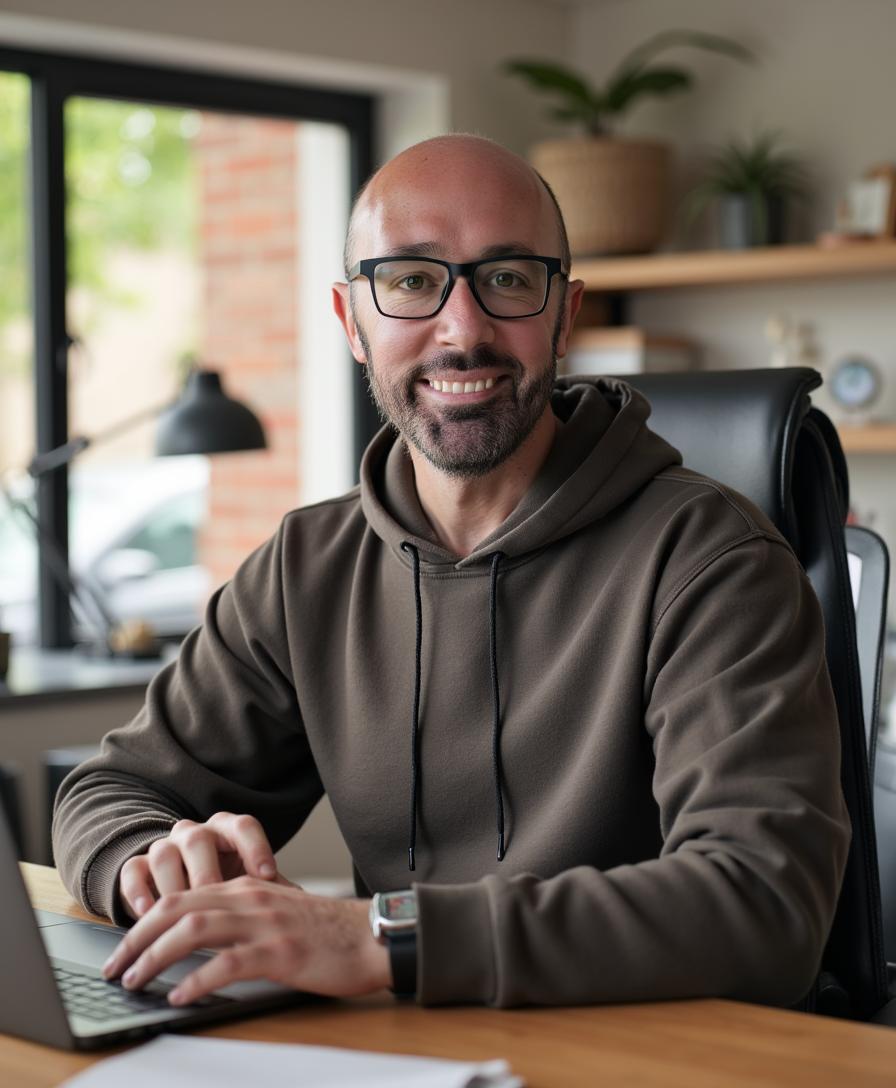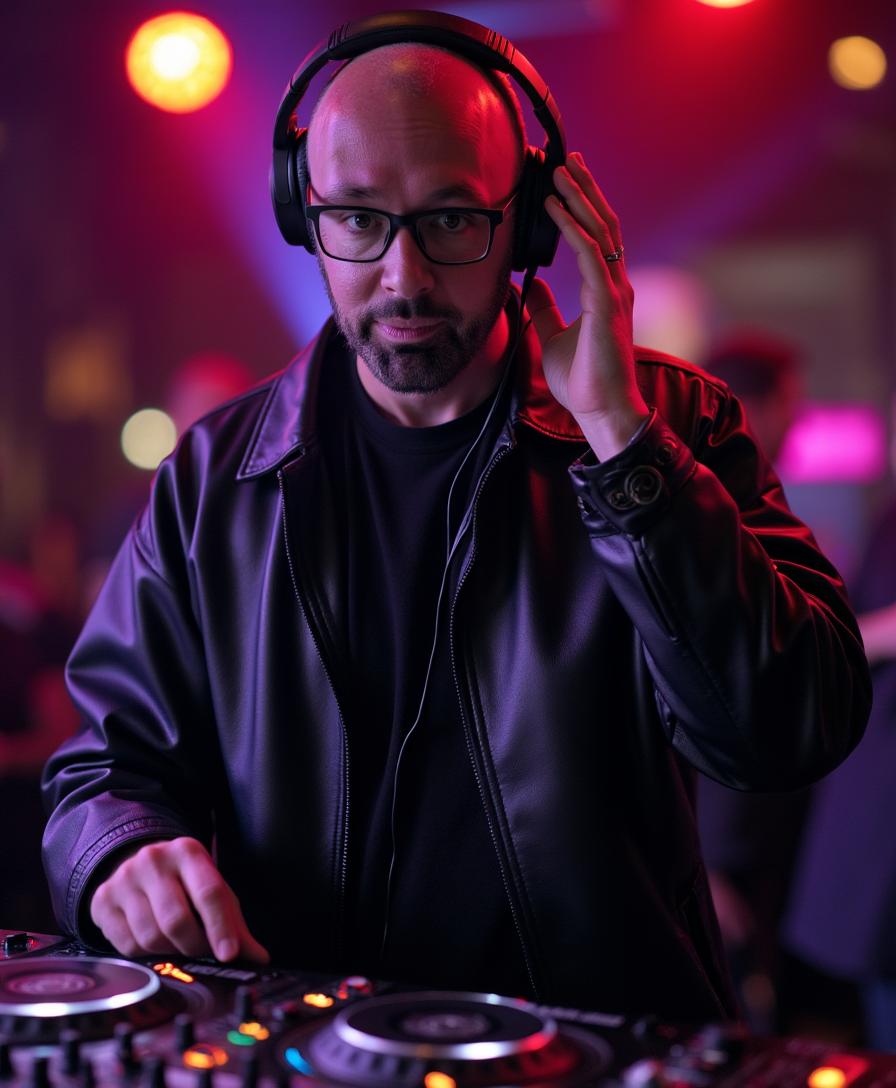

We caught up with the brilliant and insightful Chris Vetrano a few weeks ago and have shared our conversation below.
Chris, thanks for taking the time to share your stories with us today What was it like going from idea to execution? Can you share some of the backstory and some of the major steps or milestones?
The idea and the execution happened at the same time, and I didn’t realize either was occurring until it was already well underway.
It started with a Facebook group, a fantasy football-style game built around American Idol. People joined, they started asking for recaps, I wrote the recaps, the recaps got better, someone said start a blog, I started the blog. Each step was just a response to what the community was asking for. There was no roadmap. There was just a need, and I kept trying to meet it.
That pattern repeated itself at every stage. Idol Insider grew because readers wanted more. Tragic Kingdom launched because the audience had outgrown one show. The contributor model at Listen! It’s Vetrano came from wanting the platform to reflect more voices than just mine. And The Gist came from an observation about what was missing, not just for me, but for a lot of people.
After the years of working deep inside the music industry, both on the festival side and at Brite Revolution, I had developed real conviction about what I wanted to build and, just as importantly, what I wanted to build it for myself. Watching other platforms grow and understanding the mechanics behind them made the path clearer. CMENT started with a real business plan, even if the very first seeds of it, the blog, the recaps, the Facebook group, had nothing of the sort.
The Gist is probably the clearest example of execution following instinct. When I launched it in 2023 I kept thinking about something I had noticed: people were craving the informal, human conversations that had disappeared from daily life during Covid. The water cooler moments. The quick “did you see what happened last night?” exchanges. Those connections had always been central to how people engaged with culture, and there wasn’t a great home for them. The Gist was built to be that home, and the through line back to Idol Insider, where people just needed someone to keep them in the loop, is not lost on me.
The practical infrastructure came after the conviction. Building the contributor network, developing the booking and format for The Gist, treating CMENT like the media company it has become rather than a collection of passion projects. None of it happened overnight. But looking back, the foundation had been laid long before I ever put a formal name on it.
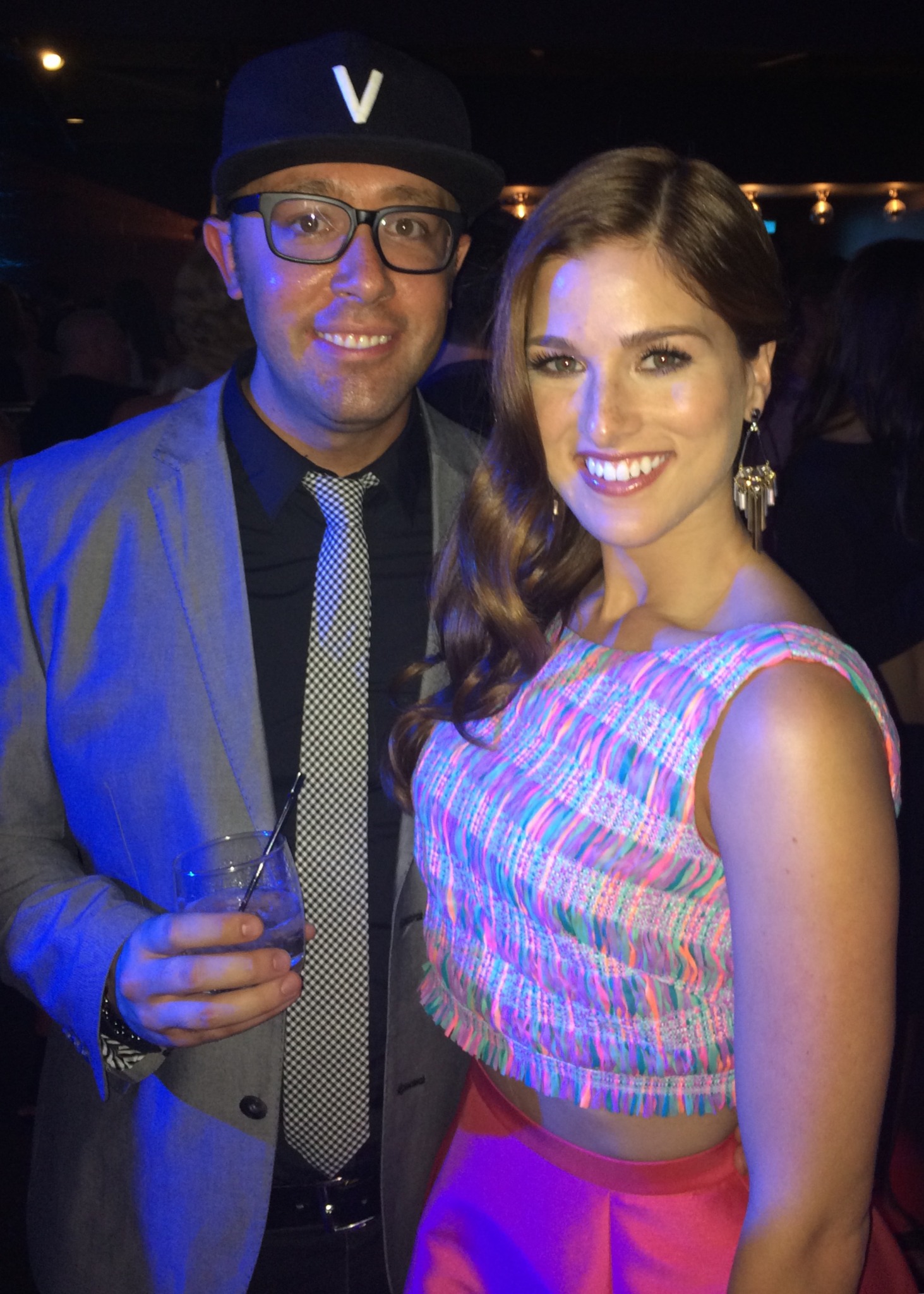
As always, we appreciate you sharing your insights and we’ve got a few more questions for you, but before we get to all of that can you take a minute to introduce yourself and give our readers some of your back background and context?
I’m a pop culture storyteller, and everything I’ve built has grown out of a genuine love for the stories behind the culture we all share.
It started in college, almost entirely by accident. American Idol was at its peak, and I created a Facebook group called Fantasy Idol, a fantasy football-style game built around the show’s contestants. It grew quickly into a real community of fans. Then people started missing episodes and asking me to recap what happened. So I did. Those recaps got longer and more detailed every week until someone finally said, “Hey, these are really entertaining. You should start a blog.” So I did that too.
That blog became Idol Insider, which grew from a simple recap site into a full American Idol news hub covering contestants, industry stories, and moments from the show’s history. As the readership grew, I saw an opportunity to expand beyond one show, and Tragic Kingdom was born, named after the first No Doubt album I ever bought as a kid. It became a full online music magazine focused on artist discovery, interviews, and cultural commentary.
What made Tragic Kingdom stand out was timing and access. Social media was still a fraction of what it is today, and outside of the major publications like Rolling Stone or Spin, there weren’t many places for music fans to find the kind of in-depth coverage I was offering. That gap was my advantage. The readership grew to more than 75,000 weekly readers, and then in 2012, a collaboration with Taylor Swift’s team around the release of Red drove so much traffic it crashed the site. That moment changed everything.
Around that same time I was also deeply embedded in the music industry in other ways, developing the Underground Music Showcase (The UMS) in Denver, a four-day independent festival that grew into the largest of its kind in the western United States. After its tenth anniversary we facilitated a sale of the festival and I moved to Nashville, where I joined Brite Revolution as Vice President of Business Development and A&R. Brite was a music discovery platform, and I helped launch a national print magazine under that umbrella featuring artists like The Avett Brothers, The Pretty Reckless, and Joss Stone. That work established my reputation on the business and industry side of music, not just the editorial side.
By early 2012 I launched CMENT, bringing together artist and brand management, publishing, and the continued growth of Tragic Kingdom into one company with a real business plan behind it.
Today CMENT is the umbrella for everything I build. The flagship platform is Listen! It’s Vetrano, a pop culture and lifestyle publication covering music, entertainment, travel, food, and culture. What I’m proudest of there is that it was never just a personal blog. From early on I brought in contributors who host their own columns and share expertise from their own worlds, including fashion, wellness, and interior design, turning it into a genuine multi-voice publication.
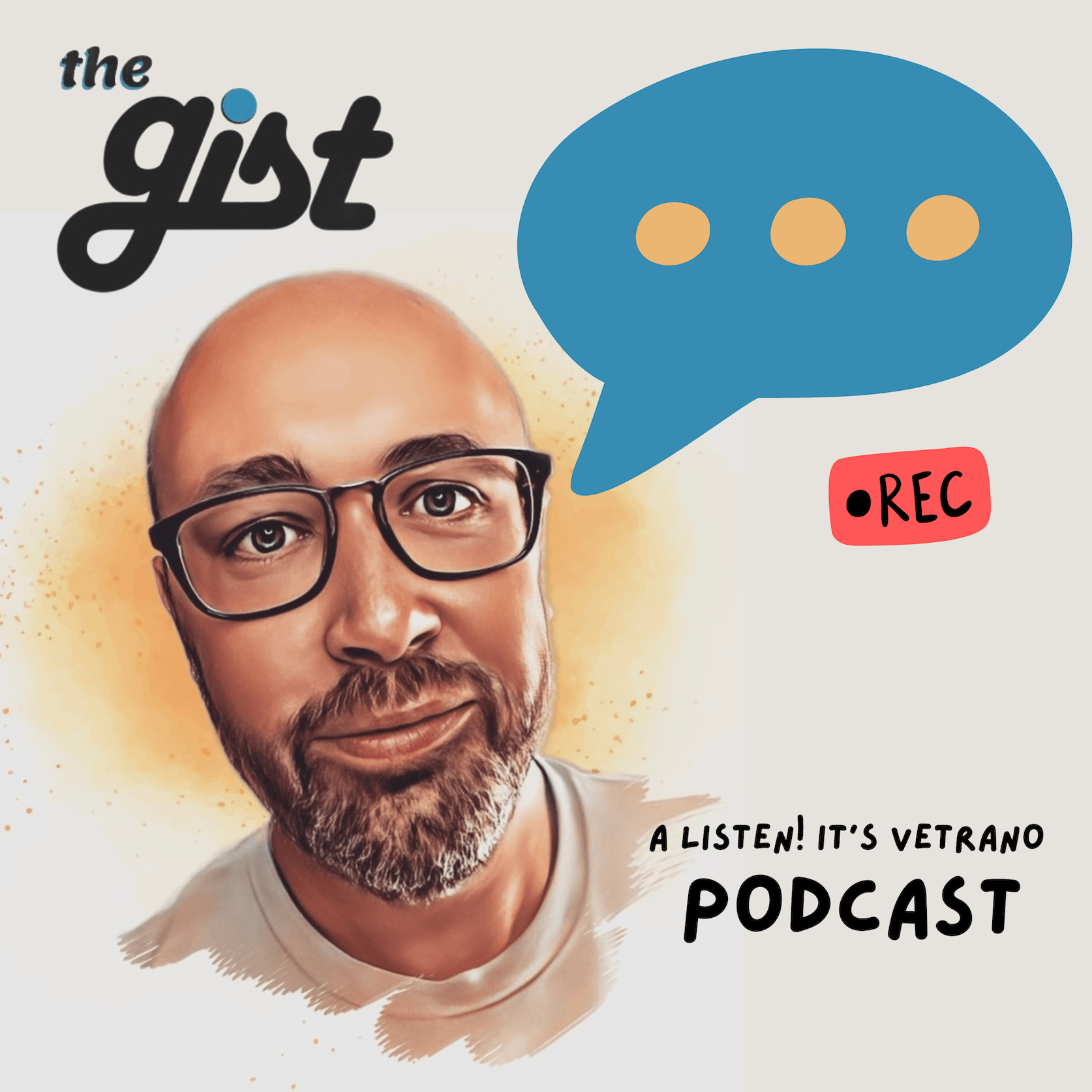
The newest extension is The Gist, a podcast featuring in-depth conversations with artists, actors, and cultural figures about the real stories behind pop culture moments. Guests have included Elisa Donovan, Betty Who, Willa Ford, Dinah Jane, and Neon Trees, among others.
At its core, everything under the CMENT umbrella is about creating a home for people who care deeply about culture. It started as a fan community. Twenty-some years later, it’s still that at heart, just with a lot more infrastructure around it.
What do you think helped you build your reputation within your market?
A few things compounded over time, and I think the combination is what made it stick.
The first was timing. When Tragic Kingdom was growing, the internet was a different place. There wasn’t an endless feed of content competing for attention, and outside of the major print publications, there weren’t many credible independent voices covering music the way I was. That scarcity gave the site real weight. When content I published was picked up and shared by artists and public figures including Justin Timberlake and Lana Del Rey, it wasn’t just flattering, it was a signal that the work was being taken seriously by the people it covered.
The second was that I wasn’t only a media person. The years I spent building the Underground Music Showcase, then working at Brite Revolution on the business development and A&R side, meant that I understood how the industry actually worked. Artists and managers could tell the difference. When I eventually started working directly with musicians on branding and career development through CMENT, there was already a foundation of trust there. I had been in those rooms. The editorial credibility and the industry credibility reinforced each other.
The third was showing up consistently. Partnerships with brands like Live Nation, AEG, and Toyota came because the platform had proven it could deliver an audience and tell stories that resonated. Those relationships didn’t happen overnight. They were the result of years of building something real before anyone called it a business.

Any thoughts, advice, or strategies you can share for fostering brand loyalty?
The foundation is the content itself. When the work is consistent and people know what to expect from it, they come back. That has been true since the early days of Idol Insider, when readers showed up every week because they needed someone to keep them in the loop on a show they loved. The format has evolved, but that core relationship with the audience has not.
Today that relationship lives across a few channels. I’m active on Instagram, Threads, TikTok, and YouTube under @ListenItsVetrano, and I make it a point to personally respond to every comment, message, and conversation that comes in. The community we’re building spans nostalgia lovers, music fans, TV obsessives, and everyone in between, and the engagement feels genuine because it is. When a guest comes on The Gist and shares their episode, their fans find the show and often become part of the broader community. Several guests have come back for second conversations because of how that relationship continued after the episode aired.
I also send a newsletter —The Mixtape— that I think of as delivering the water cooler conversation directly to your inbox. It’s built around the idea that people want to stay connected to the cultural moments that matter to them, without having to go looking for it. That was the original impulse behind everything I’ve built, and the newsletter is the most direct expression of it today.
Down the road I want to bring the community into real life through events and meet-ups. The whole thing started because people wanted a place to connect around culture they cared about. That has always been more than a content strategy. It’s the actual point.
Contact Info:
- Website: https://listenitsvetrano.com/
- Instagram: https://www.instagram.com/listenitsvetrano/
- Facebook: https://www.facebook.com/ListenItsVetrano/
- Linkedin: https://www.linkedin.com/in/cmvetrano/
- Twitter: https://www.twitter.com/cmvetrano/
- Youtube: https://www.youtube.com/@listenitsvetrano