

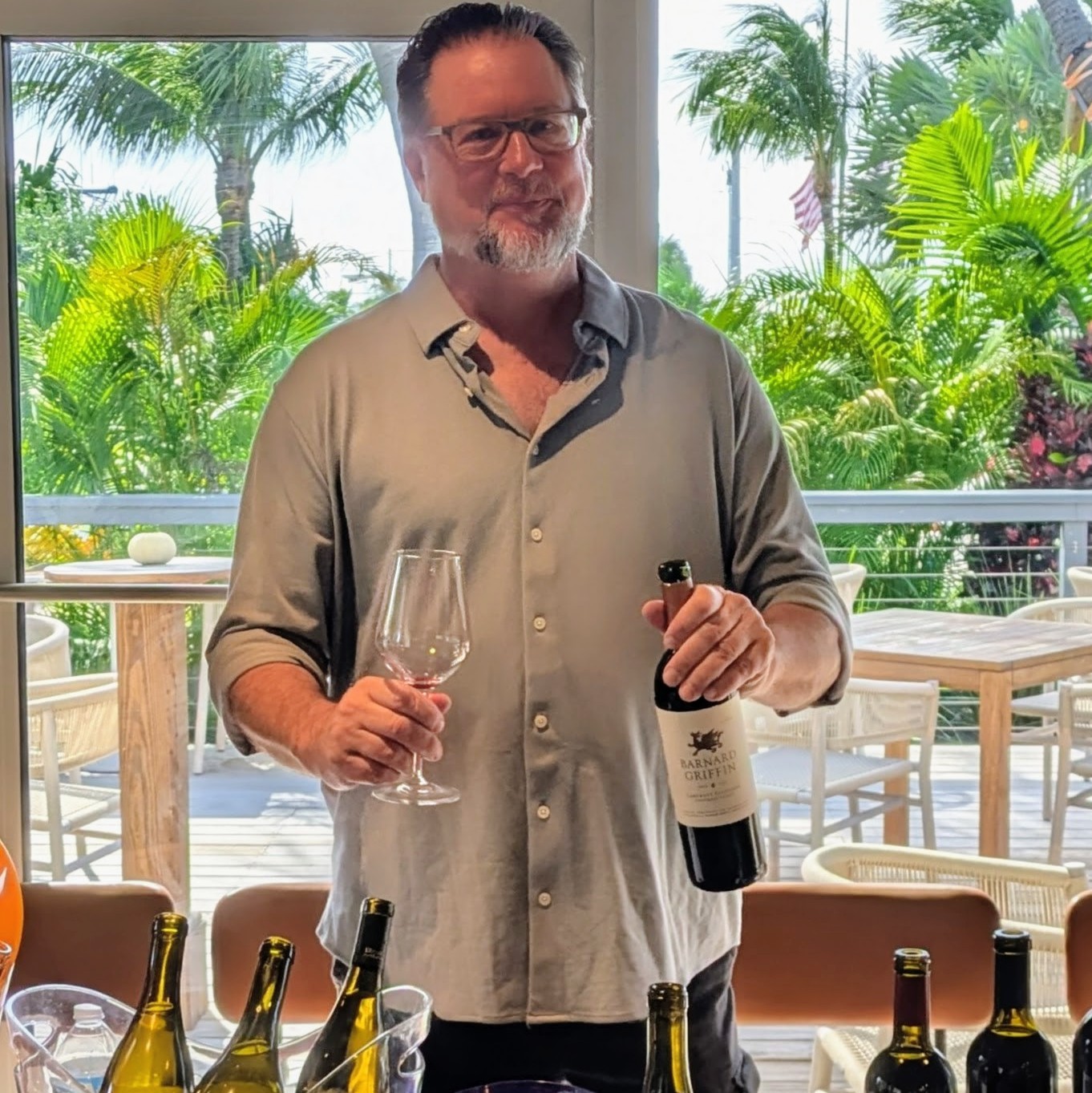

We’re excited to introduce you to the always interesting and insightful THOMAS SMITH. We hope you’ll enjoy our conversation with THOMAS below.
THOMAS, thanks for joining us, excited to have you contributing your stories and insights. Is there a lesson you learned in school that’s stuck with you and has meaningfully impacted your journey?
Here’s the **polished version with a stronger, memorable closing line** added:
—
The most important lesson I learned in school didn’t fully hit me until after I graduated. In high school and college, I took a number of classes outside my main curriculum simply because they interested me. Looking back, those classes ended up shaping my career and sending me on the path to starting my own businesses.
One example was my passion for rock and roll. That interest led me into joining the radio station at college. I got my own radio shows and producted commercials for station sponsors. I continued working with radio stations and DJing in bars during my twenties. At the time it felt like something fun to do, but it turned out to be incredibly valuable training. It taught me how to communicate confidently on air, how to speak naturally on both radio and video, and how to promote events and businesses to an audience.
Working in radio also taught me the basics of marketing and promotion—how to capture people’s attention, how to build excitement around an event, and how to organize content into a show format. In many ways, I was producing shows long before podcasts existed. Those skills still help me today when I create podcasts, host tastings, and organize live events.
It also changed the way I think about hospitality. Through radio and DJing, I began to understand how music affects energy and atmosphere. When I later opened restaurants, I realized that décor and design are only part of the experience—music plays a huge role in shaping how people feel in a space.
Other classes proved useful in ways I never expected. Film classes helped me understand video production, which I now use in marketing my businesses. A drafting course helped me design restaurant layouts and plan the flow of my spaces for both operations and licensing purposes. Even algebra became practical when I built costing and budgeting programs for my businesses in Excel.
In many ways, every subject contributed something—History, English, Physical Ed. Each one helped shape me into a more well-rounded business owner.
The biggest lesson I learned is that education isn’t just about one subject or career path. Every skill you pick up becomes a tool you may use someday. In my case, those tools helped me build businesses, create experiences for customers, and ultimately pursue the ideas I was passionate about.
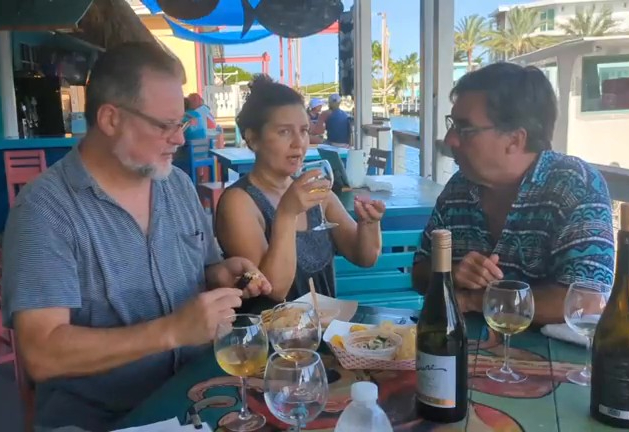
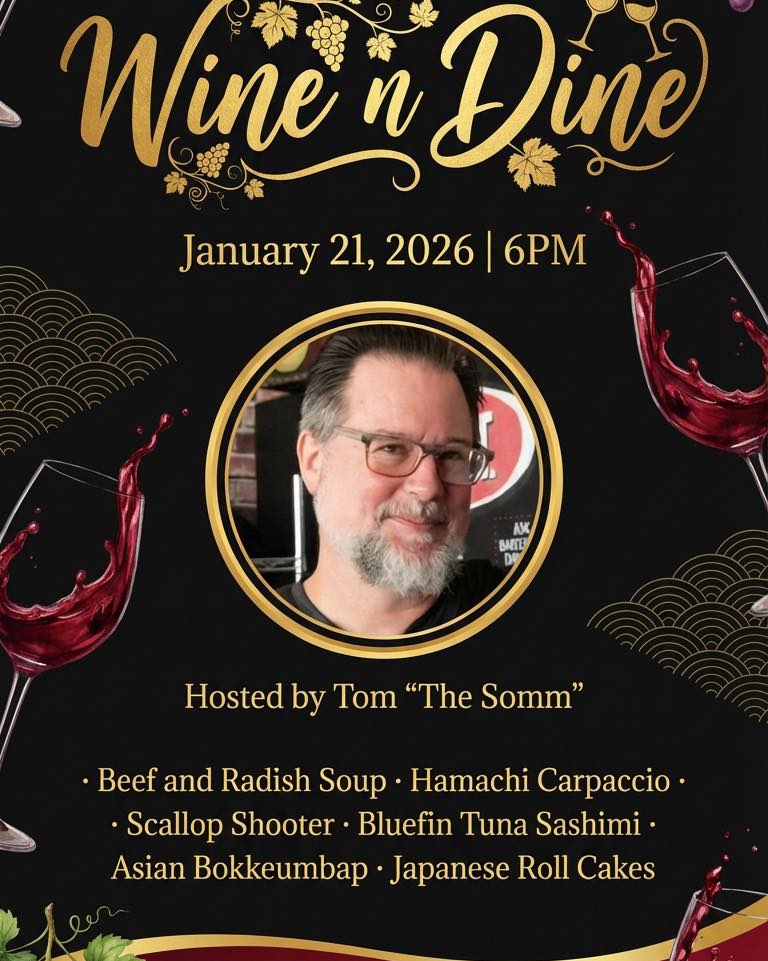
As always, we appreciate you sharing your insights and we’ve got a few more questions for you, but before we get to all of that can you take a minute to introduce yourself and give our readers some of your back background and context?
I got into the restaurant business as a dishwasher when I was sixteen. Over the years I worked in a wide range of places—truck stops, college cafeterias, chain restaurants, independently owned restaurants, and bars. Those early experiences gave me a broad view of the hospitality industry and how different types of operations work.
What really made me fall in love with the business was seeing how rewarding it could be when everything came together—great food, great drinks, and a welcoming atmosphere where customers truly enjoyed themselves. Watching guests leave happy gave me a sense of pride and purpose. That’s when I set a goal for myself: I wanted to own my own bar or restaurant by the time I turned thirty.
After fourteen years working in about ten different types of establishments, I finally had the opportunity to open my first business. Now, twenty-eight years later, I’m still involved in the industry—partly as an owner, partly as a consultant, partly as an educator, and partly just because I genuinely enjoy it.
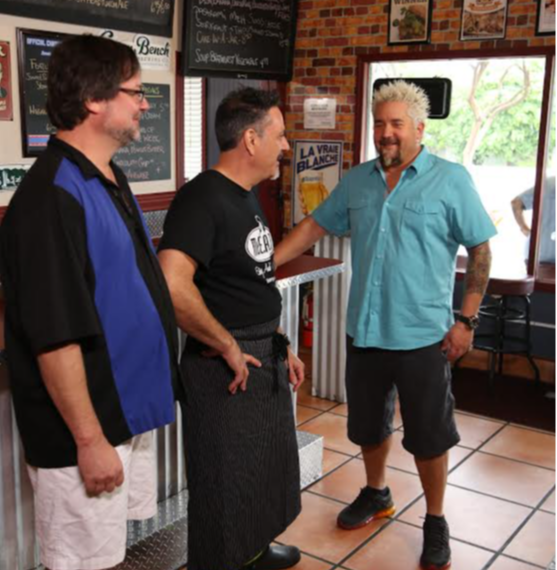
One of my current projects is MEAT Eatery and Taproom, an award-winning fast-casual restaurant that has received national recognition on the Food Network and multiple “Best Burger in Florida” awards. I also run A Grape Guy Consulting, which focuses on hospitality consulting and training employees on beer and wine service, along with creating educational courses and videos for beginners and enthusiasts. Through One Grape Guy Consulting, I help hospitality businesses improve their operations and guest experience.
Another project I’m involved in is Lounge at Sea, a collaboration with a local charter company, Capt. Sharky, where we create unique wine, beer, and food experiences on the water. I’m also developing two new podcast shows that explore different themes related to hospitality, culture, and entertainment.
At the core of everything I do is a philosophy centered around education. Whether I’m teaching employees how to improve the guest experience, offering classes and tastings for consumers, consulting with business owners on how to enhance their operations, or simply creating experiences where people can relax and enjoy themselves, the goal is always the same: helping people learn something new and have a better experience.
In the end, that’s what hospitality—and really life—is all about: creating moments where people can connect, learn, and enjoy themselves.
We’d love to hear a story of resilience from your journey.
One of the most important qualities an entrepreneur can have is resilience. It’s easy to imagine that if you put enough energy, experience, and planning into a concept, everything will go smoothly once the business opens. But the reality is that building a business is never easy, and unexpected challenges will always arise—sometimes challenges that can threaten the survival of the business itself.
My first restaurant opened in 1998 in Boulder, Colorado, and it started out doing very well. We were profitable and growing. Then in 2001, the events of September 11th happened. My restaurant was located only a few miles from an IBM facility involved in military production, so there was a lot of uncertainty and concern in the area. Almost immediately, people stopped going out and chose to stay home. The impact on restaurants was dramatic.
Even after things began to reopen, people were hesitant to spend money or dine out. I remember watching a TGI Fridays across the street from my restaurant—a large national chain—close its doors. As a small business owner, that forced me to take a hard look at what I was doing and make some important decisions.
The decision we made was to adapt. We made our restaurant more accessible to customers by adjusting pricing and focusing on value, knowing people were worried about spending as the economy declined. By making those changes, we were able to regain momentum and keep the business moving forward.
Over the years, that wasn’t the only challenge. Our businesses have weathered the BP oil spill along the Gulf Coast, which affected tourism and restaurants in Florida. We experienced the housing crisis, which impacted our investors and slowed our growth. We’ve gone through two recessions, two hurricanes, and most recently, the pandemic.
What those experiences taught me is that as an entrepreneur, you have to reach deep into your knowledge and experience, tighten your belt when necessary, toughen up, and keep moving forward. If one path closes, another opportunity will eventually appear—but only if you keep going.
Looking back, many of the things that seemed like setbacks at the time actually opened new doors. In many cases they forced me to rethink ideas, improve operations, or pursue opportunities I might not have considered otherwise.
My philosophy today is simple: challenges are part of the journey. If you stay adaptable, keep learning, and refuse to quit, even the toughest obstacles can become the opportunities that move your business—and your life—forward.

How do you keep in touch with clients and foster brand loyalty?
I’ve learned that fostering brand loyalty in the restaurant industry really comes down to four key things.
First, connect with your community.
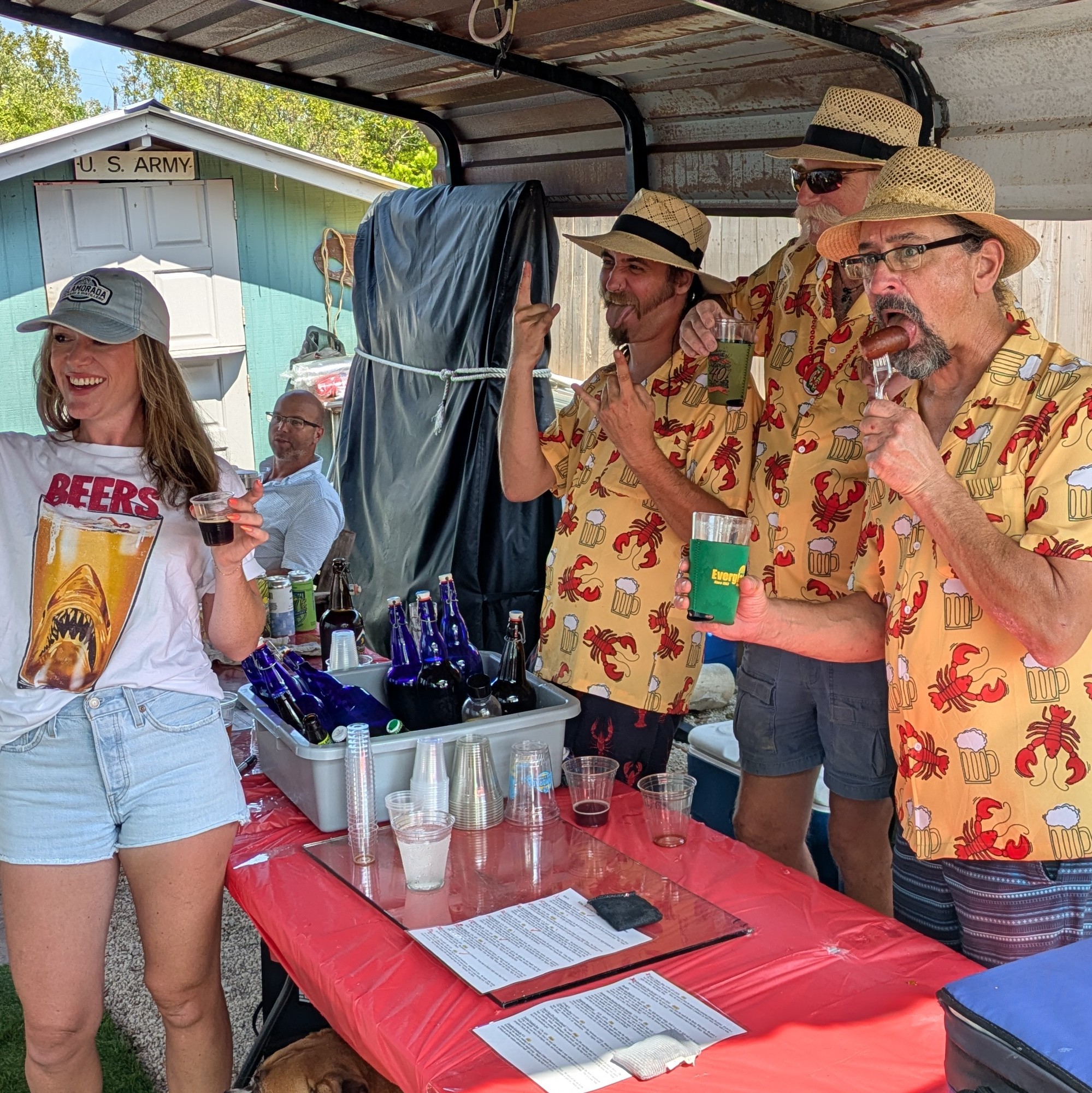
Restaurants are neighborhood businesses, so being involved locally is essential. That means attending community events, supporting local charities, and meeting people where they are. When customers see you actively participating in the community, they begin to feel personally connected to your business.
Second, stay in touch with your guests.
Social media is great for visibility, but once someone has discovered your restaurant, email is one of the most effective ways to maintain that relationship. A well-trained staff that encourages guests to join a simple email list can help you keep people informed about events, specials, and new ideas.
Third, reward loyalty.
Loyalty programs are a great way to give something back to your regular customers. Not everyone chooses to participate, but most people appreciate that you offer it. It shows that you value repeat business and want to recognize the guests who support you.
Fourth, deliver exceptional customer service.
How you handle problems often matters more than the problem itself. If a guest has a bad experience, addressing it quickly and fairly can completely change their perception. Sometimes that means replacing a meal, buying them lunch or dinner, or giving them a certificate to come back. When you handle a situation the right way, you can turn a disappointed guest into one of your biggest fans.
In the end, brand loyalty isn’t just about food—it’s about relationships. When people feel connected to you, appreciated by you, and taken care of by you, they keep coming back.
Contact Info:
- Website: https://aggc.info
- Facebook: https://www.facebook.com/MaxtheGrape/
- Yelp: https://www.yelp.com/biz/meat-eatery-and-taproom-islamorada
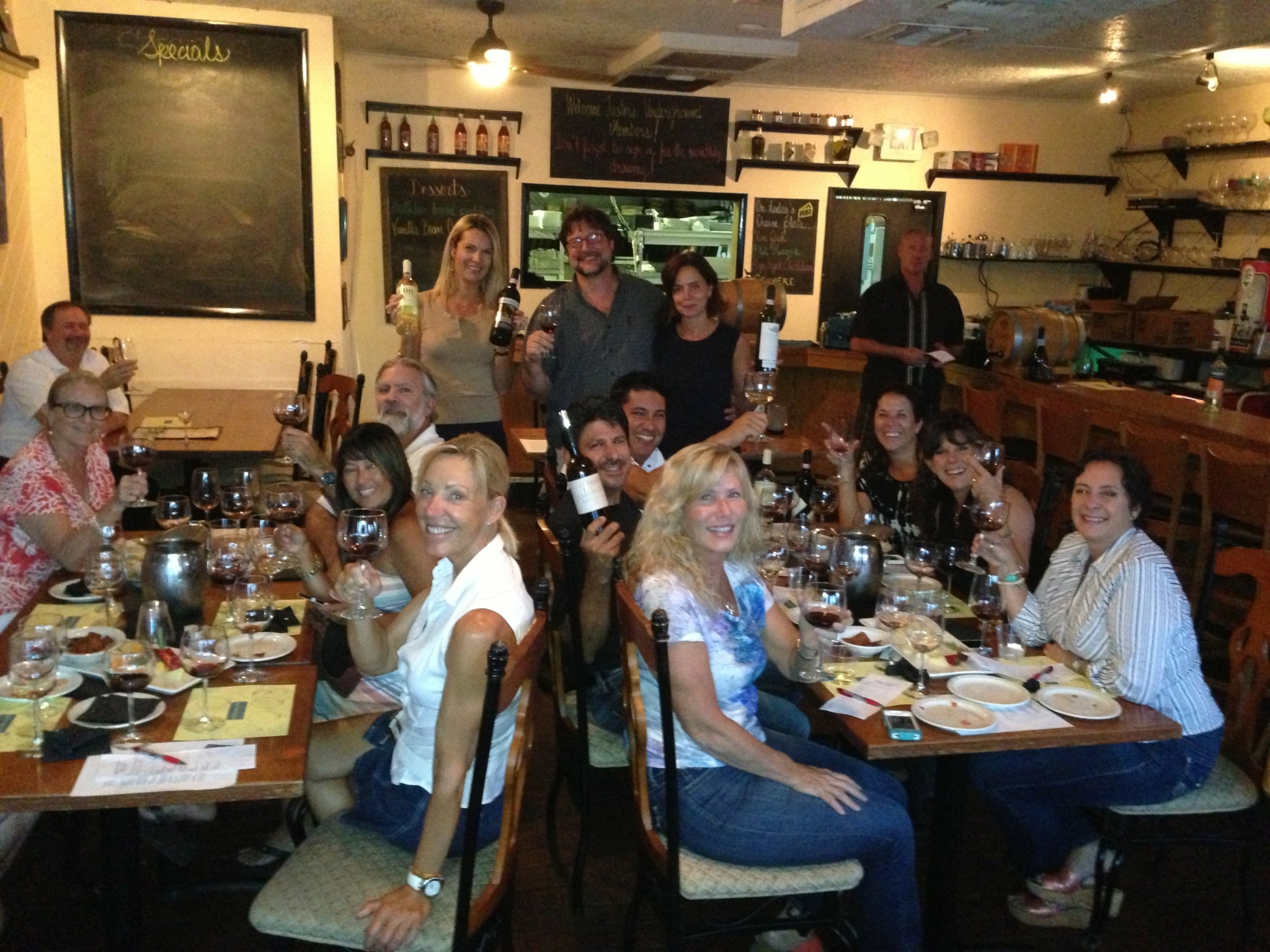
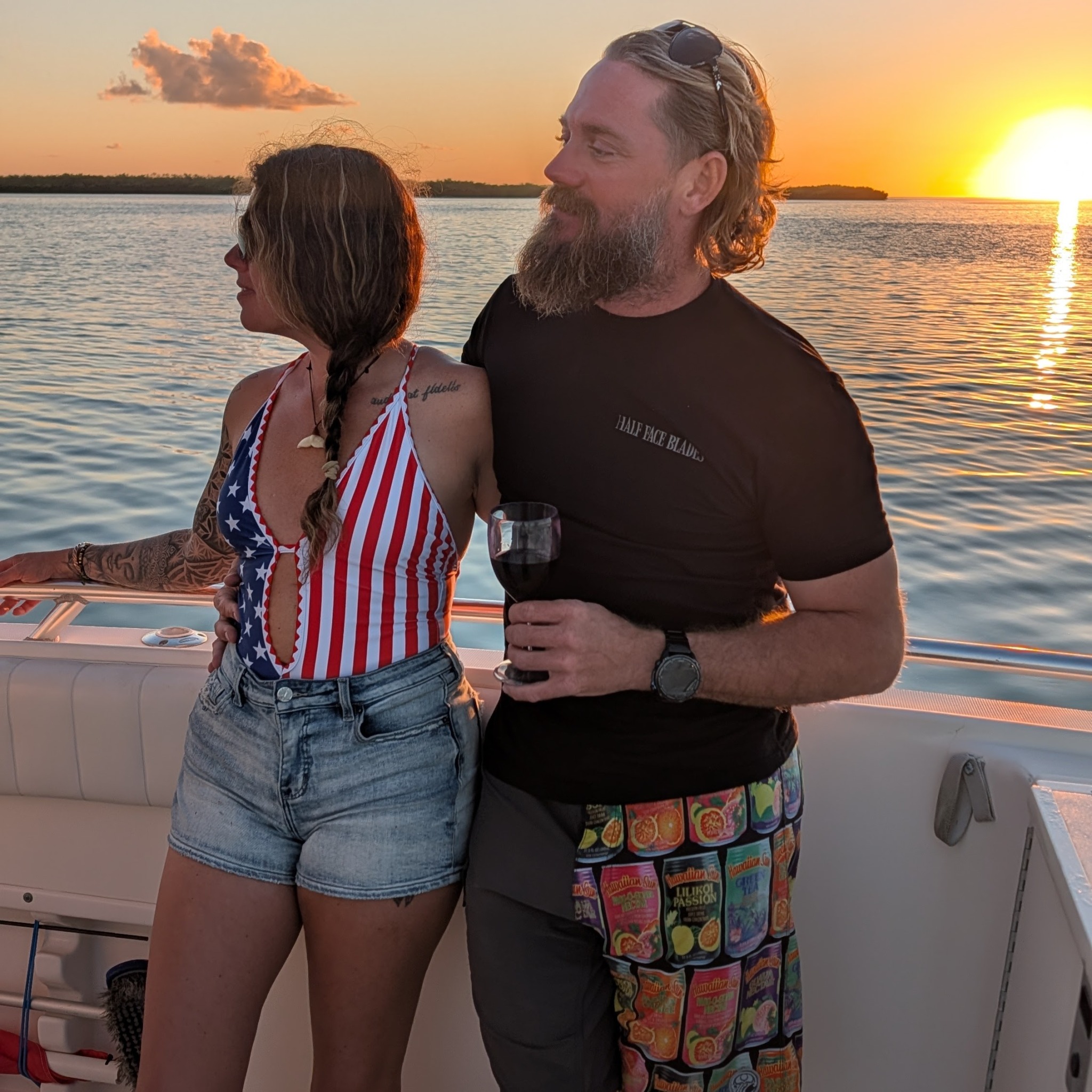
Image Credits
mine