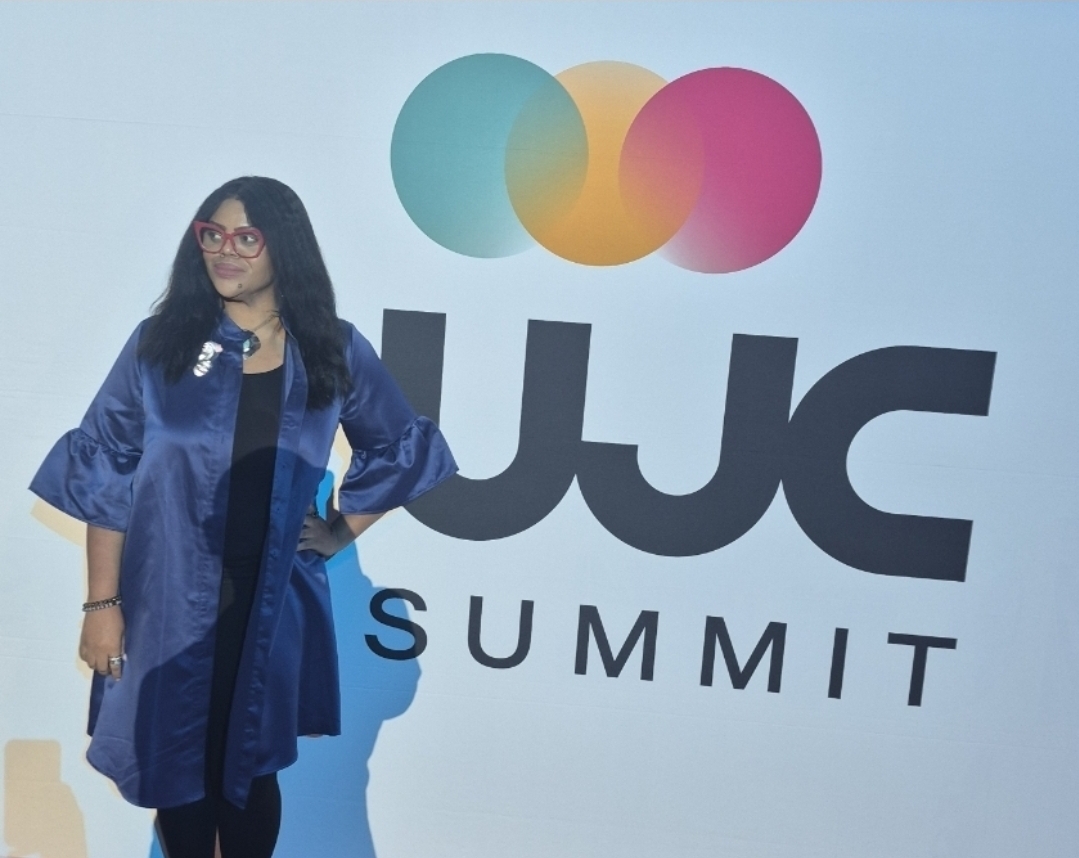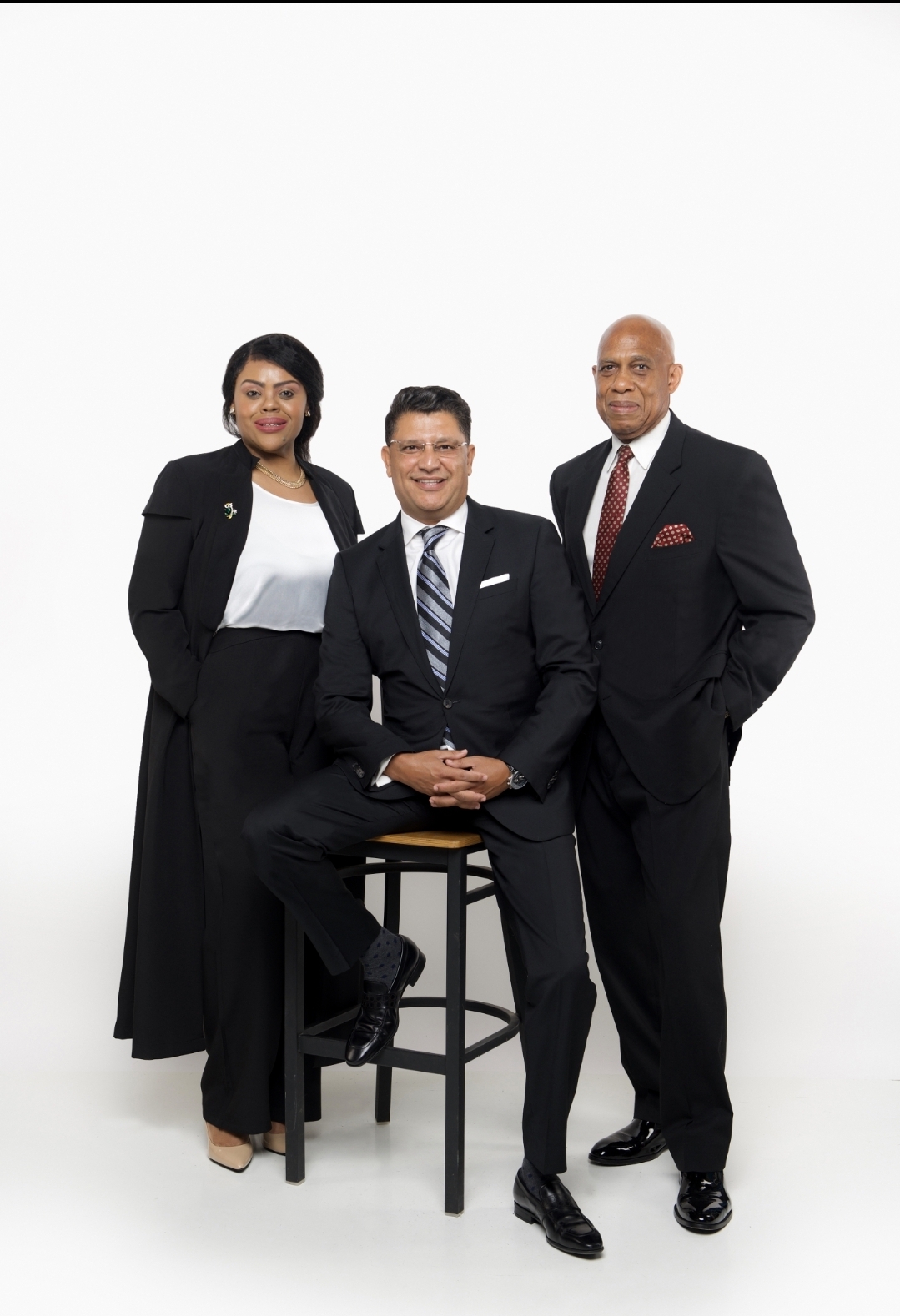

Alright – so today we’ve got the honor of introducing you to FANNIE AUSTIN. We think you’ll enjoy our conversation, we’ve shared it below.
FANNIE, thanks for taking the time to share your stories with us today One of the toughest things about entrepreneurship is that there is almost always unexpected problems that come up – problems that you often can’t read about in advance, can’t prepare for, etc. Have you had such and experience and if so, can you tell us the story of one of those unexpected problems you’ve encountered?
One of the most unexpected problems I’ve faced wasn’t a lack of resources, it was a hidden dependency that no one had acknowledged.
I was working within a healthcare system where everything appeared to be functioning on the surface. Metrics were being reported, teams were active, and leadership believed operations were stable. But what I started to notice was that certain processes only worked because specific people were carrying them, not because the system itself was sound.
There was no documentation, no redundancy, and no real visibility into how decisions were being made. It looked like structure, but it was actually memory and habit holding everything together.
The moment it became clear was when one key person became unavailable. Within hours, workflows stalled, approvals slowed down, and teams started escalating issues that normally “just got handled.” That’s when the reality surfaced, we didn’t have a system, we had a single point of failure.
What made it challenging wasn’t just fixing the issue, it was shifting how people understood the problem. Most teams initially saw it as a staffing issue. I saw it as a design flaw.
So instead of just filling the gap, I focused on rebuilding the structure:
● Documenting decision pathways
● Creating process ownership beyond individuals
● Implementing visibility into workflows
● Establishing backup coverage and escalation protocols
The goal wasn’t to replace the person, it was to remove the dependency.
What I learned from that experience is that many organizations don’t fail because of external pressure, they fail because their systems were never designed to operate without specific people holding them together.
Now, when I assess any business, one of the first things I look for is this: If one person disappears, does the system still function?
If the answer is no, that’s not a team problem. That’s a systems problem.
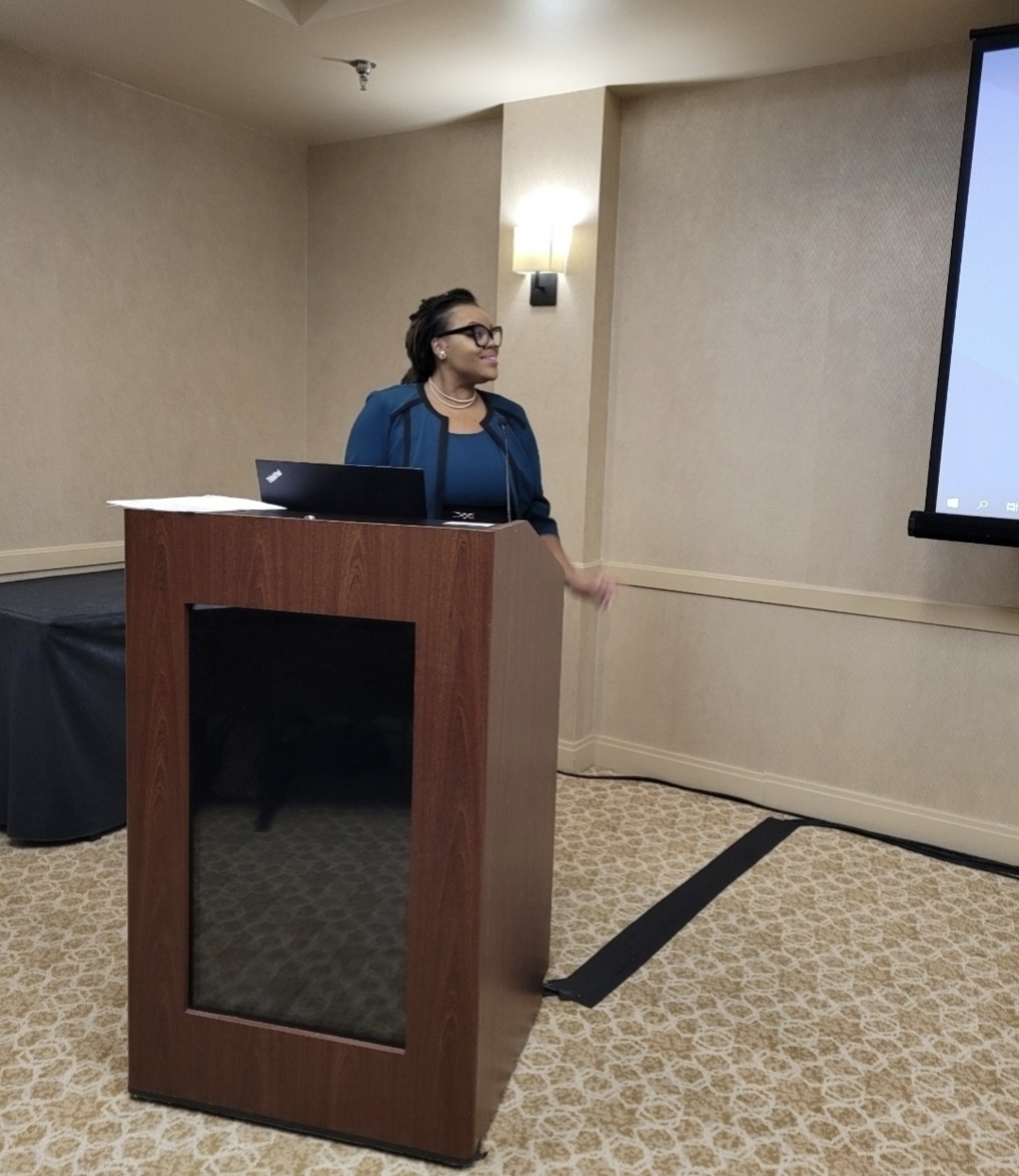
FANNIE, love having you share your insights with us. Before we ask you more questions, maybe you can take a moment to introduce yourself to our readers who might have missed our earlier conversations?
I’m a systems strategist and the founder of Austin Dynamics, where I focus on helping organizations move from survival mode into structured, scalable operations.
My work sits at the intersection of healthcare, business strategy, and real-world implementation. I’ve spent over two decades working within Medicaid and PBM systems, leading quality, compliance, and operational strategy. That experience shaped how I see problems, not as isolated issues, but as patterns within systems that either support performance or quietly undermine it.
I didn’t enter this work through theory. I came up through environments where the stakes were real, where policy, people, and process had to align or things broke. Over time, I realized that many organizations weren’t struggling because of effort or talent, they were struggling because their systems were never designed to carry the weight they were asking them to hold.
That realization became the foundation of my work.
Through Austin Dynamics, I help founders, healthcare providers, and organizations build structure that actually functions. That includes operational design, workflow optimization, brand positioning, and systems that support growth without creating burnout. I also work in real estate strategy through House of Austin, where I guide clients in using property as a long-term wealth and positioning tool, not just a transaction.
What sets me apart is that I don’t separate strategy from execution. I’m not interested in ideas that sound good in theory but collapse in practice. I focus on what works when people are tired, when teams are short-staffed, and when the system is under pressure. That’s where the truth of any business shows up.
The problems I solve are often the ones people can’t quite name. Bottlenecks that keep repeating, teams that feel overworked but under-supported, processes that depend too heavily on specific individuals, and growth that creates more chaos instead of more capacity.
What I’m most proud of is the ability to walk into complexity and bring clarity without oversimplifying the work. I build systems that hold, not just systems that look good on paper.
If there’s one thing I want people to understand about me and my work, it’s this: I don’t just help you grow. I help you build something that can sustain that growth.
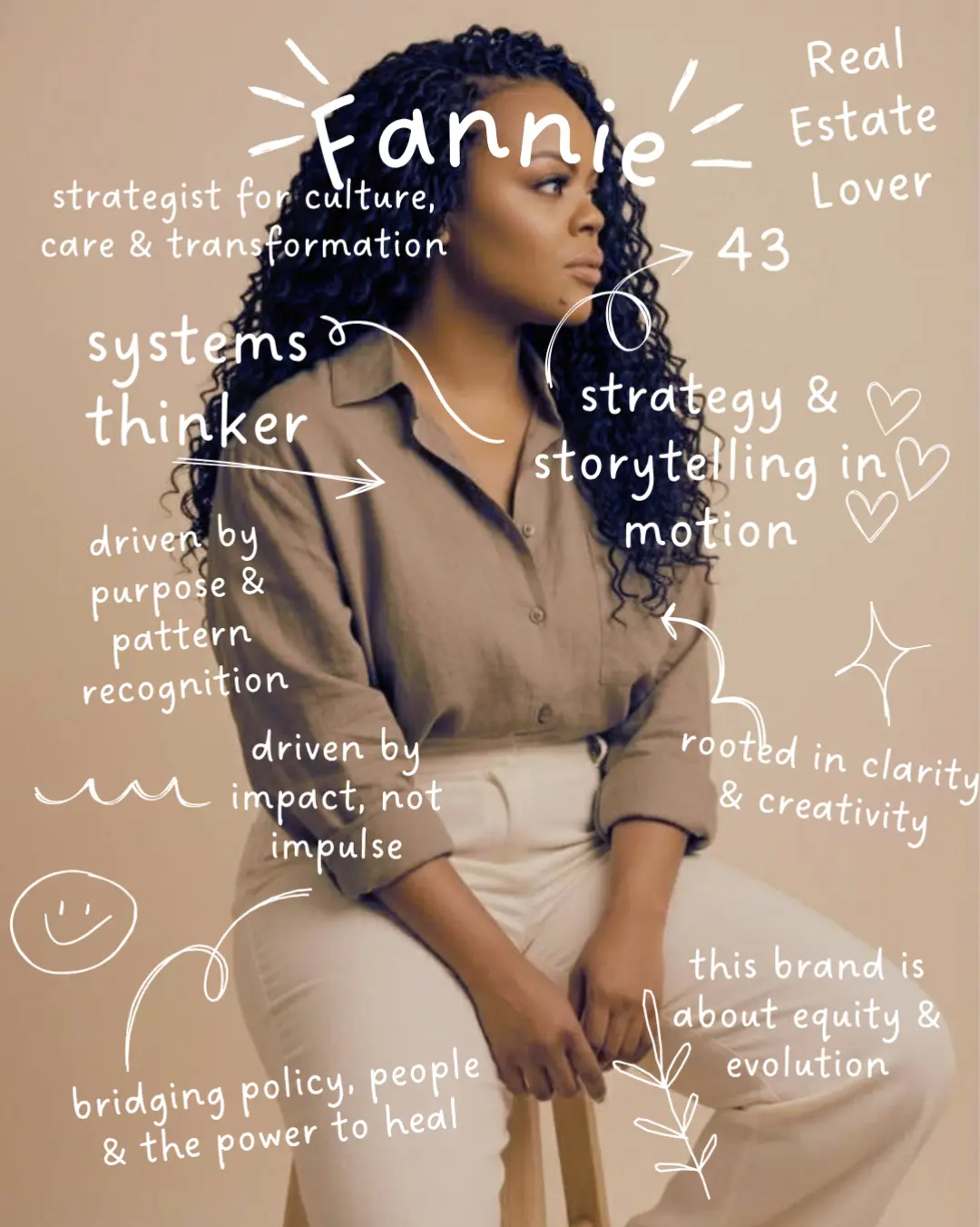
Learning and unlearning are both critical parts of growth – can you share a story of a time when you had to unlearn a lesson?
One of the biggest lessons I had to unlearn was the idea that working harder would fix broken systems.
Early in my career, I took a lot of pride in being the person who could step in, figure things out, and keep everything moving. If something wasn’t working, I would stay longer, take on more, and find a way to push it through. And for a while, that worked. It made me valuable.
But over time, I started to notice a pattern. The same problems kept showing up, just in different forms. Teams were burned out, processes were inconsistent, and outcomes depended too heavily on who was handling the work that day.
What I thought was leadership was actually compensation.
I wasn’t fixing the system, I was carrying it.
The shift came when I realized that sustainable businesses don’t rely on effort alone. They rely on structure. If something only works because someone is overextending themselves, it’s not a strong operation, it’s a fragile one.
So I started approaching problems differently. Instead of asking, “How do we get this done?” I began asking, “Why does this require so much effort in the first place?”
That question changed everything.
Now, my focus is on building systems that reduce dependency on individual effort, create clarity across teams, and hold under pressure. Because in the long run, the goal isn’t to work harder. It’s to build something that works without needing constant rescue.

What do you think helped you build your reputation within your market?
I think my reputation was built less on visibility and more on consistency in high-stakes environments.
A lot of my work has happened in spaces where the margin for error is low, healthcare systems, compliance, operations, and environments where decisions directly impact outcomes for real people. In those spaces, you don’t get recognized for how things look, you get recognized for whether things actually work.
Over time, people started to associate my name with clarity. Being able to step into complex situations, identify what’s not working, and bring structure to it without creating more noise. That kind of work doesn’t always happen publicly, but it travels. Especially in rooms where results matter more than presentation.
I’ve also been intentional about how I communicate. I don’t position myself as someone who has all the answers. I position myself as someone who understands how to ask the right questions and build systems that hold. That distinction builds trust.
Another factor has been alignment. I don’t take on everything. I work in areas where I understand the stakes and can actually contribute at a meaningful level. That protects both the quality of my work and the reputation attached to it.
If I had to sum it up, my reputation was built through proximity to real problems, consistency in how I approach them, and results that people can feel even if they can’t always articulate them.
And in my experience, that kind of reputation tends to last longer than anything built purely on visibility.
Contact Info:
- Website: https://Austindynamicsfirm.com
- Instagram: https://www.instagram.com/house_of_austin?igsh=MXY1MWM3M3V0Nmk3bA==
- Linkedin: https://www.linkedin.com/in/houseofaustinholdings?utm_source=share_via&utm_content=profile&utm_medium=member_android