

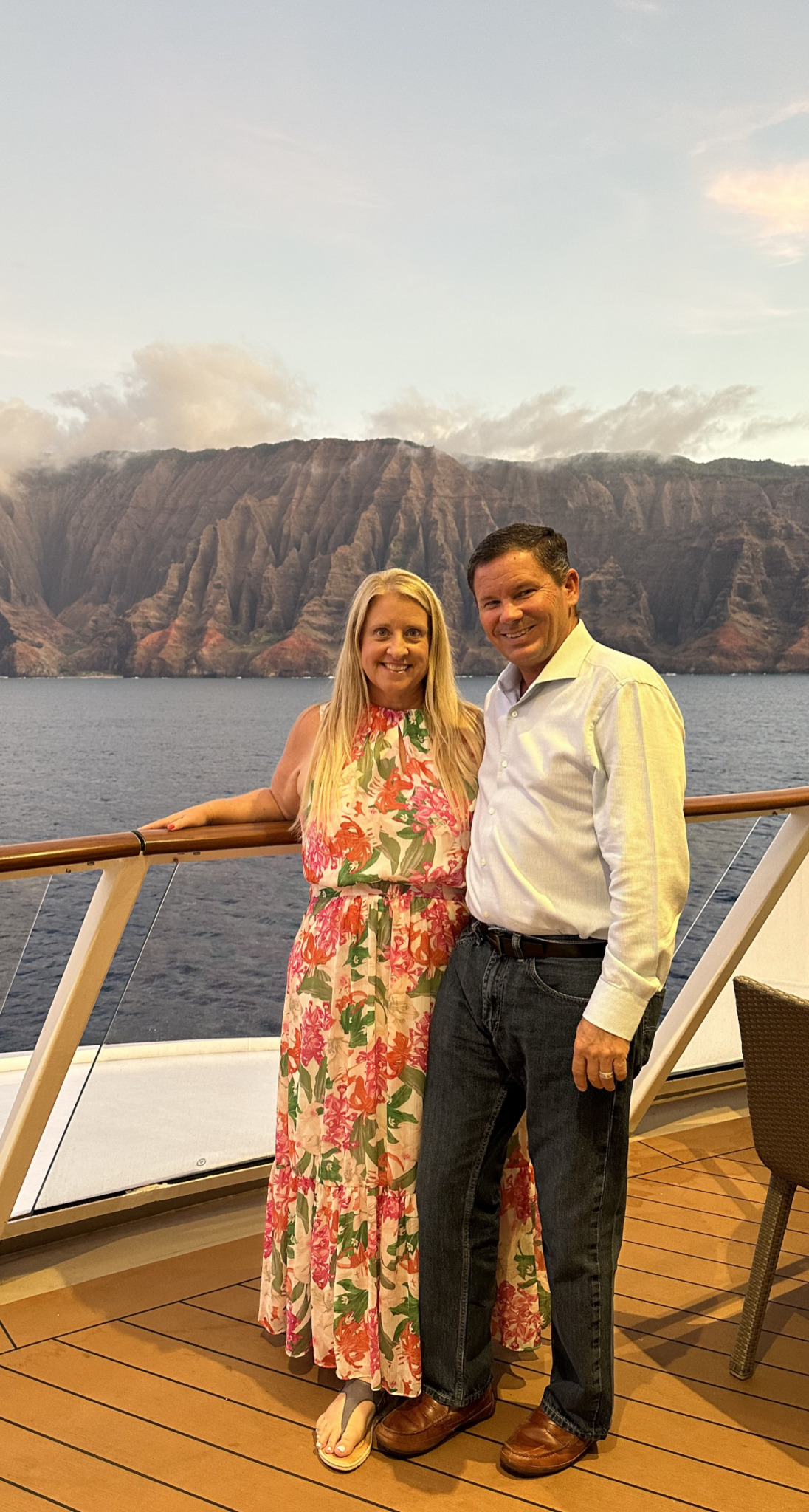

We were lucky to catch up with Faith Schwalback recently and have shared our conversation below.
Faith, looking forward to hearing all of your stories today. Coming up with the idea is so exciting, but then comes the hard part – executing. Too often the media ignores the execution part and goes from idea to success, skipping over the nitty, gritty details of executing in the early days. We think that’s a disservice both to the entrepreneurs who built something amazing as well as the public who isn’t getting a realistic picture of what it takes to succeed. So, we’d really appreciate if you could open up about your execution story – how did you go from idea to execution?
Once we understand the need, we move into a a phase of thoughtful design and testing. We work closely with officers, community partners, and our team to determine what items are truly useful in the field. From there we build prototypes, gather feedback, and refine the kits until we know they will truly serve both the officer and the person receiving them.
When we launched Hero Kits 2.0, we also incorporated real-time technology to help us learn faster and make smarter decisions. Each kit includes a QR code that officers can scan, allowing them to quickly share feedback through short surveys about how the kits are being used in the field. This gives us immediate insight into what is working, what officers need more of, and where we can improve.
Execution is never the end of the process—it is the beginning of learning. Because of the real-time feedback coming directly from the officers using the kits, we are already in the research and development phase of Hero Kits 3.0. That continuous feedback loop allows us to refine the program so the tools we provide truly support the heroes on the front lines and the people they serve.
What has been especially encouraging is that thoughtful execution attracts attention. Through the strength of the program and the way it was launched, Hero Kits have already caught the attention of State Representative Yvette Benarroch, Senate President Kathleen Passidomo, and the Governor’s office, opening the door to broader conversations about how initiatives like this can strengthen community connection across Florida.
For us, innovation is not about a single launch—it is about building something that continues to evolve. When you listen closely to the people doing the work, use data to guide decisions, and remain committed to improving the impact, an idea can grow into something far greater than the original vision.

Awesome – so before we get into the rest of our questions, can you briefly introduce yourself to our readers.
My journey into this work is deeply personal. My father served as the Director of Public Safety in our hometown, and growing up I had a front-row seat to what it truly means to serve a community. I didn’t just see the badge—I saw the humanity behind it. I watched officers build relationships, show compassion, and earn the trust of the people they were sworn to protect. That perspective shaped how I see the role of law enforcement today.
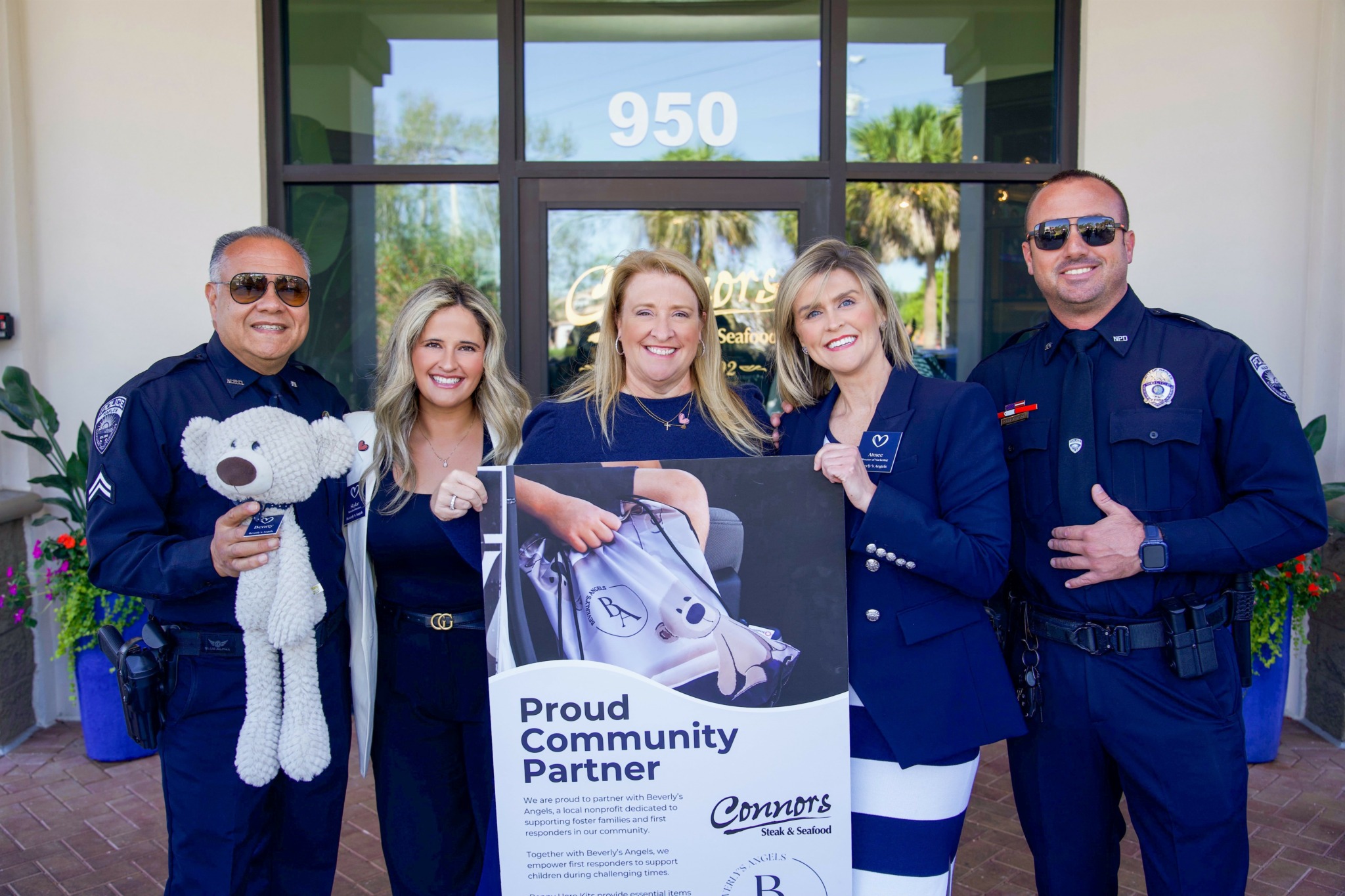
Through Beverly’s Angels, we create programs that strengthen the connection between law enforcement and the communities they serve. One of the most impactful examples is our Hero Kits, which are placed in patrol vehicles and designed specifically for community engagement. Each kit includes small but meaningful items officers can share with children during everyday interactions—moments that help build trust and connection.
At the heart of every Hero Kit is Benny, our teddy bear and the official mascot of Beverly’s Angels. When an officer gives a child Benny, it creates a moment of comfort and joy that transforms the interaction. What could have been intimidating suddenly becomes memorable in the best possible way.
The problem we are helping solve is simple but important. Many children grow up only seeing law enforcement from a distance or during stressful situations. By equipping officers with tools that help them connect with children in positive, everyday encounters, we help shape a different experience. A child begins to understand that law enforcement is a resource, a friend, and someone they can trust and respect.
For me, this work is a way to honor my father’s legacy while supporting the heroes who continue to serve our communities today.
Can you share a story from your journey that illustrates your resilience?
Resilience is something every founder learns quickly. There are far more no’s than yes’s, and especially in the early years there can be daily reasons to question whether you should keep going. But quitting has never been part of who I am.
One of the more difficult moments came when an inaccurate and damaging social media post was made about me and the work we were doing. It was clearly designed to tear apart the reputation I had worked so hard to build. For a few days it spread quickly, and I knew many people were watching to see how I would respond.
My decision was simple: I chose not to engage. I never responded publicly, never made a remark beyond wishing those involved the very best. A few days later the post was forced to be taken down by someone I don’t even know.
What the situation revealed, however, was far more important. It showed me who was truly in my corner and who wasn’t. I was surprised by some who were not, but I am grateful they revealed themselves. I was equally moved by the people who stood beside us with quiet confidence and unwavering support.
What was intended to damage our work ultimately had the opposite effect. It strengthened the commitment of those who believe in our mission, opened new doors, and propelled our organization forward in ways I never expected. That experience reinforced something I believe strongly: when your work is rooted in purpose and integrity, you don’t have to fight every battle. You simply keep doing the work, and the truth will take care of itself.
One of the most important lessons I’ve learned as a leader is that sometimes the most powerful response is no response at all. I no longer spend energy defending what I know to be true. I stand firmly in my values and stay focused on the work and the impact. People can decide for themselves if they want to be part of that journey—because when the mission is clear and the vision is strong, the train keeps moving forward.

How do you keep your team’s morale high?
Moments like that don’t just test your resilience—they reveal the culture you are building and the people who choose to stand with you.
From the very beginning, I have been intentional about the team around me. Mission-driven work requires more than passion; it requires people who believe deeply in the purpose and are willing to show up fully for it. At Beverly’s Angels, our culture is rooted in three simple words: Love. Serve. Impact. Those aren’t just words we say—they guide how we treat one another, how we make decisions, and how we serve our community.
I believe culture is created by the standard you set and the people you invite into the work. I look for individuals who bring both heart and excellence. The right team members don’t just support the mission—they elevate it. They bring ideas, energy, and a shared sense of responsibility to do the work well.
For me, the real test of culture shows up on Sunday nights. My team doesn’t start the week counting the minutes until Friday. They are ready to go, excited about the work ahead, and often hitting the ground running before I’ve even walked through the front door of our headquarters.
When people are aligned around a purpose bigger than themselves, work becomes more than a job—it becomes a calling. And when that kind of culture takes hold, the impact multiplies far beyond what any one person could accomplish alone.
Contact Info:
- Website: https://www.beverlysangels.org
- Instagram: @beverlysangels
- Facebook: Beverly’s Angels
- Linkedin: Beverly’s Angels



Image Credits
CS Marketing & Media took all but the image at the dutch door.
Brian Tietz Photographer for the image of me at the dutch door
Photo of my husband and I there is no credit for it is a personal photo