

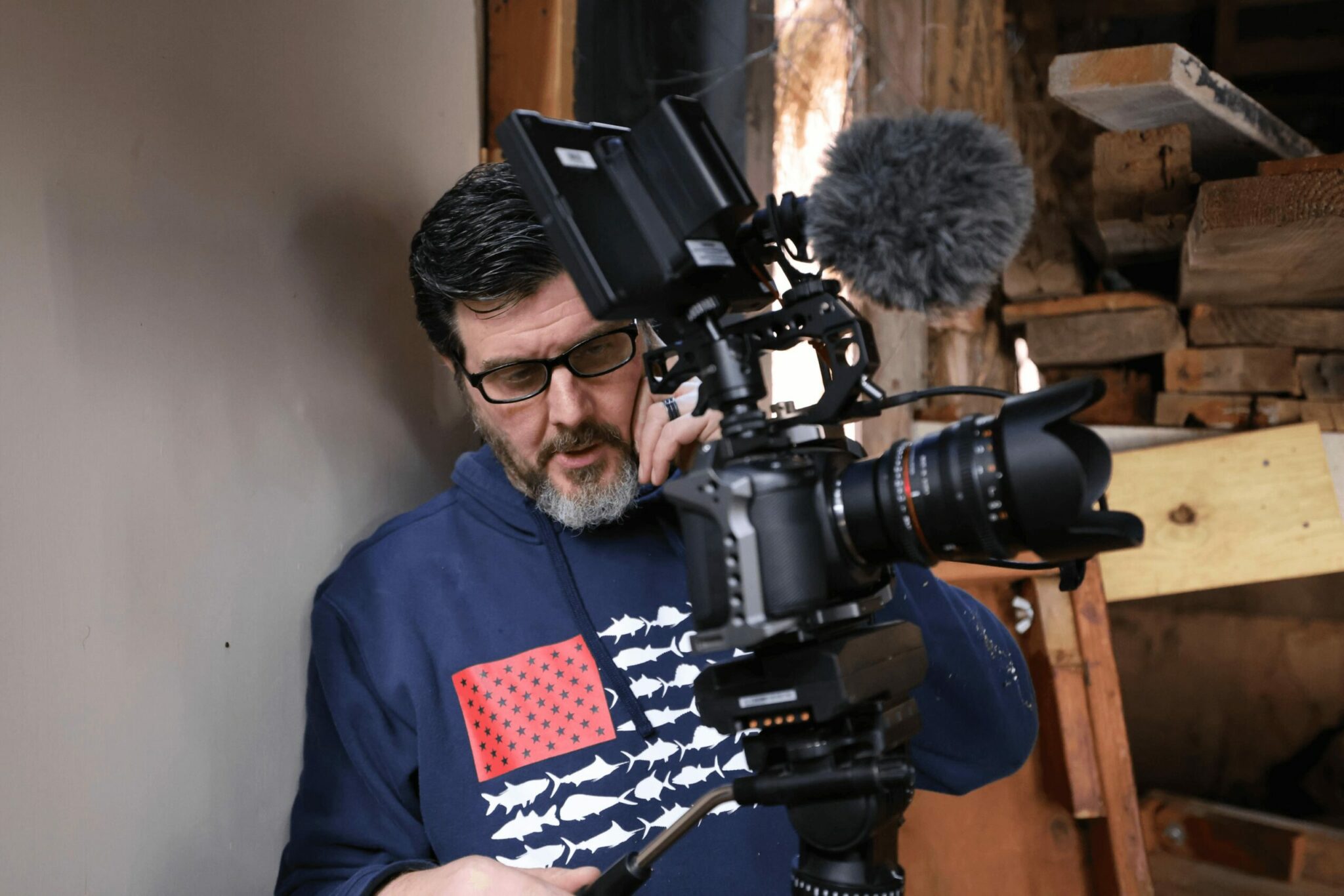

Alright – so today we’ve got the honor of introducing you to Ronald Rossmann. We think you’ll enjoy our conversation, we’ve shared it below.
Ronald, thanks for taking the time to share your stories with us today What’s been the most meaningful project you’ve worked on?
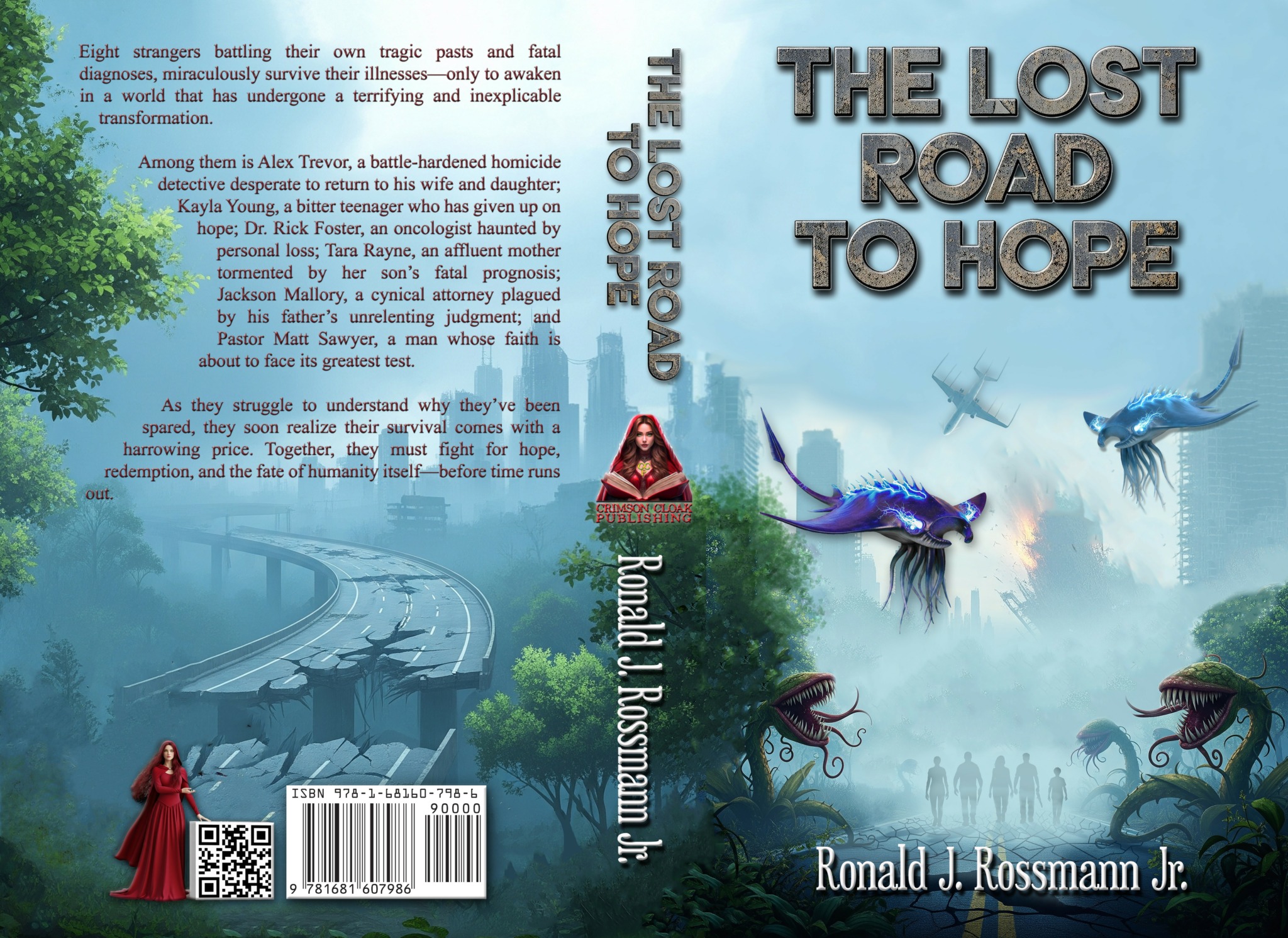
The most meaningful project I’ve worked on would have to be my novel The Lost Road to Hope. The truth is that all my projects carry meaning for me. Every story I tell comes from some part of who I am, whether it’s a small experimental piece or something more ambitious as I’ve grown as a writer over the years. But The Lost Road to Hope stands apart because of where it came from.
The story was inspired by my mother’s three-year battle with cancer. After she lost that fight, I felt a very strong pull to write something that honored that experience. I wanted to create characters who were either battling cancer themselves or were survivors of it. That became the emotional foundation of the story.
At the same time, I had been working on a science fiction idea that I couldn’t quite get to work the way I wanted. Eventually, I realized the two ideas belonged together. When I merged them, The Lost Road to Hope finally came to life.
On the surface, the story has a strong science-fiction horror tone with a bit of a Lovecraftian feel. But at its heart, it’s really about people coming together who normally wouldn’t. It’s about unlikely alliances, courage in the face of overwhelming odds, and finding hope when none seems to exist. In many ways, it’s about the journey of faith, understanding that faith isn’t really about the destination, but about how we walk the path when we don’t know where it leads.
As the story developed, I began to realize it had become something of an allegory for the fight against cancer. When you’re facing something that attacks your body from the inside, it can feel like battling a monster you can’t fully see. The characters in the story are confronting their own mortality, but they continue forward anyway, holding onto hope wherever they can find it.
One of the most memorable moments of writing the book came when I was struggling with the ending. I had written one version, but it didn’t feel right. I knew something was missing, but I couldn’t figure out what.
One night I woke up from a nightmare and couldn’t fall back asleep. To calm my mind, I started thinking about the story again and suddenly the ending just came to me. It was completely different from what I had originally planned.
Even now, I have to admit that the ending still makes me emotional. Not to sound arrogant or self-congratulatory, but it genuinely moves me every time I revisit it. It felt like one of the characters had been quietly guiding me toward that moment the entire time, almost as if they were saying, “This is the ending I need.”
That’s something I’ve experienced often when writing. At a certain point, the characters begin to take on a life of their own. They start guiding the direction of the story instead of simply following my outline. I know that might sound a little mystical, but for me it’s simply part of the creative process. I try to give the characters enough ownership that they can evolve into who they truly are.
For all of those reasons, The Lost Road to Hope remains the most meaningful project I’ve worked on. It allowed me to take something deeply personal, loss, grief, hope, and perseverance, and transform it into a story that I hope others can connect with in their own way.
Ronald, love having you share your insights with us. Before we ask you more questions, maybe you can take a moment to introduce yourself to our readers who might have missed our earlier conversations?
For people who may not know my work yet, the story really begins long before the company existed. Be Your Own Hero Productions actually started as a mindset that grew out of my childhood.
I had a very difficult upbringing. There were a lot of trials and a lot of moments where I felt completely alone. The people who should have been my strongest support system weren’t that, and for a long time I didn’t feel like I had many allies in the world.
When I was in my teens, I reached a very dark point where I wasn’t sure I wanted to keep going. As a sort of last outing, I went to see the 1989 Batman film with my one and only close friend. I had already planned that the next day might be my last.
But something unexpected happened while watching that movie.
Seeing Michael Keaton’s version of Batman affected me in a way I didn’t expect. I had always loved superheroes, Batman and Superman especially, but there was something about his Batman that suddenly clicked for me that night. Here was an ordinary man who had taken his trauma and turned it into something meaningful. He didn’t have superpowers. He simply chose to transform pain into purpose.
That idea hit me very deeply.
Later that night I remember lying in bed, staring at the ceiling, and saying to myself, “No one’s coming to save you. You need to Be Your Own Hero!”
That phrase stayed with me. Life didn’t suddenly become easy, in fact, in many ways it got harder, but that mindset became fuel. Every time someone told me I couldn’t do something, or that I wasn’t good enough, that phrase echoed in my mind and pushed me forward.
Years later that idea evolved into Be Your Own Hero Cosplay. I created a cosplay collective built around the idea of bringing heroes, hope, and smiles to kids who might be going through difficult moments of their own. We worked charity events, hospitals, and organizations like Make-A-Wish. Our philosophy was simple: if we could give a child even a few seconds of escape from their circumstances, then what we were doing mattered.
One of the things that made our group unique was that we approached it as performance rather than simple cosplay. We call ourselves cos-performers. When we appear at events, we stay completely in character, following the same kind of immersive principles that theme parks like Disney use. The goal is to create a real experience, not just a costume appearance.
Over time, that mission expanded and eventually became Be Your Own Hero Productions.
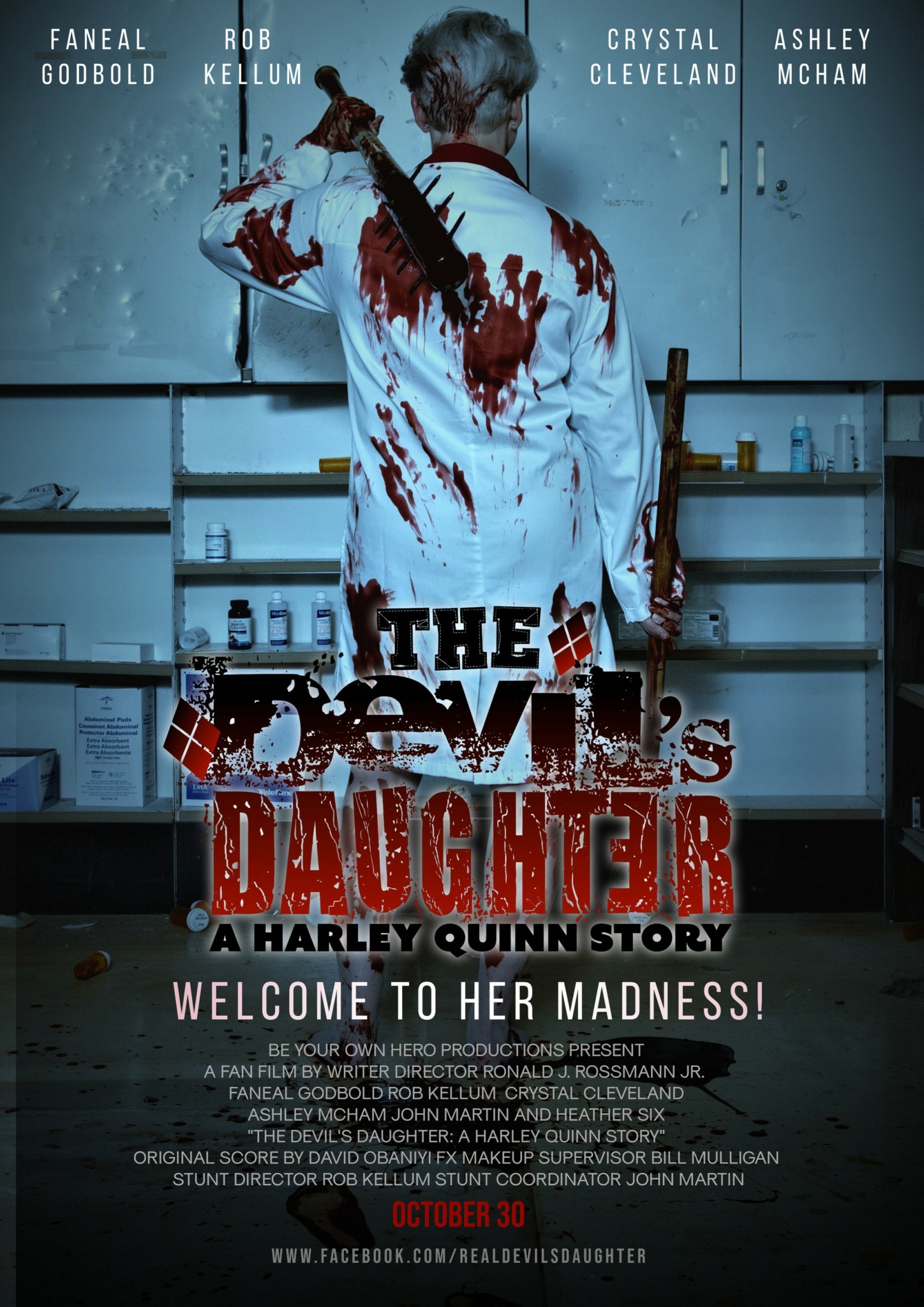
Today the company focuses on storytelling in several forms. We produce short films and feature films, create promotional content such as convention commercials, and develop written work as well. My novel The Lost Road to Hope was published through Crimson Cloak Publishing, and additional books are now part of that growing catalog.
Another important part of what we do is creating opportunities for creatives. Independent filmmaking can sometimes feel very closed off, with people guarding knowledge or access. I try to run my sets differently. If an actor wants to learn camera work, sound, or editing, they’re encouraged to do it. I want our productions to be places where people can grow and develop their craft.
In many ways, that’s what I’m most proud of. Success for me isn’t just about recognition or fame. If someone who worked with us moves forward in their career, gains confidence in their abilities, or discovers a new creative path because of the opportunity they had on one of our projects, that means a lot to me.
What sets us apart, I think, is a combination of professionalism and purpose. Whether it’s a charity event, a film set, or a writing project, we hold ourselves to a high standard of accountability and respect for the audience.
At the end of the day, everything we do is for the fans. They’re the reason any of this exists. Without them, you’re just creating in a vacuum. But when people connect with a story or an experience, that’s when the work truly has meaning.
The cosplay side of the organization has been active since 2007, and the film production side officially launched in 2016. It’s been an incredible journey filled with talented collaborators and some truly inspiring people along the way.
And through it all, the original idea still guides everything we do: sometimes the most powerful thing you can become in life is your own hero.
Is there mission driving your creative journey?
I’ve been fortunate in that many of the goals I’ve had along this journey have already been realized in different ways.
Through the cosplay side of what we do, I’ve seen firsthand how powerful storytelling and characters can be in real life. Whether it’s making a child’s birthday unforgettable or spending time with a family whose child is going through illness or trauma, those moments matter. If we can give someone even a brief escape from what they’re facing, just a few minutes where they get to laugh, smile, or believe in something heroic, that’s incredibly meaningful.
But on the filmmaking side, the mission is a little different.
My goal has always been to create a film that has the kind of impact that the great classics have had on audiences. Films like The Shining, The Godfather, or The Thing. Not to copy those films, but to create something that resonates with people the way those movies have resonated for generations.
I want to make films that stay with people after the credits roll. The kind of stories that follow you home after you leave the theater. Films that make you think about them days later, maybe even years later. Stories that people revisit again and again because each viewing reveals something new.
The kind of film I’m striving to create is one that invites the audience into the experience. A story that sparks conversation, maybe even a little healthy controversy, something that encourages people to analyze it, debate it, and explore its deeper meanings.
The best films create a sense of ownership with the audience. Viewers begin to form their own interpretations, their own theories, even their own backstories about the characters and the world. When that happens, the story stops belonging only to the filmmaker and begins to live in the imagination of the audience.
That’s really the dream.
If I could create even one film like that, something that leaves a lasting impression and becomes meaningful to people long after I’m gone, I would consider that a tremendous success. Not because of fame or recognition, but because the story connected with people in a genuine and lasting way.
I tend to gravitate toward horror and science fiction because those genres allow you to explore deeper ideas through metaphor and imagination. But ultimately the genre doesn’t matter as much as the impact.
What matters is creating something that becomes part of the cultural conversation, something people feel connected to, something that stays alive through the audience itself.
If I can accomplish that, even once, then I’ll feel like the journey has been worthwhile.
We often hear about learning lessons – but just as important is unlearning lessons. Have you ever had to unlearn a lesson?
One of the biggest lessons I had to unlearn was the idea that failure is a negative thing.
For a long time, I believed that if I failed at something, it meant I shouldn’t have tried in the first place. That mindset kept me from pursuing creative work much earlier in my life. In many ways, it delayed my journey as a writer and filmmaker.
Part of that fear came from something very personal. The stories I created were incredibly important to me. They were more than just ideas, they were the place I escaped to, the place where I found purpose when other parts of life felt uncertain. Because of that, I was afraid to share them with the world. I worried that if people didn’t like them, then the one thing that gave me a sense of meaning might disappear.
There’s a moment in Back to the Future that always resonated with me. Marty asks George McFly why he doesn’t share his stories, and George says, “What if people don’t like them? What if I fail?” It’s played for humor in the movie, but there’s a lot of truth in that moment. When something is so deeply personal, the fear of rejection can be powerful enough to keep you from ever putting it out there.
For a long time, that fear kept my creativity locked away.
Eventually, I realized something important: failure isn’t the opposite of success, it’s the foundation of it. If you never try, you can never succeed. And if you never fail, you never learn the lessons that allow you to grow.
As the saying goes, you miss one hundred percent of the shots you don’t take. And if you’re afraid to hear “no,” you’ll never give yourself the chance to hear “yes.”
My background in sales and recruiting reinforced that lesson. You quickly learn that rejection isn’t the end of the process, it’s simply part of it. Every setback teaches you something about how to improve the next attempt.
The real danger isn’t failure. The real danger is regret.
Regret has a way of lingering in the background of your life. It follows your accomplishments and whispers about the things you never tried, the opportunities you let pass because fear convinced you to stay safe. In many ways, regret can be far more damaging than failure ever could be.
Once I understood that, my perspective changed. Failure stopped being something to avoid and became something to learn from. Each misstep becomes a form of education, helping you refine your craft and raise the bar for what you can achieve.
That doesn’t mean being careless or taking shortcuts. It means doing your best, learning from the results, and adjusting when something isn’t working. Growth requires honest feedback, and that’s why it’s important not to surround yourself with people who simply tell you what you want to hear.
Real progress happens when you’re willing to hear the truth from people who care about your success but aren’t afraid to challenge you.
Another lesson I’ve learned along the way is that timing matters. Sometimes the dream you start with evolves into something different. The right opportunities often arrive on their own schedule, not ours. A good friend once told me to always play the “long game.” Quick success can fade just as quickly, but building something with patience, integrity, and dedication has a much stronger foundation.
Once I accepted that failure was simply part of the path forward, it stopped being something to fear and became something that helped move me toward the work I was meant to do.
Contact Info:
- Instagram: @beyourownheroproductionsllc
- Facebook: https://www.facebook.com/beyourownheroproductions
- Linkedin: https://www.linkedin.com/in/ronald-rossmann-07505129/
- Twitter: @byohpofficial
- Youtube: @beyourownheroproductionsllc
- Other: TikTok: @beyourownheroproductions
Rumble: @beyourownheroproductions
IMDB: www.imdb.com/name/nm8943117/?ref_=ext_shr_lnk
LinkTree: https://linktr.ee/beyourownheroproductions
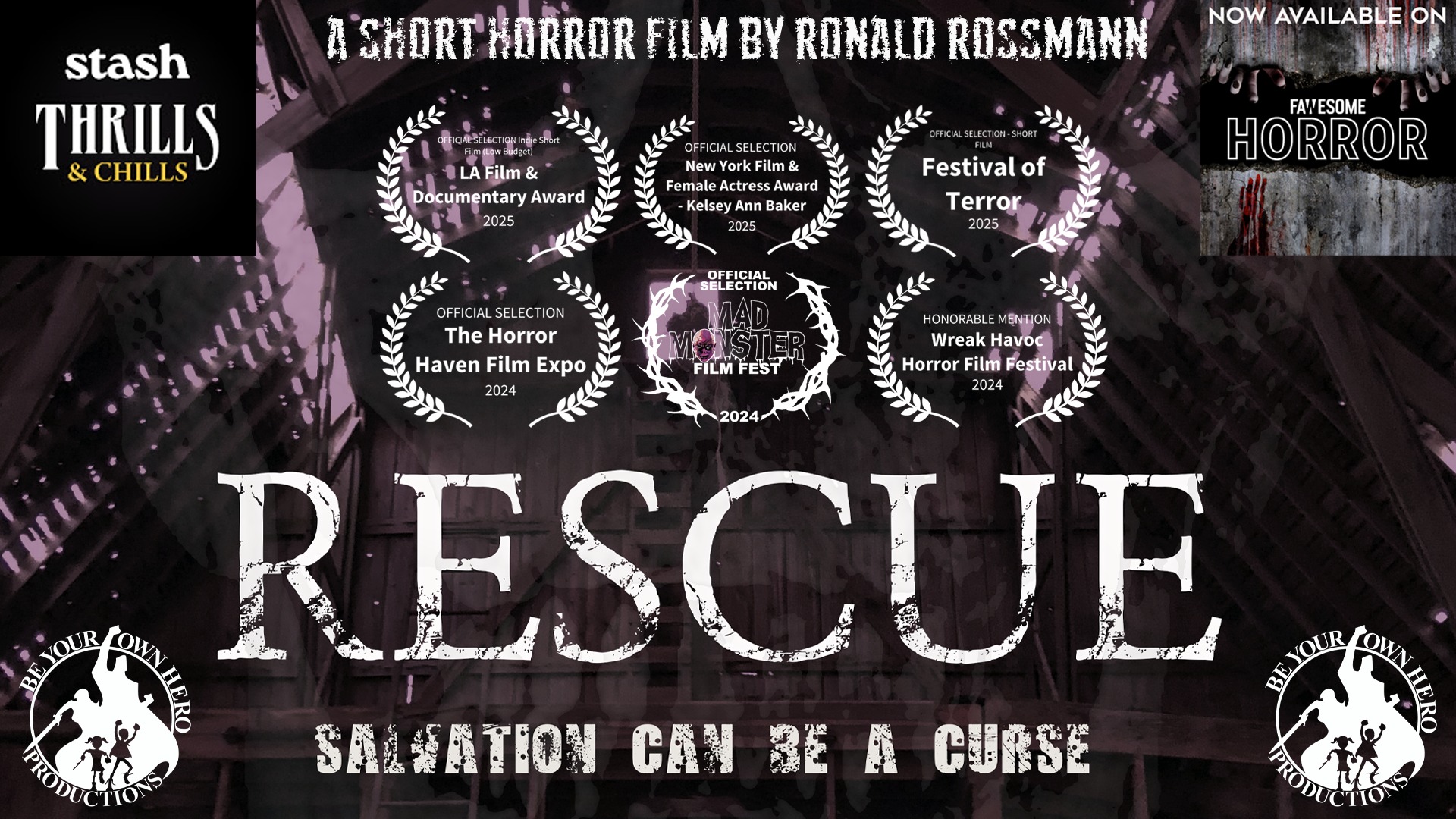
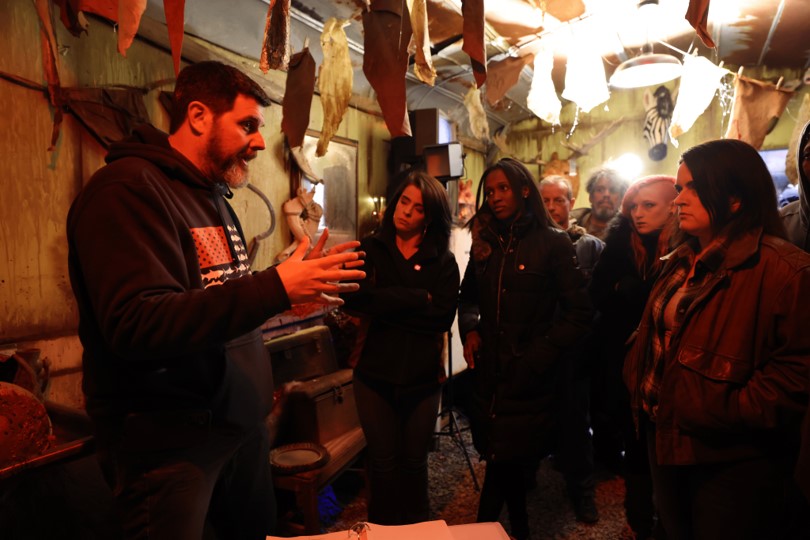
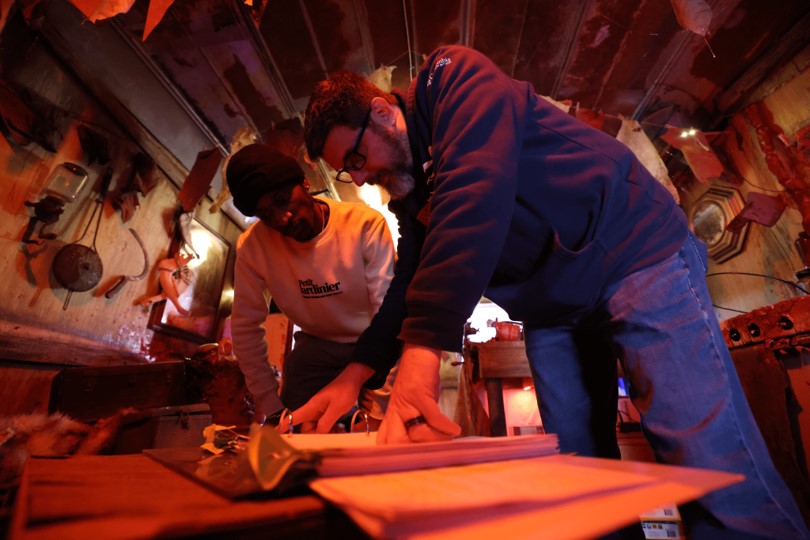
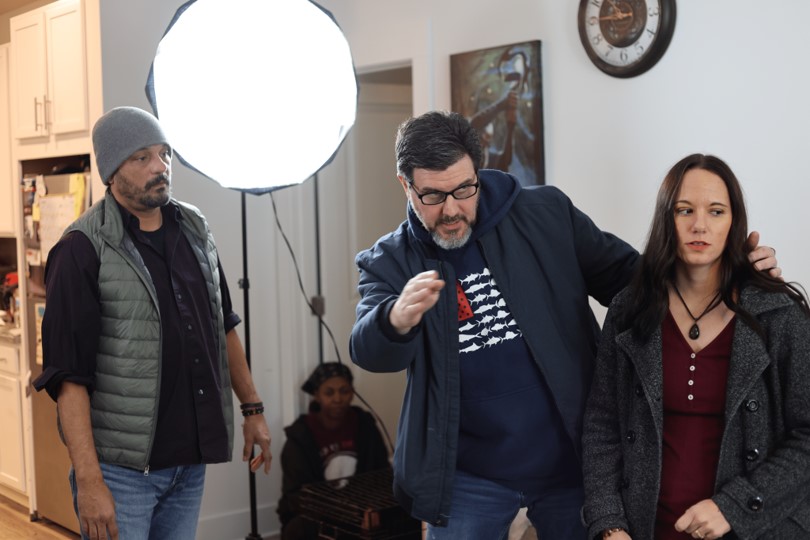
Image Credits
Photographer: Clarence Adams
Company: Sinister Studios
https://www.facebook.com/share/1HuQUf9Hrf/?mibextid=wwXIfr