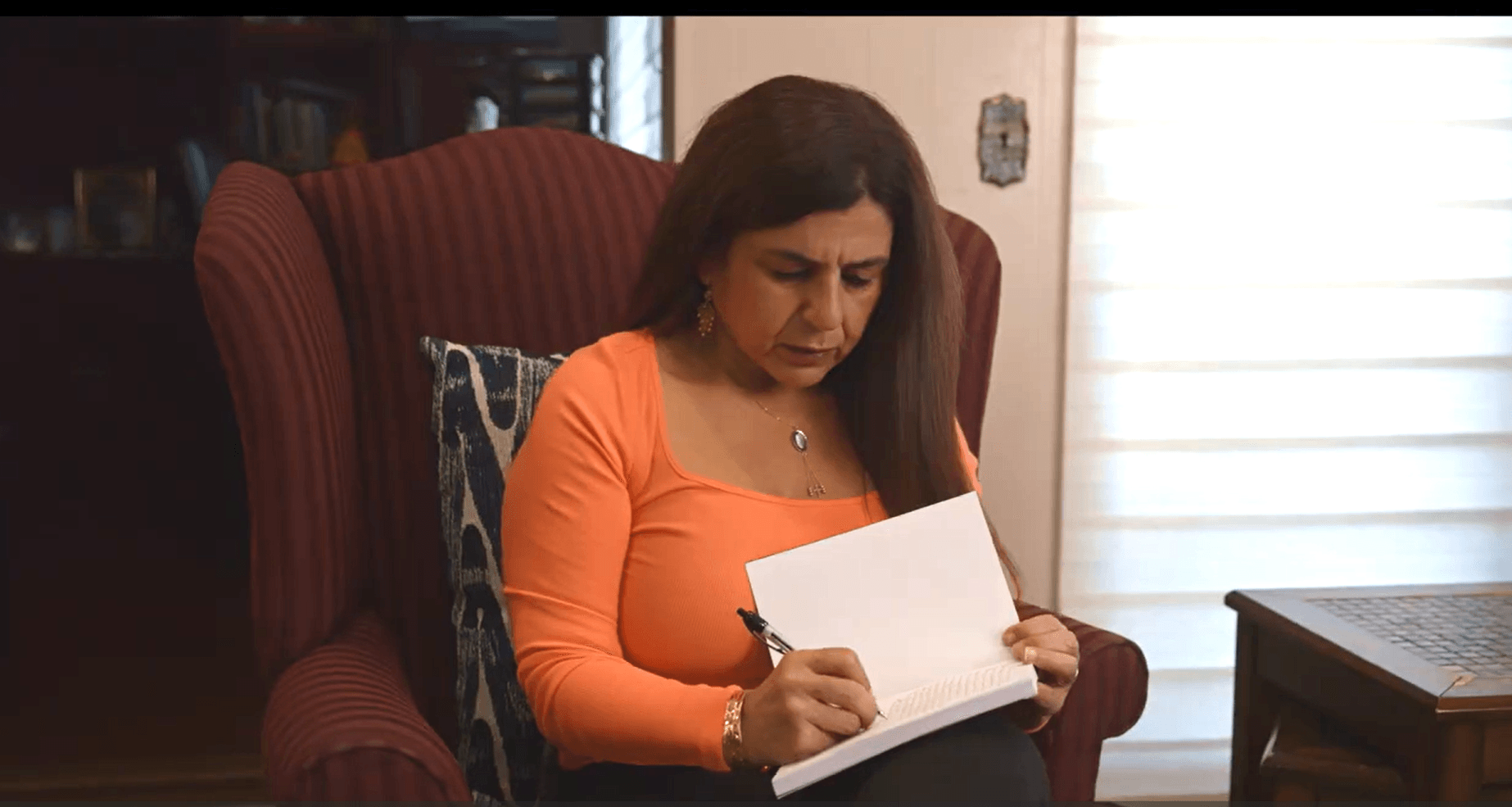

Alright – so today we’ve got the honor of introducing you to Weam. We think you’ll enjoy our conversation, we’ve shared it below.
Weam, appreciate you joining us today. What’s the backstory behind how you came up with the idea for your business?
I came up with the idea for Unique Voices in Films after repeatedly hearing some version of the same message from the industry: “These stories are difficult to cast.”
Years earlier, when I pitched Iraqi and Iraqi-American stories to established producers, I was told audiences wouldn’t relate. One producer even joked, “Who would we cast — Tom Hanks?” The implication was clear: if the characters weren’t easily marketable through a narrow Hollywood lens, the story wasn’t viable.
What struck me wasn’t just the rejection — it was the assumption behind it. Hollywood had no trouble casting Arabs as villains for decades. But telling authentic, nuanced stories about our lives? That was considered risky.
I realized something important in that moment: The gatekeepers weren’t going to open the door. So I decided to build another entrance.
Unique Voices in Films is a 501(c)(3) nonprofit organization that was founded in 2018 out of both necessity and vision. The necessity was clear — there was a vacuum when it came to authentic Iraqi and Chaldean (Christian) American narratives. The vision was larger: to create a platform where underrepresented communities could tell their own stories with dignity, complexity, and humanity.
The logic was simple: Audiences are hungry for authentic storytelling. Communities deserve to see themselves reflected truthfully. If traditional systems won’t prioritize these narratives, we must create systems that will. What excited me most was not just making my own films — it was creating infrastructure. A nonprofit model allowed us to:
Seek grants and community funding.
Educate and mentor emerging storytellers.
Develop projects that aren’t driven solely by box office formulas.
Center mission over market fear.
We weren’t just solving a representation problem.
We were addressing a power problem — who gets to decide which stories are worth telling?
Unique Voices in Film exists to shift that decision-making power.
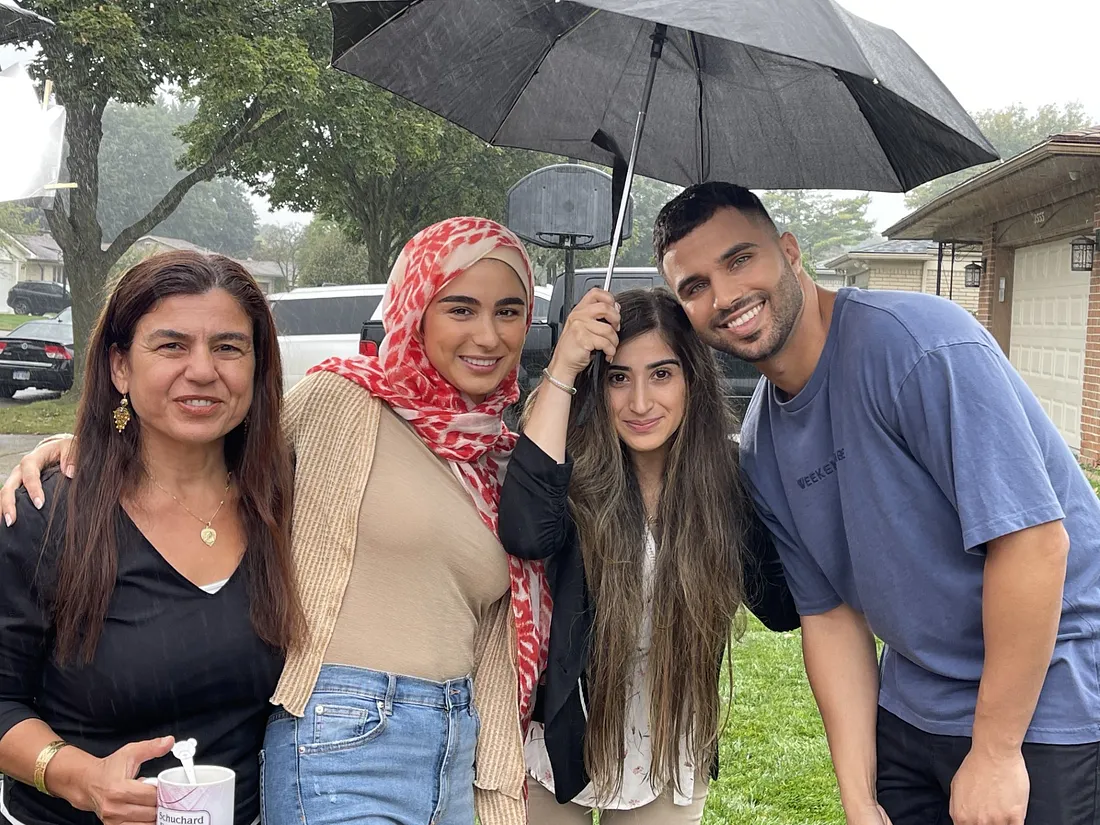
Weam, before we move on to more of these sorts of questions, can you take some time to bring our readers up to speed on you and what you do?
I’m a writer and filmmaker of Chaldean Iraqi background. I began as a storyteller in the mid-1990s with a commitment to writing authentic narratives about my community — because there was a tremendous void.
Over time, that storytelling evolved into filmmaking. I realized that film reaches audiences in a way books often cannot. It enters living rooms. It shapes perception. It humanizes.
Through Unique Voices in Film, we develop and produce narrative and documentary films that:
Bridge cultural divides
Challenge stereotypes
Center women-led stories
Highlight immigrant and underrepresented voices
Promote empathy without propaganda
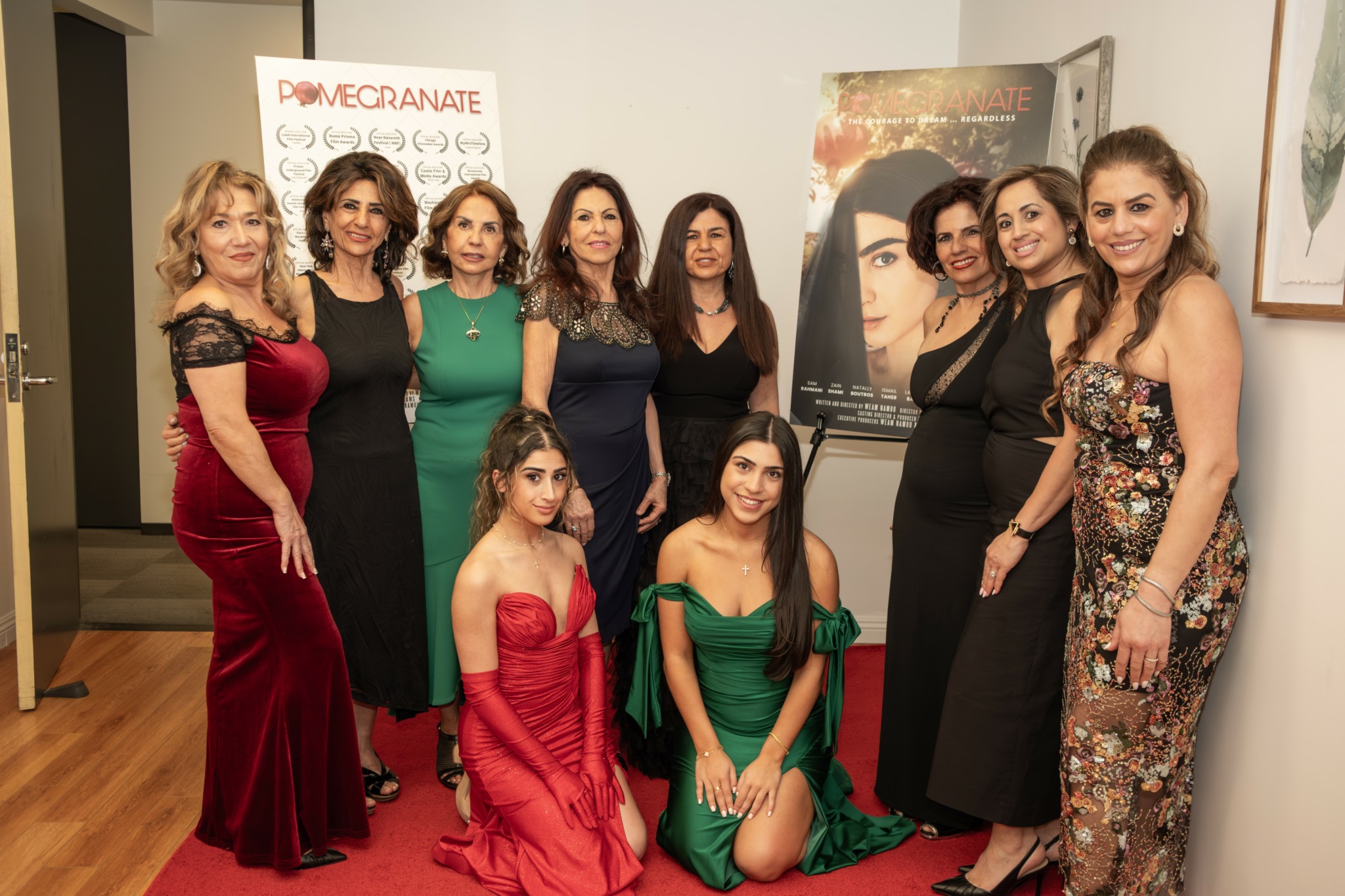
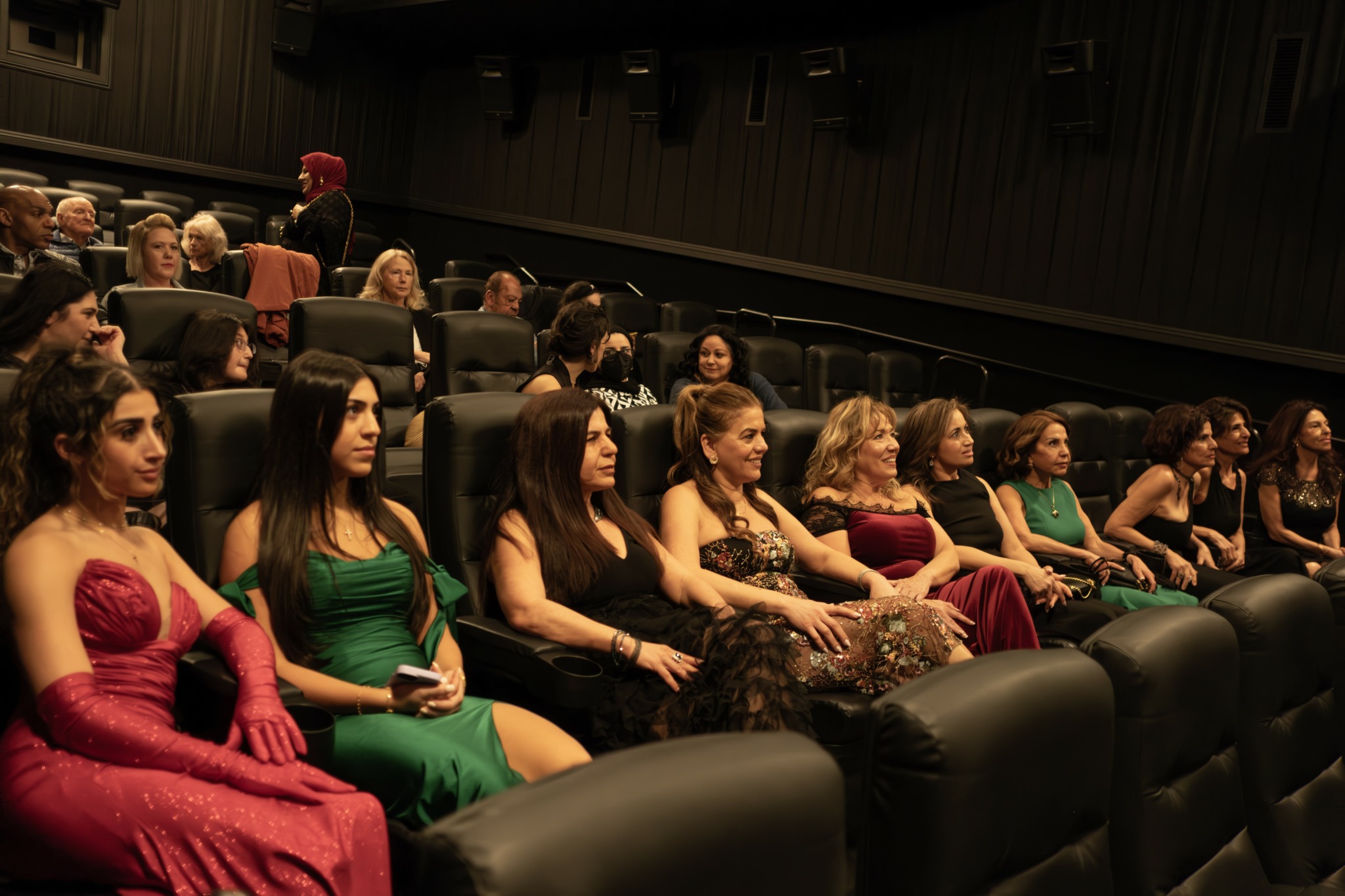
Our films, including The Great American Family and Pomegranate, have won multiple awards and reached diverse audiences across festivals and streaming platforms.
What sets us apart is intentionality. We are not interested in reactive storytelling. We are interested in responsible storytelling.
Our approach combines:
Cultural authenticity
Professional production standards
Community collaboration
Moral responsibility
What I am most proud of is this:
When audiences watch our films, they don’t leave thinking about politics. They leave thinking about people.
That shift — from stereotype to humanity — is the work.
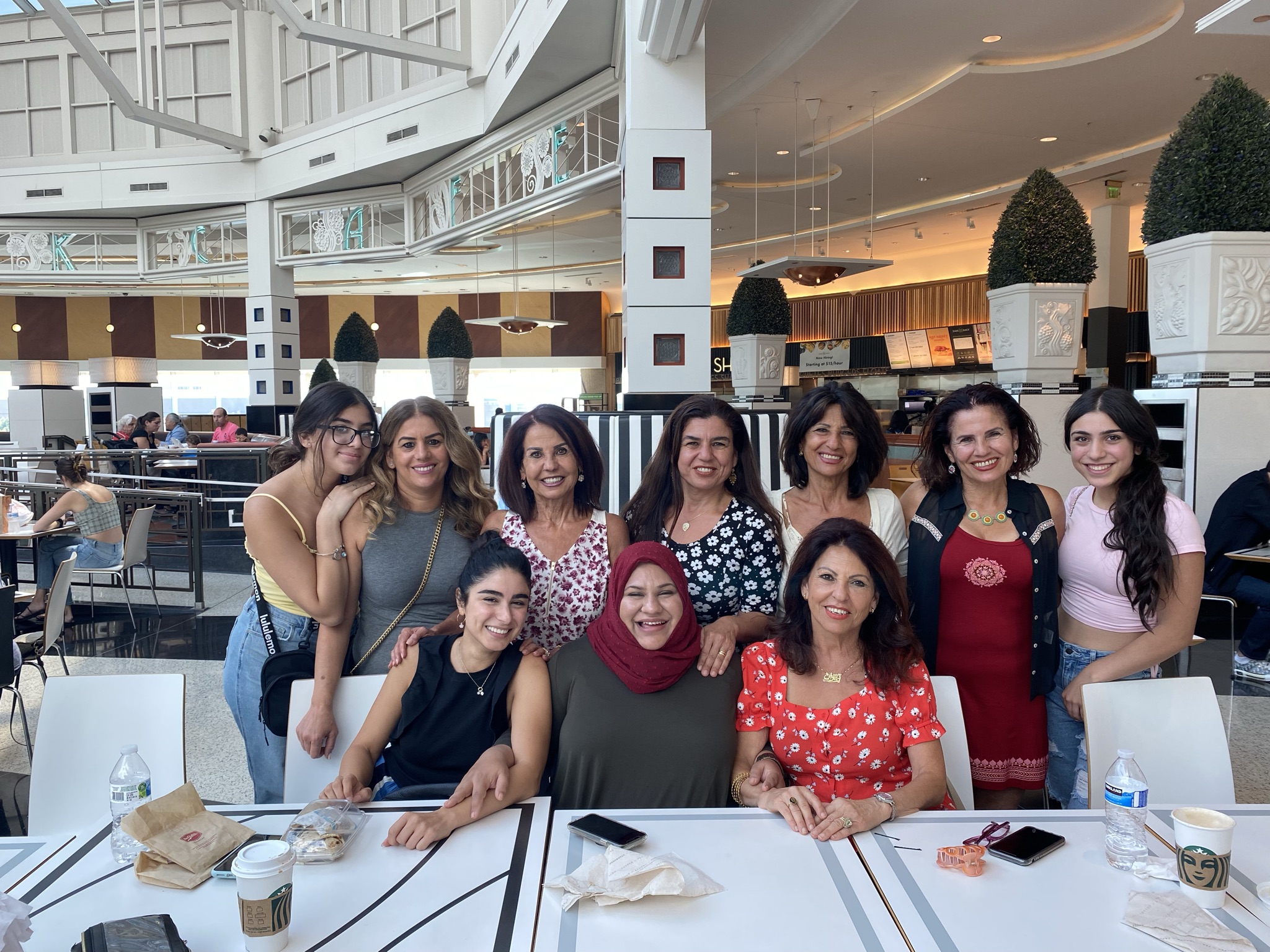
Do you have any insights you can share related to maintaining high team morale?
Morale is not maintained through hype. It is maintained through shared purpose.
When you are working on mission-driven projects — especially in the nonprofit creative space — resources are often limited. You cannot always compete financially with large studios. So clarity of vision becomes your strongest currency.
My advice:
1. Make the mission explicit.
Every person on the team should know why the work matters beyond the paycheck.
2. Hire for alignment, not just skill.
Skill can be developed. Alignment cannot be forced.
3. Create ownership.
When people feel their voice matters, morale rises naturally.
4. Celebrate milestones — even small ones.
Film production is long and exhausting. Recognition sustains energy.
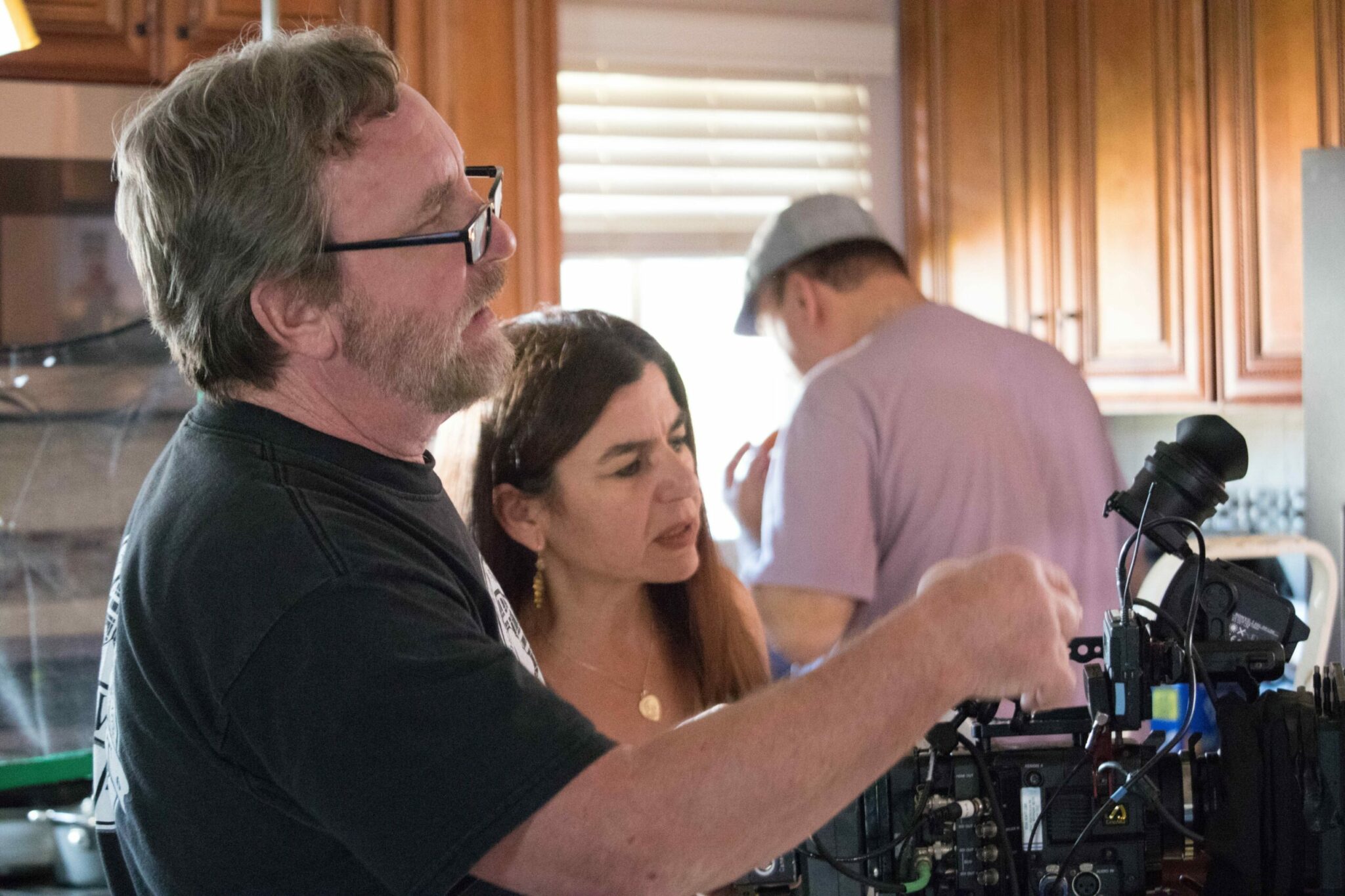
On Pomegranate, we all understood we were making the first Iraqi American feature narrative led by women. That awareness created unity. The cast and crew were not just employees — they were contributors to something historic.
Purpose fuels morale.
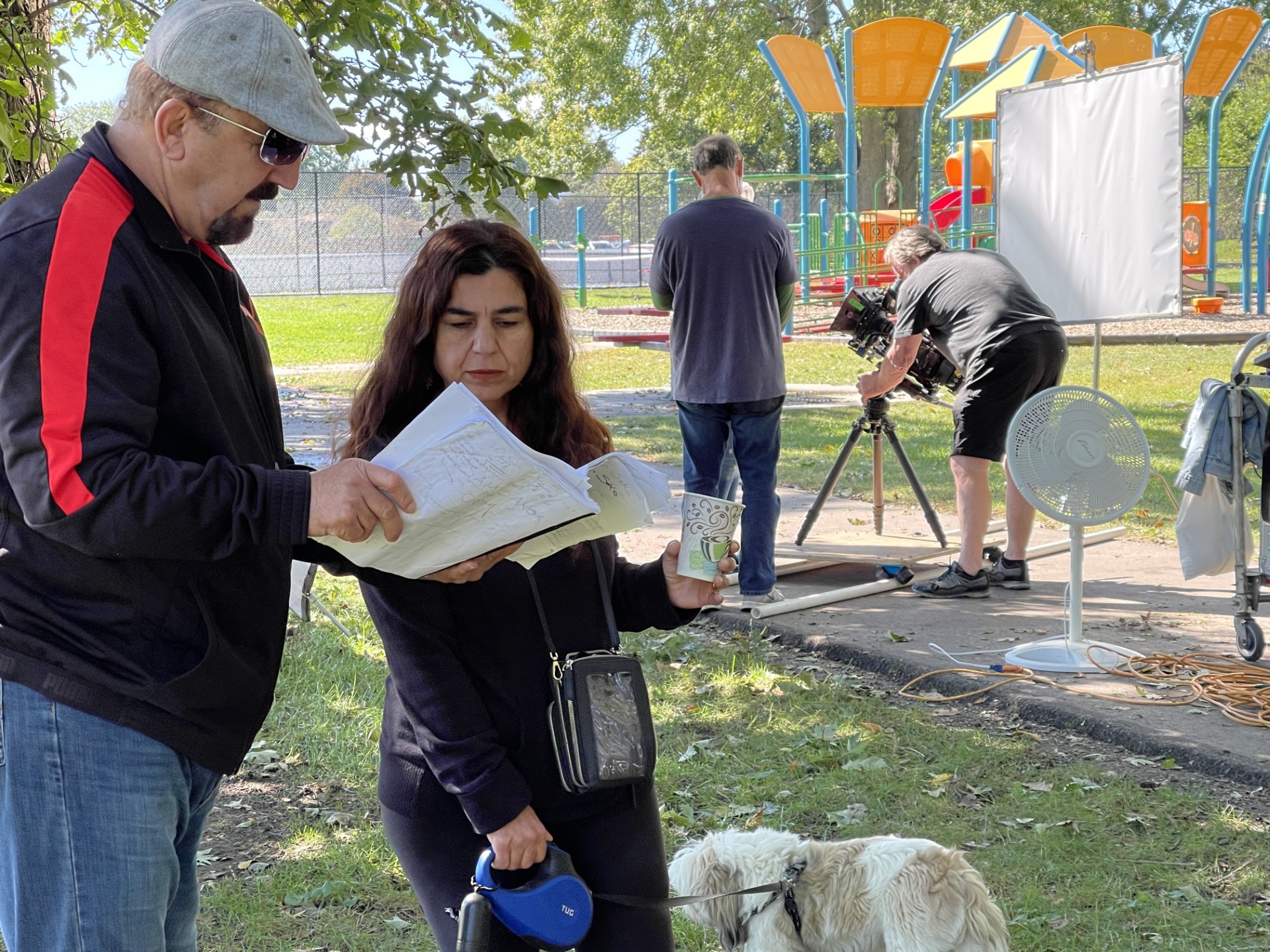
We’d love to hear a story of resilience from your journey.
One of the clearest moments of resilience in my journey happened early on, when industry professionals dismissed my stories as “difficult to cast.”
I could have internalized that rejection. Many people do. Instead, I asked myself: Is the problem my story — or the system evaluating it?
That question changed everything. Rather than waiting for permission, I went to film school. I produced my own projects. I built partnerships. Eventually, I founded Unique Voices in Film. Resilience, for me, was not loud defiance. It was steady commitment.
Film production itself tests resilience daily — funding setbacks, scheduling disruptions, distribution uncertainty. But when your work is rooted in purpose rather than ego, you endure differently.
Resilience is sustained by meaning. And when your mission is to expand whose stories are allowed to exist, giving up is not an option.
Contact Info:
- Website: https://weamnamou.com/
- Instagram: https://www.instagram.com/weamnamou/
- Facebook: https://www.facebook.com/weamnamou/
- Linkedin: https://www.linkedin.com/in/weamnamou/
- Twitter: https://x.com/weamnamou
- Youtube: https://www.youtube.com/@weamnamou-8991
- Other: https://www.imdb.com/name/nm9812122/