

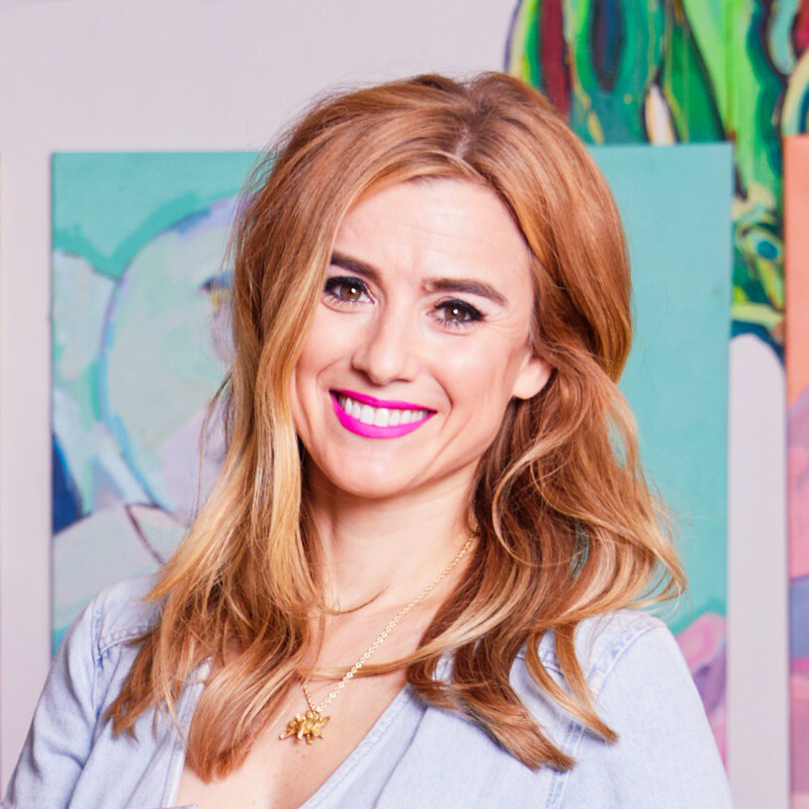

We were lucky to catch up with Liz Haywood recently and have shared our conversation below.
Liz , looking forward to hearing all of your stories today. Alright – so having the idea is one thing, but going from idea to execution is where countless people drop the ball. Can you talk to us about your journey from idea to execution?
I started my business because I’ve always had an overwhelming need to create art. Painting has never felt optional to me — it’s how I process the world.
Earlier in my career I was working as a full-time professional graphic designer in New York City. When I moved to Atlanta, I realized the cost of living might actually make it possible to support myself as an artist.
Eventually I shifted into freelance design so I could buy myself something incredibly valuable: time. That time gave me the freedom to start painting seriously and developing my voice.
By the time I committed to painting full time, the ideas were already bursting out of me. I was angry about the political climate — the election of a president later found liable for sexual abuse, the constant disregard for environmental protection, and a system where the rich keep getting richer while everyone else struggles.
So I started painting about it.
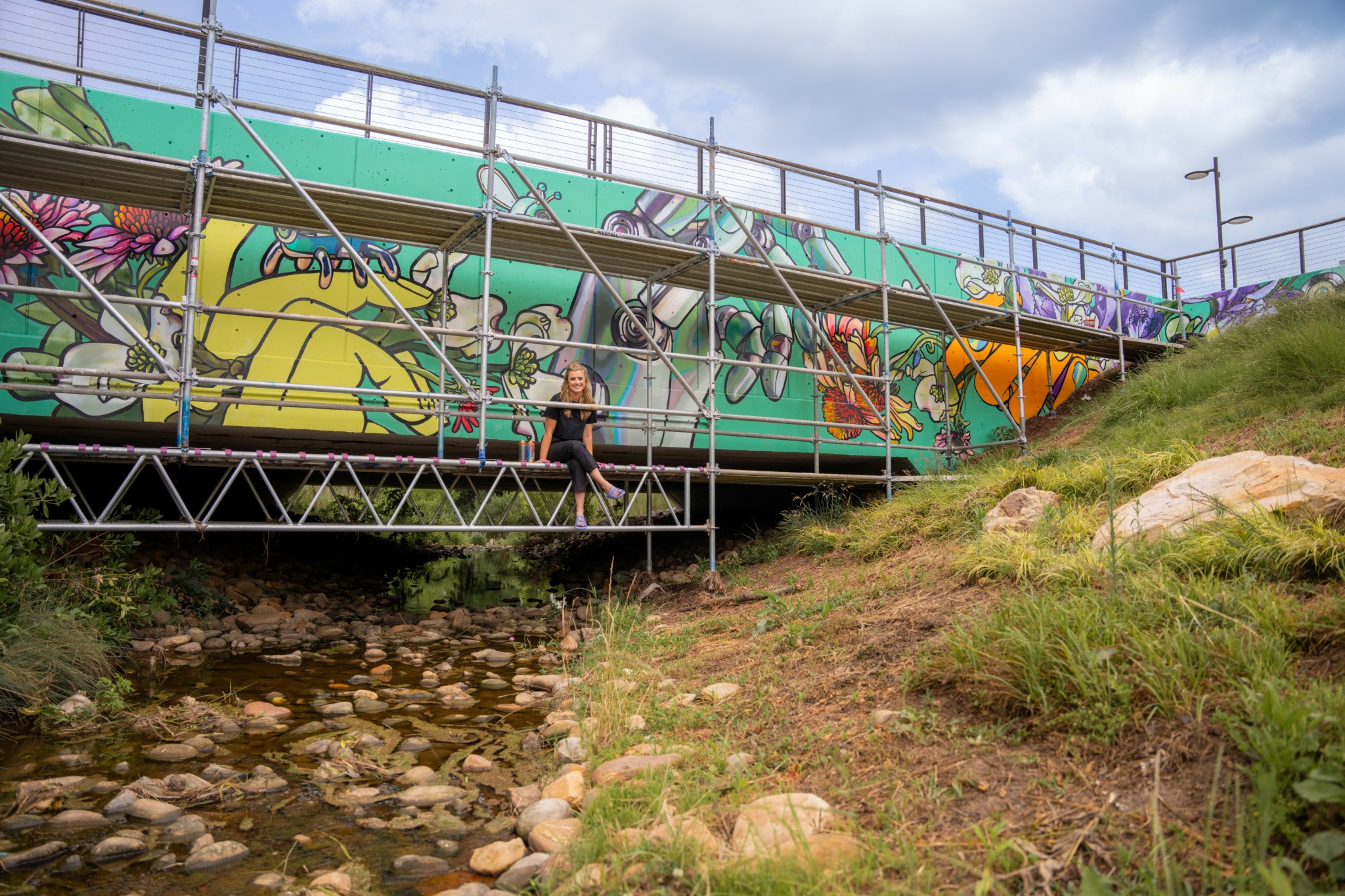
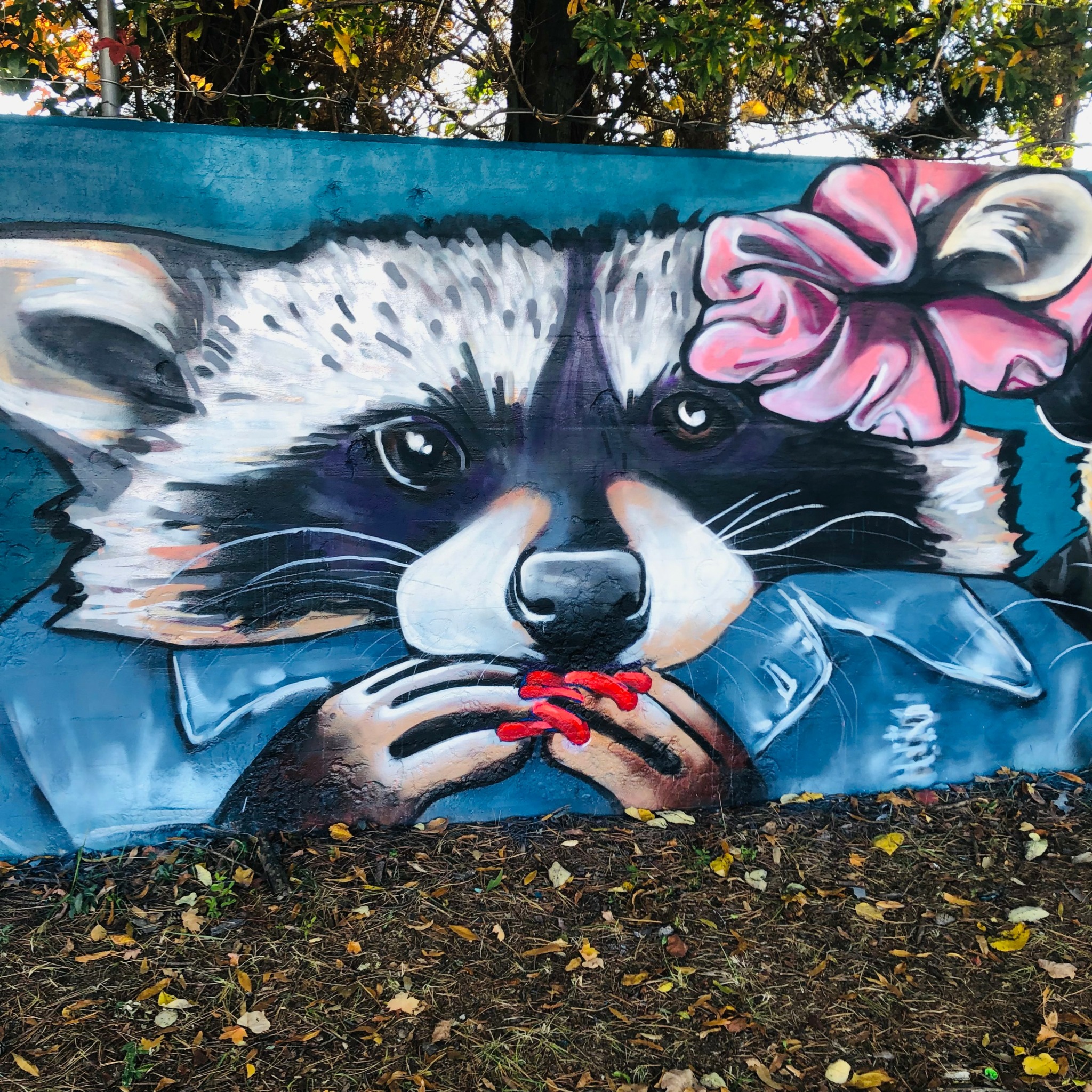
I began making bold, colorful political murals and street art in Krog Street Tunnel in Atlanta. It’s a constantly evolving public art space where artists can experiment and speak freely. I didn’t wait for permission or commissions — I just started painting. Those early murals helped people notice my work, and opportunities began to grow from there.
When the COVID-19 pandemic began, I moved back to my hometown of Charlotte to be closer to family. Since then, I’ve gone on to paint commissioned murals across the Southeast.
What started as an internal need to paint — and a refusal to stay quiet about the things I care about — gradually became a full-time career creating large-scale public art.
Great, appreciate you sharing that with us. Before we ask you to share more of your insights, can you take a moment to introduce yourself and how you got to where you are today to our readers.
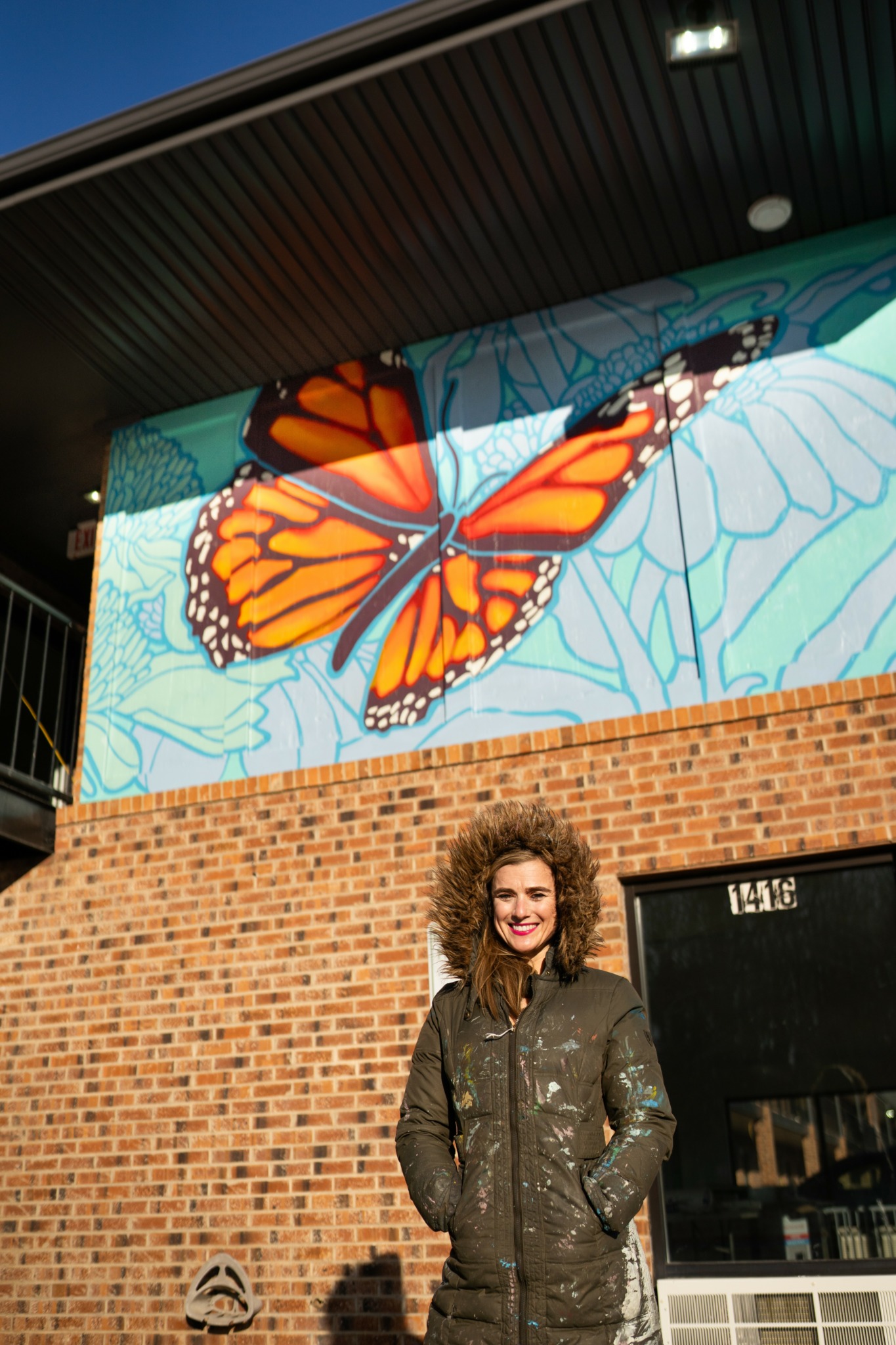
I’m a mural artist and painter originally from Charlotte, and my work focuses on large-scale public art across the Southeast. I create vibrant murals that combine bold color, storytelling, and a strong sense of place. Many of my projects incorporate themes from nature, community identity, and social commentary.
I didn’t begin my career in the mural world right away. Earlier in my career I was working as a professional graphic designer in New York City. That experience gave me a strong foundation in visual communication, composition, and working with clients. When I moved to Atlanta, I started transitioning toward painting full time. I shifted into freelance design so I could buy myself something incredibly valuable: time.
During that period I began experimenting with public art and painting free murals and political street art in Krog Street Tunnel. It’s a constantly evolving space where artists can test ideas and speak freely, and it gave me the opportunity to develop my voice as a muralist. Those early murals helped people discover my work, and opportunities began to grow from there.
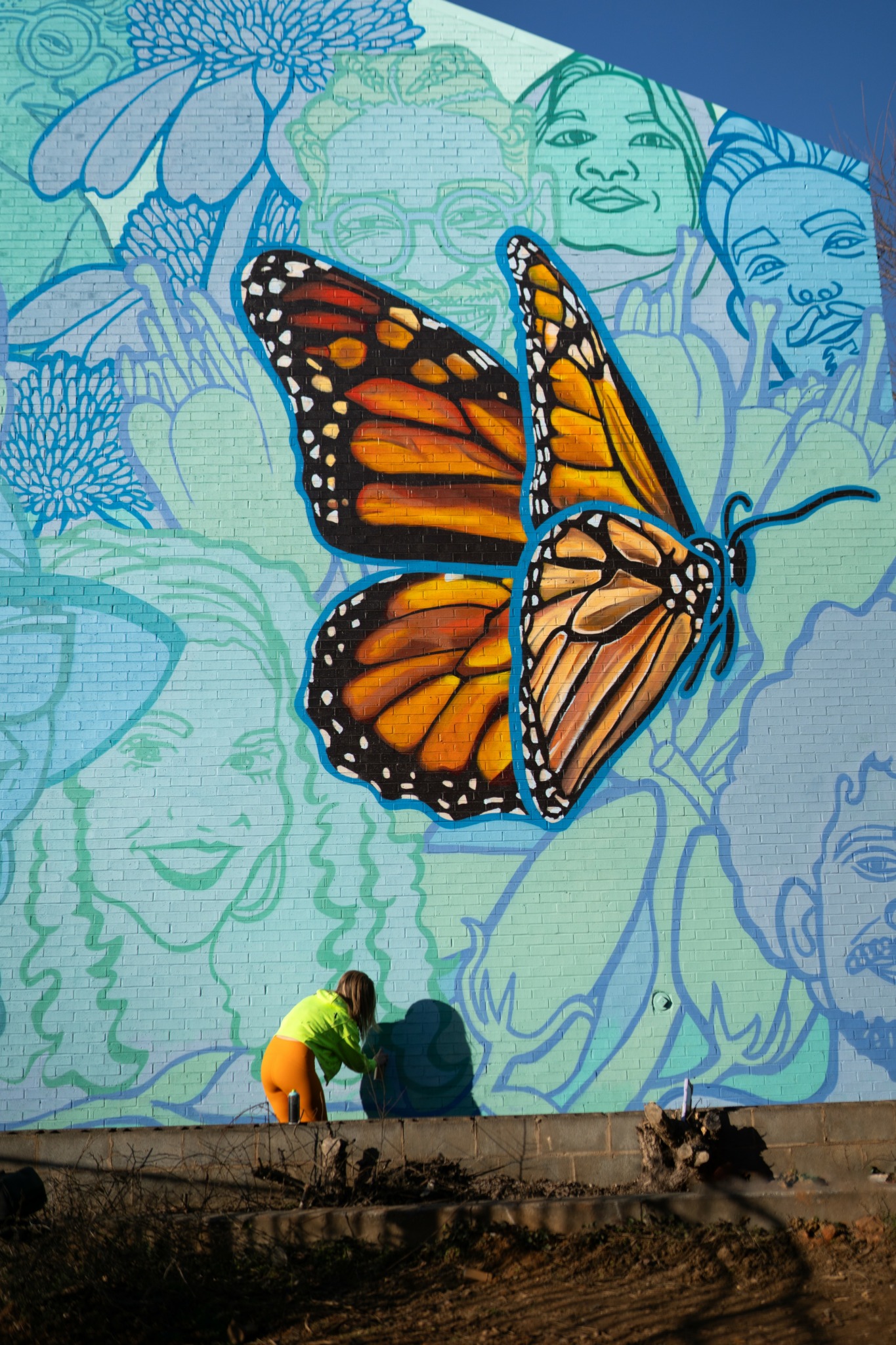
Today I create murals for cities, businesses, and community organizations throughout the Southeast. My work is often designed specifically for each site. I spend time researching the neighborhood, learning about local stories, and incorporating imagery that reflects the environment and the people who live there. That process helps the finished mural feel like it truly belongs to the space rather than simply being placed on a wall.
What I provide for clients is more than just a painting — it’s an opportunity to transform a public space. Murals can bring color, identity, and visibility to a neighborhood. They can create landmarks, attract visitors, and give communities something to feel proud of. I also bring a collaborative process to my projects, often engaging residents or stakeholders in the design development so the final piece reflects shared ideas.
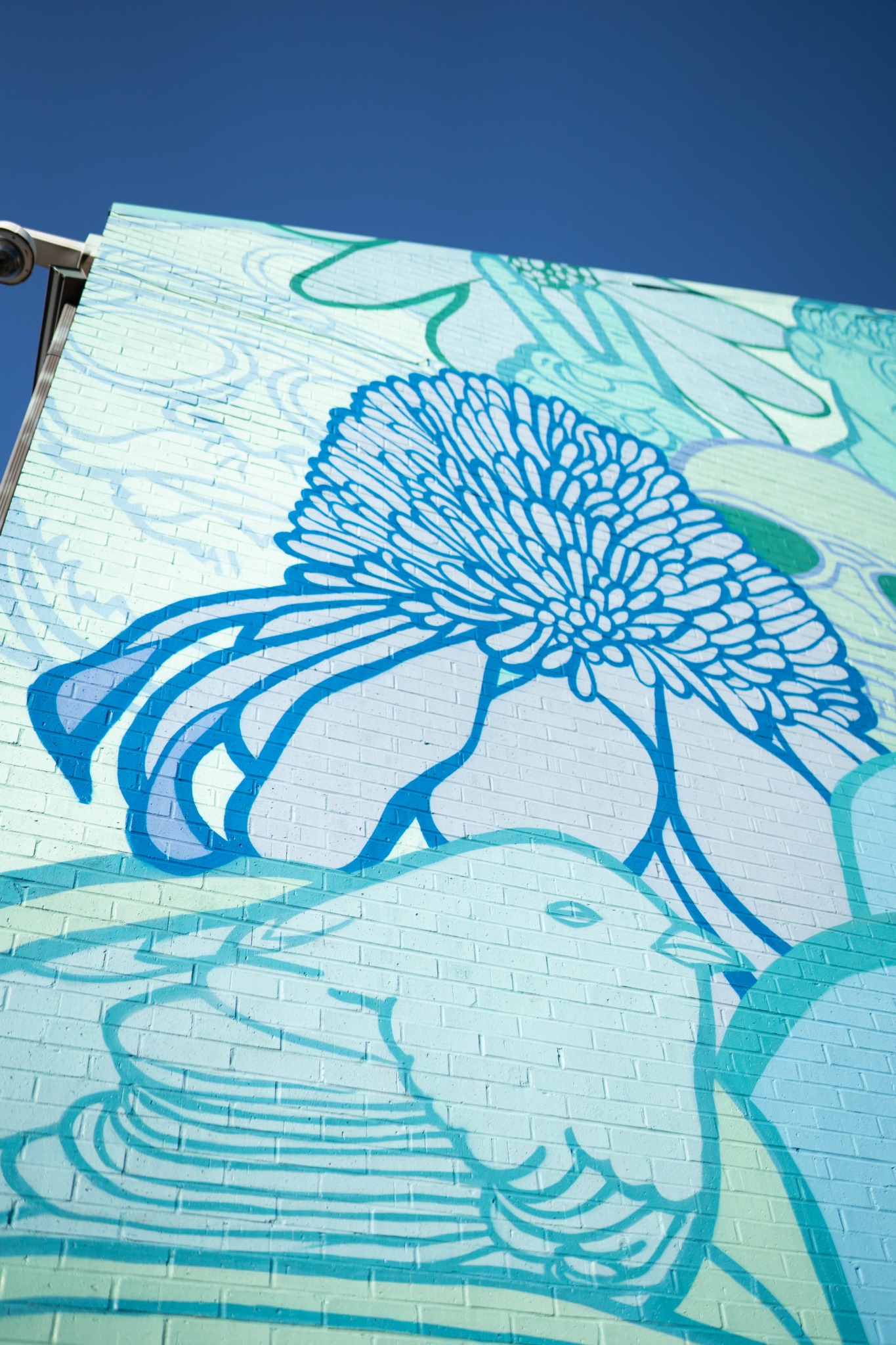
Stylistically, my work is known for bold color palettes, expressive imagery, and compositions that read clearly at a distance while still revealing details up close. I often draw inspiration from the natural world, local plants and animals, and symbolic imagery that represent growth, resilience, and change.
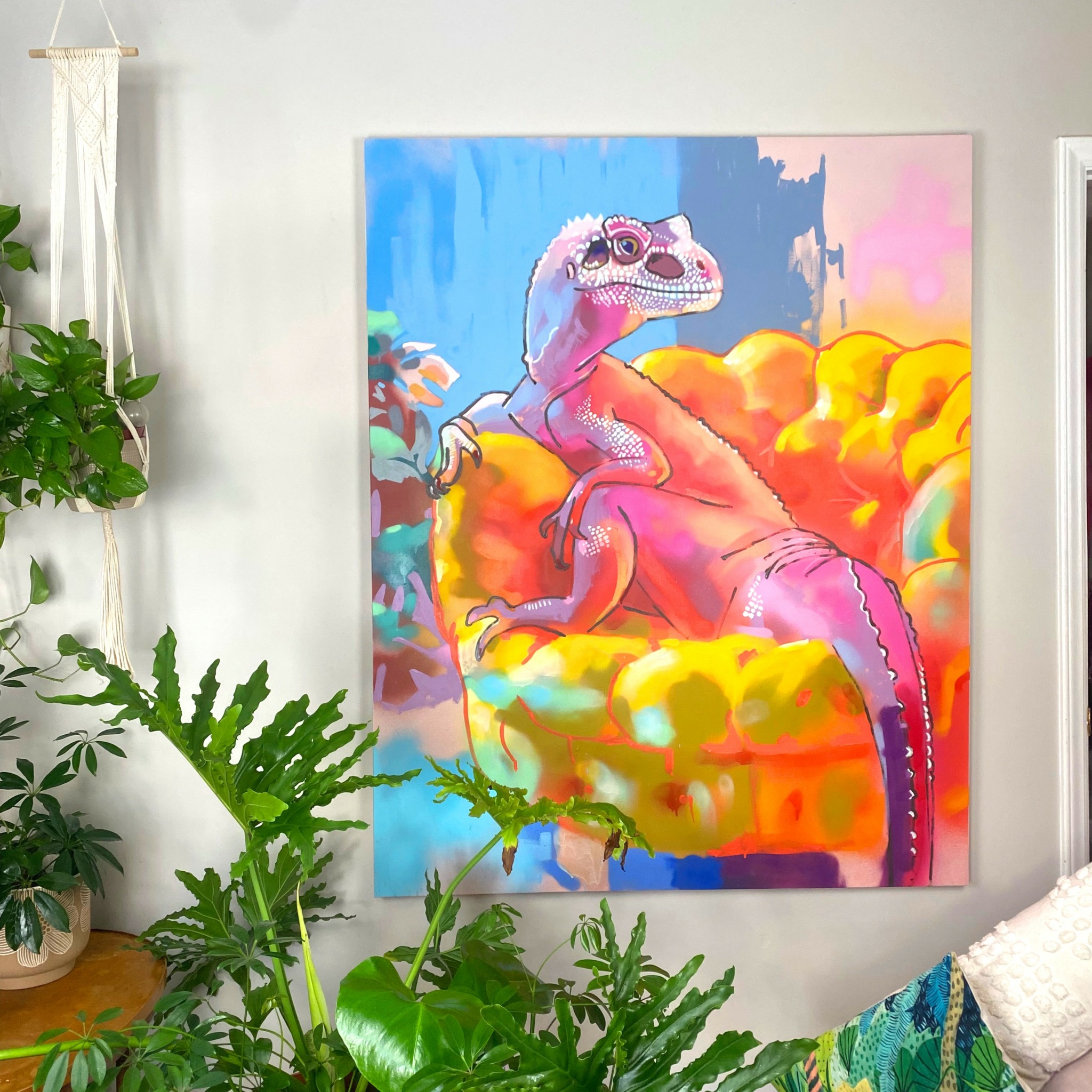
While large public murals are a major part of my practice, I also accept commissions for canvas artwork and residential murals, working with private collectors and homeowners who want something vibrant and personal for their spaces.
I’m most proud of the way my work has grown from small experimental street pieces into commissioned murals across the region. What started as a personal need to paint and speak openly about the world around me has developed into a career creating public art that people encounter in their everyday lives.
Ultimately, the goal of my work is simple: to create art that brightens a space, sparks conversation, and reminds people that creativity belongs in the public realm.
We often hear about learning lessons – but just as important is unlearning lessons. Have you ever had to unlearn a lesson?
One lesson I had to unlearn was the idea that everyone needs to like you.
When I was younger — and especially early in my career — I think I believed that being successful meant being broadly liked or approved of. I wanted my work to be well received by everyone. But the reality of making art, especially public art, is that the more honest and expressive you are, the more likely it is that some people won’t like it.
The turning point came when I began creating political street art in Krog Street Tunnel in Atlanta. Those pieces were bold, colorful, and very direct about the things I was frustrated by in the political climate at the time. Not everyone agreed with them, and not everyone liked them — and that was uncomfortable at first.
But I realized something important: if your goal is to make meaningful work, trying to please everyone will dilute the work until it says nothing at all.
Letting go of the need for universal approval was incredibly freeing. It allowed me to focus on making work that feels honest, visually strong, and true to what I care about. Ironically, once I stopped trying to make everyone happy, the work became stronger and the right people started connecting with it.
Now I see criticism or disagreement as a natural part of creating visible work in public spaces. Art that stands for something will always generate reactions — and that’s often where the most interesting conversations begin. 🎨
What do you think is the goal or mission that drives your creative journey?
My goals are actually pretty simple. I want to make enough through my work to feed and clothe myself, take care of my dog, and keep doing the thing I feel driven to do every day, which is paint.
Beyond that, a lot of my creative motivation comes from wanting to protect things that matter — especially women and the environment. Those concerns show up in my work in different ways, sometimes directly through political pieces and sometimes more symbolically through imagery from nature.
Murals are powerful because they live in public space. They can brighten a neighborhood, reflect community identity, and sometimes spark conversations about the world we’re living in. I’m interested in making work that is visually joyful and colorful, but that also carries meaning.
At the end of the day, my goal is to keep creating work that feels honest, supports my life, and contributes something positive to the spaces where people encounter it.
Contact Info:
- Website: https://lizhaywood.com
- Instagram: https://www.instagram.com/lizhaywood/
- Linkedin: https://www.linkedin.com/in/elizabethhaywood/
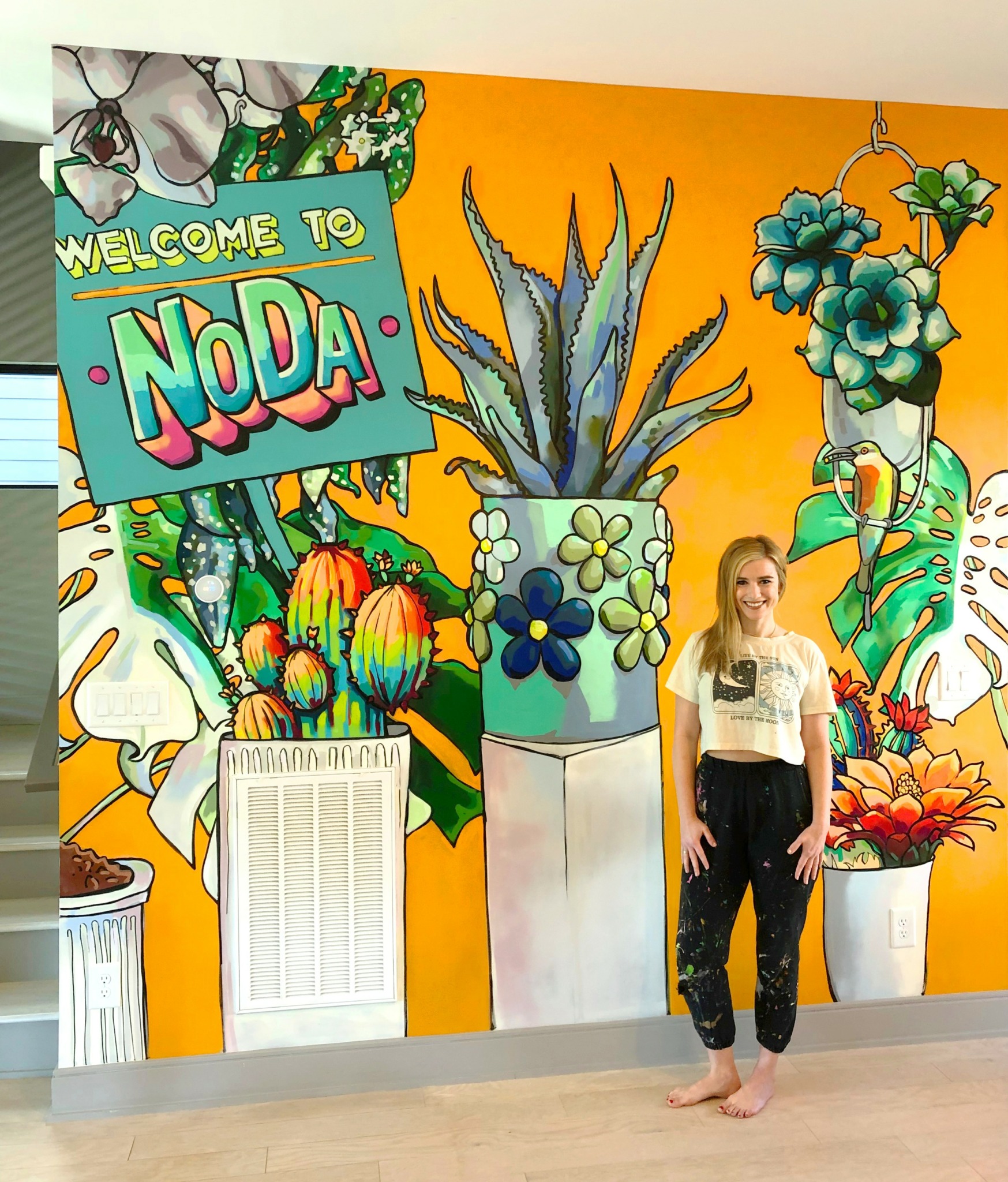
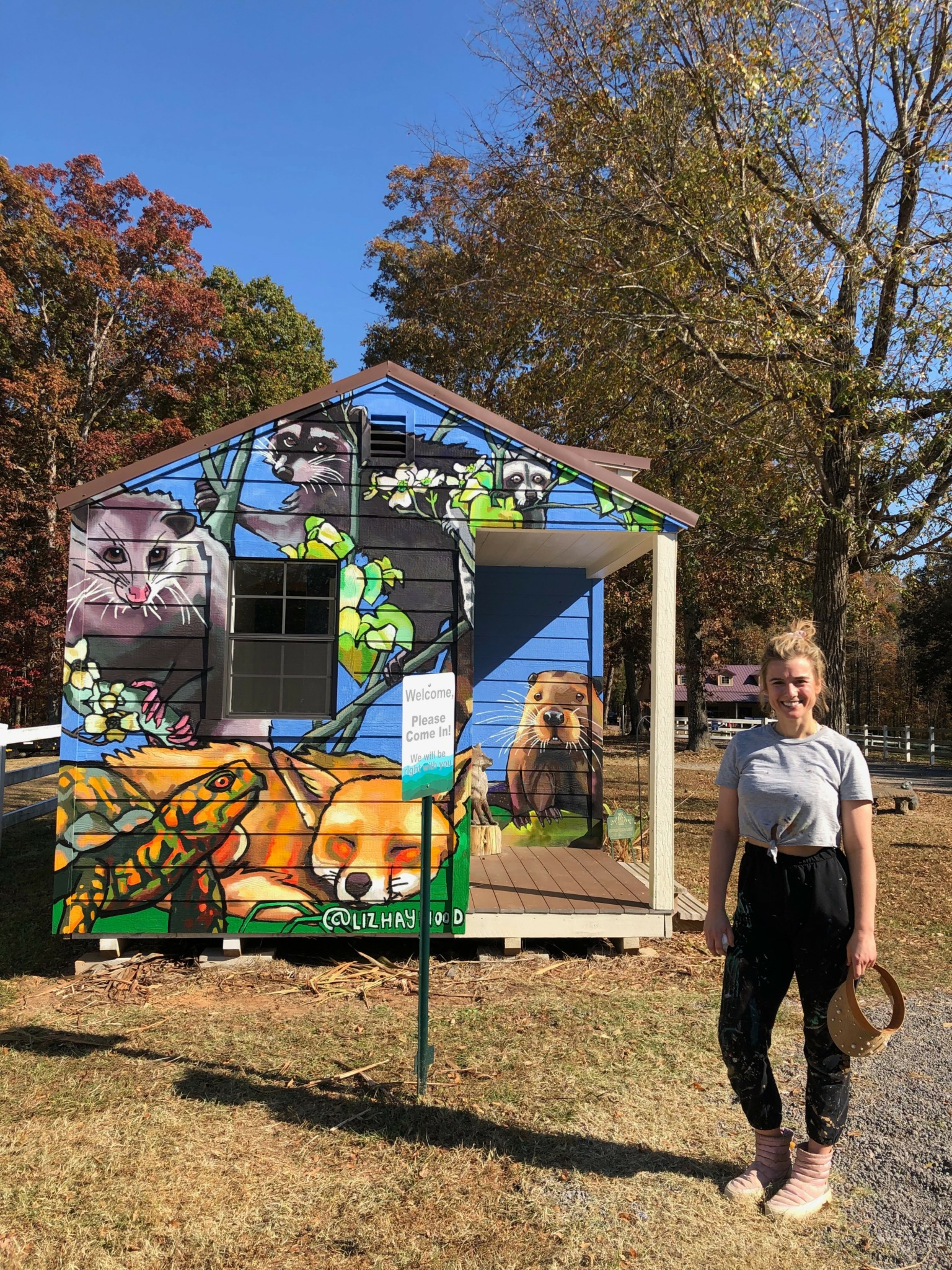
Image Credits
Ryan Timms, Natalie Daratony