

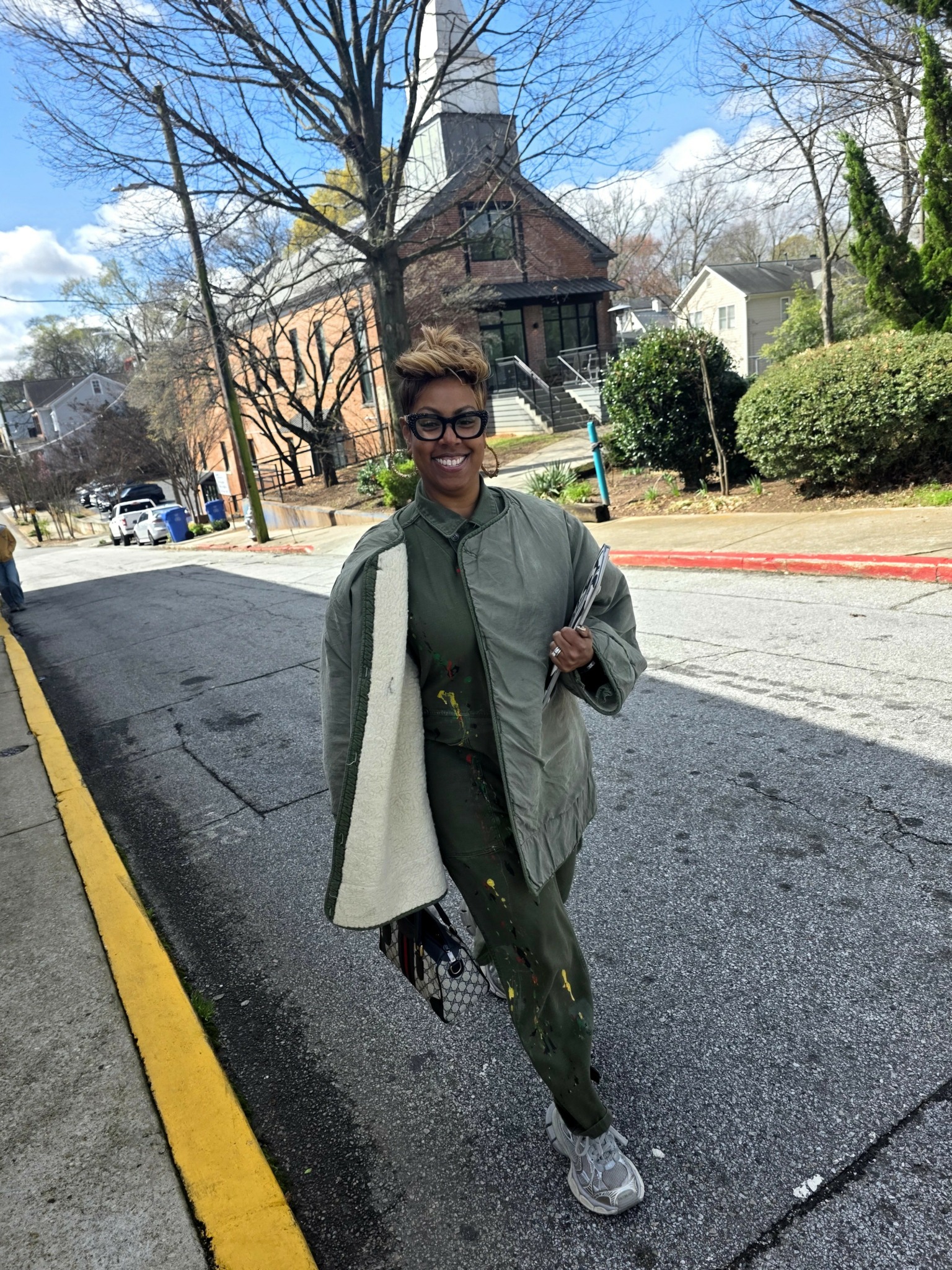

We were lucky to catch up with Tuere K. Butler recently and have shared our conversation below.
Tuere K., appreciate you joining us today. Can you share a story with us from back when you were an intern or apprentice? Maybe it’s a story that illustrates an important lesson you learned or maybe it’s a just a story that makes you laugh (or cry)? Looking back at internships and apprenticeships can be interesting, because there is so much variety in people’s experiences – and often those experiences inform our own leadership style.
It was the summer after my sophomore year in college. I had returned home determined to work and save money, and through a friend of my father’s I landed a job as an assistant to a lobbyist on Capitol Hill. My father had previously worked for Senator Edward Kennedy, so I had seen policy and government from the perspective of elected officials. This opportunity gave me a completely different view—how advocates work behind the scenes with lawmakers to shape legislation for their clients and constituents.
That summer I learned how to write proposals, research issues thoroughly, develop talking points, and engage with Members of Congress and Senate staff. I was fascinated by the process.
One day we attended a congressional hearing, and my boss asked me to take notes. Instead, I spent most of the hearing writing in my notebook about my plans for the upcoming weekend. I didn’t think she was paying attention, and honestly, I assumed it was just “busy work.”
When we returned to the office, she asked me to type up my notes from the hearing and submit them by the end of the day.
I was stunned.
I spent hours trying to reconstruct what had been discussed, piecing together fragments of conversations and remarks. The report I turned in was terrible—and I knew it.
The next day, my boss responded with a three-page memo. It called me out directly and explained why excellence matters in every task, no matter how small it seems. She reminded me that attention to detail and preparation are the foundation of trust in this work.
That moment stayed with me.
I carried that memo with me for the rest of my time in college and into my early years in the workforce. It became a constant reminder that every assignment—no matter how minor it appears—is an opportunity to demonstrate your character and your commitment to excellence.
Since then, I’ve approached every task with my full effort. Whether I’m working for myself, for an organization, or for a client, I want the work to reflect the very best of my abilities.
As always, we appreciate you sharing your insights and we’ve got a few more questions for you, but before we get to all of that can you take a minute to introduce yourself and give our readers some of your back background and context?
I often say that my career has been shaped as much by relationships and service as it has by strategy. I’m a strategic operations leader, founder, and nonprofit executive with more than two decades of experience across government and the nonprofit sector. Throughout my career, I’ve built a reputation for bringing clarity and structure to complex environments while leading teams with both empathy and directness.
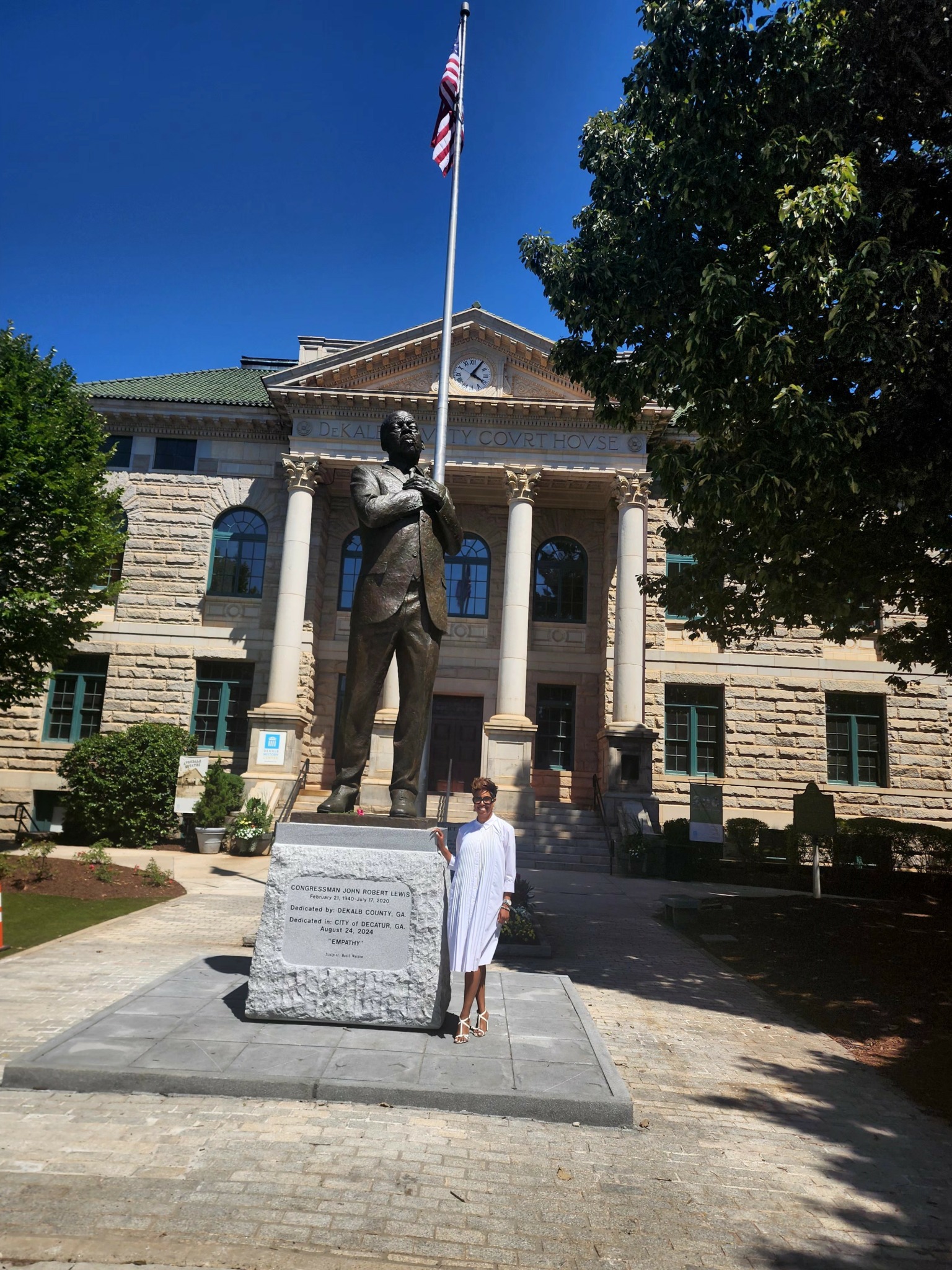
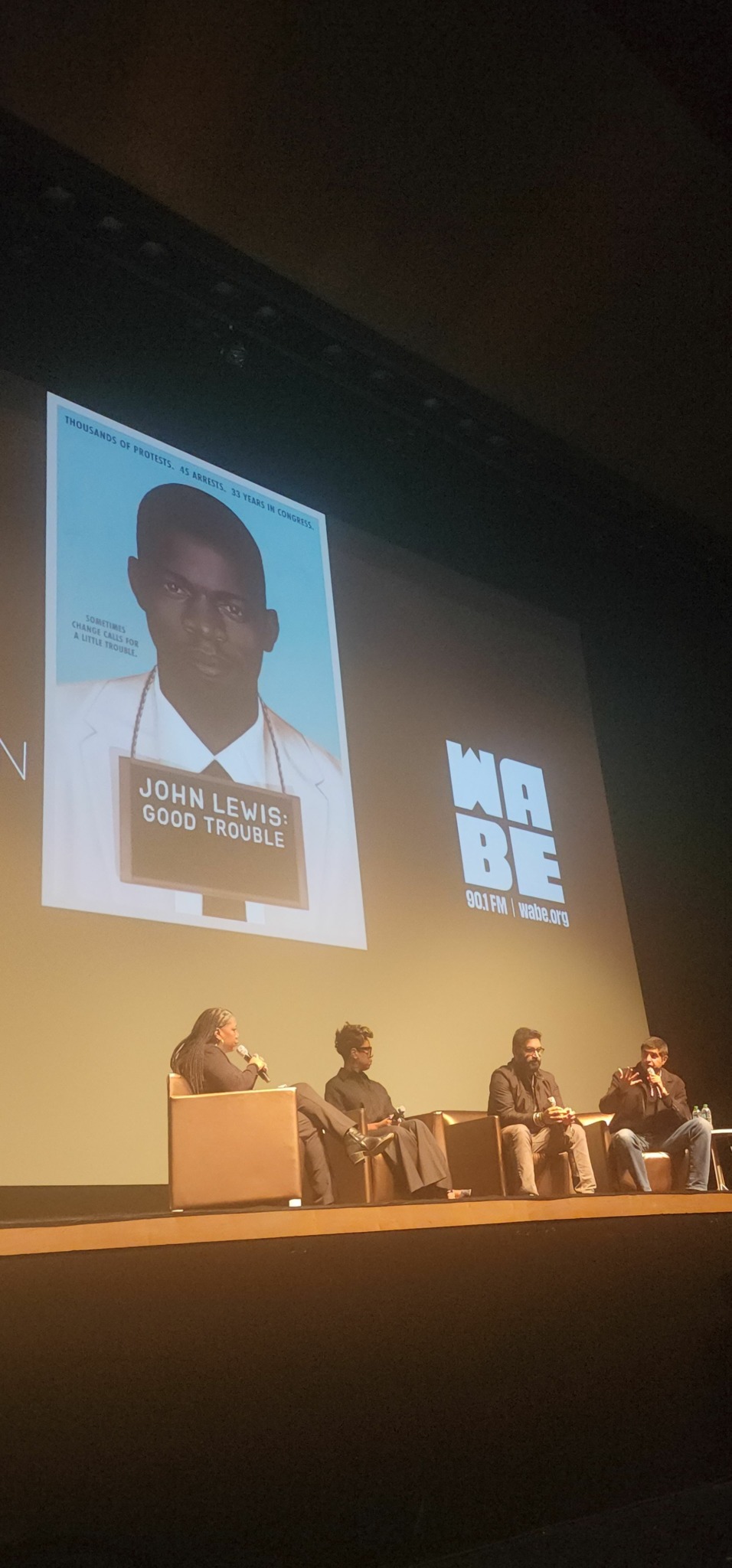
My professional journey was deeply shaped by my 22 years serving Congressman John Lewis. I started as a staff assistant and eventually became District Director for Georgia’s Fifth Congressional District. During that time, I had the privilege of helping lead efforts that served more than 700,000 constituents. Working alongside Congressman Lewis instilled in me a deep sense of responsibility, discipline, and a commitment to service that continues to guide my leadership today.
Interestingly, neither politics nor the nonprofit sector were originally part of a master plan for my career. Both fields found me through association and opportunities that appeared at important crossroads in my life. Because I naturally gravitated toward solving problems, building systems, and helping organizations move forward, I developed a reputation as a strategic thought partner and operational leader. Over time, those experiences led me deeper into mission-driven work.
In 2024, I made the decision to step fully into entrepreneurship by focusing on my consulting firm, Turtle & Dove Holdings. Through the firm, I partner with organizations that are doing meaningful work but need operational clarity, strategic structure, or leadership support to grow and sustain their impact. At my core, I consider myself a creative who builds order—I enjoy taking big ideas and translating them into systems, processes, and cultures that allow teams and organizations to thrive.
Alongside my consulting work, I currently serve as the Chief Operating Officer of the Hope Booth, a health tech nonprofit focused on improving access to care, resources and wellness through innovative solutions. That role allows me to stay deeply connected to mission-driven work while helping build the operational foundation needed for long-term impact.
What sets me apart is my ability to operate at the intersection of people, strategy, and systems. I believe organizations do their best work when there is both heart and structure—when teams feel supported, but there are also clear processes that allow the mission to move forward.
What I’m most proud of throughout my career is the trust people place in me. Many times, I’ve been invited into organizations during moments of transition or growth, when leadership and operational clarity are especially important. Being able to help guide those moments and leave organizations stronger than I found them is incredibly meaningful to me. At my core, I’m a creative who builds order—translating big ideas into the systems and structures that help organizations create lasting impact.
What’s a lesson you had to unlearn and what’s the backstory?
One of the biggest lessons I’ve had to unlearn was my traditional approach to work.
For more than 20 years, my professional rhythm was built around being physically present in the office. In government, the expectation was clear: you showed up early, worked long hours, held meetings in conference rooms, and collaborated face-to-face with your team and stakeholders. That environment shaped how I thought work should look and function.
Then the pandemic happened, and almost overnight the entire workforce shifted. Employees who had spent years working in offices from 9–5, and often much longer, suddenly found themselves working from home. Kitchens became workspaces, children were attending school online in the next room, and pets occasionally made their appearances on camera.
For the first time in my career, my congressional work became fully remote. Instead of sitting at a desktop in an office, I created a mobile workspace wherever I opened my laptop. Instead of coordinating conference rooms for stakeholder meetings, I sent out Zoom, Google Meet, and Microsoft Teams invitations.
In real time, I had to pivot from a very structured, traditional framework to a much more fluid one.
Six years later, I’ve fully embraced this way of working. But unlearning the habits and expectations of more than two decades in a traditional office environment was not easy. It required me to rethink productivity, trust, and flexibility—not just for myself, but for the teams I led.
Ultimately, it reminded me that leadership isn’t about holding tightly to the way things have always been done. It’s about adapting so people can continue to do their best work, even when the world around them changes.
Any advice for managing a team?
I try to lead in the way my younger self—and my earlier career self—wanted to be led.
Early in my career, what I valued most from leadership was empathy and respect, but also structure. I wanted leaders who trusted me but weren’t afraid to correct me when I needed it. I wanted someone who led by example, not perfection. Someone who was emotionally intelligent but also brought wisdom and experience to the table.
That perspective shapes how I manage teams today. I aim to create an environment where people feel respected and supported, but also clear about expectations and accountability. I believe people do their best work when they feel trusted, when they know their leader is invested in their growth, and when they see that leadership is willing to walk alongside them.
For me, maintaining morale isn’t about keeping everyone comfortable—it’s about creating a culture where people feel valued, challenged, and part of something meaningful.
Contact Info:
- Linkedin: https://www.linkedin.com/in/tuerebutler
Image Credits
Mary Claire Photos