
We’re excited to introduce you to the always interesting and insightful Karthik G Prasad. We hope you’ll enjoy our conversation with Karthik below.
Karthik, thanks for joining us, excited to have you contributing your stories and insights. Have you been able to earn a full-time living from your creative work? If so, can you walk us through your journey and how you made it happen? Was it like that from day one? If not, what were some of the major steps and milestones and do you think you could have sped up the process somehow knowing what you know now?
To be honest, it definitely did not happen overnight.
When I first started working in media and production, I was not thinking about earning a living from creative work in some big romantic way. I was just trying to get involved in as many projects as possible and understand how the industry actually functions. In the early days a lot of my learning had very little to do with cameras or storytelling. It was budgets, schedules, client expectations, crew coordination and solving problems on set. All the things people rarely see when they watch the final piece.
A big turning point for me was my time at a startup media company in India called Orange and Teal. I was working as both a producer and head of operations, which meant I had a front row seat to how creative work and business actually meet. We produced dozens of commercials and branded films for luxury and lifestyle clients, and every project required balancing creativity with very real constraints like timelines, budgets and brand goals. That experience changed how I saw the industry. It taught me that creative work only becomes sustainable when you learn how to execute ideas at scale and with consistency.
Over time my role naturally started expanding. I was not just helping run productions anymore. I was shaping the storytelling as well. That shift eventually led me to move to Los Angeles to study film and media production and immerse myself in a broader creative environment. Being surrounded by filmmakers, producers and writers from different parts of the world pushed me to think about storytelling in a much bigger way.
These days most of my work lives at the intersection of production and storytelling strategy. Sometimes that means directing or producing narrative projects. Other times it means helping brands or creators translate an idea into something visual that people actually connect with. The mediums change, but the core goal is always the same. Tell a story in a way that feels real and resonates.
If I look back, one thing I might have learned earlier is that creative careers are really a mix of art and problem solving. The people who build long term careers in this space are usually the ones who understand both sides of that equation. Once that clicked for me, things started to move a lot faster.
And honestly, I still feel like I am in the middle of the journey. The industry keeps evolving, new tools appear, new formats emerge and storytelling itself keeps changing. That constant evolution is part of what keeps the work exciting.
Karthik, before we move on to more of these sorts of questions, can you take some time to bring our readers up to speed on you and what you do?
I usually describe myself as a media producer and director who spends a lot of time thinking about how stories travel between people. Whether it is a film, a brand campaign or a short piece of digital content, I am always interested in that moment when something on screen actually resonates with someone watching it.
My path into this industry was not completely straightforward. I studied marketing and business in India before moving deeper into media and production. At that stage I was fascinated by storytelling but I was also curious about the mechanics behind it. How projects are organized. How crews collaborate. How an idea moves from a script or concept into something that actually exists on screen.
One of my earliest professional experiences was working with Pixel Pictures in Bangalore, where I supported production on national reality television shows. Being on those sets was an eye opening experience. Multi camera studios, large crews, fast turnaround schedules. It taught me very quickly that production is equal parts creativity and coordination.
Later I joined a startup media company called Orange and Teal, where I worked across both production and operations. That environment pushed me to think about storytelling in a slightly different way. We were creating commercials and branded films for lifestyle and luxury clients, which meant the work had to be both visually strong and strategically clear. It was a great training ground for understanding how creative ideas interact with real world constraints like timelines, budgets and client expectations.
Eventually that journey brought me to Los Angeles, where I studied film and media production at the New York Film Academy. Being in LA exposed me to a very international creative community and pushed me further toward producing and directing narrative projects. Around the same time I also began developing my own independent productions and collaborating with filmmakers across different genres.
Today my work sits somewhere between production, directing and storytelling strategy. Sometimes I am producing or directing narrative films. Other times I work with brands, creators or creative teams to help translate an idea into a visual story that feels authentic and meaningful.
What I care most about in any project is whether the story feels honest. Technology, formats and platforms keep evolving, but the core of storytelling has always been the same. People connect with things that feel real.
That is really the foundation of how I approach my work.
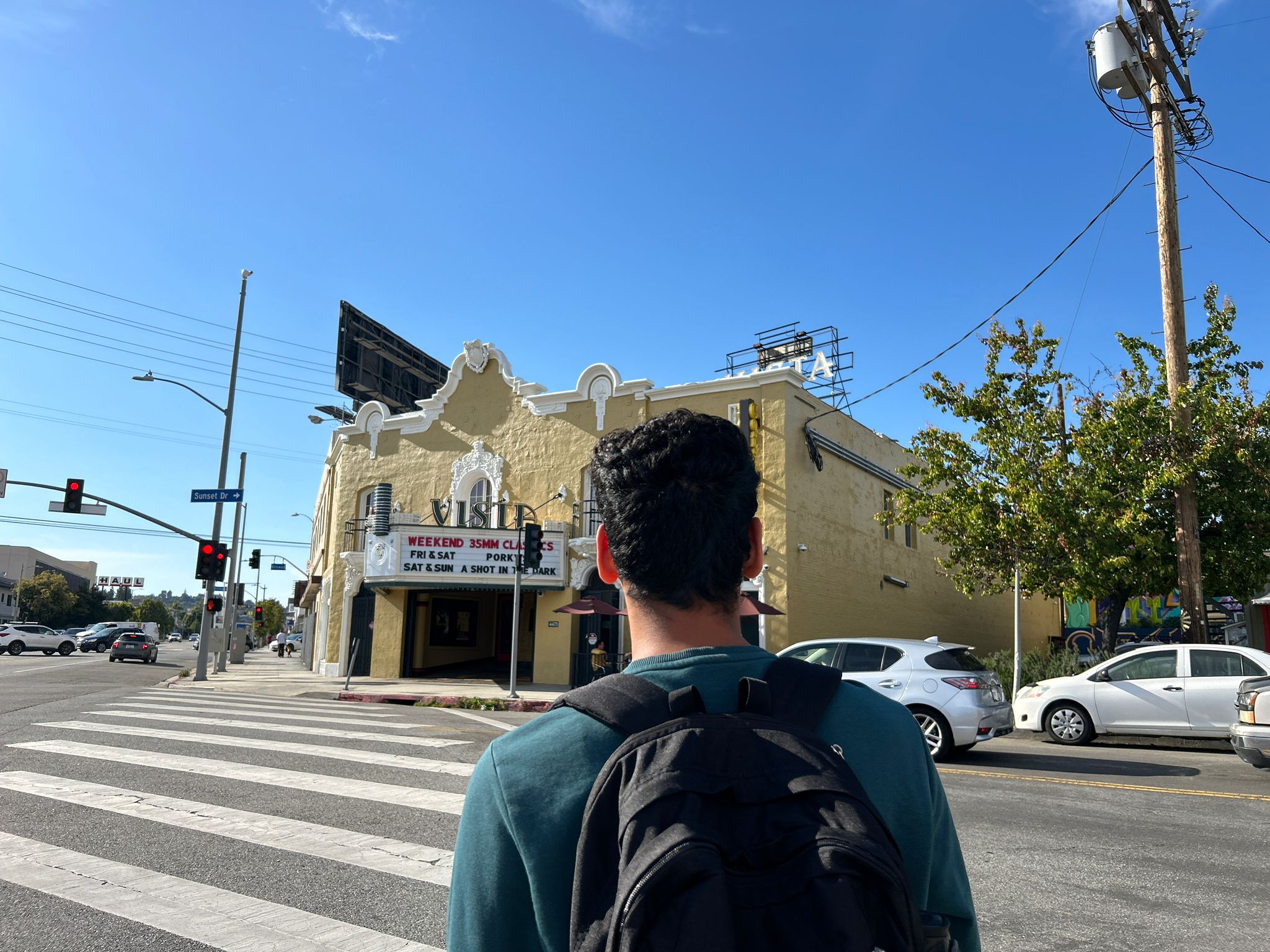
How’d you meet your business partner?
One of the creative collectives I am part of today is NOMADS Production, a small but very international production group focused on creating narrative films, branded content and visual storytelling projects.
The interesting thing is that NOMADS did not start as a formal company or business plan. It really began through friendships and collaborations that formed during my time at the New York Film Academy in Los Angeles. The environment there was incredibly international. People had come from different countries, cultures and creative backgrounds, but somehow we all ended up in the same place chasing the same goal. We wanted to make strong visual stories.
Most of those relationships developed on film sets at school. You would spend long days together solving problems, setting up shots, adjusting lighting, running between locations and trying to bring a story to life. Sometimes those days were exhausting, sometimes chaotic, but they were also where you discovered who you worked well with creatively.
Over time a small group of us realized that we shared the same mindset about storytelling and production. We were all interested in making films, music videos, commercials and other visual work that felt cinematic and thoughtful. That is when the idea of NOMADS started taking shape.
The name itself reflects our backgrounds. None of us come from the same place and many of us have worked across different countries and cultures. That diversity became a strength because it meant every project carried slightly different creative influences.
Since then we have collaborated on a wide range of projects together. Narrative films, festival pieces, branded campaigns and music videos. Some of the films have gone on to receive recognition at film festivals, while other projects have been commercial work for brands and creative partners.
For me the most rewarding part of NOMADS is that it grew very organically. It was never just about starting a production group. It was about building a community of collaborators who genuinely enjoy creating together.
That shared creative energy is really what defines NOMADS.
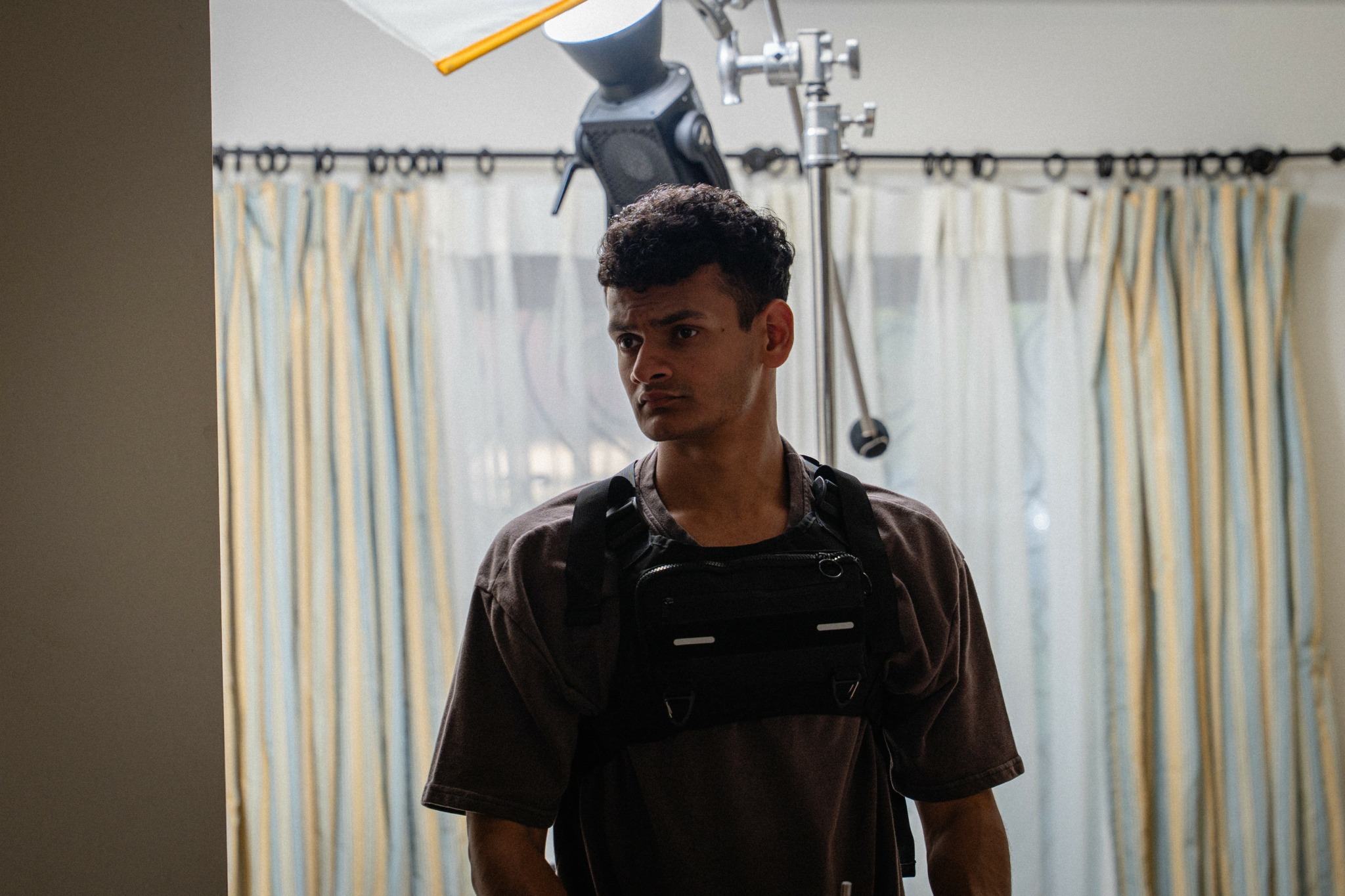
Learning and unlearning are both critical parts of growth – can you share a story of a time when you had to unlearn a lesson?
One thing I had to unlearn early in my career was the idea that creative work has to be perfect before you put it out into the world.
When you first start out in film or media, it is very easy to get stuck trying to make everything flawless. You want the perfect script, the perfect shot, the perfect edit. The problem is that waiting for perfection can slow you down so much that you stop creating altogether.
Working in production changed that mindset for me pretty quickly. When you are on real projects with real timelines and real teams, you realize that storytelling is a living process. Ideas evolve. Scenes change. Unexpected problems appear on set and you have to adapt. The goal is not perfection. The goal is progress and execution.
Another lesson I had to learn was that creativity and structure actually need each other. Early on I thought creative work was mostly about inspiration and artistic instinct. Over time I realized that the strongest creative projects are usually supported by very clear systems. Planning, communication, collaboration and good production management.
That shift in thinking has shaped how I approach my work today as a media producer and director. I still care deeply about the creative side of storytelling, but I also value the structure that allows those ideas to come to life. When those two things work together, creativity becomes much more sustainable.
Contact Info:
- Instagram: https://www.instagram.com/zemophotographer?igsh=NTc4MTIwNjQ2YQ%3D%3D&utm_source=qr
- Linkedin: http://linkedin.com/in/karthikgp
- Other: https://vimeo.com/1042698893