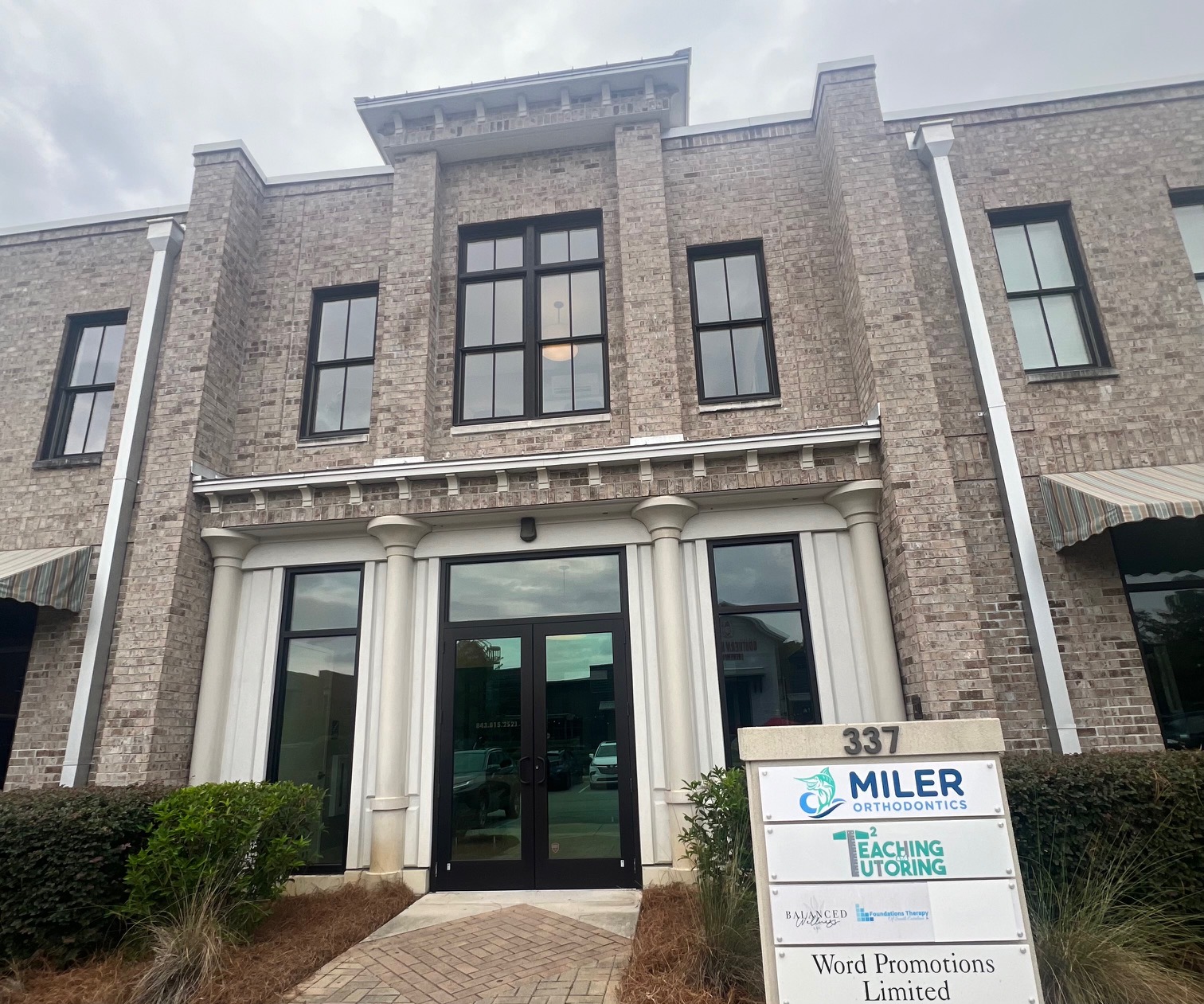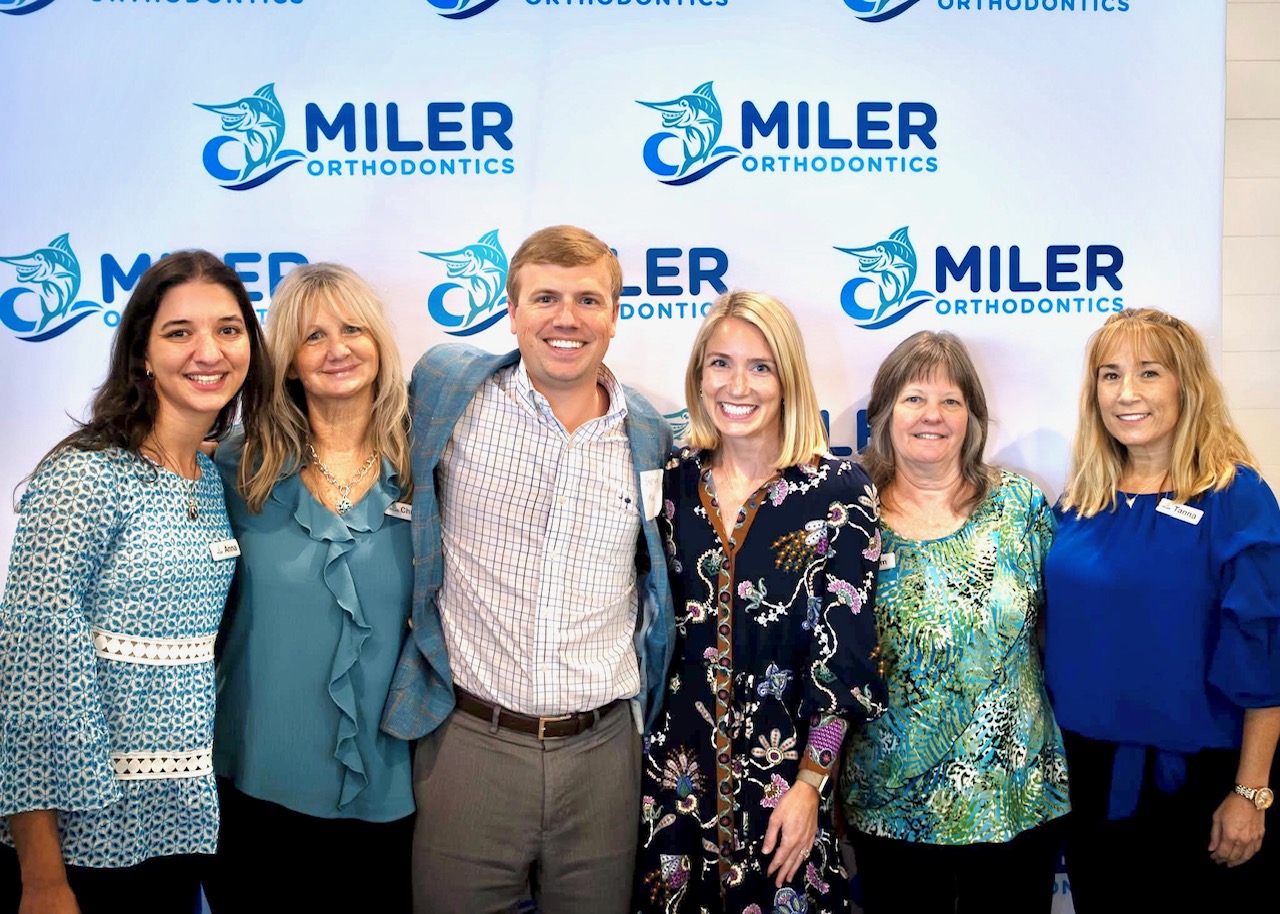

We’re excited to introduce you to the always interesting and insightful Sherwood Miler. We hope you’ll enjoy our conversation with Sherwood below.
Sherwood, appreciate you joining us today. Setting up an independent practice is a daunting endeavor. Can you talk to us about what it was like for you – what were some of the main steps, challenges, etc.
Starting my own orthodontic practice wasn’t something that happened overnight. Like most orthodontists, the idea developed gradually while I was working and gaining experience. I had always been interested in ownership because it gives you the opportunity to shape the patient experience, build relationships in your community, and create a culture within your team. Eventually the right opportunity presented itself when I purchased an orthodontic practice from a doctor who was retiring.
The early days involved a lot more than just practicing orthodontics. Clinically, I already felt comfortable, but the business side required learning quickly. One of the first steps was making sure the transition for patients and staff was smooth. Maintaining trust with existing patients and referring dentists was critical, so I spent a lot of time introducing myself to the local dental community and making sure they knew I was committed to continuing excellent care.
Operationally, there were many pieces to put in place. That included evaluating systems, managing staff, learning the financial side of running a practice, and improving workflow so we could treat patients efficiently while still providing a great experience. I also focused on building strong relationships with the team because culture in a small practice matters tremendously.
One of the biggest challenges early on was simply the number of roles you have to fill as a new owner. You go from being primarily a clinician to also being responsible for leadership, marketing, HR, finances, and strategy. Balancing those responsibilities while continuing to provide excellent patient care can be demanding, especially in the beginning.
Another challenge is understanding how important referrals and relationships are in orthodontics. Building trust with general dentists and becoming part of the local professional community takes time. That’s something I’ve invested heavily in because those relationships are foundational to long-term growth.
Looking back, there are definitely things I would approach differently with the knowledge I have now. I would spend more time earlier on developing clear systems for scheduling, case presentation, and patient flow. Those systems make a huge difference in efficiency and growth. I also would have focused even sooner on marketing, communication with referring dentists, and establishing a clear vision for the culture of the practice.
For young professionals considering starting their own practice, my advice would be to focus on three things. First, become an excellent clinician. That foundation builds confidence for both you and your patients. Second, understand that running a practice is as much about leadership and relationships as it is about clinical skills. Surround yourself with a strong team and invest in them. Third, be patient. Building a thriving practice doesn’t happen overnight, but if you consistently focus on excellent care, strong relationships, and good systems, growth will follow.
Owning a practice is challenging, but it’s also incredibly rewarding. You have the opportunity to build something meaningful, serve your community, and create an environment where both patients and team members feel valued.
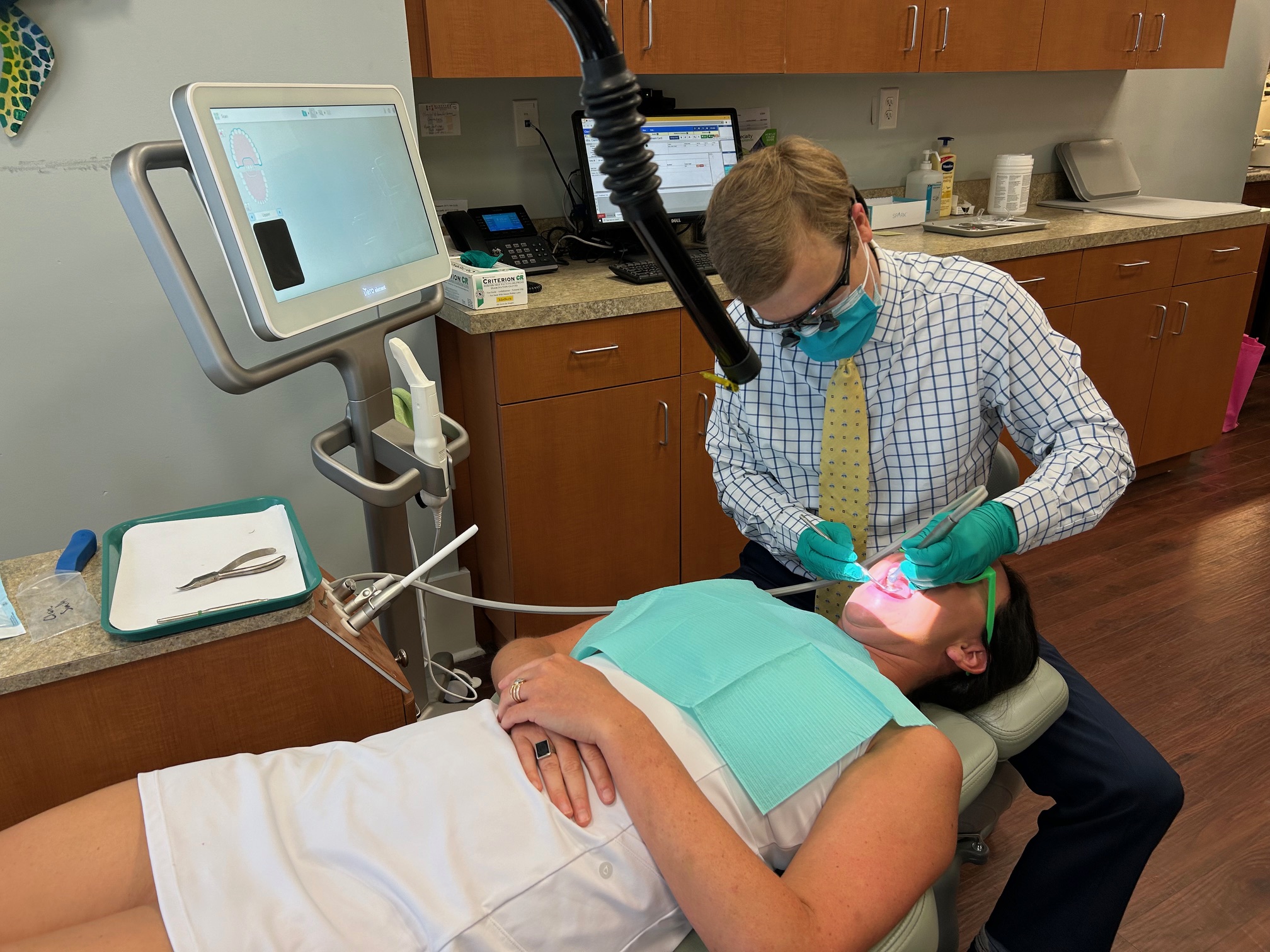
Sherwood, love having you share your insights with us. Before we ask you more questions, maybe you can take a moment to introduce yourself to our readers who might have missed our earlier conversations?
I’m Dr. Sherwood Miler, an orthodontist and the owner of Miler Orthodontics, which serves patients in Bluffton and Beaufort, South Carolina. My focus is helping children, teens, and adults achieve healthy, confident smiles through orthodontic treatment such as braces and clear aligners.
My path into orthodontics began during my undergraduate years at the College of Charleston, where I studied biology. I was drawn to healthcare because I wanted a career that combined science, problem-solving, and working directly with people. Dentistry appealed to me because it allows you to make a tangible difference in someone’s life. Orthodontics, in particular, stood out because it blends precision, long-term planning, and artistry. You’re not just fixing teeth—you’re helping guide growth, improve function, and often significantly boost someone’s confidence.
After completing dental school and orthodontic training, I eventually had the opportunity to purchase an established orthodontic practice from a retiring doctor. That transition allowed me to step into practice ownership while continuing to serve an existing patient community. Since then, my focus has been on building a practice that provides excellent clinical care while creating a welcoming, positive environment for patients and staff.
At Miler Orthodontics, we provide comprehensive orthodontic care including braces and clear aligner therapy for children, teenagers, and adults. Many patients come to us for traditional orthodontic concerns such as crowded teeth, bite issues, or spacing, but orthodontic treatment can also play an important role in improving long-term dental health and function. Every patient’s case is different, so a big part of our job is designing a treatment plan that fits their individual needs and lifestyle.
One of the things that sets our practice apart is the emphasis we place on relationships. Orthodontic treatment often takes place over many months or even years, so building trust with patients and families is extremely important. We also work closely with local general dentists and pediatric dentists to coordinate care and make sure patients receive the best possible outcomes.
Another important part of our approach is efficiency and organization. Orthodontic practices can see a high number of patients each day, so having strong systems and a well-trained team helps us deliver care in a way that respects our patients’ time while maintaining a high standard of treatment.
What I’m most proud of is the team and culture we’ve built. In a small healthcare practice, your team makes all the difference. When patients walk through the door, they’re greeted by people who genuinely care about them and want them to have a great experience. Creating that environment is something I take very seriously.
I’m also proud of being part of the local community. Practices like ours depend heavily on relationships with patients, families, and referring dentists, so staying involved and building those connections is very important to me.
For potential patients and families, the biggest thing I want them to know is that orthodontic treatment is not just about aesthetics. While a beautiful smile is certainly a great outcome, orthodontics also improves function, oral health, and long-term stability of the bite. Our goal is to provide treatment that helps patients feel confident about their smiles for many years to come.
Ultimately, orthodontics is a field where science, technology, and personal relationships all intersect. Being able to help people improve their smiles while building lasting relationships in the community is what makes the profession so rewarding.
Do you have any insights you can share related to maintaining high team morale?
Managing a team and maintaining high morale starts with understanding that the people around you are the most important part of the practice. In a healthcare setting, especially in orthodontics, your team interacts with patients just as much—if not more—than the doctor does. Creating a positive culture where everyone feels respected and valued is essential.
One of the most important things I’ve learned is the value of clear communication. When expectations are clear and everyone understands their role, it reduces stress and helps the practice run smoothly. Regular team meetings and open communication also give staff the opportunity to share ideas or concerns, which helps people feel heard and involved.
Another key factor is appreciation. In a busy orthodontic office, the pace can be fast and the days can be demanding. Taking time to recognize the hard work of your team—whether it’s through simple encouragement, celebrating milestones, or acknowledging when someone goes above and beyond—can make a big difference in morale.
I also believe strongly in investing in your team. Training, continuing education, and opportunities to grow professionally not only improve the practice but also show employees that you care about their development and long-term success.
Consistency and fairness are also critical. When team members know that expectations are the same for everyone and that decisions are made thoughtfully and fairly, it builds trust within the group.
Finally, I think it’s important to lead by example. As the leader of the practice, your attitude sets the tone for the entire office. If you remain positive, focused, and supportive—even during busy or stressful times—it helps create an environment where people want to work together and take pride in what they do.
At the end of the day, a strong team culture doesn’t happen by accident. It comes from being intentional about communication, appreciation, and creating a workplace where people feel supported and motivated to do their best.
Are there any books, videos or other content that you feel have meaningfully impacted your thinking?
Several books and leadership resources have influenced the way I think about management and entrepreneurship over the years. One that had a significant impact on me is the book Good to Great by Jim Collins. The concept of “Level 5 Leadership”—leaders who combine humility with strong professional will—really resonated with me. The book also emphasizes surrounding yourself with the right people first and then determining the direction of the organization, which is something I think is extremely important when building a strong team.
Another influential book for many entrepreneurs is The E‑Myth Revisited by Michael E. Gerber. One of the key ideas from that book is that many professionals start businesses because they’re skilled at the technical work, but running a business requires a completely different set of skills. The idea that business owners must work on the business, not just in the business is a valuable perspective for anyone building a practice.
I’ve also appreciated books focused on leadership and team culture, such as First, Break All the Rules by Marcus Buckingham and Curt Coffman. The research behind that book is based on tens of thousands of interviews with managers and emphasizes understanding each employee’s strengths and helping them perform at their best rather than trying to force everyone into the same mold.
Another classic that I think many leaders benefit from is The One Minute Manager by Ken Blanchard and Spencer Johnson. It simplifies management into a few practical ideas—clear goals, quick recognition when people do things well, and addressing issues early. Despite being a short book, it’s sold millions of copies and remains influential because of how practical the lessons are.
Beyond books, I think one of the most valuable ways to develop entrepreneurial thinking is simply learning from other business owners. Conversations with colleagues, mentors, and other professionals often provide insights that you can’t get from a book alone.
Ultimately, the biggest lesson across all of these resources is that successful leadership comes down to people, systems, and consistency. Building a strong team, creating efficient systems, and maintaining a clear long-term vision are what allow a practice or business to grow and thrive over time.
Contact Info:
- Website: https://www.milerorthodontics.com/
- Instagram: https://www.instagram.com/milerorthodontics/
- Facebook: https://www.facebook.com/milerorthodontics/
- Youtube: https://www.youtube.com/@MilerOrthodontics?app=desktop