
We recently connected with Jarrod Boggarty and have shared our conversation below.
Jarrod, appreciate you joining us today. Let’s jump right into how you came up with the idea?
The idea really came from a lifelong love of music and storytelling. I grew up surrounded by the sounds of soul, gospel, jazz, and hip-hop, and I was always fascinated by how music could make people feel something deeper than words alone. Over time I started imagining music not just as individual songs, but as worlds where different voices, emotions, and characters could live together. That’s where the concept began to take shape.
I wanted to create music that blends the richness of live musicianship—things like horns, gospel harmonies, and jazz textures—with modern rhythms and storytelling. Instead of staying inside one lane, I started building a creative universe where different artists and perspectives could exist while still sharing the same musical soul. The idea was to create something cinematic and emotional that people could connect to, whether they’re listening to a love song, a reflective piece, or a story about life’s struggles and joys.
At its core, the idea came from wanting to create music that helps people feel understood. Music has always been a bridge between people, and I wanted my work to reflect that same spirit of connection.
Awesome – so before we get into the rest of our questions, can you briefly introduce yourself to our readers.
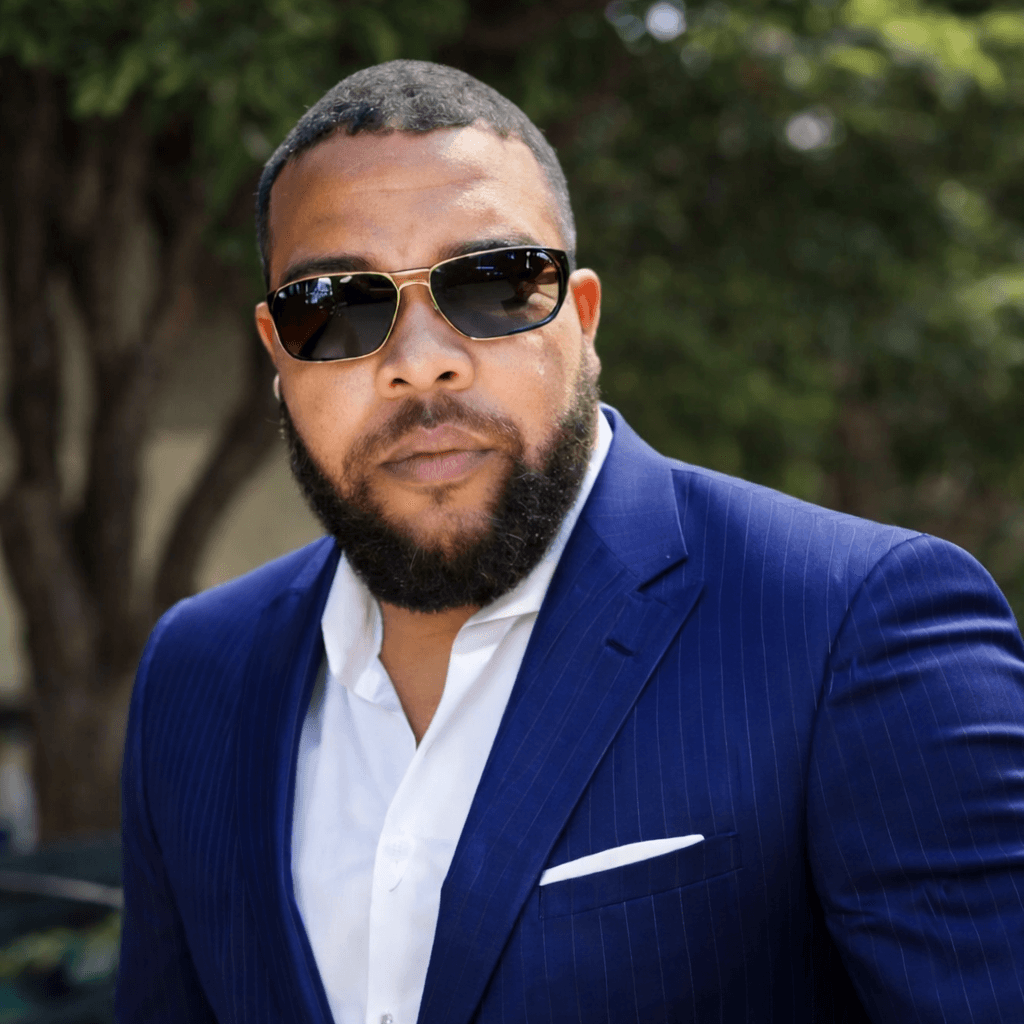
My name is Jarrod Boggarty, and many people know me through my platform, the Lost in Translation Podcast. At my core, I’m a storyteller, musician, and communicator who believes that music and conversation are two of the most powerful ways to bring people closer to truth and understanding.
My story really begins in the church. I grew up in a family where faith was not just something we talked about—it was a way of life. My father served as a deacon, my mother was a deaconess, and my grandparents were deeply rooted in the church. In many ways, my grandmother helped shape my spiritual foundation. I like to say my mom fixed my lunchbox for school, but my grandmother fixed my spirit. She was constantly giving me scripture and helping me understand the deeper meaning behind it.
Music entered my life very early. When I was about five years old, I saw a cartoon with a crab dancing across a piano playing boogie-woogie. Later that day at Bible study, there was an old piano in the back of the church, and I tried to play what I remembered hearing. People were shocked that I could play it by ear. My father wasn’t surprised, though—he had been a radio announcer and gospel DJ, so our house was always filled with records and music.
Soon after that, my father bought a piano and connected me with a classical teacher named Mr. McDonald. He taught me discipline and the foundations of music. The first piece he had me learn was Moonlight Sonata, which felt incredibly challenging at that age. But more than anything, he taught me that music isn’t just something you play—it’s something you feel. Later I studied with another teacher who introduced me to gospel and secular styles together, and that’s when I started realizing that most modern music—blues, jazz, rock, soul—traces back to gospel roots.
Growing up, I was surrounded by different musical influences. My dad had a huge record collection, and one of the albums that shaped me the most was Songs in the Key of Life by Stevie Wonder. What fascinated me was how each song told a story. That’s when I realized that music isn’t just sound—it’s a form of storytelling that can carry wisdom and emotion across generations.
At the same time, I was active in church choirs and sang tenor while continuing to develop my skills on piano. Music and ministry were always intertwined in my life. I accepted Christ at eight years old, and that experience shaped how I see the world. Faith has always been a guiding force for me, even during moments in life where I tested boundaries like most people do. There was a moment in my early twenties when a serious car accident almost happened during a rainy night drive. I remember praying in that moment, asking God to let us make it out safely. When the car finally stopped without flipping or crashing, it was a reminder that God’s hand had been on my life the whole time. That moment changed how seriously I took my walk and my purpose.
Over time, those experiences shaped both the music I create and the conversations I have through my platform.
Through the Lost in Translation Podcast, my focus is on helping people understand each other better. Many of the problems we see in culture today come from miscommunication, unresolved emotions, and people feeling unheard. My approach is centered around listening. When you truly listen to someone, you begin to understand where their beliefs, fears, and frustrations come from. That understanding builds empathy and allows real conversations to happen.
I often say that every conversation has three layers: the physical, the mental, and the spiritual. Most people think they’re only discussing surface issues, but deeper emotional and spiritual truths are usually underneath. My goal is to help people unpack those layers so they can communicate more clearly and build stronger relationships.
In addition to the podcast, music is still a huge part of my creative work. I’ve written over 300 songs and enjoy blending genres like gospel, neo-soul, jazz, hip-hop, and even country. I intentionally mix styles because it allows me to reach people who might not normally listen to gospel messages. Sometimes I’ll add things people don’t expect, like DJ scratches in gospel-inspired music or storytelling elements that feel more like soul or blues. It catches listeners off guard, and once I have their attention, I can deliver a message that encourages them.
One of the things people don’t always realize is that many of my songs contain hidden scripture references. I like to say that while some people talk about putting “magic” in music, I try to put a little bit of heaven in every hook. The goal is simple: if someone walks away remembering a line like “Jesus won’t let you down,” that seed might stay with them during a difficult moment in their life.
Another interesting part of my journey was moderating live discussions for Kevin Samuels for a period of time. That experience showed me how powerful conversations about relationships and accountability can be, even when they’re controversial. It also reinforced something I already believed: sometimes telling the truth isn’t popular, but it’s necessary if we want to rebuild families and communities.
What I’m most proud of is being able to use both music and conversation as tools to bring people closer to understanding—whether that’s understanding themselves, their relationships, or their faith. I believe real wealth isn’t just money or status. Real wealth is wisdom, knowledge, and the love of God being passed down to the next generation.
What I want people to know about me and my work is that everything I do comes from a place of service. Whether it’s a song, a podcast discussion, or a conversation with someone one-on-one, the goal is always the same: meet people where they are, help them see truth more clearly, and leave them with something that strengthens their spirit.
At the end of the day, music and dialogue are bridges. If we use them the right way, they can reconnect people to each other, to their families, and ultimately to God.
Is there something you think non-creatives will struggle to understand about your journey as a creative? Maybe you can provide some insight – you never know who might benefit from the enlightenment.
One of the biggest things people who aren’t creatives often struggle to understand is that creativity doesn’t really turn off. It isn’t just a job or a hobby you pick up and put down. It’s more like a lens through which you experience the world. When you’re a creative person, your mind is constantly processing ideas, sounds, stories, and emotions—even when you’re not trying to.
For example, when I hear a conversation between two people, I’m not just hearing the words they say. I’m also hearing the emotion behind it, the rhythm of how they speak, and the story hidden inside the moment. Sometimes a simple conversation can turn into a song idea or a podcast topic. That’s part of why I created the Lost in Translation Podcast—because so many misunderstandings in life come from people talking past each other instead of truly listening.
Another thing non-creatives may not realize is that creativity often comes with a deep sense of responsibility. When you create something—whether it’s music, writing, or a conversation platform—you’re shaping how people think and feel. That’s something I take very seriously. I’ve written hundreds of songs, and many of them carry messages rooted in faith, wisdom, and personal experience. Sometimes I even hide scripture inside the lyrics because I believe music can plant seeds in people’s hearts that might grow later when they need it most.
People also don’t always see the quieter side of being creative. There are long stretches of time spent thinking, reflecting, and refining ideas before anything ever reaches the public. The audience may only see a finished song or a podcast episode, but behind that moment are countless hours of observation, learning, and sometimes wrestling with your own thoughts.
Creativity can also feel isolating at times because you’re often trying to express something that doesn’t fully exist yet. You can hear the music in your mind or see the idea clearly, but you have to work to translate it into a form that others can experience. That process can be challenging, but it’s also deeply rewarding when someone hears a song or a message and says, “That’s exactly how I feel.”
For me, creativity is ultimately about service. Whether I’m writing music, hosting a conversation, or telling a story, the goal is to create something that helps people understand themselves and each other a little better. If a song encourages someone, or a conversation helps someone see a situation differently, then the creative work has done what it was meant to do.
I think once people understand that creativity is less about attention and more about communication, they begin to see why creatives dedicate so much of themselves to the process. It’s not just about making something—it’s about leaving behind something meaningful that can help someone else along the way.
Learning and unlearning are both critical parts of growth – can you share a story of a time when you had to unlearn a lesson?
One lesson I had to unlearn was the idea that being a leader means always being the one out front. When you’re the oldest child and the biggest kid in the room, people naturally look at you as the one who should take charge. For a long time, I thought leadership meant being the loudest voice, the one directing everything.
My father gave me a different perspective one day that changed how I see leadership. He told me that being the oldest doesn’t always mean standing in the spotlight. Sometimes leadership means stepping back so someone else can step forward. Sometimes you lead from behind the scenes, making sure things stay balanced without taking credit for it.
That lesson really shaped how I approach both music and conversations today. In a lot of creative industries, people are encouraged to dominate the space and constantly promote themselves. But my approach has always leaned more toward listening and observing. That mindset eventually became the foundation for the Lost in Translation Podcast, where the goal is not just to talk but to truly understand people.
Learning to lead through listening changed everything for me. When you listen carefully, you start to understand where people are coming from—their fears, their motivations, and the experiences that shaped them. That understanding creates empathy, and empathy leads to better communication.
In music, the same principle applies. A great song isn’t just about the artist expressing themselves—it’s about creating something that connects with the listener’s life and experiences. Sometimes the most powerful creative work comes from stepping back and letting the story speak for itself.
Unlearning that early idea of leadership helped me become more effective not only as a creative but also as a communicator. It taught me that influence doesn’t always come from being the loudest person in the room. Sometimes it comes from being the one who listens the most and understands the deeper story that others might miss.
In many ways, that lesson continues to guide everything I do today—whether I’m writing music, hosting conversations, or simply trying to help people understand each other better.
Contact Info:
- Instagram: https://www.instagram.com/lost_in_translation_podcast/
- Youtube: https://www.youtube.com/@Lostintranslationpodcast
- Other: https://www.tiktok.com/@lostintranslationpodcas7