

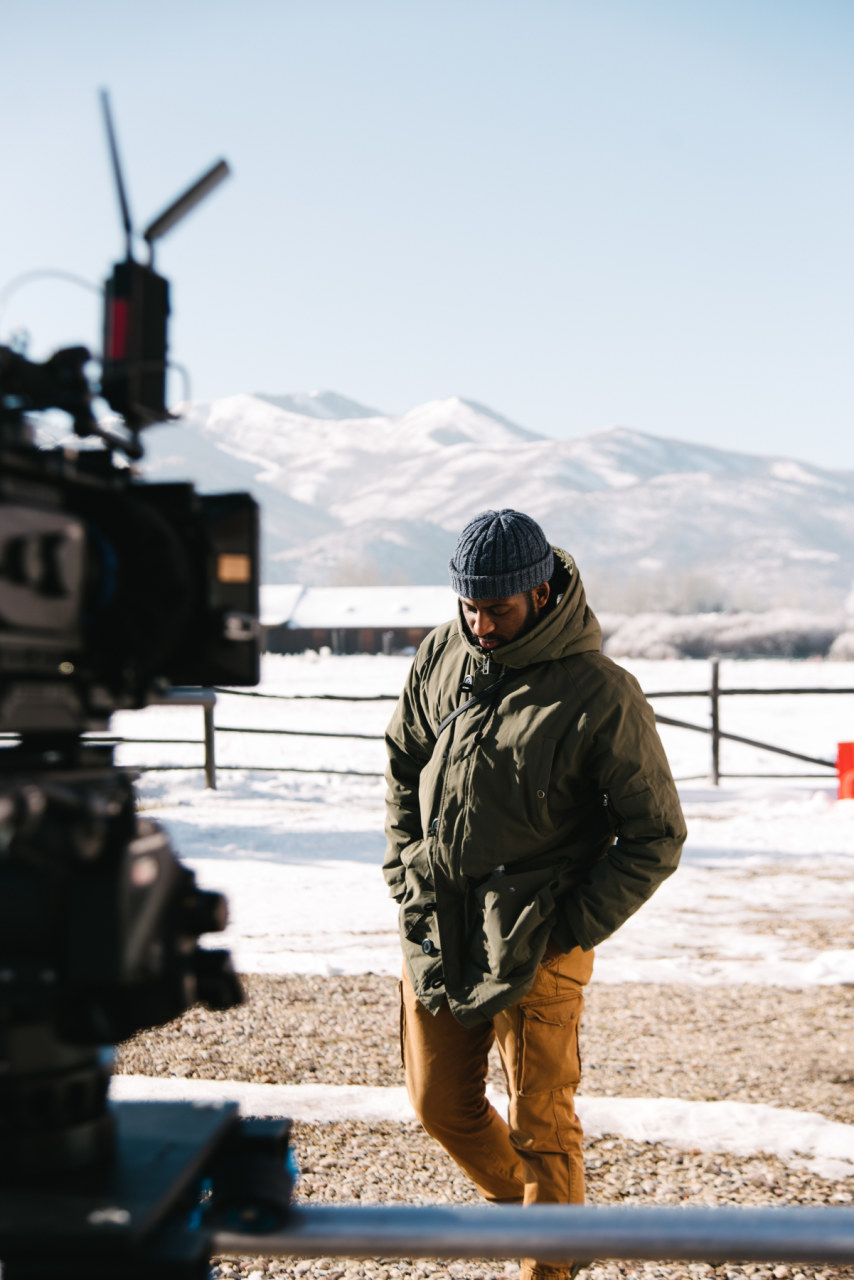

Alright – so today we’ve got the honor of introducing you to Themba Moyo. We think you’ll enjoy our conversation, we’ve shared it below.
Themba, thanks for joining us, excited to have you contributing your stories and insights. Did you always know you wanted to pursue a creative or artistic career? When did you first know?
Looking back, the path probably started forming long before I consciously realized it.
I grew up behind a camera. My father was a soccer coach, and when I was young he encouraged me to start filming his matches. At first it was just something fun to do. I’d show up to the games with a camera, capture the action, and at the end of the season I would edit together a highlight recap for the team.
I started editing when I was about thirteen, which was long before YouTube existed. So the process felt very hands on and intentional. I was experimenting with how to cut moments together, how music could elevate a goal or a tackle, how pacing could build excitement. Without really realizing it, I was learning storytelling through sport.
At the same time, soccer was my entire world. I eventually played as a college athlete, so my childhood was deeply rooted in competition, training, and team culture. My life naturally revolved around the rhythm of sport.
When I got to university and studied telecommunications, I began taking film history courses during the summers. We studied early century cinema, mid century cinema, and how visual language evolved over time. That’s when my love for cinema really deepened.
Watching Apocalypse Now was a turning point for me. It completely changed how I saw filmmaking. The use of color, the scale of the storytelling, the way scenes were staged and blocked with so much intention. It made me realize that film wasn’t just about recording images, it was about creating atmosphere and emotional gravity through visual choices.
At some point those two worlds clicked together in my mind. The drama that filmmakers build into cinema already exists naturally in sport. Competition, character, tension, triumph. Sport is full of cinematic moments waiting to be captured.
That realization made things clear for me. I didn’t have to choose between my love for soccer and my passion for filmmaking. My creative path could live right at the intersection of both.
Even today, that foundation still drives the work I do. I’m always chasing that same feeling I had as a kid editing those early season recaps. Taking real athletic moments and shaping them into stories that feel cinematic and larger than life.
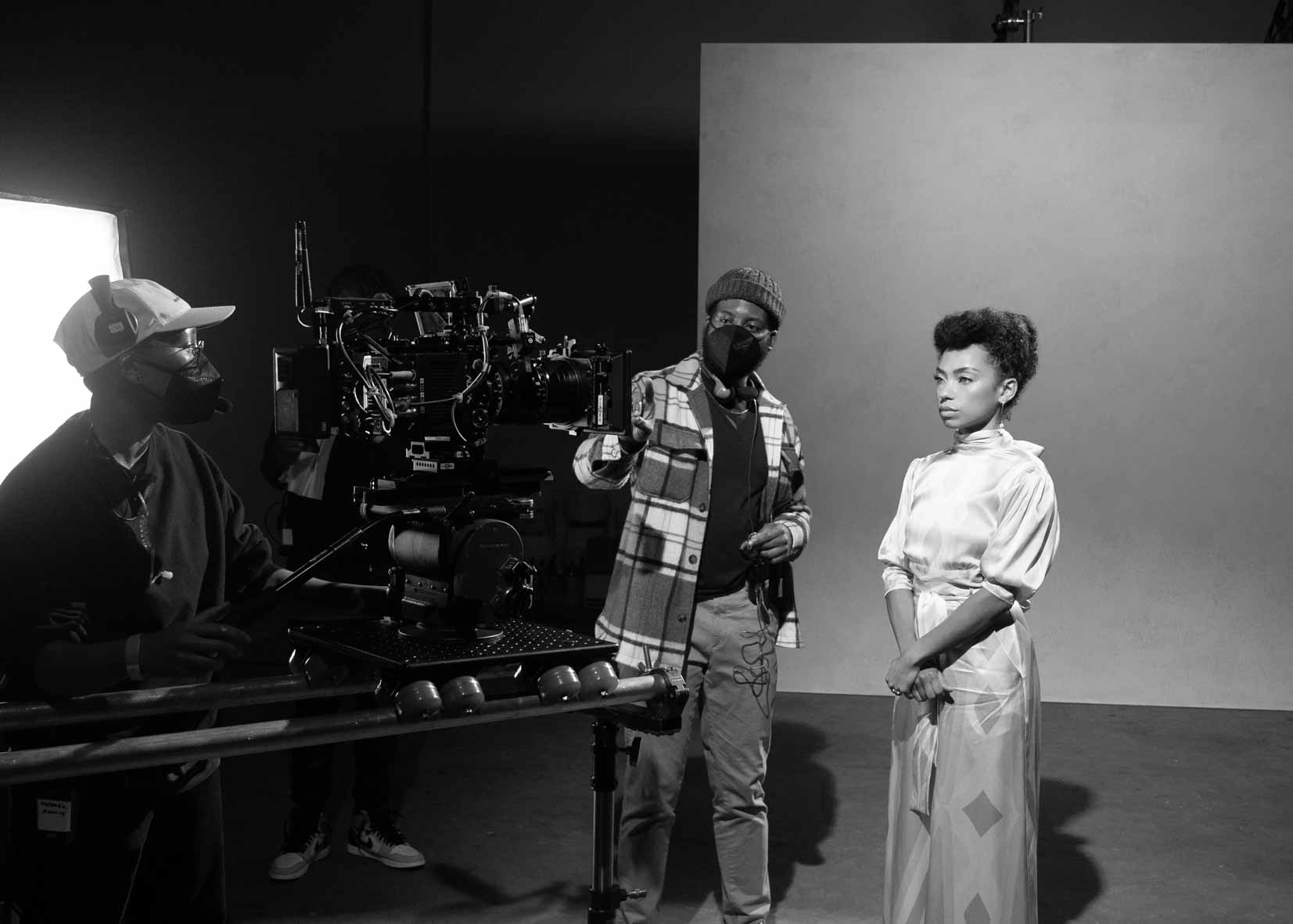
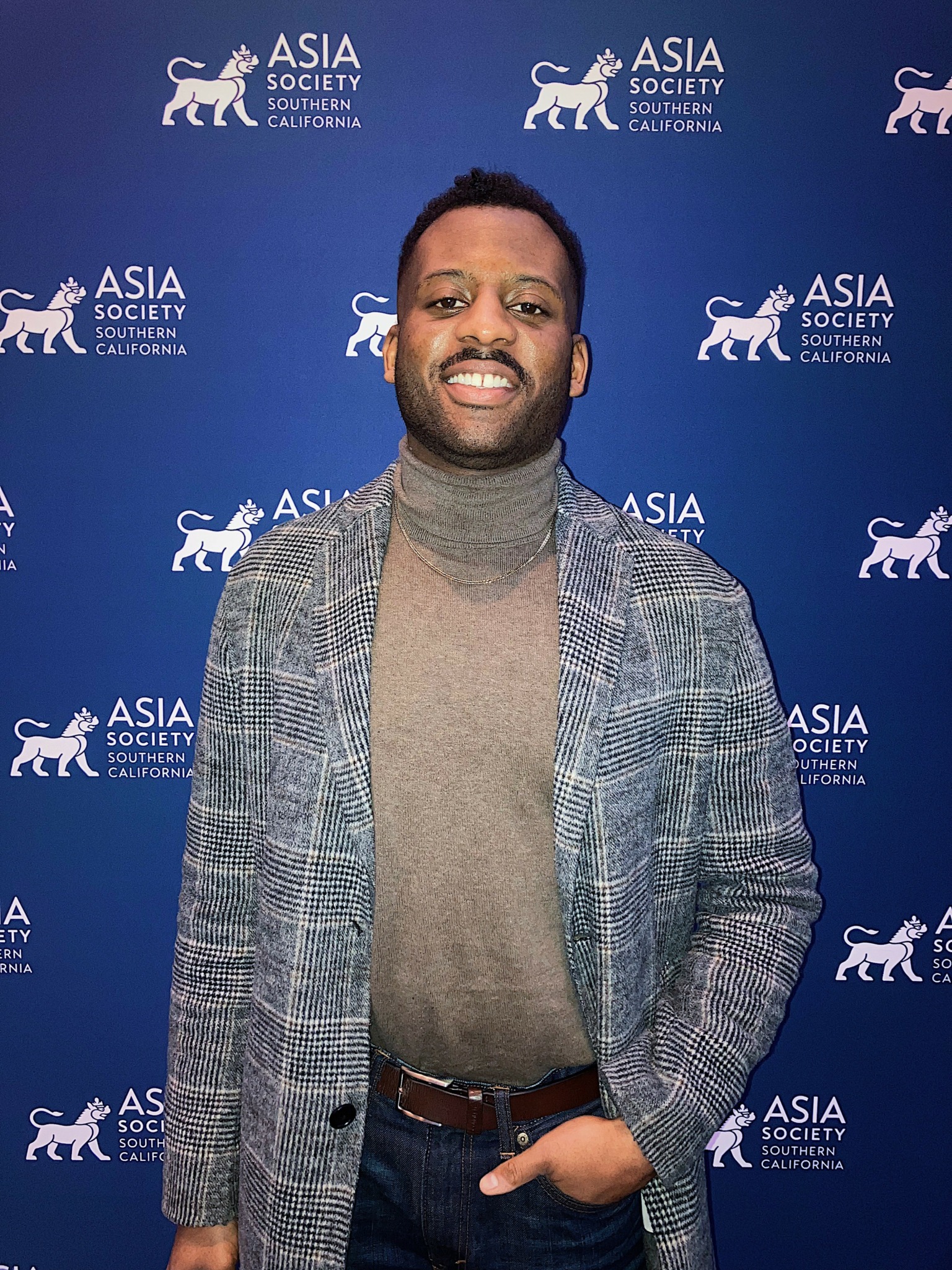
Themba, before we move on to more of these sorts of questions, can you take some time to bring our readers up to speed on you and what you do?
I’m a producer and storyteller whose work sits at the intersection of cinema, culture, and sport. At the core of everything I do is a fascination with human stories. I’ve always been drawn to moments where character, struggle, and hope reveal something deeper about people.
My path into storytelling was shaped by a mix of creative curiosity and international experiences. During my undergraduate studies in telecommunications, I spent time studying in Egypt, which had a profound impact on the way I saw the world. Being surrounded by centuries of architecture, design, and geometric form created a real sense of awe for me. It made me appreciate how powerful visual environments can be and how storytelling can exist not just in narrative, but in shape, space, and atmosphere.
When I went back to school for my MFA in Creative Producing, I also had the opportunity to intern at The 68th Festival De Cannes in France. Being there exposed me to the global film ecosystem in a way that was incredibly formative. I was able to see how stories travel internationally through distribution, acquisitions, and exhibition. It opened my eyes to the fact that filmmaking isn’t just an artistic pursuit, it’s also a global language and an industry that connects audiences across cultures.
Those experiences shaped the way I approached my early professional work. I became deeply interested in production as both a creative and structural discipline. Producing is about building the architecture that allows a story to exist, assembling the right people, resources, and creative direction to bring an idea to life.
That perspective eventually led me to work on projects connected to major platforms such as Netflix, Disney+, Pixar, and YouTube Originals. Those opportunities allowed me to develop a strong foundation in production and storytelling at scale, working with teams that were creating content for global audiences.
Over time, my career naturally gravitated toward sports entertainment. In many ways, sport is one of the most powerful storytelling environments that exists. The themes that define great films are already present in competition: hope, perseverance, character, rivalry, triumph, and loss. Athletes are living out real narratives in real time.
My background as both an athlete and a filmmaker made that space feel like a natural home for my work. Today I produce cinematic sports content and athlete driven stories, including international productions for the Professional Fighters League across Europe and the Middle East. My focus is always on capturing the emotional and human side of competition, elevating sport into something that feels cinematic and culturally resonant.
What I believe sets my work apart is that I approach every project through the lens of story first. Whether it’s a documentary, branded content, or sports entertainment, I’m always asking the same question: what is the human story at the center of this moment?
That philosophy also carries into my personal creative projects. Through my photography brand, The Moyo Collections, I explore visual storytelling through landscape and atmosphere, creating fine art photography that reflects a cinematic approach to composition and environment.
Ultimately, what I’m most proud of is being able to build a career around stories that explore character and ambition. Whether those stories unfold on a film set, within a landscape, or inside an arena filled with athletes, the goal is always the same: to create work that connects with people on a human level and reminds them of what’s possible.
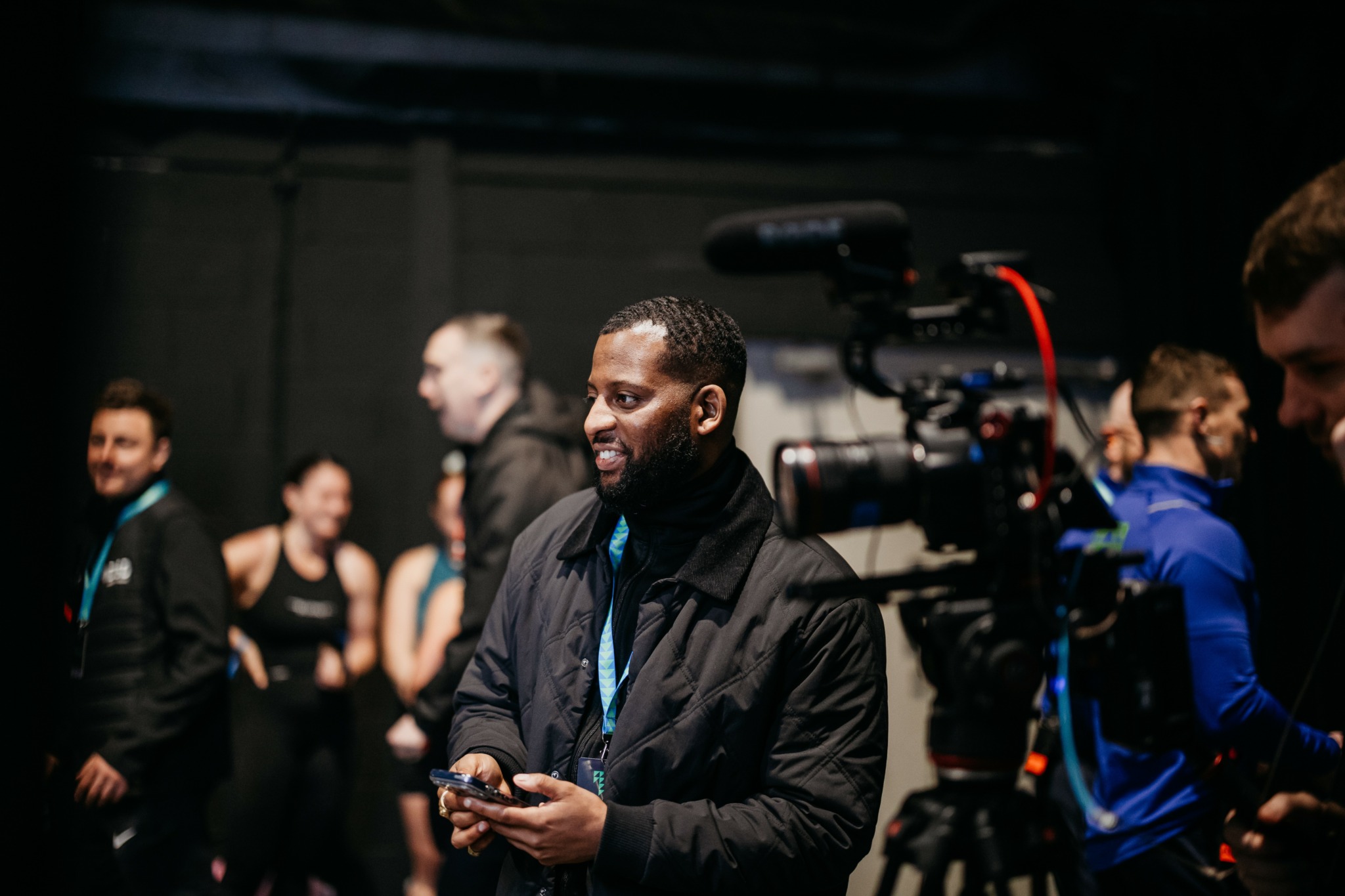
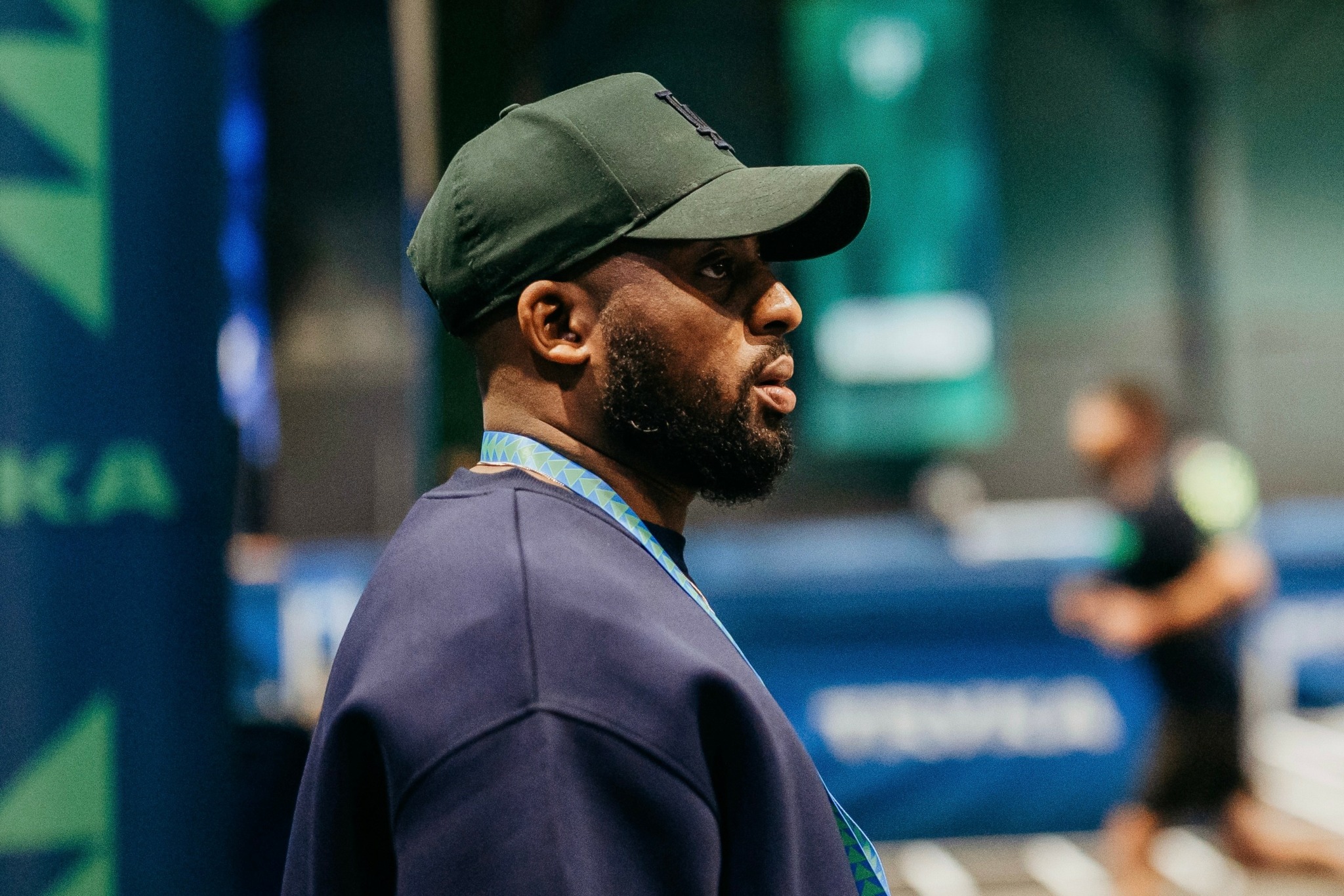
Can you share a story from your journey that illustrates your resilience?
One chapter of my journey that really shaped my resilience was my time building my career in Los Angeles.
Like a lot of people who come to LA to work in film and television, I started at the very bottom. I was working as an assistant, learning the industry from the ground up. Those early years were humbling, but they were also incredibly formative. You’re observing everything. How sets run, how creative decisions are made, how teams communicate under pressure.
What kept me going during that period was curiosity. I wasn’t just focused on the task in front of me, I was constantly trying to understand the larger structure behind the work. How projects moved from an idea to a production, and how producers built the environment that allowed creative teams to thrive.
Over time those lessons began to compound. I started taking on more responsibility, contributing creatively, and helping shape projects in a bigger way. Eventually that journey led to an opportunity to produce two digital series for Disney+. That experience was a huge milestone for me because it represented a full circle moment. I had gone from supporting productions behind the scenes to leading projects and guiding the creative and logistical direction of the series.
But what made that moment meaningful wasn’t just the title or the platform. It was the realization that resilience in this industry is really about patience and persistence. Film and television careers are rarely linear. You have to be willing to start small, learn constantly, and keep pushing forward even when progress feels slow.
That lesson has stayed with me as my career has continued to evolve internationally. Whether I’m producing content for global platforms or developing cinematic storytelling within sports entertainment, I still carry that same mindset with me.
Stay curious, stay patient, and keep building.
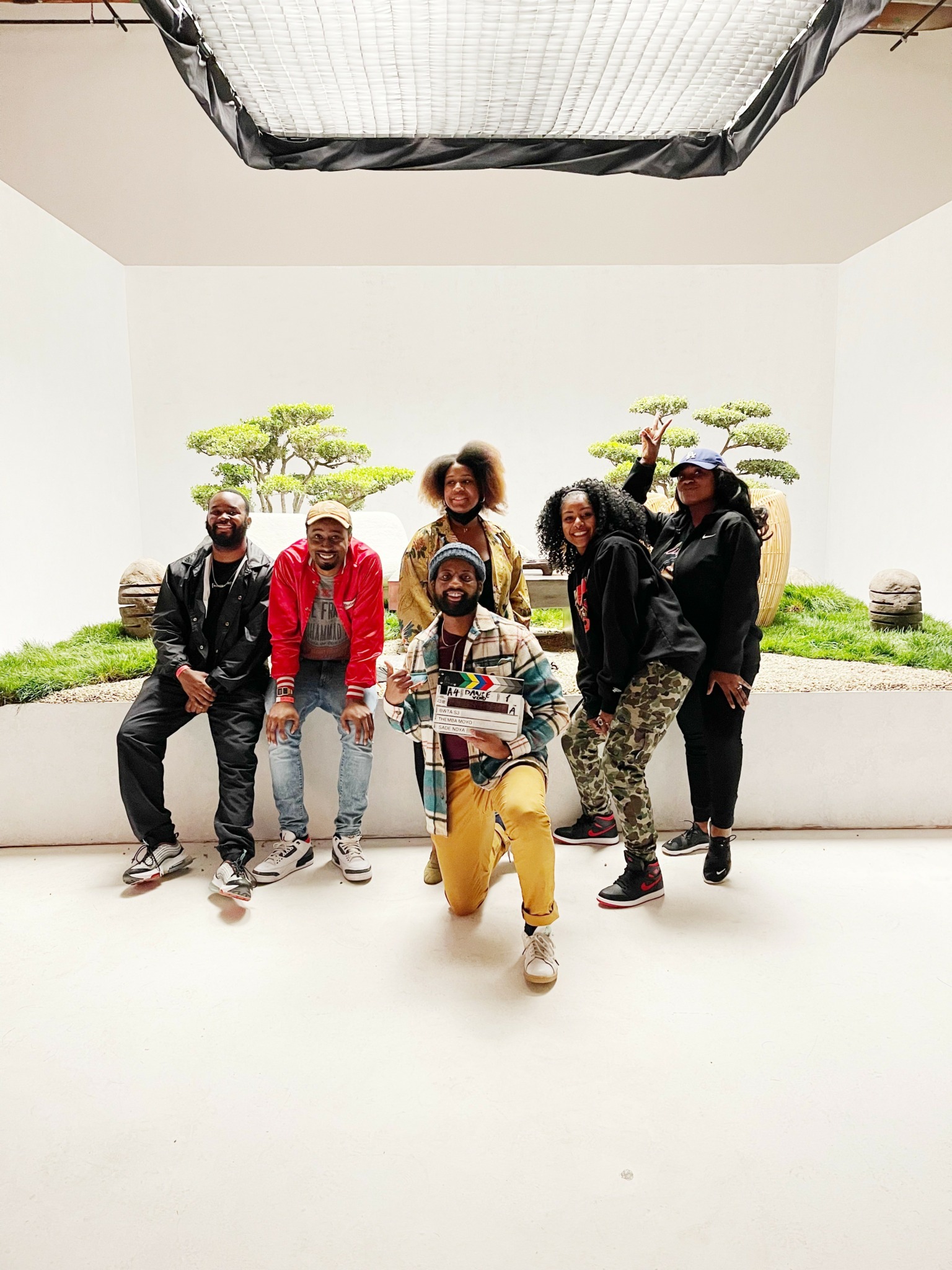
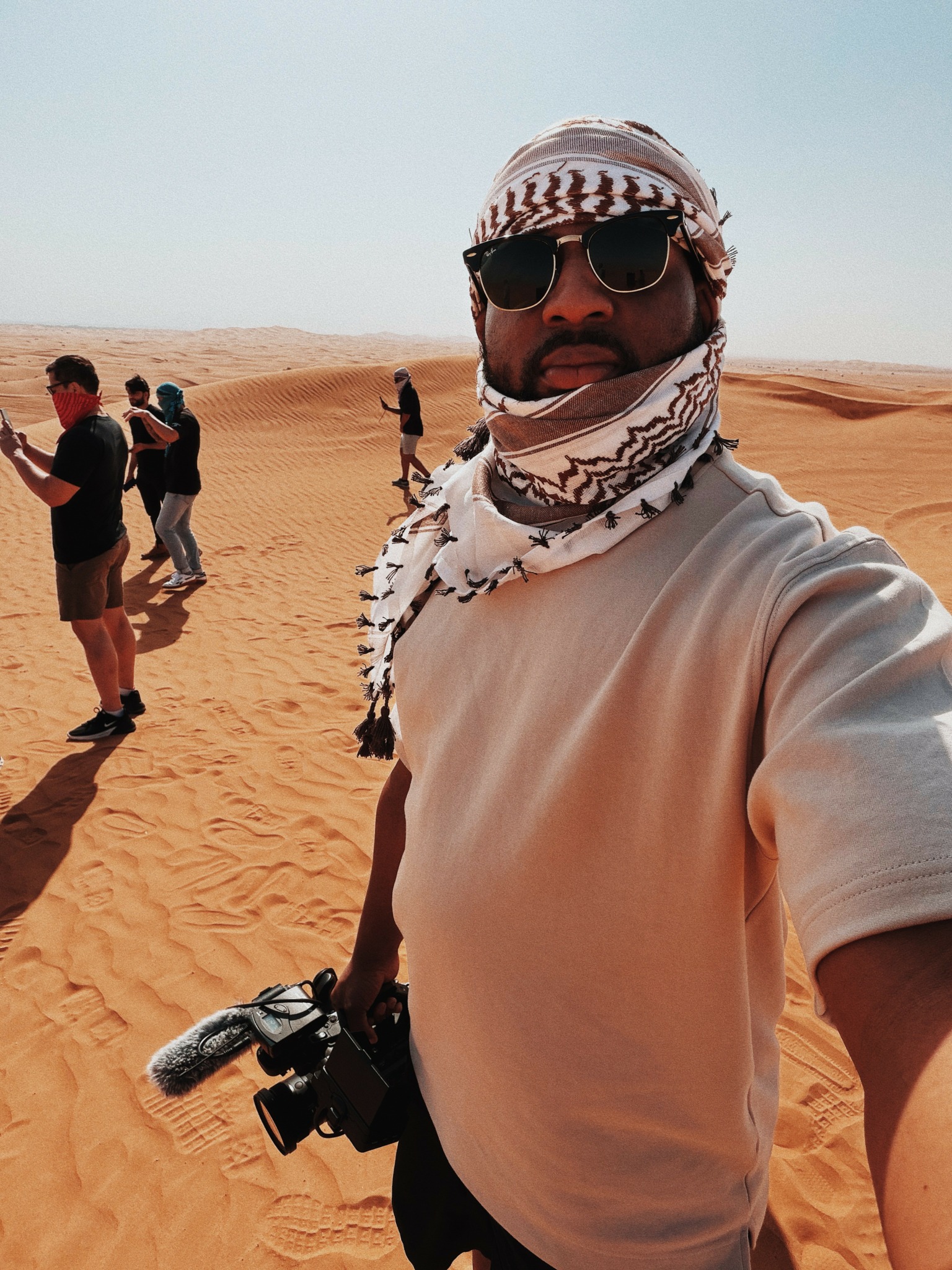
Is there something you think non-creatives will struggle to understand about your journey as a creative?
One thing I think people outside creative industries sometimes misunderstand is how much of the work is actually about learning the architecture behind storytelling.
From the outside, people tend to see the visible moments. A series launch, a production credit, a big platform release. What they don’t always see are the years spent studying how stories are built and how the industry functions around them.
Early in my career in Los Angeles, I spent a lot of time working as an assistant in different parts of the film ecosystem. At International Film Trust, I was reading five to seven feature film screenplays a week, as well as screening potential film that we could acquire as a company. That experience sharpened my understanding of structure, character, and pacing, but it also exposed me to the distribution side of the industry. I started to see how films travel across international territories and how the business decisions behind the scenes shape what ultimately reaches an audience.
After that, I was assisting a talent manager at 831 Entertainment, which meant reading scripts and pitching actors and actresses across town for commercials, television shows, and feature films. That role introduced me to casting directors, network executives, and studio teams, and it gave me another perspective on how projects move from development into production.
What that period gave me was a top down view of the entire system. From the first spark of an idea in a screenplay, to production, to post production, and ultimately distribution.
Those years might not look glamorous from the outside, but they are where you develop the instincts that eventually allow you to lead projects as a producer. You begin to understand not just how to tell a story, but how to build the environment that allows that story to exist.
That’s something I carry with me today in every project I work on. Whether it’s film, television, or sports entertainment, I’m always thinking about the same thing. What is the human story here, and how do we build the right structure around it so it resonates with audiences.
Contact Info:
- Website: https://www.thembamoyo.com
- Instagram: @temoyo
- Linkedin: https://www.linkedin.com/in/thembamoyo
- Other: https://www.themoyocollections.com
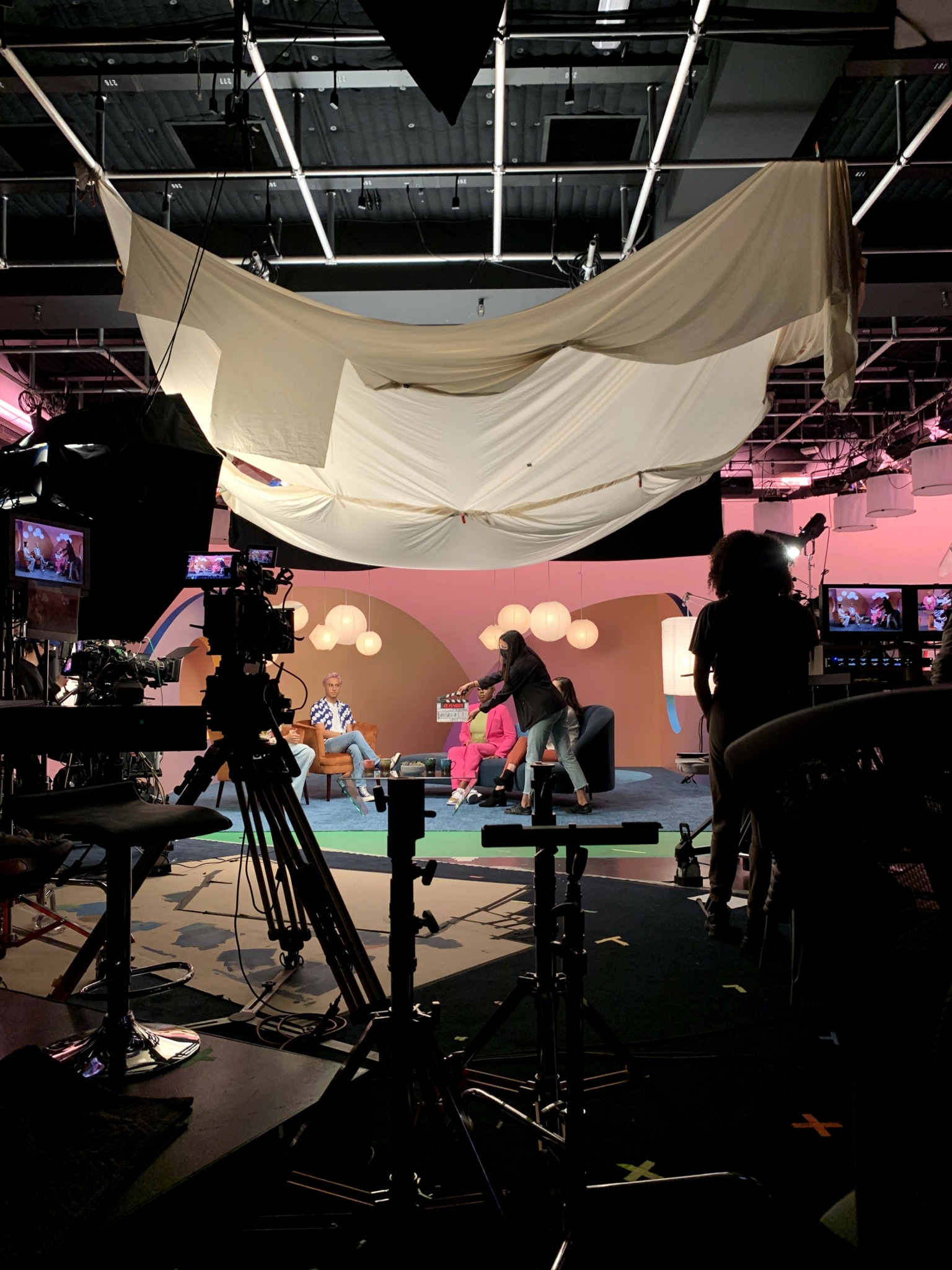
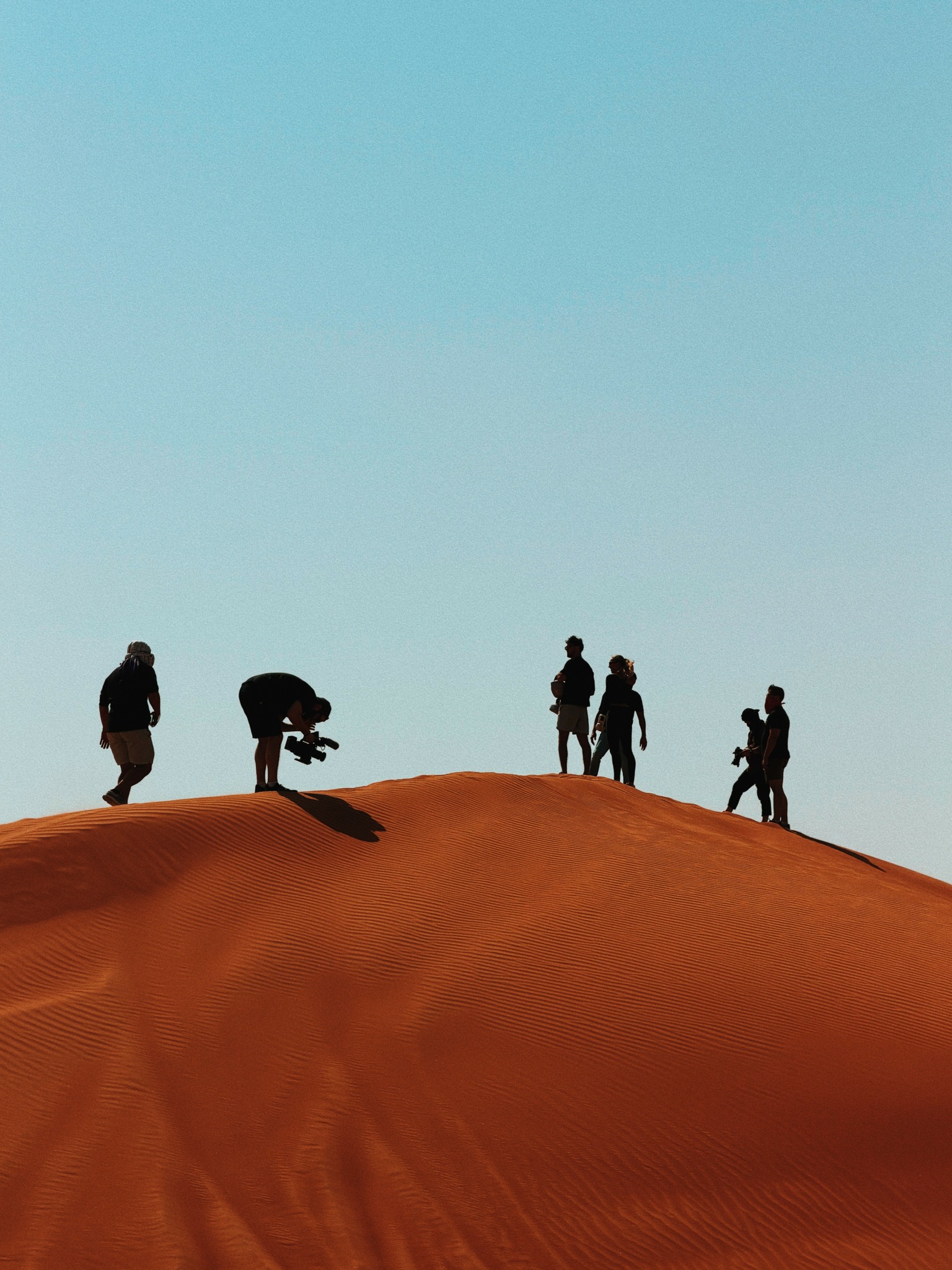
Image Credits
Caty Gainer
Dylan Kirpatrick