

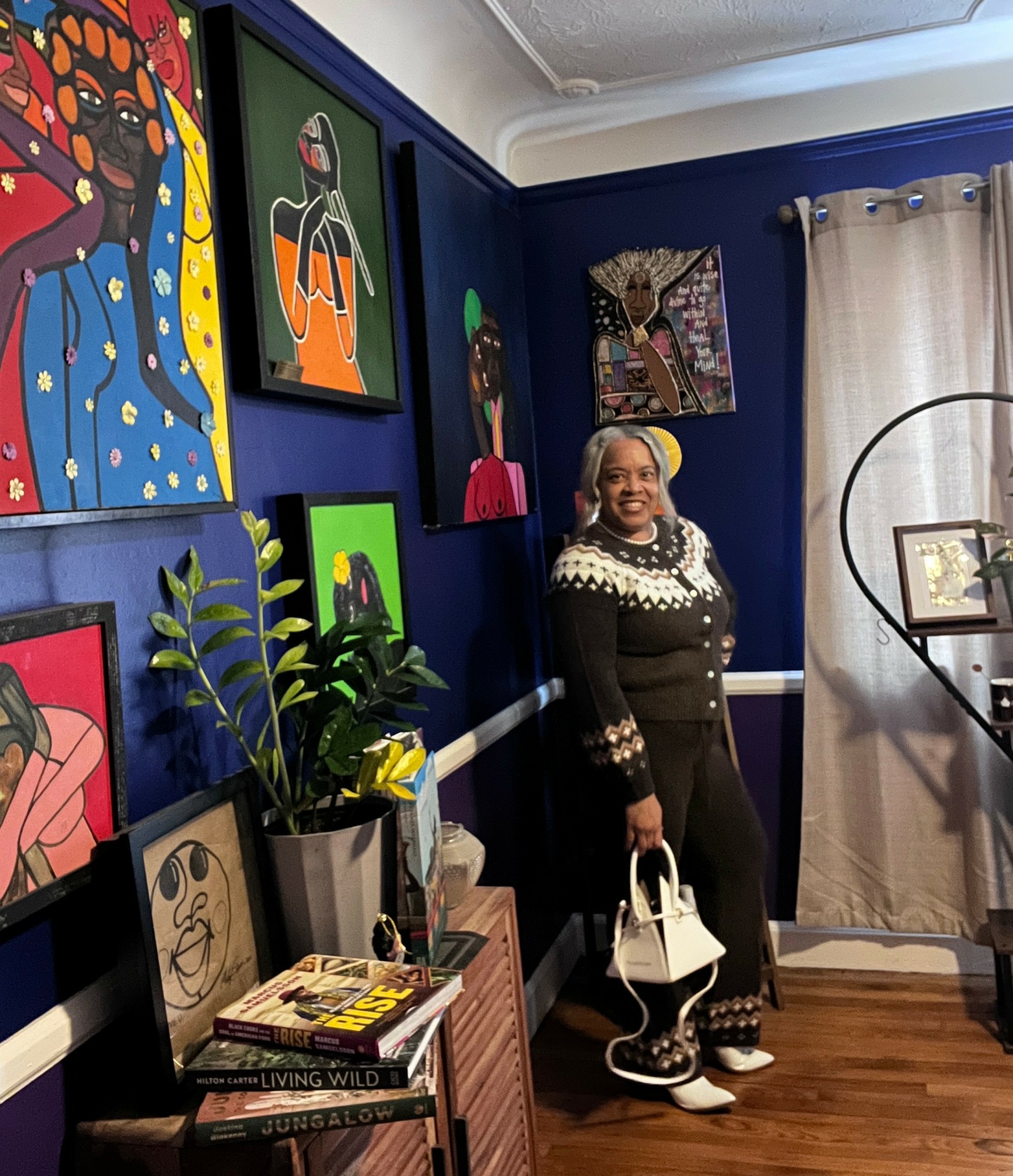

Alright – so today we’ve got the honor of introducing you to Deneen L Garrett. We think you’ll enjoy our conversation, we’ve shared it below.
Deneen L, looking forward to hearing all of your stories today. Alright – so having the idea is one thing, but going from idea to execution is where countless people drop the ball. Can you talk to us about your journey from idea to execution?
For nearly six years, I’ve hosted Women of Color: An Intimate Conversation, a Top 20 Women’s Empowerment podcast amplifying the journeys of women of color—Black women especially. We’ve built a global community of listeners, leaders, and change-makers across industries who tune in for honest, unfiltered conversations about identity, reinvention, and what it means to lead on your own terms.
And then I started noticing something.
I’d be in spaces where Black women 50+ weren’t present or represented—online, organizationally, or otherwise. At the same time, over 350,000 Black women were being displaced in the workplace. I kept thinking about these women: executives, entrepreneurs, community leaders, caregivers, and visionaries with deep networks, strong purchasing power, and multi-generational influence. They didn’t always need inspiration. They needed something built for them. FUBU.
I kept questioning:
“What needs to happen?”
That’s where the Dream Lifestyle™ Collective was born—first as an observation, then as an idea I couldn’t ignore, and finally as a decision to build something that had never existed before.
I realized storytelling alone wasn’t enough. Inspiration without infrastructure leaves momentum on the table. There was no intentional, elevated space built specifically for Black women 50+.
So I didn’t start with branding. I started with clarity.
I defined the transformation first: this would not be a social group. It would be a curated ecosystem for reinvention, visibility, and intentional living—for women who had already done the work and were ready for what’s next.
Then I mapped the architecture:
The podcast remains the storytelling engine—broad reach, credibility, and a platform that opens doors.
WOC Live serves as the real-time amplification layer—where the community shows up live, engages in real conversations, and becomes part of the movement.
The Collective is the private infrastructure—depth, accountability, and sisterhood for women ready to be in the room where it happens.
After that, it was operational work. I researched platforms. I built category pathways before inviting anyone in: Orientation, Sunday Reset, Monday Reflections, Wednesday Insights, Friday Wins & Celebrations, Saturday Founder’s Circle, Community Lounge, Dream Circles/Because HerStory—because rhythm creates retention.
I defined tone, language, brand standards, and pricing that reflected value—not volume.
And before I ever tried to scale it, I soft-launched with Founding Dreamers. I watched how women actually engaged, gathered real feedback, refined the cadence, and strengthened the structure before expanding visibility. This is a community that was designed with its members—not just for them.
Building the Collective wasn’t about launching fast. It was about building something sustainable, culturally specific, and economically powerful.
Black women over 50 are consistently overlooked in mainstream media and brand narratives—yet they hold extraordinary brand loyalty, leadership influence, and purchasing power. Few platforms authentically serve them with intention. Fewer still are built by one of them.
The Dream Lifestyle™ Collective exists at that intersection: culture, community, and economic power.
What moved it beyond the idea phase wasn’t motivation.
It was infrastructure. And that’s the difference between content and movement.
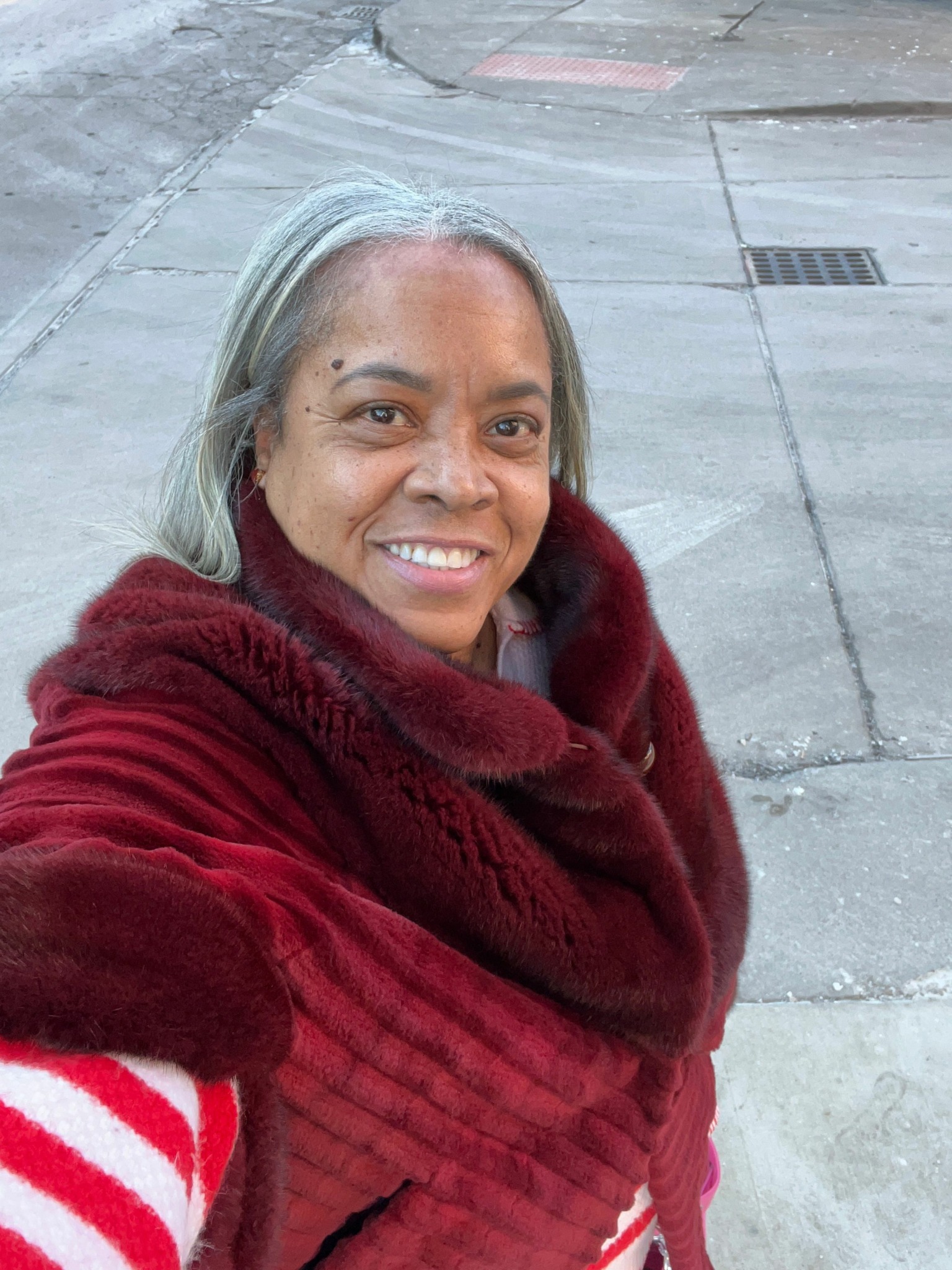
Deneen L, love having you share your insights with us. Before we ask you more questions, maybe you can take a moment to introduce yourself to our readers who might have missed our earlier conversations?
I describe myself as a Cultural Alchemist—someone who shifts and shapes culture through storytelling, community building, and intentional design. At my core, I’m both a storyteller and an ecosystem architect.
In 2020, I launched Women of Color: An Intimate Conversation as an act of faith. What began as a panel has grown into a trusted media platform documenting leadership, reinvention, healing, and legacy in real time.
But my work has never been content for content’s sake.
It’s about agency.
It’s about visibility.
It’s about expanding the narrative of who Black women are allowed to be—especially beyond 50.
Over time, I saw powerful Black women entering a new chapter—post-corporate, post-primary caregiving, post-traditional expectations—yet there were few culturally aligned spaces designed to support that evolution. So I built one.
Today, the ecosystem includes:
• Women of Color: An Intimate Conversation — a Top 20 Women’s Empowerment podcast
• WOC Live — a weekly livestream produced with The Leon Thomas Group
• The Dream Lifestyle™ Collective — a curated private community for Black women 50+
My background in leadership development, diversity strategy, nonprofit governance, and community organizing informs how I build. I don’t launch casually—I design systems. I believe community is not accidental; it’s architected.
Beyond media, I serve in leadership roles within Detroit’s arts ecosystem and view creativity as a catalyst for empowerment and economic influence. Art, storytelling, and community intersect in everything I do.
What sets my work apart is intention.
Every platform is connected.
Every message reinforces expansion.
Every structure supports longevity.
I’m most proud that what started as a panel—from panel to podcast to production—is now a movement-backed ecosystem built with standards, discipline, and cultural specificity.
I believe in visibility as power. I believe in expectancy. And I build spaces where women don’t shrink—they expand.
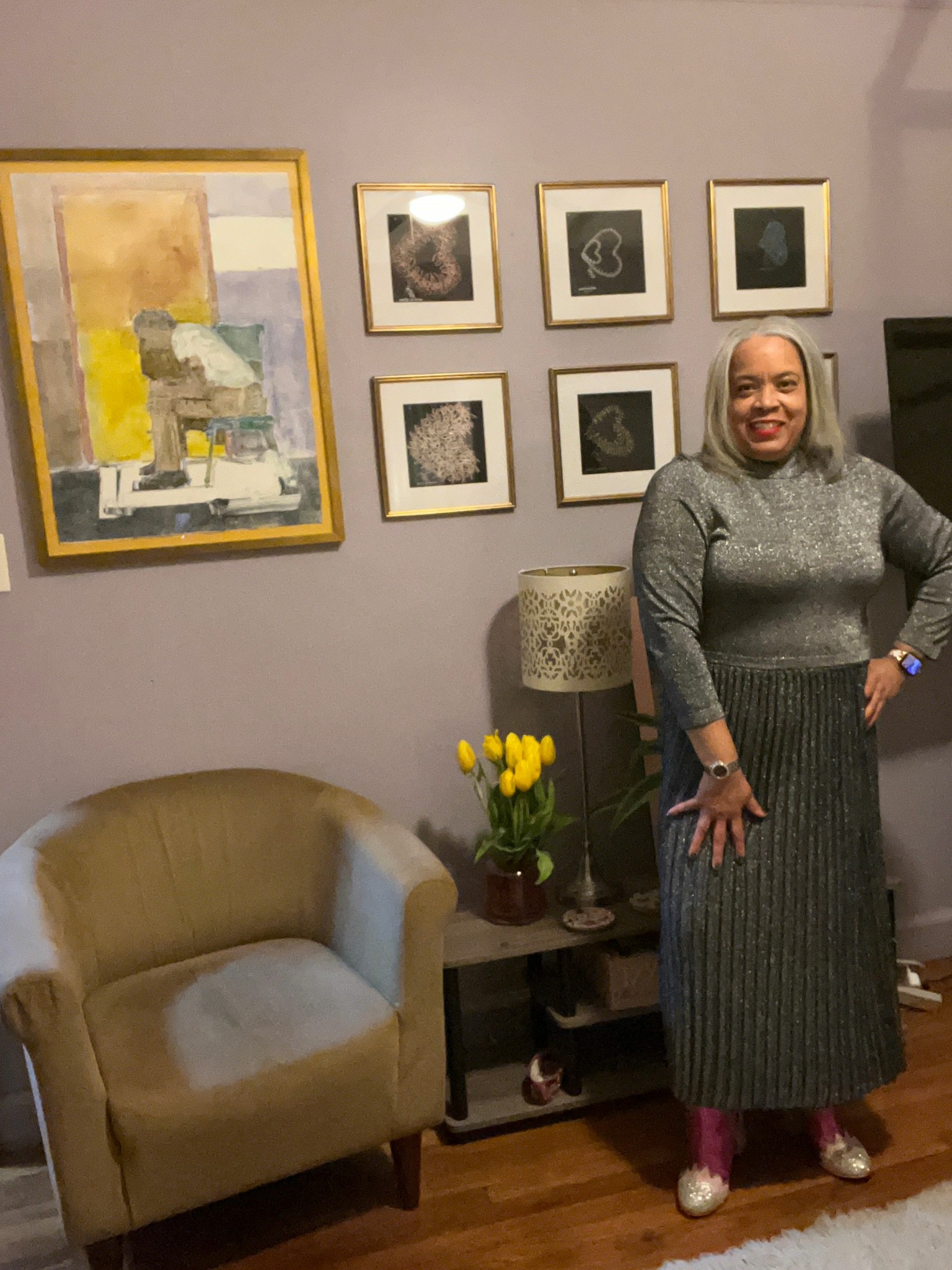
How did you put together the initial capital you needed to start your business?
I didn’t start with outside capital. I started with commitment.
When I launched Women of Color: An Intimate Conversation in 2020, it was self-funded. The initial investment was lean—iPhone, free hosting, and design basics. In October of 2019, I said I’d launch a podcast. In April of 2020, I still hadn’t. Once I realized I had a fear of vulnerability, thinking things had to be perfect, “I Nike’d It and Just Did It.” I launched on Good Friday, April 10, 2020. I was okay with building as I flew the plane.
In the early days, the greatest capital was consistency: evenings, weekends, and personal investI didn’t start with outside capital. I started with commitment.
In October 2019, I said I’d launch a podcast. By April 2020, I still hadn’t. Once I recognized my fear of vulnerability—the idea that everything had to be perfect before I could begin—I Nike’d It and Just Did It. I launched Women of Color: An Intimate Conversation on Good Friday, April 10, 2020, on a lean budget: iPhone, free hosting, and design basics. I was okay with building as I flew the plane.
In the early days, the greatest capital was consistency: evenings, weekends, and personal investment. Over time, I upgraded equipment, elevated the brand, professionalized visual assets, and on March 5th, 2026, expanded into livestream production so the experience matched the level of the conversations we were having.
When I launched the Dream Lifestyle™ Collective, I followed the same principle: proof before scale. I soft-launched with Founding Dreamers, validated engagement, refined the systems, and continued to prioritize member experience above everything else.
Rather than chase funding prematurely, I focused on building trust, consistency, and measurable engagement. That credibility creates leverage—especially in sponsorship conversations.
My funding philosophy is simple:
Build the audience.
Build the infrastructure.
Build the standards.
Then pursue partnerships from a position of strength—not need.
That foundation—self-funded, flexible, and courageous—is what makes the ecosystem both credible and scalable. And it’s what makes our sponsorship opportunities genuinely valuable: brands aren’t buying ads. They’re buying trust we’ve already built.
I’m now actively seeking aligned sponsors ready to reach and serve Black women 50+ through a platform built on cultural specificity, community trust, and real engagement. If that’s your audience, let’s talk.
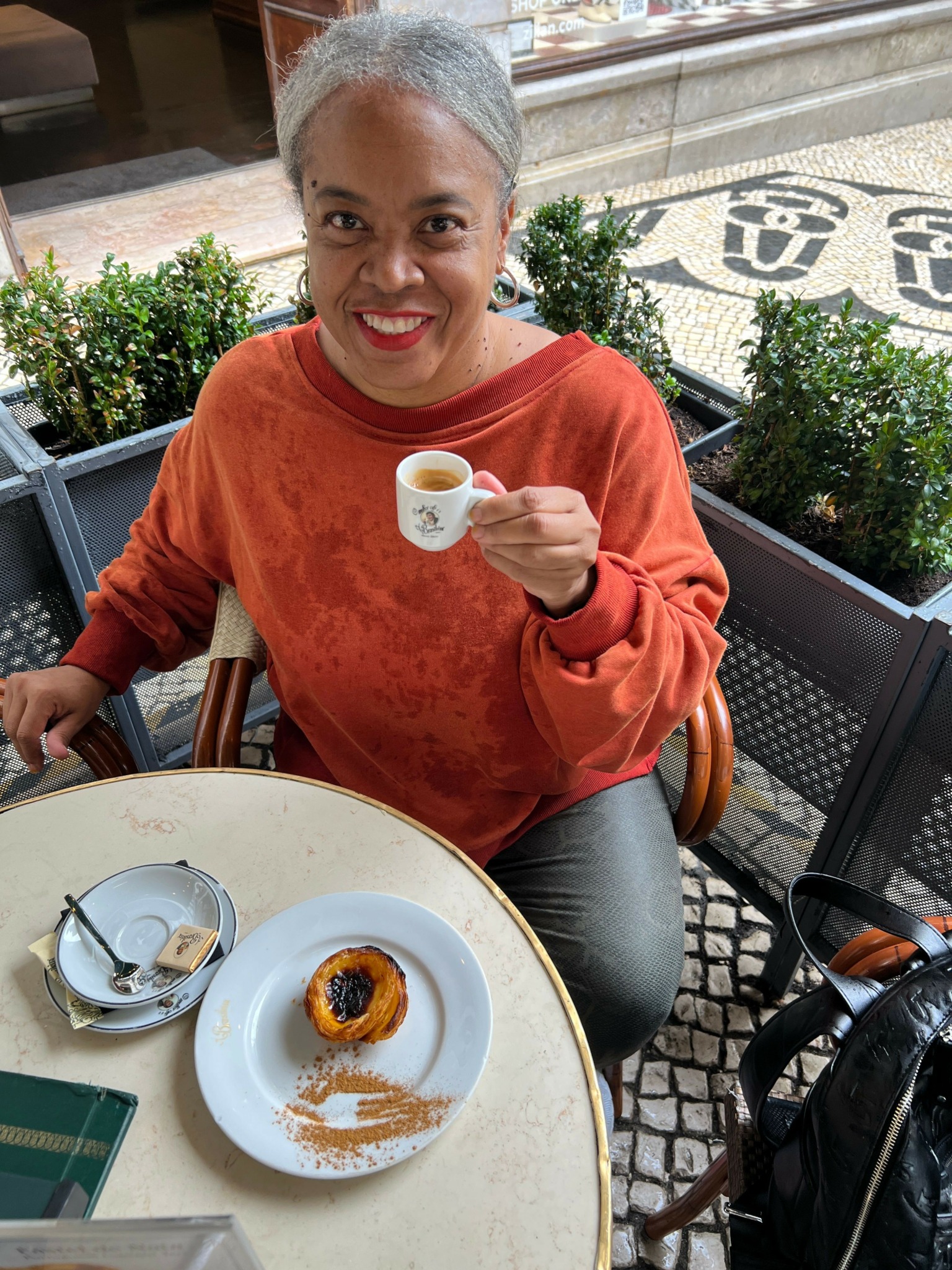
Looking back, are there any resources you wish you knew about earlier in your creative journey?
The right resources aren’t “nice to have.” They’re leverage. Here’s what I wish I’d built sooner or more strategically:
1. A simple operating system for building
I wish I’d adopted a repeatable weekly workflow sooner: one planning day, one production day, one distribution day, one relationship-building day. When you run on predictable rhythms, growth stops feeling like chaos and starts feeling like momentum.
2. A CRM and follow-up cadence from day one
Not fancy—just a tracker for sponsors, collaborators, media contacts, and potential guests: who I contacted, when, status, next follow-up, and what I promised. This one resource alone prevents missed opportunities and turns relationships into revenue.
3. A sponsorship toolkit before you “need” sponsors
Sponsors move faster when you have structure, not just a great story. Build these early:
• A one-sheet (who you serve, your reach, your outcomes)
• A short sponsor deck
• Standard packages with pricing
• A sponsor delivery checklist
4. A media repurposing system
One long-form episode should become: short clips, pull quotes, a newsletter section, a LinkedIn post, a Threads series, and a community prompt. Repurposing isn’t extra work—it’s how you compound impact without burning out.
5. A small, reliable bench of support
A designer, a virtual assistant, and a production partner—even part-time—changes everything. Not because you can’t do it all. But because your job is vision, standards, and relationships. Let people support the engine.
6. Legal and IP guidance earlier
Understanding trademarks, contracts, deliverables, and usage rights early protects your brand and gives you confidence when negotiating partnerships. Ownership is a business resource—and a power move.
The summary: invest in resources that reduce friction, increase consistency, and create leverage. That’s what turns a passion project into a scalable platform—and a platform into a movement.
Contact Info:
- Website: deneenlgarrett@gmail.com
- Instagram: https://www.instagram.com/deneenlgarrett/
- Facebook: https://www.facebook.com/deneen.garrett/
- Linkedin: https://www.linkedin.com/in/deneenlgarrett/
- Youtube: https://www.youtube.com/@DeneenLGarrett
- Other: https://www.skool.com/dream-lifestyle-collective-1653
https://www.womenofcoloranintimateconversation.com/
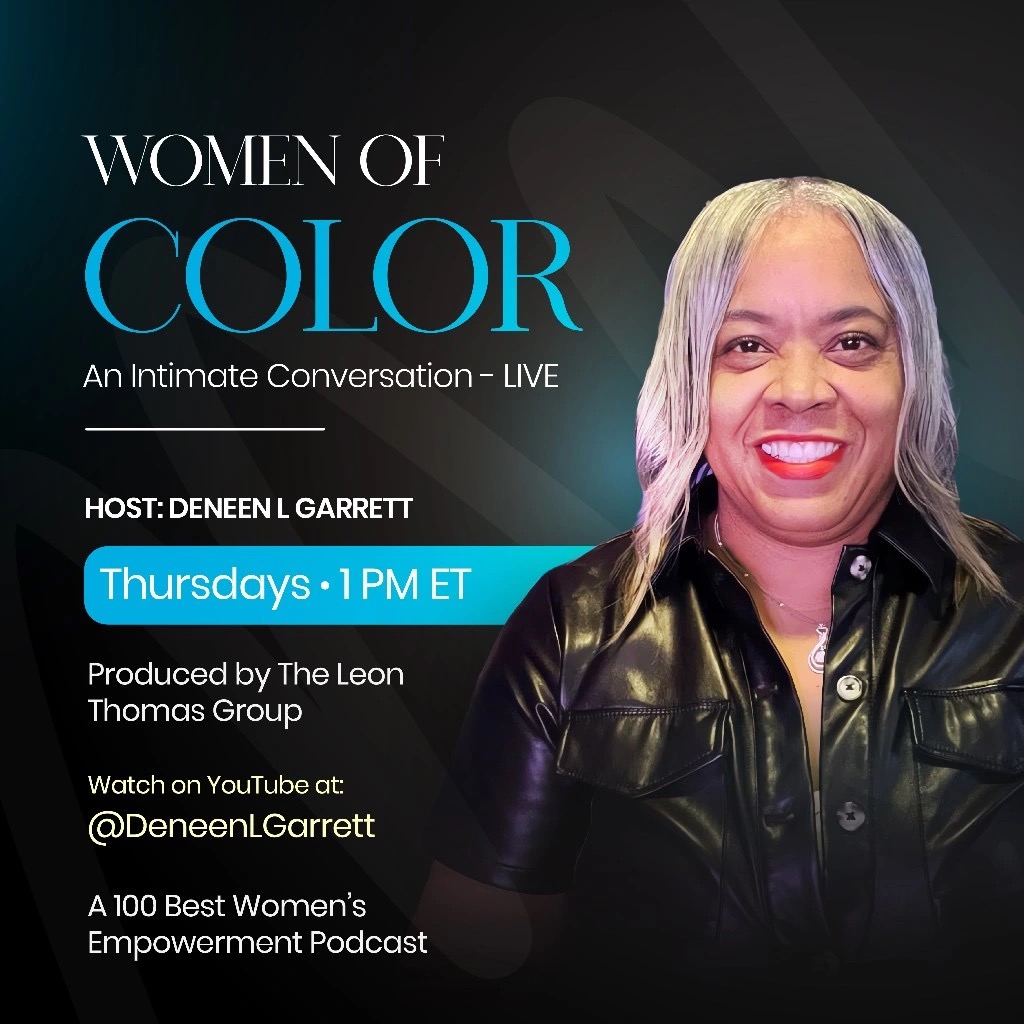
Image Credits
Deneen L. Garrett