
We were lucky to catch up with Jordon Alexander recently and have shared our conversation below.
Alright, Jordon thanks for taking the time to share your stories and insights with us today. What were some of the most unexpected problems you’ve faced in your business and how did you resolve those issues?
This isn’t unique to us, and it certainly isn’t unique to food trucks, but it shows up in very specific ways in this industry. Food trucks are often viewed as simple, flexible, or low-overhead by nature — a kind of “just show up and sell food” model. In reality, the actual serving window is only a tiny fraction of what it takes to make a booking happen from start to finish.
A common misconception we run into is the idea that a “2–3 hour booking” is just that — a couple of hours of work. What people don’t see is everything that surrounds those hours: the planning, emails, phone calls, contracts, permits, staff scheduling, purchasing, prep, taxes, driving, setup, the event itself, breakdown, cleaning, and then doing it all over again the next day. The visible part is the fun part — the invisible part is the bulk of the work.
One recurring issue that really highlights this misunderstanding is how bookings are evaluated. We often hear some version of “Any money is better than no money.” And on the surface, that sounds reasonable. But when you’re choosing between spending an entire day (or more) on a $150 private booking versus committing that same time, energy, and product to a public festival with higher potential — the decision isn’t emotional, it’s operational. Most people, if given those two options, would choose the one that makes the most sense for their time, costs, and sustainability. Yet food trucks are sometimes treated as though that same logic shouldn’t apply to us.
That’s where things like minimums come into play — and minimums are often misunderstood. Not all trucks are created or operated equally. A truck selling pre-packaged ice cream has prep time. A truck like our friends at Nito’s Empanadas might be driving to the commissary at midnight to hand-make product through the night. Then there are trucks like us, somewhere in between — all with prep, equipment setup, staffing needs, and time-intensive processes. Different trucks have different commissary costs, different equipment upkeep, different staffing requirements, different travel times, and different families depending on that income. Comparing one truck’s minimum to another’s without understanding those differences is like comparing two completely different businesses.
It’s also important to say this: minimums are not rigid, emotionless rules with no flexibility. There are exceptions — but those exceptions come with experience. They come from truly knowing your business, your numbers, your product, and what does and doesn’t work for you. Over time, we’ve learned that there are certain locations, event types, or setups that simply don’t work for our operation — and we only know that because we’ve tried. In those cases, if we’re asked to return, a minimum becomes necessary. Not as a barrier, but as a safeguard informed by real data and lived experience.
The exception might look like this: we have a date coming up that’s suddenly open, and it’s too late to fill it with something larger or more established. In that case, we may choose to give a neighborhood event or smaller booking a shot — because the circumstances make sense. That flexibility isn’t guesswork or inconsistency; it’s informed decision-making based on timing, context, and experience.
One interaction in particular has always stuck with us because it captures this disconnect so clearly. Someone once inquired about booking us for a school event with a solid number of people. After we shared our minimum, the response was:
“Hi. Unfortunately, that is not something that is realistic for us since we are such a small school now. It’s really disappointing because everyone was raving about how good your food was.”
And that moment quietly says a lot. If everyone was truly raving, then the minimum shouldn’t be unrealistic — especially when we had also communicated a pre-order option designed specifically to see if that minimum could be met before fully committing. That option was declined without being explored.
This is one of the harder realities of running a small business: sometimes, by doing what we need to do to operate responsibly, we unintentionally disappoint people. Not because we don’t care — but because sustainability has to come first. And the truth is, no small business will be around for anyone to rave about if it isn’t allowed to run in a way that’s sustainable and aligned with how it actually operates.
We’ve had moments where we’ve received negative feedback, pushback, or comments because of policies we’ve put in place — minimums, pricing, availability — and those moments can be tough. Not because we don’t believe in what we’re doing, but because we often find ourselves explaining or over-explaining the why. And the reality is, some things can only be fully understood when you’ve lived them.
Another unexpected challenge has been navigating overbooked events, high vendor fees, and permit costs — things the public never sees. We hear questions like, “Why is food so expensive at this festival?” or “I could get this cheaper outside the event.” And while we agree that some pricing can feel extreme — especially with large vendors — many people don’t realize that event fees alone can run $600 or more for a single weekend, before food costs, staff pay, taxes, fuel, or equipment wear are even factored in. Those costs don’t disappear — they simply get absorbed into the operation.
None of this is said as a complaint. We truly love what we do. The long days, the moving parts, the problem-solving — it runs very deep for us, and we know it does for our fellow food truck friends as well. But loving something doesn’t mean it’s easy, or that it isn’t misunderstood.
The biggest lesson we’ve learned is that clear boundaries, clear policies, and confidence in how we run our business are not obstacles — they’re necessities. Over time, we’ve learned to stand firm in what makes our operation sustainable, even when it isn’t immediately understood. And while not everyone will see the full picture, those who do — event planners, customers, and partners who value the work behind the window — make it all worth it.
At the end of the day, this industry teaches you that success isn’t just about showing up. It’s about knowing your worth, protecting your time, and continuing to educate through example — even when most of the work happens where no one can see it.
Great, appreciate you sharing that with us. Before we ask you to share more of your insights, can you take a moment to introduce yourself and how you got to where you are today to our readers.
That’s a loaded question — one that brings out about every emotion I have… haha.
It’s been a long journey to get here. Many states, many cities, many interactions, many happenstances — the good, the bad, the ugly, the messy, the losses, the failures, and the gains. All of it. That journey is layered on top of decades of experience my husband, Chris, and I bring from the hospitality industry, including owning and operating a Myrtle Beach oceanfront restaurant for over a decade. A lot of battles were fought, a lot of lessons were learned, and a tremendous amount of discipline was built along the way.
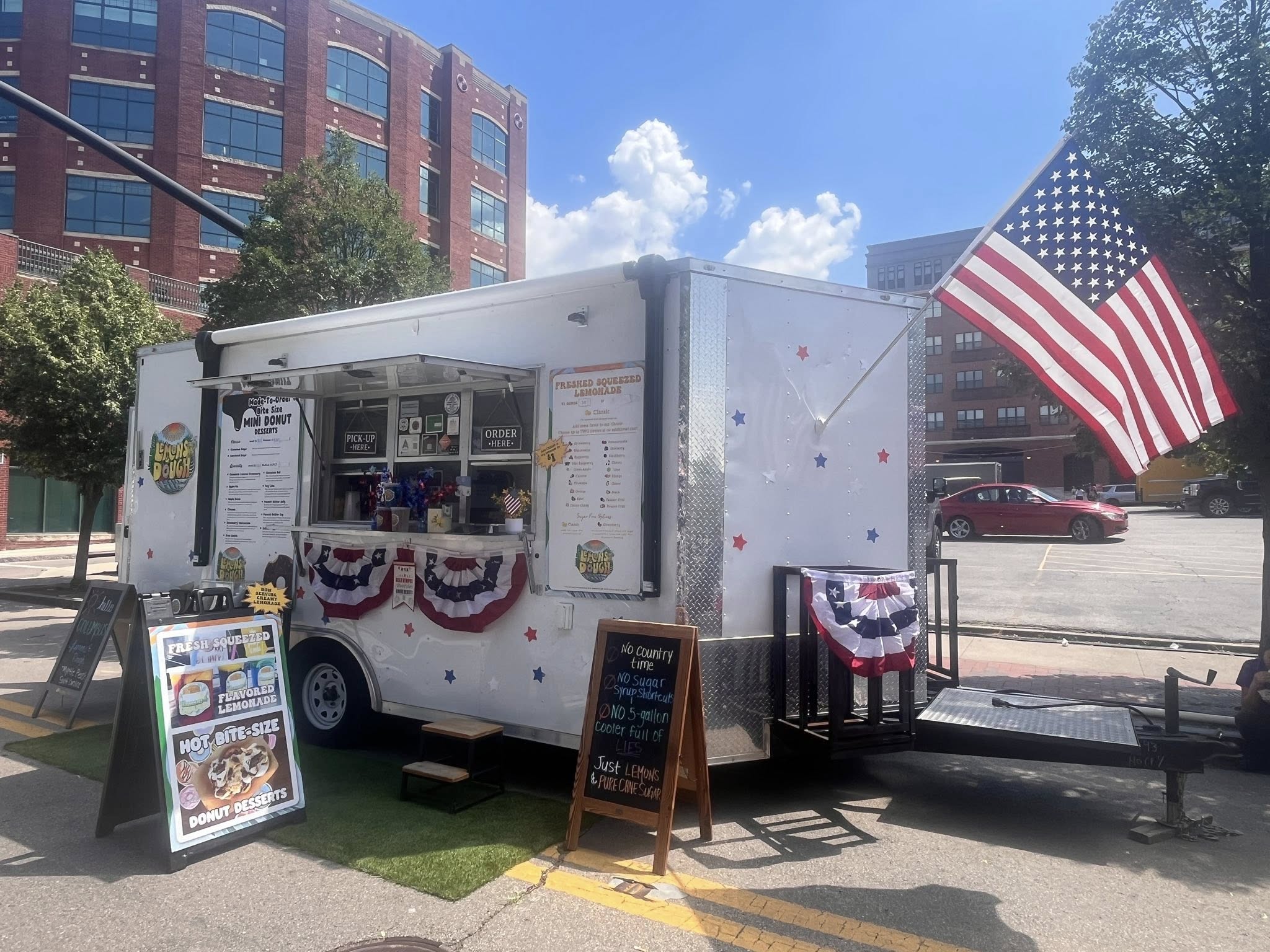
Lemons & Dough is a family-run food truck rooted in community, craftsmanship, and connection. We’re based along the Grand Strand in South Carolina, and what started as a simple love for creating something special has grown into a business that we pour our hearts into every single day.
We love this industry because we love people. We love the opportunity to change the view from our “office” every day, the different atmospheres we get to work in, and the way food naturally brings people together. Food has a way of creating moments — celebrations, conversations, memories — and we wanted to be part of that in a meaningful way. From the beginning, our goal was never to just “sell food,” but to create an experience people genuinely look forward to and remember.
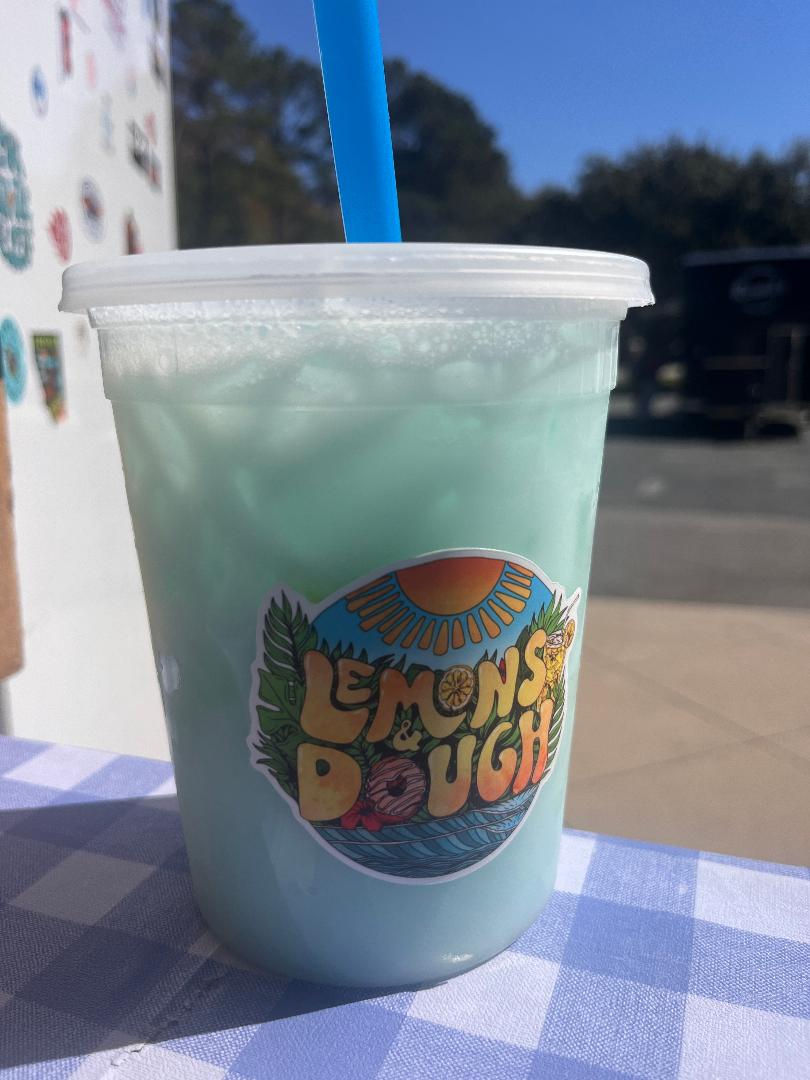
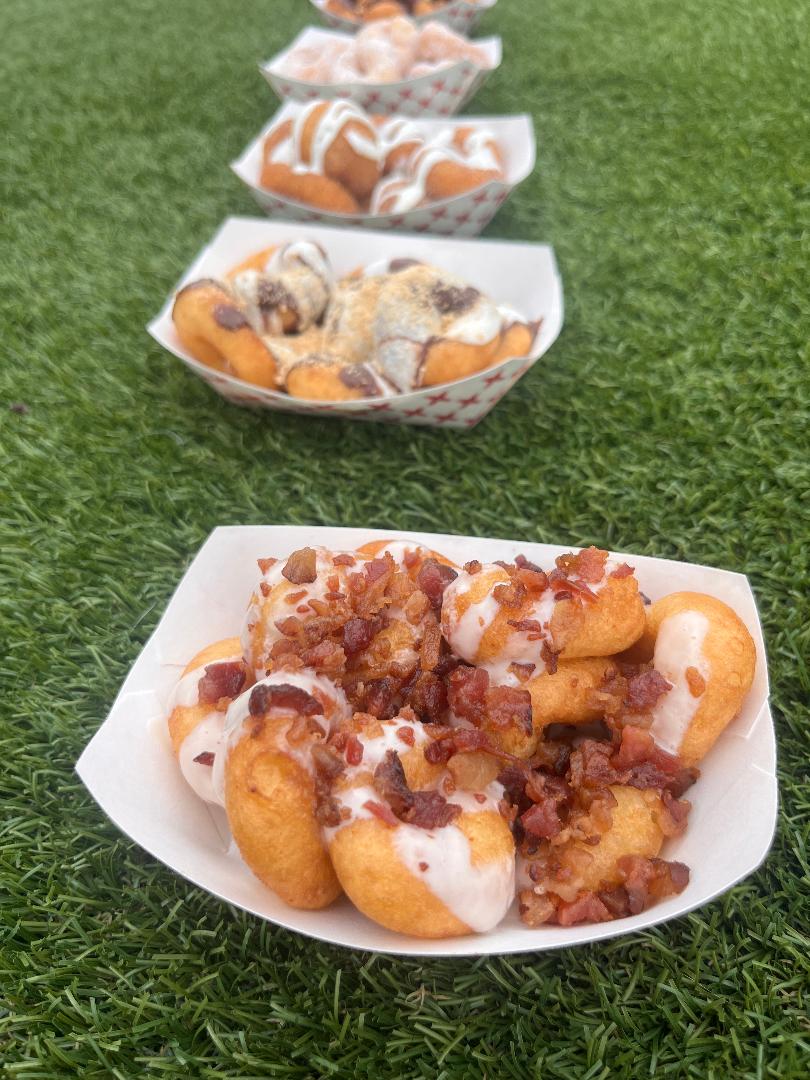
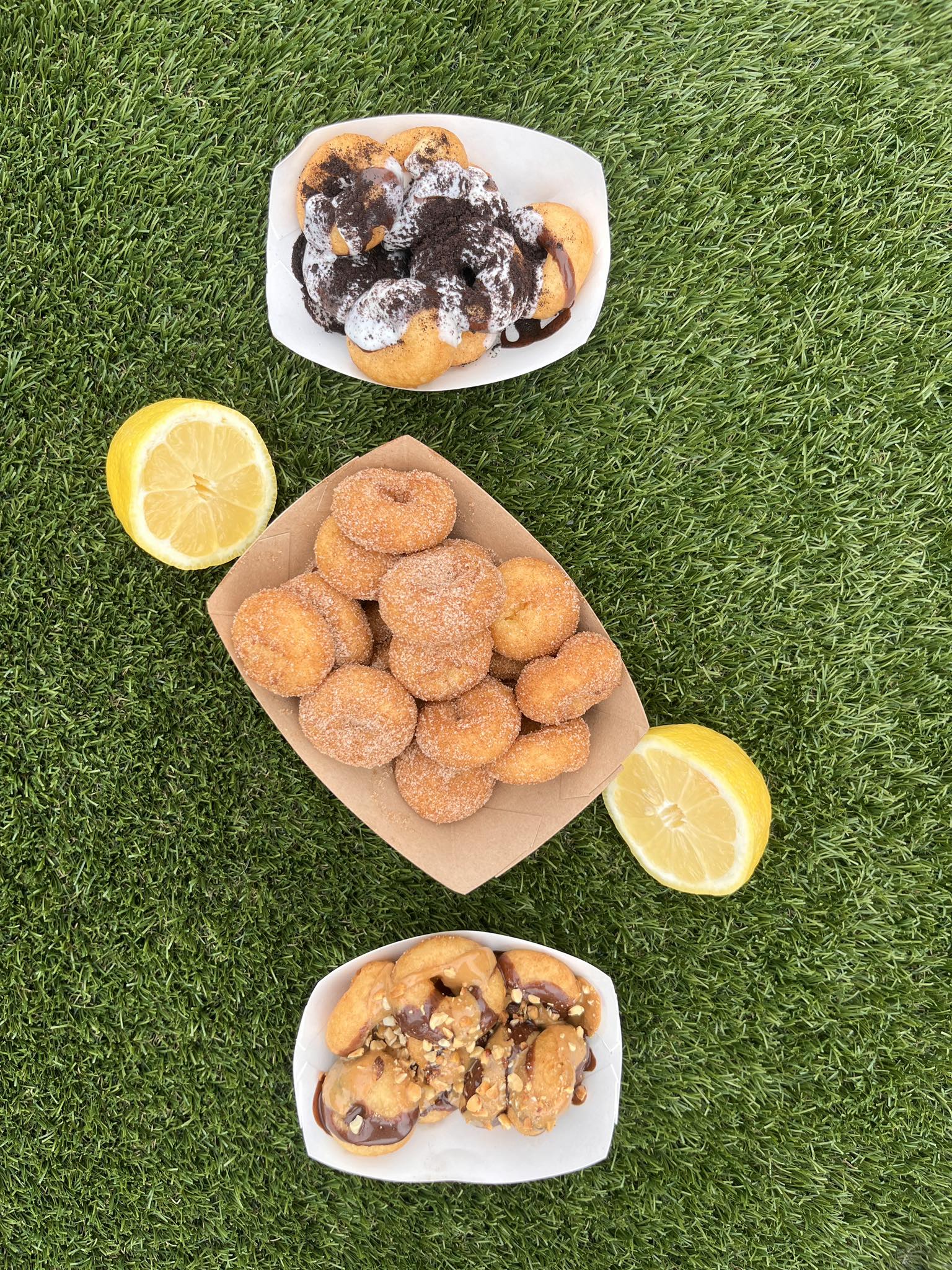
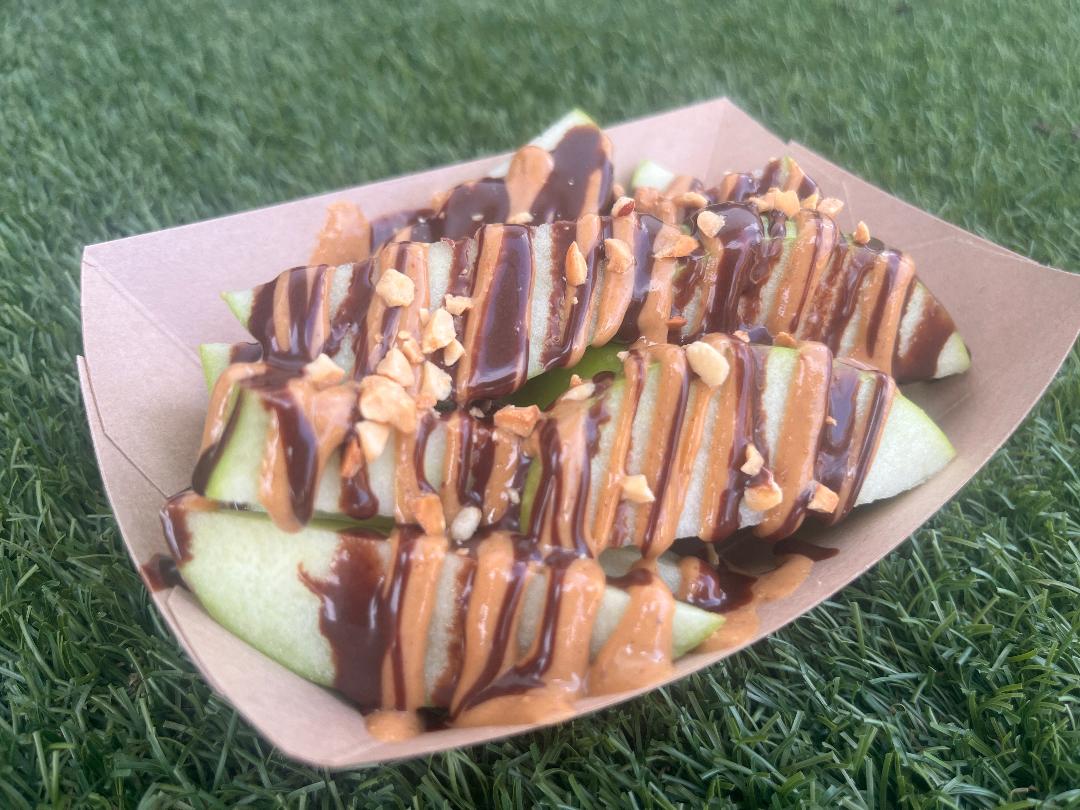
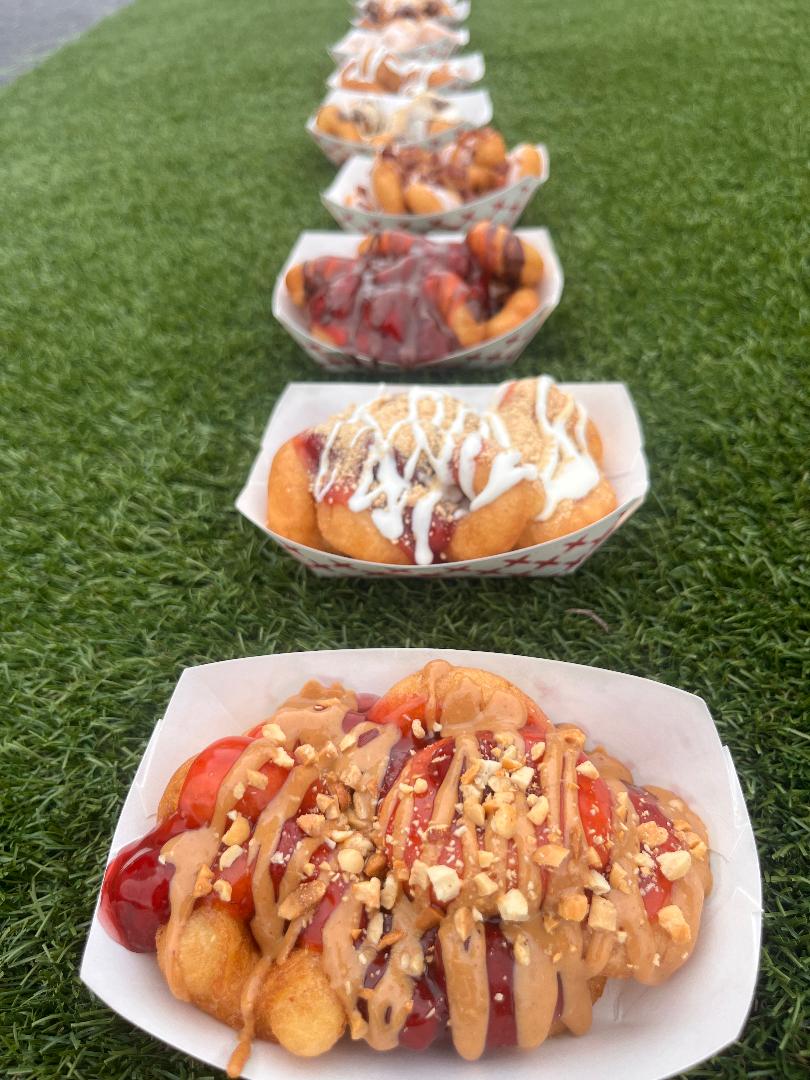
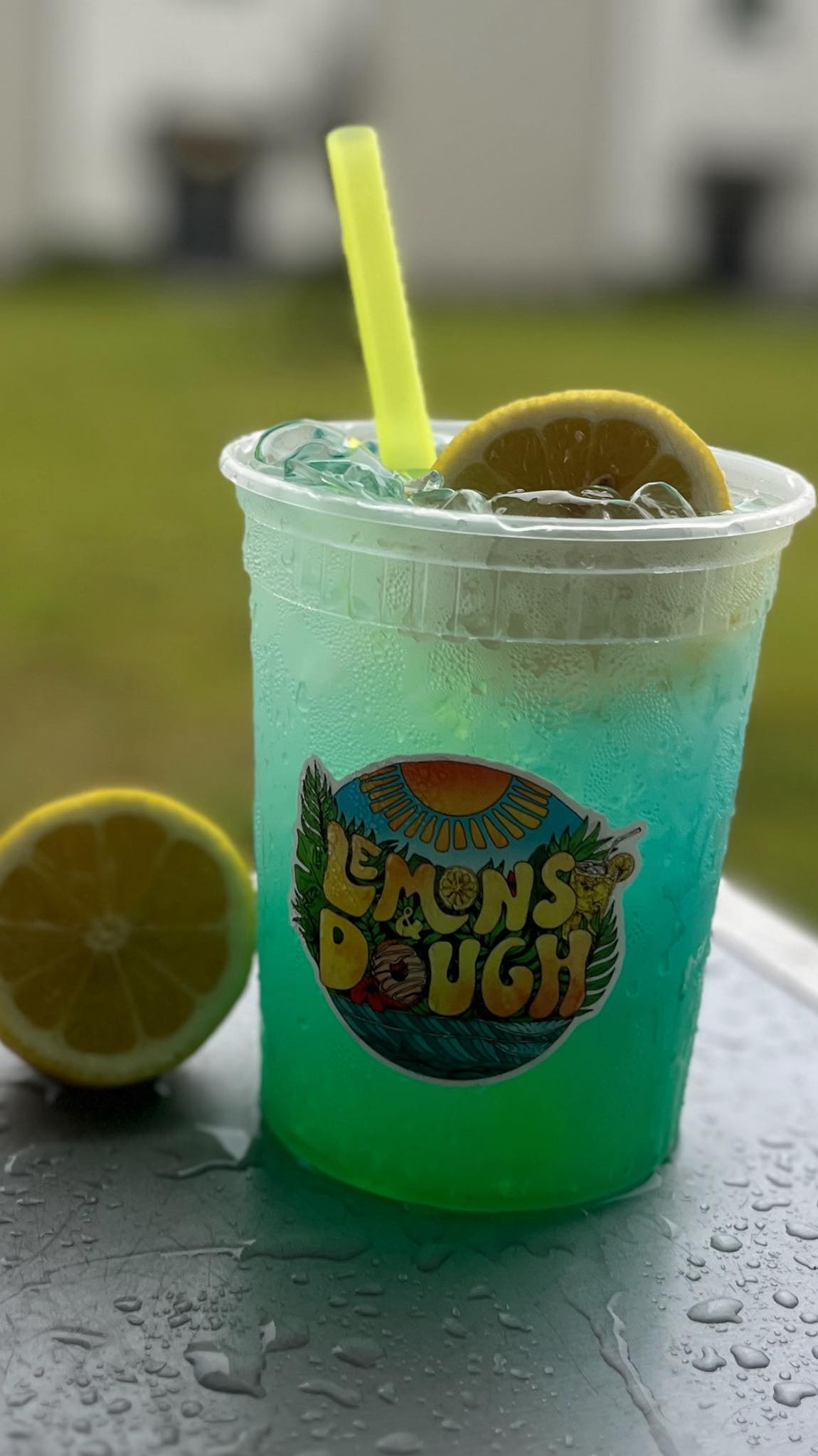
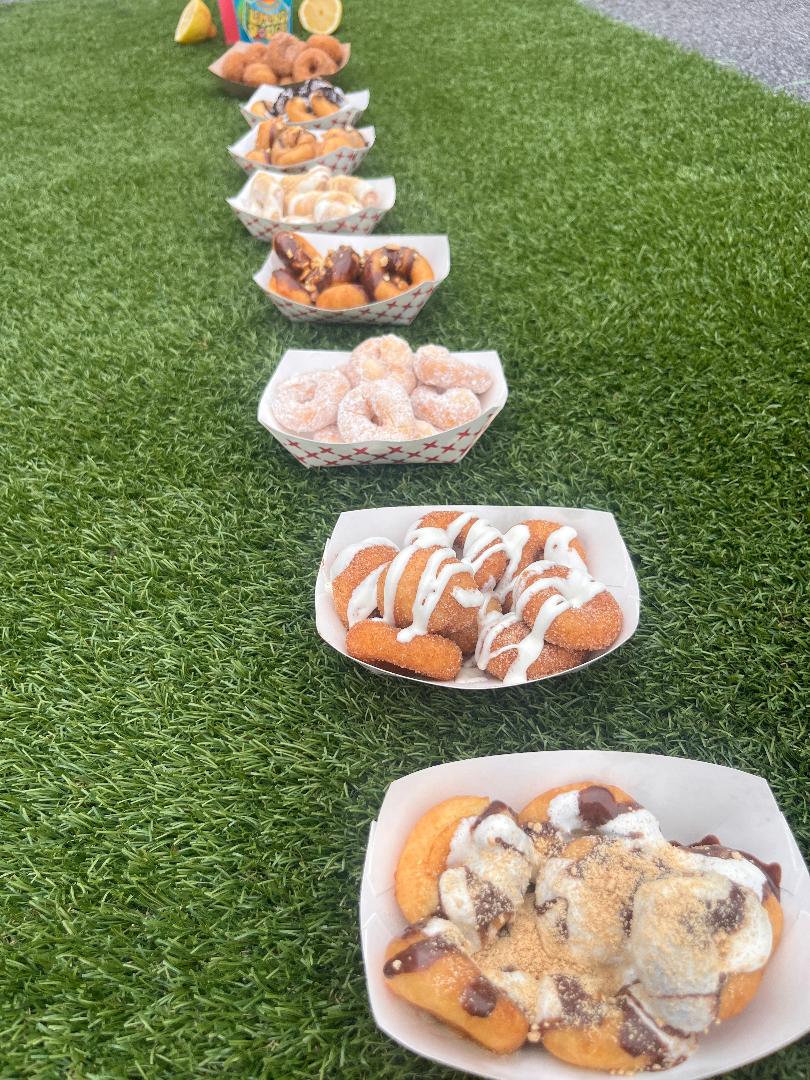
What we provide is simple on the surface, but intentional in execution: fresh-squeezed lemonade and made-to-order mini donut desserts. Our lemonade is truly squeezed — not scooped or mixed from concentrate — with over 20 mix-in flavor options. Our donuts are cooked fresh on site and finished with thoughtfully chosen toppings, from classic favorites to elevated combinations like Maple Bacon, S’mores, Apple Pie, and seasonal specialties. We also offer sugar-free lemonade options and customizable experiences, like our green apple nachos, because we believe everyone should be able to enjoy something special.
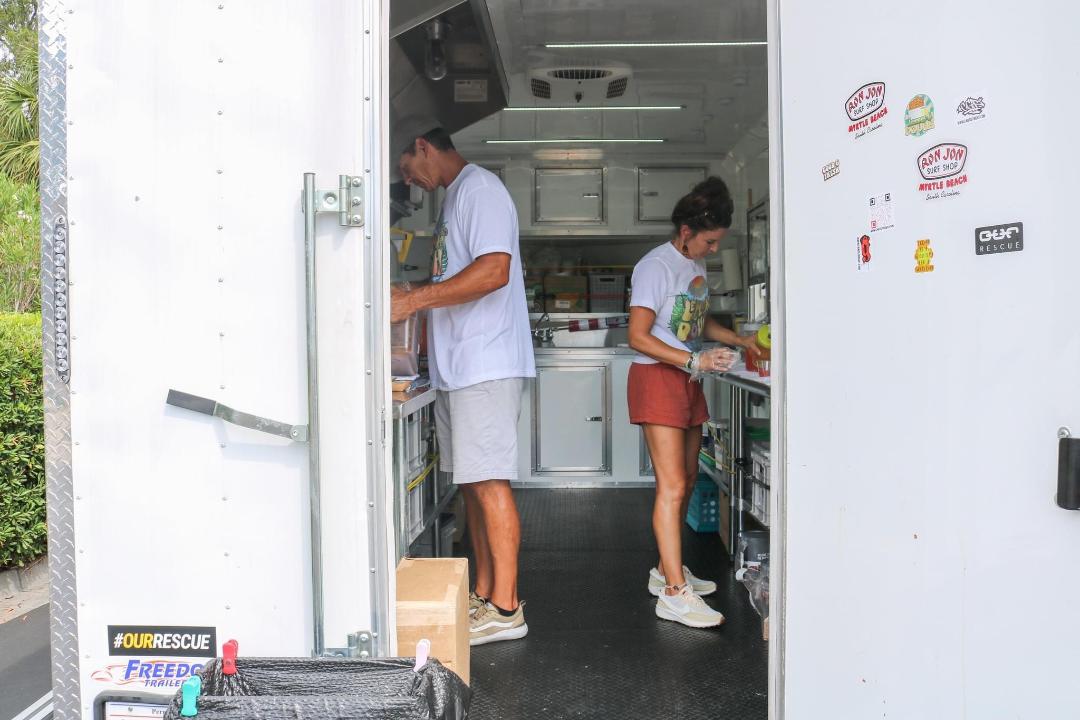
What sets us apart isn’t just what we serve — it’s how and why we serve it. Every detail matters to us: ingredient quality, consistency, flow of service, and how people feel when they walk up to our window. We are hands-on in every part of the business — planning, prep, events, customer interaction, and the behind-the-scenes work no one ever sees. This isn’t a side hustle or a plug-and-play setup; it’s a carefully run operation built on experience, trial and error, and deep respect for the industry.
We also believe strongly in transparency and sustainability — not just environmentally, but operationally. We run our business in a way that allows us to show up fully, deliver quality consistently, pay our help fairly, maintain our equipment, and still be present for our family. That means sometimes having boundaries, policies, or minimums that aren’t immediately understood — but they’re what allow us to keep doing what we love long-term. Our goal has never been short-term success; it’s longevity.
One of the things we’re most proud of is the community we’ve built, both with our customers and within the local food-truck world. We’ve had the privilege of working alongside incredible fellow vendors, participating in school and community events, and giving back wherever we can — whether that’s through teacher appreciation, school partnerships, nonprofits, fundraisers, or sponsored experiences through initiatives like Lemme Dough It, which allows individuals or businesses to treat groups such as school staff, first responders, or healthcare teams to lemonade and donuts.
At the heart of Lemons & Dough is family — not just ours, but the larger community we’re part of. We’re proud to be a business that shows up, works hard behind the scenes, and values people just as much as profit. We want potential clients, followers, and fans to know that when you support us, you’re supporting a small business that truly cares — about quality, about experience, and about the people on both sides of the serving window.
What’s a lesson you had to unlearn and what’s the backstory?
One of the biggest lessons we’ve had to unlearn is the belief that being kind meant always saying yes.
We’re natural givers. We genuinely want to help, accommodate, and make things work. Early on, that looked like stretching ourselves thin — adjusting pricing, bending policies, squeezing into dates that didn’t really make sense, or saying yes because we didn’t want to disappoint anyone. We told ourselves we were being flexible, community-minded, and grateful for every opportunity. And in many ways, we were. But over time, we learned that kindness without boundaries doesn’t stay kind — it becomes costly.
The backstory isn’t one big dramatic moment. It was a slow build of small compromises that added up. A booking that barely covered costs. An event that required far more prep, staffing, and cleanup than we anticipated. A situation where we left exhausted, frustrated, and wondering why something we loved suddenly felt heavy. We started to notice a pattern: the more we said yes to everything, the more we were quietly saying no to our own sustainability.
What made it harder is that we don’t like upsetting people. We understand budgets. We understand disappointment. We understand that from the outside, our work can look simpler than it is. So we explained. And re-explained. And over-explained. We tried to carry the emotional weight of other people’s expectations — and that’s not something any business can survive long-term.
The shift came when we realized that boundaries are not unkind. They’re honest. They protect what we’ve built. They allow us to show up fully and consistently, instead of running on burnout and resentment. Saying no to the wrong fit allows us to say yes to the right ones — the events, partners, and opportunities that align with how our business actually operates.
Unlearning “too nice” didn’t mean becoming cold or transactional. We’re still kind. We’re still community-focused. We still care deeply. But now that care includes ourselves, our family, our team, and the longevity of our business. We’ve learned that it’s okay if not every situation works out — and that disappointment in the moment is far better than disappearing altogether.
Looking back, we’re grateful for the lessons. It taught us that sustainability isn’t selfish. It’s responsible. And that the kindest thing we can do — for ourselves and for the people who support us — is to run our business in a way that allows it to last.
How’d you meet your business partner?
This one’s easy — and honestly, pretty fitting. My “co-founder” and “business partner” is my husband, Chris… haha.
We met the most on-brand way possible for us: working in the service industry, at the House of Blues. At the time, it was one of the greatest places you could work and be part of. The energy was unmatched — good friends, long shifts, late nights, and a revolving door of (mostly) amazing music paired with a pumped-up crowd. It was fast-paced, full of character and chaotic in the best way.
Those were simpler days. The kind where your biggest concerns were surviving a slammed shift, catching part of a show, and grabbing drinks with coworkers afterward. We were surrounded by people who worked hard, laughed harder, and knew how to show up when things got busy — lessons that, looking back, shaped us more than we realized at the time.
What started as shared shifts and mutual respect turned into a partnership built on teamwork, grit, and understanding the rhythm of hospitality — reading a room, handling pressure, and taking care of people. Long before we were running businesses together, we were learning how to move in sync in an environment that didn’t give you much room for error.
In a way, Lemons & Dough was years in the making before it ever had a name. We just didn’t know it yet.
Contact Info:
- Instagram: @LemonsAndDough
- Facebook: https://www.facebook.com/lemonsanddough
- Other: TikTok: LemonsAndDough