
Alright – so today we’ve got the honor of introducing you to Inessa Createssa. We think you’ll enjoy our conversation, we’ve shared it below.
Inessa, looking forward to hearing all of your stories today. It’s always helpful to hear about times when someone’s had to take a risk – how did they think through the decision, why did they take the risk, and what ended up happening. We’d love to hear about a risk you’ve taken.
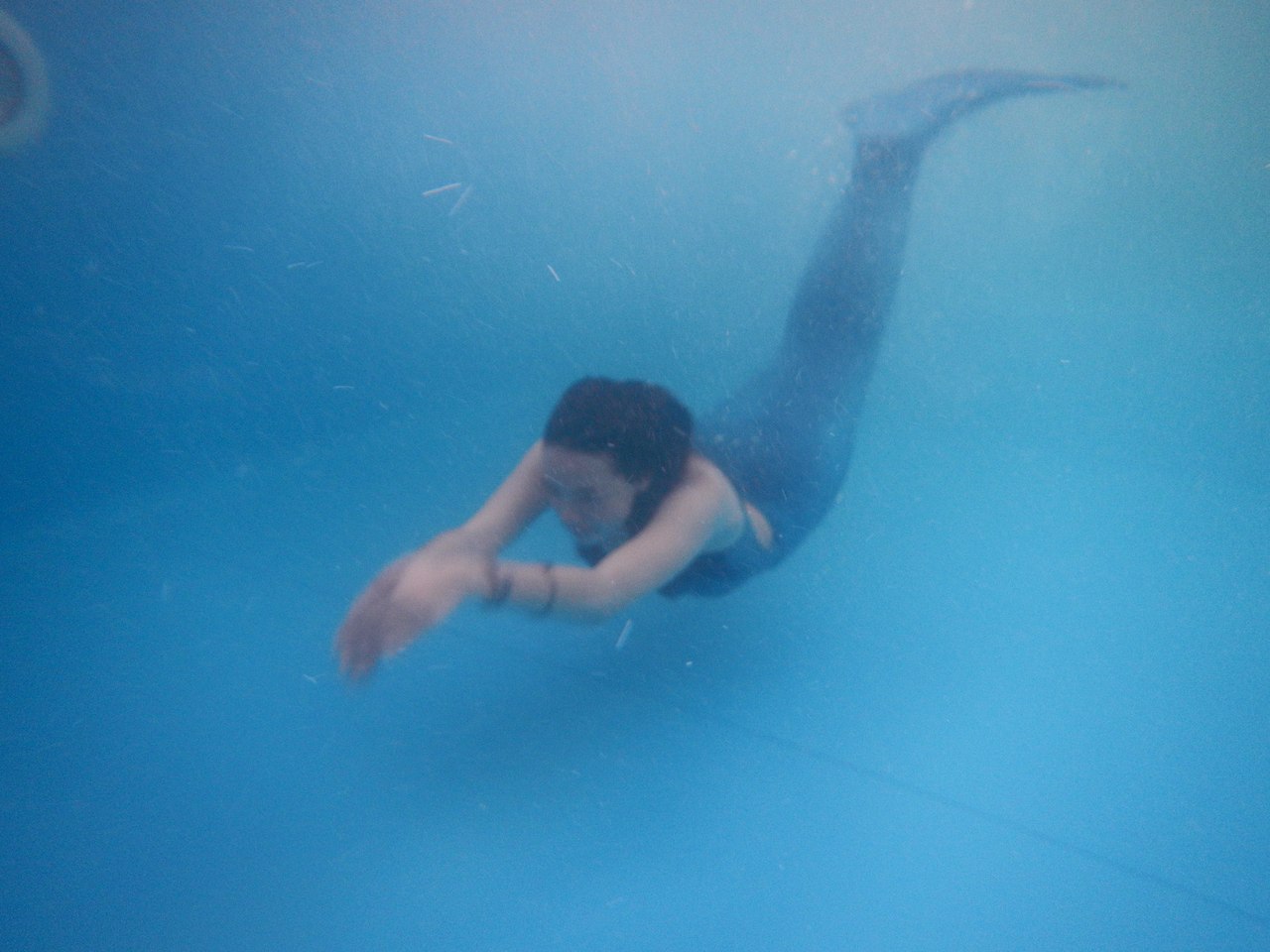
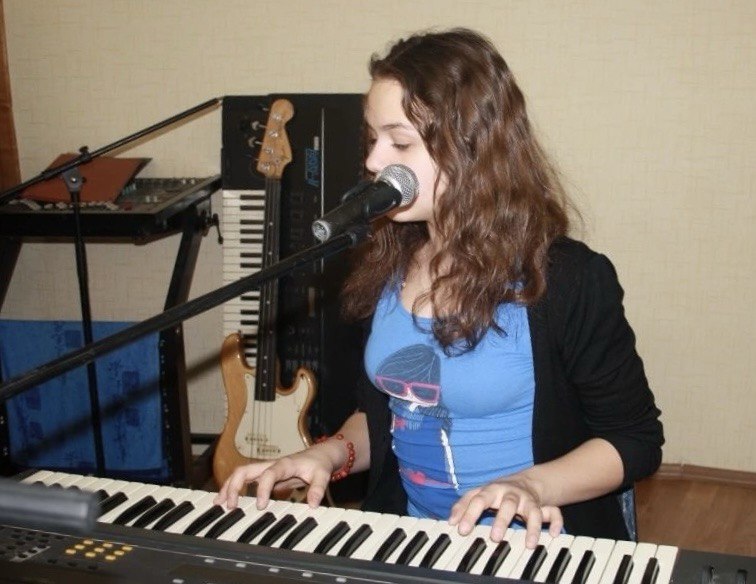
The fundamental risk of my life started when I was 12 years old. Choosing a creative path at that age means stepping into a world that does not come with an instruction manual. While my classmates were focused on a traditional school life with parties and dates, I launched my first YouTube channel. Inspired by the Australian show H2O: Just Add Water, I started filming my own series about mermaids. At the time, it looked incredibly unserious and even cringe to those around me. I faced skepticism and bullying at school because people told me to stop being childish and focus on something real. However, I did not stop. I spent my evenings teaching myself how to edit, how to write scripts, and how to frame a shot. I was unknowingly building a foundation in media production and audience psychology. That decision not to betray my curiosity despite the mockery became the bedrock of my career.
This experience established the core habit that I continue to cultivate today. It is a mindset that most people postpone until their mid-20s or 30s, which is the habit of choosing yourself and your own vision even when it feels unpolished. There is a massive misconception among young people that they will suddenly become someone at 30. It does not work that way because a creative identity is built through early and messy starts. I always tell my followers to start as early as possible. You should start when it looks bad and start while you are being judged. You cannot simply think your way into a career, so you have to act, analyze, and pivot.
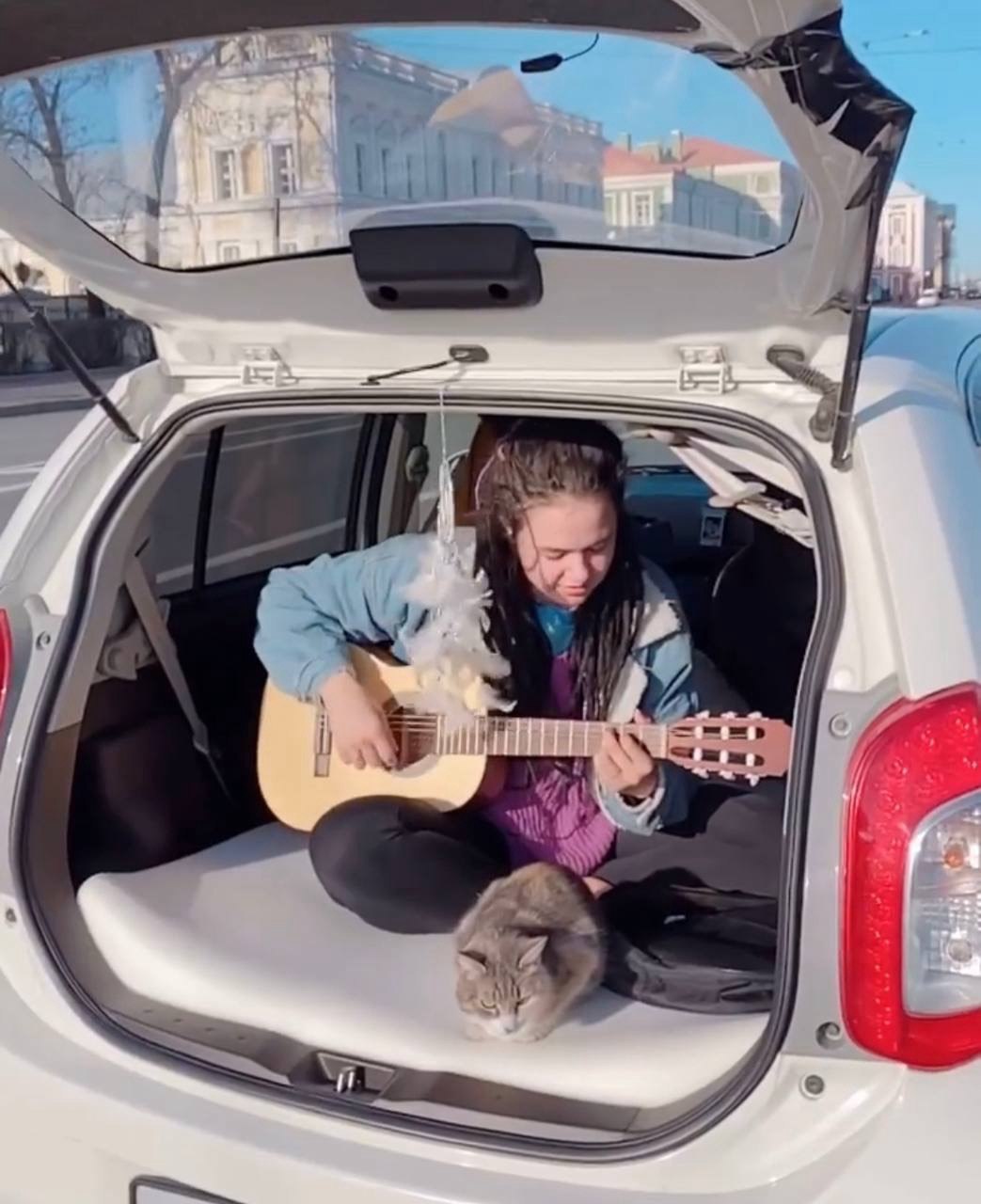
I could speak about more dramatic risks, such as the period when I was finishing my university degree with honors while living in my car because I could not afford rent. I parked near campus, prepared for my thesis defense, and attended classes while moving forward without making my circumstances visible to others. The truth is that many of us carry difficult chapters and different battles. Hardship alone is not unique, but what matters is what we choose in the middle of it. Over the years, I realized that the greatest risk is not external instability. The greatest risk is self-betrayal.
It is surprisingly easy to slowly abandon your own direction and trade long-term alignment for short-term approval. Staying aligned with your inner vision requires courage because the world will always offer alternatives that appear more secure and more logical. The real discipline involves refusing to abandon yourself in the process of building your life.
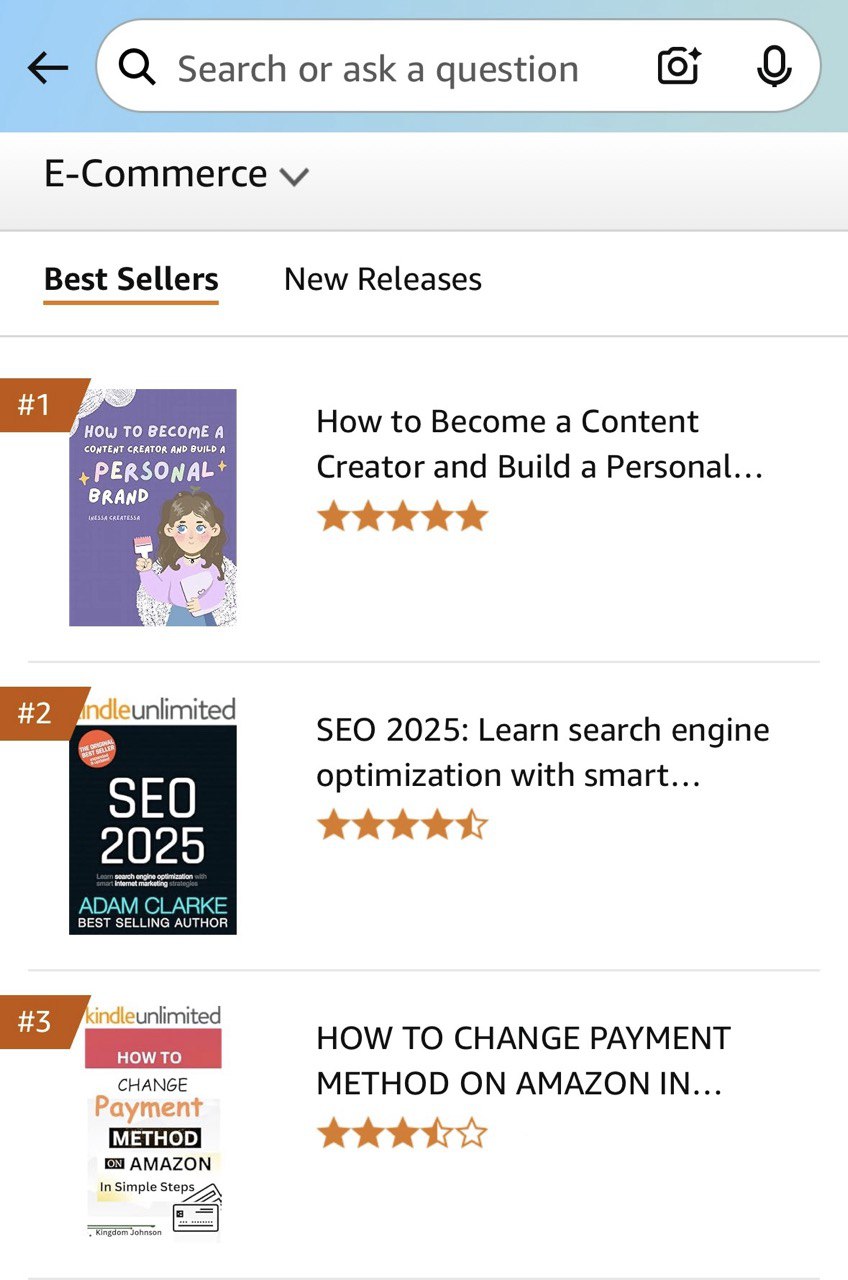
This systematic commitment to finishing what I start, even under pressure, is exactly what led me to where I am today. It was the combination of tangible accomplishments and recognized professional strength that led me into top-tier international environments. These qualities became the reason I was invited to serve as a Judge for The Webby Awards (the “Oscars of the Internet”), as well as The Drum Awards, The Lovie Awards and many others. This same foundation of professional excellence is why I earned a National Business Award for my projects, saw my book become an Amazon Bestseller on launch day, and built a blog of over 30,000 people where I help others find their own creative spark.
As always, we appreciate you sharing your insights and we’ve got a few more questions for you, but before we get to all of that can you take a minute to introduce yourself and give our readers some of your back background and context?
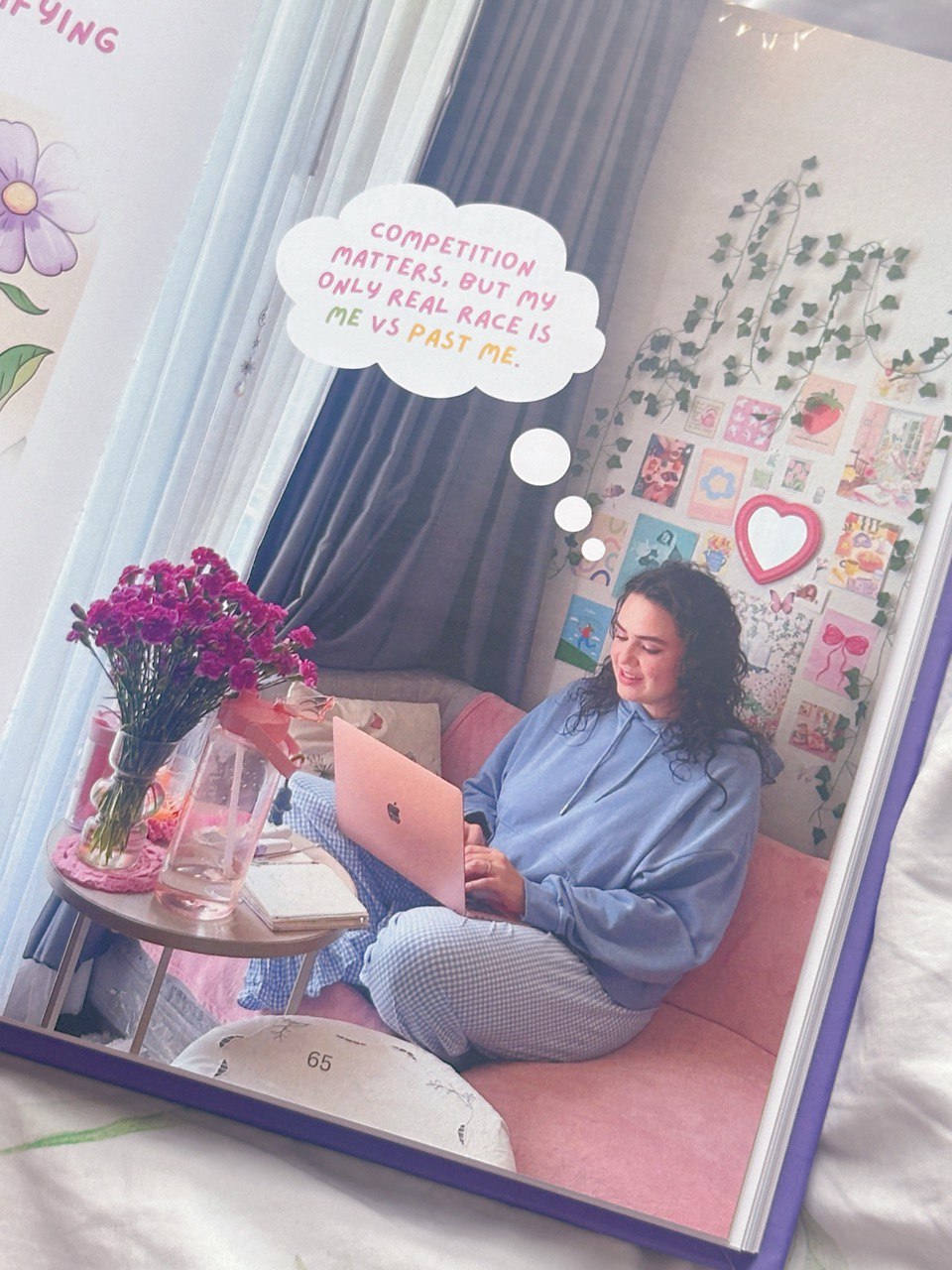
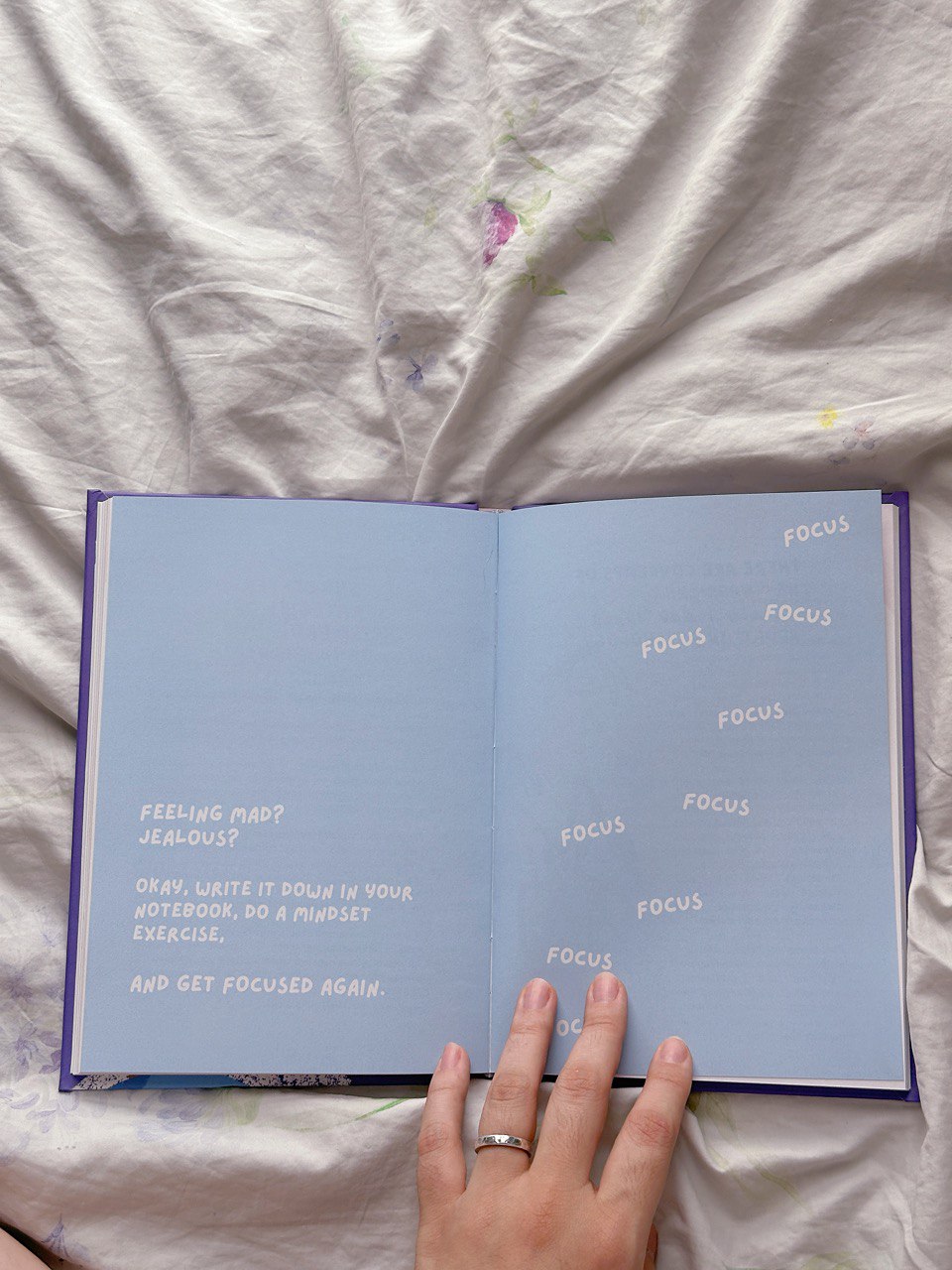
My work is built on three distinct pillars. First, I lead a growing community online where I help talented creative individuals find themselves and discover their true talents. My mission is to help them show these gifts to the world, grow their presence on the internet, and learn how to monetize their creativity. I am focused on helping people unlock their potential and find the courage to shine.
Second, as a strategist, I work with experts and entrepreneurs to help them package their vision. Many of my clients have incredible ideas but don’t know how to present them or structure them into a cohesive personal brand. I help them identify their blind spots and look at their projects through a lens of creative innovation, giving them the strategic clarity they need to move forward confidently.
The third pillar of my professional life is my 2D-animation studio, where we focus on high-quality visual storytelling, including educational content for children and commercial projects. While we utilize modern tools to enhance our workflow, we are deeply committed to prioritizing human creativity over AI. Our studio is a place where we invest in the creative community, ensuring that every project, from a global educational series to a private animated gift, carries the soul and precision that only human talent can provide.
What do you think is the goal or mission that drives your creative journey?
My mission for the coming years is to create a large-scale initiative to support creative individuals (specifically women and teenagers) who are at the beginning of their path. I am currently exploring the perfect format for this, whether it will be a YouTube show, a podcast, or a dedicated app. My goal is to launch a project that combines psychology, hard skills, and a deep understanding of the economy and monetization.
I want to be a sort of “Creative Fairy Godmother” for these girls. I remember being that twelve-year-old filming mermaid stories, and I know how much it means to have someone come to you and say: “You are okay. Everything is fine with you. Let me show you how this creative world works.”
I want to teach them not only how to express themselves but also how to package their talent, how the world of money works, and how to build the inner resilience needed to keep going. This is my way of giving back, shaping a new generation of creators who are not only inspired but also strategically equipped to succeed and shine without losing their authenticity. It is an idea I am currently putting out into the universe, and I am actively feeling out the right shape for it to take.
We’d love to hear the story of how you built up your social media audience?
If I strip everything down to the foundations that actually helped me build my audience, it comes down to these three pillars:
1. Create before you consume Make this a non-negotiable rule: do not consume other people’s content until you have created something for your own platform. No doom-scrolling. Creation comes first, consumption second. If you need a specific “vibe,” a quick look at Pinterest is enough. If you need to research headlines, set a 15-minute timer, take notes, and get out. Don’t “accidentally” open TikTok on your way to the bathroom and call it research. You have to protect your creative energy because you cannot build your own life while you are constantly absorbing everyone else’s.
2. Be consistent when it’s boring Consistency is for you, not just for the algorithm. There will be a long phase where nothing happens — no growth, no applause, and zero validation. This is where most people quit. But this stage is where you learn what you actually enjoy. You might realize you love the editing process but hate being on camera, or that you’re great at storytelling but indifferent to trends. You won’t have that clarity until you’ve produced hundreds, even thousands, of pieces of content.
3. Build from who you already are Do not invent a persona that you have to maintain. It is exhausting to perform a character every day. Vulnerability is much easier to sustain than a fake image. Behind every successful blog is just a normal human being. There are thousands of “aesthetic” accounts and talented creators out there, but people stay for the energy and the meaning. High-end visuals can be bought — you can hire me, a designer, a photographer, or an editor to create a beautiful wrapper. But the substance inside has to be yours. Substance will always outlast packaging.
If you prioritize discipline over scrolling, consistency over your mood, and authenticity over performance, you will build a real presence that lasts in 2026.
Contact Info:
- Website: https://inessa.online
- Instagram: https://www.instagram.com/inessacreatessa/
- Linkedin: https://www.linkedin.com/in/inessamudrova
- Youtube: https://www.youtube.com/@inessacreatessa
- Other: My 2D-animation studio – https://kemistudios.com/
My e-book – https://www.amazon.com/dp/B0F1QWCPL9/ref=sr_1_1?dib=eyJ2IjoiMSJ9.P0Qutp3ZLEnj_EKldEVzhg.npAwC3I2LpQZ-uri2Dq25CPfUPIMXHhpvS6EAih69O8&dib_tag=se&keywords=inessa+createssa&qid=1742285361&sr=8-1