

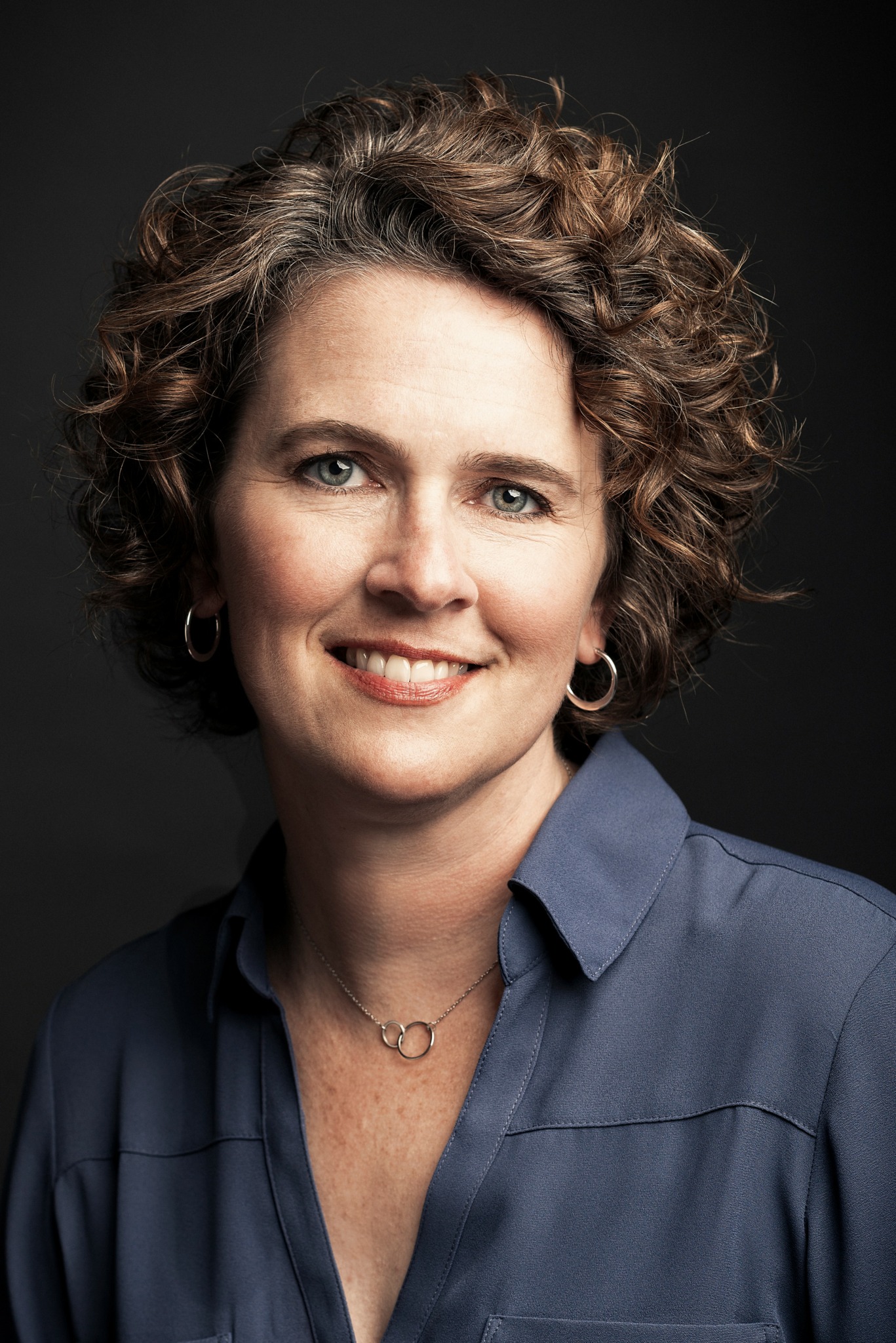

We caught up with the brilliant and insightful Kali White VanBaale a few weeks ago and have shared our conversation below.
Kali, thanks for taking the time to share your stories with us today Are you happy as a creative professional? Do you sometimes wonder what it would be like to work for someone else?
I am happier as a creative, but that doesn’t mean I don’t sometimes fantasize about a “regular” job.
I recently had that thought on a random Monday morning. I was sitting at my desk at 10:47 a.m., the house quiet except for the low hum of the refrigerator and the clicking of my keyboard. A draft was open in front of me on my computer screen, messy, stubborn, refusing to become what I wanted it to be. I had already revised the opening paragraph six times. Every sentence felt like it was wearing the wrong coat. I was tired, behind on other responsibilities, and painfully aware that no one was clocking my hours, no one was promising a paycheck for this effort. It was just me and the blinking cursor.
That’s when the thought slipped in: Wouldn’t it be easier to just have a regular job?
I imagined fluorescent lights. A desk that wasn’t in my home. Clear expectations. Work completed, left behind at 5:00 p.m., and a paycheck as a reward. I pictured the comfort of predictability, the steady rhythm of direct deposits, the structure of meetings already on a calendar, the subtle relief of knowing the responsibility wasn’t entirely mine.
In that moment, creativity felt indulgent. Risky. Self-imposed.
But as I sat there, I realized something else. The frustration I was feeling wasn’t misery—it was investment. I cared enough about the work to wrestle with it. The tension wasn’t a sign I should quit; it was a sign I was trying to make something true.
And then I thought about all the times a piece finally clicked. When a paragraph landed exactly right, when a novel structure finally took shape, when a story reached someone and they told me it mattered. A regular job might offer stability, but it wouldn’t offer that electric sense of alignment. A feeling that I’d literally made something from nothing.
I also had to admit something honest: when I imagine a “regular job,” I rarely imagine the full picture. I imagine the security, not the office politics. The steady paycheck, not the fluorescent headaches. The structure, not the monotony. My fantasy edits out the parts that would likely chafe against the what makes me…me.
Being a creative is uncertain. It asks for self-discipline. It requires faith on days when nothing flows. It blurs boundaries between work and identity. But it also allows me to build something that feels deeply mine. I can follow curiosity. I can pivot. I can explore.
That random Tuesday morning, instead of closing the document, I stood up, took a long walk outside in the fresh air, and returned with softer expectations. I stopped trying to force “brilliance” and instead focused on honesty. The paragraph loosened. Not perfectly, but enough.
I don’t think the question ever disappears. Stability will always have its appeal. But every time I picture myself trading this path for something safer, I feel a small tightening in my chest.
And therein lies my answer.
Great, appreciate you sharing that with us. Before we ask you to share more of your insights, can you take a moment to introduce yourself and how you got to where you are today to our readers.
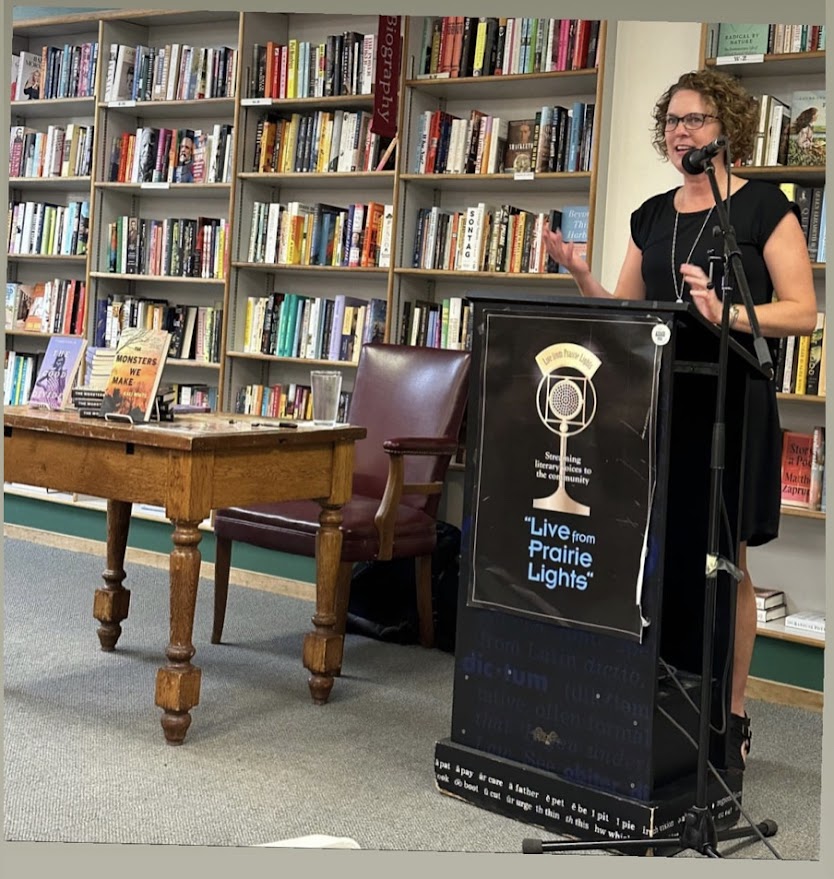
For those who may not be familiar with my work, I’m Kali White VanBaale, a novelist, short story writer, essayist, and educator based in Iowa. I’m the author of three novels—The Monsters We Make, The Good Divide, The Space Between—as well as the short story collection Release of Information and Other Linked Stories. My work often explores the emotional fault lines in families and communities—how secrets, grief, love, and moral choices shape who we become. I also write a Substack column called Minding the Gaps for the Iowa Writers’ Collaborative where I dig into stories about mental healthcare reform and social justice, subjects I’m deeply passionate about.
Over the years, I’ve been honored to receive an American Book Award, an Eric Hoffer Book Award, an Independent Publisher’s silver medal for fiction, the Iowa Author Award, and two State of Iowa major artist grants. I was also a finalist for the All Iowa Reads selection. While awards are meaningful, what matters most to me is writing work that resonates deeply with readers; stories that feel honest, layered, and unafraid of complexity.
I hold an MFA in creative writing from Vermont College of Fine Arts and serve on the faculty of the Lindenwood University MFA in Writing program where I was named Adjunct Professor of the Year in 2022 and a RISE scholar with distinction. Teaching is an essential part of my creative life. I work closely with graduate students to refine their manuscripts, deepen their narrative structures, and strengthen their artistic confidence.
Both of my roles as a writer and teacher allow me to champion other writers and contribute to conversations about craft, process, and the writing life.
In terms of what I provide: I create literary fiction and narrative nonfiction that examine emotional and ethical tension with nuance and depth. As an educator and editor, I help writers shape complex material into cohesive, compelling work. Many writers come to me feeling overwhelmed by structure or unsure how to fully inhabit the emotional core of their stories. It’s always a thrill to help them bridge those gaps between instinct and craft, between lived experience and literary execution.
What sets me apart is my dual commitment to emotional truth and structural precision. I care deeply about the architecture of story, the way narrative time, character motivation, and thematic layering interact. But I’m equally invested in vulnerability and authenticity on the page. My approach is rigorous but humane.
What I’m most proud of is the community I’ve built around storytelling: with readers, students, and fellow writers who celebrate each others’ successes and empathize in each others’ struggles. At the heart of everything I do is a belief that storytelling matters. Not just as art, but as a way of understanding ourselves and each other.
Let’s talk about resilience next – do you have a story you can share with us?
In early 2020, the release of my third novel, The Monsters We Make, unfolded in a way I never could have imagined or planned for. The book launched into the uncertainty of COVID, when in-person events disappeared overnight and the literary world went quiet. Like many authors, my book launch was delayed, and my book tour with in-person events canceled. I quickly had to learn how to navigate Zoom screens and live social media events.
Later that fall when the world slowly started to re-open, I was diagnosed with breast cancer.
Suddenly the book felt both precious and distant. I was navigating brutal treatments, fatigue, and the emotional disorientation that comes with hearing the word “cancer.” In the midst of that, my father died. Grief layered itself over illness, over a world already paused by a pandemic.
There were long stretches when I couldn’t work. But when I felt well enough—sometimes for a few mere minutes—I returned to the page. Not out of ambition, but out of necessity. Writing became a tether. Storytelling reminded me that chaos can still be shaped, that pain can still be witnessed.
That season stripped everything down to what mattered. Creativity stopped being about productivity or promotion. It became sacred. A quiet act of defiance, of meaning-making, of staying present. I kept writing because it helped me stay alive to my own life.
Can you tell us about a time you’ve had to pivot?
A few years after publishing my first novel, I found myself at a crossroads. On the outside, it looked like I had “arrived.” I had a book in the world. I was building momentum. But internally, I knew I wanted to deepen my craft and expand the scope of my creative life. I didn’t just want to publish, I wanted to grow. I also felt called to teach at the university level, which meant investing in further education.
So I made the decision to pursue my MFA in Creative Writing.
It was a significant pivot. I had a young family, and going back to graduate school required both time and financial sacrifice. We rearranged schedules, budgets, and expectations. There were residencies away from home, long nights of reading and writing, and moments when the weight of tuition and responsibility felt very real.
But that decision changed everything.
The MFA sharpened my craft and greatly expanded my literary community. It also opened the door to teaching—work that now sustains and inspires me alongside my own writing. The pivot demanded faith and discipline, but it aligned my creative ambition with long-term sustainability. It was an investment in my art, my voice, and my future, and it was absolutely worth it.
Contact Info:
- Website: https://www.kaliwhite.com
- Instagram: @kaliwriting
- Facebook: @kaliwriting
- Other: Substack Column: Minding the Gaps
@kaliwriting
Image Credits
Author photo #1 credit: Bob Delsol
All others are personal photos