

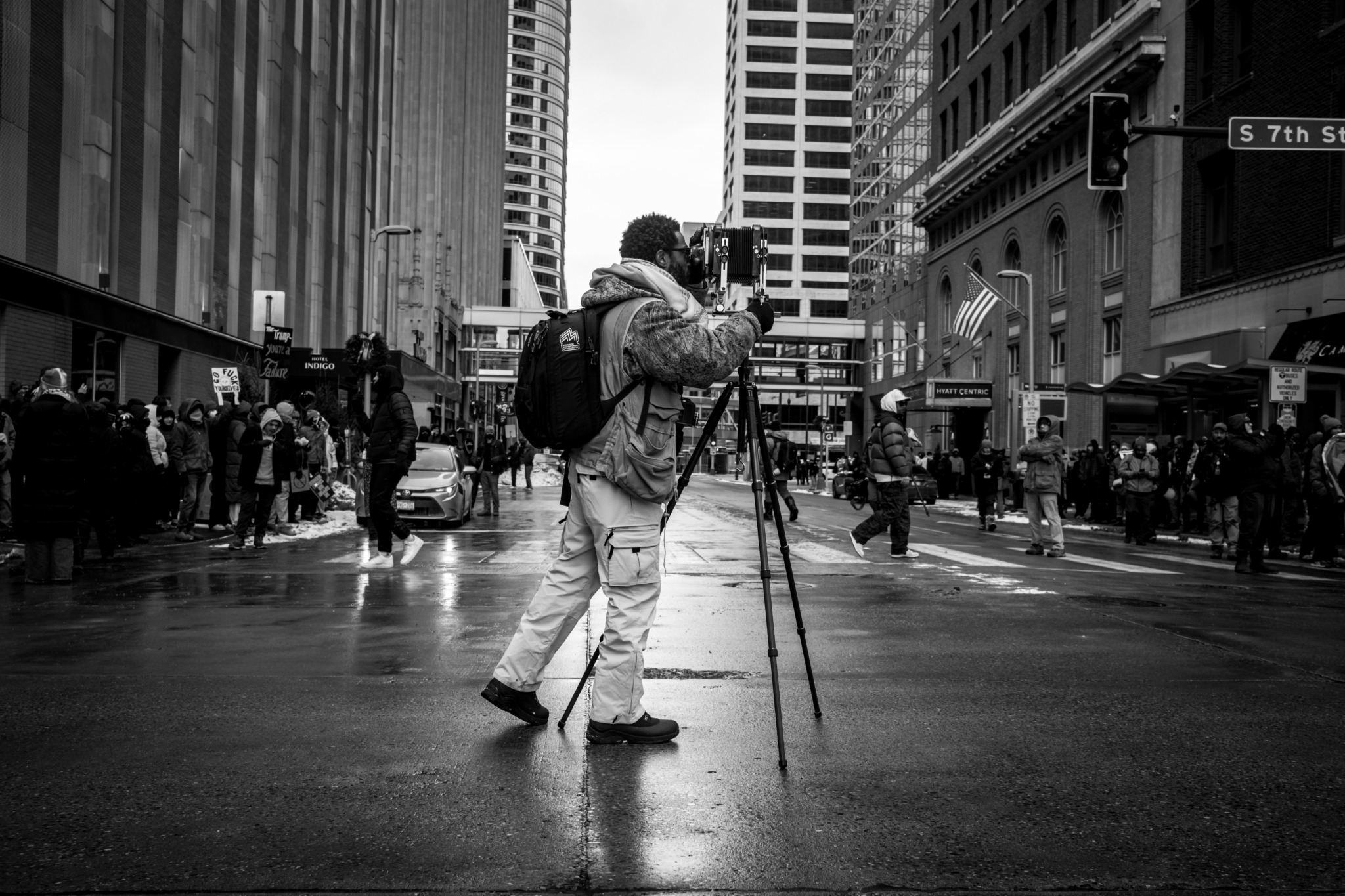

We recently connected with Shedrick Pelt and have shared our conversation below.
Shedrick, thanks for joining us, excited to have you contributing your stories and insights. Can you talk to us about a project that’s meant a lot to you?
An extremely meaningful large-format photo project I’m currently working on is called *MINNESOTA ICE*. The title is a play on the phrase “Minnesota Nice” — that cheeky Midwestern trope describing surface-level politeness, with an unspoken undercurrent of passive aggression when the boundaries of public grace are pushed.
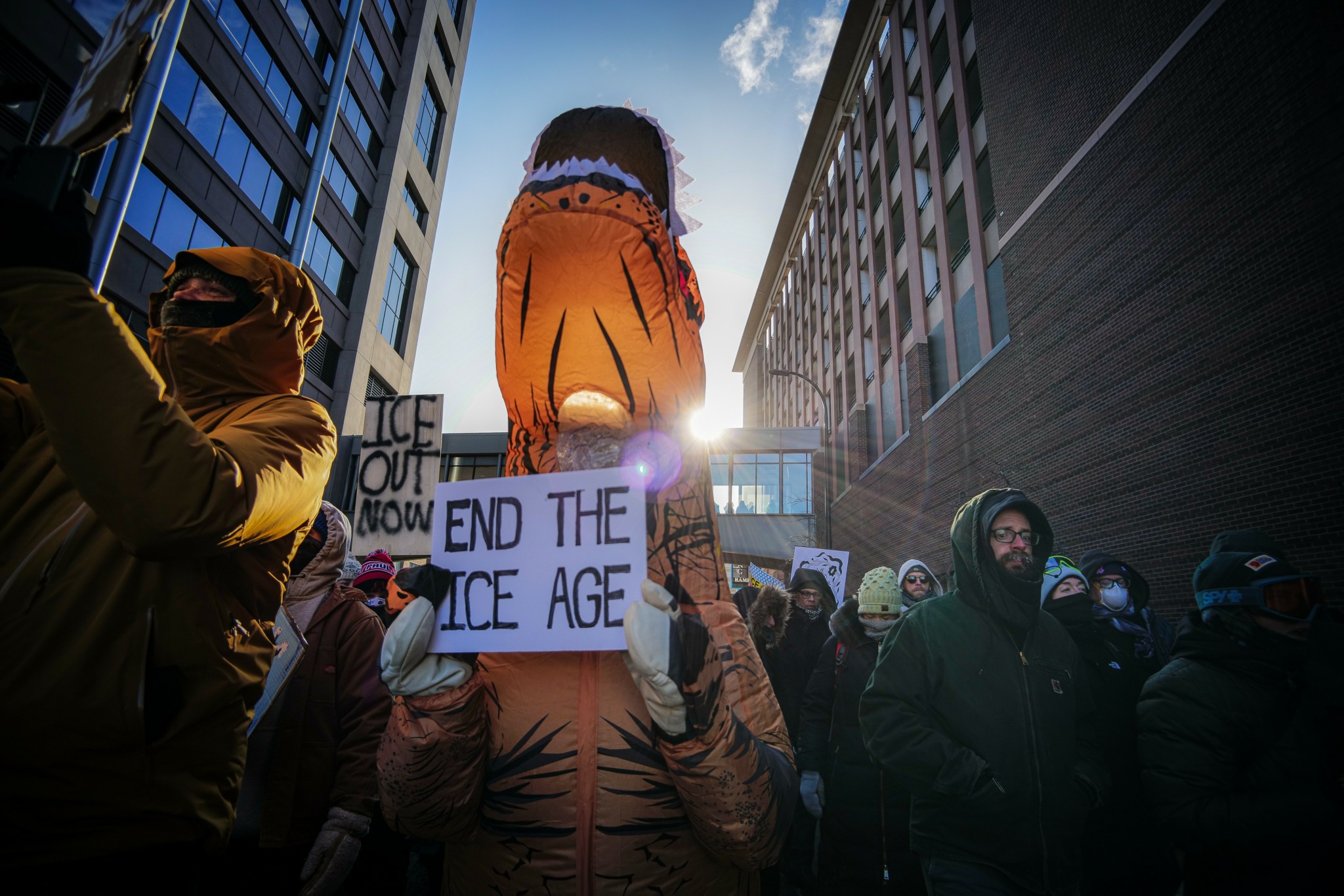
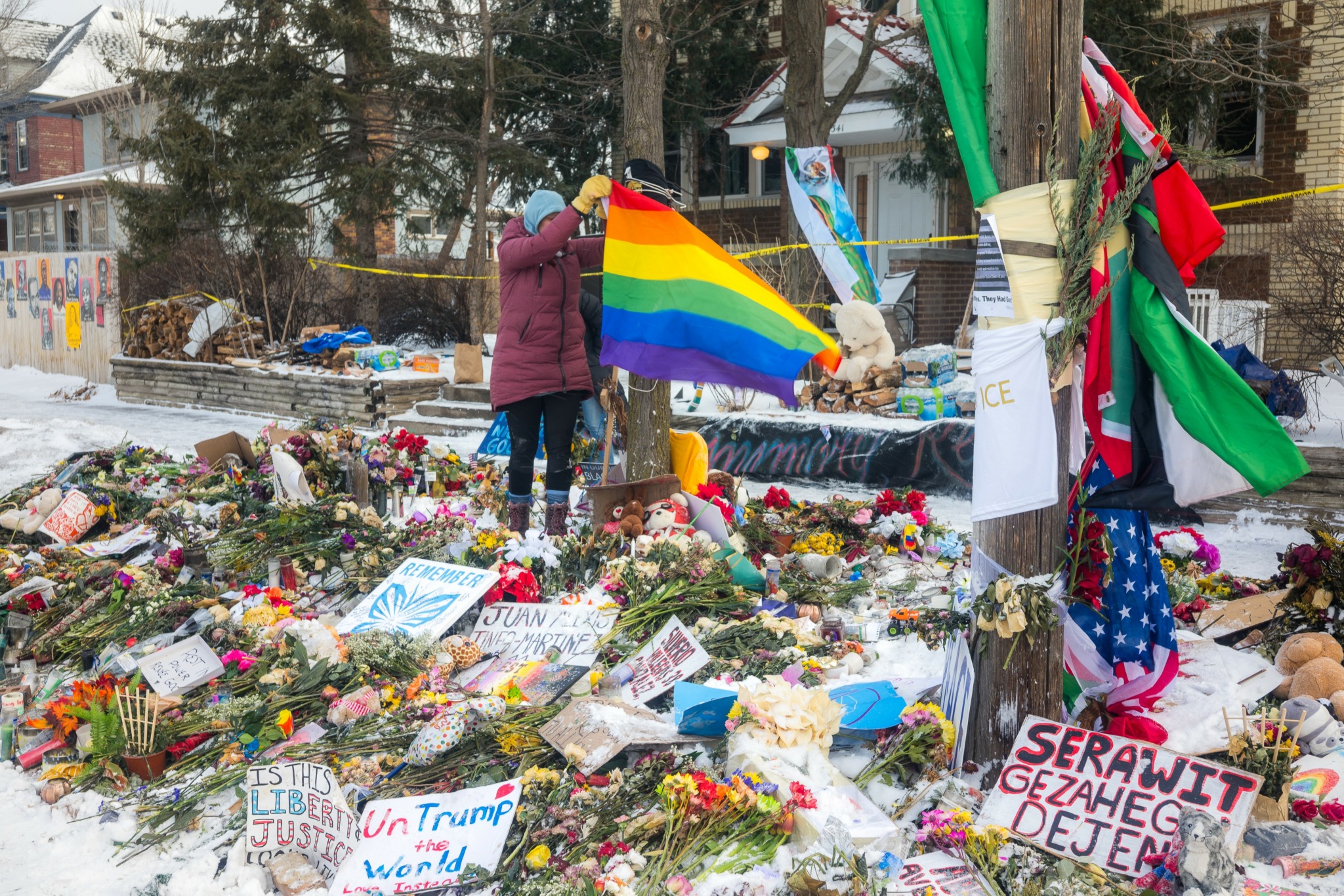
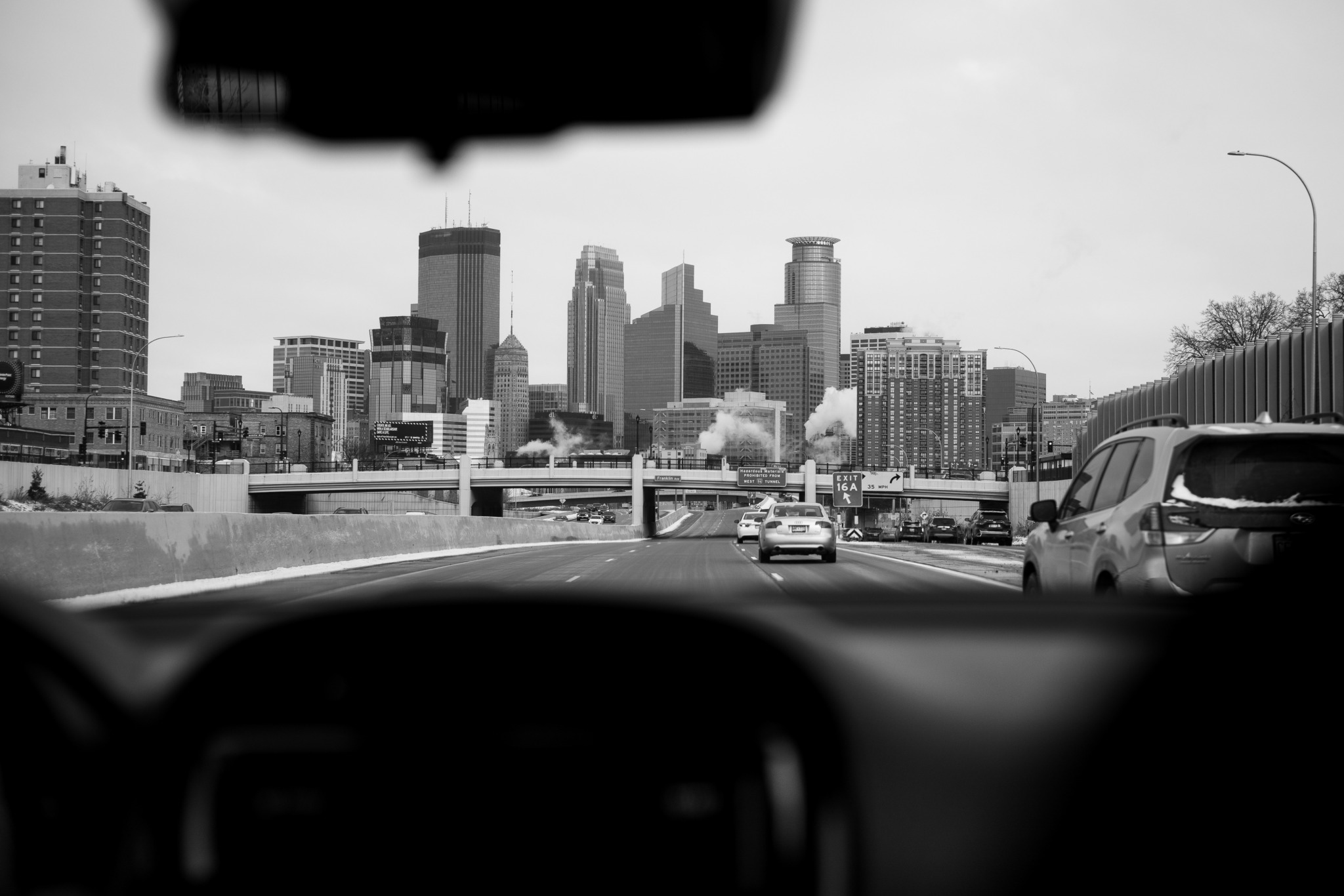
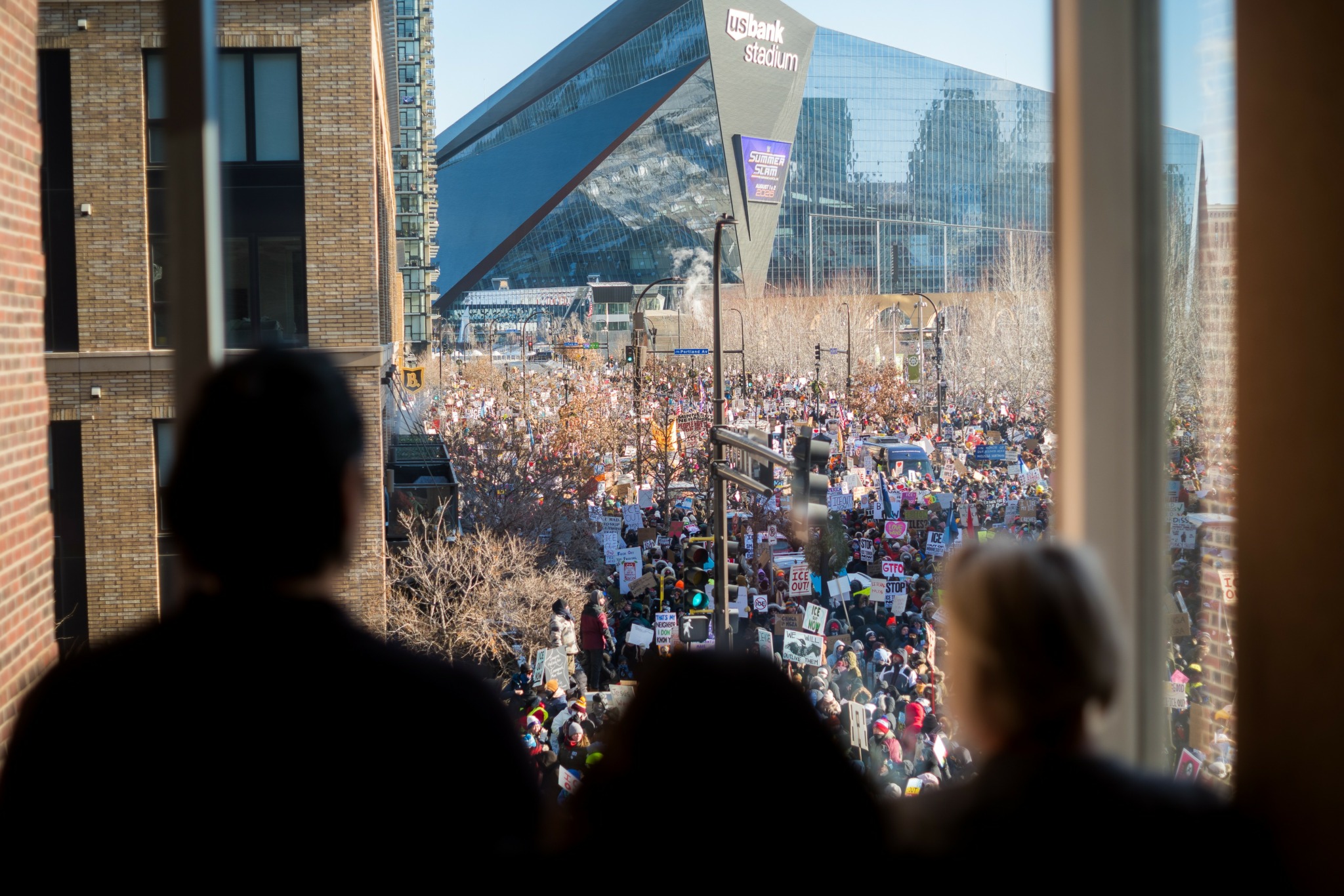
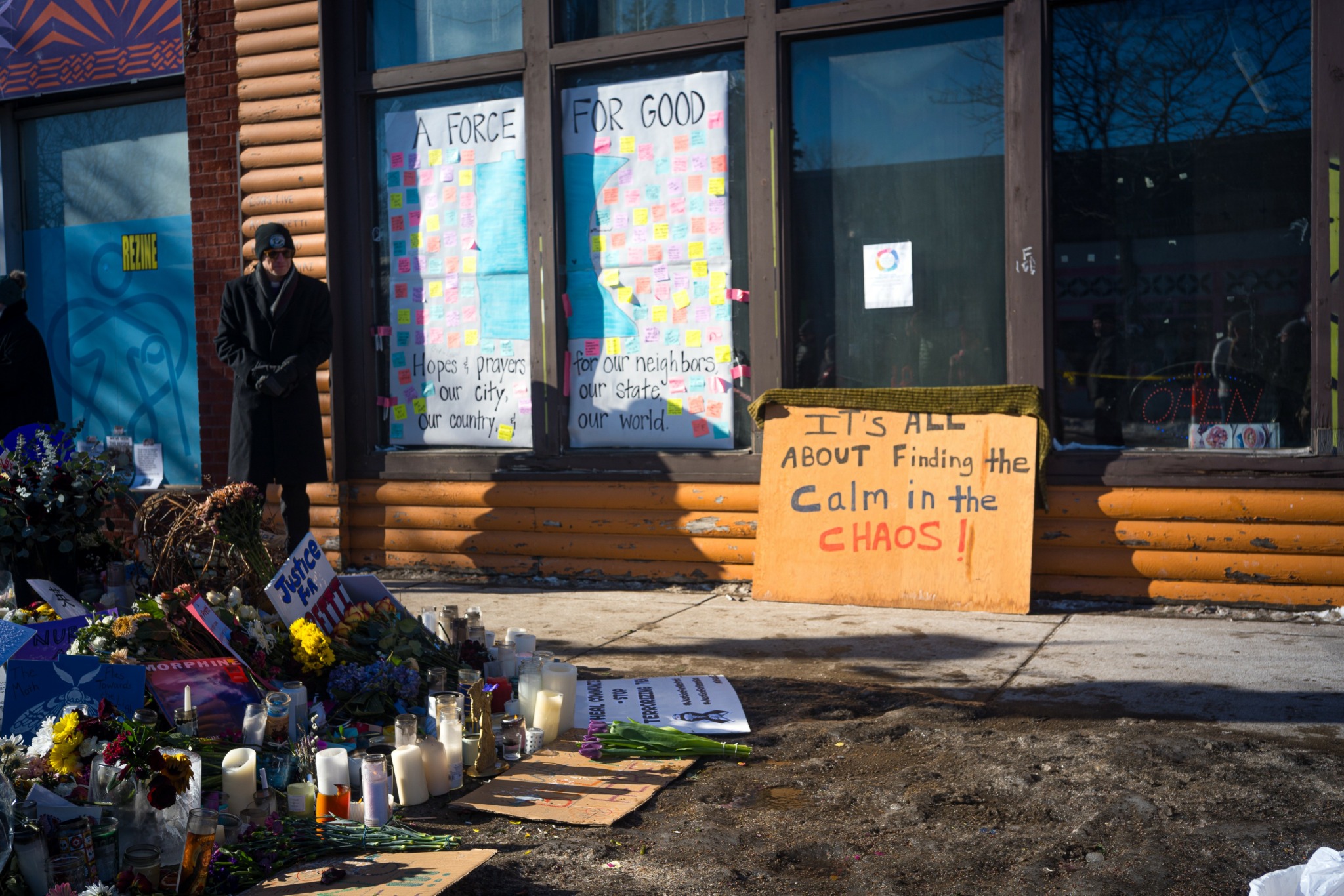
Throughout January and February 2026, I traveled back and forth from Washington, DC to the Twin Cities to document the volatile experiences communities are facing in response to ICE (Immigration and Customs Enforcement) arrests in their neighborhoods. The project weaves together narrative, first-person interviews, and photography as testimony. I’ve shared in people’s grief, listened to deeply personal stories, and witnessed how fiercely beautiful and protective these communities are. I was welcomed with open arms and genuine gratitude for helping tell their stories. I often joked that the warmth felt almost Canadian — a cousin to Southern hospitality.
But when conversations turned to the impact of federal enforcement actions in Minneapolis, St. Paul, and surrounding neighborhoods, another side emerged — one that isn’t so nice.
A side that is cold, stoic, guarded, and at times confrontational under sustained pressure. As I watched this version of Minnesotans step onto the front lines for one another, the title *MINNESOTA ICE* took on deeper meaning. (I didn’t coin the phrase.)
Because my work is rooted in community-based storytelling, I believe it’s essential to step fully into these moments — with both my mind and my lens — to document how people rally, resist, and show up for one another in times of crisis.
Shedrick, love having you share your insights with us. Before we ask you more questions, maybe you can take a moment to introduce yourself to our readers who might have missed our earlier conversations?
I’m a photojournalist, storyteller, and historian of sorts, currently based in Washington, DC, by way of Harlem, New York, and Huntsville, Alabama. I began my photography career in 2009 in New York City, working in the entertainment industry — specifically in hip-hop. I learned the craft through concert photography, touring with artists, and spending ten consecutive years documenting SXSW in Austin. Those early years taught me how to move quickly, anticipate emotion, and capture energy in real time. More importantly, they taught me how to tell stories.
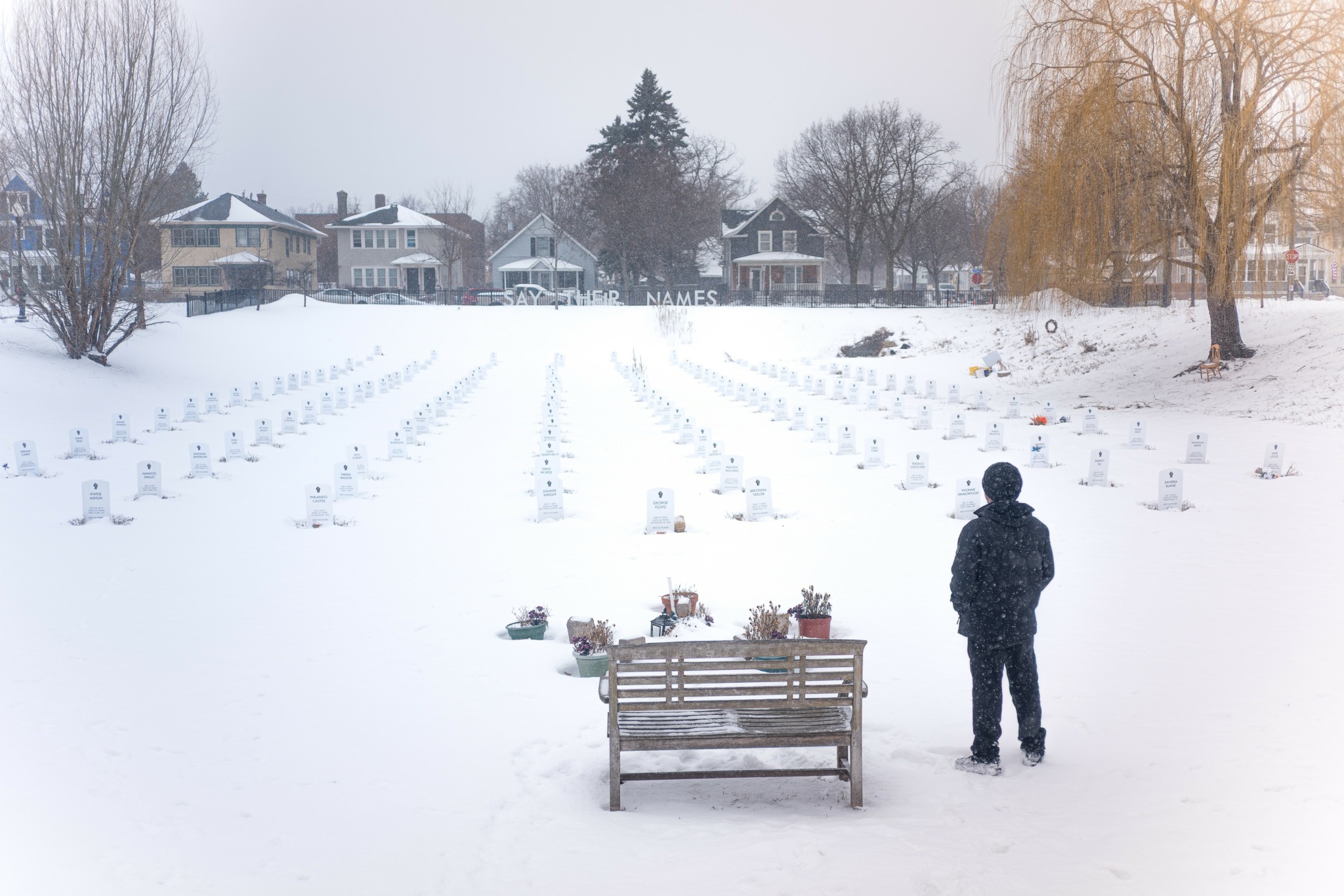
In 2020, shortly after relocating to Washington, DC, the pandemic effectively shut down my work in entertainment. Searching for a way to stay connected to both my creativity and my humanity during such an isolating and uncertain time, I turned my lens toward the uprisings unfolding in the streets following the murders of George Floyd and Breonna Taylor. It was my first experience witnessing civic action on that scale, but I immediately understood that people were hurting — and that their anger, grief, and demands for justice needed to be documented.
Through that work, I experienced profound personal and professional growth. I watched communities come together to challenge systemic oppression, and I began to understand my role more clearly — not just as a photographer, but as someone preserving moments that shape our collective history.
Since then, I’ve found deep pride in being present for some of the most significant political and cultural moments of our time. To stand on the ground, camera in hand, bearing witness as history unfolds — and to contribute to the visual record of these movements — is both a responsibility and an honor I don’t take lightly.
What’s the most rewarding aspect of being a creative in your experience?
One of the most gratifying aspects of being a community-centered creative is sharing in the joy of the people I document. I’m invited into stories about the beauty of a neighborhood, the impact of a local hero or heroine, and the collective resilience a community has built over time.
Often, I’m allowed to get close enough to see what’s happening behind the curtain — the quiet moments, the vulnerability, the humanity that isn’t always visible from the outside. I’m truly humbled by that level of trust, and I don’t take it lightly.
Are there any resources you wish you knew about earlier in your creative journey?
Throughout my 15+ years in the creative field, I’ve learned that your most trusted colleagues are often your most valuable resources. They can see your work from a perspective you, as the creator, simply can’t. Inviting them into the process — and encouraging honest critique — gives you the opportunity to reassess your messaging, refine your direction, and ensure the work is making the impact you intend it to make.
I’ve also found that participating in portfolio reviews, respected professional development programs, and collectives like the group I’m a part of called Liberation Lens can be incredibly beneficial. Constructive feedback in those spaces not only strengthens the work, but also sharpens your clarity and confidence as an artist.
Contact Info:
- Website: https://www.sdotpdotmedia.com/
- Instagram: https://www.instagram.com/sdotpdotmedia/
- Linkedin: https://www.linkedin.com/in/shedrickpelt/
- Other: Contributor at 51st News: https://51st.news/author/shedrick-pelt/
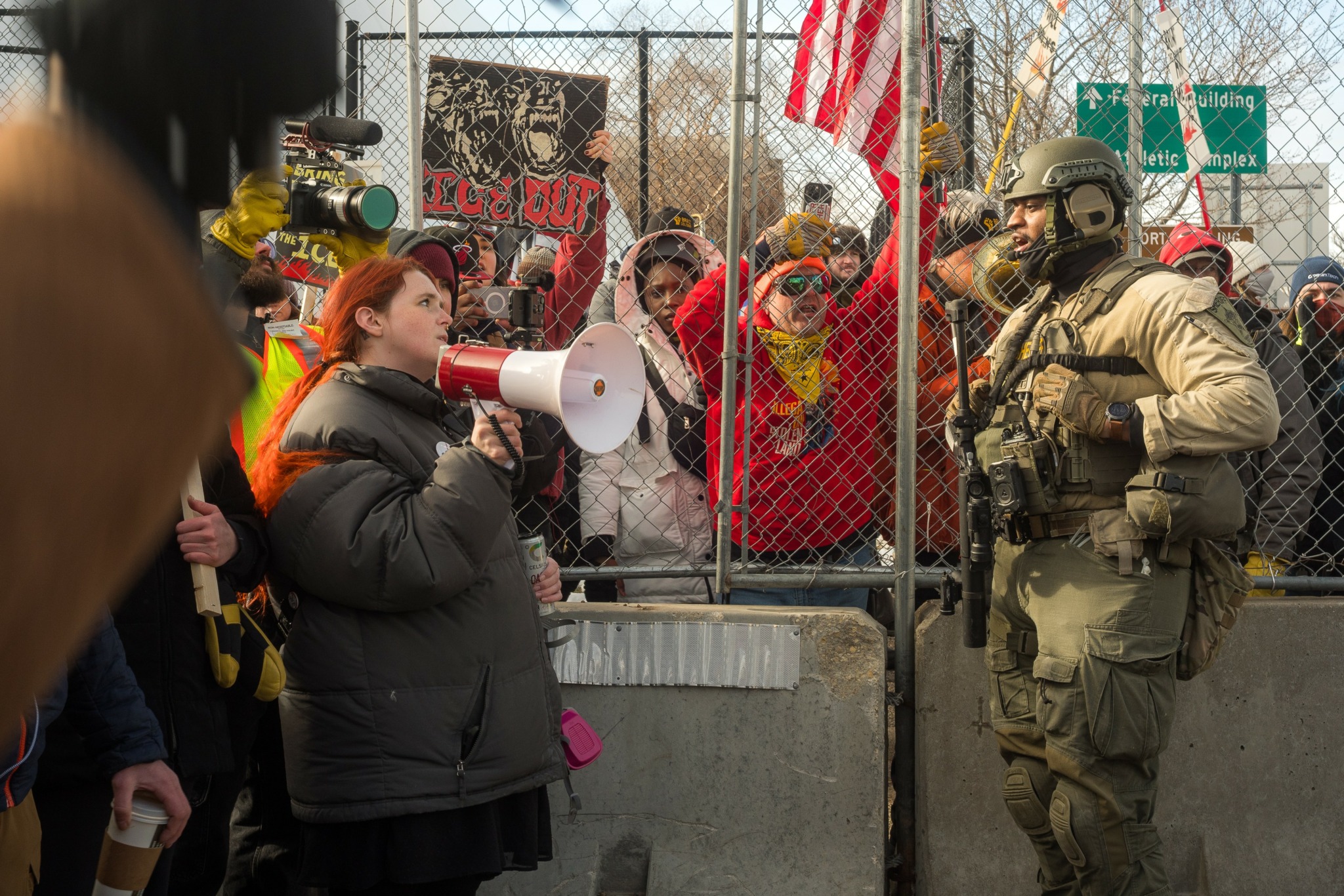
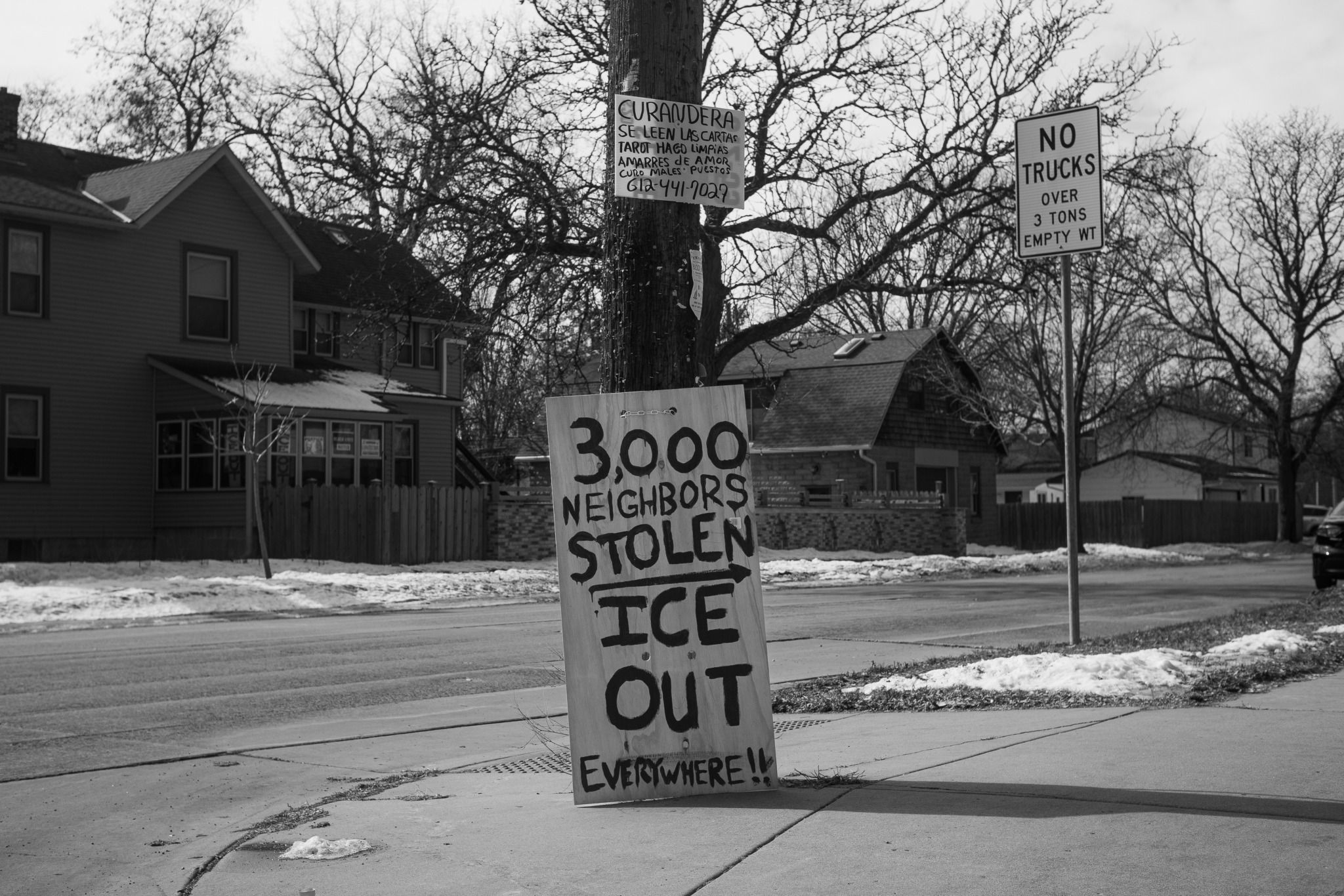
Image Credits
Portrait of me by Mike Madison (IG: @bumpopera)
photos by Shedrick Pelt