
We caught up with the brilliant and insightful Whitney Weathers a few weeks ago and have shared our conversation below.
Whitney, looking forward to hearing all of your stories today. The more we talk about good leadership the more we think good leadership practices will spread and so we’d love for you to tell us a story about the best boss you’ve had and what they were like or what they did that was so great?
In 2022, a white man walked into a Supermarket and opened fire on its Black customers; that shooting claimed 13 victims.
Could you sit with that sentence for a moment?
While I would like to think that we are somehow desensitized to all of the shootings and killings, we are not. Let me not speak for everyone–I am not. And so it was that I found myself thinking about “showing up” to work, as the only Black woman on staff, with an almost all-white staff, after 13 Black people were gunned down.
Definitely not a business-as-usual day.
So I did what I’d never done before: called off from work. But before I did, I left my staff some instructions on how to support Black colleagues and friends during times of turmoil:
“Evening team. In light of the recent massacre within my community, I wanted to give you a few tips on how to be an authentic ally, to Black people- we are not a monolith, but here are some safe places to start:
1. Check on the friends and family you have individually. Creating a post, sending a mass email or mass text isn’t as intentional as holding space for someone you know. State: “I am here for you if you need a listening ear or safe space.”
2. Hold space, don’t take it up. When you ask someone how they’re doing, don’t anticipate their responses, don’t add your two cents/rage and don’t say you “know how they feel” because of your own trauma and oppression;
3. Show up completely. Don’t ask if you don’t have ALL the time to listen/sit in silence. Silence slack, don’t answer texts, BE present;
4. Hold space for our feelings without addressing them. Don’t expect your Black friends to perform or smile or share or do anything-we can’t. We just can’t. And we all process differently, so don’t expect us to show up at work sad either. Remember, for years we have been told that showing our emotions is unprofessional.
5. Put out positivity. Don’t share traumatic videos/articles/podcasts. Please. Please. Please. If there are orgs doing support work, publicize them.
6. Prepare before the share. Don’t ask people to share feelings in a large group without clearing it with the impacted people first and having clear outcomes for the space;
7. Mobilize but don’t publicize. If you write a letter to your lawmakers, don’t overstate your impact. If you march, reconsider that selfie with your friend group.
8. Educate yourself. Although I’m posting this as a part of my position, as a Black mother I am devastated and have ZERO capacity to talk about racism or gun control or anything else. Do research before you ask a Black person about any of the recent happenings. It’s the least you can do.
I am taking a mental health wellness day today, but I thank you in advance for being a group of people committed to making this world a better place. ✊🏾
Feel free to copy and share. Black folx: be gentle with yourselves this week.”
And my white-presenting, Jewish, 50-year-old boss, reposted my message to his LinkedIn community and wrote, “may we all be so wise as the torah presented by Whitney today; may we all find strength during times of challenge.” He then checked in with me and told me to take the time I NEEDED to heal and get back to work. Without penalty and without question.
THIS? This was ally-ship in action. This was not performative. This was the support of a kick ass boss, and I’ll tell you why:
1. He believed my pain. He didn’t ask me to qualify my pain or explain why this was dissimilar from antisemitism. He believed me and left it at that.
2. He elevated my voice without requiring ME to elevate it.
3. He trusted that I would return to work when I was ready.
And I did. And I worked my tail off for him; because he was not only my boss, but my ally.
Whitney, before we move on to more of these sorts of questions, can you take some time to bring our readers up to speed on you and what you do?
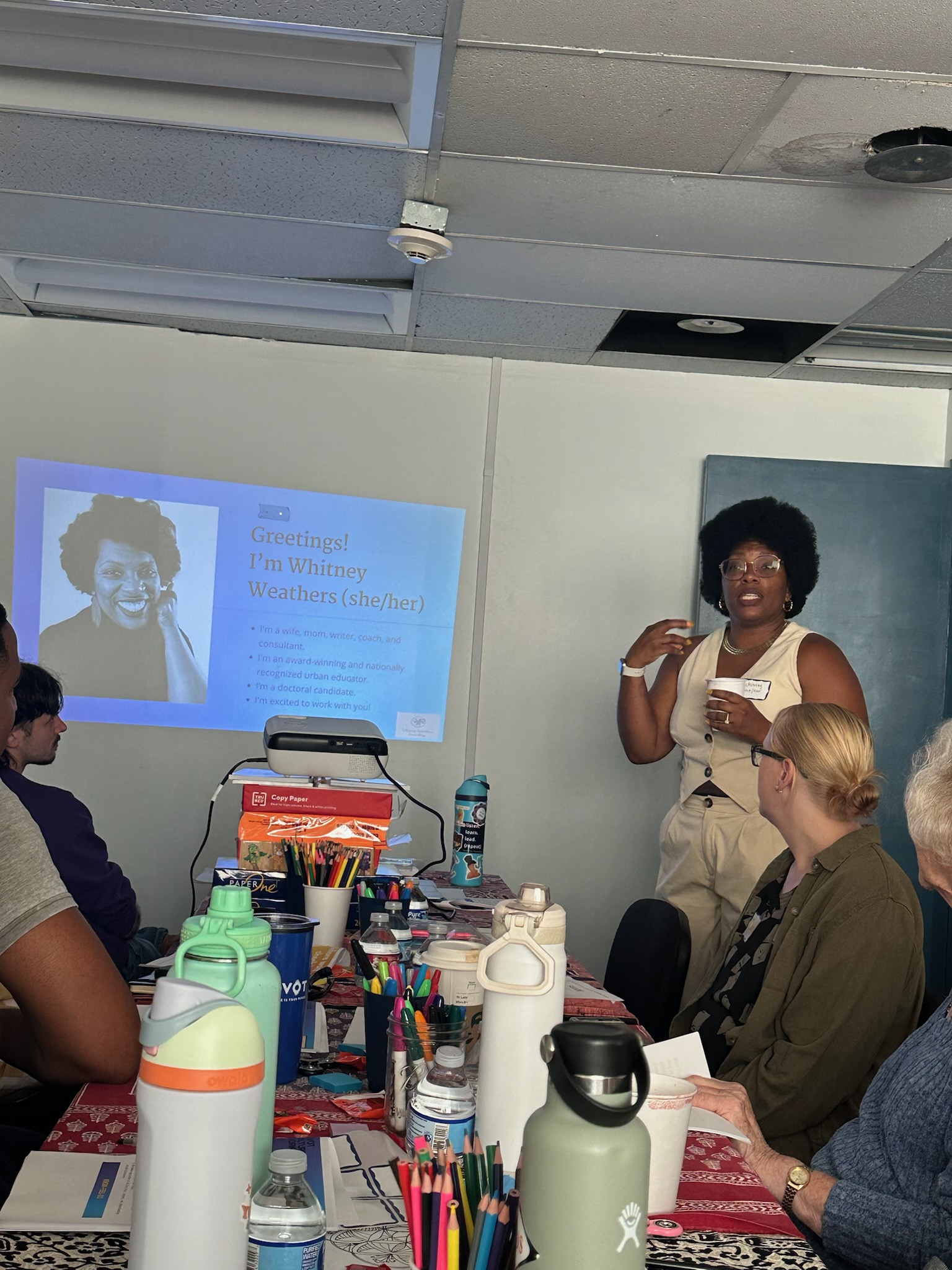
I am a workplace culture coach and consultant. Essentially, I help leaders create workplaces people love, while still getting the results that leaders need from their teams. My philosophy is that people who feel like they belong stay, which creates retention and cohesion. I envision a world where workplaces foster belonging, resilience, and joy, shaping a healthier community both within and outside of their organizational walls. Lofty? Maybe, but my clients understand, quite clearly, the cost of turnover, so I work with them to create value-based systems regarding their workplace cultures.
My coaching and consulting philosophy comes from my deep conviction that all people are sacred and worthy of feeling that they belong.
Coaching has always been a natural part of who I am; I used to coach my dolls on how to sit up straighter (this is a true story). From there, I was a choir director (one who “coaches’ music), a teacher (one who “coaches” students), a teacher-leader (one who “coaches” teachers), and then a Diversity and Inclusion Executive (one who “coaches” leaders). Practically, I got into coaching and consulting because I am a full-time doctoral student, so coaching and consulting afforded me the ability to work on my dissertation and work at the same time without sacrificing either.
In terms of my coaching, I am most proud of my work with a team that worked with incarcerated youth. Their hearts were absolutely in the right place, but they didn’t understand how some of their actions were leading to a lack of inclusion for their incarcerated youth. After development sessions, 1:1s, and other strategic support, they are now increasing their services in a more equity-centered way. One person noted, “[it was so important to learn about the practice of ‘call in and call out’]. To [be able to] practice the Call In or Call Out with my colleagues [was great]. I’ve already done it since the workshop and I feel like it made an immediate improvement in my co-facilitation.” To see immediate returns on the workshop skills makes my heart smile.
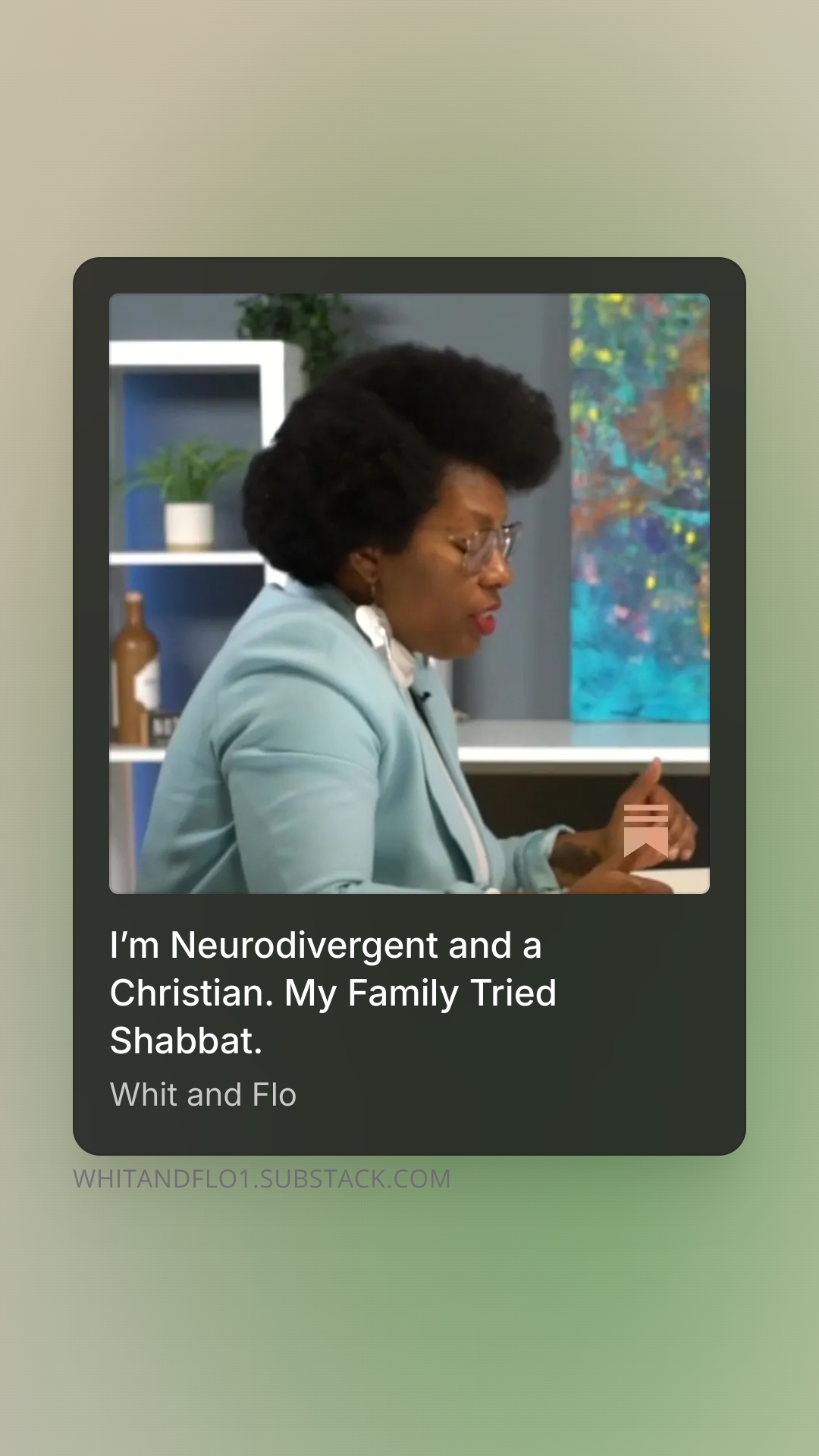
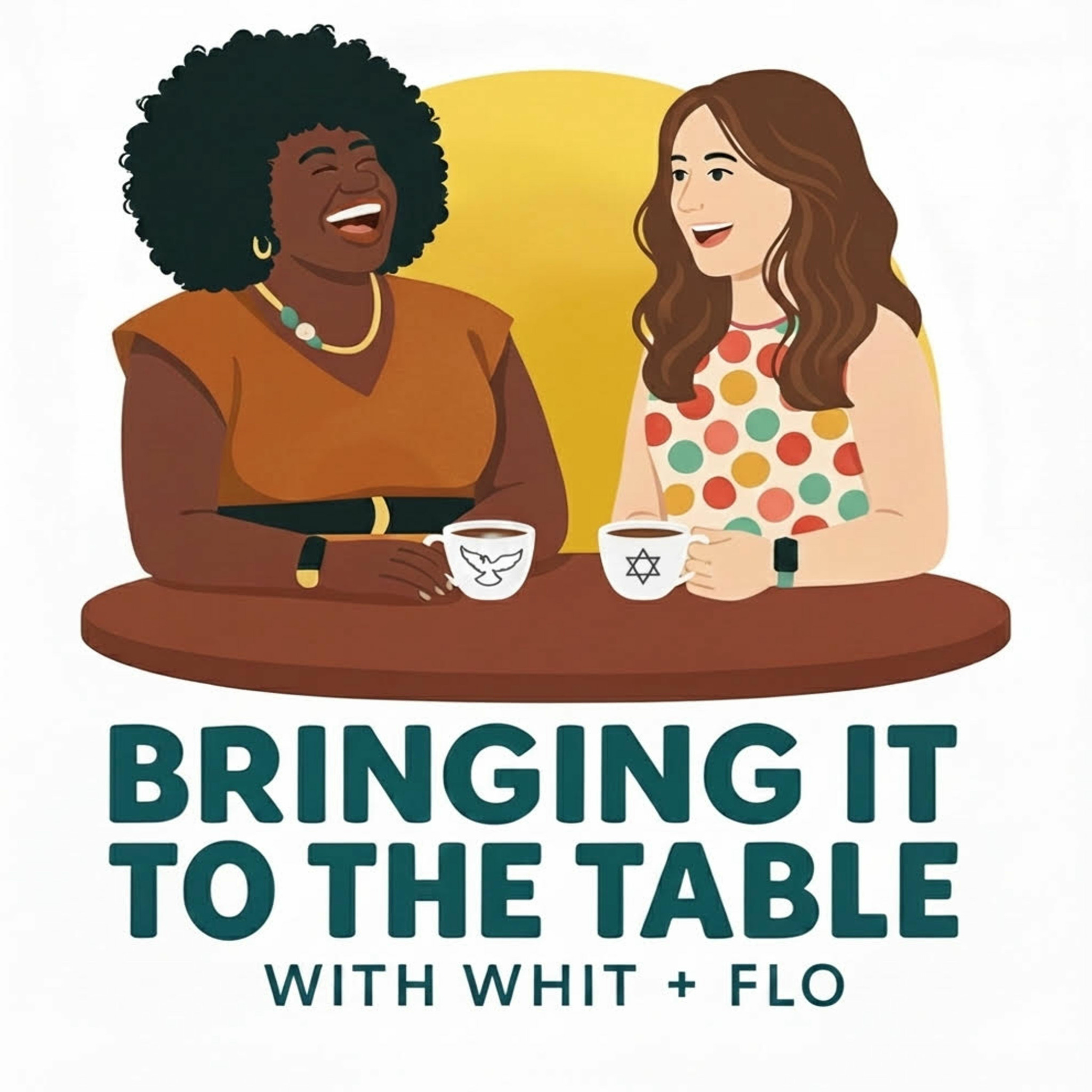
Perhaps tangentially connected, I am also most proud of my consulting work, leading the creation of my podcast, “Bringing it to the Table with Whit and Flo.” Our podcast focuses on creating a virtual space of belonging where I, a Black Christian woman who is Neurodivergent and a mom, can grapple with complex issues alongside my white-presenting, Jewish, atheist, woman, Captain in the IDF, soldier, and unmarried cohost Flo. I am so proud of my work, “growing legs, if you will. I knew we were landing when one of my friends, a biracial, Wiccan woman, said, “I’m loving this!!! As someone who is ethnically Jewish and a Wiccan, and therefore so connected to the female divine and the matriarchal path, I’m loving this!” or the comment from my Black Christian friend, “I also thought of Jewish as a faith. Not culture. So now I understand how two things can be true [thank you for your podcast].”
THIS. This is why I do the work that I do. This is why my work is more than just a check. I am wild enough to believe that through consulting, coaching, and conversation, the world can be made better and walls can be removed.
How’d you build such a strong reputation within your market?
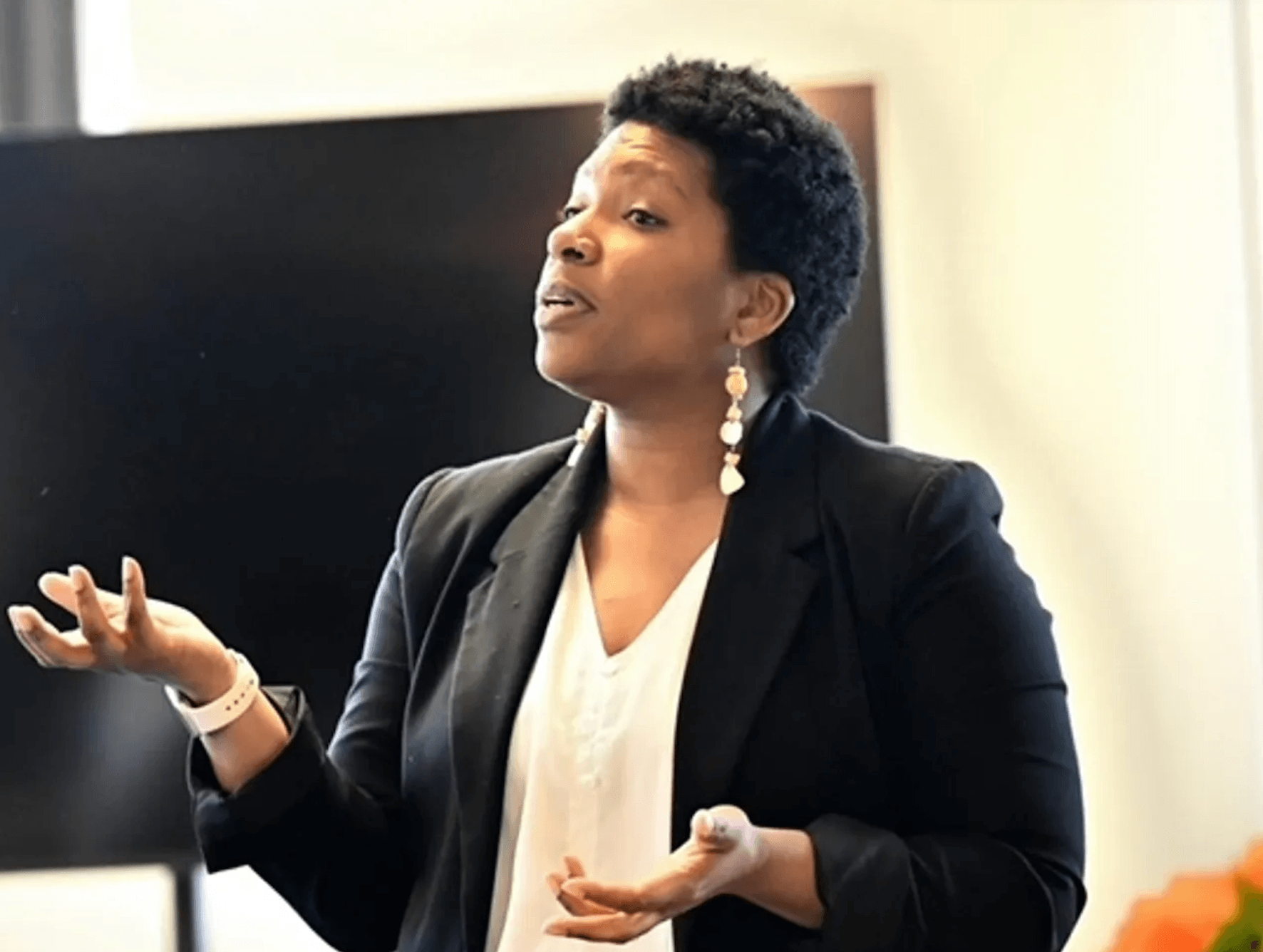
Excellence and vulnerability. I wish I could say something a bit more prolific, but I operate from a place of excellence and relationship-first leadership, which requires that I be vulnerable even when I don’t want to be. I bring my fidget spinners to meetings, I set birthday reminders of former colleagues to check on them, my kids make pop-up appearances in my meetings–BUT, I don’t miss deadlines, I over-communicate, and I deliver exactly what I say I will. One of my referrals said to my prospective client: “Don’t work with Whitney if you don’t want to laugh or do hard work…cause you’ll do both with her.”
And that’s the gospel truth.
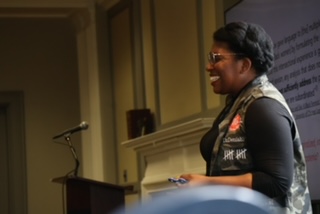
Learning and unlearning are both critical parts of growth – can you share a story of a time when you had to unlearn a lesson?
I had to unlearn that it was selfish of me to own my own business. In the Black community where I was raised, everyone was told to go to college and “get a good job with good benefits.” It is not that entrepreneurship was frowned upon but it certainly wasn’t taught or cultivated. Thus, when it was time for me to open my own business, I underpriced myself out of desperation. I lived in lack and kept the same 9-6 schedule I maintained when I worked for an organization. In short, I was perpetuating the same harm onto myself that the larger capitalistic system already had.
So I had to interrupt that. I refute urgency. I refute that I needed to work 12 hours a day. I refute working 6 days a week. I bet on myself and price myself accordingly. I take sick days, and I eat in the sun. I read and pray, and laugh before and during and after work now.
Because I needed to unlearn that I was a worker first and a person second.
Contact Info:
- Website: https://whitneyweathersconsulting.com/
- Instagram: https://www.instagram.com/whit_the_consultant/
- Linkedin: https://www.linkedin.com/in/weatherswhitney/
- Youtube: https://www.youtube.com/@WhitandFlo
- Other: Whit and Flo Instagram: https://www.instagram.com/whitandflo/
Substack: https://substack.com/@whitandflo1